
Two weeks is a very good length for a first trip to Japan. You can spend several days exploring the main cities, try a few experiences, and still have time to visit another part of the country. The harder decision is choosing which places to leave out, especially once you start looking beyond Tokyo and Kyoto.
I recommend a 70/30 split: spend about 70% of the trip on the classic destinations, then about 30% exploring one less familiar area. That gives you time for the places you’ve been looking forward to, as well as smaller towns, countryside, or a stretch of coast where you can discover a different side of Japan.
The places you choose will depend on what you enjoy and how much you want to move around. Below, I’ll explain how to divide the time, compare a few possible routes, and suggest what to cut when the itinerary gets too full.
- At a Glance
- Why I Recommend a 70/30 Split
- How to Divide Your Time
- Planning Your Time in Tokyo
- Planning Your Time in Kyoto
- Adding Osaka, Nara, or Himeji
- Including Hakone or a Ryokan Night
- Choosing a Regional Area
- Four Example 14-Day Japan Routes
- What I Suggest Leaving Out
- Trains, Luggage, and Bookings
- FAQ
- Before You Book the Route
Some links on YavaJapan are affiliate links. If you book or buy through them, I may earn a small commission at no extra cost to you. It helps support the site, and I only link to places, stays, and experiences I genuinely think are worth recommending.
At a Glance
- Spend about 70% on the classic destinations and 30% beyond them. For two weeks, that means roughly 9 to 10 days on the popular route and about 4 days in a less familiar area.
- Choose one region to explore beyond the main cities. Staying in one base to visit nearby towns gives you more time to explore and less time moving between hotels. My destination guide can help you compare areas.
- Stay longer in fewer places. I usually recommend at least 2 or 3 nights in most bases, with time for meals, walking, and things you find along the way.
- Include travel time when dividing the days. Arrival, departure, and hotel transfers reduce the time available for sightseeing, even when the train journey is short.
- Check the cost of the route before booking. Use the Japan Trip Cost Calculator or two-week Japan budget guide to compare transport, hotels, and experiences.
Why I Recommend a 70/30 Split
The Japan Golden Route usually connects Tokyo, the Hakone or Fuji area, Kyoto, and Osaka. The JNTO Golden Route itinerary also includes an optional Hiroshima visit. These are good places for a first trip, and Tokyo and Kyoto are usually where I suggest spending the most time.
I suggest keeping about 4 days for somewhere outside that familiar route. After living in Tokyo for years and taking regular trips around Japan, I still enjoy arriving in a town where I haven’t already seen the same streets in hundreds of photos. Spending a few days in a smaller town or another region gives you time for shops, local restaurants, and places you discover while walking.
For this recommendation, I include Hiroshima and Miyajima, Kanazawa, Takayama, and Shirakawa-go in the classic 70%. They’re worthwhile destinations, but I wouldn’t count another popular first-trip stop as the less familiar part of the journey. Hakone and Kawaguchiko belong in that classic portion too.
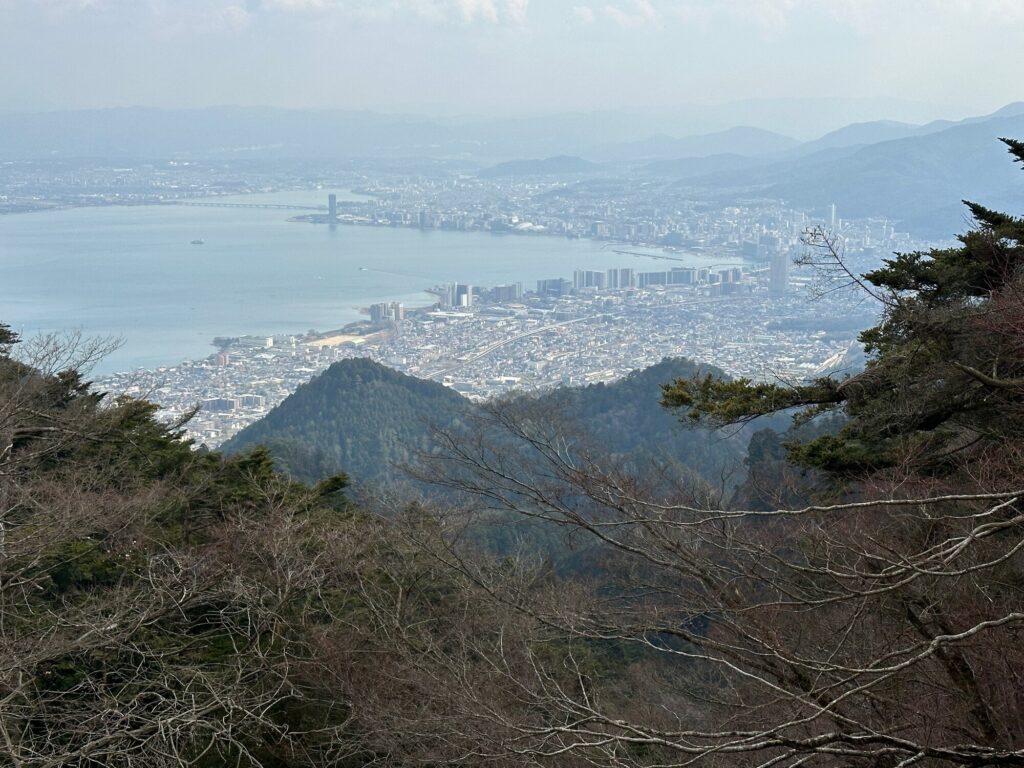
Choose the regional area along the same general direction as the rest of your trip. Lake Biwa, in Shiga Prefecture next to Kyoto, is easy to combine with a Kyoto stay. Gujo Hachiman connects with Gifu and Nagoya in central Japan. Onomichi and Kurashiki work better if you’re already traveling west toward Hiroshima. My guide to choosing where to go in Japan compares more possibilities.
The percentages are approximate. The recommendation is to set aside several days for one region, including the journey there, while choosing fewer stops elsewhere. A regional visit can include one or two bases, with nearby towns visited from each.
How to Divide Your Time
I suggest choosing the main cities you want to visit, then setting aside about 4 days for the regional part of the trip. Tokyo and Kyoto are good starting points for a first visit, but Osaka, Hiroshima, Kanazawa, or another city may appeal more depending on your interests.
For Tokyo, 4 nights gives you an arrival day and 3 full days to explore. In Kyoto, 3 nights gives you 2 full days plus whatever time remains after the journey there. If you want more time in either city, allow for it before adding other destinations. Osaka can be visited from Kyoto, while a night in a ryokan (traditional Japanese inn) can sometimes fit into a place you’re already staying.
When you have the places in mind, write down where you’ll sleep each night and when you’ll travel between them. The examples later in the article use 13 nights, with arrival on Day 1 and departure on Day 14. If your two weeks of leave also include international flights, count how many days you’ll actually have in Japan.
My guide to how many days to spend in Japan can help if you’re still choosing the trip length. For flights, season, and the rest of your preparations, start with Plan Your Trip to Japan.
Planning Your Time in Tokyo
I suggest keeping your arrival day close to the hotel. After immigration, collecting your bags, and traveling into the city, a meal and a short neighborhood walk may be enough. A ticketed activity across town is better saved for another day.
With 4 nights, you’ll have 3 full days to explore. I recommend grouping each day around nearby neighborhoods. For example:
- Shibuya, Harajuku, and Omotesando for shopping, cafes, and walking between neighborhoods.
- Asakusa with Ueno or Tokyo Skytree for Senso-ji temple, museums, or a city view.
- Shinjuku with Shin-Okubo or Nakano if those neighborhoods interest you, leaving time for dinner in Shinjuku.
Choose a few places within each area. Living in Tokyo has made me cautious about assigning only an hour to a neighborhood: a shop, lunch, and a cafe can easily take most of an afternoon. I like leaving enough time to stay longer when I’m enjoying somewhere.
If you’re more interested in Ginza, Tsukiji, Akihabara, Odaiba, or teamLab, replace one of those days. Check the location of the particular teamLab exhibition before planning the rest of that day. Shimokitazawa is another option if you’d enjoy browsing secondhand clothing shops.
A private geisha dinner in Tokyo could also go in this part of the trip if it’s something you’re considering. Allow an evening for it and keep the journey from your afternoon plans manageable.
For your hotel, use my guide to where to stay in Tokyo. Check the walk from the station as well as the neighborhood name, especially if you’ll arrive tired with suitcases.
Planning Your Time in Kyoto
On your arrival day in Kyoto, leave time to reach the hotel and put down your bags. A walk around the neighborhood and dinner nearby may be enough, especially after a longer journey. Save the more ambitious sightseeing plans for a full day.
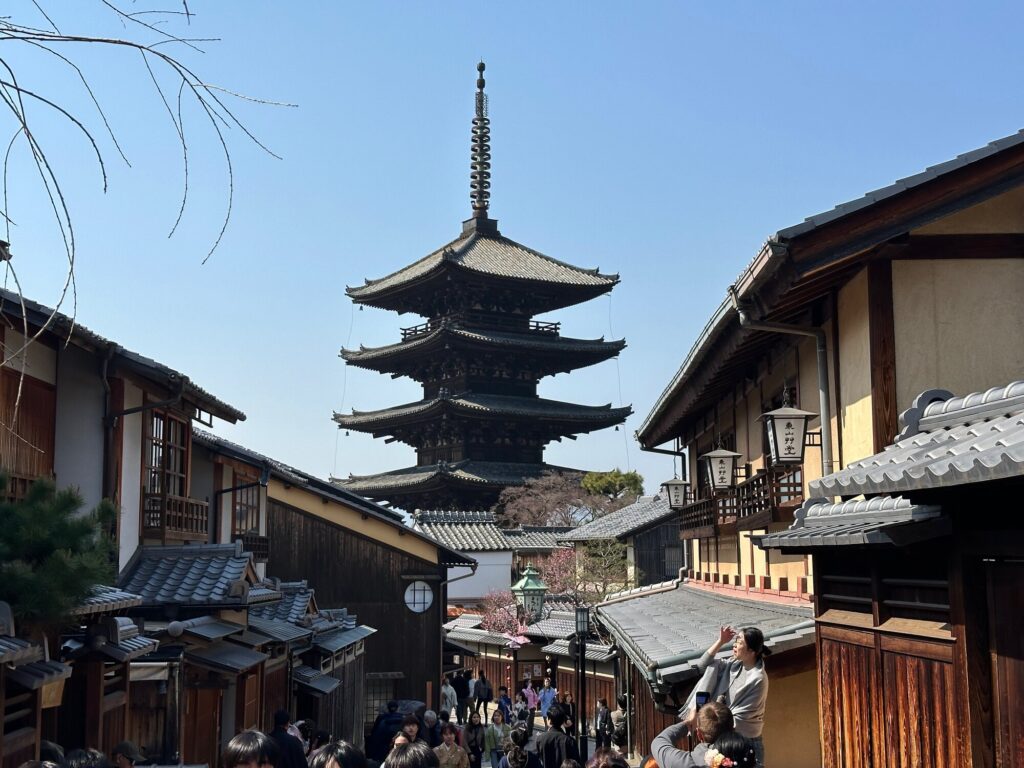
For one full day, you could visit Kiyomizu-dera and walk through Higashiyama, the district on Kyoto’s eastern side, before continuing toward Gion. On another day, choose Arashiyama in western Kyoto, or visit Fushimi Inari in the south and leave the afternoon for shopping or an experience.
Choose between those areas if you only have 2 full days. Traveling across Kyoto takes time, especially when buses are busy. Kiyomizu-dera, Arashiyama, Fushimi Inari, Nishiki Market, and a formal cultural experience would be far too much for one day. Staying an extra night makes it easier to give each area more time.
I also suggest leaving time for something you can take part in. That might be a tea ceremony in Kyoto, a geisha performance or experience, a Japanese calligraphy class, or a kintsugi workshop, where you learn about repairing broken pottery with visible gold-colored seams. Choose according to your interests and the workshop location, then leave that part of the day free.
My cultural experiences guide has more options. If one particular experience is a priority, check its availability before fixing all your hotel dates; the Japan booking guide explains which reservations I suggest checking early.
For most first visits, I prefer Kyoto as the main base in Kansai, the region that includes Kyoto, Osaka, Nara, and Kobe. My Kyoto hotel area guide compares Downtown, Gion, Kyoto Station, and other areas by the places you’ll be visiting.
Adding Osaka, Nara, or Himeji
Osaka can be a day trip from Kyoto or a separate stay. If you want to walk around Dotonbori or Shinsekai and have dinner in the city, visiting from Kyoto can work well. If you want several days to explore or expect to stay out late, sleeping in Osaka is more convenient.
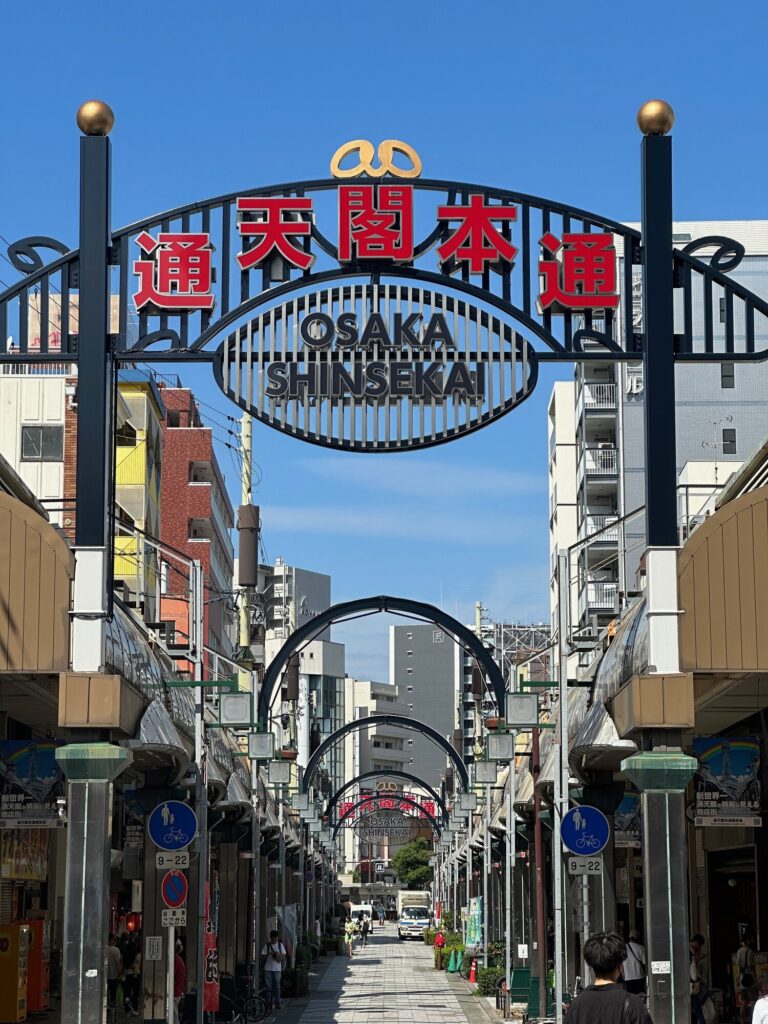
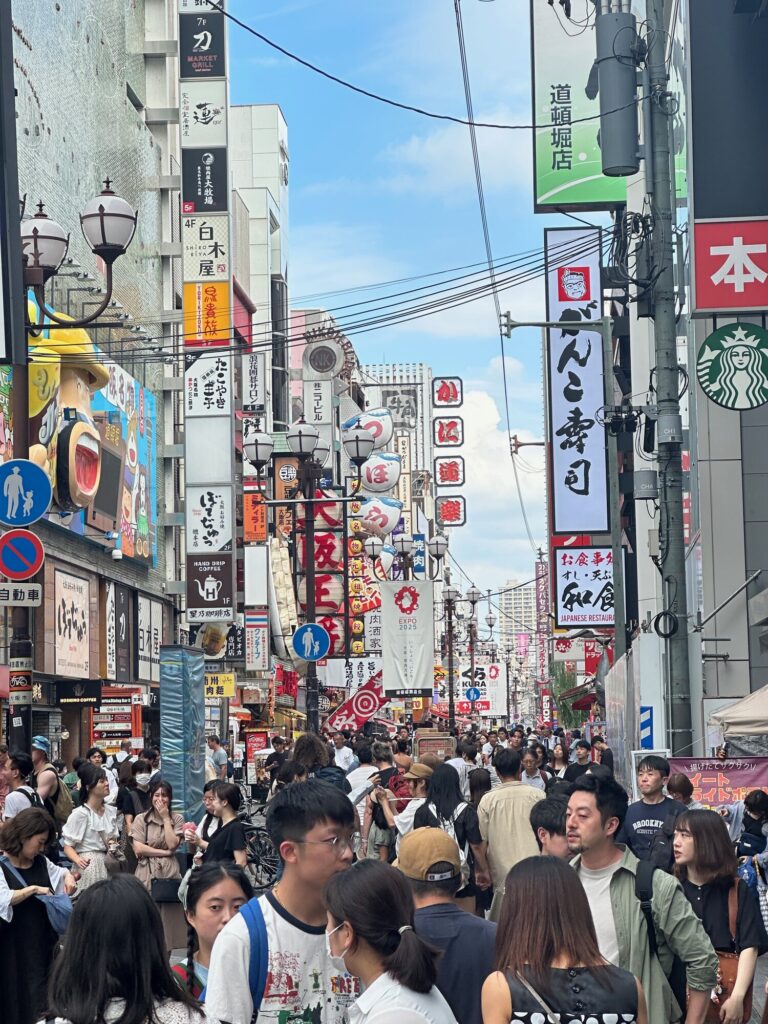
I suggest choosing a separate Osaka hotel when you’ll spend enough time there to enjoy it. Moving for a single night adds another round of packing, checking out, and checking in. Staying in Kyoto avoids that, though you’ll need to watch the last train after an evening out.
Nara or Himeji can replace a sightseeing day elsewhere, but I suggest choosing one if your schedule is already full. Allow a day with enough time for the journey and sightseeing, rather than adding either town between a hotel transfer and your flight home.
Including Hakone or a Ryokan Night
I recommend considering one ryokan night during the trip. Hakone is a good place for it if you want hot-spring baths and time at the inn between Tokyo and Kyoto. My Hakone ryokan guide explains the different locations and private-bath options.
If you include Hakone, leave enough of the afternoon to enjoy your room, the baths, and dinner. Check which meals your booking includes and the latest arrival time for dinner. Adding several sightseeing stops before check-in can leave very little time for the stay you’re paying for.
Hakone is also a busy destination in its own right. I recommend it for the inn and the things you want to do there, while keeping expectations realistic about crowds at the main sights.
If Mount Fuji views are the priority, I usually suggest looking at Kawaguchiko or the Fuji Five Lakes area instead. Visibility still depends on the weather, and the onward journey to Kyoto needs separate planning. Hakone and Kawaguchiko aren’t interchangeable stops on the same train line.
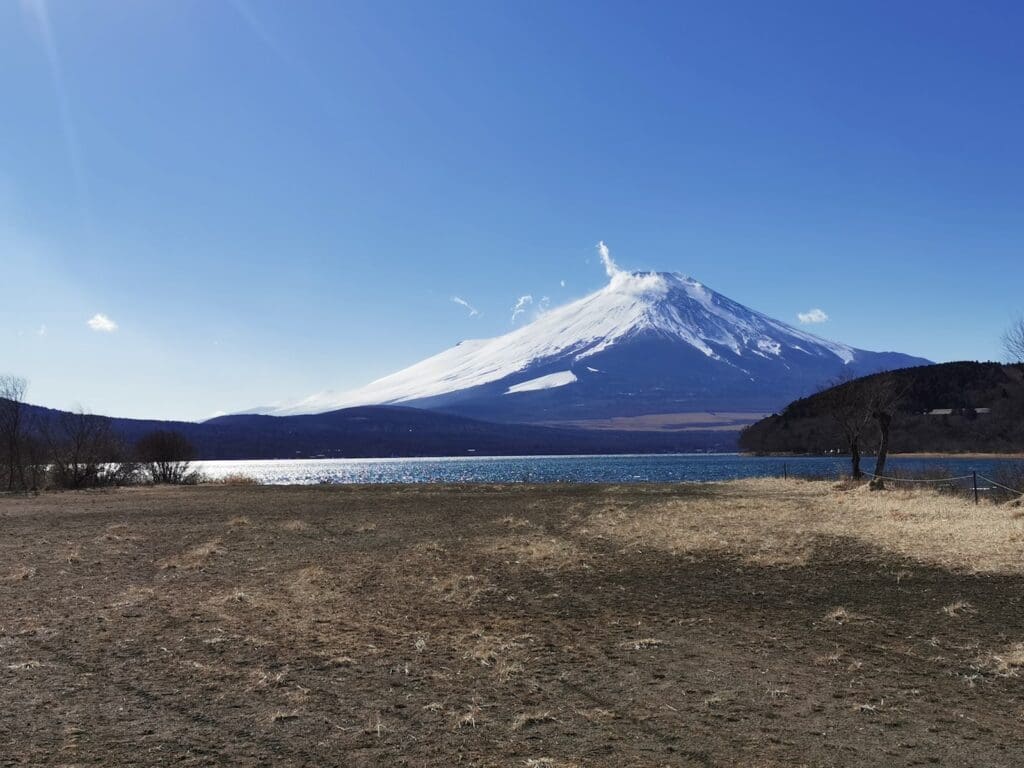
For Hakone, check the route between your inn and the onward train. Odawara is one of the main access points, but your hotel may involve another train or bus journey before you reach it.
If you prefer more time in Kyoto, you can skip Hakone and travel directly there from Tokyo. You can also choose a ryokan in Kyoto without adding another destination. My guide to staying in a ryokan explains the meals, rooms, and bathing arrangements to consider first.
For a hot-spring town northwest of Tokyo, Shima Onsen in Gunma is another option. Check its access from Tokyo before including it; it takes the trip in a different direction from Hakone or Kyoto.
Choosing a Regional Area
Choose an area with things you’d enjoy doing for several days, and check how it connects with the cities you’ve already chosen. A historic town, a few nights near the coast, or a hot-spring area can all work. The journey there and back should fit within the time you set aside.
Here are a few possibilities. The smaller towns in each area can often be visited from one or two bases, rather than sleeping somewhere different every night.
| Area | Why I Suggest It | How to Fit It Into the Trip |
|---|---|---|
| Shiga and Lake Biwa | Canal streets in Omihachiman, Hikone Castle, and lakeside towns | Combine with Kyoto; choose a base with transport to the towns you want to visit |
| Gifu and Gujo Hachiman | Waterways, old streets, and a castle above Gujo Hachiman | Visit between Tokyo and Kyoto, using Nagoya or Gifu for connections |
| Onomichi and Kurashiki | Hillside neighborhoods and temples in Onomichi; canal streets and museums in Kurashiki | Travel west from Kyoto; allow time to return to your departure city |
| Matsuyama with Uchiko or Ozu | A city stay combined with smaller historic towns in Ehime, on Shikoku island | Compare the journey to Shikoku and your return before committing to hotels |
| Northern Kyushu with Hita | Hita’s Mameda merchant district, with time elsewhere in northern Kyushu | Choose this if Kyushu is a priority; check flights and onward travel before booking |
| Kaga Onsen | Hot-spring towns, traditional inns, and local crafts near the Sea of Japan coast | Consider Yamanaka or Yamashiro for 1-2 nights within a regional visit |
For Gujo Hachiman, check the current bus and rail access before choosing your hotel. A journey from Nagoya or Gifu involves more planning than taking the train between Tokyo and Kyoto. If Takayama also interests you, give it time by shortening another major stop.
Onomichi and Kurashiki are in different prefectures along the Seto Inland Sea side of western Japan. The temples and hillside streets around Onomichi and Kurashiki’s canal district make a good combination if you enjoy walking around towns. Consider 2 nights in each instead of changing hotels every morning.
Farther away, Uchiko can be visited from Matsuyama, while Hita’s Mameda district is an option for a northern Kyushu trip. I recommend these when you want to spend several days in those regions and can arrange the flights or longer transfers around them. In a 14-day trip, choose one of these areas and leave the others for another visit.
Four Example 14-Day Japan Routes
These examples show different ways to use the time, depending on the places you want to visit. Each totals 13 nights and starts and ends in Tokyo, using return flights to the same city. The first three include about 4 days beyond the classic destinations; the last stays on the main route.
| Route | Nights in Travel Order | Why You Might Choose It |
|---|---|---|
| Tokyo, Kyoto, and Shiga | Tokyo 4 → Kyoto 3 → Shiga 4 → Tokyo 2 | A first trip with three bases, combining the main cities with towns around Lake Biwa |
| Tokyo, Kanazawa, and Kaga | Tokyo 4 → Kanazawa 3 → Kaga area 4 → Tokyo 2 | Gardens, crafts, and hot-spring towns, with return flights to Tokyo |
| Tokyo, Kyoto, Onomichi, and Hiroshima | Tokyo 3 → Kyoto 3 → Onomichi 4 → Hiroshima 2 → Tokyo 1 | A westward trip with time near the Seto Inland Sea, Hiroshima, and Miyajima before returning to Tokyo |
| Classic Route | Tokyo 4 → Hakone 1 → Kyoto 4 → Osaka 2 → Tokyo 2 | More time in the famous first-trip destinations, including a separate ryokan stop |
Tokyo, Kyoto, and Shiga
This is an accessible example for a first trip because Shiga is close to Kyoto. You can spend time in the cities many people want to see and explore nearby towns without a long detour. Osaka can be a day trip from Kyoto if you’d like to visit.
In this example, spend Nights 1 to 4 in Tokyo, Nights 5 to 7 in Kyoto, and Nights 8 to 11 in Shiga, then return to Tokyo for Nights 12 and 13. This gives you time in Kyoto before visiting nearby towns around Lake Biwa. For the return from eastern Shiga, Maibara has a bullet-train station; check the connection from your chosen town to Tokyo.
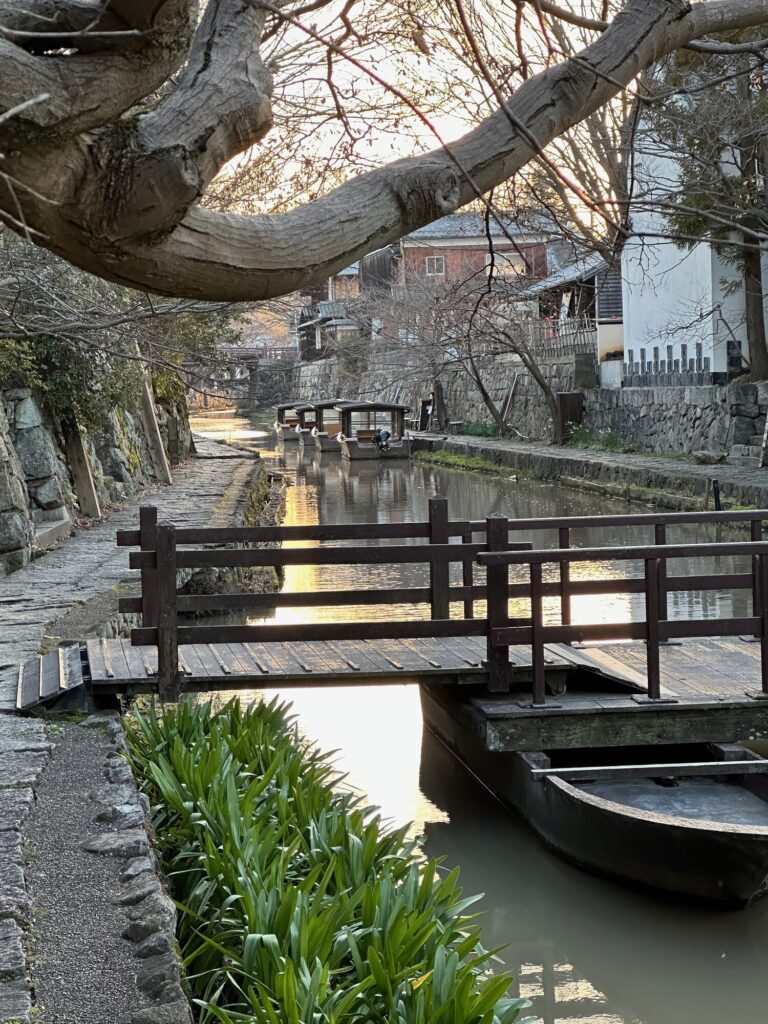
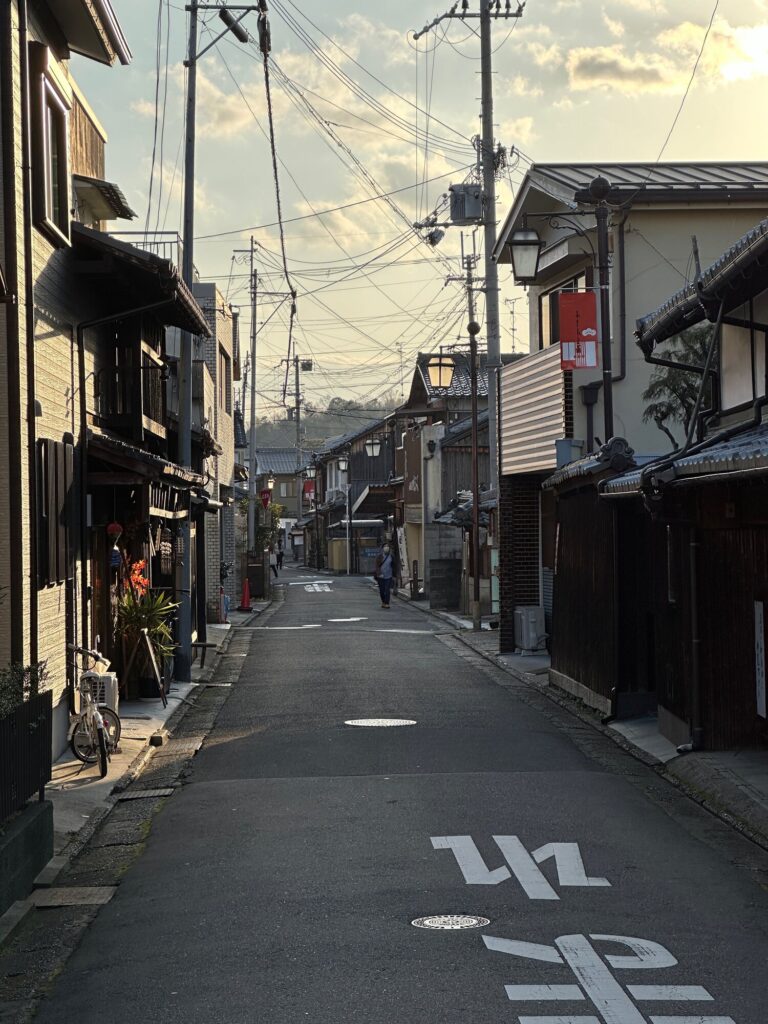
Omihachiman has canals and former merchant streets, while Hikone has its castle and surrounding town. Otsu and Nagahama are other options around Lake Biwa. A hotel near a station helps with repeated train trips; a lakeside hotel may involve a bus, shuttle, or taxi. The official Shiga visitor guide shows the towns and rail connections.
After arriving in Shiga, you could use one day for Omihachiman, another for Hikone, and leave the remaining day for another town or more time somewhere you enjoyed. Omihachiman’s canal district is separate from the station, so include that local journey in the plan.
Tokyo, Kanazawa, and Kaga
If gardens, crafts, and hot-spring towns appeal more than another big-city stay, you could combine Tokyo with Kanazawa and the nearby Kaga area. In this example, Kanazawa replaces Kyoto and Osaka. You’ll have time to explore it without adding another long list of cities.
Spend Nights 1 to 4 in Tokyo, Nights 5 to 7 in Kanazawa, and Nights 8 to 11 in Kaga, then return to Tokyo for Nights 12 and 13. The Tokyo–Kanazawa rail connection makes it possible to visit this part of Japan using return flights to Tokyo.
Kanazawa belongs to the popular first-trip destinations in the 70/30 split. For the regional part, Kaga Onsen has several hot-spring towns near the Sea of Japan coast. Onsen means natural hot spring. Yamanaka, Yamashiro, and Katayamazu are separate towns, so check the location of your inn and the local journey from Kaga Onsen Station.
Personally, I recommend looking at Yamanaka or Yamashiro before Kinosaki for this kind of trip. Kinosaki is beautiful, but it can also be busy. Kaga is a good option if you want to combine the baths and meals with local crafts, though you should still expect other visitors in the hot-spring towns.
You could spend 1 or 2 nights in a ryokan, then use an ordinary hotel for the rest of the Kaga visit. Check the Kaga tourism itineraries to see which towns and activities appeal to you before deciding how to divide those nights.
Tokyo, Kyoto, Onomichi, and Hiroshima
This route travels west, with Nights 1 to 3 in Tokyo, Nights 4 to 6 in Kyoto, Nights 7 to 10 in Onomichi, and Nights 11 and 12 in Hiroshima. Return to Tokyo on Day 13 and spend the final night there before flying home. It suits a trip where Hiroshima and Miyajima are priorities and you’d also enjoy spending several days around the Seto Inland Sea.
Tokyo and Kyoto are shorter visits in this example. You’ll have 2 full days in each, plus whatever time remains on arrival. The extra time goes to Onomichi and the surrounding area, where you could explore hillside neighborhoods, visit temples, or spend a day on a nearby island. If Kurashiki interests you too, you could divide those 4 regional nights between the two towns, accepting one additional hotel move.
With 2 nights in Hiroshima, you could spend the arrival afternoon in the city and the next full day on Miyajima. Leave Day 13 mainly for the journey back to Tokyo, with any sightseeing there dependent on when you arrive.
Classic Route
Choose this if Tokyo, Kyoto, Osaka, and Hakone are the places you most want to spend time. With 4 nights in Kyoto and 2 in Osaka, you can explore the cities or use a day for Nara or Himeji. The Hakone night is for a ryokan stay, with enough time there for the room, baths, and dinner. Return to Tokyo on Day 12 for the final 2 nights, leaving a full day for shopping or anything you missed at the start.
I recommend including time beyond these destinations, but the classic route can still make a good first trip. If all your main interests are here, give them time. You can also leave out Hakone and spend that night in one of the cities, or visit Osaka from Kyoto to reduce hotel changes.
Check the map below to see the main route for this 14-day Golden Route itinerary:
What I Suggest Leaving Out
Okinawa on a Short Side Trip
For most first-time 14-day trips, I recommend leaving Okinawa for another visit. It involves flights away from the main route, and I suggest at least 4 to 5 days if you want to include it.
If Okinawa is one of your main reasons for visiting Japan, give it those days and shorten the mainland trip. If it’s only an extra beach stop, the flights, airport journeys, and another hotel change can take too much time from the rest of the itinerary.
Several Consecutive One-Night Stops
One night at a ryokan can be worthwhile. A final night near your departure airport can also save an early start. The problem is repeating the packing, check-out, luggage storage, and check-in routine every day.
I suggest staying at least 2 or 3 nights in most bases, with a specific reason for the occasional one-night stay. If you’re deciding between two nearby towns in a short period, choosing one base and visiting the other often leaves more time to enjoy both.
Hiroshima and the Japan Alps on the Same Trip
Hiroshima and Miyajima can fit into two weeks, especially if you use them in place of Osaka or Hakone. I recommend allowing 2 nights if you want to visit both Hiroshima and Miyajima without doing everything in one long day.
Kanazawa, Takayama, and Shirakawa-go take you in another direction, through the Sea of Japan side of central Japan and toward the mountains. If gardens, crafts, and old towns interest you most, compare the stops in my Kanazawa, Takayama, and Shirakawa-go itinerary.
For a first 14-day trip, I recommend choosing one of those directions while shortening other major stops. Keeping Tokyo, Hakone, Kyoto, Osaka, Hiroshima, and the Japan Alps would leave very little time for each destination, especially if you also want four regional days.
Packed Arrival Days and Cross-City Sightseeing
Keep your arrival day flexible and group city sightseeing by neighborhood. In Kyoto, that means choosing one part of the city for much of the day. In Tokyo, it means allowing time inside large stations and choosing nearby areas instead of repeatedly crossing the city.
A longer lunch, rain, or finding a shop you like can change the afternoon. I prefer having space for those things rather than a timed list of attractions. My guide to common Japan travel mistakes covers more of the planning problems that can interrupt a day.
Trains, Luggage, and Bookings
Allow Time Around the Train Journey
The shinkansen (bullet train) makes traveling between Tokyo and Kyoto straightforward. Fast services take a little over 2 hours between the stations; Smart EX lets you check and book Tokaido Shinkansen journeys.
For your daily plan, include the time to check out, reach the station, find the platform, and get to the next hotel. I suggest leaving the first afternoon in a new city flexible, especially when the journey also involves local trains or buses.
Reserve Seats During Busy Holiday Periods
On announced peak dates, Nozomi trains have all-reserved seating on the Tokaido and Sanyo Shinkansen. Check JR Central’s current dates and boarding guidance and reserve a seat once your travel day is fixed.
This is particularly relevant around Golden Week in late April and early May, Obon in mid-August, and New Year. September holiday arrangements can vary by year too. My guide to public holidays in Japan explains their wider effect on bookings and sightseeing.
Measure Large Suitcases Before Booking Seats
For an ordinary suitcase on the Tokaido, Sanyo, Kyushu, or Nishi Kyushu Shinkansen, total dimensions over 160 cm and up to 250 cm require an oversized-baggage seat reservation. Total dimensions means height plus width plus depth. Check JR West’s baggage guidance before choosing your seats.
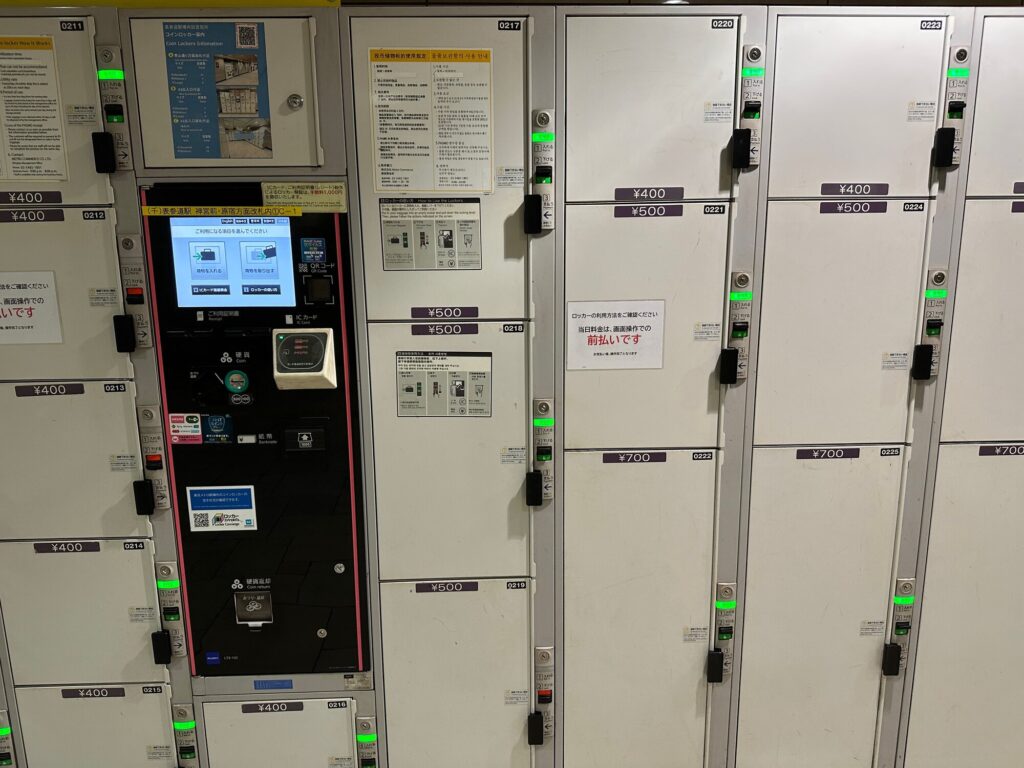
I recommend taking luggage you can comfortably move yourself. Stairs, busy platforms, and finding storage are easier with smaller bags, particularly during the regional part of the trip.
Compare Train Tickets with the JR Pass
Choose the route before buying a rail pass. For a trip with only a few long-distance train journeys, I recommend comparing individual tickets first. A 14-day holiday is no reason by itself to buy a 14-day pass.
If you add several long-distance journeys, use my JR Pass Calculator to compare the fares and check the official pass prices before buying. From October 1, 2026, the announced increase applies to exchange orders purchased through overseas agents; prices through the official JAPAN RAIL PASS Reservation website remain unchanged under that announcement.
Adjust the Days for Your Season
Summer in Tokyo, Kyoto, and Osaka can be hot and humid, so leave room for indoor visits and breaks during the hottest part of the day. Winter brings shorter daylight hours, and snow can affect travel in mountain areas. Popular spring and autumn periods may require earlier hotel bookings.
If your dates are flexible, read my advice on the best time to visit Japan before fixing the route. If the dates are already booked, adjust how much you plan to do outside each day.
Plan the Final Night Around Your Flight
I recommend staying in your departure city the night before flying home. If the trip finishes elsewhere, include the return journey in your itinerary. For an early flight, check the first train or bus from the hotel, or consider an airport hotel.
Compare flights into one city and out of another before deciding. They can save a long return train journey, but the fare and flight connections may change which route suits you. If return flights to Tokyo cost much less, include the train fare and final Tokyo night when comparing the total.
FAQ
Is 14 Days Enough for a First Japan Trip?
Yes. I think 14 days is a very good length for a first trip. You’ll have time for Tokyo, Kyoto, and one regional area, with room for Osaka or a ryokan stop depending on how you divide the nights. Count arrival and departure as part of those 14 days.
Should I Stay in Kyoto or Osaka?
I usually recommend Kyoto for a first trip, particularly if you’re looking forward to its temples, gardens, and old streets. Osaka is worth staying in if you want several days there or expect to go out late. Both cities have restaurants, bars, and cultural sights. My Kyoto or Osaka comparison explains how I suggest choosing between them.
Should I Include Hakone or Kawaguchiko?
Choose Hakone if you want a ryokan stay and are interested in Hakone itself. For Mount Fuji views, I usually prefer Kawaguchiko or the Fuji Five Lakes area, with the understanding that clouds may hide the mountain. Check the journey onward to Kyoto before booking either stay.
Can I Include Hiroshima?
Yes, but use those nights in place of another major stop. Hiroshima and Miyajima are good reasons to travel west; Onomichi or Kurashiki can then provide the less familiar part of the same trip. Allow time to return to your departure city.
Should I Fly Into Tokyo and Out of Osaka?
I recommend comparing that option with return flights to Tokyo. Arriving in one city and leaving from another can save a long train journey. If return flights to Tokyo cost much less, include the train fare and a final Tokyo night in your comparison.
Before You Book the Route
Write down where you’ll sleep on each of the 13 nights, including the night before your flight home. Then check the longer journeys and the availability of any experience or ryokan you particularly want.
Keep Tokyo and Kyoto if they’re the places you’re most excited about, and set aside about 4 days for a region you want to explore. If the plan gets too full, I suggest removing a major stop before shortening every stay. Use the booking guide to decide which reservations to make first.
Comments are closed.