
When you’re planning your first trip to Japan, some details are hard to judge from home. A rail pass might cost more than buying individual tickets, the price of a traditional inn may not include dinner, and a short train journey can take much longer once you add the time spent getting to and from your hotels.
I want to help you spot those things while you can still adjust your plans, as well as explain the everyday customs you’ll come across once you’re there. The advice below covers both, from booking a stay and traveling with luggage to using a public bath.
Some links on YavaJapan are affiliate links. If you book or buy through them, I may earn a small commission at no extra cost to you. It helps support the site, and I only link to places, stays, and experiences I genuinely think are worth recommending.
At a Glance
- Allow time for hotel changes, including packing, station transfers, and dropping off your bags.
- Compare train fares before buying a JR Pass. Use my JR Pass calculator to estimate the difference.
- Check availability early for your priorities, especially a specific room, private experience, or attraction with a ticket release date.
- Check the meals and baths before booking a traditional inn, known as a ryokan.
- Carry cash as well as a payment card. A prepaid transport card can also help with local journeys.
- Check bathing rules before visiting, including the tattoo policy at the bath you want to use.
Planning Mistakes
Counting Only the Train Journey
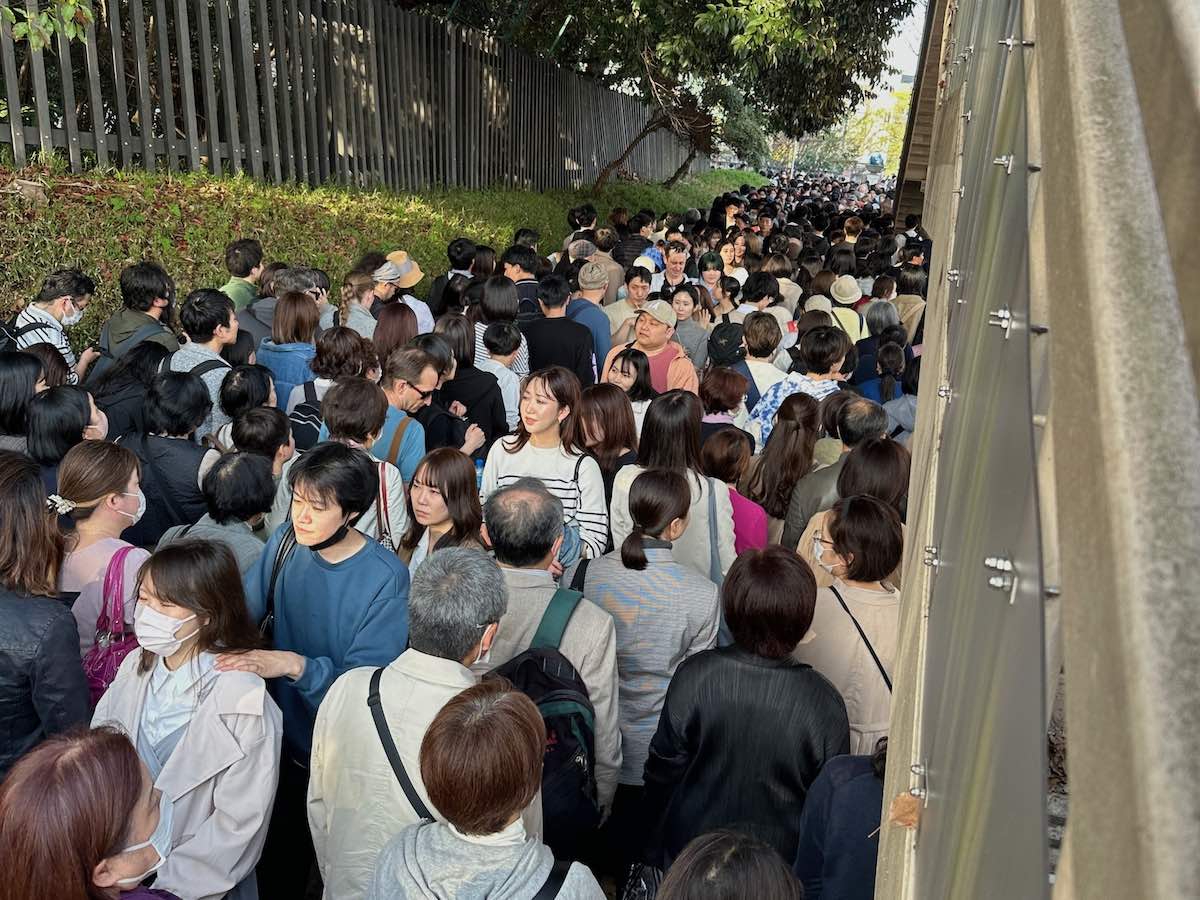
Tokyo, Hakone, Kyoto, Osaka, Nara, and Kanazawa can all look tempting when you’re choosing where to go. Each overnight stop, though, means packing again, checking out, carrying your bags to the station, and finding the next hotel. Even when the train ride is short, those extra steps take time out of your day.
That’s why I suggest looking at each journey from hotel to hotel. If you’re moving every 1 or 2 nights, consider removing a destination so you have longer in the places you’re most excited about. If you’re finding it difficult to choose, my guide to where to go in Japan compares the destinations you might be considering.
Buying a JR Pass Before Comparing Fares
A nationwide Japan Rail Pass can be an expensive purchase for a trip mainly between Tokyo, Kyoto, and Osaka. I recommend adding up the journeys you’ll take before buying one, so you can see whether individual tickets would cost less.
Adult ordinary-class passes bought through the official online service cost ¥50,000 for 7 days, ¥80,000 for 14 days, and ¥100,000 for 21 days. Prices can differ when buying through an overseas agency, so check the current Japan Rail Pass prices before paying. If you want to use Nozomi or Mizuho bullet trains, you’ll also need a special additional ticket for pass holders.
You can use my JR Pass calculator to compare fares, counting only the journeys the pass covers during the dates you’ll use it. Once you have a transport estimate, the two-week Japan trip budget can help you work out how much to allow for accommodation, food, and activities too.
Leaving Important Reservations Too Late
A particular room with a private bath or a workshop with one artisan may have few alternatives that you’d be equally happy with. I suggest checking those bookings early, along with sightseeing trains and attractions that have limited tickets. Some tickets won’t be on sale when you start planning, so it’s worth noting the release date and being ready to book then.
Your travel dates can make this more pressing. If you’re visiting a popular destination during cherry blossom season, autumn foliage, or a major holiday, check availability earlier. My guides to the best times to visit Japan and what stays open during Japanese public holidays can help when you’re choosing dates.
Once you’ve secured the bookings you’d be disappointed to miss, you can leave some meals and activities undecided. For more help deciding which reservations to make first, see what to book in advance for a Japan trip.
Filling Every Hour of the Day
A day with several timed bookings leaves little room for a restaurant queue, a longer walk through a station, or a break when you’re tired. I recommend choosing a few priorities and leaving gaps between them, especially if they’re in different parts of the city.
Other stops can stay as options. That way, if you find a shop you want to spend an hour in or decide to stay longer over lunch, you can enjoy it without worrying about the next reservation. An indoor alternative is useful too, for a day when rain or heat makes walking outside unpleasant.
Booking Too Much on Arrival or Departure Day
After a long flight, you may want to get to your hotel, put your bags down, and decide what to do from there. Immigration, baggage collection, and the airport journey all take time, and you might also need to withdraw cash or set up mobile data. Keeping the first evening flexible gives you room for those tasks and a rest if you’re tired.
A late arrival needs a little more planning because your transport options depend on when you leave the terminal. If that’s your situation, check the advice for a late-night arrival at Haneda Airport. The airport connection is also worth considering when choosing where to stay in Tokyo.
For departure day, I suggest working backward from the time your airline asks you to be at the airport. Once you’ve allowed time to collect your bags and reach the terminal, you’ll have a better idea of whether there’s room for another visit or a meal elsewhere.
Accommodation, Luggage, and Payments
Booking a Ryokan Without Checking the Details
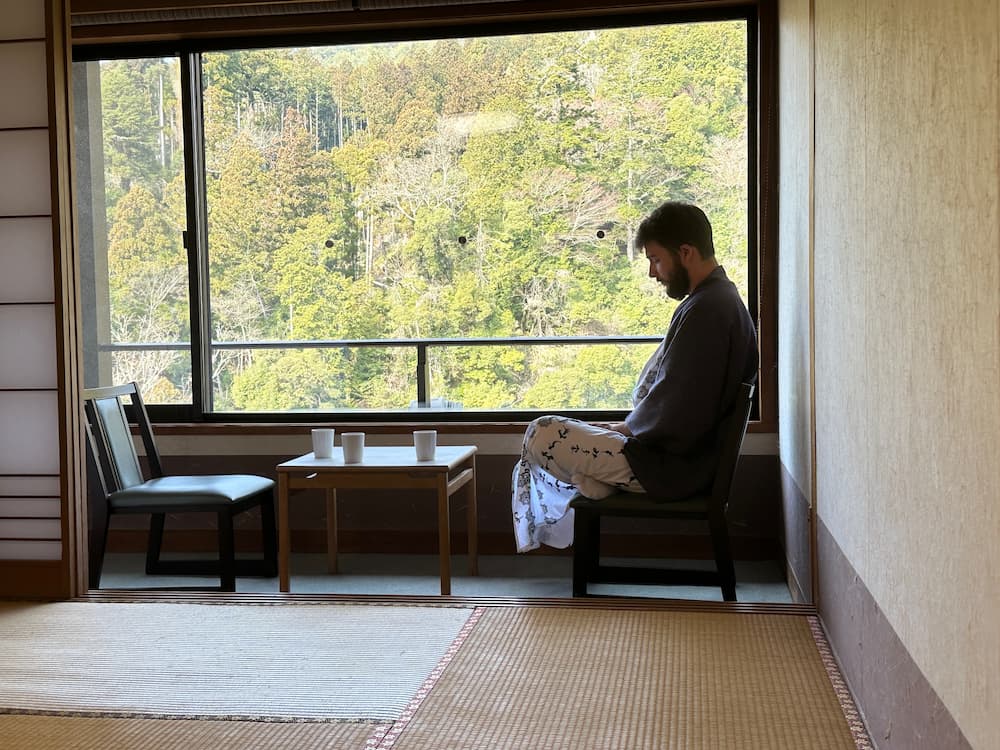
A ryokan stay can include dinner, breakfast, and time in the baths, but what you get depends on the property and the plan you book. A room-only rate won’t include the meals, and a bath might be shared, reservable for private use, or inside your room.
For a first stay, I recommend 1 night with dinner and breakfast. The meals are a big part of the experience, and arriving early enough to enjoy the room and bath before dinner gives you time to settle in. Have a look at sample menus and confirm any dietary requirements before booking. If you’d prefer to eat out, a room-only plan gives you that flexibility.
The room and bath should suit you too. If you’re uncomfortable bathing with other guests, look for a private bath, and if sleeping on bedding laid on the floor would be difficult, check for Western-style beds. My guide to ryokan in Japan explains what to look for when comparing stays, including meal arrangements and when to arrive for check-in.
Leaving Luggage Plans Until Checkout
If you want to visit somewhere between checking out of one hotel and reaching the next, it’s worth deciding where your bags will go before that morning. A large suitcase is awkward on stairs, busy platforms, and crowded local trains, especially when you have several transfers.
Your hotel may be able to store it, or you could arrange delivery to a later stay and travel with a smaller bag. Before sending anything, confirm that the hotel you’re sending it to accepts deliveries and check when the luggage will arrive. Then you can keep enough clothes and essentials with you for the time you’ll be without it.
Relying Only on Cards
Cards are widely accepted in Japan, but some small restaurants, shops, and accommodations still take cash only. I recommend keeping enough cash for meals and small purchases, even if you’re planning to use a credit or debit card for most of the trip.
For local transport, a prepaid IC card such as Suica or PASMO lets you tap at ticket gates and on buses that accept it. You can also use it at many shops and vending machines. JNTO’s IC card guide explains the options if you’re deciding which to get.
Some buses and railway routes don’t accept these cards, so check how to pay before a rural journey. The guide to using trains and buses in Japan explains the different payment methods and what to do when boarding.
Arriving Without a Way to Translate or Find Addresses
English signs can help you through major stations, but you may find it harder to explain where you want to go in a taxi or ask a question at a small inn. Having your hotel’s name and address saved in Japanese gives you something to show if you’re struggling to communicate.
I also suggest trying your translation app before you leave and arranging mobile data so you can use it while traveling. A downloaded map and offline copies of your addresses and booking details give you a backup when you can’t connect. If you’d like to learn a few phrases as well, my Japanese for travelers ebook covers the basics for everyday conversations.
Everyday Customs to Know
Checking Bathing Rules Only When You Arrive
If you have tattoos and want to visit an onsen (hot spring bath), check its tattoo policy before going. Some baths allow tattoos, some accept small ones covered with an approved patch, and others restrict entry. A private bath may be an option if the shared bath’s policy doesn’t work for you, but confirm its rules too before booking.
Once you’re there, wash and rinse your body before entering the bath because everyone shares the water. Your towel stays out of the water, and your phone should stay outside the bathing area to protect other guests’ privacy.
Taking Calls in a Train Carriage
On local trains, save phone calls for after you get off. If you need to take a call on a bullet train, you can move to the space between carriages. Keep conversations at a low volume and use headphones for music or videos so the people around you can travel without having to listen.
It’s also worth keeping an eye on your bags, particularly near the doors. Leaving the aisle and doorways clear makes it easier for other passengers to get on and off.
Keeping Shoes on Where They Should Come Off
Many ryokan and some restaurants, temple buildings, and fitting rooms ask you to remove your shoes. Shoe racks, slippers, or a raised floor at the entrance can help you recognize where to do this, along with any signs. If it’s unclear where to leave your shoes, ask a member of staff before stepping inside.
Expecting to Find a Trash Can Nearby
Public trash cans can be difficult to find, which is inconvenient if you’ve just finished a snack or drink. I suggest carrying a small bag for wrappers and other rubbish so you can keep them with you until you reach a suitable bin.
Leaving Out the Activities You Most Want to Try
If you’re looking forward to learning a craft or trying a cultural activity, give it time in your itinerary while you’re choosing your sightseeing stops. A Japanese calligraphy class gives you a chance to practice writing with a brush, while a kintsugi (pottery repair) workshop in Tokyo may appeal if you’re interested in ceramics. For something more active, you could consider yabusame, or Japanese mounted archery.
There are more ideas in my guide to cultural and traditional things to do in Japan. When you find something you want to try, I recommend allowing time to reach the venue as well as for the activity itself. If the day is already full, replacing another stop will let you enjoy the session without having to hurry to the next booking.
Comments are closed.