
To plan your Japan trip, I suggest first choosing a travel month and how many days you’ll spend in the country. Then make a shortlist of destinations, give each one a number of nights, and check the travel time and cost between them. You’ll have a rough itinerary to adjust before booking hotels or planning each day. If a particular experience or stay is one of your main reasons for visiting Japan, check its available dates before fixing the rest of the trip.
When dividing your days between destinations, I strongly recommend a 70/30 split for a first trip of 10 days or longer: spend about 70% of your time on Tokyo, Kyoto, and the usual popular destinations, then about 30% exploring somewhere beyond them. Set aside time for both parts while you’re choosing where to go.
I’ve lived in Tokyo and worked in the Japan travel industry since 2019. I like trips that include the places you’ve wanted to see for years, with enough time to discover a town, a workshop, or a stay you knew very little about before coming.
Some links on YavaJapan are affiliate links. If you book or buy through them, I may earn a small commission at no extra cost to you. It helps support the site, and I only link to places, stays, and experiences I genuinely think are worth recommending.
At a Glance
- Trip length: For a first visit from far away, I recommend aiming for 14 days if you can. Short visits work better with fewer destinations.
- 70/30: On trips of 10 days or longer, reserve about 30% of your time for places beyond the usual first-trip destinations. My destination guide has ideas.
- Budget: Check accommodation and long journeys early, using the Japan trip cost calculator for an initial estimate.
- Booking: Check anything you’d be especially disappointed to miss before fixing your flights. Limited dates and few acceptable alternatives may make that your first reservation.
- Each day: Choose one or two main activities, group nearby places together, and leave time for meals and exploring.
Decide When to Go and How Much Time You Have
Choose the Season for the Places You Want to Visit
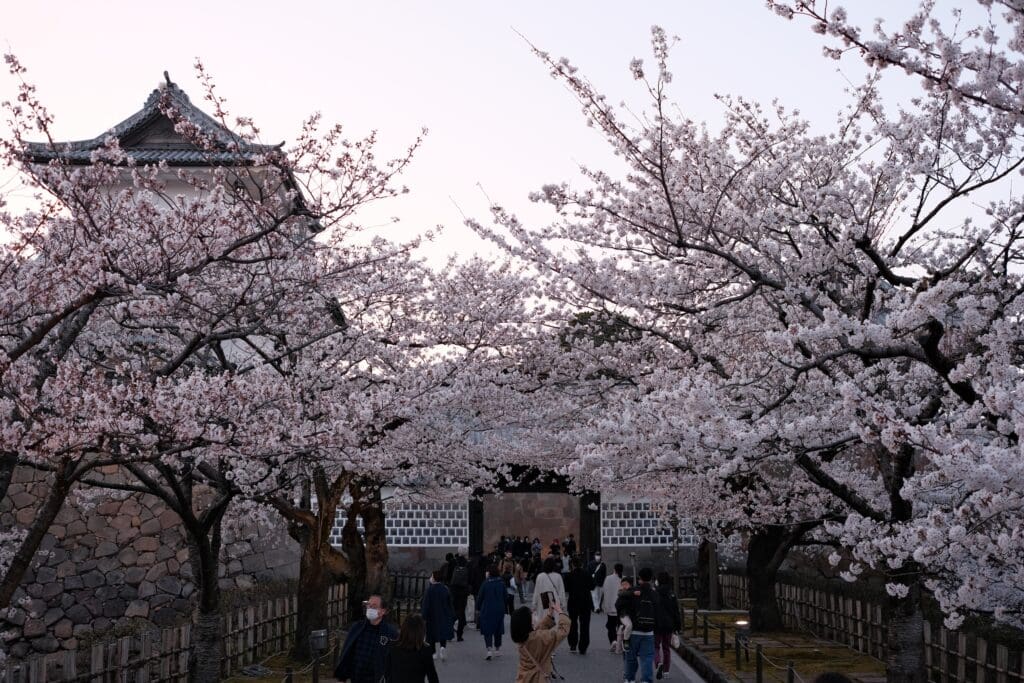
Spring and autumn are good starting points if you want comfortable weather for walking around cities. Cherry blossoms and autumn leaves are also popular reasons to visit, so check hotel prices for your dates before committing to the flights. A room that looks affordable in one month may cost much more during a popular week.
If you’re traveling in July or August and struggle with heat, I suggest considering Hokkaido, Japan’s northernmost main island, or parts of northern Japan. Hokkaido can still get hot, but the climate is generally more comfortable in summer than Tokyo or Kyoto. If you keep those cities, plan breaks indoors and leave some outdoor sightseeing for the morning.
Winter is worth considering if you want snow or hot springs. Check the conditions at your actual destination: a winter trip to Tokyo is very different from one to a mountain town, and popular ski areas have their own busy season.
Japan’s seasonal timing varies by region. Cherry blossoms usually arrive later in the north, so fixed travel dates may work better with a different destination. My guide to the best time to visit Japan compares the seasons in more detail.
Count Your Days in Japan, Including Travel Time
If you’re coming from far away and may not return for years, I recommend trying for 14 days. A 10-day trip can still work, but 2 weeks gives you more time to enjoy Tokyo and Kyoto and spend several days elsewhere.
When comparing flights, look at how much of the arrival and departure days you’ll have in Japan. A morning arrival may leave you an afternoon to explore; a late arrival may leave you time only to reach the hotel. Count those as partial days and keep the plans light.
Here is how I suggest dividing the time on a first trip:
| Time in Japan | How I Recommend Using It |
|---|---|
| 5-7 days | Stay in one city or explore one compact area. Tokyo with a nearby day trip, or Kyoto with visits elsewhere in Kansai, the region around Kyoto and Osaka, is plenty. |
| 10 days | About 7 days in the popular destinations and 3 exploring one area beyond them. |
| 14 days | About 9-10 days in the popular destinations and 4-5 exploring one area beyond them. |
| 21 days | I suggest moving closer to 50/50: roughly 10-11 days in the popular destinations and the rest exploring another region. |
These allocations include the journeys between destinations. A 3-day visit to an area includes getting there and leaving; it isn’t 3 full sightseeing days with transfers added on top. Adjust the first and last parts of the trip around your flights.
My guide to how many days to spend in Japan goes further into the differences between trip lengths.
Set a Budget and Choose Your Priorities
Before you settle the route, check sample hotel rates for your dates and the cost of the longer journeys. Then allow for food, local transport, activities, and anything you already know you want to buy. My 2-week Japan budget guide and cost calculator can help you estimate the total. Use actual quotes for flights and any expensive bookings.
If the estimate is higher than you want to spend, compare different travel dates, less expensive hotels, or a route with fewer long journeys before you commit. Knowing which part costs the most helps you decide what to change.
I suggest choosing a few things you’re especially looking forward to. You might want time in Tokyo’s shops, Kyoto’s temples, and a workshop with a Japanese artisan. Allow enough time for those first, then see how many days you have left for other places.
If a particular cultural experience is high on your list, check where it takes place and how reservations work now. Its location or available dates could affect the route before you’ve booked a hotel.
Choose Your Destinations with My 70/30 Rule
For a first trip of 10 days or longer, spending about 30% of the trip beyond the usual destinations is one of my strongest recommendations. Tokyo and Kyoto offer a lot, and I recommend keeping them for most first visits. But several days in smaller towns or another region can introduce you to different food, local businesses, and places you haven’t already seen repeatedly in photos.
To apply the split, choose the popular destinations you most want to visit, find one less familiar area that connects with them, and divide your available days between the two. The percentages are approximate; use them to decide how much time to give each part of the trip.
Which Places Belong in the 70%?
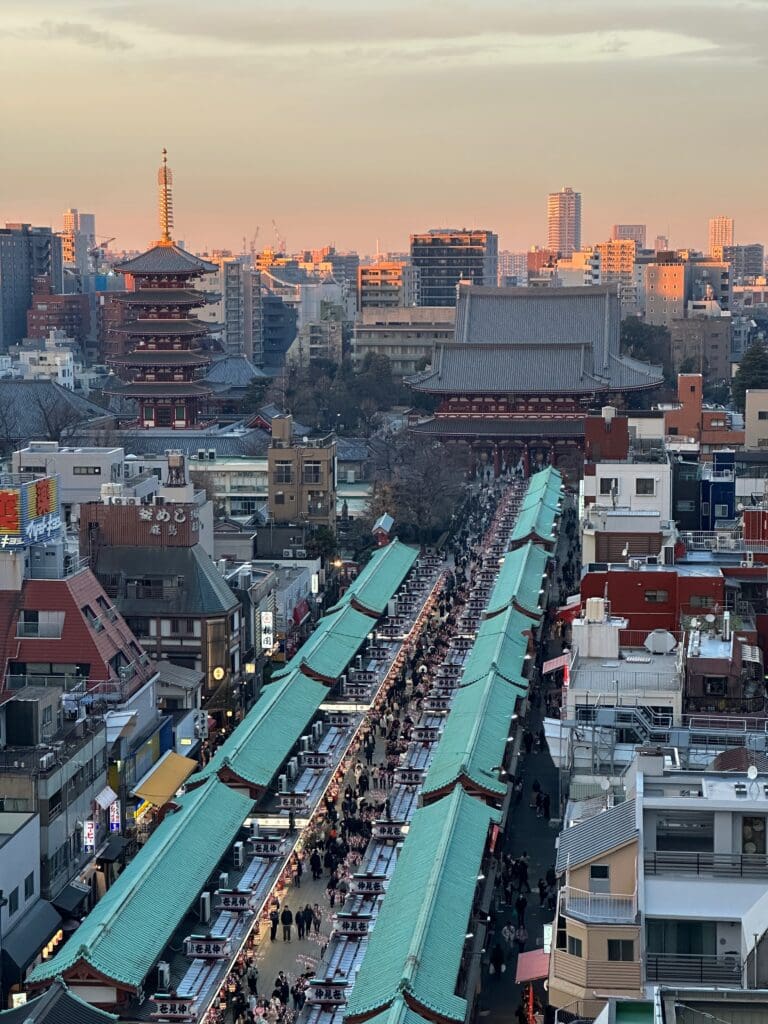
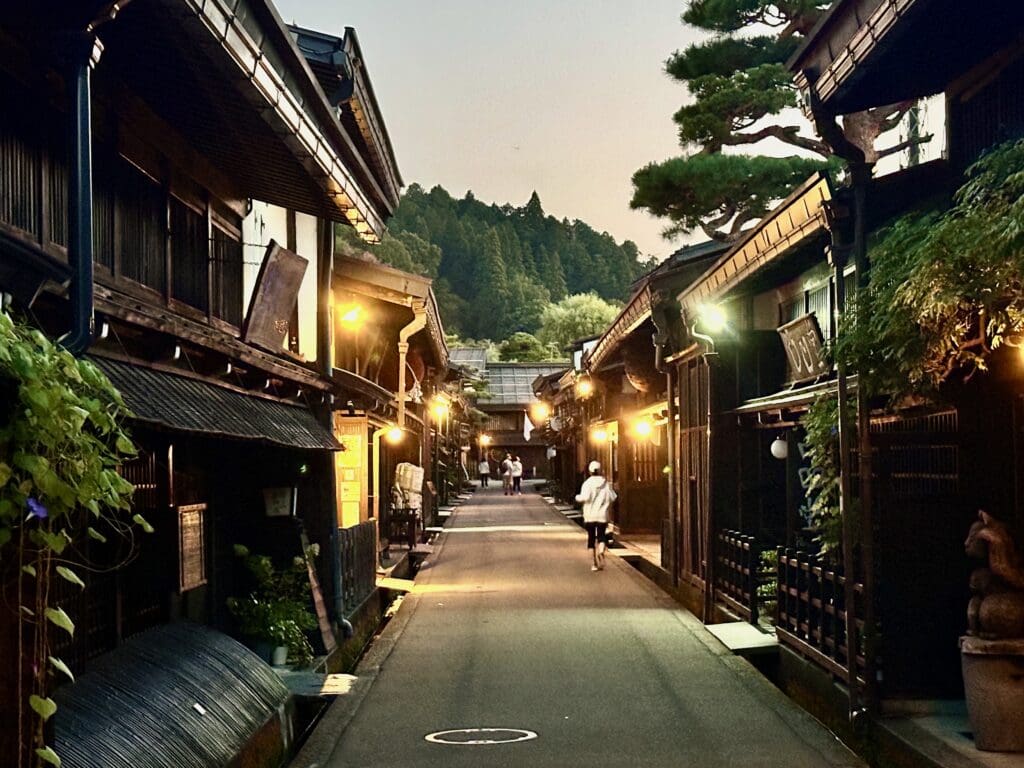
The Golden Route connects Tokyo, Kyoto, and Osaka, often with a stop around Mount Fuji. For this recommendation, I also count the other popular first-trip destinations in the 70%: Nara, Hakone, Kawaguchiko and the Fuji Five Lakes, Hiroshima and Miyajima, Kanazawa, Takayama, and Shirakawa-go. Familiar day trips such as Kamakura and Uji belong there too.
How to Choose the Other 30%
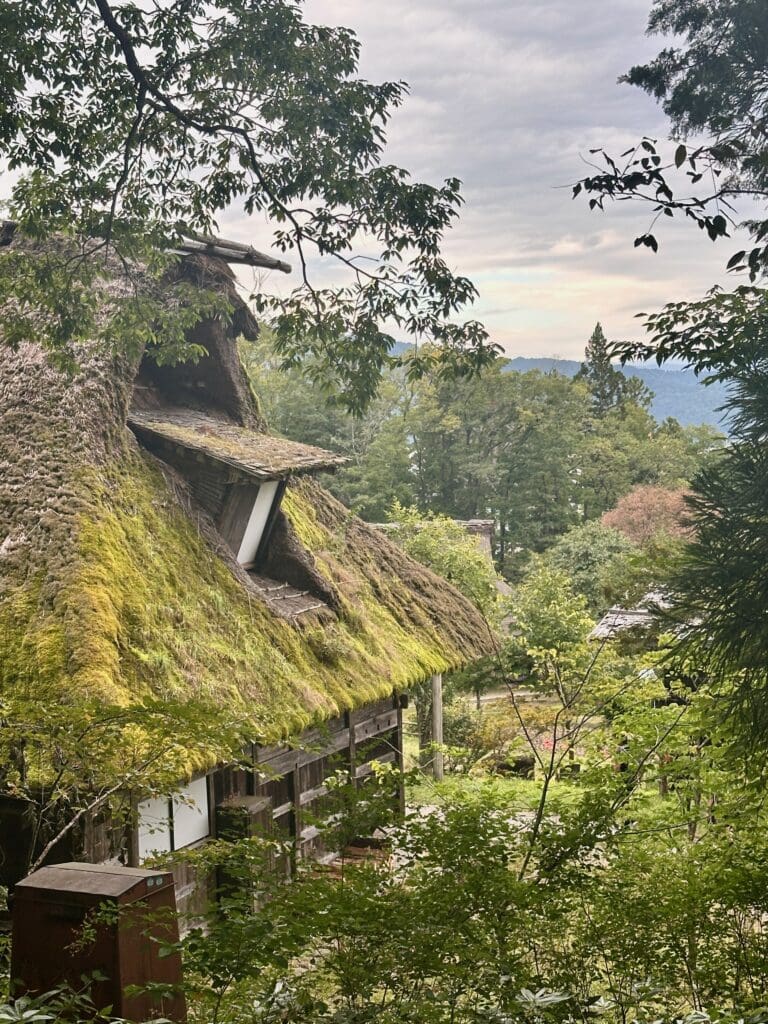
For the remaining 30%, look for one area beyond those popular stops that you’d enjoy exploring for several days. You could choose smaller towns for their local food and old streets, spend time near the coast, or explore a part of the countryside that interests you.
Start by looking near the destinations you’ve already chosen. With only 3 days for this part of the trip, I suggest choosing somewhere you can reach without spending most of the first and last days traveling. With more time, you can consider a region farther away and stay in more than one place.
For example, a trip that includes Kyoto could continue into Shiga Prefecture, around Lake Biwa, the large lake northeast of the city. A longer visit could include small towns in Shikoku, the island south of Japan’s main island, or part of Tohoku, the northern region of the main island. My guide to where to go in Japan will help you compare destinations once you’ve decided how many days to give this part of the trip.
Fit Both Parts Into Your Available Days
Once you’ve chosen the destinations, add up the days you’ve given them. Include any day trips and transfers within that total. If the route needs more days than you have, decide which stay to shorten or which destination to leave for another visit. My Japan Travel Planner for Google Sheets has space for your itinerary, budget, and bookings as you work through these decisions.
For example, a 10-day trip could have 4 days in Tokyo, 3 in Kyoto, and 3 in the less familiar area you’ve chosen. If you then add 2 days in Osaka, you’ve made a 12-day itinerary. To keep the trip at 10 days, you’ll need to shorten or replace another stop. I recommend keeping the 3 days beyond the popular destinations and deciding which of the city stays you most want.
With 14 days, you have about 9 or 10 days to divide among the popular destinations after setting aside 4 or 5 days elsewhere. You can spend longer in Tokyo and Kyoto or include another popular stop, depending on your interests and the journeys involved.
My 10-day itinerary and 14-day itinerary show how those choices work in complete routes.
Give Repeat Trips More Time Elsewhere
On a second visit, I usually recommend spending at least half the trip beyond the main destinations. If you’ve already visited Japan several times, that share can be higher.
You may also want to return to Tokyo or Kyoto simply because you love them. In that case, give yourself time there. My recommendation is for exploring more of Japan, and it can still include returning to a favorite city.
Check the Journeys and Choose Where to Stay
Look at the Whole Journey Between Hotels
With the destinations and approximate days decided, check the journeys between them. Use the areas where you’re likely to stay, including the journey to the station, the main train or flight, and the final bus, train, or walk to the accommodation.
The shinkansen (bullet train) is convenient between major cities, but a countryside stay may also involve a local train and a bus. Check how often those services run, particularly if you need to arrive for dinner or return after an evening out.
For longer distances, compare a domestic flight with the train. Include airport transfers, check-in time, and luggage charges when comparing the cost and duration. A shorter flight doesn’t always mean a shorter journey from one hotel to the next.
If a destination leaves you with little time there after the transfers, I suggest staying longer or leaving it for another visit. If it’s one of the places you’re most looking forward to, shorten another stay to give it more time.
Compare Rail Passes for the Route You’ve Chosen
Use my JR Pass Calculator to compare estimated individual train fares with the national Japan Rail Pass for your planned journeys and dates.
Regional passes and domestic flights need a separate comparison. If a pass would only save money after you add journeys you weren’t otherwise planning to take, I recommend keeping the route you wanted and checking individual tickets.
Decide Which Cities Need an Overnight Stay
Choose where you’ll sleep before comparing individual hotels. Some places can be visited from a nearby city, which lets you keep the same room for several nights and reduces packing and check-in time.
Kyoto and Osaka are a useful example. I usually recommend Kyoto if you’re choosing one base between the two on a first visit. If you want several days exploring Osaka or expect to stay out late there, a hotel in Osaka can be worth the move. Both cities have culture, restaurants, and bars; my Kyoto or Osaka comparison explains the differences.
Choose a Hotel Area That Works for Most of Your Days
I recommend checking the journeys from a possible hotel to the places you’ll visit most often. The nearest station should have useful connections, and restaurants nearby are helpful when you return in the evening.
For Tokyo, my guide to where to stay can help you choose an area. In Kyoto, Downtown is a good starting point for restaurants and evenings out, while Kyoto Station is useful for frequent train journeys. My Kyoto accommodation guide explains when each area works well.
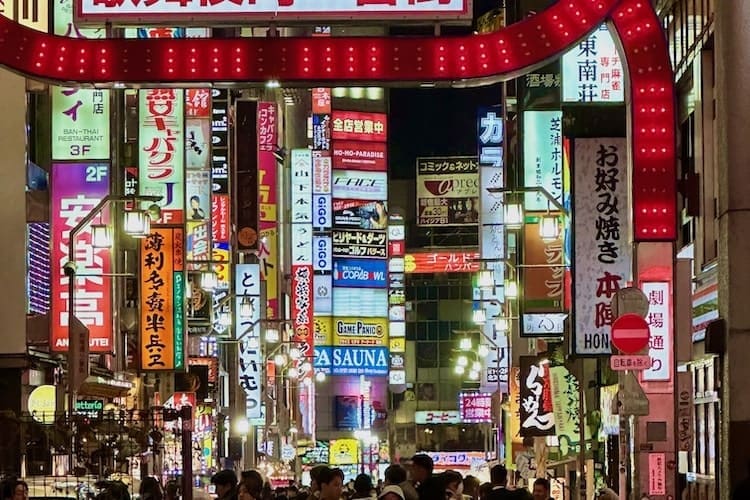
I generally prefer hotels over Airbnb in Japan. In my experience, having staff available for questions and arrival arrangements makes a stay easier. An apartment can still be useful if you want a kitchen, more space, or laundry facilities; compare the actual property and price.
Consider One Night in a Ryokan
A ryokan (traditional Japanese inn) is often best as a 1-night stay with time to enjoy the property. Choose a place you want to spend time in, and plan to arrive early enough for the room, bath, and dinner.
Meals are a large part of the appeal for me. Check whether dinner and breakfast are included, what kind of food is served, and the latest arrival time for dinner. Also check whether you’ll sleep on a floor mattress or a bed and whether the bath is shared or private. An onsen is a hot spring; not every ryokan has one.
The ryokan can be somewhere you’re already visiting. A night in Kyoto, for example, can give you that experience without adding another destination. My ryokan guide explains what to look for.
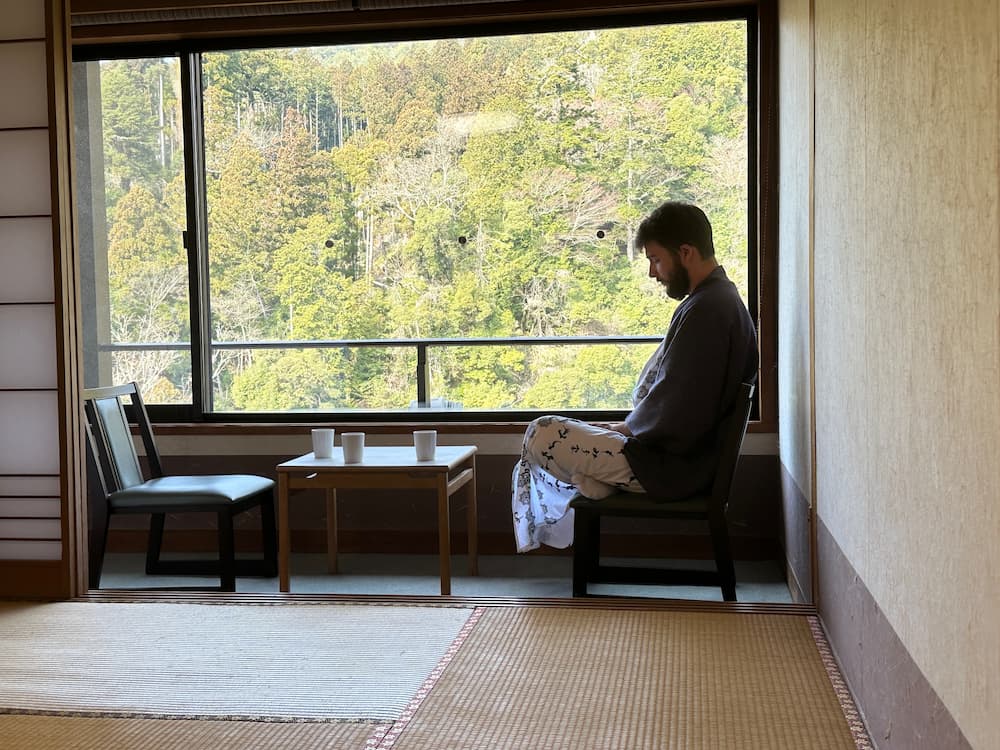
For stays combined with cultural activities, I recommend browsing Wabunka’s accommodation and experiential stays. Wabunka works with Japanese artisans, monks, chefs, and other hosts to arrange private cultural experiences for international visitors. Its stays can combine a night at a property with activities such as a craft workshop or a brewery visit.
The experiences are private for your group, with English interpretation when the host speaks Japanese. I particularly recommend looking at these stays if you’d enjoy spending more time with a host and are comfortable paying more for that access. Check each plan for its room, meals, activities, and inclusions; a private experience doesn’t necessarily mean having the whole accommodation to yourself.
Book According to Availability and What You Want Most
Check Your Most Important Bookings Before Flights
Before fixing your flight dates, write down the one to three experiences, stays, restaurants, or events you’d be most disappointed to miss. Check their possible dates, how many alternatives you’d accept, and whether you can reserve them yet.
If a booking is one of your main reasons for visiting Japan and has very few dates or alternatives, it may need to be secured before your flights. For example, availability with a particular artisan could determine which week you travel. Check the cancellation terms and wait for confirmation before making other bookings depend on it.
If tickets aren’t on sale yet, check the event dates and record when sales open. You may still choose flights that overlap the event, but keep a backup plan because the ticket isn’t secured. If your preferred activity runs often or several alternatives would suit you, continue with the flights.
Book Flights Around the Dates You’ve Chosen
For most trips, international flights will still be the first purchase. By checking the important bookings first, you’ll know whether to choose your travel dates around a particular reservation or continue with the dates you originally preferred.
Compare arriving and leaving through different cities. These are often called open-jaw flights. If you start in Tokyo and finish around Kyoto or Osaka, leaving from Kansai International Airport can save the journey back to Tokyo. Compare any higher airfare with the return transport cost and the time it would use.
For the first night, I suggest staying within an easy journey of where you land. After a long flight, reaching the hotel and putting down your bags is usually enough to plan around. If you arrive late, check the last train or bus before choosing between a city hotel, an airport hotel, or a taxi. My late-night Haneda arrival guide covers that choice for Tokyo.
Book Important Stays and Experiences, Then Complete the Hotel Nights
Once your flights are booked, arrange any remaining experiences and stays with few acceptable dates or alternatives before fixing every ordinary hotel night. If an experience is available only on one day, you can still adjust how long you stay in that city.
I’ve seen travelers disappointed when a rare cultural experience couldn’t be confirmed as quickly as a hotel. Some hosts need time to check their schedules. Read the booking process and cancellation terms, and wait for confirmation before making other reservations depend on that date.
A popular ryokan with a specific room, a family room, or several rooms for a group can also need early attention. Once the important dates are confirmed, complete the other hotel nights and any transport needed to reach them. Refundable hotel reservations can help while you’re waiting for confirmation, but check the cancellation deadline.
My guide to what to book in advance for Japan explains how to assess each booking and keep track of tickets that go on sale later.
Leave Ordinary Meals and Sightseeing Flexible
Neighborhood walks, shopping, and many casual meals can be decided during the trip. I suggest reserving a restaurant when you want that particular meal, while leaving other evenings open to places you find nearby.
Ordinary train journeys on frequent routes can often be booked closer to the day. Busy travel periods, a group that wants seats together, and less frequent services need more planning. Pay particular attention to Golden Week in late April and early May, Obon in mid-August, and New Year. My guide to Japan’s public holidays explains how holiday travel can affect your plans.
Prepare for Arrival
Arrange Internet Access
I usually recommend an eSIM, a digital SIM you install on your phone, if your device supports the provider’s plan and is unlocked for use with other networks. Check the setup instructions before departure and when the plan’s validity starts. You can compare Airalo’s Japan eSIM plans by data allowance and duration.
Pocket Wi-Fi, a portable device that shares an internet connection, can suit a group that stays together. Someone has to carry and charge it, and everyone needs to stay within range. If you expect to split up during the day, separate phone connections are more convenient.
Carry Cash Alongside Your Cards
I recommend having enough cash for meals and small purchases, even if you plan to pay by card most of the time. Some restaurants and shops accept cash or local payment apps but not your card, especially outside the major cities.
Check your bank’s overseas payment and withdrawal fees before departure. Keep a way to get more yen during the trip rather than carrying the whole holiday budget in cash.
Get a Transport Card and Plan for Your Bags
An IC card is a prepaid card for travel and small purchases. Cards such as Suica let you tap through ticket gates and pay the fare from your balance on supported services. Coverage varies, so check rural routes separately.
It isn’t an unlimited travel pass, and long-distance trains may require separate tickets or reservations.
If you’re changing hotels, luggage forwarding can let you travel with a small overnight bag. Confirm that the next accommodation can receive your suitcase and check the delivery date before sending it. Keep medication, valuables, and enough clothes with you until it arrives. Station lockers or staffed storage can also help when sightseeing between checkout and your next hotel.
Check Entry, Medication, and Driving Documents
Check the entry requirements for your passport before booking. Once your plans are set, Visit Japan Web lets you prepare information for immigration and customs. It doesn’t replace a visa if you need one.
If you’re bringing medicine, check the official medication guidance for the exact drug and quantity. For a rental car, check which driving documents Japan accepts for the country that issued your license.
Plan Each Day Around Nearby Places
I usually suggest one or two main activities per day, with time around them for meals and exploring. A full-day excursion might be the only major plan; a short museum visit leaves room for more.
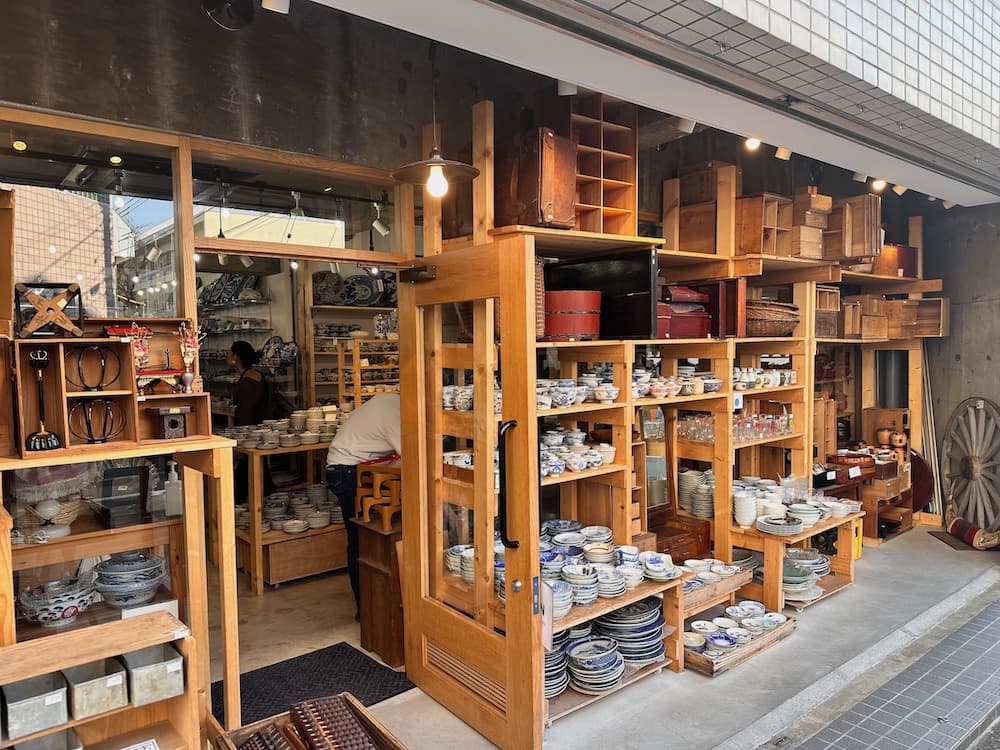
In Tokyo, Shibuya, Harajuku, Omotesando, and Yoyogi Park are near enough to consider together. Around Shinjuku, Shin-Okubo or Nakano can be convenient additions. Choose from those places based on your interests and how much time you want in each.
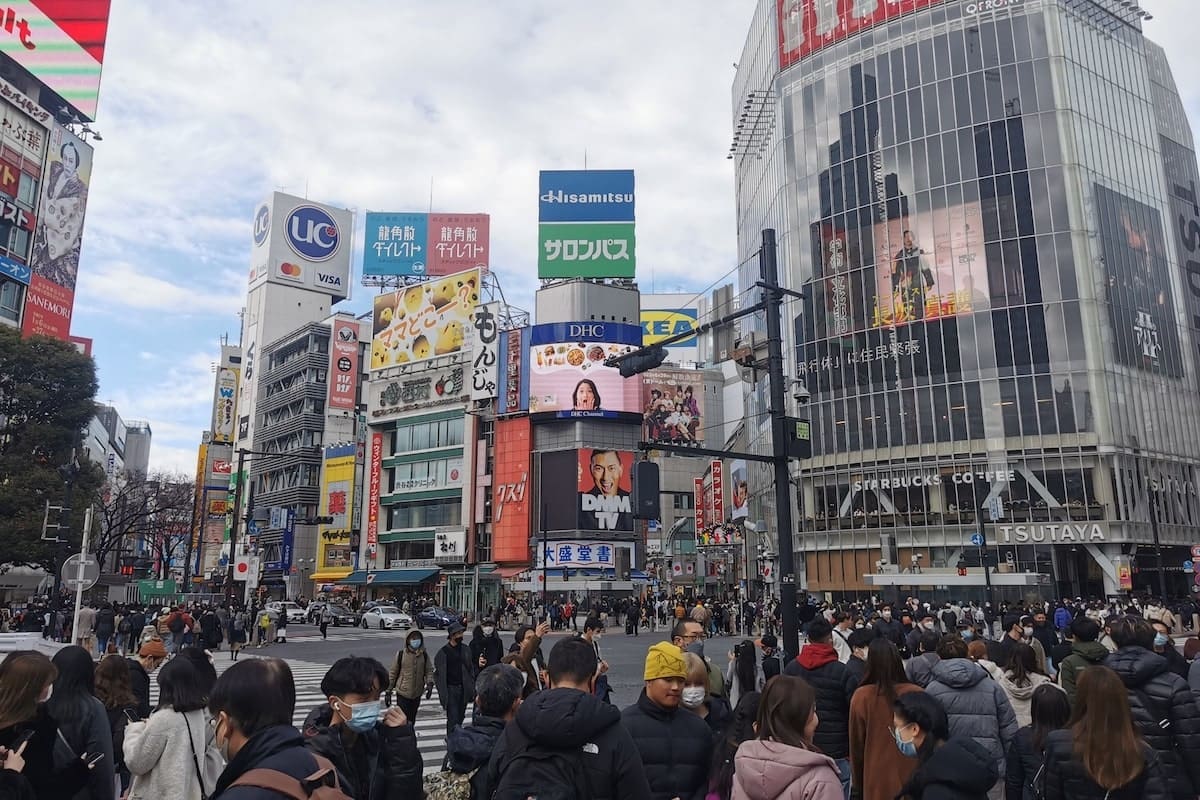
You may enter a shop, find a cafe, and end up spending much longer in a neighborhood than expected. I like leaving room for that. If you’re enjoying the area, staying longer can be a good use of the day.
Use Google Maps to estimate journeys, but leave extra time before reservations. Finding your platform in a large station, missing a connection, or taking a break can make the trip longer than the suggested route.
Keep some indoor options for heavy rain or extreme heat. On a travel day, allow for packing, checking out, collecting bags, and reaching the next hotel before adding much sightseeing.
Check the Itinerary Before You Finish
Read through the trip day by day, including the transfers. Check that there’s enough time in each destination, that your important bookings are confirmed, and that the arrival and departure plans work with your flights. My guide to common Japan travel mistakes covers more of the practical details to check before leaving.
For a first trip of 10 days or longer, check that the 30% beyond the popular destinations is still there after the other bookings. If extra stops have used those days, I recommend deciding which ones to leave for another visit.
Once those decisions are made, leave some time open. A long lunch, a shop you happen to enter, or an afternoon at your inn can be just as enjoyable as the activities you planned.
Comments are closed.