
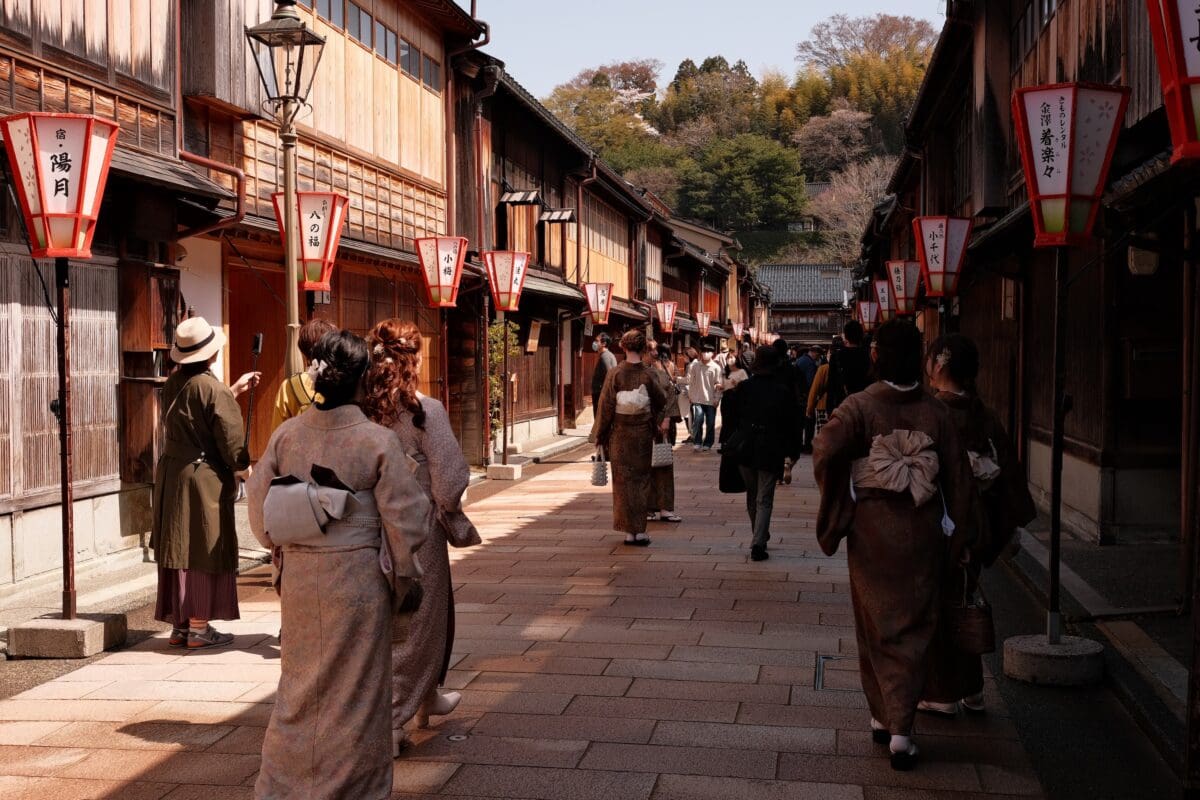
For a first visit to Kanazawa, I recommend 2 full days and a hotel near Omicho Market or Korinbo. That gives you time for Kenrokuen Garden, the old teahouse and samurai districts, and a museum, with room for seafood lunches and stops at craft shops along the way.
Many of these places are close enough to reach on foot, so you can spend the day walking between neighborhoods without a complicated transport plan. To me, Kanazawa can feel calmer than Kyoto, although Higashi Chaya and the main sights still attract plenty of visitors. Staying overnight gives you time to enjoy the streets after the shops close and sit down for dinner without having to catch a train back to another city.
- At a Glance
- How Many Days to Spend in Kanazawa
- Where to Stay in Kanazawa
- Hotels, Ryokan, and Townhouses I Recommend
- A 2-Day Kanazawa Itinerary
- Things to Do in Kanazawa
- What to Eat in Kanazawa
- When to Visit Kanazawa
- Getting to Kanazawa
- Getting Around Kanazawa
- Day Trips and Overnight Trips from Kanazawa
- Budget and Practical Tips
Some links on YavaJapan are affiliate links. If you book or buy through them, I may earn a small commission at no extra cost to you. It helps support the site, and I only link to places, stays, and experiences I genuinely think are worth recommending.
At a Glance
- Time: Allow 2 full days for the city. Add a third for a workshop or museums, and extra time for trips outside Kanazawa.
- Where to stay: Omicho Market for food and walks toward Higashi Chaya, or Korinbo and Katamachi for evenings out. Zoushi is a small central hotel near the market.
- A special overnight stay: Yamanoo for a ryokan (traditional Japanese inn) with meals, or Maki no Oto’s geisha stay if meeting geisha is a priority.
- First visits: Kenrokuen, Kanazawa Castle, Higashi Chaya, Omicho Market, and Nagamachi. Choose a museum or craft experience that interests you.
- Food: Make time for seafood, Kanazawa curry, and tea with Japanese sweets. In winter, look for yellowtail and crab.
- Transport: Take the Hokuriku Shinkansen from Tokyo. From Kyoto or Osaka, change trains at Tsuruga. Walk around the center and use buses for longer journeys.
- Nearby trips: Shirakawa-go for thatched farmhouses, Kaga Onsen for hot springs, or a longer route through Kanazawa, Shirakawa-go, and Takayama.
How Many Days to Spend in Kanazawa
For 2 full days of sightseeing, check your arrival and departure times before deciding how many nights to book. A 2-night stay can work if you arrive early and leave late. If you arrive in the evening and depart in the morning, you’ll need 3 nights to have the same time in the city.
With only 1 day, I suggest Kenrokuen and the castle in the morning, Omicho Market for lunch, and Higashi Chaya in the afternoon. A second day gives you time for Nagamachi and a museum, while a third lets you add a craft workshop or performance without shortening the other visits.
I recommend staying overnight rather than making a day trip from Tokyo, Kyoto, or Osaka. The return journey takes up a substantial part of the day, and you’ll miss the evenings in the teahouse districts. A day trip from Tokyo is possible if it’s your only chance to visit, but expect an early departure and a long day.
For 4 or 5 days, you could combine Kanazawa with Shirakawa-go or a night in Kaga Onsen. If you also want to visit Takayama, consider how much time that leaves for the rest of Japan. These are all popular destinations, and adding all three to a short trip will mean leaving other places out. My guide to where to go in Japan can help you compare them with the other stops you’re considering.
Where to Stay in Kanazawa
I usually recommend staying between Omicho Market and Korinbo, with your choice depending partly on how you want to spend the evenings. Near Omicho, you can head out for a market breakfast or lunch and walk toward the castle or Higashi Chaya. Around Korinbo and neighboring Katamachi, you’ll have more restaurants, bars, and shops close to the hotel, with Nagamachi nearby.
| Area | Why I Recommend It | What to Keep in Mind |
|---|---|---|
| Omicho Market and nearby Owaricho | Market meals, walks to the castle, and access to Higashi Chaya | Market shops mostly serve daytime visitors, so check dinner options separately |
| Korinbo and Katamachi | Restaurants, bars, shopping, and walks to Nagamachi | The station requires a bus, taxi, or longer walk |
| Higashi Chaya and Kazue-machi | Traditional wooden streets and walks along the Asano River | Shops close before the evening, so plan where you’ll eat |
| Kanazawa Station | Late arrivals, early departures, and several day trips | You’ll travel farther to the historical districts |
| Nagamachi | A stay among the former samurai district’s houses and walls | Check the exact address, as nearby Katamachi is much busier at night |
If you want to stay in an old townhouse, look around Higashi Chaya or Kazue-machi. You can explore the wooden streets before the shops open and walk along the river around dusk. You’ll have fewer places to choose from for dinner than around Korinbo, so it’s worth deciding where to eat before heading out.
For frequent day trips, the station may be more useful. Staying there saves you a bus or taxi journey each time you leave the city. For just one arrival and one departure, I usually prefer a hotel closer to the places I’ll visit and the restaurants I’ll use in the evening.
Use the map to compare Kanazawa's main hotel areas, sights, craft experiences, and the day trips that fit around them.
Hotels, Ryokan, and Townhouses I Recommend
A hotel is usually the easiest base if you expect to be out sightseeing and trying different restaurants. For a ryokan night, I recommend choosing somewhere you want to spend the afternoon and evening, with dinner and breakfast included. The meals are a large part of the experience, so look at what you’ll eat as well as where you’ll sleep.
The baths also vary. A ryokan doesn’t necessarily have an onsen (natural hot-spring bath), and a bath may be shared or private. My guide to staying in a ryokan explains these differences and what to expect from the rooms and meals.
Hotel Kanazawa Zoushi
Hotel Kanazawa Zoushi is a good choice for a smaller hotel near Omicho Market. It has wooden interiors and Japanese design details, with food and sightseeing close enough to reach on foot.
It’s a convenient base for days out and meals at different restaurants. For an evening at a traditional inn with dinner, I recommend Yamanoo instead.
Yamanoo
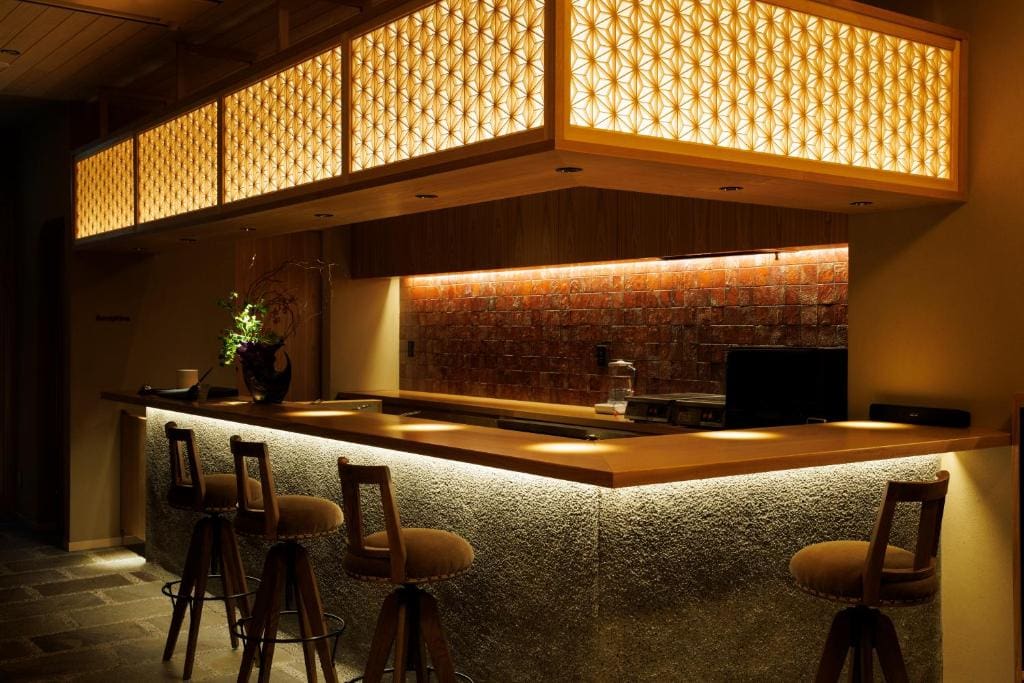
For a traditional inn with Japanese meals, I recommend Yamanoo. It sits above Higashi Chaya, with accommodation in separate buildings, and suits a night when you want to spend time in your room and enjoy dinner at the inn. Allow for that in your afternoon plans so you aren’t arriving just in time to eat.
Yamanoo accepts guests aged 13 and over. Because of the hill and the different room buildings, ask about the route to your room if stairs are difficult for you.
Maki no Oto Kanazawa
If meeting geisha is something you’re especially looking forward to, the Maki no Oto geisha stay gives you a private evening with them as part of an overnight stay in Higashi Chaya. After dinner, the inn’s owner takes you to a teahouse, where you’ll meet the performers and join traditional games with English-speaking support.
The owner’s introduction gives you access to a teahouse that’s difficult to visit independently. That’s why I recommend considering it for a special occasion or a trip with a strong interest in geisha culture, if you’re comfortable with the cost. There are no cancellations after booking, so confirm the arrangements before paying.
You book this stay through Wabunka, a company I’ve worked with in the Japan travel industry. They work with Japanese hosts to develop cultural experiences and stays for your own group, with interpreter support when needed. That gives you time to talk with the people you’re visiting, as well as watch or take part in an activity.
Nakayasu Ryokan
Nakayasu is worth comparing if you want a traditional inn at a lower cost than Yamanoo. It’s in Owaricho, near the market and castle, with Japanese rooms and the option of meals, so you can combine sightseeing with time at the inn.
Some rooms have a private bath and toilet, while others use shared facilities. If you want your own bathroom, make sure it’s included in the room you’re booking.
Murataya Ryokan
Murataya is a simple, lower-cost inn in Katamachi, within walking distance of restaurants and Nagamachi. You can book breakfast at the inn and head out for your other meals.
I recommend it if you’re comfortable with shared bathrooms and want a traditional place to stay downtown. If you prefer a private bathroom and a Western-style bed, compare the nearby hotels too.
Hotel Pacific Kanazawa
Hotel Pacific is a small hotel beside Omicho Market, with simple rooms and a cafe on the ground floor. For a solo trip or a stay as a couple, it’s a good option if you want to walk out for food and sightseeing, with somewhere to sit over coffee at the hotel.
The rooms vary in size, so compare the one you’re considering with Hyatt Centric if you want more space for luggage or time indoors.
Hyatt Centric Kanazawa
Hyatt Centric suits a trip with early trains, large suitcases, or several days out of Kanazawa. It’s by the station, and the 32 m² standard rooms make it worth comparing with smaller city hotels if you want more space. You can see the differences in the room sizes and layouts.
I recommend it when station access will save you several journeys during the stay. For sightseeing within Kanazawa, you’ll still walk or take a bus to the historical districts.
Hotel Intergate Kanazawa
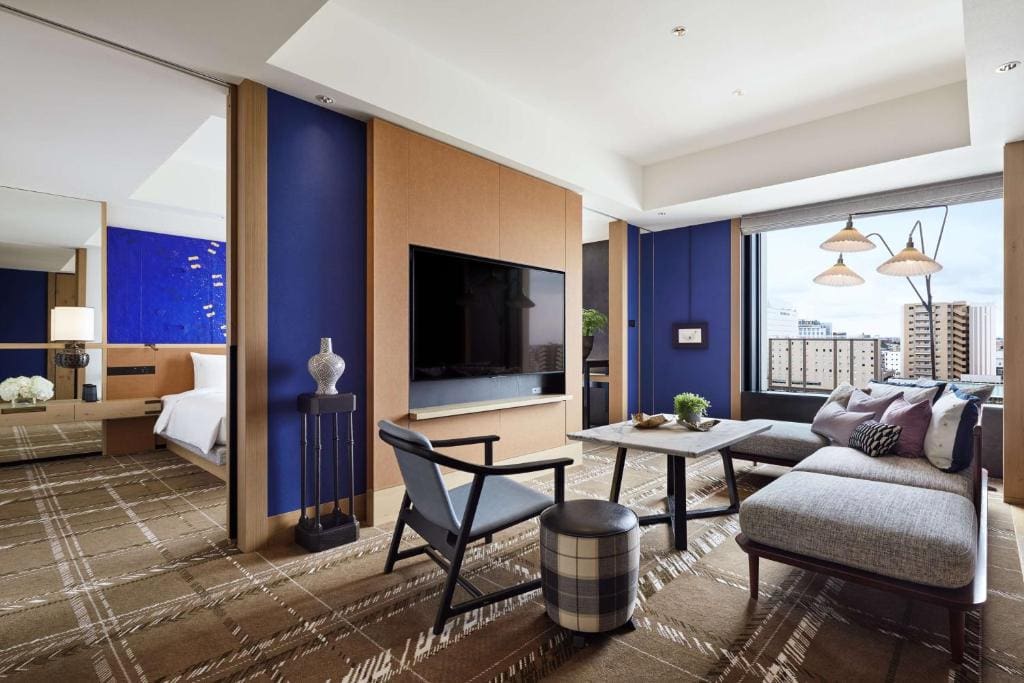
Hotel Intergate is near Oyama Shrine, between Omicho Market and Korinbo. You can walk toward the market during the day and head downtown for dinner, which makes it a convenient base for visiting different parts of the center.
It also has a communal bath. If you’d enjoy a bath after sightseeing, that gives you a reason to compare it with Zoushi and Pacific when checking prices for your dates.
Dormy Inn Kanazawa
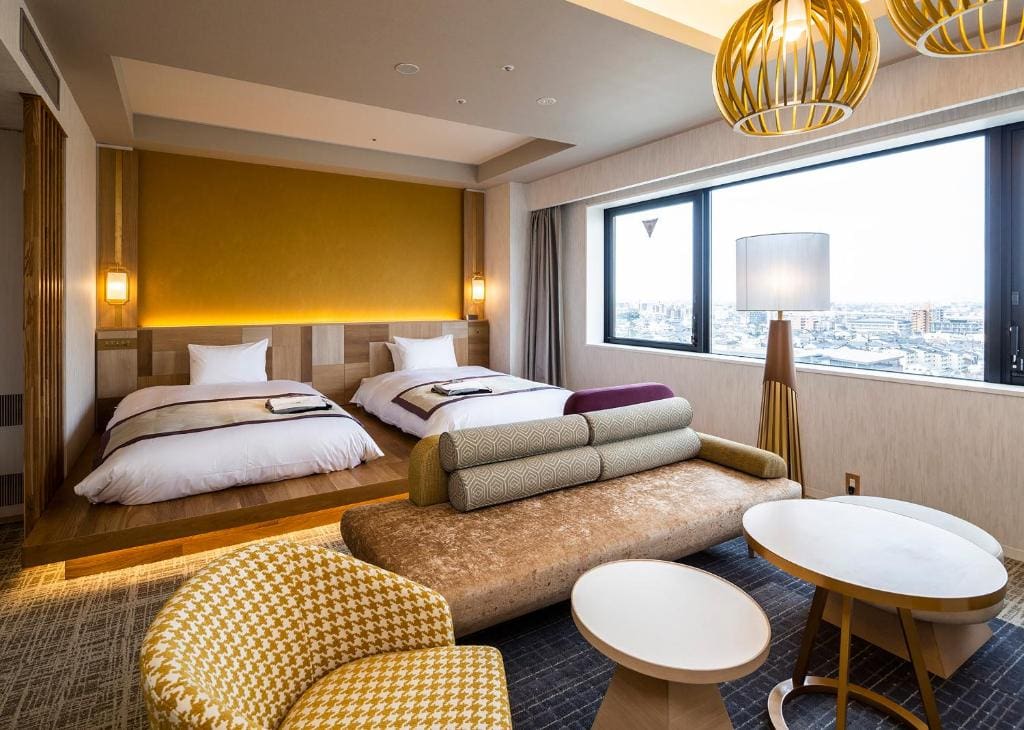
At Dormy Inn, you can stay near the station and use natural hot-spring baths each evening. There are indoor and open-air shared baths on the top floor, so it’s a good option if you want hot springs during your city stay without moving to a separate inn.
The baths are communal. For a private hot-spring bath, you’ll need to choose another property with that facility in your room or available to reserve.
Kazueya and Higashiyama Kageroi
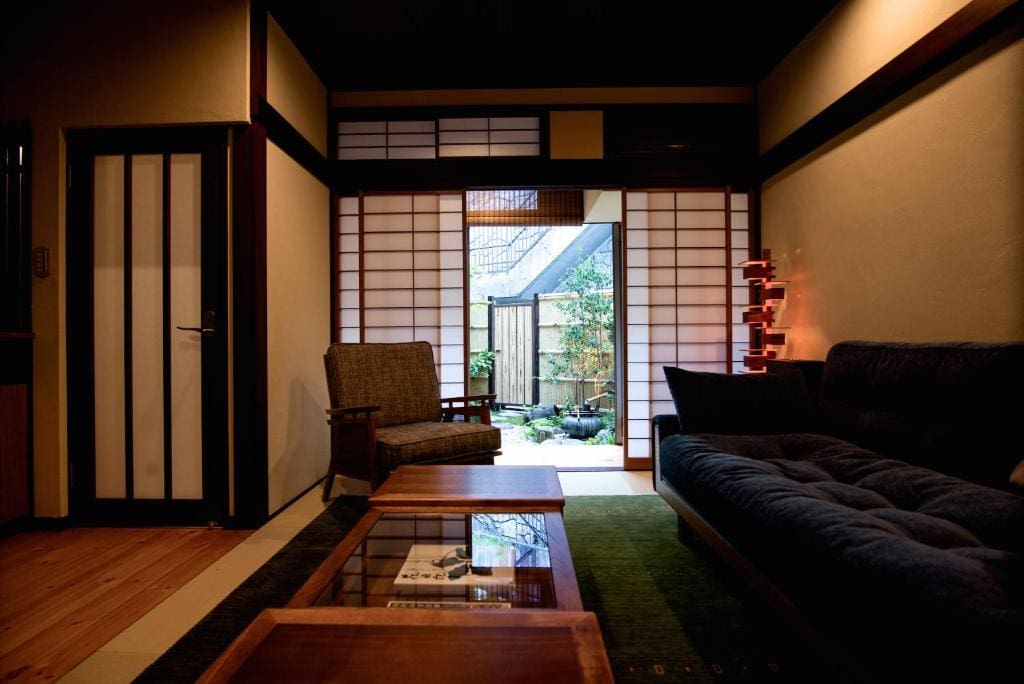
A machiya (traditional townhouse) gives couples, families, or friends a whole home to share. I recommend considering one for a longer stay, when you’ll have time to use the rooms and spend more of the day in the neighborhood.
Kazueya puts you in the Kazue-machi teahouse district near the Asano River. Higashiyama Kageroi is another option near Higashi Chaya, with futon sleeping arrangements and self-catering facilities.
With either house, look at the stairs and sleeping arrangements before booking. Getting up from a futon on the floor can be difficult for some people, and a whole-house rental has different services from a staffed hotel. Read the check-in instructions too, particularly if you’ll arrive late.
A 2-Day Kanazawa Itinerary
Day 1: Kenrokuen, the Castle, and Higashi Chaya
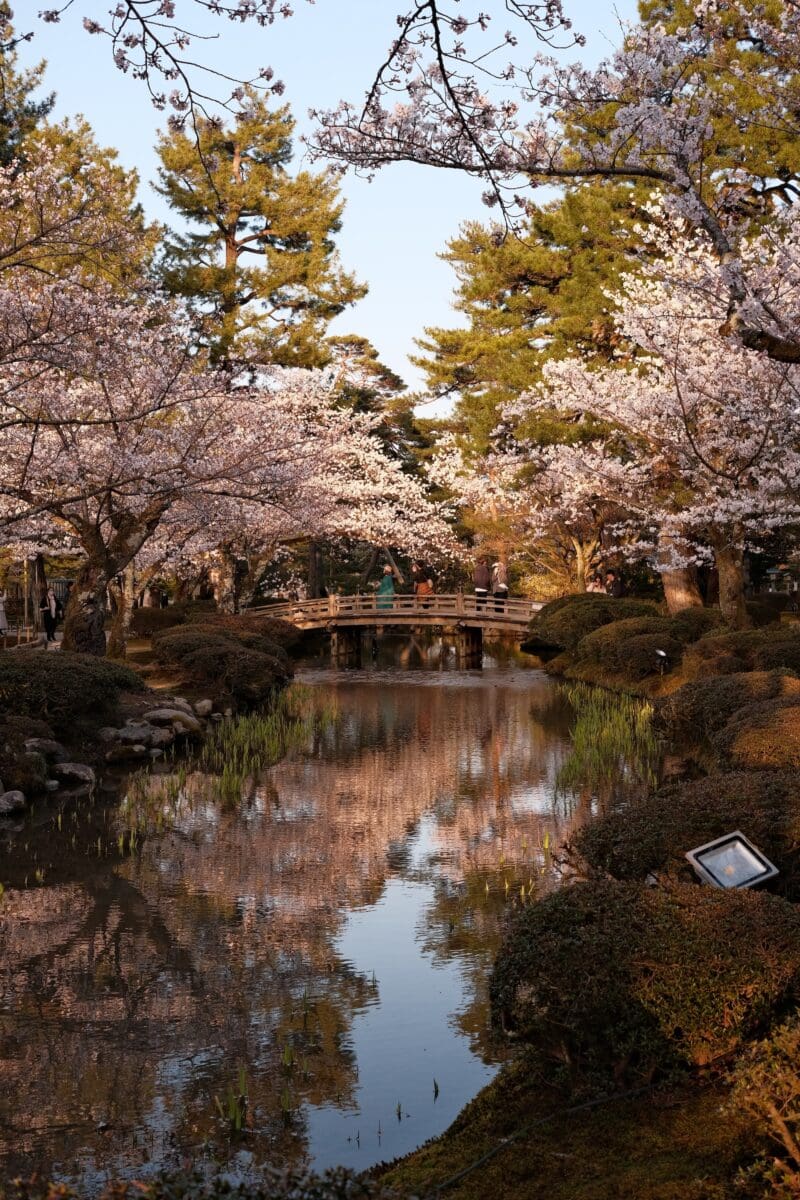
Start at Kenrokuen in the morning, then cross to Kanazawa Castle Park. I suggest leaving most of the morning for the two places, especially during blossom or autumn foliage season when you may want longer in the garden.
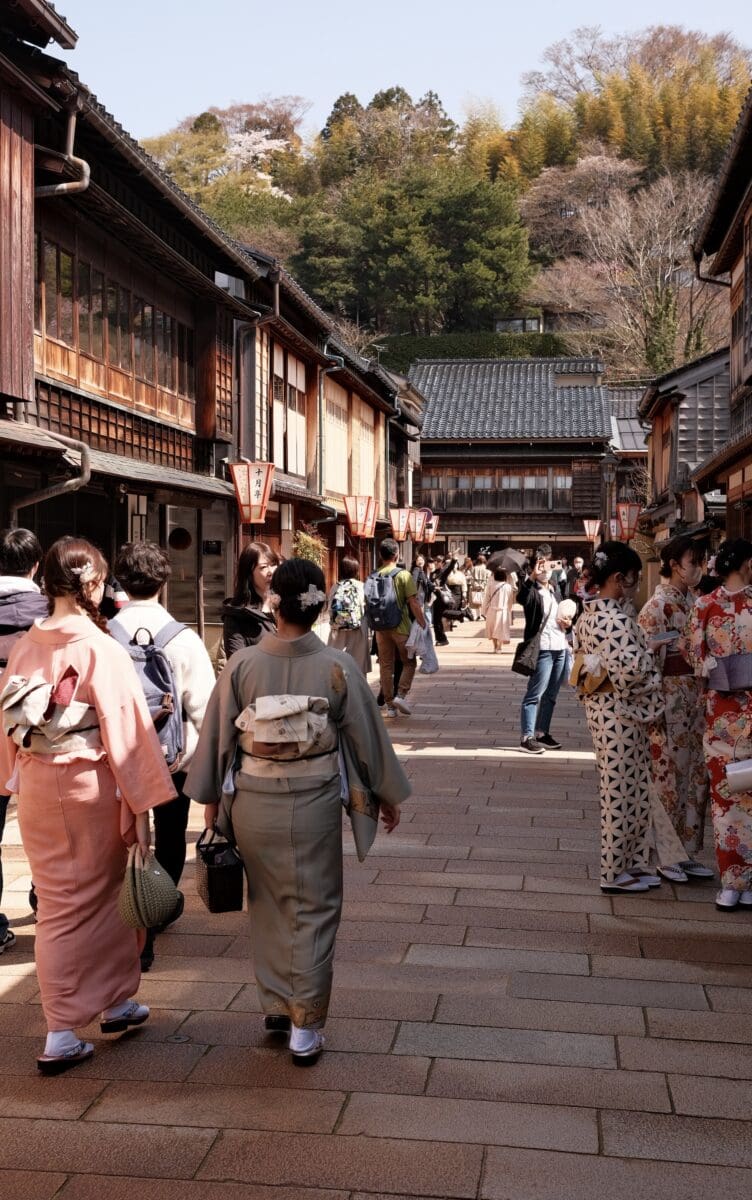
From the castle, you can walk toward Omicho Market for lunch before continuing to Higashi Chaya. Spend the afternoon looking inside a former teahouse, browsing craft shops, and stopping for tea. Kazue-machi is nearby along the river, so you can finish with a walk there around dusk before dinner.
The main thing to watch is the time you reach Higashi Chaya. Visit during the day if you want to go inside the teahouses, as an evening walk won’t give you access to those interiors. If a market meal is your priority, break for an early lunch and leave any unfinished castle sightseeing for another time.
Day 2: Nagamachi, Museums, and a Craft Experience
Spend the morning in Nagamachi, including Nomura-ke House, then have lunch around Korinbo or Katamachi. From there, you can head to the 21st Century Museum or D. T. Suzuki Museum, or spend the afternoon at a craft workshop.
I suggest choosing one main museum or workshop and leaving the rest of the afternoon open. If you find a shop or exhibition you enjoy, you’ll have time to stay. For historical buildings, Myoryuji Temple near Nishi Chaya is another option, though you’ll need to arrange its guided visit first and plan around the reservation time. Finish with curry or another seafood dinner downtown.
Things to Do in Kanazawa
Kenrokuen Garden and Kanazawa Castle
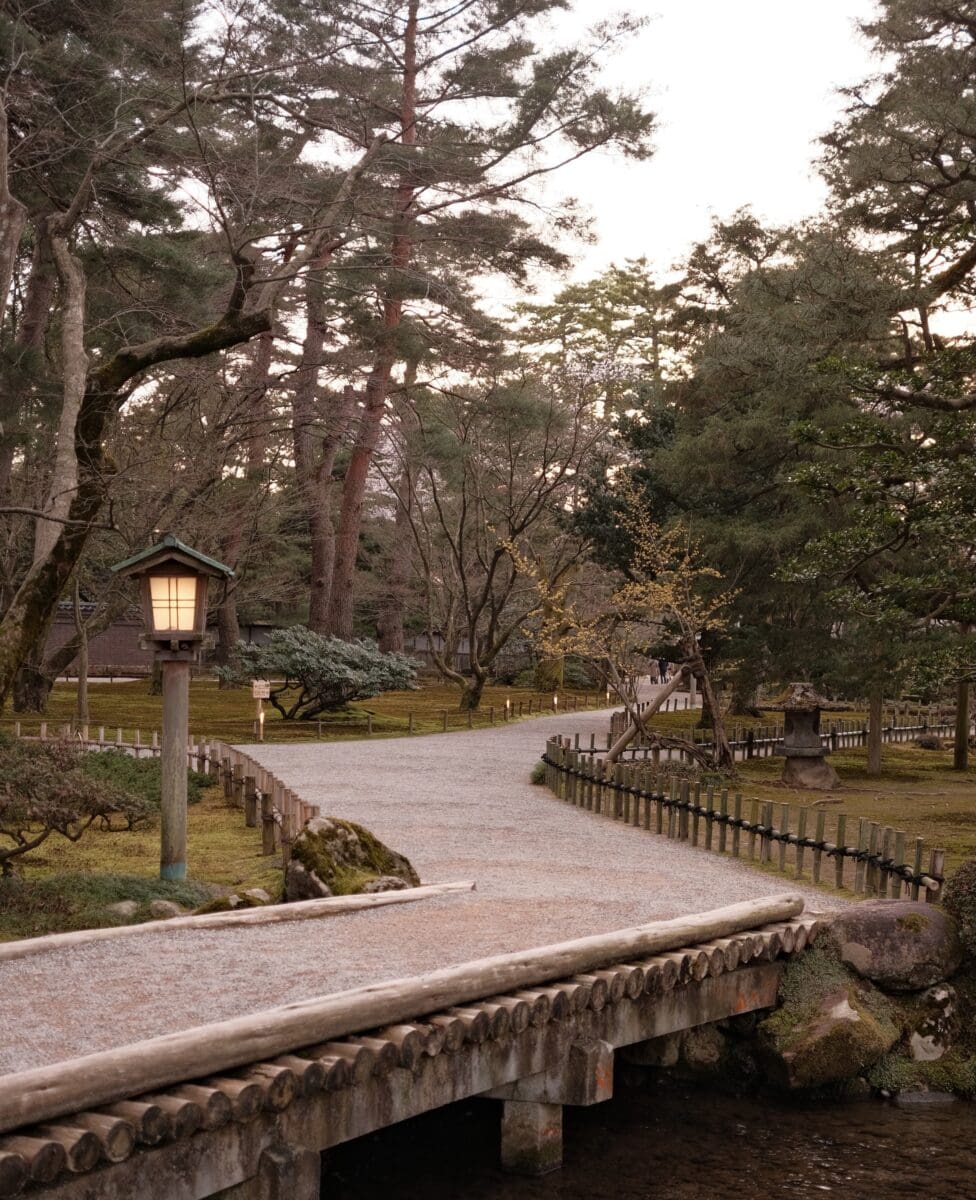
Kenrokuen’s ponds, bridges, pine trees, and winding paths are worth a proper walk, beyond a stop at the best-known stone lantern. I recommend going near opening, when you can explore before the larger groups arrive.
What you’ll see changes through the year, from spring blossoms to autumn leaves. In winter, the trees have yukitsuri, ropes that support their branches against heavy snow. Opening hours also change by season, so check the garden’s visitor information when planning an early visit.
Kanazawa Castle Park is next door, making the two easy to combine. There isn’t an original main keep to climb, but you can walk around the grounds and go inside restored structures to see the timber construction. The park grounds are free, while some buildings charge admission.
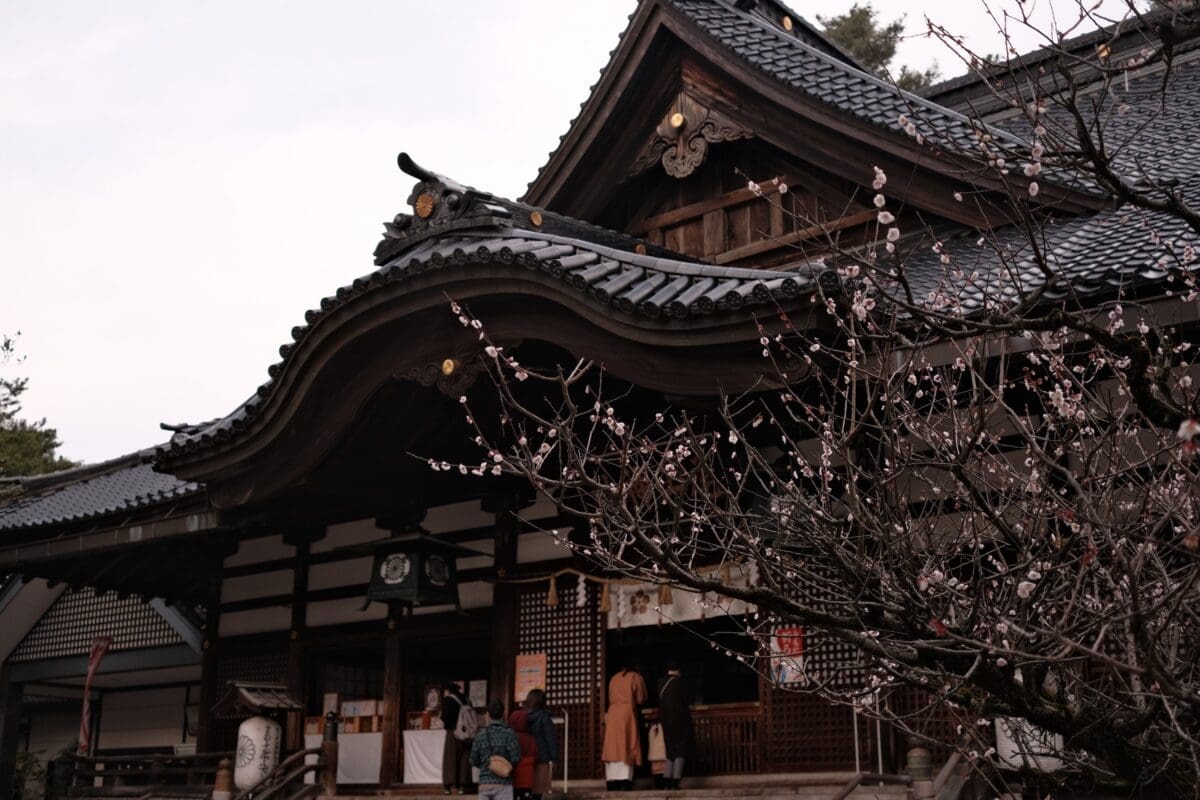
For more historical interiors, Seisonkaku Villa is beside Kenrokuen. Or, if you’re heading toward Korinbo, you can visit Oyama Shrine on the west side of the castle along the way.
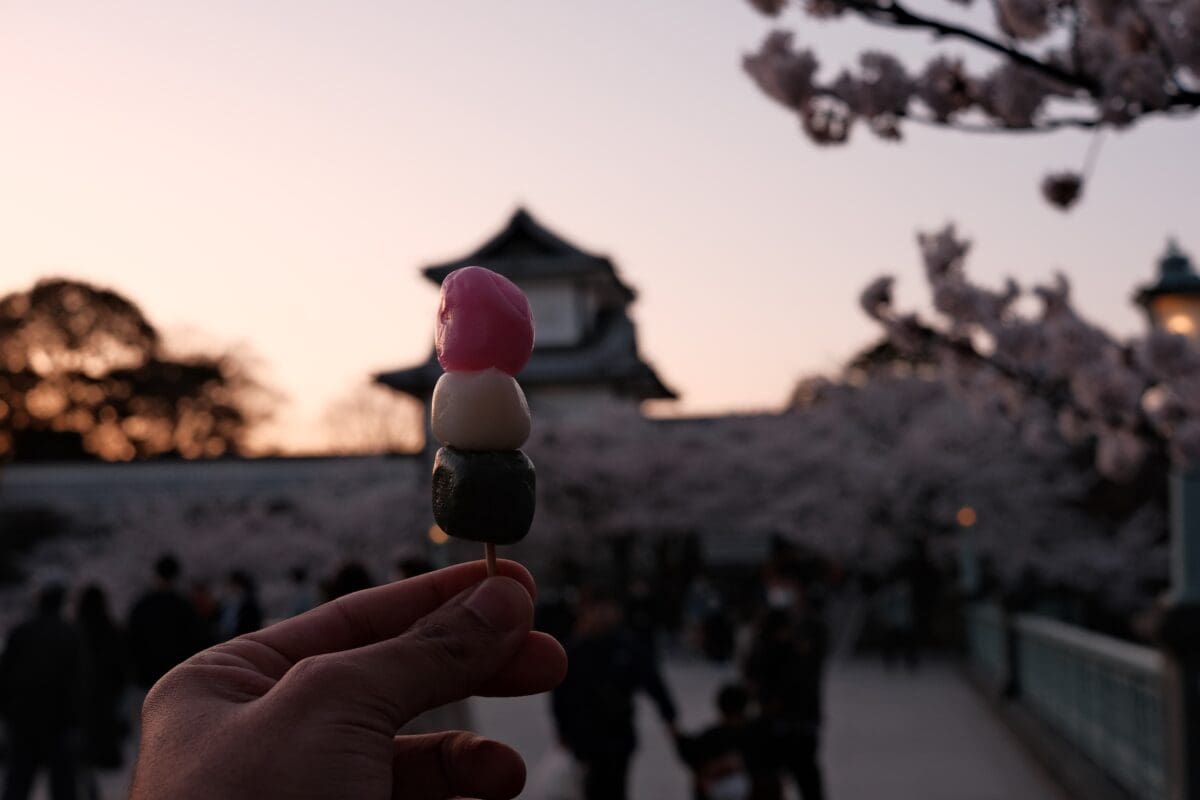
Higashi Chaya, Kazue-machi, and Nishi Chaya
Kanazawa has three historical teahouse districts associated with geisha, professional performers trained in traditional music, dance, and entertainment. Start with Higashi Chaya for its wooden buildings, craft shops, and former teahouses open to visitors. Shima is a good place to look inside one and understand how these buildings were used.
Once you’ve explored the main street, leave time for tea and a walk through the smaller streets. You can then continue to Kazue-machi beside the Asano River. Around dusk, it’s a pleasant way to extend your visit to Higashi Chaya without crossing to another part of the city.
Nishi Chaya is smaller and lies across the Sai River on the other side of the center. I suggest combining it with Myoryuji Temple if you’re going there, rather than making a separate journey just to see a third district.
You may or may not see a geisha while walking around. If watching a performance is something you’re looking forward to, check the local event schedule or consider the private evening at Maki no Oto. These are also neighborhoods where people live and work, so keep entrances clear and ask before photographing people.
Nagamachi and Nomura-ke House
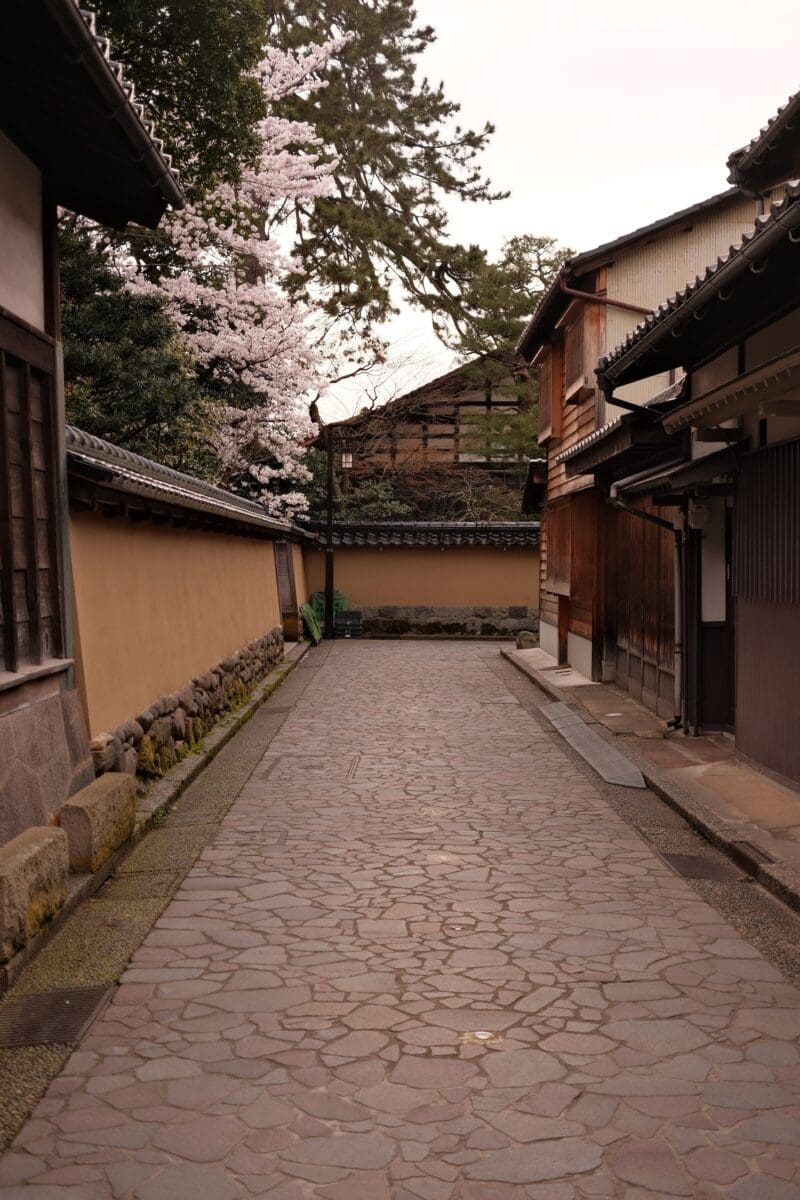
Nagamachi is the former samurai district, with earthen walls, water channels, and houses along narrow streets. A morning here leaves you close to Korinbo for lunch, and you can also walk to Kenrokuen if you’re visiting the garden that day.
At Nomura-ke House, you can go inside the residence to see the rooms, samurai-related displays, and small garden. I recommend allowing time to sit and look out at the garden, which is part of the pleasure of visiting the house.
Omicho Market
Omicho is a good place for breakfast or an early lunch, especially a seafood rice bowl. You can browse the fish stalls and try a few snacks while you’re there. If you want breakfast early, check the restaurant’s opening time, as each shop keeps its own hours.
I suggest comparing menus before joining a queue. Crab and large bowls with several types of seafood can be expensive, and you might prefer a few small bites at the market followed by a sushi meal elsewhere. For snacks, use the stall’s counter or designated eating area before continuing your walk. Some smaller purchases are easier with cash, and it’s polite to ask before photographing vendors up close.
Museums and Short Craft Workshops
For a first visit, I suggest choosing one or two museums or workshops according to what you’d enjoy:
- 21st Century Museum of Contemporary Art: Contemporary exhibitions and installations. To enter the underground part of The Swimming Pool, you’ll need an exhibition ticket and a place on the same-day waiting list.
- D. T. Suzuki Museum: An introduction to the Buddhist thinker’s life and ideas, in a building with a water garden where you can take time to sit and look.
- National Crafts Museum: Exhibitions of ceramics, textiles, lacquer, and other crafts. The current exhibition will help you decide whether to visit this or one of the city’s smaller specialist museums.
- Gold leaf or Kutani ceramics: Short activities where you make or decorate something to take home. Kutani-yaki is a regional style of decorated ceramics. With pottery painting, ask whether your piece will need firing and shipping afterward.
Hakuichi is an established place to look for gold leaf activities. For a longer visit with an artist, consider Hisatsune below. There are also specialist museums for Noh theater, phonographs, Ohi pottery, and gold leaf if you’d rather spend time on one of those subjects.
Kaga Yuzen Painting at Hisatsune
If you’re interested in textiles or painting, I recommend the private visit to Hisatsune’s workshop. Toshiharu Hisatsune works in Kaga Yuzen, a local silk-dyeing tradition often used for kimono, with detailed hand-painted designs.
He shows you around the workshop, then guides you through painting a handkerchief. The visit lasts about 2 hours and includes English-speaking support, so you can ask questions about his work as well as try the technique yourself.
Alembic Gin Distillery
The private tour and tasting at Alembic gives you time with distillery head Toshihiko Nakagawa to learn how he makes his gin. He explains the botanicals and distillation process through a small-still demonstration, followed by a tasting of HACHIBAN GIN with local snacks.
I recommend it if you’d enjoy getting into how a drink is made, as well as tasting it. The distillery is in Ono, near the coast, so allow time to travel there and back from central Kanazawa. You can also browse Wabunka’s other Kanazawa experiences if you’re choosing between a distillery visit and a craft workshop.
Myoryuji Temple
Myoryuji is often called the Ninja Temple because of its defensive features, including concealed stairways and traps. It’s a good visit if you enjoy unusual buildings and want to understand how they were designed.
Reserve by phone before visiting, as entry is through a guided tour. The tour is in Japanese, so ask about English written guidance when booking, or ask your hotel to help with the call. Preschool children can’t enter. The visitor information has the reservation number and details for planning your visit.
What to Eat in Kanazawa
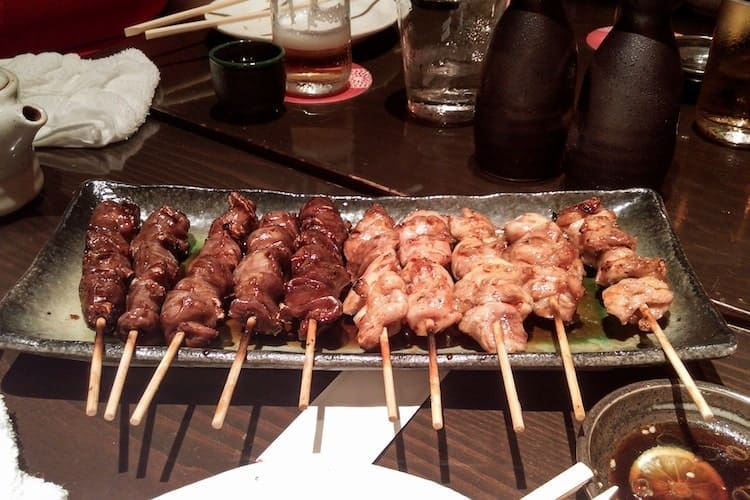
I recommend making time for seafood, Kanazawa curry, and tea with Japanese sweets. Over 2 days, you could have a seafood bowl at the market, a sushi dinner, and a curry lunch, while leaving other meals open for places you come across. In winter, look for yellowtail and crab among the seasonal dishes.
Local Dishes to Look For
| Food | What It Is |
|---|---|
| Seafood and sushi | Look for nodoguro (blackthroat seaperch), sweet shrimp, and seasonal fish. Winter is particularly good for buri (yellowtail) and crab |
| Kaisendon | A rice bowl topped with seafood, with prices varying by the ingredients |
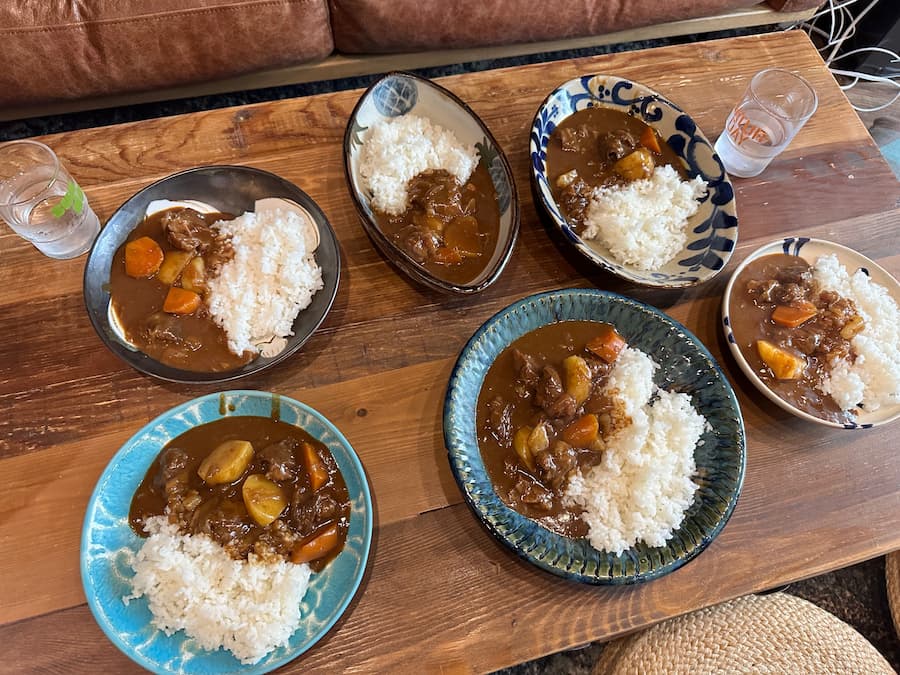
| Kanazawa curry | Thick, dark curry, usually served with rice, shredded cabbage, and a fried topping such as pork cutlet |
| Oden | Ingredients simmered in broth. In crab season, look for kani-men, a filled crab shell |
| Jibuni | A thickened duck or chicken stew with vegetables and wheat gluten, associated with local Kaga cuisine |
| Hanton rice | Omelet rice topped with fried fish or shrimp and tartar sauce |
| Wagashi | Japanese sweets, often served with matcha in the teahouse districts |
Kaga cuisine is the regional cooking associated with Kanazawa and the surrounding area. A ryokan dinner can be a good opportunity to try it, with seasonal vegetables and seafood across several courses.
Gold leaf ice cream is fun to try if you’re curious. The gold is mainly decorative, so choose it for the novelty rather than expecting a different flavor.
Restaurants, Coffee, and Evening Drinks
I’ve enjoyed meals at small sushi counters such as Okina Sushi, and recommend reserving if there’s a particular restaurant you want to try. For the rest of your meals, leaving some decisions until you’re there lets you choose somewhere near the neighborhood you’re exploring.
For other meals, coffee, and drinks, I suggest the places below. Check their opening days before making a special journey.
| What You’re Looking For | Places to Consider |
|---|---|
| Sushi near the station | Kirari, a conveyor-belt sushi restaurant on the west side |
| Kanazawa curry | Go Go Curry, Turban, or Champion’s Curry |
| Hanton rice near Katamachi | Grill Otsuka |
| Coffee and breakfast near Omicho | Curio Espresso and Vintage Design |
| A cafe stop near the center | Cubby Hole |
| A Japanese course meal near Higashi Chaya | Barrier, serving seasonal dishes with an emphasis on broth |
| Drinks after dinner | Furansu around Katamachi or Bar Gauche near Higashi Chaya |
I usually plan dinner earlier than I would in Tokyo, especially near the market or teahouse districts. There are places to eat later, though. Kirari near the station is one option, with hours that vary by day. Check last orders as well as the closing time if you’re arriving late.
If you’d prefer someone to introduce you to the food, the private walking tour on Viator lets you discuss your interests with a local host. Before booking, compare the route and tastings with what you want to eat, particularly if seafood is the main reason you’re joining.
When to Visit Kanazawa
For a trip with plenty of walking, I recommend spring or autumn. Winter is also worth considering for seafood and the chance of snow, provided you’re happy to change plans around wet, cold weather. If you’re visiting in summer, museums and workshops give you places to spend the hotter part of the day indoors.
Spring
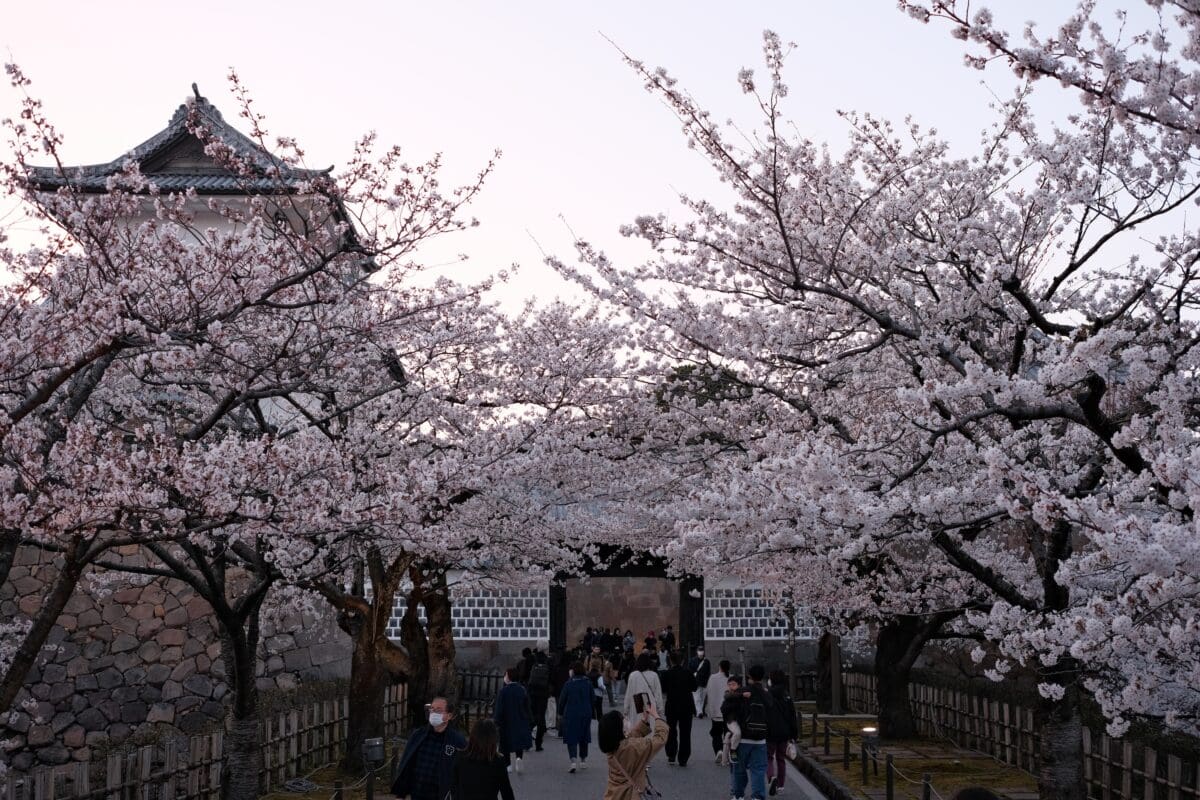
April is the main month to consider for cherry blossoms, though the timing changes each year. Kenrokuen and the castle are particularly enjoyable then, and I recommend booking your preferred hotel early if you’re traveling during blossom season. Check the illumination schedule too if you’d like to return to the garden after dark.
May can also be pleasant for gardens and walking. Golden Week, the holiday period from late April into early May, needs more advance planning than the rest of the month.
Autumn
October and November are good months for walking, but I suggest looking later in the season if autumn leaves are the reason for your visit. Color develops across the city during November and can continue into early December, so late October may be too early. Check conditions at Kenrokuen and the other places you want to see as your trip approaches.
Winter
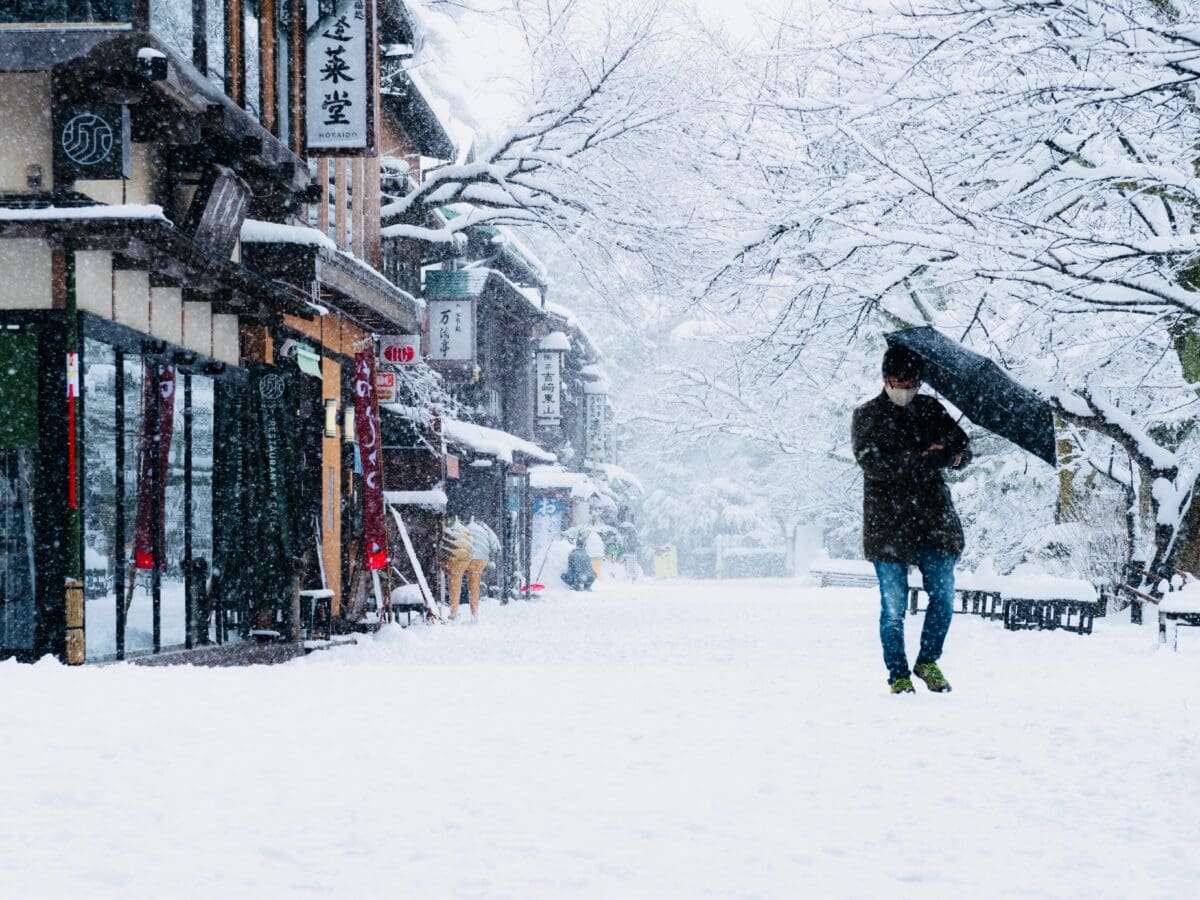
Crab and yellowtail make winter appealing for a trip with long meals and museums, with snowy views when the weather cooperates. You may need to spend more time indoors than in spring or autumn, so I recommend keeping the order of your visits flexible.
Waterproof shoes with grip and a warm outer layer will make walking more comfortable. Snow-melting sprinklers keep some roads clearer, but pavements can still be wet, slushy, or icy, and trains or buses may be delayed.
Summer and the Hyakumangoku Festival
The Hyakumangoku Festival takes place in early June, with a large parade and traditional performances. If you want to attend, book accommodation early and allow extra time to get around on the parade day because of road restrictions.
The rainy season generally falls in June and July, followed by hot, humid weather. I suggest doing gardens and neighborhood walks in the morning, then spending the hottest part of the day at a museum, workshop, or longer lunch. For a trip that includes several regions, my guide to the best time to visit Japan explains how the seasons differ across the country.
Getting to Kanazawa
Kanazawa is in Ishikawa Prefecture, on the Sea of Japan side of the country. You can reach it by train from Tokyo, Kyoto, or Osaka, or fly into nearby Komatsu Airport.
From Tokyo
The Hokuriku Shinkansen, the bullet-train line serving Kanazawa, runs directly from Tokyo or Ueno. The journey usually takes about 2 hours 30 minutes to 3 hours, depending on the service.
I suggest reserving seats if you want to sit together or are traveling during a major holiday. Klook’s Tokyo to Kanazawa booking page lets you compare departures and tickets for your date.
From Kyoto or Osaka
From Kyoto or Osaka, take the Thunderbird limited express to Tsuruga, then change to the Hokuriku Shinkansen for Kanazawa. The Thunderbird no longer runs all the way to Kanazawa, so include the transfer when choosing a departure.
Allow roughly 2 hours from Kyoto or 2 hours 30 minutes from Osaka, depending on the connection, plus the journey to your hotel. If you’ve booked a ryokan dinner that evening, leave enough time to check in and settle into the room. You can compare the journeys in the Kanazawa access guide.
From Komatsu Airport
Komatsu is the nearest major airport, with an airport bus to Kanazawa Station that takes roughly 40 to 45 minutes, depending on the service and traffic.
For travel from central Tokyo, I usually recommend the direct train. Flying can be more useful when you’re coming from another part of Japan or have an international flight into Komatsu.
Rail Passes
Before buying a pass, compare its cost with the individual journeys you plan to take. Both passes below cover useful routes through Kanazawa, but whether they save you money depends on where else you’re going and when.
The Hokuriku Arch Pass covers eligible travel between Tokyo and the Kyoto–Osaka area via Hokuriku, the region around Kanazawa, for 7 consecutive days. It doesn’t cover the direct Tokaido Shinkansen between Tokyo and Kyoto. Check the coverage and eligibility against your full route.
The Takayama-Hokuriku Area Tourist Pass lasts 5 consecutive days and includes specified trains and buses through Kanazawa, Takayama, and Shirakawa-go. It doesn’t cover the journey from Tokyo. Read the route map and seat-reservation rules, and reserve any buses that require a booking separately.
If you already have a nationwide JR Pass, you can use it for the relevant JR trains. Check bus coverage separately when planning Shirakawa-go, as a rail pass won’t cover every form of transport on the trip.
Getting Around Kanazawa
For most city stays, walking with a few bus journeys is enough. Kanazawa Station to Omicho Market takes about 15 minutes on foot, while Kenrokuen’s Katsurazaka Gate to Higashi Chaya takes about 20 minutes. Allow longer if you’re stopping at shops or walking in bad weather.
For the longer journeys, the Kanazawa Loop Bus connects the main sightseeing districts. An adult ride costs ¥220, and the ¥800 day pass saves money from the fourth ride. I suggest paying for individual journeys if you expect to walk most of the day. If you’ll use the pass, buy it before boarding.
On the Loop Bus, you board at the rear and exit at the front. It accepts cash and nationwide transport cards such as Suica and PASMO, but payment methods differ on other routes. The city bus guidance explains what you can use on each service.
A taxi can save you a wet walk in heavy rain, or make the journey easier with luggage or after dinner. Bike-sharing is another option on a dry day, though I suggest walking or public transport when roads are icy. A rental car isn’t necessary for this city itinerary.
When you arrive, the Kanazawa Station Tourist Information Center can help with buses, maps, and luggage services. If it’s too early to check in, leave your suitcase at the hotel or station so you can start exploring without carrying it.
Day Trips and Overnight Trips from Kanazawa
With more than 2 full days, you can add a trip outside Kanazawa without cutting into your time in the city. Shirakawa-go suits a day out, while Kaga Onsen and Takayama are places where I recommend staying overnight if you can.
Shirakawa-go
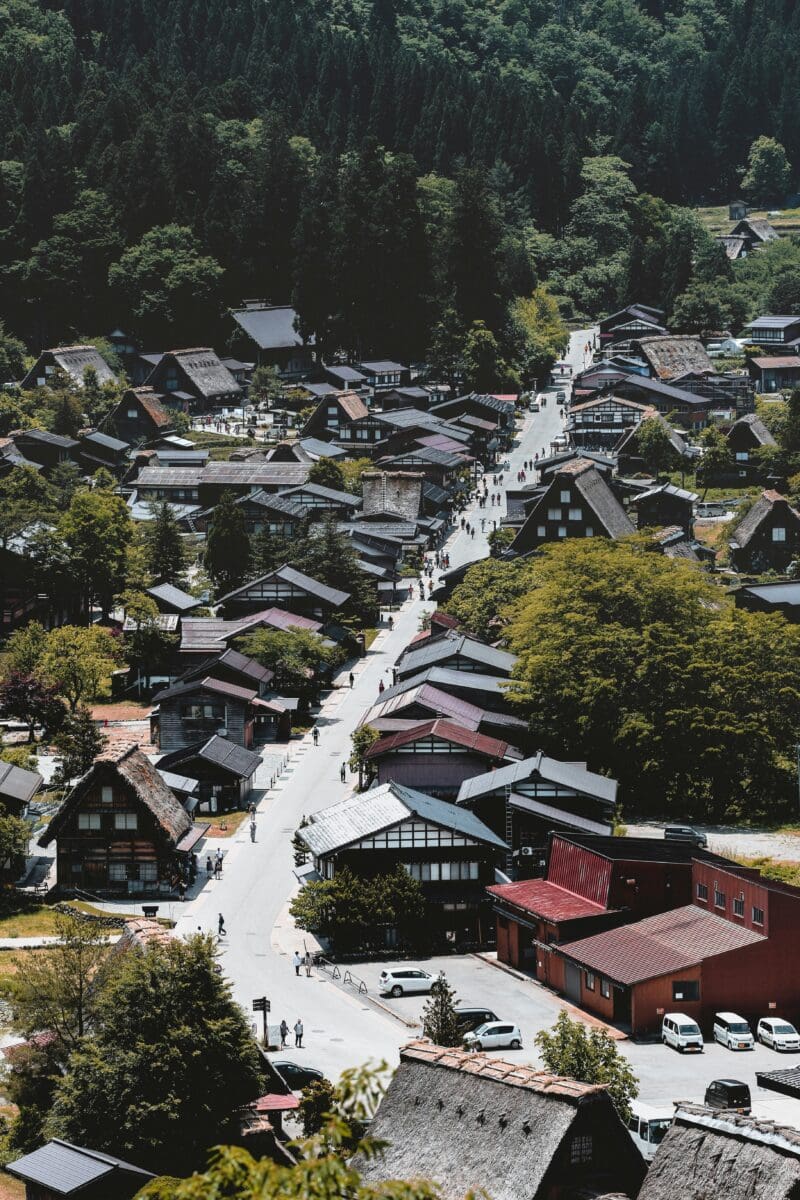
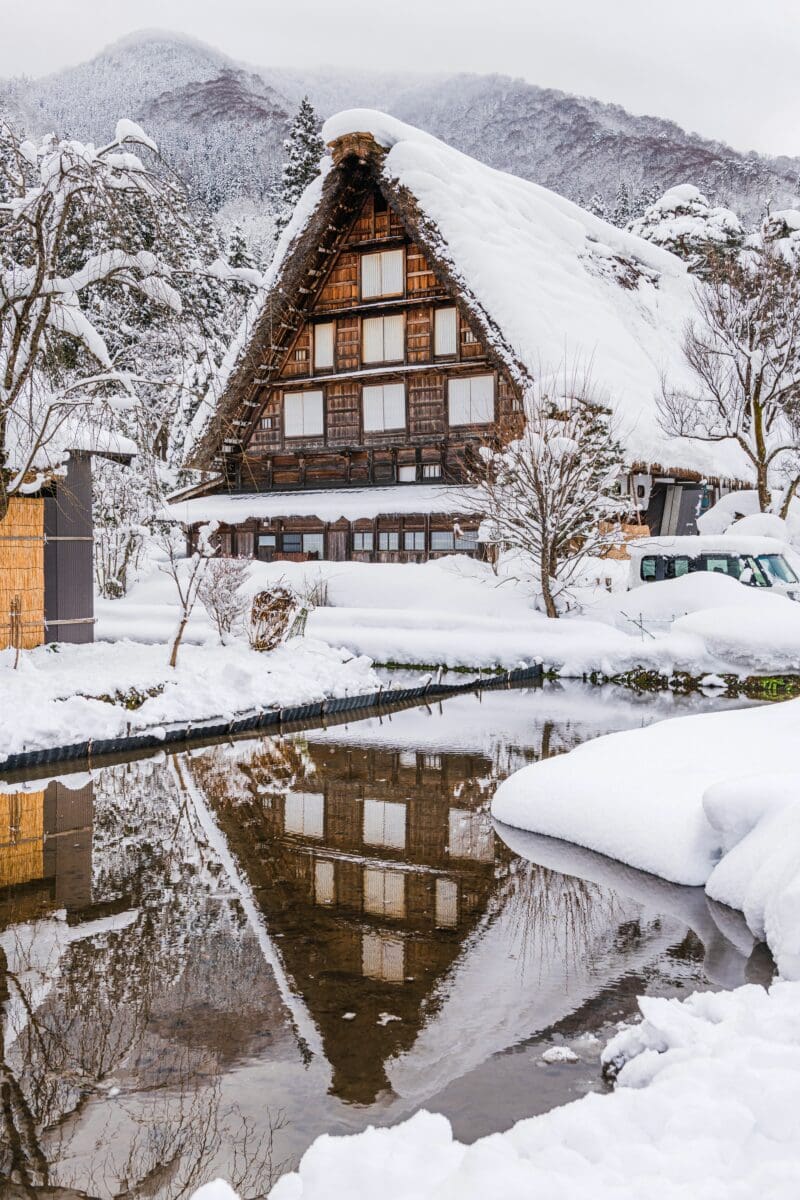
For a day trip to see traditional thatched farmhouses, I recommend Shirakawa-go. You’ll spend most of your visit in Ogimachi, walking through the mountain village and looking inside houses that are open to the public.
The bus from Kanazawa usually takes about 1 hour 15 minutes to 1 hour 30 minutes. Reserve bus seats in both directions using the operator’s booking guidance, and leave time to return to the stop. In winter, snow and ice can affect walking paths as well as the road journey.
If you’re continuing to Takayama, you can visit Shirakawa-go between the two cities. My Kanazawa, Takayama, and Shirakawa-go itinerary explains the route and how to divide your nights.
Kaga Onsen
For a hot-spring stay, I recommend a night in the Kaga Onsen area south of Kanazawa. You can spend the afternoon in one of its towns, then enjoy the baths and meals at a ryokan without traveling back to the city that evening.
Choose the town according to what you’d enjoy outside the inn. Yamashiro is associated with Kutani ceramics, Yamanaka has the Kakusenkei Gorge and lacquerware shops, and Katayamazu sits beside a lake. Awazu is another nearby hot-spring town, with different access to check separately.
The Hokuriku Shinkansen takes you to Kagaonsen Station, but the station is outside the bathing towns. You’ll need a bus, taxi, or ryokan shuttle for the final part of the journey, so include that when deciding what time to leave Kanazawa.
If you’d like to spend more on a traditional inn, compare Araya Totoan in Yamashiro and Kayotei in Yamanaka. I recommend a plan with dinner and breakfast, arriving early enough to enjoy the room and baths before the meal. For a day trip, a public bath and a walk around one town will give you more time there than traveling between several.
Takayama
I recommend staying overnight in Takayama so you have time for its old streets, morning markets, and local food. You’d lose much of that time traveling there and back from Kanazawa in a day.
You can travel between the cities by bus via Shirakawa-go or by train via Toyama. My Takayama travel guide covers what to do and where to stay once you’re there.

Fukui, Tateyama Kurobe, and Noto
If you enjoy castles or are continuing south, consider Fukui and Maruoka Castle. You’ll need a bus connection after reaching Fukui by train, so check that journey before deciding how much else you can visit in the day.
The Tateyama Kurobe Alpine Route is a mountain excursion involving several forms of transport. It generally operates from mid-April to late November. From Kanazawa, I suggest an early start via Toyama, traveling up to Murodo in the mountains and returning the same way. Crossing the whole route and getting back to Kanazawa makes for a much longer day. Check the operating timetable and conditions before committing.
For Noto, the current regional travel guidance will help you work out what’s accessible. Recovery from the 2024 earthquake continues, with restrictions on some roads and bus services, so check the journey to the specific town or attraction you want to visit. Staying overnight can give you more time there and reduce how much driving you do in one day.
Budget and Practical Tips
Your accommodation, journeys between cities, and any private experiences will make the biggest difference to the total cost. I suggest pricing those for your actual dates first, then comparing like for like. A ryokan rate with two meals may look expensive beside a hotel room, but you’ll need to add dinner and breakfast to the hotel cost.
Once you’re in Kanazawa, walking between nearby sights and mixing seafood meals with curry or other casual lunches helps keep spending down. The castle grounds and historical neighborhood walks are free, while museums and some interiors charge admission.
Kenrokuen’s regular admission is ¥320 for adults aged 18 to 64. Younger visitors and those aged 65 and over have different rates or exemptions, so check which category applies to you.
For the practical side of the stay, I suggest preparing a few things before arrival:
- Cash for small purchases: Carry enough yen for meals, market stalls, and local transport, even if you’ll pay for the hotel by card.
- Rain protection: Bring a compact umbrella and shoes with grip. Stone paths in places such as Nagamachi and Kenrokuen can become slippery after rain or snow.
- Opening days and meal times: Museum closures and a reserved sushi or ryokan dinner may affect the order of your sightseeing, so check these before fixing the day’s plan.
- Shared baths: Wash before entering and leave swimwear outside. If you have tattoos, check the property’s policy before choosing it for its baths.
- Phone data: I generally recommend an eSIM for navigation and translation, with your hotel addresses and booking details saved on your phone too.
Comments are closed.