
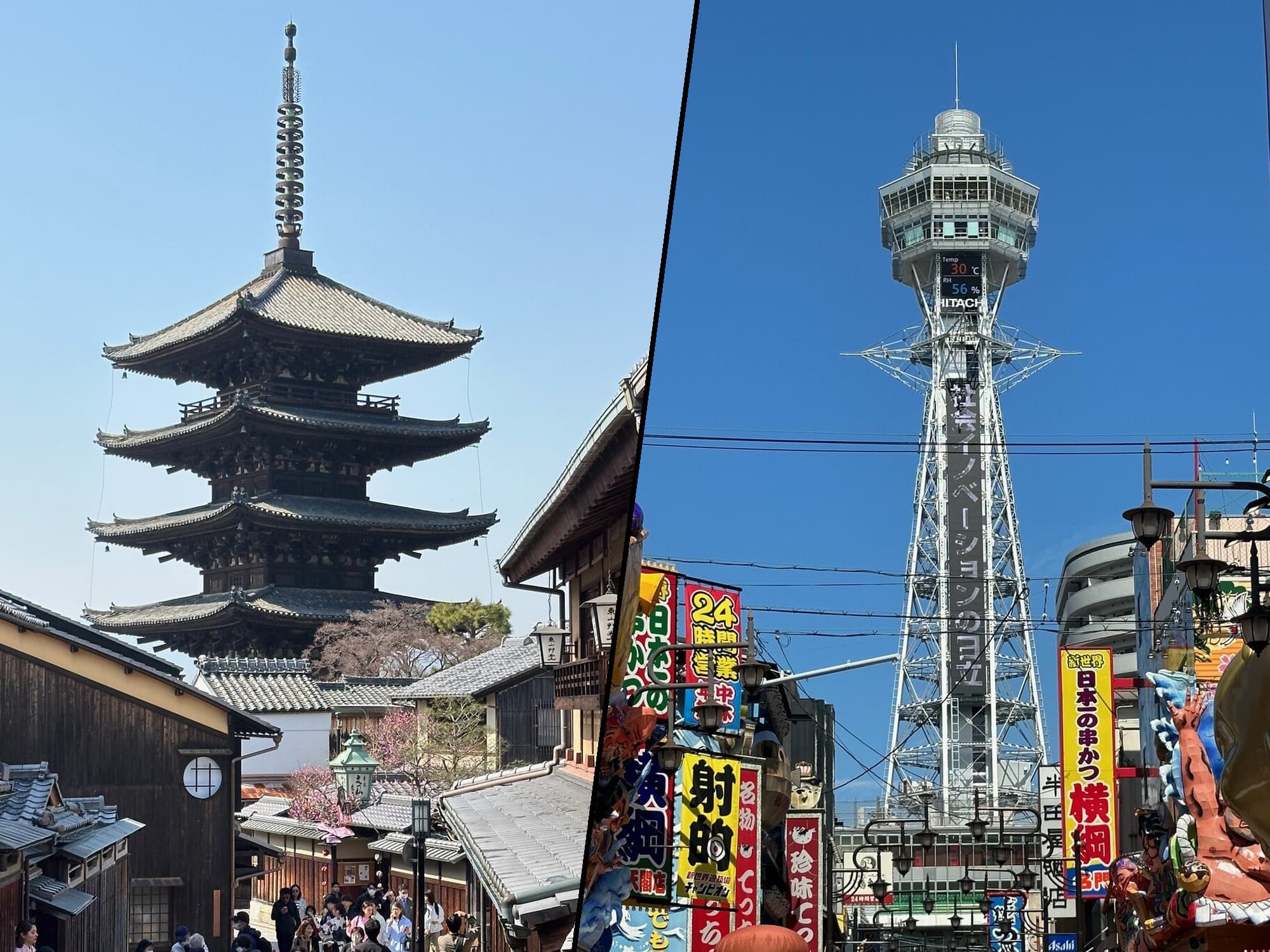
For a first trip to Japan, I usually recommend staying in Kyoto if you’re choosing between Kyoto and Osaka. Kyoto has more of the places I’d encourage you to make time for on a first visit, and sleeping there makes it easier to start a day at Fushimi Inari, explore the temples in Higashiyama, or return to your hotel between sightseeing and dinner.
Osaka may suit you better if you’re looking forward to several nights out around Namba and Dotonbori, visiting Universal Studios Japan, or spending several days exploring Osaka and nearby cities. A large difference in hotel prices on your dates could also make Osaka worth choosing.
Whichever you choose, trains make it easy to visit the other city for a day or evening. Both are in Kansai, the region that also includes Nara and Kobe. With 3 to 4 nights in the region, I suggest choosing one hotel. With more time, splitting your stay can work well, especially if you want to enjoy Osaka’s nightlife without checking the last train back to Kyoto.
Some links on YavaJapan are affiliate links. If you book or buy through them, I may earn a small commission at no extra cost to you. It helps support the site, and I only link to places, stays, and experiences I genuinely think are worth recommending.
At a Glance
- Choose Kyoto if most of the places you want to visit are there. Downtown is good for restaurants and evenings out, while Kyoto Station makes train journeys easier.
- Choose Osaka for several late nights, Universal Studios Japan, or several days visiting Osaka and places such as Kobe or Koyasan.
- Consider a split with 5+ nights, usually when you can give Osaka at least 2 nights. One dinner in Osaka is easy to plan without moving hotels.
- Compare the whole journey. The roughly 30-minute JR train ride connects Osaka Station and Kyoto Station, with extra time needed to reach your hotel or the sights.
- Check prices and flight times before booking. A large hotel saving or an awkward airport transfer can change which city I recommend.
Why I Usually Recommend Kyoto
Personally, I think Kyoto deserves a place on most first trips to Japan. Osaka can be a great addition, but I see it more like Hiroshima or Kanazawa: somewhere to choose because you want to go, rather than a city everyone should include.
If Fushimi Inari, Kiyomizu-dera, Gion, and Arashiyama are on your list, you’ll probably spend several days in Kyoto. These places are spread across the city, so you’ll already have some traveling to do between them. Staying in Kyoto means you can start those days without first taking a train from Osaka.
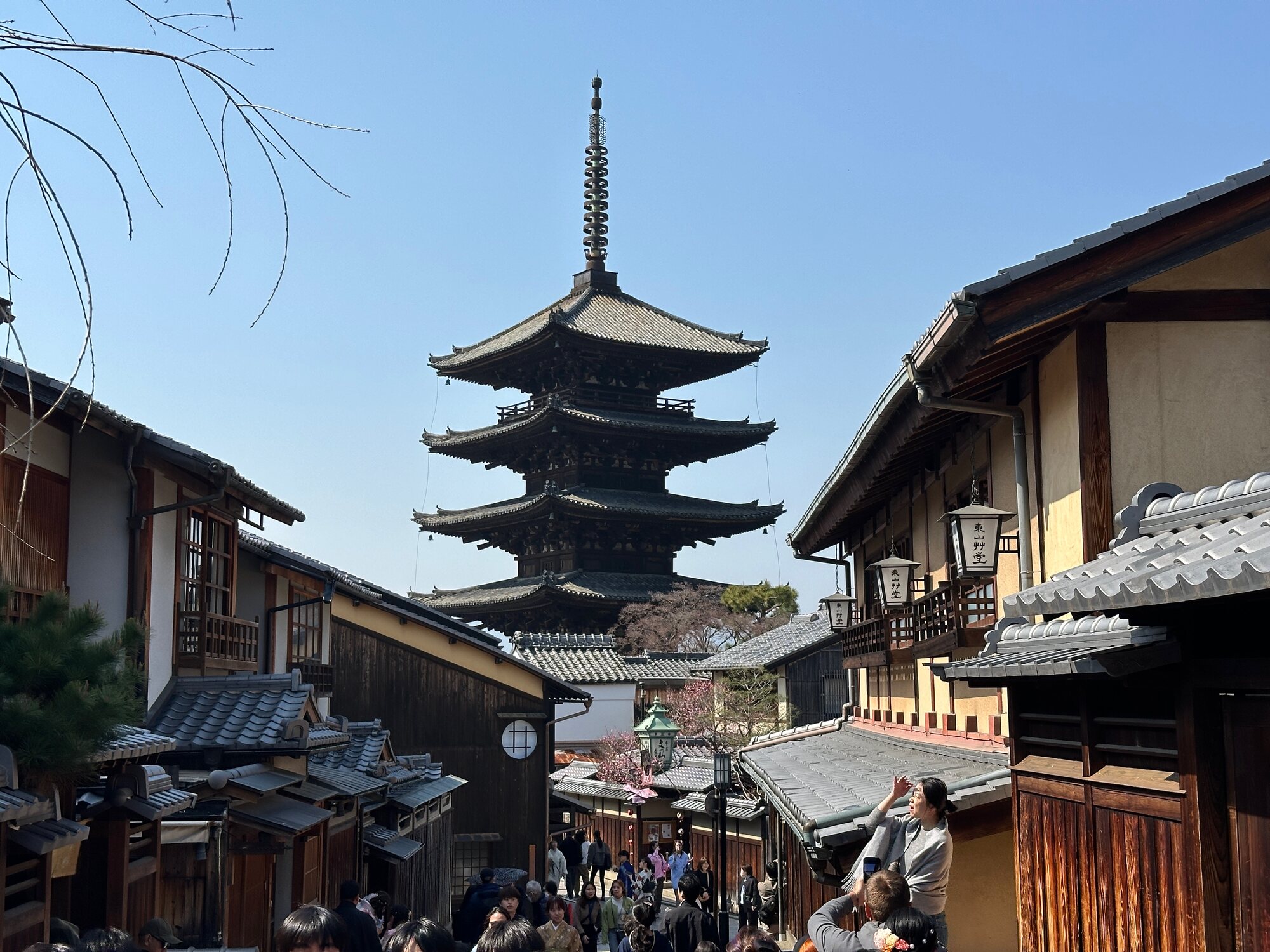
Kyoto also has plenty to do after the temples close. Around Kawaramachi, Sanjo, Pontocho, and Kiyamachi, you can have dinner, go to a bar, or walk along the Kamo River. I recommend these areas if you want sightseeing during the day and somewhere to go out near your hotel in the evening.
You could also plan a tea ceremony in Kyoto or a geisha performance or experience. If meeting and talking with geisha is something you’re especially looking forward to, a private geisha dinner is worth considering when your budget allows.
From Kyoto, you can still spend a full day in Osaka or head over in the afternoon for dinner around Dotonbori. I suggest checking the return trains before going out, including any connection you’ll need to reach your hotel. That’s manageable for one evening, but if you expect to make the journey after drinks several nights in a row, I’d recommend sleeping in Osaka for those nights.
When I Recommend Staying in Osaka
If you want to eat late, go to bars, and spend several evenings around Namba, Dotonbori, or Shinsaibashi, I recommend staying nearby. These areas form much of Minami, Osaka’s southern downtown district. Having a hotel within walking distance makes the end of the night much easier.
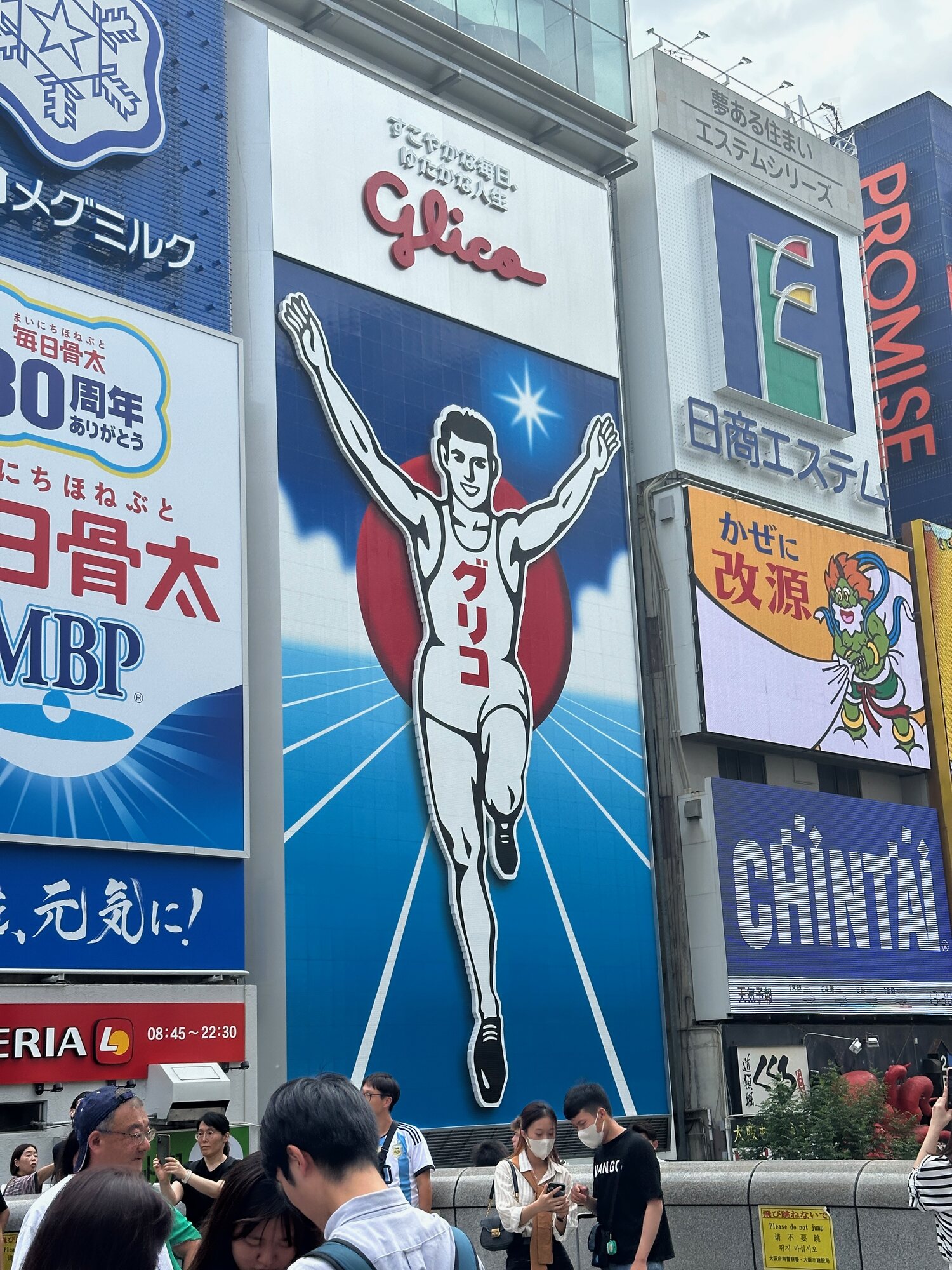
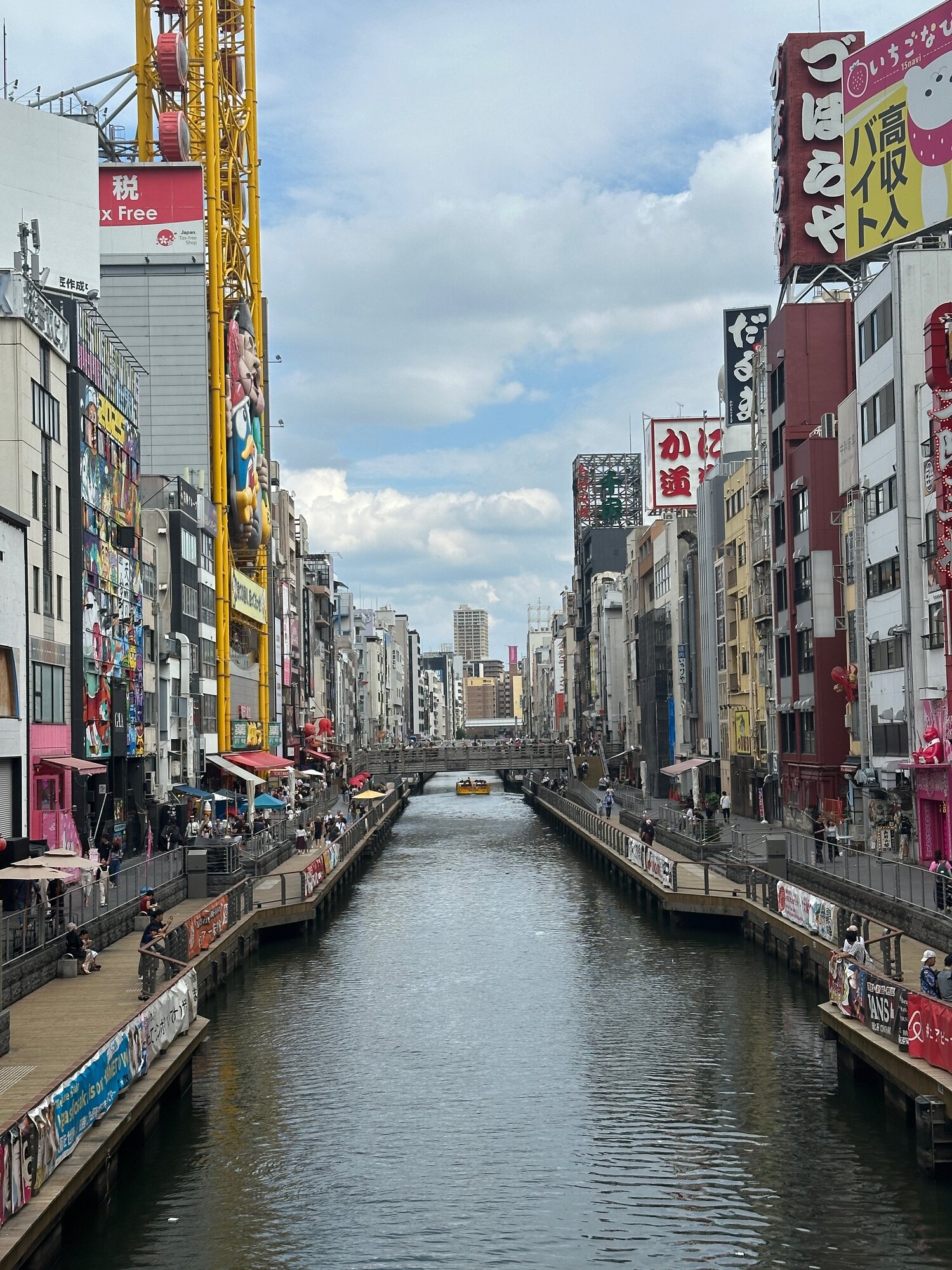
Osaka is also more convenient for Universal Studios Japan, often shortened to USJ. You can visit from Kyoto, but staying in Osaka means less travel before and after a long day at the park. If you’re planning USJ and several evenings out in Osaka, I recommend staying in the city for that part of the trip.
Osaka can also save you some travel if you’ll be visiting Kobe, Himeji, or Koyasan. For trains toward Kobe and Himeji, look around Umeda. For the Nankai route to Koyasan, Namba is a better place to stay.
And Osaka has plenty of history and culture, too. You can visit Osaka Castle’s museum and tower, Sumiyoshi Taisha shrine, Shitennoji temple, and the city’s other museums. I still recommend Kyoto for the temples and traditional neighborhoods many people want to see on a first visit, but Osaka could easily keep you busy for several days if those are the places that interest you.
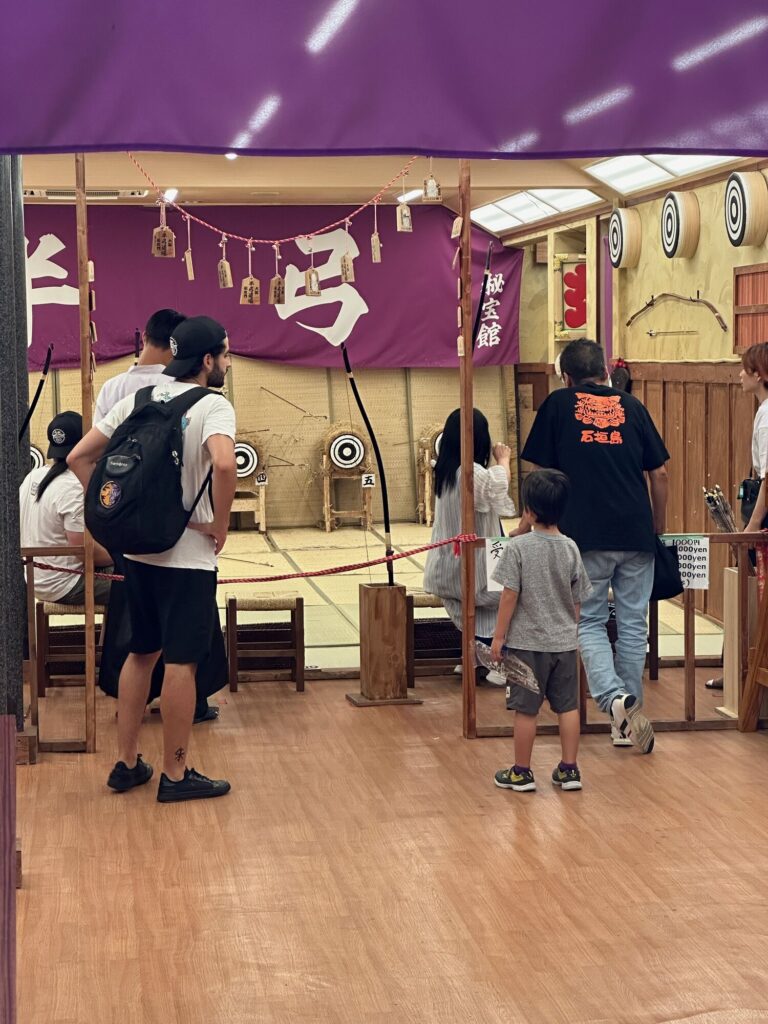
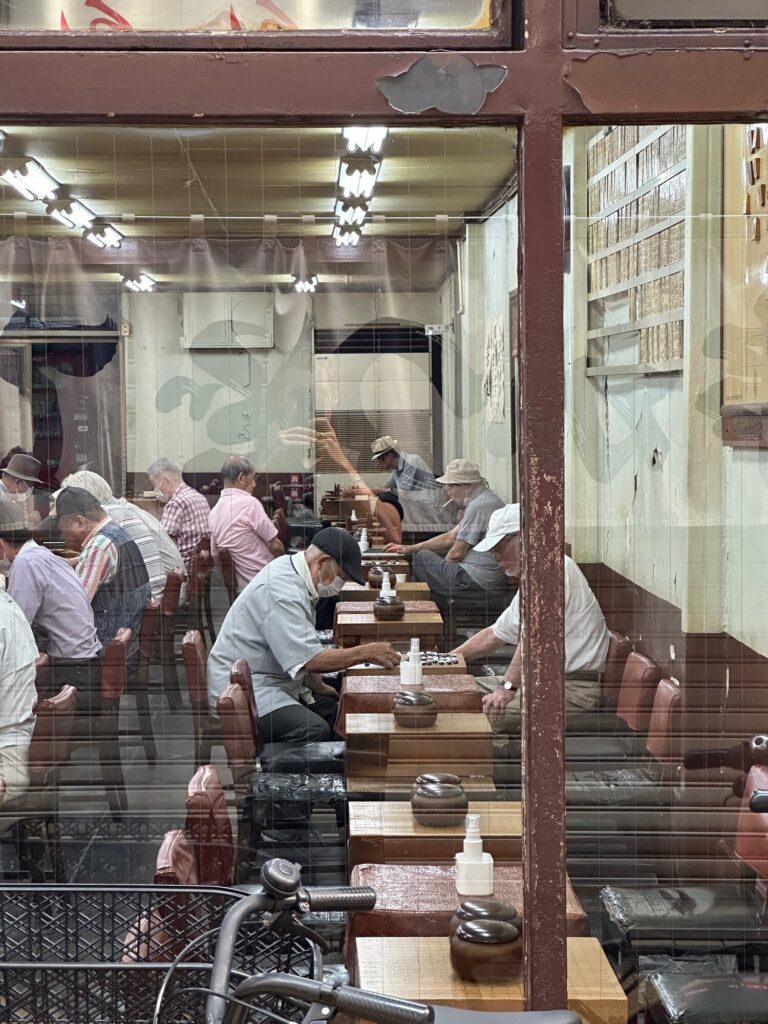
Should You Split Your Stay Between Kyoto and Osaka?
I usually recommend one base for 2 to 4 nights. Moving hotels means packing, checking out, carrying or storing your bags, and checking in again. Even with a short train journey, that takes time away from the places you came to visit.
With 5 nights or more, consider a split if you want at least 2 nights in Osaka. For example, 3 nights in Kyoto followed by 2 in Osaka gives you time for Kyoto sightseeing, then a couple of Osaka evenings without the return train. If you’re planning to drink or stay out late, having your hotel nearby is usually worth the move.
Spending 2 or 3 days exploring Osaka is another good reason to stay there. With 6 nights in Kansai, you could spend 4 in Kyoto and 2 in Osaka, allowing for a day at USJ as well as time in the city.
A single night can still help with a flight or an early train. Before adding that hotel, though, compare the journey from Kyoto Station, which already has direct airport and bullet-train connections. Moving to Osaka may save less time than you expect.
| Time in Kansai | My Recommendation |
|---|---|
| 2 nights | Stay in one city, usually Kyoto for a first trip |
| 3-4 nights | Keep one base and visit the other city for a day or evening |
| 5+ nights | Keep Kyoto as one base, or split if you want 2+ nights in Osaka |
| A very early flight or train | Check whether a final night nearer the departure point would help |
If you’re still deciding how many nights to give Kansai, my 14-day Japan itinerary and guide to choosing destinations in Japan can help you fit this stay into the rest of the trip. The Japan trip-planning guide covers the wider booking process. If Tokyo is also on your route, my guide to where to stay in Tokyo can help you choose its hotel area.
Choosing an Area and Hotel
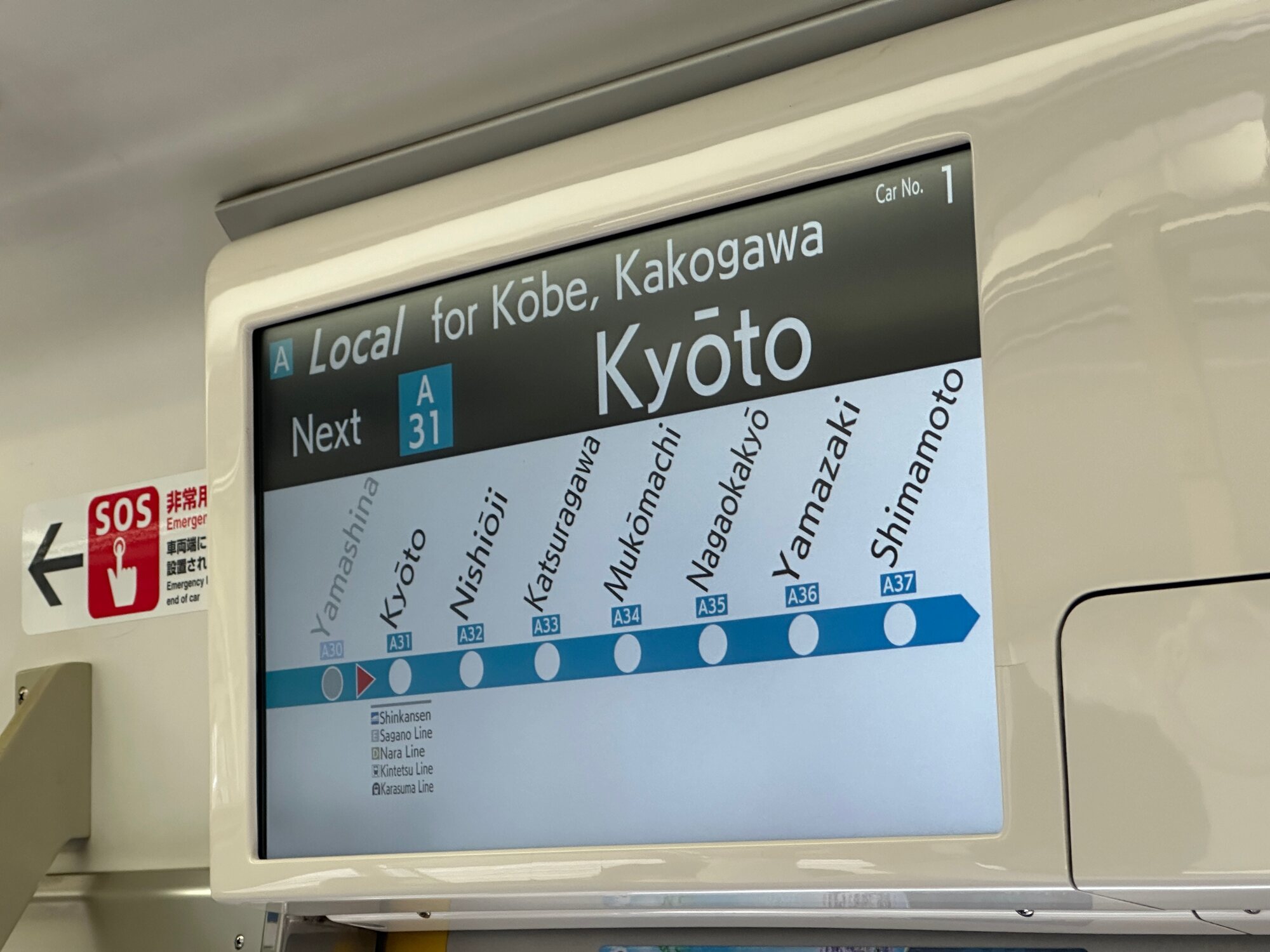
The JR Special Rapid train takes about 30 minutes between Osaka Station and Kyoto Station. Your full journey includes the walk from the hotel, time inside the stations, and travel from the arrival station to wherever you’re going.
If you plan to visit Kyoto every morning, a hotel near Osaka Station saves you the extra journey from Namba. Once you reach Kyoto Station, you’ll still need to get to Gion or the temples in Higashiyama. Before booking, I suggest checking the route from your hotel to the first place you want to visit, so you can see how much of the morning you’ll spend traveling.
When comparing hotels, check the room size, number of beds, and total price as well as the location. For a family trip, enough room and a short journey back to the hotel are usually more useful than having a famous sight outside the door.
Kyoto Station: For Trains and Day Trips
Stay near Kyoto Station if you’ll take several day trips, arrive late with bags, or leave on an early shinkansen (bullet train). It’s useful for Uji, Nara, Osaka, airport trains, and onward travel toward Tokyo or western Japan.
There are plenty of restaurants and shops around the station, so you can eat nearby after a long journey. The streets are more modern than those around Gion and Higashiyama, though. If most of your time will be spent exploring Kyoto itself, I usually recommend Downtown or Gion, where you can walk by the river or through older streets after dinner.
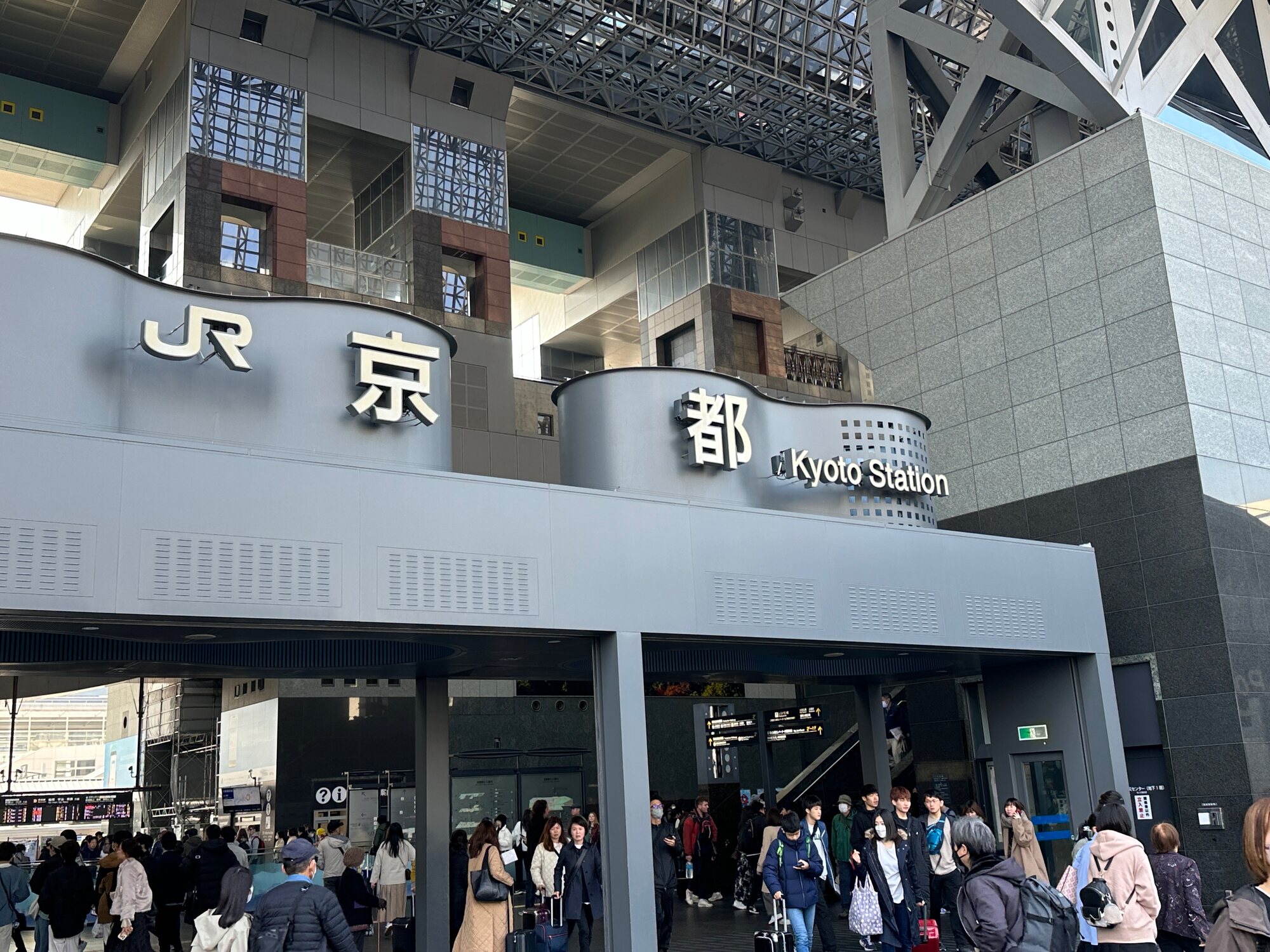
- Hotel Granvia Kyoto is inside the station building, so it’s particularly convenient when you arrive with bags or have an early train.
- MIMARU Kyoto Station, on the southern Hachijo side, has apartments with kitchens and dining areas for families and friends staying together.
- Piece Hostel Kyoto is also south of the station, with dormitory and private-room options to compare if you’re keeping costs down.
Kawaramachi, Sanjo, and Gion: For Walking and Evenings Out
For restaurants, shopping, and evenings by the river, I recommend Downtown around Kawaramachi or Sanjo. Pontocho and Kiyamachi are nearby streets with places to eat and drink. Across the Kamo River, Gion and Southern Higashiyama put you closer to traditional streets and temples in eastern Kyoto.
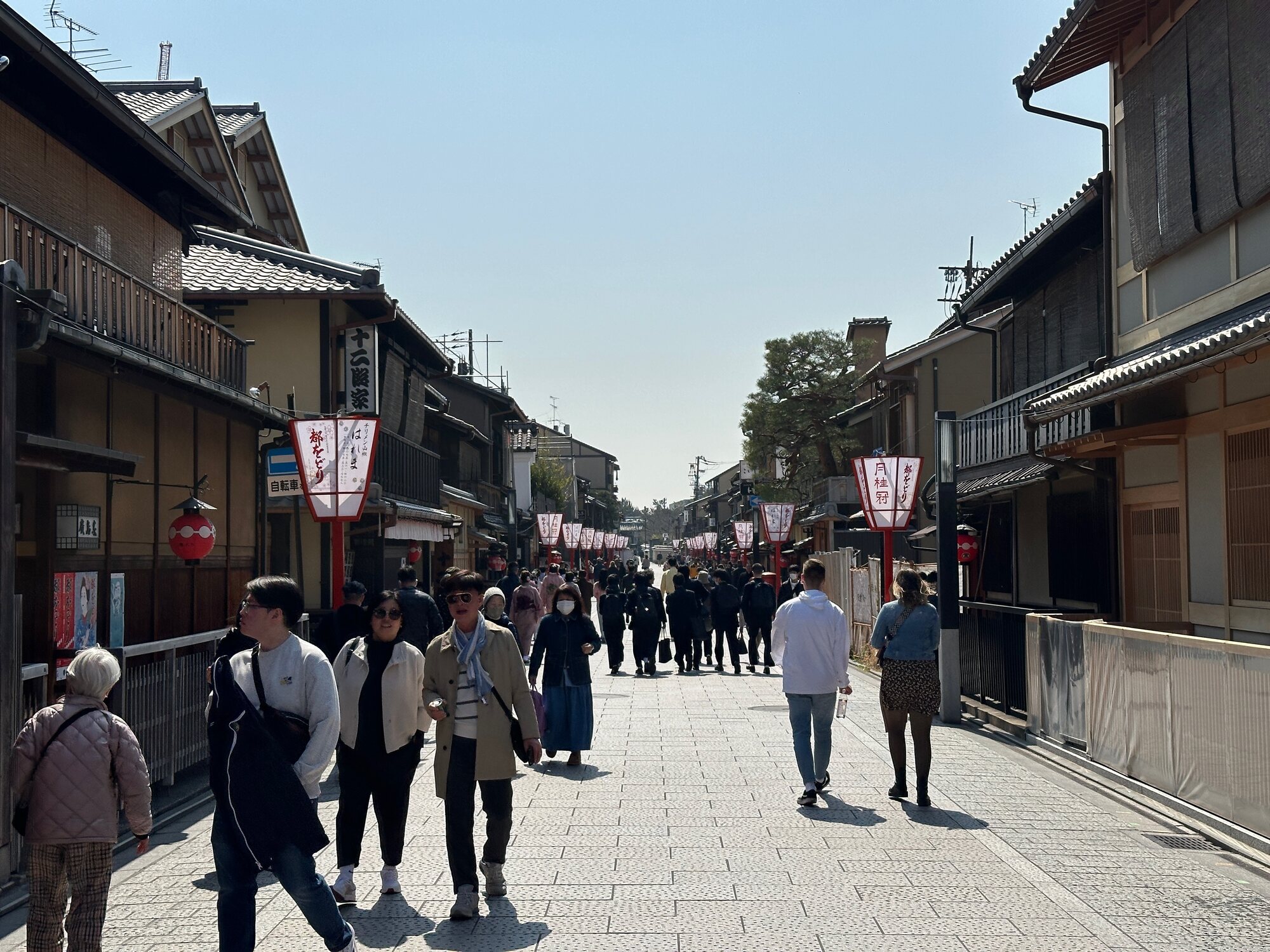
Hankyu trains connect Kyoto-Kawaramachi with Osaka-Umeda, while Keihan serves Gion-Shijo and Sanjo on routes toward Osaka. Depending on your hotel and destination, one of these lines may be easier than going through Kyoto Station. You’ll still need to get to Kyoto Station for bullet trains and other departures from there.
- Cross Hotel Kyoto is Downtown near Kawaramachi Sanjo, west of the river, for restaurants, shopping, and walks across to Gion.
- The Celestine Kyoto Gion is near Kenninji, on the southern side of Gion, if you want to stay closer to Gion’s streets and the temples of Higashiyama.
- NOHGA Hotel Kiyomizu Kyoto is farther south in Higashiyama, near Kiyomizu-Gojo and the streets below Kiyomizu-dera, with extra travel needed to reach Kyoto Station.
My guide to where to stay in Kyoto compares these areas and their hotels in more detail.
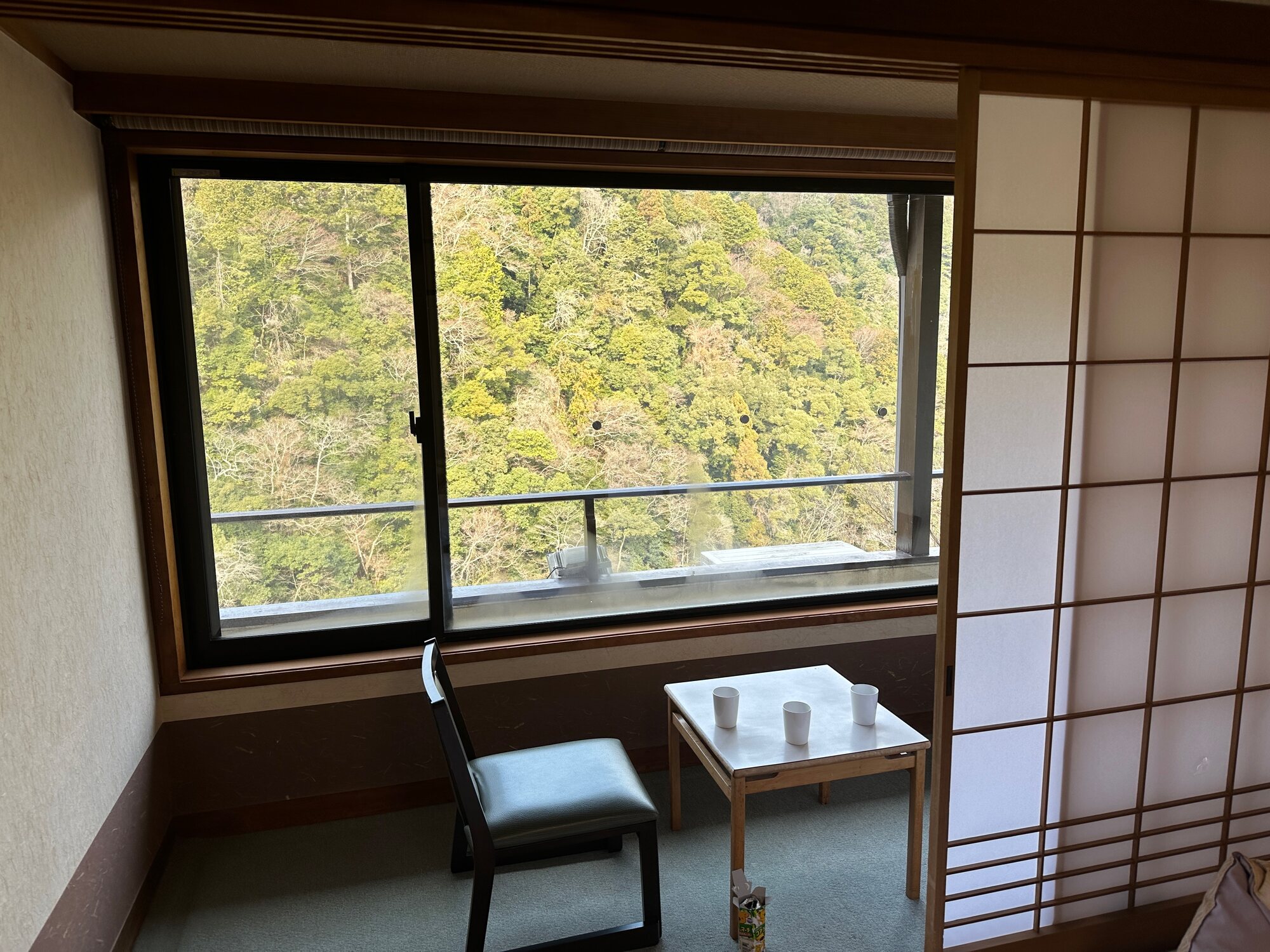
If you’d also enjoy a night in a ryokan (traditional Japanese inn), consider it as a separate part of the stay. I usually suggest 1 night, with enough time to enjoy the room and meals. My guide to staying in a ryokan explains what to check before booking.
Umeda and Osaka Station: For Visiting Kyoto and Kobe
If you’ve chosen Osaka but still plan several trips to Kyoto or Kobe, I suggest Umeda, the area around Osaka Station. JR trains go to Kyoto Station, and Hankyu trains from Osaka-Umeda take you to Kyoto-Kawaramachi. You’ll also have shopping, restaurants, and bars near your hotel.
Umeda is separate from the Namba and Dotonbori area. If most of your evenings will end there, include the trip back to Umeda when comparing hotels.
- Hotel Hankyu RESPIRE Osaka is a short walk north of JR Osaka Station and close to Hankyu Osaka-Umeda, useful if you’ll use both railway companies.
- Hotel Granvia Osaka is directly connected to JR Osaka Station, a convenient alternative if most of your journeys leave from there.
Namba and Shinsaibashi: For Late Nights in Osaka
I recommend this part of Osaka if you want to walk to Dotonbori, eat around Namba, shop in Shinsaibashi, and return to your room after a late night. Check the exact street when booking, particularly if noise bothers you.
Namba also has direct trains to Kansai International Airport and is a useful starting point for Koyasan. For repeated mornings in Kyoto, though, I’d usually prefer Umeda or Kyoto itself to reduce the extra travel within Osaka.
- Cross Hotel Osaka is near Dotonbori, between Namba and Shinsaibashi, so you can walk back after dinner or drinks. Expect busy streets nearby.
- Sotetsu Grand Fresa Osaka-Namba is near Nippombashi Station, east of Namba and close to Dotonbori. Compare its rates if you’re watching the budget, and check the room size before booking.
Shin-Osaka: For Early Bullet Trains
Shin-Osaka and Osaka Station are different stations. Shin-Osaka is where Osaka’s bullet trains stop, so staying nearby can be useful before an early departure or for several long-distance train journeys.
For a holiday spent mainly sightseeing in Kyoto or going out around Namba, I recommend staying closer to those places. Shin-Osaka can save time at the start of a train journey, but you may spend more time traveling to dinner and sightseeing during the rest of your stay.
- karaksa hotel grande Shin-Osaka Tower is a 5-minute walk from Shin-Osaka Station, useful for an early departure if you find a room that suits you better than the hotels inside the station.
- remm Shin-Osaka is directly connected to the station near the bullet-train gates, which is especially useful if you want a short walk with your bags before boarding.
Tenmabashi: Away from Dotonbori’s Nightlife
Tenmabashi is another area to consider if you want to stay away from Dotonbori’s busiest streets while keeping access to trains. It has Keihan services toward Kyoto and the Tanimachi subway for getting around Osaka, with Osaka Castle Park nearby.
- Hotel Keihan Tenmabashi Ekimae is beside Tenmabashi Station, so you can stay near those connections without sleeping in the middle of the Namba nightlife area.
Day Trips and Airport Connections
For one day trip, I’d usually keep the hotel that suits the rest of your stay. If you’re taking several trips in the same direction, staying near the station you’ll use can save you a transfer each morning.
| Destination | Where I Suggest Staying | Why |
|---|---|---|
| Uji | Kyoto | Kyoto Station and the Keihan network give you useful routes south to Uji |
| Nara | Either city | Kyoto Station and Osaka-Namba both have good connections |
| Kobe | Osaka, especially Umeda | You start closer and have several train routes available |
| Himeji | Osaka or Shin-Osaka | Choose Osaka Station for conventional trains or Shin-Osaka for bullet trains; Kyoto Station also works |
| Hiroshima | Near Shin-Osaka if making a day trip | The journey is shorter than from Kyoto, though Kyoto also has direct bullet trains and either option makes a long day |
| Koyasan | Osaka, especially Namba | Nankai trains head toward Gokurakubashi, where you change for the cable car |
| Universal Studios Japan | Osaka | A shorter journey makes an early start and the return after the park easier |
Kansai International Airport, or KIX
Namba is convenient for KIX because Nankai’s Rapi:t trains run directly to the airport, with the fastest journeys taking 34 minutes. You’ll also need time to get to the station, wait for the train, and reach your terminal at the airport.
The Haruka airport train also serves Kyoto Station, Shin-Osaka, and Osaka Station. A flight from KIX can work well with a Kyoto stay, particularly if your hotel is near Kyoto Station.
For a very early departure or late arrival, check the first or last service for your date against the time you need at the airport. If public transport doesn’t fit, an airport hotel may be more useful than a hotel in central Osaka. I suggest choosing that final night around the actual flight time.
Osaka Itami Airport
Itami is a different airport from KIX. Umeda, Namba, and Shin-Osaka have airport bus connections, and Kyoto also has a direct bus service. Compare the Itami airport bus routes with your hotel location and flight time.
Staying in Osaka will often shorten the transfer. If your flight leaves enough time for the bus from Kyoto, though, I wouldn’t usually move hotels just for that one journey.
Is Osaka Worth It for Cheaper Hotels?
Osaka can be worth considering when Kyoto prices are high, especially during cherry blossom and autumn foliage seasons, major holidays, or busy weekends. Compare the exact dates and room types you need, including any accommodation tax charged separately. Kyoto’s current accommodation tax bands took effect on March 1, 2026.
I suggest comparing the total saving across your stay with the extra train fares for everyone traveling and the number of journeys you’ll make. The Japan trip cost calculator can help you see how the hotel costs fit into your overall budget.
If most of your days will be in Kyoto and the price difference is small, I recommend paying a little more to stay there if you can, since you’ll spend less time getting to the places you want to visit. If Osaka is considerably cheaper, the saving may be worth the extra journeys to Kyoto, especially if you also want evenings out in Osaka or a day at USJ.
Comments are closed.