Tag

First Trip to Japan

Browsing

Ten days is enough for a first trip to Japan, but you will need to choose where you really want to spend your time. Arrival and departure days, train journeys, and hotel changes all take time away from exploring.

My recommendation is a 70/30 itinerary: spend roughly 70% of the trip in Tokyo and Kyoto, then spend about 30% somewhere outside the places most first-time visitors choose. For 10 days, I recommend about four days in Tokyo, three days in Kyoto, and three days around Shiga and Lake Biwa.

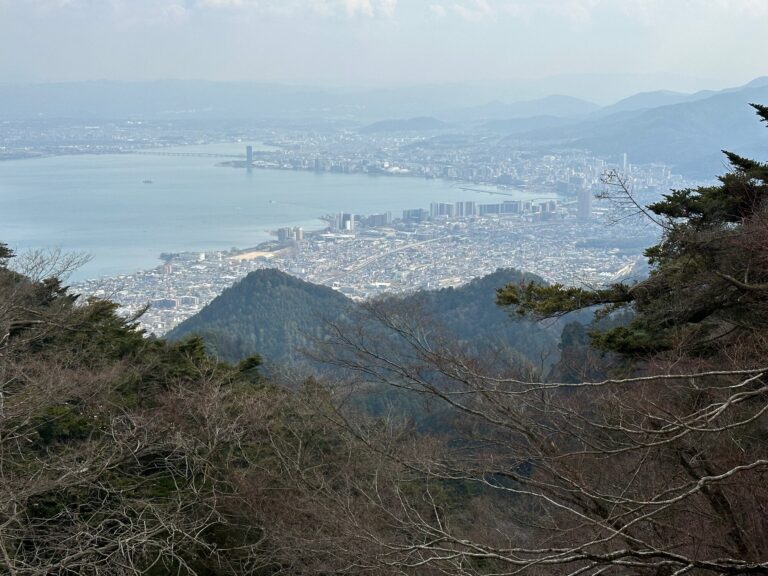
Shiga is directly next to Kyoto, so it does not require a difficult detour. It gives you Lake Biwa, the canals and old merchant streets of Omihachiman, and the castle town of Hikone, instead of adding another place from the usual Tokyo, Kyoto, Osaka, and Hakone itinerary.

If you are coming from far away and this may be your only Japan trip for years, I still recommend trying for 14 days if you can. My 14-day Japan itinerary is there if you have more time. But if 10 days is what you have, you can still have an excellent trip by leaving some famous stops for another time.

Some links on YavaJapan are affiliate links. If you book or buy through them, I may earn a small commission at no extra cost to you. It helps support the site, and I only link to places, stays, and experiences I genuinely think are worth recommending.

At a Glance

  • My recommended itinerary: Tokyo, Kyoto, and Shiga/Lake Biwa. It includes the main first-trip cities and three days somewhere outside the usual route.
  • Classic first-trip itinerary: Tokyo and Kyoto with one well-known addition, such as Hakone or Mount Fuji for a ryokan night, Osaka or Nara from Kyoto, or Hiroshima/Miyajima if western Japan is a priority.
  • Simplest itinerary: Tokyo and Kyoto only. Choose this if you want fewer hotel changes or have a long journey home through Tokyo.
  • Different regional itinerary: Tokyo with Kanazawa and Takayama can work if those places interest you more than Kyoto. Treat it as a different trip, not another stop added to Tokyo and Kyoto.
  • Adding a ryokan night: A ryokan (traditional Japanese inn) can fit into the Kyoto section, or it can replace part of Tokyo or Kyoto with one night around Hakone or Mount Fuji.

Can You See Japan in 10 Days?

Yes. I recommend choosing fewer places and giving yourself time to enjoy them. You do not need every city that appears in sample itineraries.

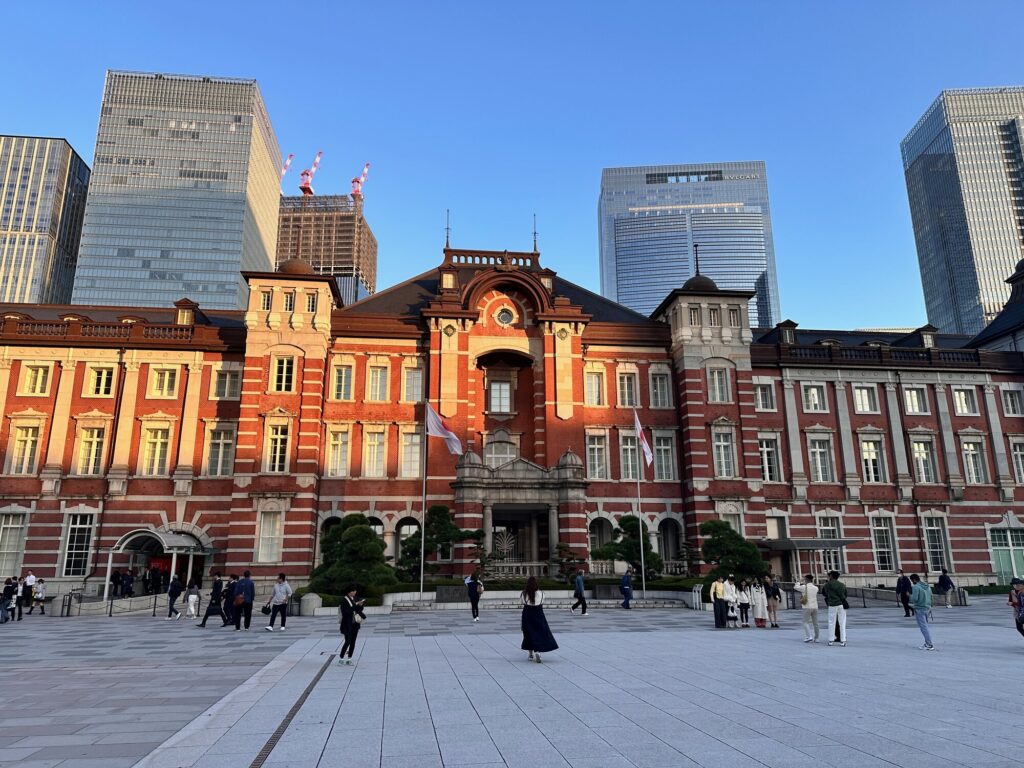
Tokyo Station Marunouchi facade with red-brick architecture and clock at the entrance, surrounded by office towers
Tokyo Station Marunouchi building

Your first day may include the airport, a train into the city, checking into the hotel, and dinner. Your last day may be mostly getting back to the airport. That is why I recommend deciding early what you are happy to leave out.

For the 70/30 itinerary, the basic split is:

  • around 4 days in Tokyo
  • around 3 days in Kyoto
  • around 3 days in Shiga/Lake Biwa

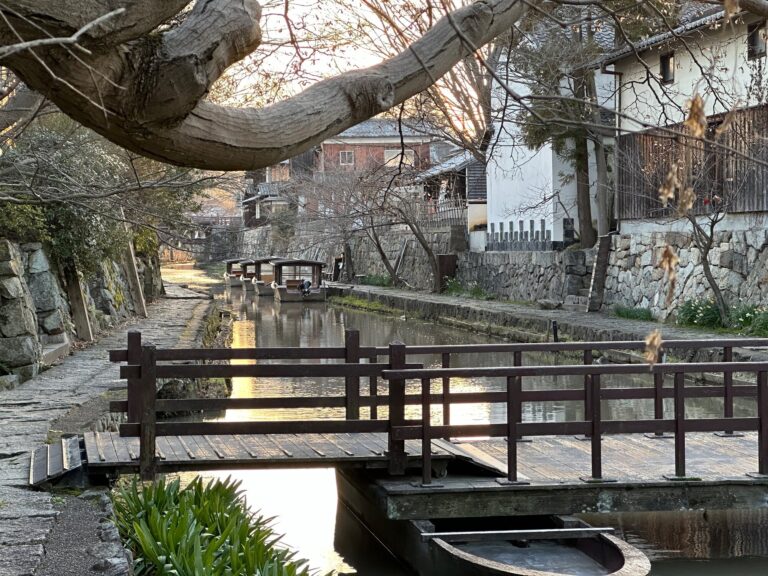
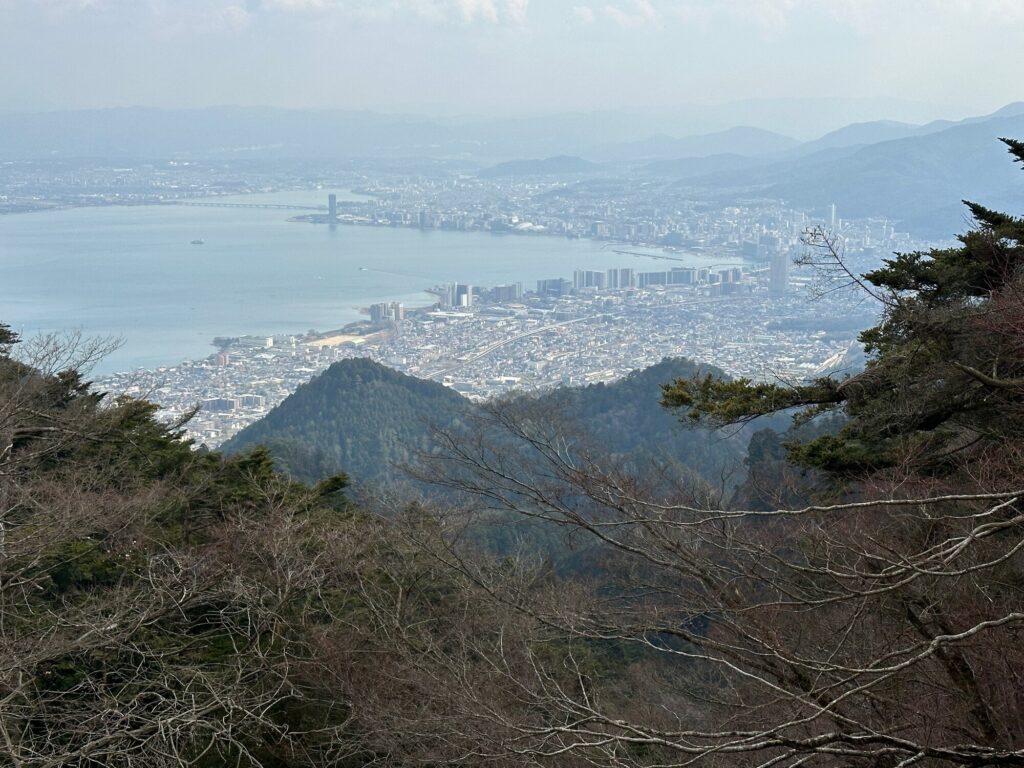
Shiga is the prefecture around Lake Biwa, directly next to Kyoto. You can visit lakeside Otsu, Omihachiman’s canal district, or Hikone and its castle. These places give you three days outside the cities and stops repeated in most first-time itineraries.

If you prefer the regular first-time itinerary, the Golden Route usually includes Tokyo, somewhere around Mount Fuji such as Hakone or Kawaguchiko, Kyoto, Osaka, and sometimes Hiroshima. That is a good itinerary as well. The Shiga version is for travelers who want three days beyond those famous stops.

Why I Recommend the 70/30 Itinerary

Tokyo and Kyoto make sense on a first trip. Tokyo gives you a first look at modern city life in Japan, while Kyoto gives you temples, older streets, gardens, traditional stays, and cultural experiences. I recommend keeping both.
For the other three days, I recommend going beyond the best-known additions after Tokyo and Kyoto. Hakone, Osaka, Hiroshima, and Kanazawa are all good places, but Shiga lets you visit places such as Omihachiman and Hikone while keeping train travel from Kyoto easy.

If Shiga does not interest you, Ise in Mie Prefecture or Kurashiki in Okayama Prefecture are other places I recommend considering for those three days. Choose one area and spend the time there instead of splitting it between several day trips.

Compare the Main 10-Day Itineraries

ItineraryExample PlacesChoose This If…What You Leave Out
My 70/30 recommendationTokyo, Kyoto, Shiga/Lake BiwaYou want Tokyo and Kyoto plus a place outside the usual first-trip itineraryHakone/Fuji, Osaka, Nara, or Hiroshima/Miyajima unless one is especially important to you
Classic first tripTokyo, Kyoto, and one addition such as Hakone/Fuji, Osaka/Nara, or Hiroshima/MiyajimaYou mainly want well-known first-trip destinationsThe three days in a less familiar area
Simplest first tripTokyo and Kyoto onlyYou want fewer hotel changes and more time in each cityA third area
Different regional tripTokyo, Kanazawa, and Takayama, with Kyoto removed or reducedKanazawa and Takayama interest you more than the usual Tokyo/Kyoto itineraryMuch of the regular first-trip itinerary

If you are still choosing where the three days outside Tokyo and Kyoto should go, my Where to Go in Japan guide can help.

This is the itinerary I recommend if you want to see Tokyo and Kyoto while also spending time somewhere that is less common on a first trip.

Aim for roughly:

  • 4 days in Tokyo
  • 3 days in Kyoto
  • 3 days in Shiga/Lake Biwa

You can stay in Kyoto and use trains to reach Shiga, or spend one or two nights near Lake Biwa if you want to wake up there and avoid returning to Kyoto after each day. I recommend choosing the Lake Biwa stay when those three days are an important part of the itinerary and you do not mind one extra hotel change.

Kyoto to Otsu takes only a few minutes by train, and Omihachiman is a little over half an hour from Kyoto on the JR Biwako Line. Hikone is farther, but it is still reasonable if you want to visit the castle and spend longer around the eastern side of Lake Biwa.

Day-by-Day Shape

DayBaseMain Idea
1TokyoArrive, reach the hotel, keep dinner easy
2TokyoChoose one major area and one planned experience
3TokyoSpend the day in areas such as Asakusa and Ueno, or Shinjuku and Meiji Jingu
4TokyoUse this as a flexible day for neighborhoods, shopping, food, or a booking
5KyotoTake the Shinkansen (bullet train) to Kyoto and plan a shorter sightseeing day
6KyotoTemples, streets, food, and time to walk without stacking too much
7KyotoAnother Kyoto day, or one carefully chosen Kyoto-area experience
8Kyoto or Lake BiwaOtsu and time around Lake Biwa
9Kyoto or Lake BiwaOmihachiman or Hikone
10Lake Biwa area or departureUse the final day around Shiga if your flight allows it, or leave for the airport

In Tokyo, choose a few neighborhoods instead of trying to cover every famous district. In Kyoto, leave enough time for the city itself rather than filling every day with trips elsewhere.

If you want deeper stay advice for the Kyoto part, use my Where to Stay in Kyoto guide before booking.

What to Do During the Shiga Part of the Trip

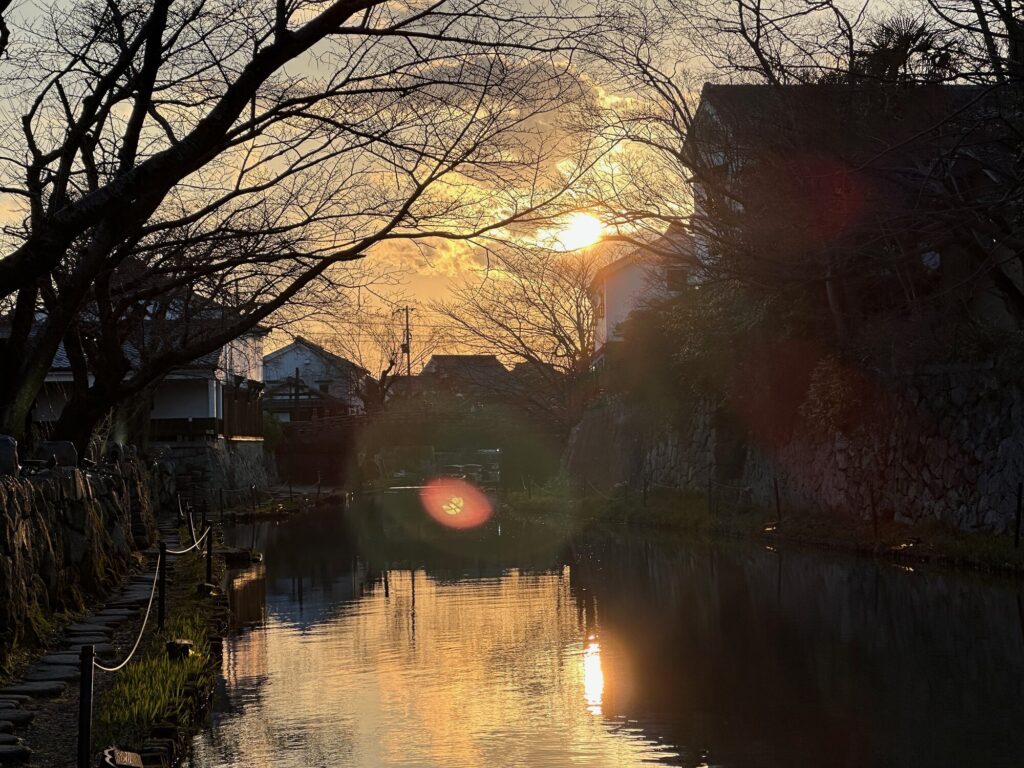
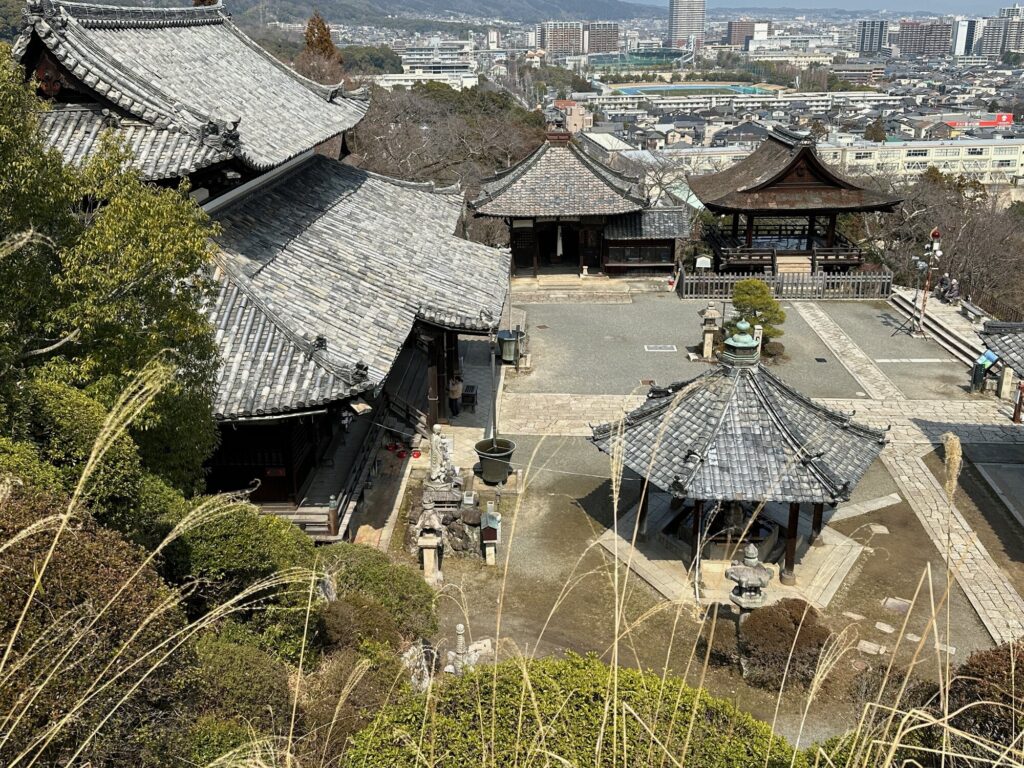
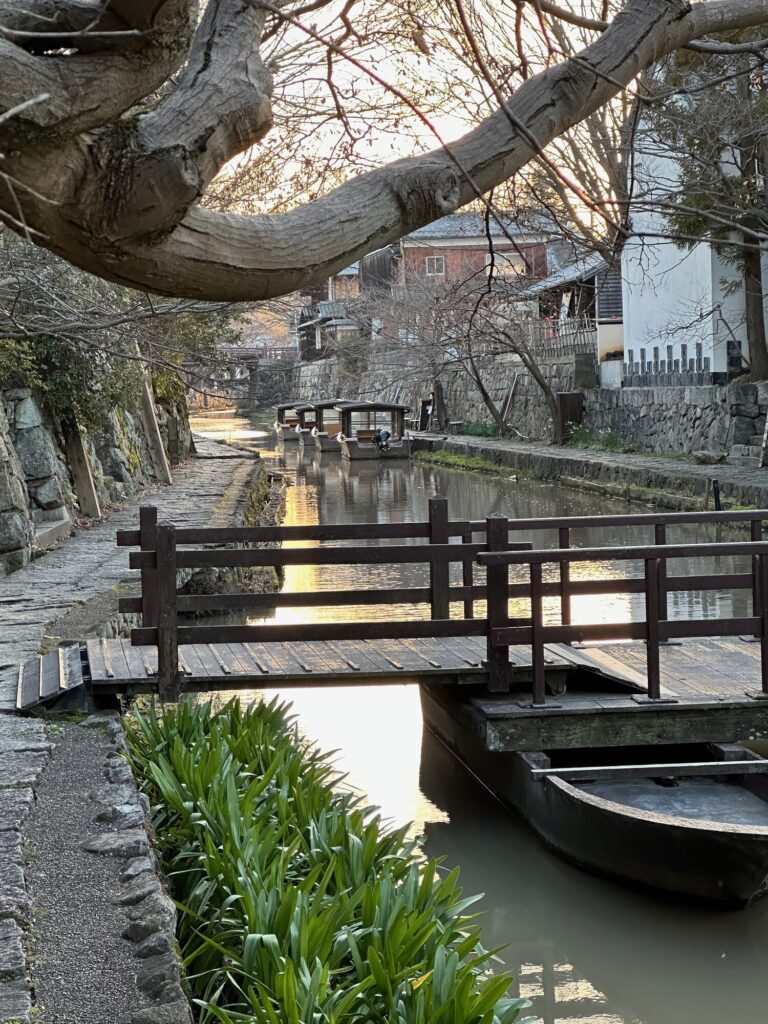
Otsu is the easiest place to reach from Kyoto and gives you access to Lake Biwa. I recommend Omihachiman for old merchant streets and Hachiman-bori Canal. Hikone is a good option if you want Hikone Castle and another town along the lake.

View from above of Otsu Onjoji Temple grounds with traditional tiled-roof buildings and a courtyard, looking toward the city in the background
Onjoji Temple in Otsu

I recommend spending at least two days in Shiga. With one day, it is still a good trip from Kyoto, but it will not give you much time outside Tokyo and Kyoto.

If Shiga does not interest you, I suggest considering Ise/Mie or Kurashiki instead. Osaka and Nara are good choices too, but they belong to the more familiar first-trip itinerary, not my recommended three days in Shiga.

Simpler 10-Day Route: Tokyo and Kyoto Only

Tokyo and Kyoto only is a strong 10-day plan. It is especially good if you:

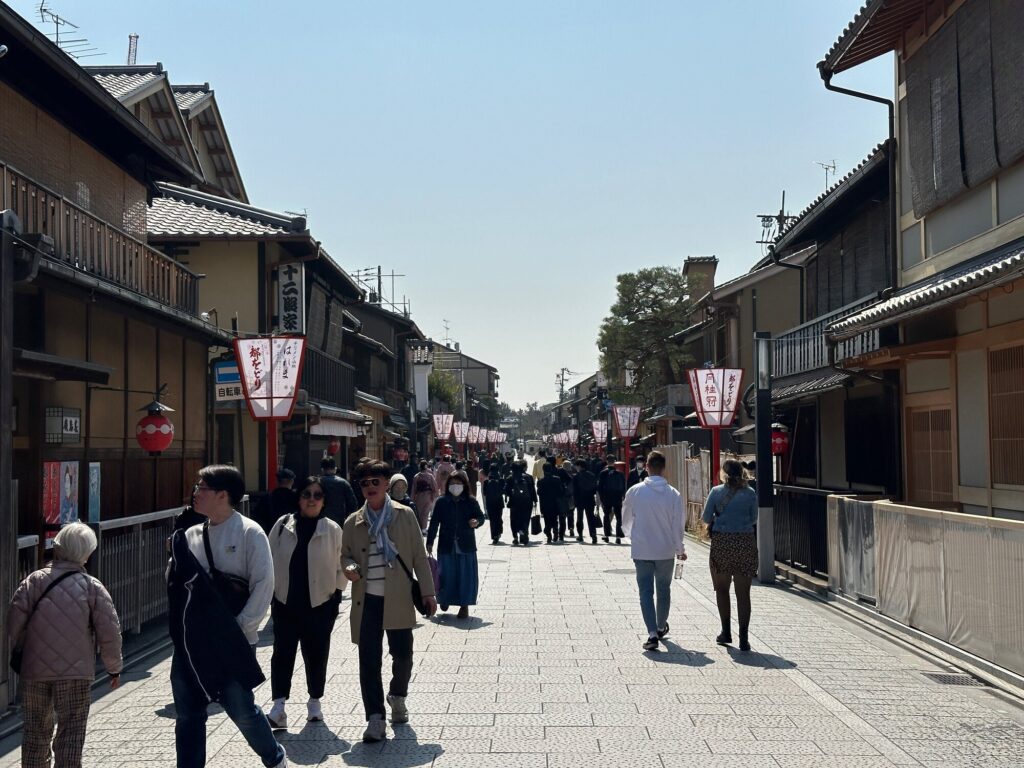
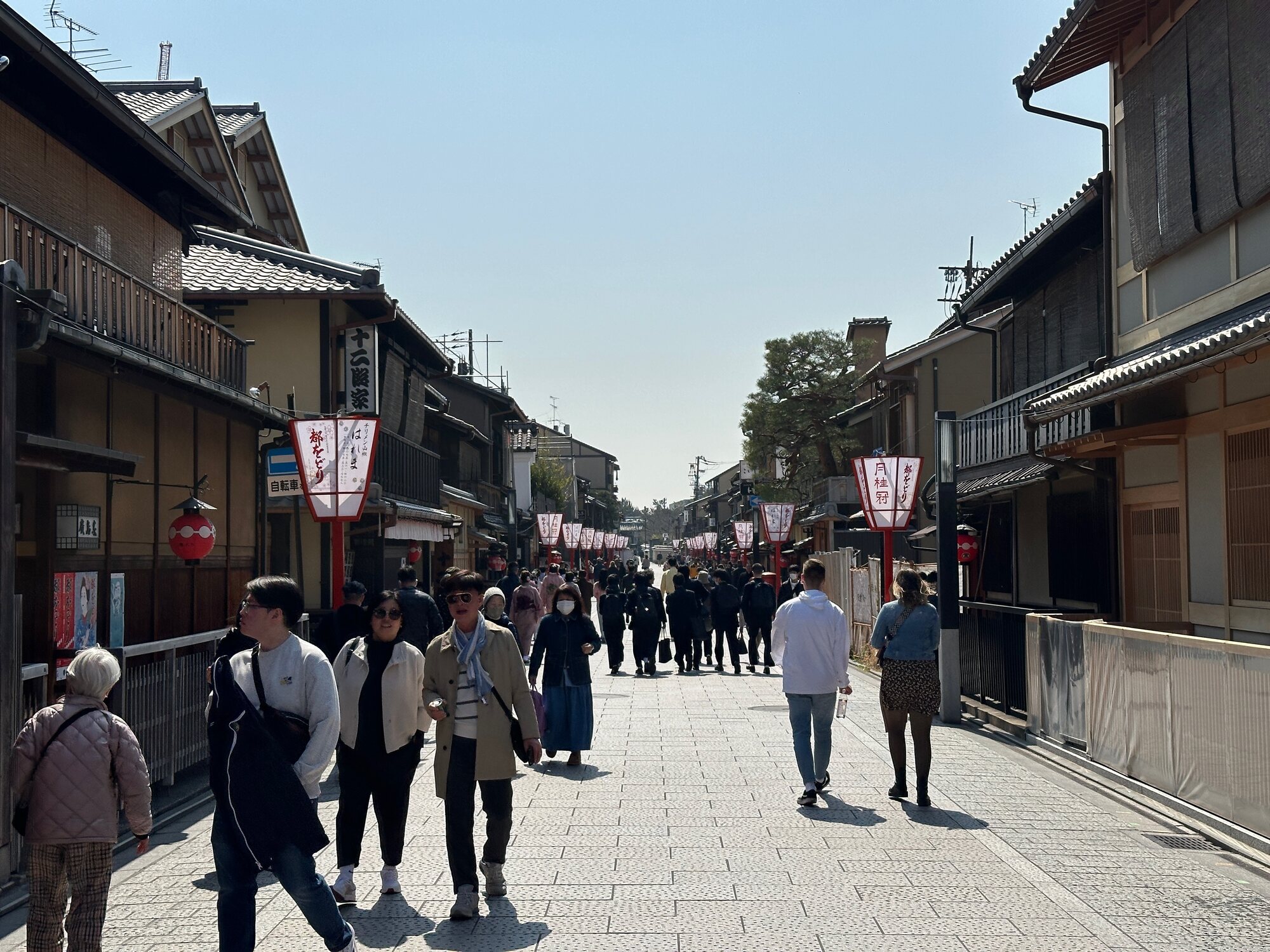
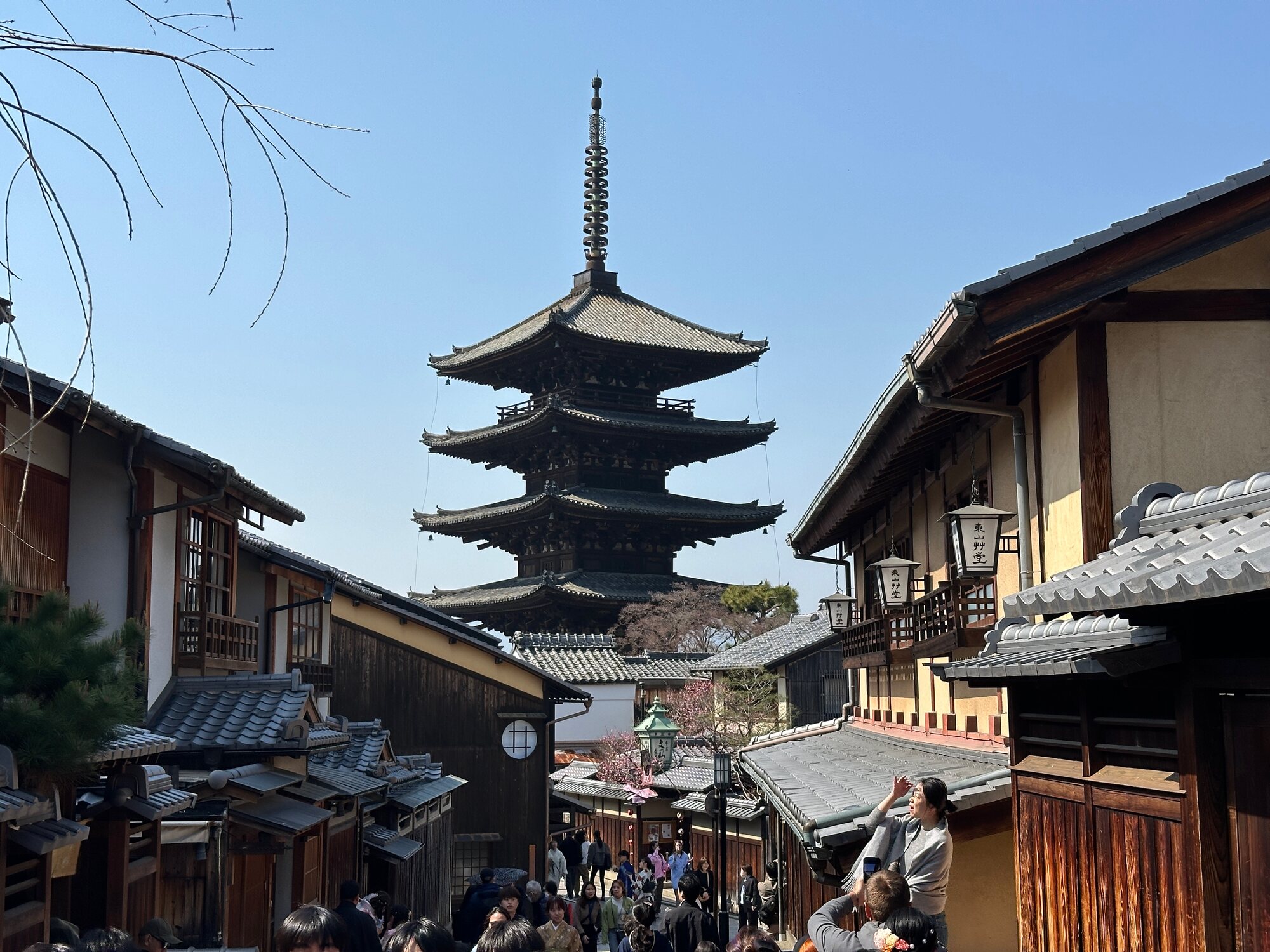
Crowds walking down a traditional street in Kyoto’s Gion district, lined with old wooden buildings and red lantern banners
Kyoto’s Gion street
  • fly round-trip in and out of Tokyo
  • arrive after a long flight from Europe or North America
  • travel with kids
  • feel nervous about trains and hotel changes
  • want more time for food, neighborhoods, and unplanned walks

A good split is 4 to 5 nights in Tokyo and 5 to 6 nights in Kyoto.

This version gives you more time in the two main cities of a first Japan trip. Tokyo gives you food, neighborhoods, shopping, museums, and pop culture. Kyoto gives you temples, gardens, older streets, traditional stays, crafts, and easy access to nearby places such as Osaka and Nara.

Osaka and Nara can still be day trips from Kyoto. I do not recommend adding them by default. Every Osaka or Nara day replaces a Kyoto day, and I recommend keeping three Kyoto days unless one of those places is especially important to you.

If you are choosing Tokyo neighborhoods, start with Where to Stay in Tokyo. For Kyoto, use Where to Stay in Kyoto. If your plan is collecting too many places, my Japan travel mistakes article covers the same problem from a wider planning angle.

If you leave out an extra city, you can also spend that time on a tea ceremony in Kyoto, a craft workshop, a longer meal, or simply an afternoon without another train journey.

How to Add One Ryokan Night

A ryokan night needs time for check-in, settling into the room, dinner, and the bath. If you book one, I recommend arriving before dinner and leaving the evening free for the stay.

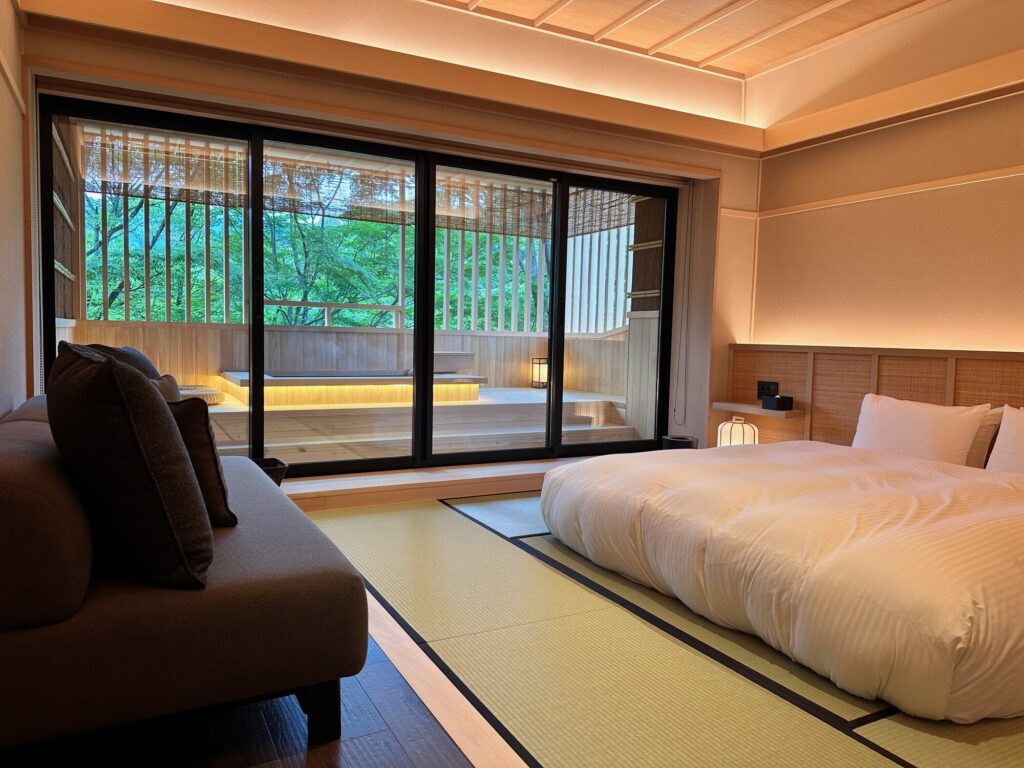
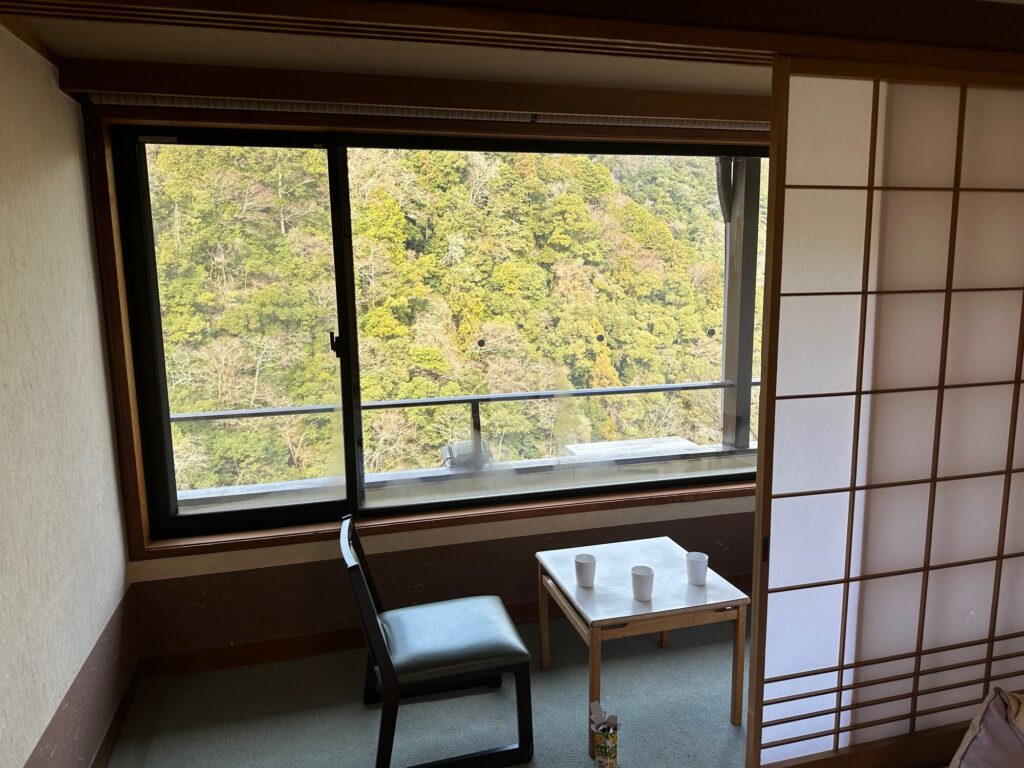
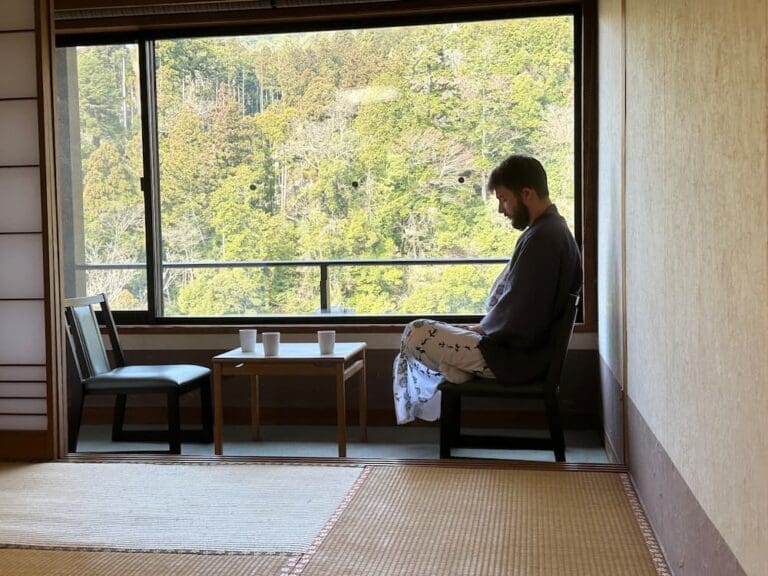
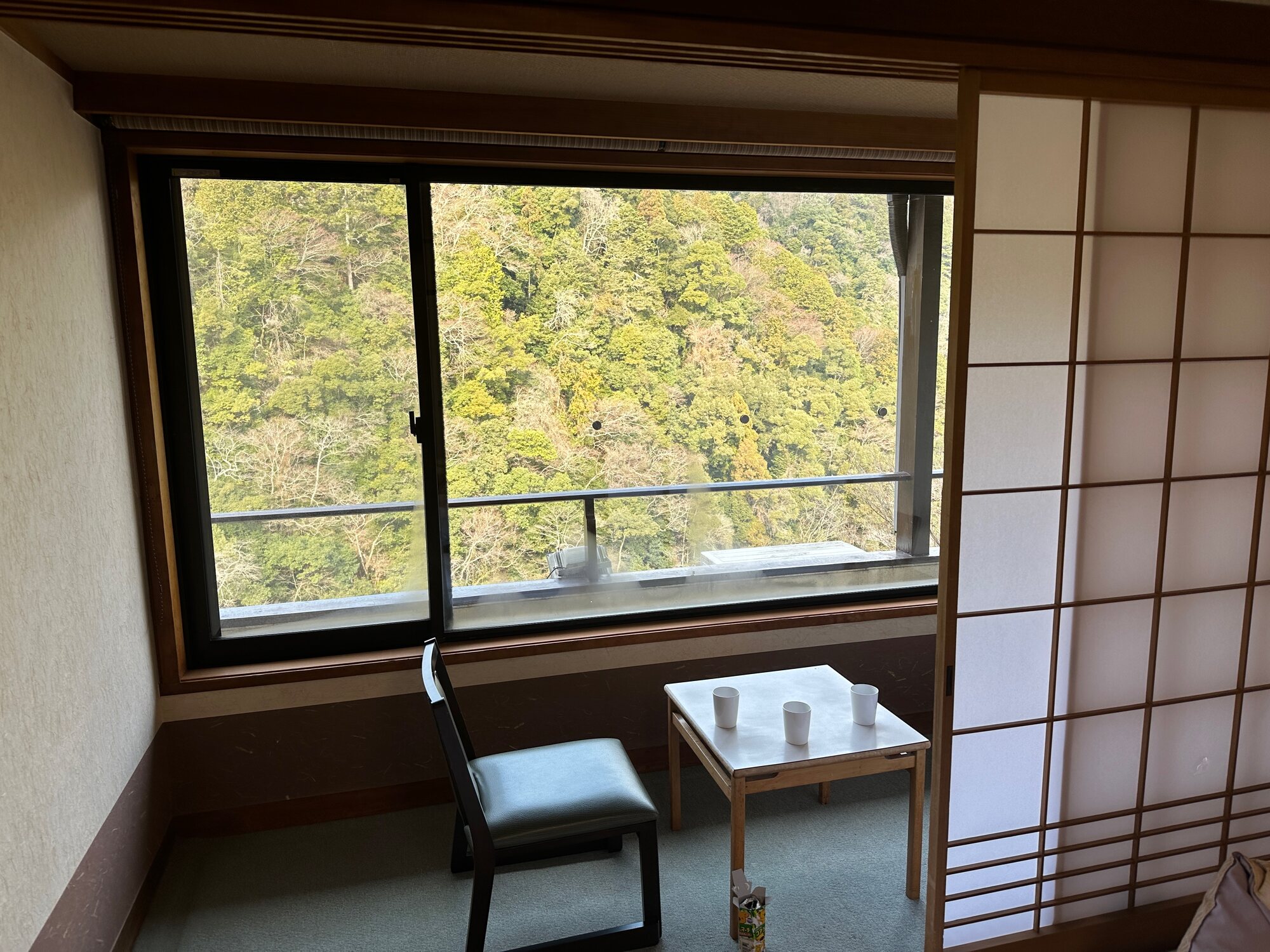
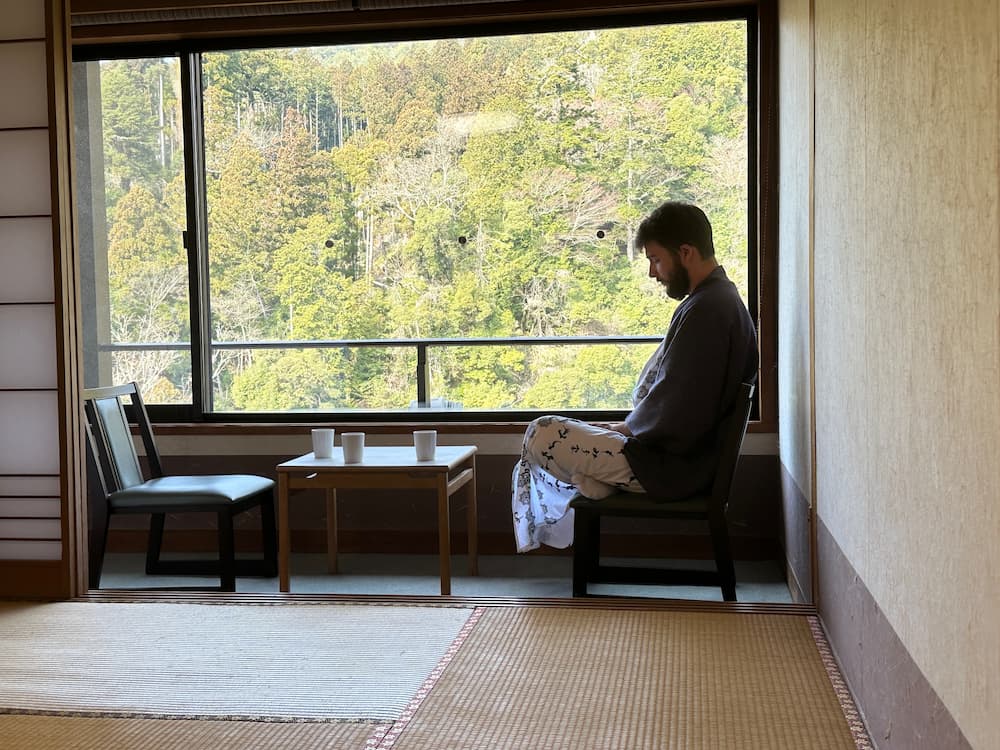
Ryokan room balcony with a table and chairs looking out onto a lush green forest
Forest view from my ryokan in Kyoto

You can include a ryokan night in more than one itinerary. A Kyoto ryokan is easy to add because you are already spending time in Kyoto. Hakone or Kawaguchiko works if the hot spring stay or Mount Fuji view is one of your main priorities.
There are three straightforward ways to do it:

VersionHow It WorksBest ForMain Caution
Kyoto ryokan nightStay in a Kyoto ryokan during the Kyoto part of the tripTravelers who want a ryokan night without adding a destinationKyoto ryokan can be expensive, and dinner may require an early check-in
Hakone nightTokyo, then Hakone, then KyotoTravelers who want an easier hot-spring stop between Tokyo and KyotoHakone is popular and can be busy
Kawaguchiko/Fuji nightTokyo, then Kawaguchiko, then KyotoTravelers who specifically want Mount Fuji viewsThe onward route to Kyoto is less smooth than Hakone

If you only have one ryokan night, I recommend cutting one activity and checking in early rather than arriving after a full sightseeing day.

For more detail, read my guide to staying in a ryokan and the best ryokan in Kyoto guide before booking.

A Classic Golden Route Itinerary

The Golden Route is the regular first-time itinerary through Tokyo, somewhere around Mount Fuji such as Hakone or Kawaguchiko, Kyoto, Osaka, and sometimes Hiroshima. If those are the places you most want to see, choose a classic itinerary and leave Shiga for another trip.

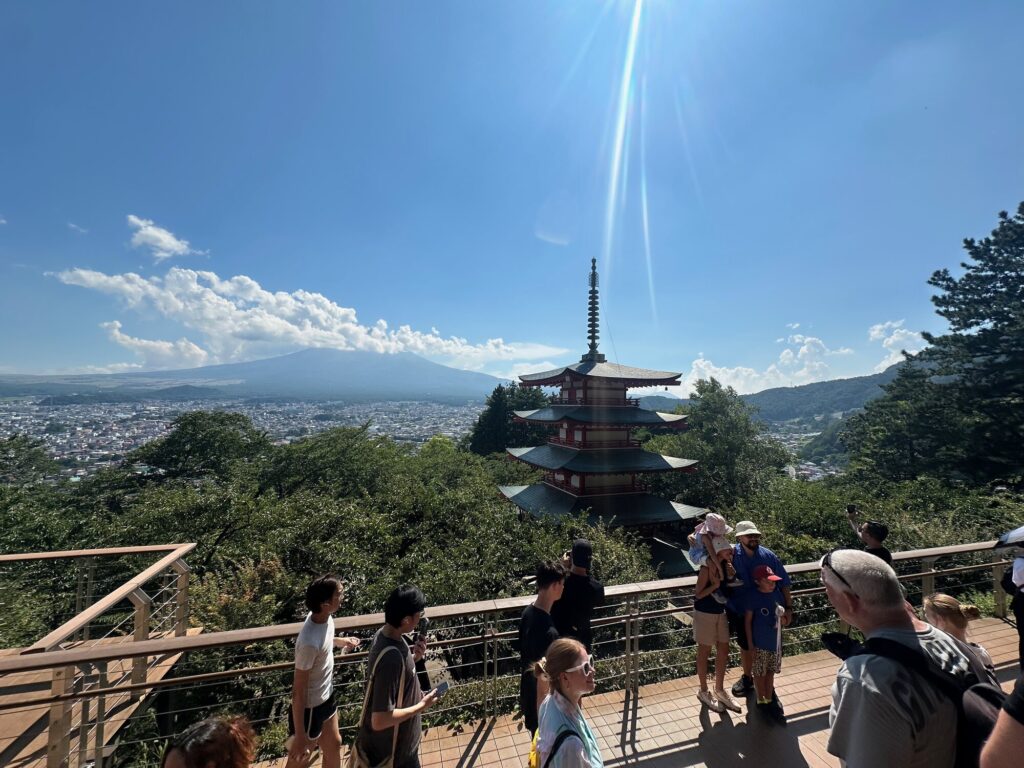
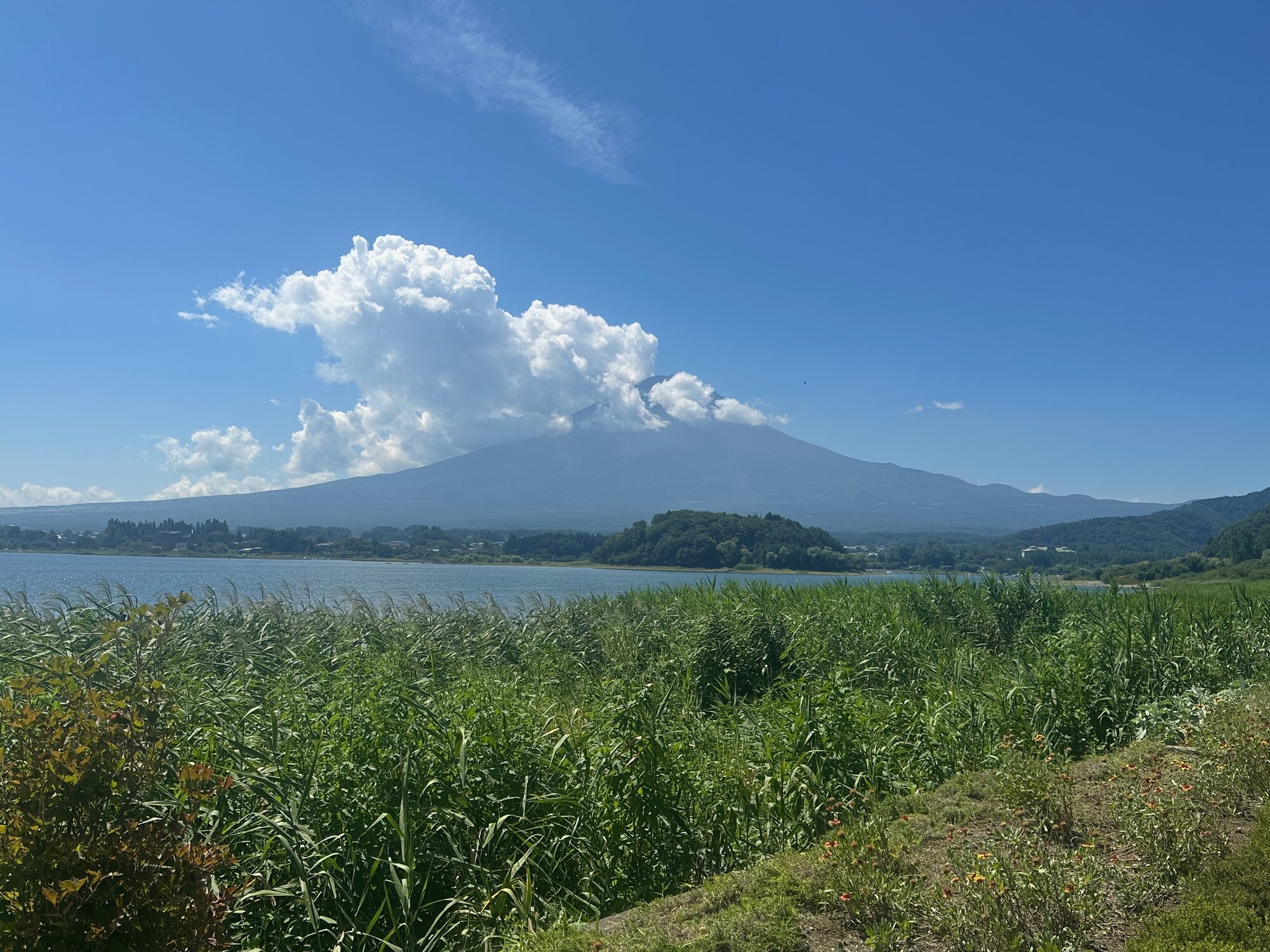
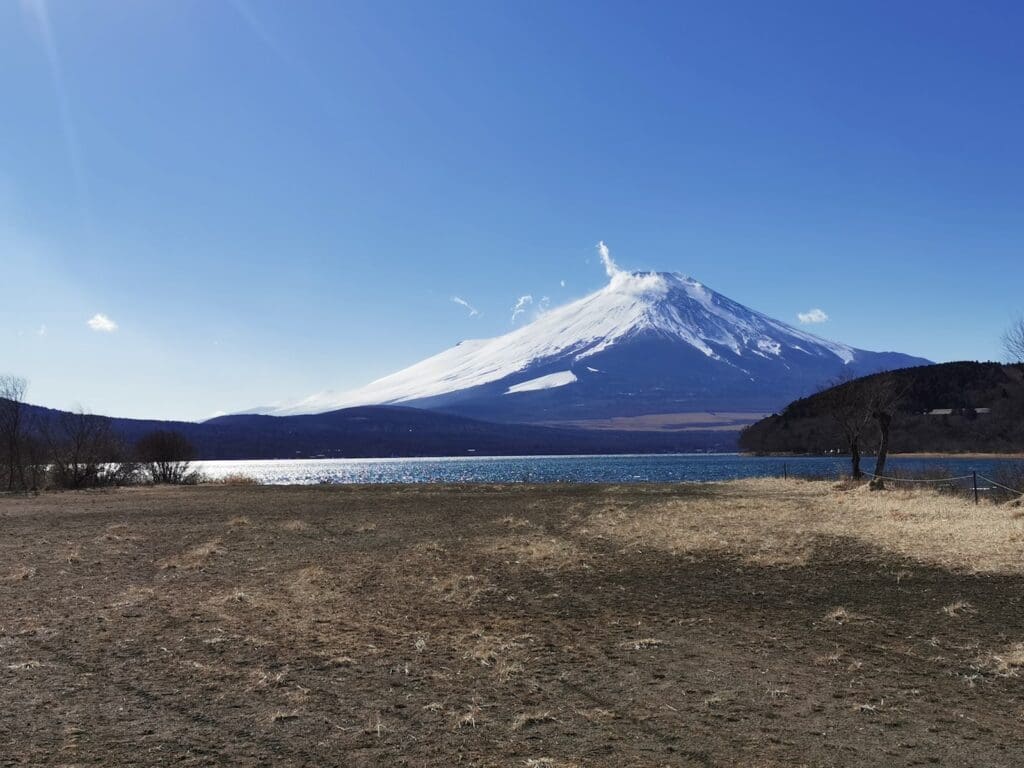
View of Mount Fuji from a grassy lakeside shore at Lake Kawaguchiko with clouds drifting over the mountain
Mount Fuji peeked through the clouds

With 10 days, I recommend choosing one main addition after Tokyo and Kyoto:

  • Hakone or Kawaguchiko: choose this if a ryokan, hot spring, or Mount Fuji view is a priority.
  • Osaka or Nara: choose this if you want a day or evening in the Kansai region, the area around Kyoto and Osaka, without moving hotels again.
  • Hiroshima and Miyajima: choose this if those places are a priority and you are happy to spend more of the itinerary in western Japan.

For most first-time 10-day itineraries, I recommend using Kyoto as your base for Osaka or Nara. Osaka is a great city, especially for food and late evenings, but it does not require a separate hotel if you only want to visit for a day or evening.

Nara is a very good day trip too, but it costs a Kyoto day. Include it if Todai-ji, Nara Park, and the old capital history are high priorities. Otherwise, I recommend keeping the Kyoto day.
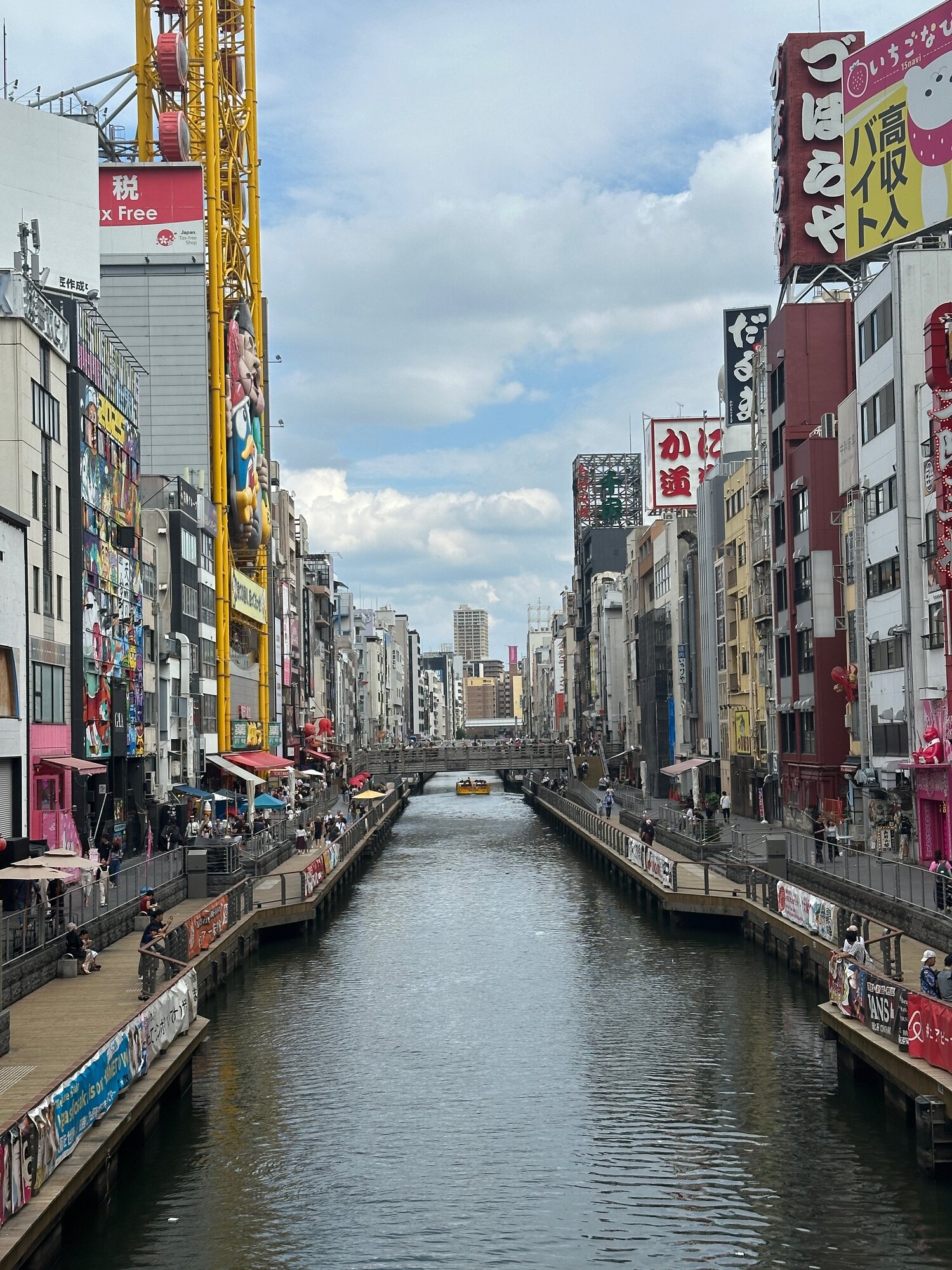
Use my Kyoto or Osaka: Where Should You Stay? guide if you are unsure whether Osaka deserves its own hotel in your route.

A Different First Trip: Kanazawa and Takayama

Kanazawa and Takayama can make an excellent first trip if those places interest you more than Kyoto. In 10 days, I suggest using them instead of part or all of the Kyoto section. Do not add them after Tokyo, Kyoto, and Shiga.

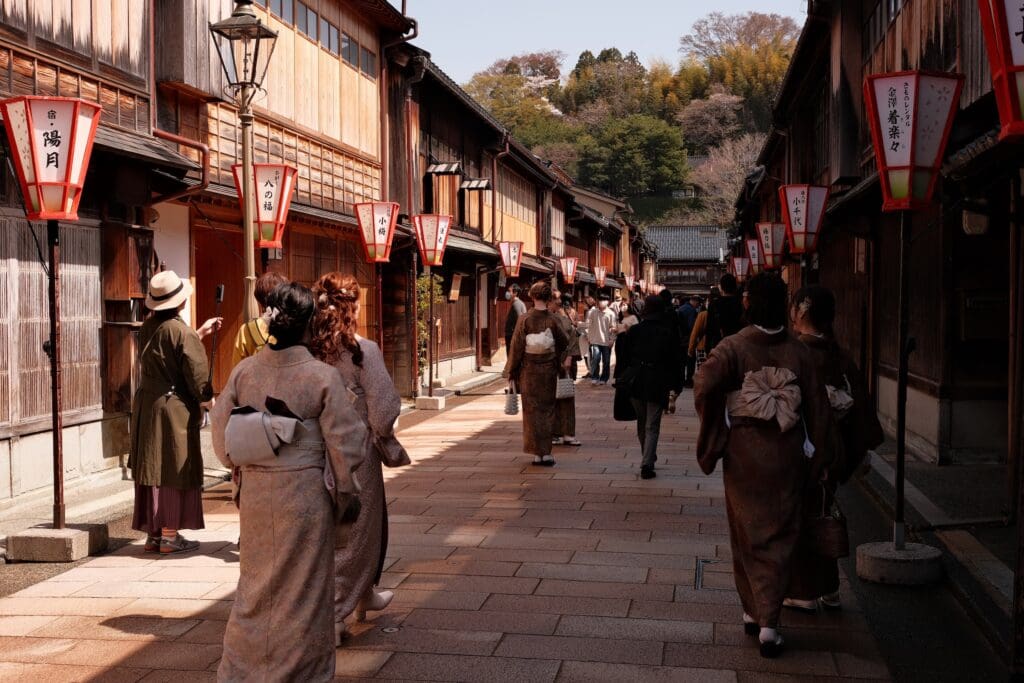
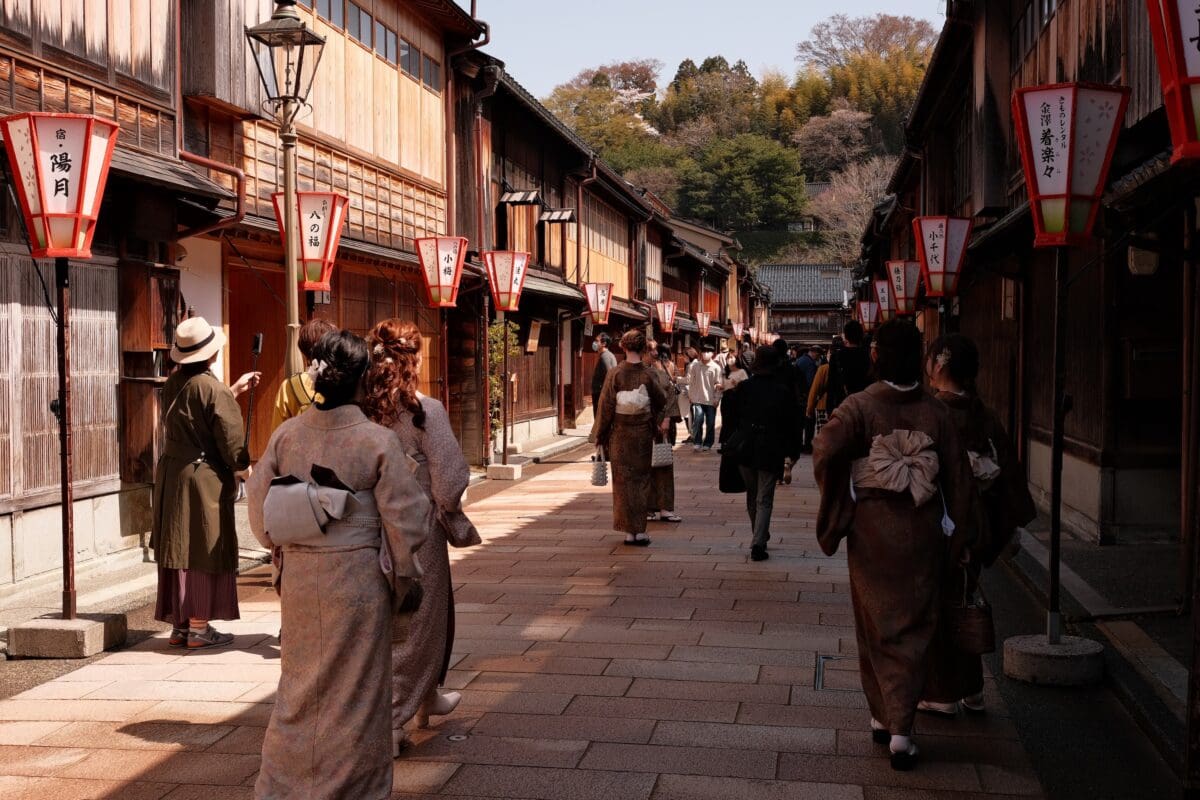
Visitors in kimonos walking along stone-paved Kanazawa Higashi Chaya Street with wooden tea houses and red lanterns
Strolling through Kanazawa Higashi Chaya Street feels timeless

Kanazawa gives you Kenrokuen Garden, old districts, crafts, and food. Takayama gives you old streets and a mountain-region stop. Together, they make a very different itinerary from Tokyo, Kyoto, and Shiga.

If that is the trip you prefer, use the Kanazawa travel guide or Takayama travel guide to decide how long to spend in each place.

One transport detail has changed in recent years: trains between Kyoto and Kanazawa now require a change at Tsuruga, using the Thunderbird and the Hokuriku Shinkansen. If you include both Kyoto and Kanazawa, check the current journey before booking hotels.

Use Where to Go in Japan if you are choosing between the regular itinerary and a regional trip.

What to Cut from a 10-Day Japan Itinerary

All of these places can be worth visiting. The question is whether you want them more than the time they replace elsewhere in this itinerary.

PlaceInclude It When…Leave It Out When…
OsakaFood, nightlife, or Osaka itself is important to you; it also works well as a day or evening trip from KyotoYou only added it because it appears in most first-trip itineraries
NaraTodai-ji, Nara Park, or Nara’s history is a priorityYou would rather have a full third day in Kyoto
Hakone or KawaguchikoA ryokan, hot spring, or Mount Fuji view is one of the main things you want from the tripYou are already doing Shiga or another third area and do not want another hotel change
Hiroshima and MiyajimaYou want to spend part of the trip in western Japan and are willing to reduce time elsewhereYou are already trying to include Shiga, Osaka, Nara, or Hakone as well
Kanazawa and TakayamaYou prefer a regional itinerary and are happy to reduce or skip KyotoYou want the recommended Tokyo, Kyoto, and Shiga itinerary
KoyasanStaying at a temple is one of your main interestsYou want easy transport and more time in Tokyo or Kyoto
HimejiSeeing Himeji Castle is a high priority or you are already traveling westYou would need to take another day away from Kyoto
OkinawaYou want an Okinawa trip and can give it several daysYou are planning a 10-day first trip on mainland Japan

Choose the places you care about most and leave the others for another trip.

Where to Stay in Tokyo and Kyoto

For a 10-day itinerary, I recommend choosing hotels that make train days and luggage easier. In Tokyo, that may mean staying near a useful station. In Kyoto, you can choose between the station for convenience and downtown for easier evenings.

These are a few options to start with. Use the full Tokyo and Kyoto stay guides before booking.

Tokyo Hotel Shortlist

HotelAreaWhy I Recommend It HereBest For
Hotel Metropolitan Tokyo MarunouchiTokyo Station / MarunouchiEasy Tokyo Station access for the Shinkansen to KyotoTravelers who want the easiest train access
JR Kyushu Hotel Blossom ShinjukuShinjukuA classic Shinjuku base with strong transport accessFirst-timers who want easy access to Shinjuku and west Tokyo
NOHGA HOTEL UENO TOKYOUenoClose to Ueno Station, with easier access for Narita Airport and east TokyoMuseums, east Tokyo, and easier arrival or departure days
MIMARU Tokyo Station EastTokyo Station East / Hatchobori sideApartment-style rooms near Tokyo StationFamilies, groups, and travelers who want more room

For the wider area choice, read Where to Stay in Tokyo.

Kyoto Hotel Shortlist

HotelAreaWhy I Recommend It HereBest For
Hotel Granvia KyotoKyoto StationThe easiest hotel choice for luggage, day trips, and Kansai departure daysTravelers who want easy train access
Hotel Vischio Kyoto by GRANVIAKyoto Station Hachijo sideClose to Kyoto Station and often easier on the budget than GranviaTravelers who want easy transfers
Cross Hotel KyotoKawaramachi-Sanjo / downtown KyotoBetter for restaurants, river walks, and flexible Kyoto eveningsTravelers who want to end the day in central Kyoto
THE GATE HOTEL KYOTO TAKASEGAWA by HULICKawaramachi / Gion edgeA comfortable downtown base near Gion and central KyotoCouples and travelers who value evening walkability

If you are also considering Osaka as a base, compare the tradeoffs in Kyoto or Osaka: Where Should You Stay?.

Ryokan Options for One Special Night

A ryokan night takes more time than checking into a normal hotel and leaving again. Book it if you want time for the room, dinner, and bath.

For most first-time 10-day itineraries, I recommend a Kyoto ryokan because Kyoto is already part of the trip. Hakone or Kawaguchiko can be better if the hot spring town or Mount Fuji view is the main reason you want a ryokan night.

Kyoto Ryokan Shortlist

RyokanAreaWhy I Recommend It for One NightBest For
HiiragiyaCentral Kyoto / NakagyoA long-established, high-end Kyoto ryokanTravelers who want one expensive traditional stay
Seikoro RyokanHigashiyama edgeTraditional Kyoto ryokan choice that works well for first-timersTravelers who want a classic ryokan without leaving central Kyoto
Nazuna Kyoto Nijo-joNear Nijo CastleModern ryokan-style comfort with private-bath room optionsTravelers who want privacy and comfort over old-style formality
IzuyasuKyoto Station areaTraditional inn close to Kyoto StationTravelers who want a ryokan night without adding another journey

Use the Best Ryokan in Kyoto guide for the fuller comparison.

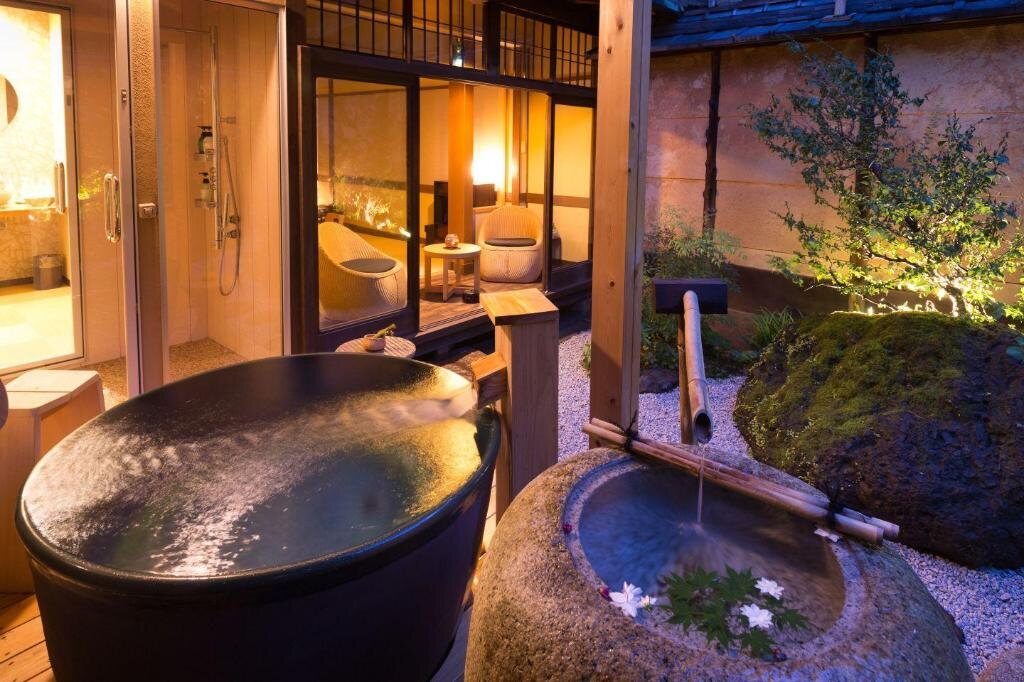
Outdoor bath and garden courtyard at Nazuna Kyoto Nijojo
Image via Agoda

Hakone and Fuji Ryokan Shortlist

Ryokan or StayAreaWhy I Recommend It for One NightWatch Out For
Hakone YutowaGora, HakoneEasier modern hot-spring stop with good access inside HakoneMore modern hotel than old-style ryokan
FukuzumiroTonosawa / Hakone-Yumoto areaHeritage Hakone stay near the gateway to the areaBetter for Hakone character than Mount Fuji views
KonansouKawaguchikoRooms and baths with Mount Fuji and lake views availableKawaguchiko to Kyoto is less simple than Hakone to Kyoto
UbuyaLake KawaguchiHigh-end stay with Mount Fuji viewsHigh prices and limited availability

Hakone is usually easier to include between Tokyo and Kyoto than Kawaguchiko. Choose Kawaguchiko when seeing Mount Fuji from the stay is more important to you than the easier train journey.

Flights, Hotel Changes, and Train Tickets

Booking Flights

Open-jaw flights mean flying into one city and out of another. If you can easily find a flight into Tokyo and home from Kansai International Airport, it can save a final return journey to Tokyo. I suggest checking it when you book flights, without relying on it for this itinerary. Many people will fly round trip from Tokyo, and that is fine.

Hotel Moves

Most 10-day first trips should use two or three hotels, not four or five.

Tokyo plus Kyoto is one hotel move. Adding a Hakone ryokan is another. Adding a separate Shiga base can be another. Each move takes time for packing, check-in, and station navigation.

I recommend avoiding an extra hotel change unless you really want to wake up in that place or stay in a specific ryokan.

JR Pass

Do not let the nationwide JR Pass decide your itinerary.

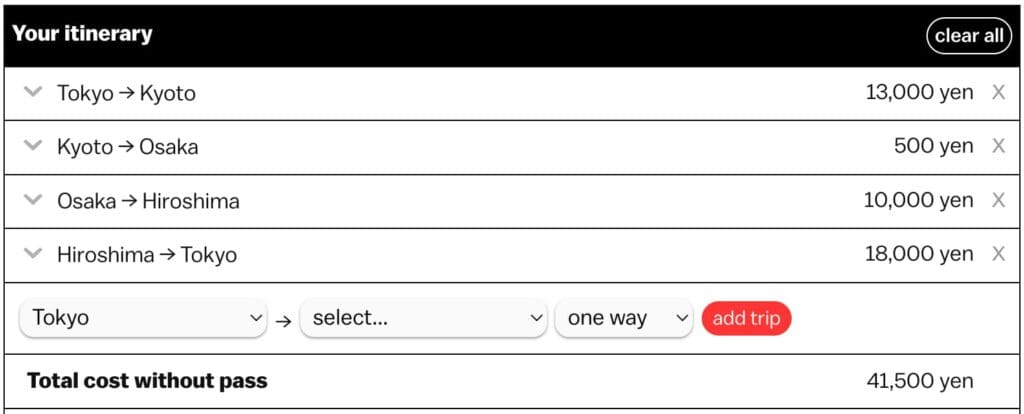
For a 10-day Tokyo and Kyoto itinerary, individual tickets are often cheaper than a nationwide pass. The exact cost depends on the places you choose and your travel date, so calculate it after choosing the itinerary. JR Pass prices and sales rules can also change.

Once you know where you want to go, use the Japan Trip Cost Calculator to estimate your train and hotel costs.

Luggage and Peak Travel

Fewer hotel moves make luggage easier. This is especially true if you are traveling with large suitcases, kids, or several train transfers.

On the Tokaido-Sanyo-Kyushu Shinkansen, very large baggage has reservation rules, and peak travel periods can make reserved seats more important. You do not need to become a train expert for this itinerary, but you should check seat and luggage rules before booking if you travel during major holidays or with oversized bags.

For timing decisions, read Best Time to Visit Japan and Public Holidays in Japan before booking.

FAQ

Is 10 Days Enough for a First Japan Trip?

Yes. My recommendation is to spend around four days in Tokyo, three days in Kyoto, and three days around Shiga/Lake Biwa. Choose the Tokyo and Kyoto only itinerary if you would rather avoid a third area.

Should I Include Osaka in a 10-Day Japan Itinerary?

Include Osaka if food, nightlife, or the city itself is a priority for you. Otherwise, I recommend staying in Kyoto and either visiting Osaka for a day or evening, or leaving it out.

Should I Visit Nara or Spend More Time in Kyoto?

Visit Nara if Todai-ji, Nara Park, and old capital history are high priorities. Spend more time in Kyoto if you already want three full Kyoto days or prefer time to walk and stop for meals between sights.

Is Hakone or Mount Fuji Worth It With Only 10 Days?

Yes, if the ryokan, hot spring, or Mount Fuji view is important to you. I do not recommend adding Hakone or Kawaguchiko only because it appears in many first-trip itineraries.

Should I Buy a JR Pass for a 10-Day Japan Trip?

Probably not for the simplest Tokyo/Kyoto route, but calculate it after choosing your exact route. The pass should never be the reason you add extra long-distance trains.

Can I Include Hiroshima and Miyajima in 10 Days?

You can. I recommend including Hiroshima and Miyajima only if they are one of your main priorities, because they take the days that could otherwise go to Shiga, Kyoto, Osaka, or Nara.

Can I Include Kanazawa and Takayama in 10 Days?

You can if they are central to the trip. I recommend planning Tokyo, Kanazawa, and Takayama as its own itinerary, rather than adding those places after Tokyo and Kyoto.

What Is the Best Third Place After Tokyo and Kyoto?

I recommend Shiga/Lake Biwa first. It is close to Kyoto, easy enough to include, and gives you time in Omihachiman, Hikone, or around the lake rather than another major tourist city.

Final Recommendation

My recommendation for 10 days is Tokyo, Kyoto, and Shiga/Lake Biwa: around four days in Tokyo, three in Kyoto, and three in Shiga. It gives you the major first-trip cities and time in places outside the usual first-trip itinerary.

If you would rather keep things simple, choose Tokyo and Kyoto only. If a ryokan stay is a priority, add one Kyoto ryokan night to either itinerary, or choose one Hakone or Kawaguchiko night as part of a classic itinerary.

If you want the Golden Route, choose the familiar addition you most want, whether that is Hakone or Mount Fuji, Osaka or Nara, or Hiroshima and Miyajima. In 10 days, I recommend limiting that addition to one of them.

And if Kanazawa and Takayama are the places you most want to see, plan them instead of trying to attach them to the end of a Tokyo, Kyoto, and Shiga itinerary.

With ten days, you cannot include everything. Choose the places you actually want to see, and give yourself enough time to enjoy them.

Kyoto can be a very good place for one ryokan (traditional Japanese inn) night, especially if this is your first Japan trip and Kyoto is already on your itinerary. You do not need to add another travel day to Hakone, Kinosaki, or a mountain onsen (hot spring) town just to have a traditional inn night.

But Kyoto is not the best place for every ryokan stay. If the thing you really want is natural hot springs, outdoor baths, mountain views, and a slower retreat day, central Kyoto may not match the image in your head. Kyoto city ryokan are usually better for meals, service, architecture, and one night in an old inn.

My recommendation is simple: book a Kyoto ryokan if you can check in around mid-afternoon, eat dinner there, enjoy the room or bath, sleep there, and have breakfast without rushing out. If you will arrive late, skip dinner, leave early, and spend most of the evening outside, a normal Kyoto hotel will probably make more sense.

For broader ryokan etiquette and what to expect, read my guide to staying in a ryokan in Japan. For Kyoto, start by deciding what kind of night you want.

Some links on YavaJapan are affiliate links. If you book or buy through them, I may earn a small commission at no extra cost to you. It helps support the site, and I only link to places, stays, and experiences I genuinely think are worth recommending.

At a Glance

  • Best high-end classic Kyoto ryokan: Hiiragiya or Sumiya Ryokan if you want a high-end heritage inn and you can give it the evening.
  • Best traditional ryokan with easier booking: Seikoro Ryokan if you want a classic Kyoto inn with clearer English information and some comfort flexibility.
  • Best if meals are your priority: Yuzuya Ryokan if dinner, breakfast, Gion, and Yasaka Shrine are the parts you care about most.
  • Best if you want more comfort: Nazuna Kyoto Nijo-jo if you want beds, private bath space, and a more modern room.
  • Best if baths are your priority: Kadensho Arashiyama if you want several baths more than a small old inn.
  • Best nearby nature stay: Sumiya Kiho-an in Yunohana Onsen / Kameoka if you want one quieter night outside central Kyoto, with hot springs as a bonus.
  • Best if you want a Kyoto townhouse instead: Nishijin Fujita if you want a private machiya (traditional Kyoto townhouse) rather than full ryokan meals and service.

Quick Comparison: Which Kyoto Ryokan Type Should You Choose?

Stay TypeBest ForMy RecommendationsMealsBathsBeds / FutonsTypical PriceWatch Out For
Classic historic Kyoto ryokanOne expensive, traditional Kyoto night where you stay in for dinner and breakfastHiiragiya, Sumiya Ryokan, SeikoroDinner and breakfast are usually centralTraditional baths; not usually natural onsenFutons are common; some rooms have bedsHigh to very highPoor value if you arrive late or skip meals
Small ryokan for mealsTravelers who care most about dinner, breakfast, and staying near Gion or Yasaka ShrineYuzuya RyokanThe meal is a major reason to bookUsually about the room bath, not hot-spring waterRooms varyMid-high to highSkip if you do not enjoy Japanese meals
Modern style ryokanPeople who want ryokan mood with beds and private bath comfortNazuna Kyoto Nijo-joMeals depend on the ratePrivate open-air or semi-open-air baths, not always hot-spring waterBeds or mixed roomsHighLess traditional than a classic ryokan
Larger ryokan-hotelTravelers who care most about baths or private bathing in KyotoKadensho ArashiyamaResort-style meal plansNatural Arashiyama Onsen in one bath area, plus private bathsMore hotel-like rangeMid-high to highLarger property, not intimate heritage ryokan
Nearby nature stayTravelers who want a slower night outside central Kyoto, with hot springs as a bonusSumiya Kiho-anHalf-board-style retreat plansReal hot-spring baths, including some rooms with open-air hot-spring bathsVaries by roomMid-high to highOutside central Kyoto
Unique high-end stay near KyotoA private historic property with a guided tourYoshida SansoBreakfast included on Wabunka; dinner is available as an add-onNot a hot-spring resort stayRoom types varyVery highBetter as a special stay than a normal Kyoto base
Kyoto townhouse stayPrivacy, architecture, space, and a traditional Kyoto houseNishijin FujitaDepends on the Wabunka add-ons you chooseUsually a private house bathOften futons or house-style sleepingHigh, but per-group pricing can varyNot a ryokan

Use the table to choose the kind of stay first. When people search for the best ryokan in Kyoto, they often look at individual properties too early. It is easier to first decide whether you want to prioritize a classic and historic ryokan or a more modern one, a small local one or a larger hotel-style ryokan, one famous for its cuisine, or private baths and onsen, a ryokan in the city or in the nature, or a private townhouse.

Should You Stay in a Ryokan in Kyoto?

I think Kyoto is a good place for a ryokan night when Kyoto is already on your itinerary. Most first-time Japan trips already include the city, so you can add one special night without giving up another day to reach a separate onsen town.

Kyoto also works better than Tokyo for this kind of stay. The city has old inns, traditional architecture, Kyoto-style meals, and evening areas where a ryokan night connects naturally with the rest of the trip.

Time is the part people underestimate. A ryokan stay includes the room, staff service, dinner, breakfast, bath time, and the chance to slow down for the evening. If you check in at 19:00, eat outside, and leave before breakfast, you have removed a lot of what you paid for.

One night is enough for most travelers if you protect that night. If it is your first Kyoto night, arrive earlier in the day, send luggage ahead or store it at the station if needed, check in around 15:00, and keep the evening free. If it is your last Kyoto night, treat it the same way: finish the busy sightseeing earlier, move your luggage before check-in if needed, eat at the ryokan, enjoy the bath or room, and leave the next morning after breakfast.

Choose a normal Kyoto hotel instead if you mainly need a base for temple visits, restaurants, nightlife, day trips, and early starts. My where to stay in Kyoto guide is better for that decision.

Kyoto Ryokan vs Hakone, Kinosaki, Nagano, or Miyajima

Choose Kyoto if you want convenience, traditional city atmosphere, and one special night without changing the route too much. This works especially well on a classic first-time Japan itinerary where Kyoto is already part of the plan.

Choose Hakone, Kinosaki, Nagano, Miyajima, or another ryokan destination if what you want most is hot springs, natural surroundings, larger baths, or a slower retreat day. Kyoto can give you a very good ryokan night, but I would not book a central Kyoto ryokan if you are mainly paying for baths and landscape.

For nearby alternatives, Nara and Miyajima can also work well depending on your itinerary. I have separate guides to ryokan in Nara and ryokan in Miyajima if you are deciding where to place one traditional stay. If private onsen is your biggest priority, my Nagano ryokan with private onsen guide may be closer to what you imagined.

How to Choose the Right Kyoto Ryokan Type

Start with the kind of place you actually want to stay in, not the neighborhood.

For a normal hotel in Kyoto, location is usually one of the first things to decide. For a ryokan, location still affects your day, but the stay itself carries more weight. You are usually booking it for one special night, not for five nights of efficient sightseeing.

Look at the photos and ask yourself a simple question: do I actually want to spend an evening here? Some ryokan are old and formal, some are small and warm, some are polished and modern, and some are closer to large ryokan-hotels. The room, building, garden, view, and overall atmosphere usually tell you more than the fact that a place calls itself a ryokan.

Budget still matters, of course, because Kyoto ryokan prices can climb quickly. But once a stay is inside your budget, do not choose it only because it is a ryokan. Choose it because the place itself looks like somewhere you want to slow down for the night.

After that, look at meals. Many ryokan stays are built around dinner and breakfast. If you do not like Japanese food, have a long restaurant list in Kyoto, or dislike fixed meal times, be careful. A ryokan dinner is often one of the reasons the stay costs what it does.

Then look at bathing. Decide whether you want an in-room bath, a reservable family bath, a shared public bath, a view, or actual hot-spring water. Once you know that, the ryokan descriptions become much easier to read.

Then look at bedding. Traditional ryokan often use futons on tatami mat flooring. That can be perfectly comfortable for some travelers and difficult for others. If you already know sleeping close to the floor will be a problem, choose a stay with Western beds or a more modern room.

Finally, think about service. A small classic ryokan, a larger ryokan-hotel, a private machiya, and a nearby nature stay all give you a different night. They can all be good, but they are not interchangeable.

Best Classic Historic Kyoto Ryokan

Choose this type when you want the ryokan itself to be the main memory of the night. You are paying for heritage, service, meals, and the rare chance to stay somewhere with a long Kyoto story.

I would only book this type of ryokan if you can arrive early and keep the evening clear. If you want to rush through dinner and go back out for a packed night, this is probably the wrong use of a high-end Kyoto ryokan.

For baths, expect a city ryokan rather than an onsen resort. Many classic Kyoto ryokan are not built around natural hot-spring water. The room, meal, staff, and building are usually the real reason to book.

Hiiragiya

Hiiragiya would be my top recommendation if you want a high-end, iconic Kyoto ryokan. It dates back to 1818, and its old wing is a registered tangible cultural property. This is not the place to book if you just want somewhere convenient to sleep.

Book Hiiragiya for a formal, high-end, traditional Kyoto stay with in-room meals and careful service. Skip it if you mainly want natural onsen, a flexible sightseeing base, or a lower-cost ryokan night.

I recommend booking Hiiragiya on Wabunka if you want the stay handled as a complete overnight experience, with dinner and breakfast included. Wabunka is a site for private cultural experiences and special stays in Japan.

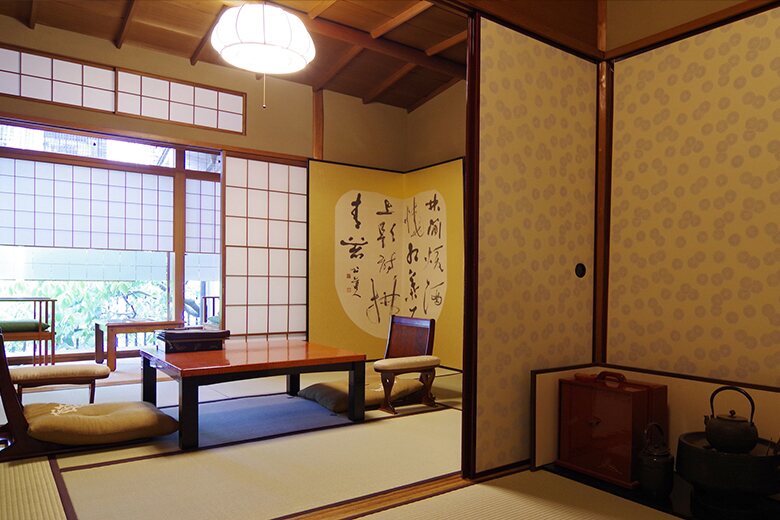
Traditional Japanese tatami room at Hiiragiya ryokan in Kyoto with low table, floor cushions, shoji screens, and calligraphy wall art
Image via Wabunka

Sumiya Ryokan

Sumiya Ryokan is another strong classic Kyoto stay, especially if tea culture is part of what draws you to Kyoto. Book it when you want the ryokan night to include a more personal cultural moment alongside the room, bath, and meal.

Meals and timing are central at Sumiya. Check-in starts from 15:00, and guests are asked to contact the ryokan if arriving after 18:00 because of dinner preparation. That detail tells you a lot about how to use the stay properly.

I recommend booking Sumiya on Wabunka if the private tea experience is what interests you. The stay includes time with the ryokan’s proprietress or her successor, so tea culture becomes part of the night instead of a separate activity.

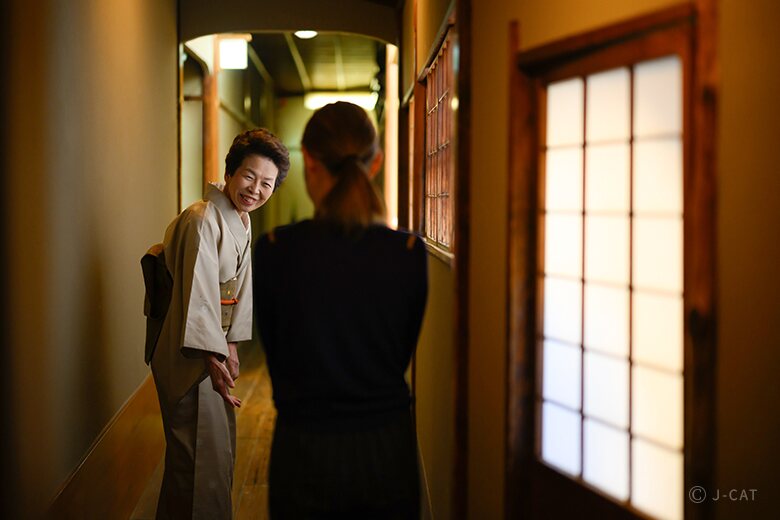
Ryokan staff greeting a guest in a Kyoto hallway
Image via Wabunka

Seikoro Ryokan

Choose Seikoro if you want a classic Kyoto ryokan but do not want the stress of the most famous luxury inns. It is easier for many first-time travelers to understand and book.

You still get in-room wooden baths, traditional rooms, and clearer English information, with some room-style flexibility. It is a good middle ground if you want a real ryokan night without the most formal luxury experience.

Treat Seikoro as a traditional bath stay with artificial mineral baths, not as a natural hot-spring ryokan.

If you want easier booking, keep Seikoro high on your list.

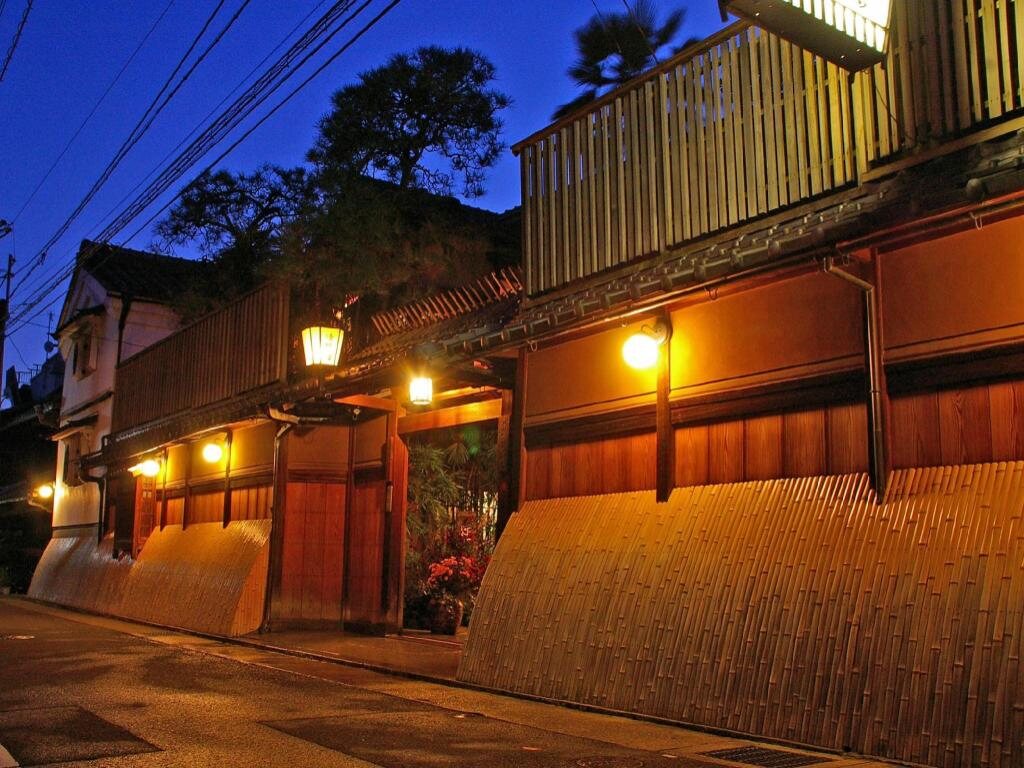
Seikoro ryokan exterior at dusk in Kyoto with warm lanterns and wooden walls
Image via Agoda

Best Kyoto Ryokan for Japanese Cuisine

Food is one of the parts people miss when they picture a ryokan night. Many travelers imagine the room, tatami mats, bath, and old building first. Then they arrive and realize dinner and breakfast take up a big part of the stay.

If you like Japanese food and want dinner at the ryokan, this is great. If you were hoping to eat at restaurants in Gion, skip breakfast, or avoid a long Japanese dinner, book a hotel instead.

Yuzuya Ryokan

Choose Yuzuya Ryokan if you want the ryokan night to revolve around dinner, breakfast, Gion, and Yasaka Shrine. It is a small inn, and the first-floor restaurant is a big part of why you would book it.

Skip Yuzuya if you mainly want hot-spring water. The yuzu cypress bath is part of the inn’s Kyoto character, but this is not the place I would choose for an onsen night.

Book Yuzuya for a Kyoto evening built around dinner, breakfast, and a traditional inn right by Yasaka Shrine. Skip it if you are unsure about Japanese meals or if you want a more flexible restaurant night.

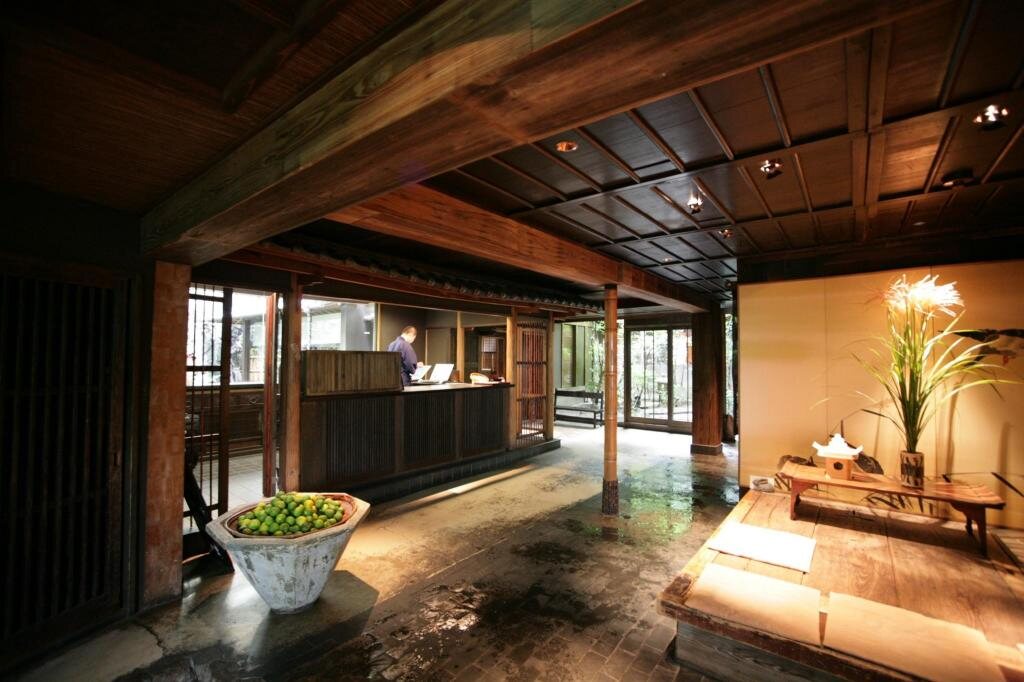
Traditional interior of Yuzuya Ryokan in Kyoto with a wooden reception area and tatami seating
Image via Agoda

Izuyasu

Use Izuyasu only if Kyoto Station convenience is important. It is a traditional inn with a long history and a strong focus on food, but most travelers should look at Yuzuya, Hiiragiya, Sumiya, or Seikoro first.

Izuyasu is most useful when you want traditional food and a ryokan-style night near Kyoto Station, especially before an early train or a long travel day. It is less useful if you are imagining Gion, Higashiyama, or one of Kyoto’s famous heritage inns.

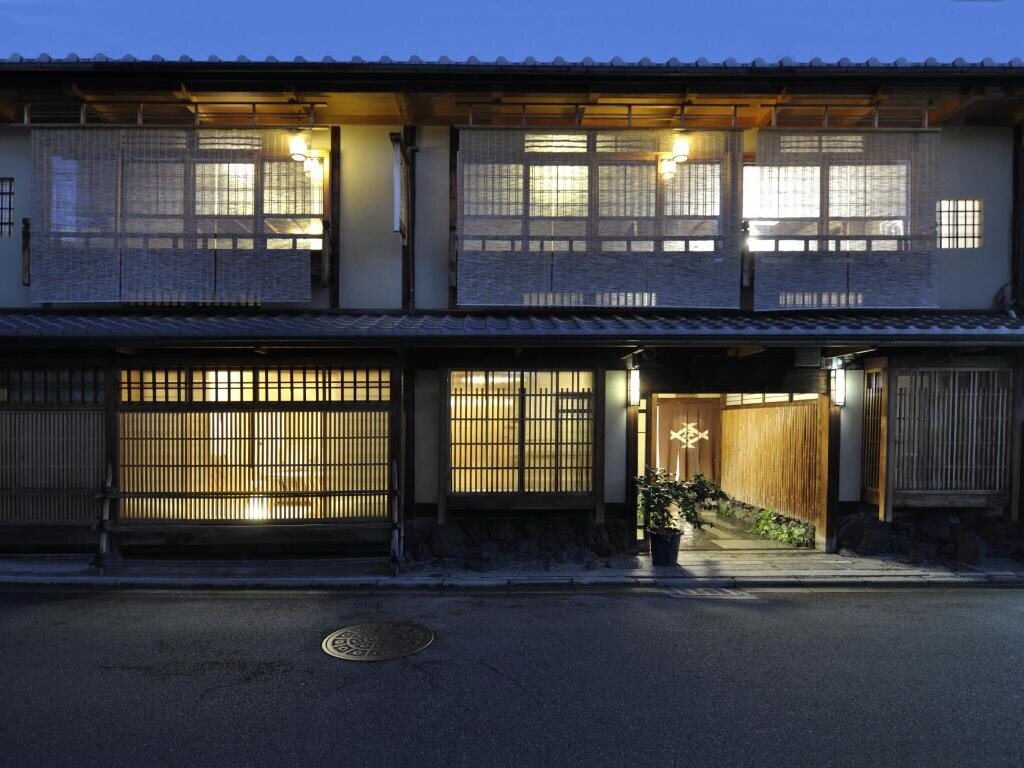
Exterior of Izuyasu, a traditional Kyoto ryokan, at dusk with warm lights glowing behind wooden lattice windows
Image via Agoda

Best Modern Ryokan for Comfort

If you like the idea of a ryokan but are nervous about futons, shared baths, old buildings, or very formal service, look at this style of stay.

For many first-time travelers, comfort is what makes the night work. A ryokan-style stay where you actually sleep well is better than a more traditional ryokan that leaves you tired the next morning.

Nazuna Kyoto Nijo-jo

Choose Nazuna Kyoto Nijo-jo if comfort comes first. It is a tea-themed ryokan in a traditional Kyoto townhouse, with five suites, private open-air or semi-open-air baths, Simmons beds, and Kyoto-made futons.

I would describe it as a luxury Kyoto townhouse stay with ryokan touches, not a very old traditional inn. Choose Nazuna if you want a traditional Kyoto look with a more modern, private, bed-friendly room.

Book it if you want a private bath but do not specifically need natural hot-spring water. I also like it for couples or older travelers who want some ryokan atmosphere but worry about sleeping entirely on futon.

Meals depend on the rate you choose. Nazuna lists breakfast hours and dinner time slots, but some rates are room-only.

Outdoor bath and garden courtyard at Nazuna Kyoto Nijojo
Image via Agoda

If You Want a Real Ryokan With a Bed: Reconsider Seikoro

If Nazuna sounds too modern but you still need bed comfort, go back to Seikoro and compare room types carefully. It may suit you better if you want a more traditional ryokan while avoiding a fully futon-only room.

Best Kyoto Ryokan for Baths

If you are searching for a Kyoto ryokan because you want a good bath, start with the basics: in-room or shared, private or public, open-air or indoor, view or no view. Natural hot-spring water is a nice extra in Kyoto, but privacy, size, and comfort are usually more important.

For central Kyoto, many excellent ryokan are not hot-spring destinations. If you care a lot about baths, choose a larger ryokan-hotel or a stay outside the city instead of a small heritage city ryokan.

Kadensho Arashiyama

Choose Kadensho Arashiyama if you want bath variety inside Kyoto. It has natural Arashiyama Onsen in the indoor stone bath and five private bath houses. It is also in Arashiyama, so the night is less city-center and more west-Kyoto.

Kadensho is much larger than a classic city ryokan. It is closer to an onsen resort, which can be exactly right if you want several baths and Arashiyama convenience.

The indoor stone bath uses natural Arashiyama Onsen, while the open-air bath does not. Most travelers will judge the bath by privacy, comfort, and view, but the water source is important if you specifically want onsen.

Book Kadensho for bath variety and Arashiyama convenience, not for old-city ryokan intimacy.

Entrance to Kadensho ryokan in Arashiyama, Kyoto, with autumn trees and a multi-story hotel building behind it
Image via Agoda

Best Stay Near Kyoto if You Want Mountains, Forest, and Onsen

Sometimes the best move is to leave central Kyoto for one night. Hot-spring water is a nice part of that, but the bigger point is getting out of the city and spending the night somewhere with more nature around you, whether that means mountains, forest, a valley, or a quieter onsen area.

These stays are not normal Kyoto sightseeing bases. Treat them as the main plan for the night. If hot springs are the whole point of the trip, I would look at a real onsen town instead. If you want one quieter night near Kyoto, this kind of stay can work well.

Sumiya Kiho-an

Choose Sumiya Kiho-an if you want a quieter ryokan night outside central Kyoto, with nature around you and onsen as a bonus. It is in Yunohana Onsen in Kameoka, with real hot-spring bath options, including some rooms with open-air hot-spring baths.

Choose this over a central Kyoto ryokan if you want a slower night away from the city. You give up some convenience, but you get much closer to the mountain-and-ryokan image many travelers have in mind.

Do not use it as a normal Kyoto base. Use it as one separate night near Kyoto, with enough time to arrive, eat, bathe, and leave the next morning without turning it into a rushed transfer.

Japanese-style bedroom at Sumiya Kihoan in Kameoka with twin beds, sofa, and garden view
Image via Agoda

Yoshida Sanso

Yoshida Sanso is different again. It is more private and high-end than a normal hotel, but it is not an onsen-town retreat. Consider it if you want a slower stay near Yoshida-yama, with more privacy and history than a standard city hotel.

On Wabunka, Yoshida Sanso includes breakfast and a private guided tour of the property, with dinner available as an add-on.

The guided tour helps you understand the property instead of just sleeping in a beautiful room.

Choose Yoshida Sanso if you want a special stay with privacy and history, and you are willing to plan the evening around the property.

Garden path beside a traditional Kyoto villa exterior at Yoshida Sanso
Image via Wabunka

Best Kyoto Townhouse Stay Instead of a Ryokan

A Kyoto townhouse works well if you realize you may not need a ryokan at all. If what you really want is a traditional Kyoto house, a machiya can be better.

A machiya stay gives you architecture, privacy, space, and a night inside a Kyoto townhouse. It usually does not give you the same dinner, breakfast, staff service, or bathing as a ryokan. Keep this part of your planning simple: choose it when you want the house itself more than the inn service.

Nishijin Fujita

Choose Nishijin Fujita if you want privacy, space, and a traditional Kyoto house more than ryokan service. It is a one-group-per-day townhouse stay in Nishijin, inside a cultural property, with optional cultural add-ons through Wabunka.

Book it if your real wish is privacy and a Kyoto house experience. It is especially interesting for a family or small group that wants space and more privacy than a ryokan room.

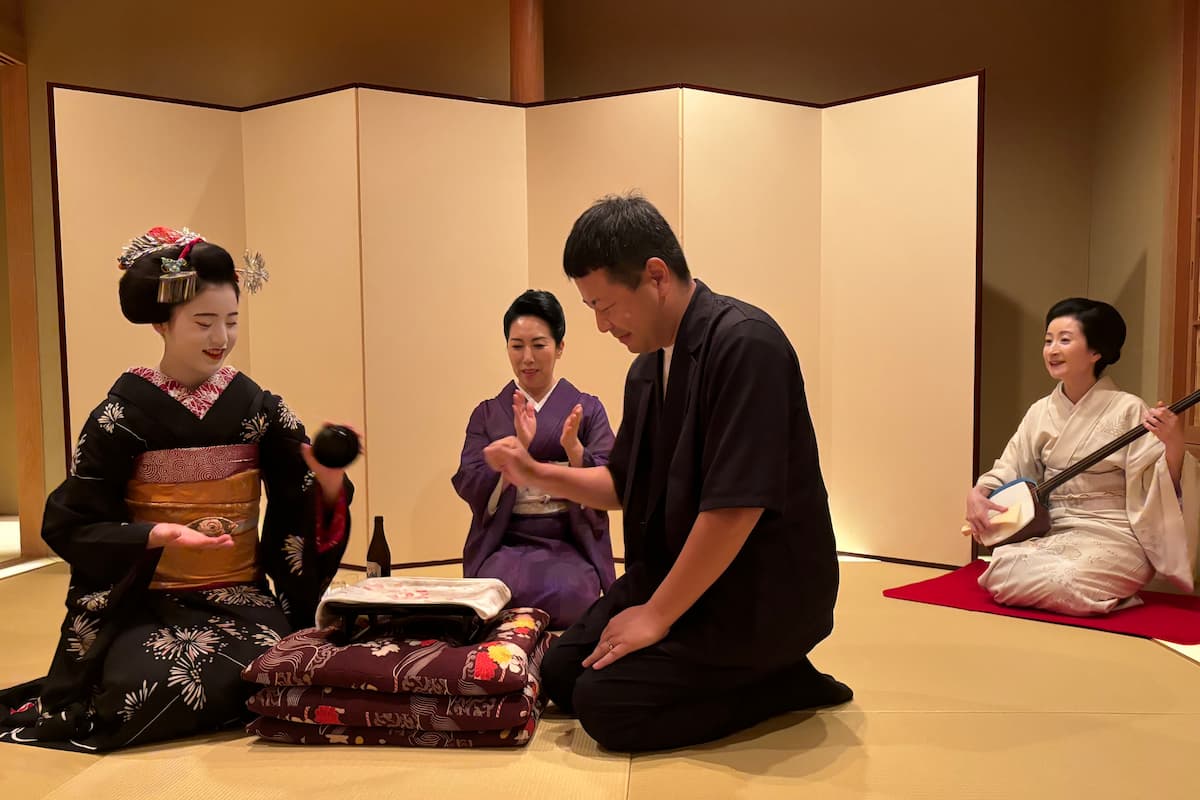
On Wabunka, Nishijin Fujita can include optional cultural elements such as traditional parlor games with geisha or maiko (apprentice geisha), tea ceremony, kimono, or a facility tour. Add those if you want a private cultural experience as part of the stay.

Book it for privacy, space, and the house itself, not for a full ryokan dinner and staff service.

Traditional Japanese sitting room in Kyoto Nishijin with shoji screens, a fireplace, and antique furnishings
Image via Wabunka

Booking Tips Before You Choose

Protect the check-in day. For a one-night ryokan stay, try to check in around 15:00. This gives you time to see the room, settle in, use the bath, eat dinner, and actually enjoy what you paid for.

Treat dinner as part of the price. If you do not want Japanese dinner or breakfast, a normal hotel may be better. You can still add a separate Kyoto cultural experience, such as a tea ceremony in Kyoto.

Know what kind of bath you are getting. If the bath is one of the reasons you are booking, look at the practical points first: in-room or shared, private or public, open-air or indoor, view or no view. Hot-spring water is worth checking too, but in Kyoto it should usually be one part of the decision, not the whole decision.

Confirm the bedding before you pay. Many ryokan still use futons, and some room types differ within the same property. If futon sleeping worries you, prioritize Nazuna, specific Seikoro room types, or another stay that clearly offers beds.

Check meal timing and arrival rules. Some ryokan need to know if you arrive after a certain time because dinner preparation depends on it. This is especially important if you are coming from another city that day.

Use clear English booking support when it helps. If this is your first ryokan, clearer English information can reduce stress around meals, check-in, luggage, and bath etiquette.

Know when a townhouse works better. A machiya can be a wonderful Kyoto stay, but it is different from a ryokan. Book it if you want a house, privacy, and flexible time, not if you mainly want formal ryokan meals and service.

Keep special Kyoto evenings realistic. If you also want a geisha dinner, tea ceremony, or long restaurant night, do not stack everything onto the same ryokan evening. For that kind of planning, my guides to geisha in Kyoto and a private geisha dinner in Kyoto may help you decide which experience belongs on which night.

Final Recommendation by Traveler Type

If you want the high-end classic Kyoto ryokan, start with Hiiragiya or Sumiya Ryokan. Choose this kind of stay only if you can afford it and give it the evening it deserves.

If you want a more practical traditional ryokan, start with Seikoro. It is easier for many first-timers while still giving you a traditional inn experience.

If dinner, breakfast, and the Gion evening are the point, look at Yuzuya. If station convenience is more useful than the older east-side Kyoto location, keep Izuyasu in mind as a compact alternative.

If you want beds, privacy, and a smoother first ryokan-style night, start with Nazuna Kyoto Nijo-jo.

If you care a lot about the bath, start with Kadensho Arashiyama. If you want a quieter night outside the city with onsen as a bonus, look toward Sumiya Kiho-an.

If you want a slower, high-end stay with more privacy and history, look at Yoshida Sanso on Wabunka. If you want a traditional Kyoto house rather than a ryokan, start with Nishijin Fujita.

And if your Kyoto plans are full of restaurants, late nights, early trains, and long sightseeing days, book a normal hotel instead. A good Kyoto hotel is not a lesser choice. It may simply work better for your trip. Start with my where to stay in Kyoto guide or, if you are still choosing where to base yourself in the Kyoto-Osaka region, my Kyoto vs Osaka guide.

FAQ

Is One Night in a Kyoto Ryokan Enough?

Yes, one night is enough for most travelers if you check in early and keep the evening free. It works poorly if you arrive late, skip dinner, and leave early the next morning.

Are Kyoto Ryokan Real Onsen?

Some Kyoto-area stays have natural hot-spring water, especially outside central Kyoto or in areas such as Arashiyama and Yunohana Onsen. Many central Kyoto ryokan are traditional inns without natural onsen. If hot-spring water is important to you, look for the bath type on the room or plan page.

What Is the Difference Between a Private Bath and a Private Onsen?

A private bath means you can bathe privately. Onsen means natural hot-spring water. A property should say clearly when a private bath uses onsen water.

Should I Book Dinner and Breakfast at a Kyoto Ryokan?

Usually, yes. Dinner and breakfast are often a major part of the ryokan stay. If you do not want Japanese meals or fixed meal times, a hotel plus a separate Kyoto dinner may be a better choice.

Can I Stay in a Kyoto Ryokan if I Do Not Want to Sleep on a Futon?

Yes, but choose carefully. Look for Western-bed rooms, Japanese-Western rooms, or modern ryokan-style stays such as Nazuna Kyoto Nijo-jo. Check the exact room type, even within the same ryokan.

Is a Machiya Stay the Same as a Ryokan?

No. A machiya stay is usually a traditional Kyoto townhouse stay. It can be private, beautiful, and memorable, but it normally does not have the same meal, bath, and staff-service structure as a ryokan.

Is Kyoto Better Than Hakone or Kinosaki for a Ryokan Night?

Kyoto is better if you want convenience and a traditional city stay without adding another travel leg. Hakone, Kinosaki, and other onsen destinations are usually better if hot springs and retreat time are what you care about most.

If you can choose only one Kansai base for a first trip to Japan, I would usually stay in Kyoto.

Osaka is still a good choice for the right trip. It is fun, easier for some airports and day trips, and much better if you want repeated late nights around Namba, Dotonbori, or Shinsaibashi. But for most first-time travelers, Kyoto is the city you will probably want to wake up in more often.

The practical reason is simple: Kyoto rewards early starts. If your trip includes Fushimi Inari, Higashiyama, Gion, Arashiyama, temples, gardens, tea, or geisha-related experiences, sleeping in Kyoto makes those days easier. Osaka is easy enough to visit from the right Kyoto base for an evening or a full day.

I would stay in Osaka instead if your trip is genuinely Osaka-led: late-night food and bars, Universal Studios Japan, an early or late Kansai International Airport flight, better hotel value on your dates, or several westward day trips like Kobe, Himeji, Hiroshima, or Koyasan.

A split stay can work too, but I would only do it when the Osaka stay has a real purpose. Moving hotels for one casual Osaka dinner usually adds more friction than it removes.

Some links on YavaJapan are affiliate links. If you book or buy through them, I may earn a small commission at no extra cost to you. It helps support the site, and I only link to places, stays, and experiences I genuinely think are worth recommending.

At a Glance

Best ChoiceWorks Best IfWatch-Out
KyotoYour trip is Kyoto-heavy, this is your first Kansai visit, or you want easier early startsKyoto hotels can be expensive in spring, autumn, and high-demand periods
OsakaYou want repeated late nights, USJ, KIX or Itami convenience, better hotel value, or westward day tripsIt is weaker if most mornings start in Kyoto
Split stayYou have 5+ Kansai nights and at least 2 Osaka-focused nights, or airport and rail logistics make the move usefulOne casual Osaka evening rarely justifies changing hotels

My short version: stay in Kyoto by default, stay in Osaka when Osaka will actually carry the trip, and split only when the hotel move improves real days rather than just sounding balanced on paper.

The Main Rule: Choose the Base That Makes Your Hardest Days Easier

This is a base decision, not a city ranking.

When people compare Kyoto and Osaka, they often talk about which city is more traditional, more fun, cheaper, or better for food. That can help, but it misses the main travel question: where is it most useful to wake up, return at night, and handle your bags?

For many first-time travelers, the hardest days are Kyoto days. Kyoto sightseeing often works better when you start early, avoid the busiest hours where possible, and keep your route simple. Staying in Kyoto helps with that.

Osaka is different. It is very easy to enjoy as a planned day or evening from Kyoto, especially if your Kyoto hotel is near Kyoto Station, Kawaramachi, Sanjo, or another useful rail connection. If you want one Osaka food night, one Dotonbori walk, or one day in Osaka, you probably do not need to move hotels.

Osaka becomes stronger when the hard parts of your trip point west or late: USJ, KIX, Itami, Minami nightlife, Kobe, Himeji, Hiroshima, Koyasan, or repeated Osaka evenings. In that case, sleeping in Osaka can stop the trip from turning into daily backtracking.

This is the same logic I use when helping travelers plan Japan routes more broadly: convenience is not boring. It affects how the trip feels every morning and every night. If you are still shaping the full route, my Plan Your Trip to Japan guide and 14-day Japan itinerary are useful next reads.

Hotel Area Changes the Decision More Than People Expect

The phrase you will see everywhere is that Kyoto and Osaka are only about 30 minutes apart by train. That can be true for a simple Osaka Station to Kyoto Station trip on JR, but it is only one version of the journey.

But most travelers do not sleep on the platform at Osaka Station and step directly onto the platform at Kyoto Station. You still need to walk from the hotel, navigate the station, transfer if needed, reach the sightseeing area, and do the same thing again at night.

That is why area-to-area logic is more useful than city-to-city advice.

Kyoto Station

Kyoto Station is the logistics-first Kyoto base.

Stay here if you want simpler arrivals, easier luggage handling, shinkansen access, airport rail, or day trips that start from JR. It is especially practical if your Kansai stay includes Nara, Uji, Hiroshima, Himeji, or onward travel toward Tokyo or western Japan.

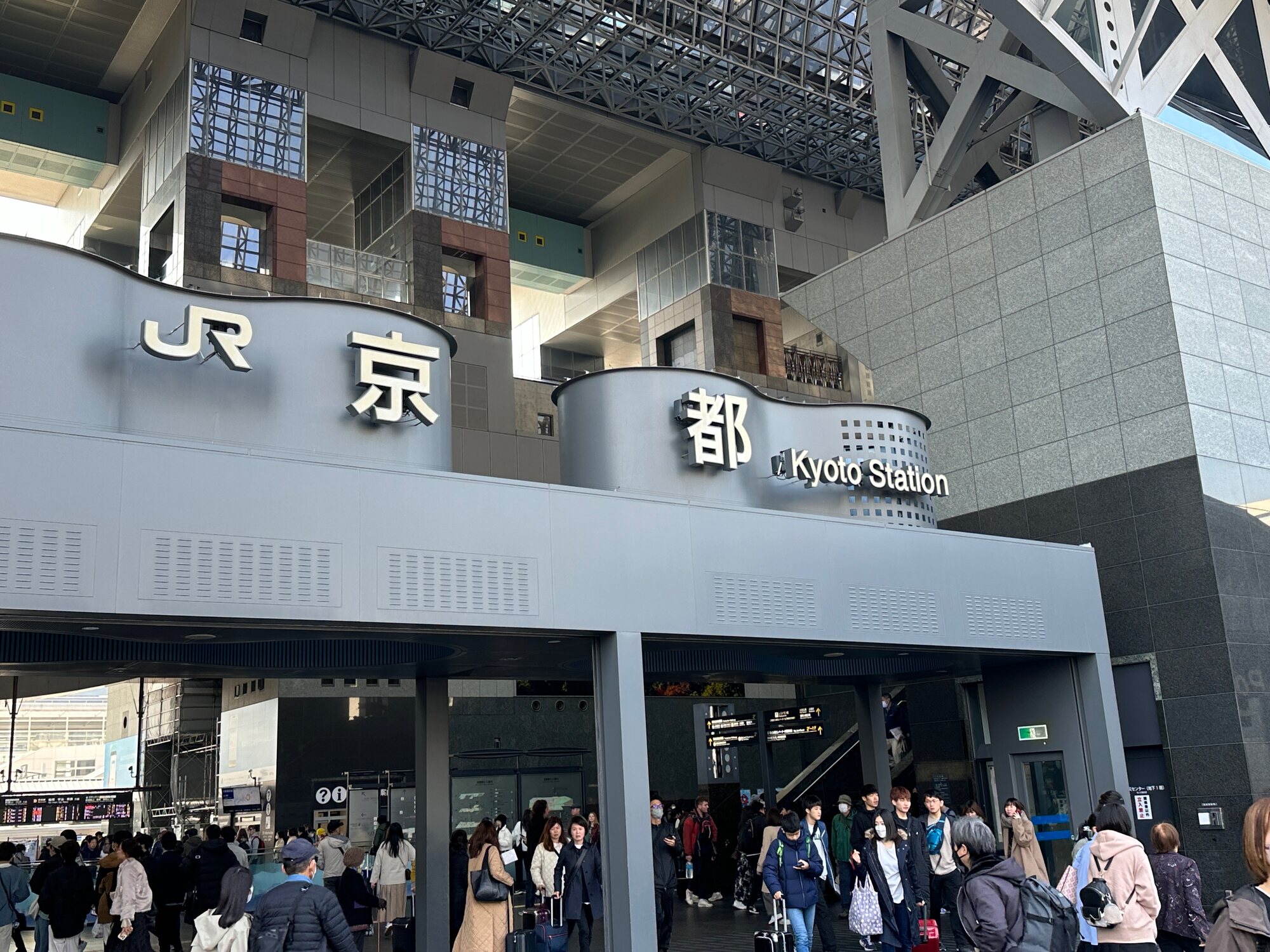
JR Kyoto Station entrance with large JR and 京都 signs and a crowd of travelers in the foreground
Kyoto Station entrance felt busy

The tradeoff is that Kyoto Station does not give you the same old-city feeling as Gion or Higashiyama. You can still eat well and move around easily, but you may not step outside the hotel and immediately feel like you are in the Kyoto you pictured.

Gion, Kawaramachi, and Sanjo

This is the old-city Kyoto base I would check if evenings, walks, restaurants, and access to eastern Kyoto rank above pure train efficiency.

Kawaramachi, Pontocho, Kiyamachi, Sanjo, and the Gion edge put you near dining, bars, the Kamo River, shopping streets, and easy walks into older parts of the city. This is also a good reply to the idea that Kyoto has no evening life. Kyoto may not have Osaka’s late-night intensity, but it is not empty at night if you stay in the right area.

Crowds walking down a traditional street in Kyoto’s Gion district, lined with old wooden buildings and red lantern banners
Gion street feels wonderfully lively

The caution is transport. Some hotels here are excellent for Hankyu or Keihan lines, but less convenient for JR-heavy days. Check the exact station near your hotel, not only the neighborhood name.

Umeda and Osaka Station

Umeda and Osaka Station are the transport-first Osaka base.

If you stay in Osaka but still want to visit Kyoto, this is usually the cleaner Osaka choice. JR gives good access to Kyoto Station, and Hankyu works well for downtown Kyoto around Kawaramachi. Umeda is also strong for Kobe, Himeji, Shin-Osaka, shopping, and general city access.

The tradeoff is that Umeda is not the same as staying near Dotonbori. It has plenty of food and nightlife, but if your dream Osaka nights are in Minami, Namba or Shinsaibashi may feel more natural.

Namba and Shinsaibashi

Namba and Shinsaibashi are the nightlife and food-led Osaka base.

Stay here if you want to finish multiple nights around Dotonbori, Hozenji, Shinsaibashi, Nippombashi, or nearby bar and food areas without thinking about the last train back to Kyoto. This is also one of the best Osaka-side choices for Kansai International Airport because Nankai’s Rapi:t connects Namba and KIX in as little as 34 minutes, according to Nankai Electric Railway.

The caution is Kyoto access. Namba is workable for Kyoto, but repeated Kyoto starts from Namba usually feel less clean than staying in Umeda or Kyoto itself.

Shin-Osaka

Shin-Osaka is a rail-first base with a narrow use case.

It can be smart if you have early shinkansen departures, a Hiroshima day trip, a rail-heavy itinerary, or an airport leg that works better from Shin-Osaka. It is not where I would stay for a first Kansai trip if the goal is to enjoy Kyoto or Osaka evenings.

Think of Shin-Osaka as practical. Useful, sometimes exactly right, but rarely the most satisfying main base for the holiday itself.

Stay in Kyoto If Kyoto Is the Main Reason You Are in Kansai

Kyoto is my default recommendation because, for most first-time travelers, Kyoto is the stronger reason to be in Kansai.

If your list includes Fushimi Inari, Kiyomizu-dera, Higashiyama, Gion, Arashiyama, gardens, temples, tea, traditional streets, or geisha-related experiences, staying in Kyoto makes the trip easier. You can start earlier, return to the hotel between plans more easily, and avoid making Kyoto feel like a commute.

A five-story pagoda rising above a street lined with traditional buildings in Kyoto’s Yasaka area, with people gathered below.
Kyoto’s Yasaka pagoda street buzz

This is especially true with 3 to 4 Kansai nights. With that little time, I would rather keep one base and make Kyoto easy than spend energy changing hotels.

Kyoto is also better than many people expect in the evening. If you stay around Kawaramachi, Pontocho, Sanjo, Kiyamachi, or the Gion side, you will have restaurants, cafes, bars, riverside walks, and late enough options for most travelers. Osaka still has the stronger late-night food and drinking culture, but Kyoto is not a place where you need to go back to the hotel at 20:00.

If Kyoto is your base because you care about cultural experiences, you can connect the stay decision with the rest of your trip. For example, I would look at a tea ceremony in Kyoto, a geisha-related experience, or, for a higher-end evening, a private geisha dinner in Kyoto. If you want the accommodation itself to become part of the trip, my ryokan guide is also worth reading before you book.

Choose Kyoto if:

  • This is your first Kansai stay and Kyoto is high on your list.
  • Your side trips are mostly Osaka, Uji, and maybe Nara.
  • You want calmer evenings without giving up restaurants and bars.
  • You are traveling with kids and want simpler mornings.
  • You would rather visit Osaka once or twice than return from Kyoto every day.

Stay in Osaka If Osaka Will Actually Carry the Trip

Osaka is the better base when the city itself is a real part of the trip, rather than only a cheaper place to sleep.

I would stay in Osaka if you want repeated late nights around Namba, Dotonbori, Shinsaibashi, or nearby food and bar areas. In that situation, sleeping in Kyoto can become annoying. You have to keep checking train times, end the night earlier, or deal with a longer return when you are tired.

Osaka is also the stronger base for Universal Studios Japan. If USJ is one of your biggest Kansai priorities, staying in Osaka, at least for that part of the trip, can make the day easier.

Airport logic can point toward Osaka too. Namba is strong for KIX through Nankai. Umeda, Namba, and Shin-Osaka are all useful for Itami, and the Osaka International Airport bus access page lists direct Osaka-side routes that are easier than Kyoto for many travelers. Kyoto Station can still work for many flights, but if your flight is very early or very late, Osaka may reduce stress.

Day trips can also move the balance. Osaka is usually stronger for Kobe, Himeji, Koyasan, USJ, and some Hiroshima day-trip logic. Kyoto is still possible for many of these, especially if you stay at Kyoto Station, but Osaka gives you a better starting point when the trip keeps pulling west or south.

Osaka also has culture and history. Osaka Castle, Sumiyoshi Taisha, Shitennoji, museums, neighborhoods, markets, and food culture can all be part of a good trip. I would not frame Osaka as only nightlife. The better question is whether those Osaka experiences are central enough to justify sleeping there.

Choose Osaka if:

  • You want multiple late Osaka nights.
  • USJ is a headline priority.
  • Your flight timing makes KIX or Itami access important.
  • You are doing several westward or Osaka-side day trips.
  • Kyoto hotels are far more expensive on your exact dates.
  • You genuinely prefer Osaka’s city energy and do not mind making Kyoto a full-day trip.

Split Kyoto and Osaka If the Hotel Move Earns Its Keep

I like split stays when they solve a real problem. I do not like them when they are added only because both cities sound worth seeing.

Moving hotels costs time. You pack, check out, store or forward luggage, travel, wait until check-in, and reset the room. Even if the train between the cities is short, the hotel move can take a noticeable part of the day.

For 3 to 4 Kansai nights, I would usually choose one base. Kyoto is the default if Kyoto is the priority. Osaka is fine if your trip is Osaka-led, nightlife-led, USJ-led, or airport-led.

For 5+ Kansai nights, a split starts to make more sense. I would consider it if you have at least 2 Osaka-focused nights. For example:

  • 3 nights Kyoto + 2 nights Osaka for Kyoto sightseeing plus Osaka nightlife
  • 4 nights Kyoto + 2 nights Osaka if you want USJ, Minami nights, and KIX access
  • Kyoto first, then Osaka before an early KIX flight
  • Kyoto first, then Shin-Osaka or Umeda before a westward shinkansen route

The strongest reason to sleep in Osaka is nightlife. If you plan to drink, eat late, or stay around Minami until late, having your hotel nearby is much nicer than watching the clock for the last train.

The weakest reason is vague fear of missing Osaka. If you mainly want Kyoto, stay in Kyoto and plan one proper Osaka evening or day. That usually solves the problem without adding another hotel change.

Kansai NightsBest Base PlanWhy
2 nightsUsually KyotoToo short to spend energy moving hotels
3 to 4 nightsUsually one baseKyoto by default, Osaka if the trip is Osaka-led
5+ nightsKyoto or a splitSplit if 2+ nights are genuinely Osaka-focused
Early or late KIX flightConsider Osaka last nightNamba or Shin-Osaka may make departure easier
USJ plus Osaka nightsConsider OsakaThe Osaka base improves real days

Day Trips and Airport Logic

Day trips and airport plans can change the base decision quickly. If your Kansai stay is mostly Kyoto sightseeing, stay in Kyoto. If your stay is full of Osaka-side and westward trips, Osaka becomes more persuasive.

Use this as a planning table, not as a promise that the other city is impossible.

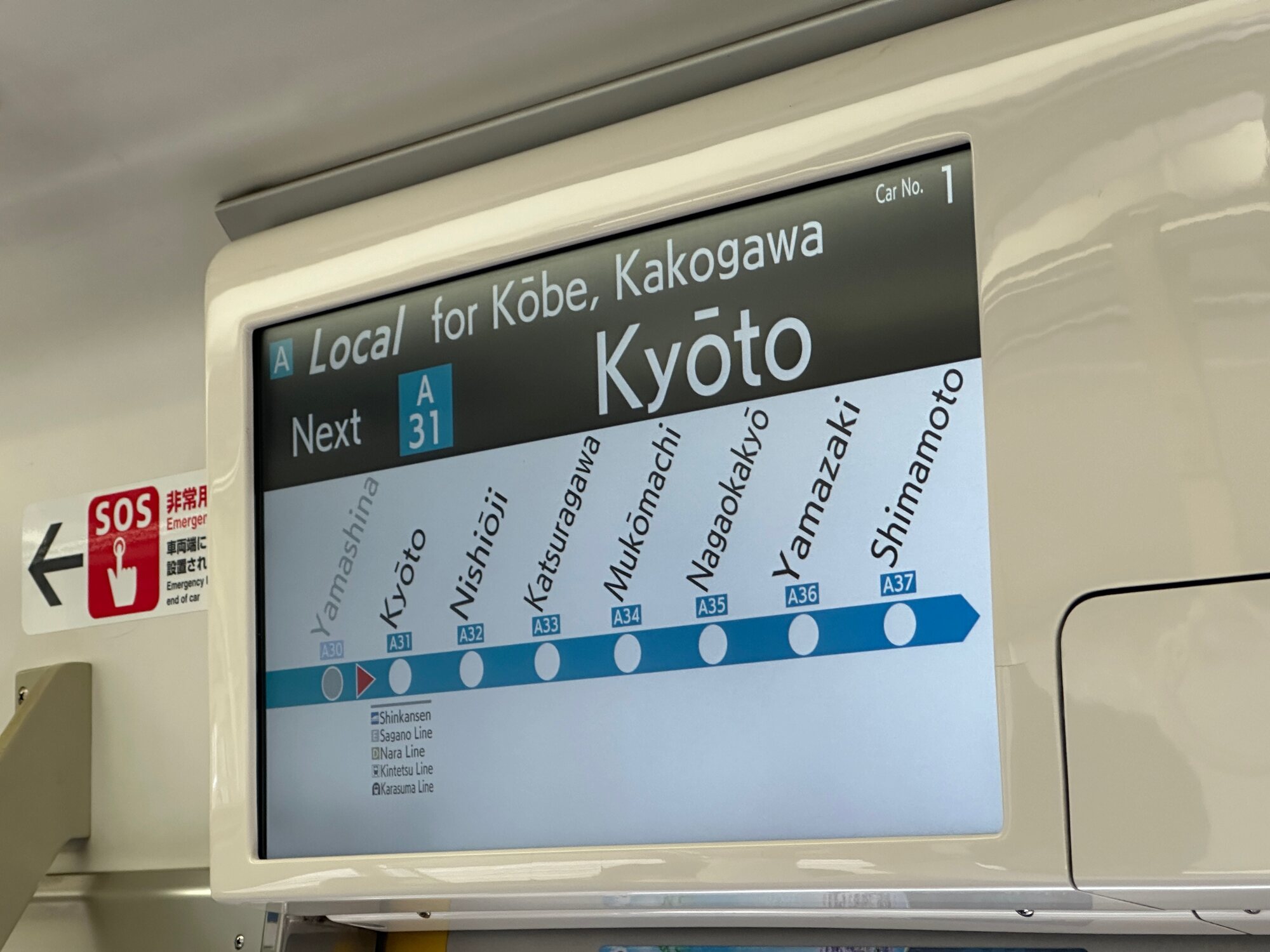
Train car display showing route information for Kyoto, with the next stop for Kobe and Kakogawa
Kyoto route info on the train
Destination or AirportBetter BasePractical NoteWhen the Other Base Still Works
UjiKyotoKyoto is the cleanest start, especially from Kyoto Station or Keihan-side areasOsaka works, but it is a longer outing
NaraEitherKyoto Station and Osaka-Namba are both strongUmeda works, but it is not the neatest Osaka start
KobeOsakaUmeda/Osaka Station is especially usefulKyoto works if Kobe is only one day and your hotel is near Kyoto Station
HimejiOsakaOsaka or Shin-Osaka is usually easierKyoto Station can work if you use the right train
HiroshimaOsaka or Shin-OsakaShin-Osaka is the cleaner rail baseKyoto Station can still work, but the day is long
KoyasanOsakaNamba-side access is much betterKyoto is possible, but usually more awkward
USJOsakaThis is one of the clearest Osaka winsKyoto works if USJ is only one day and you accept the longer return
KIXOsakaNamba and Shin-Osaka are strong depending on routeKyoto Station works for many normal flight times
ItamiOsakaUmeda, Namba, and Shin-Osaka are more convenientKyoto can work, but allow more time

If one of these places is central to your trip, let it influence the base. If it is just a single optional day, do not let it overturn the whole stay decision.

Is Osaka Worth Using as a Cheaper Base for Kyoto?

Sometimes, yes. But I would not assume it automatically.

Kyoto hotels can become expensive and harder to book in cherry blossom season, autumn foliage season, Golden Week-style holiday periods, and weekends with strong demand. From March 1, 2026, Kyoto’s accommodation tax also became more noticeable above the lowest rate bands, with the updated structure listed by Kyoto City.

So if Kyoto prices are high on your exact dates, Osaka can be a sensible fallback.

But the savings need to be meaningful. If Osaka saves you only a small amount per night, the extra transport, longer mornings, and later returns may not be worth it for a Kyoto-heavy trip. This is especially true if your Osaka hotel is in Namba and most days begin in eastern Kyoto.

I would compare:

  • The total hotel price for your exact dates
  • The extra train cost for your party
  • How many days actually start in Kyoto
  • Whether you are willing to leave earlier each morning
  • Whether you will come back late with tired legs or kids
  • Whether Osaka adds value beyond price

If Osaka is much cheaper and you also want Osaka nights, USJ, KIX, or westward day trips, the Osaka base can make sense. If your real trip is Kyoto, and Osaka is only cheaper by a little, I would try hard to stay in Kyoto.

Where I Would Book by Priority

This is not meant to be a full Kyoto hotel guide or Osaka hotel guide. Think of it as a starting matrix: choose the area first, then compare hotel prices and room types on your actual dates.

Ryokan room balcony with a table and chairs looking out onto a lush green forest
I loved the forest view from my ryokan

If Kyoto Is Your Base

If one of these Kyoto examples fits, use the links to compare current prices and room types, then choose by area fit first.

PriorityArea to CheckHotel ExampleNotes
Kyoto atmosphere and walkingSouthern Higashiyama or Gion sideNOHGA Hotel Kiyomizu KyotoGood if you want Kyoto culture close by, weaker for rail-first logistics
Transport and day tripsKyoto StationHotel Granvia KyotoVery easy for trains, luggage, airport rail, and onward travel
Kyoto eveningsKawaramachi, Sanjo, Pontocho edgeCross Hotel KyotoStrong for restaurants, bars, shopping, and walking into Gion
Families and groupsKyoto Station Hachijo sideMIMARU Kyoto StationApartment-style rooms work well when space and simple logistics count
BudgetKyoto Station south side or GojoPiece Hostel KyotoGood for social or budget travelers, not for a full-service hotel feel

For a first-time Kyoto-heavy trip, I would usually start with Kyoto Station for logistics or Kawaramachi/Sanjo/Gion-side areas for evenings and walking. Southern Higashiyama is lovely for the Kyoto feeling, but make sure the exact hotel location does not make every rail day harder.

If Osaka Is Your Base

If one of these Osaka examples fits, use the links to compare prices and room types for your actual dates, then check whether the area matches the kind of Osaka stay you want.

PriorityArea to CheckHotel ExampleNotes
Nightlife and foodNamba, Shinsaibashi, Dotonbori edgesCross Hotel OsakaVery central for Minami nights, but expect crowds nearby
Transport and day tripsUmeda or Osaka StationHotel Hankyu RESPIRE OsakaStrong if Osaka is your base but Kyoto and Kobe are still important
Rail-first logisticsShin-Osakakaraksa hotel grande Shin-Osaka TowerBest when trains and airport access are the reason for staying here
Calmer family convenienceTenmabashi, Kitahama, Osaka Castle sideHotel Keihan Tenmabashi EkimaeMore practical than flashy, with easier access and less late-night intensity
BudgetNippombashi or Namba edgesSotetsu Grand Fresa Osaka-NambaUseful location and value, but check room size carefully

For Osaka, the biggest decision is Umeda versus Namba. Umeda is better for transport. Namba is better for late nights and food. Shin-Osaka is best when the train plan is doing the work, not when you want a memorable Osaka neighborhood.

Common Scenarios

You Have 3 to 4 Kansai Nights

Choose one base in most cases.

If this is a first trip and Kyoto is your priority, stay in Kyoto. You can still plan one Osaka evening or one Osaka day without moving hotels.

Stay in Osaka only if the trip is clearly Osaka-led: USJ, late nights, KIX, or a major price difference on your dates.

You Have 5+ Kansai Nights

Kyoto can still work as a single base if your trip is Kyoto-heavy.

A split stay becomes more reasonable when you can give Osaka at least 2 focused nights. That might mean one USJ day plus one Minami night, or several Osaka and westward day trips.

If the second hotel does not improve at least two real days, I would usually keep one base.

You Are Traveling With Kids

I would prioritize fewer transfers, easier mornings, room size, and predictable station access.

For a Kyoto-heavy family trip, Kyoto Station, the Hachijo side, or a calmer central Kyoto area often works better than a romantic but awkward location. For an Osaka-heavy family trip, Umeda, Tenmabashi, Kitahama, or the Osaka Castle side can be easier than staying in the middle of Minami.

If USJ is one of the main reasons for the trip, Osaka gets much stronger.

You Care Most About Nightlife and Food

Stay in Osaka, especially around Namba or Shinsaibashi edges, if you expect multiple late nights.

Stay in Kyoto if you want good dinners, bars, and evening walks, but not a heavy late-night trip. Kawaramachi, Pontocho, Kiyamachi, Sanjo, and Gion-side areas give Kyoto enough evening life for many travelers.

The real question is how many nights you will actually end late.

You Are Watching the Budget Closely

Compare exact dates before deciding. If you are trying to judge whether the hotel saving is real, the Japan trip cost calculator can help you compare the stay cost against the rest of the trip.

Osaka can be the better value, especially during high-demand Kyoto periods. But if your trip is mainly Kyoto, small nightly savings can disappear into transport time and daily friction.

If Kyoto is only a little more expensive, I would usually pay for the Kyoto base. If Kyoto prices jump hard, Osaka becomes easier to justify.

You Have an Early or Late KIX Flight

Osaka often wins here, especially Namba or Shin-Osaka depending on your route.

If the rest of the trip is Kyoto-heavy and your flight is at a normal time, Kyoto Station can still work. If the flight is very early, very late, or stressful with kids and luggage, consider moving to Osaka or an airport-linked hotel for the final night.

You Mainly Want Kyoto but Worry About Missing Osaka

Stay in Kyoto and plan Osaka properly.

Do one full Osaka day, or go in the afternoon and stay for dinner around Namba or Dotonbori. If you choose a Kyoto hotel with good access, that can give you enough Osaka without turning the whole stay into an Osaka base.

Do not move hotels just to solve vague anxiety. Move only when Osaka will meaningfully improve the trip.

FAQs

Is It Better to Stay in Kyoto or Osaka for a First Trip?

For most first-time travelers, Kyoto is the better default. It is usually the higher-priority city, and staying there makes Kyoto mornings easier.

Osaka is better if your trip is nightlife-led, USJ-led, airport-led, budget-led, or focused on several Osaka-side and westward day trips.

Is Osaka Cheaper Than Kyoto for Hotels?

Often, but not always in a way that changes the decision.

Osaka usually has broader hotel value, while Kyoto can be more expensive in spring, autumn, and other high-demand periods. Still, compare your exact dates. A modest Osaka saving may not be worth commuting into Kyoto every day.

Can I Visit Kyoto From Osaka Every Day?

Yes, you can. Many travelers do.

But I would only do that if Osaka is genuinely the better base for your trip. If most days are Kyoto days, staying in Kyoto is usually easier.

Can I Visit Osaka From Kyoto at Night?

Yes. A planned Osaka evening from Kyoto can work well, especially if your Kyoto hotel has good access.

One planned Osaka evening from Kyoto is different from doing the same late return several times after food and drinks. If that is the trip you want, stay in Osaka for those nights.

Should I Split My Stay Between Kyoto and Osaka?

Split if you have enough time and a clear reason.

For me, that usually means 5+ Kansai nights and at least 2 Osaka-focused nights, or a route where sleeping in Osaka helps with KIX, Shin-Osaka, USJ, or late-night plans.

Is Kyoto Too Calm at Night?

Not if you choose the right area.

Kyoto is calmer than Osaka overall, but Kawaramachi, Pontocho, Kiyamachi, Sanjo, and Gion-side areas have plenty of restaurants, bars, and evening walks for many travelers.

Is Osaka Good If I Care About Culture and History?

Yes. Osaka has historic sites, shrines, temples, museums, neighborhoods, and a strong food culture.

Kyoto is still the stronger default for a culture-heavy first Kansai trip, but Osaka should not be reduced to food and nightlife only.

Which Is Better for Nara, Kyoto or Osaka?

Both can work. Kyoto Station and Osaka-Namba are both good starts for Nara.

If Nara is your only day trip, I would not choose the whole base around it. If your trip also includes Uji and Kyoto sightseeing, Kyoto gets stronger. If it also includes Namba, Koyasan, or Osaka evenings, Osaka may fit better.

Which Is Better for USJ, Kyoto or Osaka?

Osaka is better for USJ.

You can visit USJ from Kyoto, but if USJ is a major part of the trip, staying in Osaka saves time and makes the day easier.

Which Is Better for KIX, Kyoto or Osaka?

Osaka is usually easier for KIX, especially Namba or Shin-Osaka.

Kyoto Station can still work for many flights, but for very early or late departures I would seriously consider an Osaka-side final night.

Is Shin-Osaka a Good Place to Stay?

Shin-Osaka is good when trains are the point.

Stay there for shinkansen access, certain airport routes, or a rail-heavy plan. I would not choose it for Kyoto atmosphere, Osaka nightlife, or a first-time leisure base unless the logistics clearly justify it.

Where Should I Stay If I Have Only 3 Nights in Kansai?

Stay in one place.

For most first-time travelers, that means Kyoto. Choose Osaka instead if USJ, late-night Osaka, KIX timing, or hotel prices are the main drivers.

Final Recommendation

If this is your first Kansai trip and you can choose only one base, I would stay in Kyoto.

Kyoto is usually the place most first-time travelers will want more time with, and staying there makes the best Kyoto days easier. Osaka is still worth visiting, but it does not automatically need to be where you sleep.

Choose Osaka when your real priorities point there: late-night food and bars, USJ, KIX or Itami, better hotel value, Koyasan, Kobe, Himeji, Hiroshima, or several Osaka-focused days.

Choose a split stay only when the second hotel improves at least two real days or solves a major route problem. If it only sounds balanced, I would keep one base.

For the broader route, start with where to go in Japan and the 14-day Japan itinerary. If you are choosing stays more carefully across the trip, compare this with where to stay in Tokyo and the guide to staying in a ryokan.

Fourteen days is a very good length for a first Japan trip. You have enough time for Tokyo, Kyoto, Osaka, and one deeper addition, but not enough time to collect every famous place that appears in your saved posts.

My default advice is simple: spend about 70% of the trip on the classic first-time route and about 30% on one regional addition beyond it. That usually means 9 to 10 days around Tokyo, Kyoto, Osaka, and Fuji or Hakone, then 3 to 4 days for a route that gives the trip a different feel.

The point is coherence, not visiting obscure towns for the sake of being obscure. Lake Biwa and Omihachiman, Gujo Hachiman with Gifu or Nagoya, Onomichi and Kurashiki, Uchiko with Matsuyama, or Hita with a northern Kyushu route are the kind of places I would consider for the 30% part of the trip.

Some links on YavaJapan are affiliate links. If you book or buy through them, I may earn a small commission at no extra cost to you. It helps support the site, and I only link to places, stays, and experiences I genuinely think are worth recommending.

At a Glance

  • Best default route: Tokyo, Hakone or Fuji if you want it, Kyoto, Osaka or Kansai, then one regional addition.
  • Best planning rule: keep about 70% classic route (Tokyo, Hakone, Kyoto, Hiroshima) and 30% beyond.
  • Good first-trip pace: 4 nights in Tokyo, 1 night around Fuji or in a ryokan (traditional Japanese inn), 3 nights in Kyoto, 1 to 2 nights in Osaka, Kanazawa, or Hiroshima, and 3 to 4 nights for one regional extension.
  • What I would cut first: Okinawa, several one-night towns in a row, and any plan that adds too many major extra corridors on top of Tokyo, Hakone, Kyoto, and Osaka.
  • Best flight setup: fly into Tokyo and out of Osaka, or the reverse, if prices are reasonable. This can save a backtracking day.
  • Next planning step: once the route feels realistic, check the Japan Trip Cost Calculator or the two-week Japan budget guide.

The Short Version

If this is your first trip and you want a realistic 14-day Japan itinerary, I would start with this base plan.

DaysBaseWhy It Is ThereNotes
Days 1 to 4TokyoArrival, recovery, neighborhoods, food, shoppingKeep the first day light
Day 5Hakone, Fuji area, or direct to KyotoOptional ryokan, Mount Fuji views, or easier transfer westHakone is classic, not off-route
Days 6 to 8KyotoTemples, gardens, old streets, cultural experiencesDo not cram each day
Days 9 to 10Osaka or Kansai baseFood, nightlife, Nara, Himeji, or easier Kansai day tripsYou can sleep in Kyoto and visit Osaka
Days 11 to 13One extensionThe 30% beyond-classic part of the tripChoose one regional route, not several
Day 14Departure cityAirport logistics, shopping, bufferEasier with open-jaw flights

Treat this as a route framework rather than a strict daily schedule. Tokyo and Kyoto both work better when you group days by area instead of crossing the city repeatedly. After years living in Tokyo and working with travelers planning trips to Japan, this is one of the itinerary mistakes I see most often: the route looks possible on a map, but the actual days have no room for stations, luggage, meals, weather, or changing your mind.

For the broader planning order, use this together with Plan Your Trip to Japan. This article focuses on the route, while the planning hub helps with timing, budget, booking order, and basic decisions.

View over Lake Biwa and Otsu city from a mountainside lookout, with pine trees in the foreground and a bridge crossing the lake
Lake Biwa from the mountain lookout in Otsu

Why 14 Days Is a Good First Japan Trip

Two weeks gives you enough time to see the classic first-trip highlights without making every day feel like a transfer day. You can spend proper time in Tokyo, give Kyoto more than a rushed stop, add Osaka or Kansai (the whole area that includes Osaka, Kyoto, Nara, Kobe), and still leave space for one extra direction.

The catch is that Japan expands very quickly once you start planning. A first draft route often begins with Tokyo, Kyoto, and Osaka. Then Hakone appears. Then Nara. Then Hiroshima and Miyajima. Then Kanazawa, Takayama, Shirakawa-go, Koyasan, Himeji, Kobe, Naoshima, Okinawa, and several Tokyo day trips. Suddenly a two-week trip has six hotel changes and very little time to actually enjoy any place.

That is why I would treat 14 days as enough time for a strong first trip, while still cutting famous stops that do not fit the route. The official JNTO Golden Route itinerary is useful because it shows the classic Tokyo, Hakone, Kyoto, Osaka itinerary with an optional Hiroshima stop. This itinerary is often called the Golden Route. For most independent first-timers, though, I would make the route a little more selective than many sample itineraries online.

Arrival and departure days also need to be counted honestly. If you land in Tokyo after a long flight, I would not plan anything more ambitious than checking in, eating nearby, and maybe taking a short walk. The same goes for the final day. Airport transfers, packing, and last-minute shopping take real time.

My 70/30 Rule for a First Two-Week Japan Route

For a first 14-day Japan itinerary, I like this split:

  • 70% classic route: Tokyo, Kyoto, Osaka, and possibly Hakone or the Fuji area.
  • 30% deeper addition: one region, town pair, onsen area, island route, or smaller-city route beyond the most repeated first-trip itinerary.

This keeps the trip grounded in places most first-timers genuinely want to see, while still giving you a different side of Japan. Tokyo and Kyoto are popular for good reasons, and most first-timers should keep them in the route. The issue is that if every day follows the same famous itinerary, the trip can feel crowded and familiar, especially now that the most visited places are very busy again.

The 30% portion is where you add something that makes the trip feel more personal. I would not usually use Kanazawa or Hiroshima as the main examples here, even though both are excellent, because they are already very popular and sometimes sit close to the extended Golden Route. For this part of the trip, I would think more in terms of a smaller regional route: Omihachiman and Lake Biwa in Shiga, Gujo Hachiman with Gifu or Nagoya, Onomichi and Kurashiki along the Setouchi side, Uchiko with Matsuyama, or Hita as part of a northern Kyushu route.

Hakone deserves a special note here. It is often described as a detour, but for first-time Japan planning it is part of the standard Golden Route. It can be worth including, especially if you want a ryokan night or a Mount Fuji view, but I would not count it as your less obvious 30% addition.

If you are still choosing the extra area, the Where to Go in Japan guide is the better next read because it compares destinations by trip style and route fit.

The Default 14-Day Japan Itinerary

This is the route I would use as the default starting point for most first-time travelers.

Days 1 to 4: Tokyo

Start in Tokyo because it is the easiest arrival city for many travelers from North America and Europe, with the most flight options and a lot of hotel choice. It also gives you a soft landing into Japan: trains are extensive, English support is better than in many smaller places, and you can keep the first day simple.

Four nights works well because Tokyo is not a city you finish in two days. I would group your days by area:

  • Shibuya, Harajuku, Omotesando, and maybe Shimokitazawa
  • Shinjuku, Shin-Okubo, Nakano, or nearby areas
  • Asakusa, Ueno, Akihabara, or Tokyo Skytree
  • Ginza, Tsukiji, teamLab, Odaiba, or a shopping-focused day

You do not need to follow those exact combinations. The main idea is to avoid crossing Tokyo repeatedly because a map says the train ride is only 25 minutes. Large stations, transfers, shopping, food stops, and getting slightly lost all add time.

If you are still choosing a base, start with where to stay in Tokyo before you lock the rest of the route.

Day 5: Hakone, Fuji Area, or a Direct Move West

If you want one ryokan night, Day 5 is a natural place to add it. Hakone is the easiest classic choice. Kawaguchiko and other Fuji-area stays can also work, especially if Mount Fuji views are a priority.

View of Mount Fuji from lake Yamanaka

I would only include this stop if it genuinely appeals to you. A ryokan night can be one of the best parts of a Japan trip, but it should not be treated as a required checkbox. You can also stay in a ryokan near Kyoto, or make a separate onsen-town route later in the trip.

If the logistics feel annoying, skip Hakone and go straight to Kyoto. That is a perfectly good first-trip route.

If you are deciding whether the traditional stay is worth the extra planning, use the ryokan guide before choosing the night and location.

Days 6 to 8: Kyoto

Kyoto deserves time. If you feel more drawn to Kyoto than Tokyo, you could cut Tokyo to three nights and add a fourth night here. In general, though, three nights is enough to see the major temples and districts if you avoid stacking too many famous places into the same day.

A five-story pagoda rising above a street lined with traditional buildings in Kyoto’s Yasaka area, with people gathered below.
Kyoto’s Yasaka pagoda street buzz

The common mistake is trying to do Kiyomizu-dera, Higashiyama, Nishiki Market, Fushimi Inari, Arashiyama, Gion, and a tea ceremony in one or two packed days. Kyoto is better when you choose fewer areas and give them space. Temple fatigue is real, and the city is much more enjoyable when you are not rushing from one bus stop to the next.

This is also a good place to add a cultural experience. A tea ceremony in Kyoto, a geisha experience, kintsugi, or Japanese calligraphy can give the trip a slower focus, especially if your days are starting to feel like too much sightseeing.

For broader options, use the Best Cultural Experiences in Japan guide.

Days 9 to 10: Osaka, Nara, Himeji, or a Kansai Base

After Kyoto, you can either move to Osaka for 1 to 2 nights or stay in Kyoto and visit Osaka by train. Both are fine.

This is also where Nara or Himeji can fit. But I would not add both automatically. If you already have a busy Kyoto or Osaka plan, choose one.

For the base, stay in Osaka if you want easier nightlife, food, and a more energetic city base. Stay in Kyoto if you want fewer hotel changes and do not mind visiting Osaka as a day or evening trip. For many travelers, Kyoto and Osaka are close enough that hotel convenience should guide the choice.

But that said, Osaka is not mandatory. It has great food, strong nightlife, and some interesting places, but don’t feel obligated to keep it in the route just because it appears in most first-time itineraries. If you are more interested in gardens, history, old towns, or a western-Japan branch, you can replace the Osaka and Nara portion with Kanazawa, or with Hiroshima and Miyajima.

The important thing is to fit this into your itinerary. Kanazawa and Hiroshima are both popular, substantial additions, not small side notes. If you use these nights for one of them, avoid adding another distant destination immediately afterward in your itinerary.

Days 11 to 13: One Deeper Regional Extension

This is the 30% part of the route. The key is to choose one coherent direction. I would not spend four nights in one small town, though. It usually works better as a small regional route built around one larger base, one or two smaller towns, and enough time to slow down.

Good options include:

  • Lake Biwa and Shiga: Omihachiman, Hikone, Nagahama, or Otsu can work well if your previous stay was in Kyoto or the Kansai area. This is one of the easiest ways to go beyond the main itinerary without making the route complicated.
  • Gifu and Gujo Hachiman: use Nagoya or Gifu as the practical anchor, then add Gujo Hachiman if you want waterways, old streets, and a smaller-town feel. If you go farther north toward Takayama, give the route enough time.
  • Setouchi side: Onomichi and Kurashiki work well as a more personal western route. Okayama or Hiroshima can be the practical anchor, but the deeper part is the smaller-city and inland-sea feel, not the big-city stop itself.
  • Ehime and Uchiko: Matsuyama gives you the larger base, while Uchiko or Ozu adds the slower town element. This is better for travelers who are comfortable going beyond the easiest first-trip rail corridor.
  • Northern Kyushu: Fukuoka, Oita, or Beppu can be the anchor, while Hita gives the route a smaller-town layer. I would only do this if Kyushu genuinely appeals to you, not as a quick add-on.
  • Onsen-town route: I would recommend a less obvious option like Kaga Onsen, especially Yamanaka or Yamashiro Onsen, rather than a beautiful but crowded place like Kinosaki Onsen. The official Kaga tourism site is useful for understanding the different towns.

I would avoid turning this part into a chain of one-night stops. The extension works best when you can sleep in one base for 2 to 3 nights or make one clean move, not when you are packing again every morning.

Day 14: Departure City

Your final day should be easy. If you are flying out of Tokyo, return to Tokyo the night before unless your flight is late and the route is very simple. If you are flying out of Kansai International Airport, stay in Osaka, Kyoto, or near the airport depending on your flight time.

Open-jaw flights can make this much easier. Flying into Tokyo and out of Osaka, or into Osaka and out of Tokyo, often saves a full backtracking day. It can cost more, so check prices before deciding, but it is one of the most useful planning tools for a two-week route.

Four Route Versions That Work

Use these as route shapes rather than fixed itineraries. The best version depends on whether you want ease, depth, food, ryokan time, or a first step beyond the classic route. As mentioned before, my recommendation is the 70/30 Route, but the others work well too.

Route VersionBest ForMain BasesWhat to Cut
Classic First-Time RouteEasiest planningTokyo, Hakone/Fuji, Kyoto, Osaka, NaraThe extra western or mountain extension
70/30 RouteA fuller first trip with one less obvious areaTokyo, Kyoto/Osaka, one regional extensionMultiple one-night towns
Slower Kansai RouteTemples, food, crafts, and fewer hotel changesTokyo, Kyoto, Osaka/KansaiFar western or Alps detours
Onsen Town RouteTravelers who want an onsen town, not only a ryokan nightTokyo, Kyoto/Osaka, Kaga Onsen or another onsen townHakone/Fuji as the main onsen stop

Classic First-Time Route

This route keeps close to Tokyo, Hakone or Fuji, Kyoto, Osaka, and Nara. It is usually called the Golden Route, and is the easiest version to plan and the most familiar for a first Japan trip.

I would choose it if you want low planning friction, strong transport links, and a high chance that the trip feels manageable. The tradeoff is that this is also the route where crowds are most predictable. Kyoto, Hakone, and the famous Tokyo areas can be extremely busy in peak seasons and on weekends.

Classic Route Plus One Deeper Stop (70/30 Route)

This is the route I would recommend for many first-time travelers with a full 14 days.

Keep Tokyo and Kyoto central, then add one extra regional route for 3 to 4 nights. Shiga and Lake Biwa, Gifu and Gujo Hachiman, Setouchi with Onomichi and Kurashiki, Ehime with Uchiko, or northern Kyushu with Hita are better examples of this than simply adding Kanazawa or Hiroshima as another famous stop.

This version gives you the famous first-trip places and still leaves room for something beyond the standard Tokyo to Kyoto itinerary. A bigger city can still be useful as the base or rail anchor, but it should not be the whole point of the 30% portion.

Slower Culture and Kansai Route

This route suits travelers who care most about temples, food, crafts, and flexible days.

A good version is Tokyo for 4 nights, Kyoto for 5 nights, Osaka or another Kansai base for 3 nights, then a final night near your departure city. From Kansai, you can add Nara, Uji, Himeji, Lake Biwa, or another nearby day trip when the weather and your energy fit.

This is also a strong route if you want to add experiences rather than more hotel changes. A tea ceremony, kintsugi workshop, calligraphy class, cooking class, or guided food evening can often improve the trip more than another rushed city.

Onsen Town Route

If staying in an onsen town is important to you, plan it deliberately. This route should be more than a standard Tokyo, Hakone, Kyoto, and Osaka plan with a ryokan night added in the middle.

For this version, I would remove Hakone and Fuji from the onsen portion and choose a proper onsen town for 1 to 2 nights. Kaga Onsen is a good example because Yamanaka, Yamashiro, and Katayamazu are well-known hot spring towns, but they are not as obvious for many overseas first-timers as Hakone or Kinosaki. You could also consider Shima Onsen in Gunma if you want something from the Tokyo side, though it pulls the route north rather than west.

The practical point is simple: a ryokan night works best when you arrive early enough to enjoy dinner, baths, and the room. If you arrive late after a long transfer, you may pay for the experience without really getting the benefit.

What I Would Cut From a First 14-Day Japan Trip

Cutting places is often how you make the trip better.

Okinawa, Unless You Give It 4 to 5 Days

I would usually cut Okinawa from a first 14-day Japan itinerary. It is far from the Tokyo, Kyoto, and Osaka route, and it works better when you give it at least 4 to 5 days.

If Okinawa is the main reason you want to visit Japan, that is different. Build a route around it. But if it is only one more place added to an already full first trip, save it for another visit.

Multiple One-Night Stops in a Row

One-night stops can work when there is a clear reason, such as a ryokan dinner or a transit break. Several in a row usually make the trip feel thin.

Every hotel change means packing, checking out, storing luggage, finding the next hotel, checking in, and adjusting again. On paper, it may look like you are gaining places. In practice, you are often giving the best hours of the day to movement.

Several Major Extra Corridors

Hiroshima and Miyajima are excellent. Kanazawa and Takayama are also excellent. But they are not the same thing as a less obvious 30% addition. Hiroshima is sometimes treated as part of the wider Golden Route, and Kanazawa is already a very popular add-on.

For many first-timers, adding several of these bigger route directions on top of Tokyo, Hakone, Kyoto, and Osaka is too much for 14 days. Choose the western route if history, Miyajima, and food appeal more. Choose Hokuriku or the Japan Alps if gardens, crafts, old towns, and mountain areas sound better. If you want the 30% portion to feel deeper, add a smaller nearby town or local route instead of stacking another famous stop.

Too-Full Kyoto Days

Kyoto is where many first-time itineraries become unrealistic. The city has famous places in different directions, and moving between them can be slower than expected.

I would avoid days that stack Arashiyama, Fushimi Inari, Kiyomizu-dera, Nishiki Market, Gion, and a formal experience together. Choose one side of the city, add a meal or experience, and leave space for walking.

For more examples of this kind of planning friction, read Japan Travel Mistakes First-Time Visitors Make.

Arrival-Day Ambition

Your arrival day should be the easiest day of the trip. Even if you land early, immigration, baggage, airport transfers, and jet lag can take more out of you than expected.

Book a hotel in the arrival city, eat nearby, and keep the evening flexible. If you want to do something, make it a short neighborhood walk rather than a ticketed plan across town.

Practical Notes Before You Book

The route is only one part of the itinerary. A plan also has to work with trains, luggage, flights, and pass value.

Shinkansen Time Is Fast, but Transfer Days Still Count

The Tokaido Shinkansen makes the Tokyo to Kyoto route very easy. The official Smart EX reservation app page says Tokyo to Kyoto takes about 2 hours, and trains can run very frequently during peak hours.

That does not make a transfer day the same as a normal sightseeing day. You still need to check out, reach the station, find the platform, ride the train, get to the next hotel, and store or move luggage. Plan something lighter on travel days.

Peak-Period Nozomi Trains May Need Reserved Seats

If you travel during major Japanese holiday periods, check train rules before assuming you can board freely. JR Central explains that Nozomi trains on the Tokaido and Sanyo Shinkansen are all-reserved during certain peak periods.

This is especially relevant around Golden Week, Obon, Silver Week, and New Year. If your trip overlaps with those periods, reserve earlier and avoid building tight same-day connections around an unreserved-seat assumption.

For the wider planning effect of Japanese holidays, read what is open during public holidays in Japan before you finalize fixed travel days.

Oversized Luggage Can Affect Seat Choice

On the Tokaido, Sanyo, Kyushu, and Nishi Kyushu Shinkansen, larger suitcases may need an oversized baggage reservation. JR West explains that baggage over 160 cm and up to 250 cm in total dimensions falls into this category.

Coin lockers with a payment terminal in a Tokyo train station
Coin lockers at a Tokyo station

This is another reason to travel with manageable luggage. Smaller bags make station transfers easier, reduce stress on stairs and platforms, and give you more flexibility when trains are crowded.

The JR Pass Is Not Automatic

Do not buy the 14-day Japan Rail Pass just because you are spending 14 days in Japan. After the 2023 price increases and the announced October 1, 2026 increase, the pass only makes sense for some routes.

For a simple Tokyo, Kyoto, Osaka, and Hakone-style trip, individual tickets may be cheaper. For a route with Hiroshima, Miyajima, Kanazawa, Kyushu, or several long-distance train segments, the pass deserves a proper calculation.

Use the route first, then calculate. The Japan Trip Cost Calculator and two-week Japan budget guide can help you think through the wider cost picture.

Seasons Can Change the Best Version of This Route

The same 14-day route can feel different depending on season. Spring and autumn bring the most famous scenery and some of the heaviest crowd pressure. Summer can be hot and humid in Tokyo, Kyoto, and Osaka. Winter can make some mountain or rural routes feel calmer, but daylight is shorter.

If your dates are still flexible, use Best Time to Visit Japan before locking the route. If your dates are fixed, adjust the route around comfort rather than trying to force the same plan into every season.

FAQ

Is 14 Days Enough for Japan?

Yes, 14 days is enough for a very good first Japan trip. It gives you time for Tokyo, Kyoto, Osaka, and one extra area if you keep the route selective. It still will not cover every major region, so the trip improves when you choose one main extension and leave the rest for later.

Should I Include Hiroshima?

Include Hiroshima and Miyajima if the western route appeals to you and you are comfortable making it one of the main route branches. I would usually give the area 1 to 2 nights if possible, especially if you want to sleep on Miyajima. I don’t include Hiroshima as one of the deeper 30% idea because it is already one of the most common additions to the classic route, and is often considered part of the Golden Route.

Should I Include Hakone or Kawaguchiko?

Include Hakone or Kawaguchiko if you want Mount Fuji views, a ryokan night, or a break between Tokyo and Kyoto. Skip it if it makes the route awkward or if you are only adding it because every itinerary seems to mention it. Hakone is a classic route stop, not the off-route part of the trip.

Should I Include Okinawa?

For most first-time 14-day trips, no. Okinawa works better when you dedicate at least 4 to 5 days to it. If you add it as a short side trip from a Tokyo, Kyoto, and Osaka itinerary, you will spend too much of the trip dealing with airports and transfers.

Should I Stay in Kyoto or Osaka?

Stay in Kyoto if temples, gardens, old streets, and a calmer evening base are your priority. Stay in Osaka if food, nightlife, easier late evenings, and cheaper hotel options are more important. You can visit one from the other by train, so I would choose based on where you want to wake up and end the day.

Do I Need the JR Pass for My Route?

Probably not, but do check just in case. The JR Pass depends on your exact long-distance train segments and travel dates. Calculate it after you choose the route. For a classic Golden Route itinerary, buying individual tickets is usually better.

Should I Fly Into Tokyo and Out of Osaka?

Often, yes. Open-jaw flights can save you from returning to Tokyo only to fly home. If the price difference is small, flying into one city and out of the other is usually worth checking. If round-trip Tokyo flights are much cheaper, keep a final Tokyo night and make the return part of the plan.

Final Advice

For a first Japan trip, I would rather see you do fewer places well than come home with a long list of station transfers. Tokyo, Kyoto, Osaka (or Kanazawa or Hiroshima), and one extra direction are enough for a strong 14-day route.

Use the 70/30 rule to keep the trip balanced: most of the route can stay classic, but leave a few days for a place that feels more personal to you. Then cut anything that makes the route feel fragile. Okinawa can wait. A second mountain town can wait. Another long day trip can wait.

Japan is much easier to enjoy when the itinerary gives you room to be there properly.

If you’re trying to decide where to go in Japan, the biggest problem usually is not a lack of options. It is the opposite. Too many routes sound reasonable at the planning stage, so the trip starts turning into a pile of ideas instead of a route that actually fits you.

I think the better question is simpler: what kind of trip are you actually trying to have?

That is usually the part people skip. They go straight from broader trip planning into building a route, even though they have not decided whether they want an easy first introduction, a slower regional trip, a compact culture-focused trip, or a nature-first trip shaped by season and space.

Living in Tokyo and working in Japan travel for years, I’ve seen this pattern again and again. Most people do not need twenty more destination ideas. They need a clearer way to rule some out.

On a first trip, I still think the Golden Route through Tokyo, Kyoto, and Osaka is a strong backbone. But I also think many people make the trip better by not giving 100% of their time to that corridor. On a typical two-week first visit, I usually like something closer to a 70/30 split: keep about 70% of the trip on the easier classic route, then use the remaining 30% for one less-obvious stop that changes the feel of the trip.

So instead of adding more destination ideas, I am going to walk you through the main decision lenses, then compare four trip shapes that usually make sense, so you can leave with a shortlist that feels realistic.

Some links on YavaJapan are affiliate links. If you book or buy through them, I may earn a small commission at no extra cost to you. It helps support the site, and I only link to places, stays, and experiences I genuinely think are worth recommending.

At a Glance

  • If this is your first trip to Japan, the Golden Route is still a very good backbone, but I usually recommend not giving the whole trip to Tokyo, Kyoto, and Osaka.
  • If you want a calmer trip with strong culture and fewer huge-city days, compact historic cities like Kanazawa and Takayama are often a better fit.
  • If you care more about regional depth than broad coverage, choose one region and stay with it instead of trying to jump all over the map.
  • If weather, outdoor time, or summer comfort are a main priority, let the season shape the destination choice rather than treating every part of Japan as interchangeable.
  • Most trips get better when you use fewer bases than your first draft suggests.
  • You do not need the perfect route. You need a route that fits your time, pace, and curiosity well enough that the trip feels good on the ground.

The Main Lenses for Choosing Where to Go in Japan

Before you start comparing destinations, I would narrow the choice with four filters.

Start With Trip Stage

The first question is whether this is your first trip or an early-repeat trip.

For many first-timers, the Golden Route (the classic itinerary going through Tokyo, Kyoto, Osaka, and then back to Tokyo) still works because it removes a lot of friction. The rail links are straightforward, the landmarks are familiar, and the contrast between those cities gives you a broad introduction without asking you to understand the whole country at once. Even the official JNTO Golden Route overview still treats that corridor as the core introduction for a first visit.

Where I would push a bit harder is what you do around that backbone. If this is a typical two-week first trip, I usually think the route gets better when roughly 70% stays on that easier classic corridor and roughly 30% goes to one less-obvious stop. That is often enough to make the trip feel more individual without making it much harder.

Repeat trips are different. Once you already know the basics, you usually get more value from going deeper into one region, slowing the pace down, or picking a place that feels less obvious. If someone loves Tokyo or Kyoto, they should absolutely go back. But if the point of the trip is to see more of Japan, I would widen the map instead of rebuilding the same route with minor changes.

Decide How Much Movement You Actually Want

Japan makes movement look easy on paper. In some cases it really is easy. The shinkansen works well, stations are efficient, and a route across major cities can be very smooth.

But each move still costs you something: checkout, luggage, station transfers, arrival confusion, and the general mental reset of learning a new place. On a shorter trip, those costs add up fast.

In most cases, I would rather see you go deeper into fewer bases than squeeze one more stop into the schedule. If you already feel your route is getting crowded while you are still planning it, that usually tells you enough. Overloading the route is one of the most common travel mistakes people make in Japan.

Choose Your Preferred Energy Level

Some people want the scale and constant stimulation of major cities. Others want smaller places where walking around feels simpler, evenings stay quieter, and you are not spending half the trip navigating giant stations.

Neither approach is automatically better. But mixing them without thinking about your own tolerance can make a trip feel strange. If you love big urban days, a heavily regional route may feel too quiet. If city overload wears you out quickly, a trip built around only Tokyo, Kyoto, and Osaka may feel more tiring than exciting.

Decide How Much Friction You Will Accept

The last filter is practical: how much effort are you willing to trade for a more individual trip?

Some routes are easy for almost anyone. Others ask for more patience with transfers, more confidence around regional transport, or more willingness to build a trip around one area instead of famous national icons.

That tradeoff is worth being honest about. A route can be excellent and still be wrong for you right now.

Four Trip Shapes That Usually Make Sense

These are the four trip shapes I think are the clearest starting points for most independent travelers. They are not the only ways to travel in Japan, but they cover the most common decision patterns without turning this page into a giant browse list.

Trip ShapeBest ForTrip StagePaceMovement LevelMain Tradeoff
Classic First TripBig first-time highlights and easy logisticsFirst tripMediumMediumMore crowds and more temptation to overpack the route
Compact Culture-and-History TripWalkable historic cities and fewer huge-city daysFirst or repeatSlowerLow to mediumNarrower range than the classic corridor
Slower Regional TripDeeper time in one part of JapanEarly-repeat or longer first tripSlowLowMore planning friction and fewer headline sights
Nature-First or Season-First TripClimate, landscape, and outdoor timeFirst or repeatSlow to mediumLow to mediumCan be less flexible outside the right season

The Classic First Trip

If this is your first time in Japan and you want the safest structure, I would still start here.

The classic trip shape usually means Tokyo plus Kyoto and Osaka, sometimes with one extra stop such as Hakone, Nara, or a short onsen break. The appeal is obvious: you get Japan’s biggest urban contrast, many of the places you have probably imagined for years, and one of the easiest transport backbones in the country.

This is the best fit if you want:

  • a first introduction that feels clear rather than experimental
  • famous temples, major city neighborhoods, food, and easy rail connections in one trip
  • a route that is relatively forgiving if you are still figuring Japan out as you go

The common problem is that people overload it. They start with three strong stops, then keep adding side trips until the whole thing loses shape.

If you only have a week to ten days, I would keep this kind of trip fairly tight. Tokyo and Kyoto can already carry a lot on their own. Osaka often works well as part of that mix, but you do not need to stack every famous place nearby just because the train network allows it.

Osaka Shinsekai street sign entry

If you have around two weeks, this is where I would usually bring in the 70/30 idea. Keep the Golden Route as the backbone, then give four or five days to one place that adds a different pace or atmosphere. That could be a smaller historic city, a regional stop, or a nature-focused extension depending on season and confidence.

This route is also the most crowded version of Japan in many seasons. If you already know you dislike heavy tourist density, or if you want a trip that feels more compact and less headline-driven, one of the next categories may suit you better.

The Compact Culture-and-History Trip

This is one of my favorite trip shapes for people who want strong cultural payoff without spending the whole trip in giant cities.

Think of places like Kanazawa and Takayama. These work well when you want historic districts, traditional architecture, local food, craft culture, and a pace that feels easier to manage on foot.

This kind of trip is a strong fit if you want:

  • smaller-scale cities with a lot to do
  • a route that feels calmer and easier to absorb day by day
  • cultural depth without committing to a huge regional journey
  • a first trip that is slightly more focused, or a repeat trip that still feels easy to build

The appeal here is not only that the places are smaller. It is that the travel logic gets simpler. You can spend more time in each base, keep transitions lighter, and still feel that you are getting a very rich introduction to Japan.

The tradeoff is that you are choosing focus over breadth. If your main dream is the full Tokyo, Kyoto, Osaka sweep, this route may feel too narrow for a first visit. It also gives you less big-city contrast if that is something you actively want.

If this lane sounds right, Kanazawa is the easier choice if you want a small city with strong food and culture plus a bit more urban comfort. Takayama is better if you want a more compact mountain-town base and a trip that leans further away from the major-city feel.

The Slower Regional Trip

If you care more about depth than coverage, I think this is where Japan gets especially rewarding.

A slower regional trip means choosing one region and giving it enough time to feel coherent. Instead of bouncing between national highlights, you stay with one part of the country long enough to understand how the places relate to each other.

Regions such as Tohoku fit this style well because the reward comes from staying within one part of Japan long enough for it to feel coherent.

Person on a red bridge in winter at Hirosaki Castle, Aomori, Japan, with snow-covered trees and a castle turret
Snowy stroll at Hirosaki Castle

This is a strong fit if you want:

  • more time in one part of Japan
  • a route that feels less compressed and less predictable
  • a second trip that opens the map up in a meaningful way
  • a longer first trip where you are comfortable trading broad national coverage for regional depth

The main benefit is that the trip usually feels more settled. You are not constantly resetting. You start seeing differences within one area instead of only comparing famous cities against each other.

The main drawback is practical. Regional travel can ask more of you. Transport links are still good in many places, but the route design matters more, and the rewards are easier to miss if you only give the region a few rushed days.

If this is the kind of trip you want, Tohoku is a good example of what this style looks like in practice, but the bigger point is the trip shape itself: choose one region and give it enough time.

The Nature-First or Season-First Trip

Some trips should be built around climate, landscape, and outdoor time from the start.

That is especially true in Japan because the country changes a lot by region and season. Summer does not feel the same everywhere. Autumn color arrives at different times. A trip built mainly around big cities can make much less sense if your real priority is cooler weather, open space, hiking, or coast and countryside. If season is going to drive the route, start with my Best Time to Visit Japan guide before you lock the shortlist.

A route like Summer in Hokkaido shows what this kind of thinking looks like when climate and landscape are doing most of the work.

This trip shape suits you if:

  • seasonal comfort is one of your top priorities
  • you want more space, more landscape, and fewer dense city days
  • you are choosing the destination because of weather or outdoor appeal, not because it belongs on a standard first-time route

The tradeoff is that this kind of trip is often more dependent on timing. It can be excellent when your dates line up with the destination’s strongest season, and much weaker if they do not.

It can also be a less satisfying first trip if you are still hoping for a broad introduction to Japan’s major cultural and urban icons. If that broad introduction matters to you, I would keep this as either a focused later trip or one carefully chosen extension rather than your whole first visit.

If this sounds closest to what you want, start by choosing the season first and the exact destination second.

When to Stay Classic and When to Go Further

Once you have those four shapes in mind, the next question is whether you should stay close to the classic route or move further out.

Stay Classic When

Stay with the classic route if you want the easiest first introduction, a relatively short trip, or the broadest overview with the fewest moving parts.

That choice also makes sense if Japan has been on your list for years and you know you would regret skipping the major first-time icons. There is nothing uncreative about wanting a trip that covers the places you have wanted to see most.

Go Further When

Go further if you already know the classic route, or if you care more about slower depth, smaller cities, regional variation, or seasonal logic than headline sights.

This is also the better move if the classic corridor feels too crowded or too city-heavy for the kind of trip you actually enjoy.

For repeat trips, I usually lean this way quite hard. Once you already understand the basics of traveling in Japan, there is a lot to gain from widening the map instead of rebuilding the same trip with minor edits.

Mix the Two When

A mixed approach often works best, especially on a first trip of around two weeks.

You might spend most of the trip on a familiar first-time route, then give four or five days to somewhere calmer or more regional. That tends to work better than trying to rebuild the whole itinerary around being unusual.

I like this middle ground because it keeps the confidence and convenience of the classic route while still giving the trip a different texture.

How to Turn This Into a Shortlist

If you are still deciding, I would narrow it down in this order.

1. Choose the Trip Shape First

Do not shortlist six destinations from four different travel styles and hope the route will sort itself out later.

Pick the one trip shape that sounds most like you:

  • classic first trip
  • compact culture-and-history trip
  • slower regional trip
  • nature-first or season-first trip

Once you have done that, most of the noise disappears.

2. Rule Out at Least One Whole Category

It usually makes the whole route easier to judge.

If you know you do not want big-city overload, cross the classic-heavy route off. If you know you want famous first-time highlights, cross the deeper regional route off for now. If summer comfort is your main concern, let that push the map north instead of keeping every option alive.

You do not need to keep every possibility in play until the last minute.

3. Keep the Number of Bases Realistic

This is where many Japan trips get weaker.

On a shorter trip, each extra base reduces the time you actually get to enjoy the places you chose. Even on a longer trip, constant movement can flatten the experience. A route that looks efficient on a spreadsheet can feel thin once you are dragging luggage through stations and checking into another hotel.

As a general rule, I would rather see a traveler come home wishing they had one more place than feeling they barely had time to enjoy any of them. If cost is what keeps changing the route, run the shortlist through the Japan Trip Cost Calculator once you are down to two or three options.

4. Let Stay Style Come After Destination Choice

Where you stay can shape a trip, especially if you want to spend a night in a ryokan (traditional Japanese inn) or make a special stay part of the experience. But that decision usually works better after you have chosen the destination backbone.

Foreign tourist wearing a yukata in a ryokan relaxing in his room in front of a window with view over the surrounding valley in Kyoto, Japan
Slowing down at a ryokan in Kyoto

If the next thing you are trying to solve is stay style rather than geography, read my guide to staying in a ryokan in Japan.

If your destination is already fixed and you are choosing a base in Tokyo, my Where to Stay in Tokyo guide is the better next step.

Where to Go Next on YavaJapan

If one of these directions sounds close to what you want, these guides can help you test that idea in more detail.

I would keep the next step narrow. One strong guide is usually more useful than opening ten tabs.

FAQ

Where Should I Go in Japan for a First Trip?

For most people, I would still use the Golden Route as the backbone, especially on a first trip. But on a trip of around two weeks, I usually think the route gets better when you keep roughly 70% on that easier classic corridor and use the remaining 30% for one less-obvious stop.

How Many Destinations Should I Combine in One Japan Trip?

Fewer than you probably think. On a short trip, two or three bases is often enough. On a longer trip, you can add more, but I would still choose depth over constant movement unless moving around is part of the appeal for you.

Should a Second Trip to Japan Skip Tokyo, Kyoto, and Osaka?

Not automatically. If you love those cities, go back. But if your goal is to understand more of Japan, I would usually use a second trip to widen the map and give more time to one region or smaller set of destinations.

Is Hokkaido or Tohoku Better for a Slower Trip?

That depends on what is driving the trip. If climate and summer landscape are high on your list, Hokkaido is easier to justify. If you want a broader regional trip with cultural range and deeper route-building potential, Tohoku is often the stronger call.

Choose the Destination Mix That Fits Your Trip

The best Japan trip is usually not the one with the longest list of places. It is the one whose pace, scale, and route shape fit the kind of traveler you are right now.

For a first trip, that may mean staying fairly classic and keeping the route clean. For a repeat trip, it may mean going much deeper into one region. For another traveler, it may mean building the whole trip around climate, open space, or a smaller pair of cultural cities.

Any of those can be the right answer.

If you already know which of the four trip shapes sounds closest to your style, use that as your next step and move into one strong guide from there. That is usually when Japan planning starts feeling much easier.