
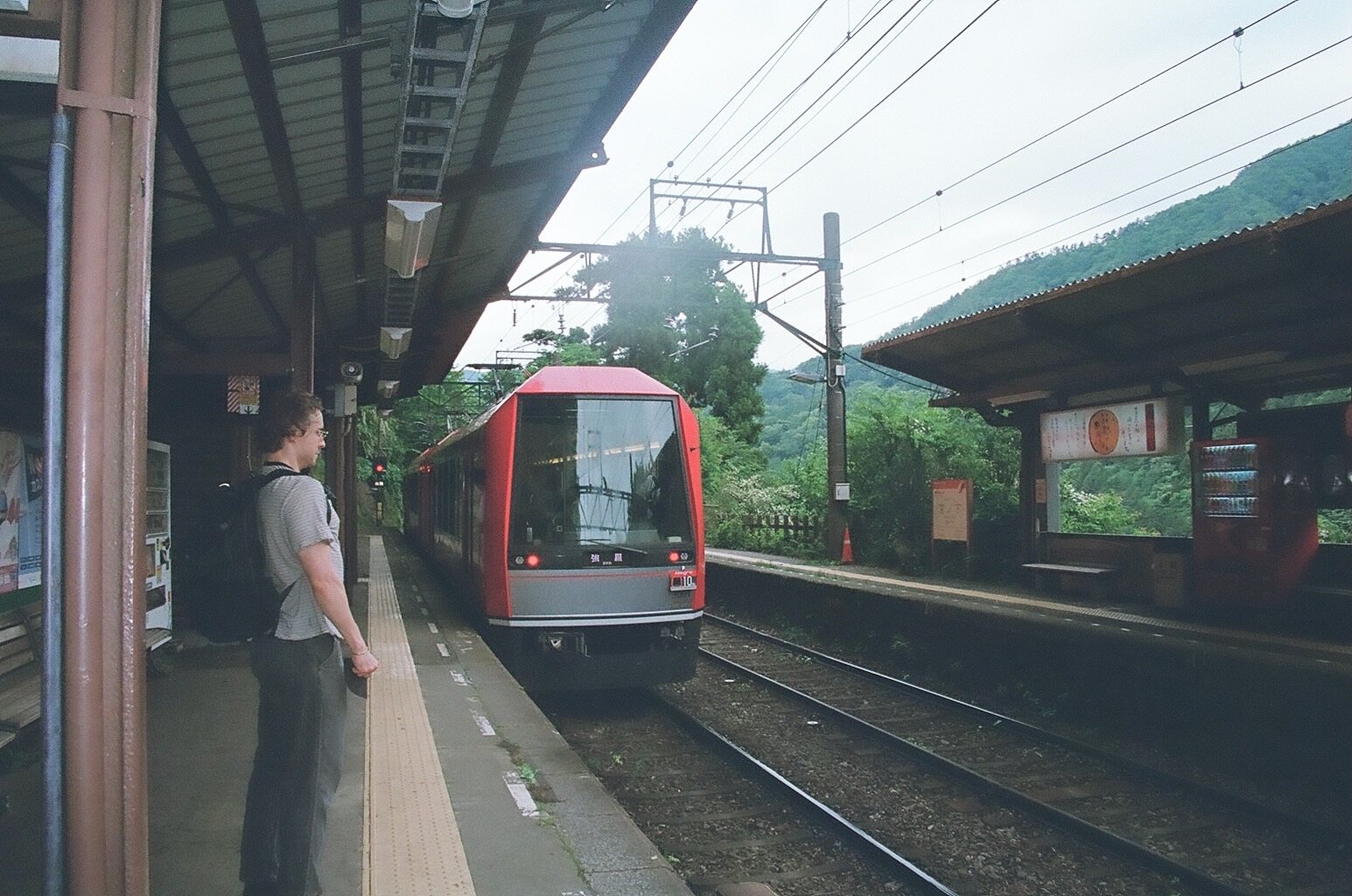
For a first trip to Japan, I recommend 14 days if you can. That is long enough to see Tokyo and Kyoto without rushing every day, add one or two places outside the usual first-trip route, and still leave space for meals, shopping, train transfers, and unplanned time.
If you only have 10 days, that can still work. You just need to cut more clearly. If you only have 5 to 7 days, I suggest keeping the trip simple instead of trying to force a full Tokyo-Kyoto-Osaka route into too little time.
Where you are coming from also changes the advice. If you live in Southeast Asia or somewhere with shorter, cheaper flights to Japan, a 5-day or 7-day trip can make sense. If you are coming from Europe, North America, or Australia and may not come back soon, I would try harder to secure at least two weeks.
- At a Glance
- Quick Answer: How Many Days in Japan Is Enough?
- Japan Trip Length Comparison
- Count Full Days, Not Just Calendar Days
- If You Have 5 Days in Japan
- If You Have 7 Days in Japan
- If You Have 10 Days in Japan
- If You Have 12 to 14 Days in Japan
- If You Have 21 Days or More
- How Trip Length Changes Your Route
- Which Trip Length Should You Choose?
- FAQ
- Next Step After Choosing Your Trip Length
Some links on YavaJapan are affiliate links. If you book or buy through them, I may earn a small commission at no extra cost to you. It helps support the site, and I only link to places, stays, and experiences I genuinely think are worth recommending.
At a Glance
- Best default for a first trip: 14 days.
- Best shorter option: 10 days, with roughly 70% classic route and 30% outside the usual first-trip route.
- Best very short option: 5 days in one city or one region.
- 7 full days can work for Tokyo and Kyoto, but it is a faster trip.
- 21 days gives you room for a real regional branch beyond the usual first-trip route.
- Do not count arrival and departure days as full sightseeing days unless your flight times are unusually good.
Quick Answer: How Many Days in Japan Is Enough?
For most first-time travelers, 10 to 14 days is the useful range. Ten days is enough to have a good trip. Fourteen days is better if you can take the time.
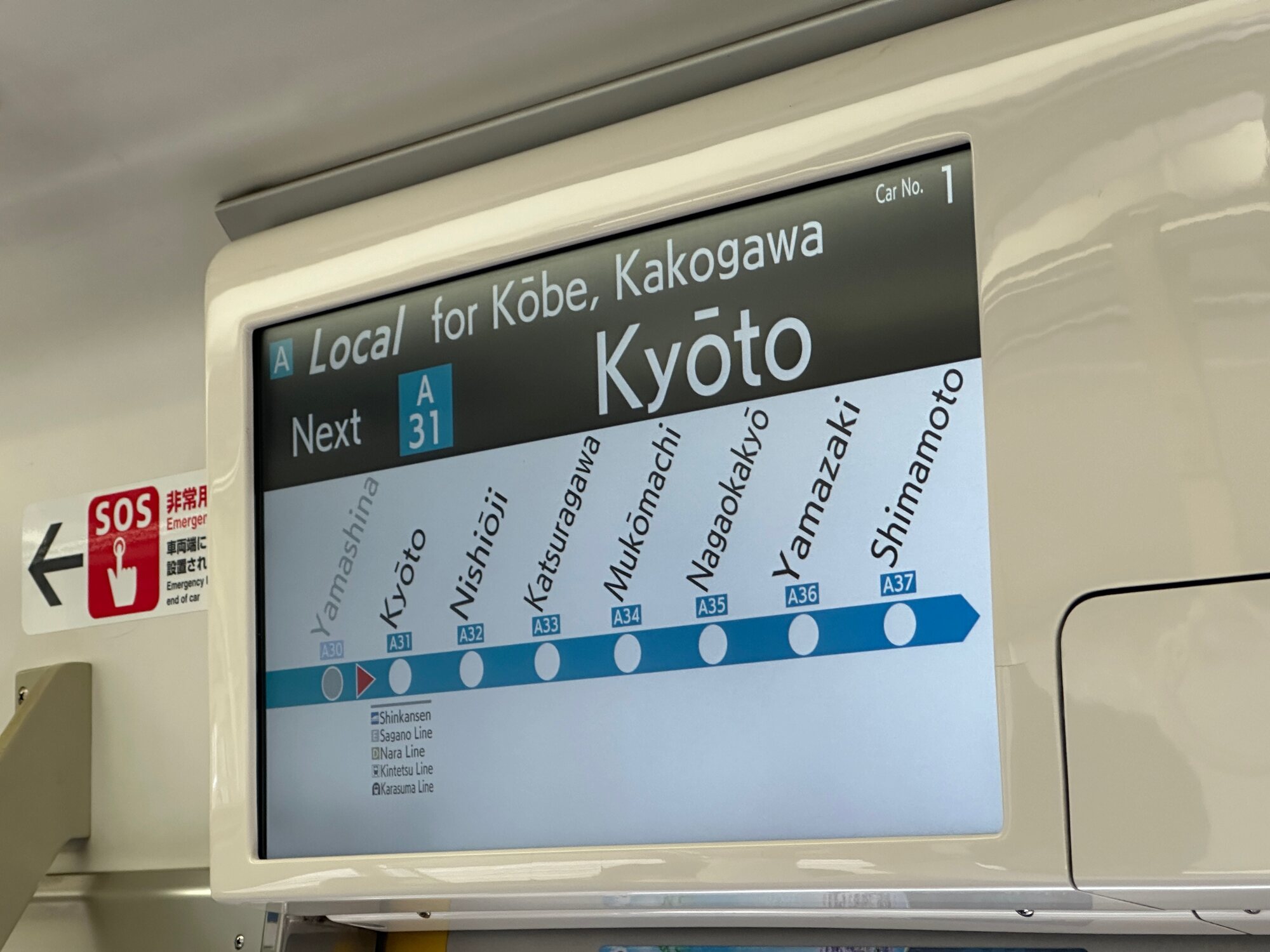
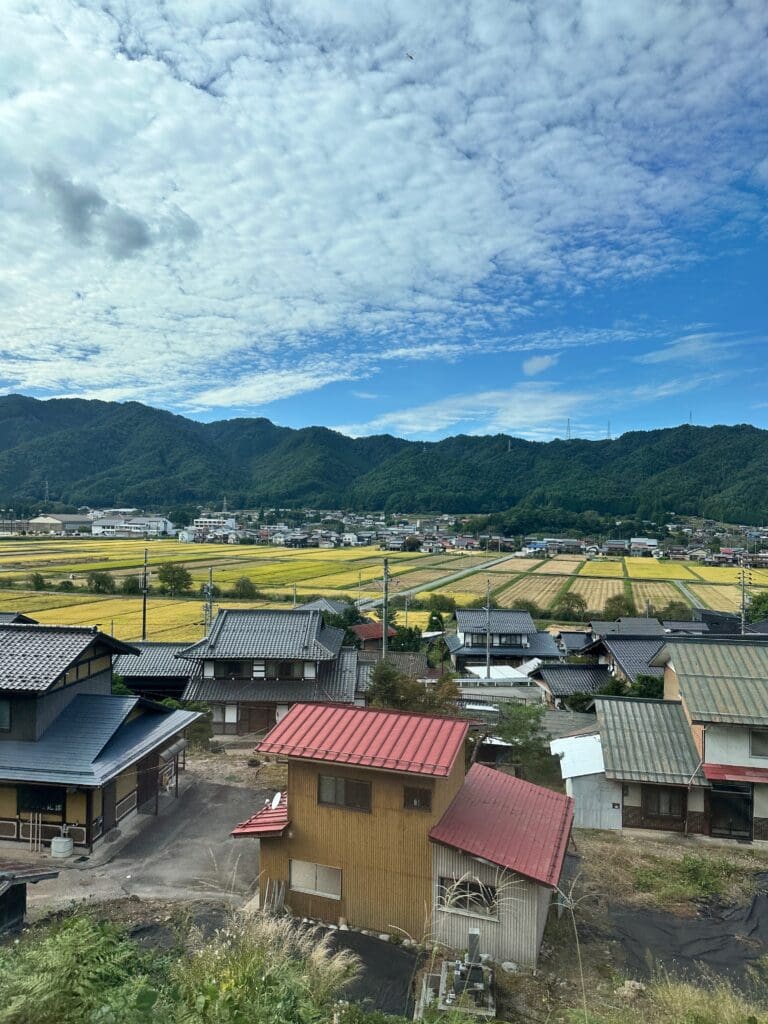
With 10 days, I recommend my 70/30 rule: spend about 70% of the trip on Tokyo, Kyoto, and the easiest classic stops, then spend about 30% outside the usual first-trip route. That could be Omihachiman near Kyoto or a Seto Inland Sea stop if your route already goes west. A ryokan (traditional Japanese inn) night in Kyoto can fit inside the classic 70%, because Kyoto is already on most first-trip routes.
With 14 days, the 70/30 rule becomes easier to do well. Spend 70% of the trip on Tokyo, Kyoto, Osaka, Nara, and the other classic stops you care about most. Then use the remaining 30% for one less obvious branch, such as a few days around the Seto Inland Sea, a small historic town near Kyoto, or another region that fits your route.
More than 14 days can work very well. If you can take 3 weeks or even a month, Japan can easily fill that time. Use the extra days for better pacing and stronger choices rather than extra hotel changes.
Japan Trip Length Comparison
| Trip Length | Best For | Simple Route Idea | Main Limit |
|---|---|---|---|
| 5 days | One city or one compact region | Tokyo only, or Kyoto/Osaka only | Too short for a normal Tokyo-Kyoto split |
| 7 full days | A short first trip with two anchors | 4 days Tokyo, 3 days Kyoto | Little spare room for Osaka, Hakone, or Hiroshima |
| 10 days | A selective first-time route | Tokyo, Kyoto, and one small off-route choice | Easy to overload if you keep adding famous places |
| 12 days | A more comfortable short route | Tokyo, Kyoto, Osaka/Nara, and one short off-route branch | Still not enough for every classic stop |
| 14 days | Best default for many first-timers | 70% classic route, 30% somewhere less obvious | Still needs clear priorities |
| 21 days | Classic route plus one real region | Tokyo/Kyoto plus Kyushu in southern Japan, Tohoku in the north, Setouchi around the Seto Inland Sea, or another branch | Can become tiring if you move too often |
| 21+ days | Travelers with rare long leave | A slower countrywide or regional trip | Still not enough to see everything |
Use this table as a starting point, not a rule. A 7-day trip from Singapore is different from a 7-day trip from New York. A 14-day trip with young children is different from a 14-day solo trip. The right number depends on flights, energy, budget, and how much you care about returning later.
Count Full Days, Not Just Calendar Days
When people say they have 10 days in Japan, they often mean 10 calendar days, not 10 full travel days.
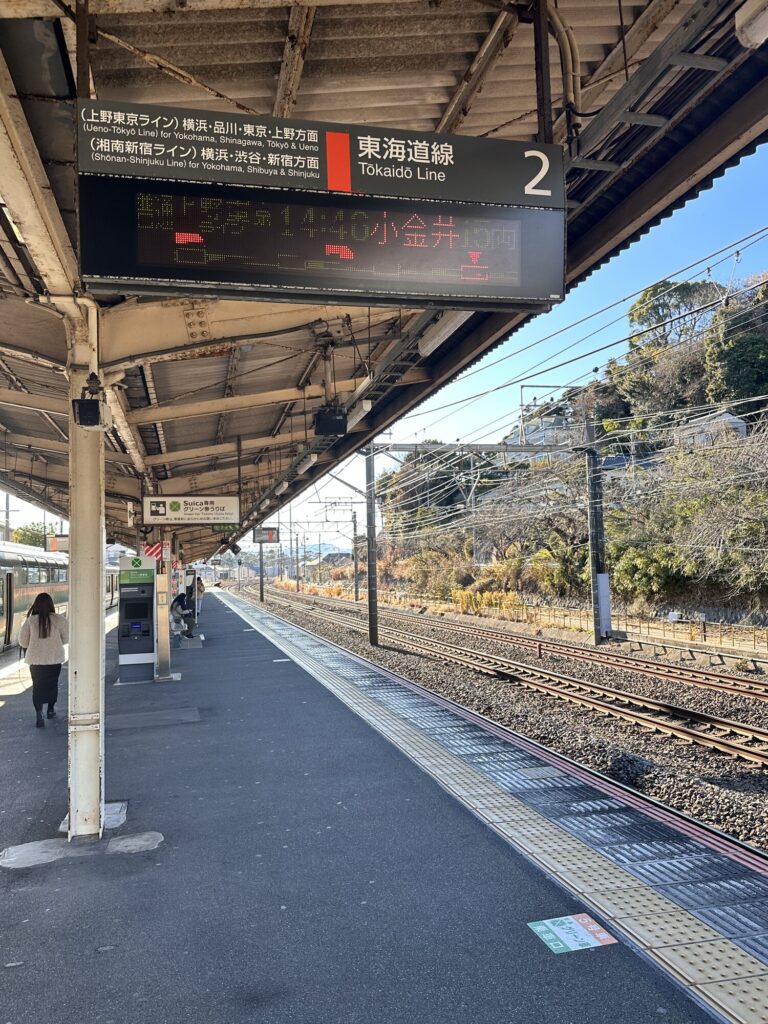
That makes a big difference. If you land in Tokyo at 17:00 on day one and leave from Kansai Airport at 11:00 on day 10, you do not really have 10 full days. You may have 8 usable days, plus one tired arrival evening and one departure morning.
Train rides also take more than the time on the train. Tokyo to Kyoto can be fast by bullet train, but you still need to check out, reach the station, find the platform, move luggage, arrive, get to the next hotel, and check in. Even an easy transfer can take a half day once you include the parts around it.
This is why I usually recommend fewer bases than people expect. Two or three bases can work well. Four or five bases on a short first trip can make the route look exciting on paper and tiring once you are carrying bags through stations.
This is also one of the mistakes I talk about in my guide to Japan travel mistakes first-time visitors make: too many plans can turn the trip into transport, queues, and checking in again.
If You Have 5 Days in Japan
With 5 days, I recommend choosing one city or one compact region.
For most first-time travelers, that probably means Tokyo. Tokyo has enough for 5 days without running out of useful things to do: Shibuya, Shinjuku, Asakusa, Ueno, Harajuku, Omotesando, museums, shopping, food, and maybe one day trip if you really want it.
Kyoto and Osaka can also work if you land in Kansai, the region around those two cities, or if temples, old streets, food, and short day trips are your priority. Choose Kyoto as the base if temples and old neighborhoods are the main draw. Choose Osaka if food, nightlife, shopping, or Universal Studios Japan is the main reason for the trip.
I would not normally recommend Tokyo plus Kyoto for a 5-day first trip. It is possible, but the transfer uses too much of a short trip. If those 5 days are part of a stopover or a nearby short break, that is fine. If you are flying from far away, I would either make it a Tokyo trip or wait until you can take more time.
If You Have 7 Days in Japan
Seven full days can work for Tokyo and Kyoto.
A simple version would be 4 days in Tokyo and 3 days in Kyoto. That gives you the two clearest first-trip anchors without adding Osaka, Hakone, Nara, Hiroshima, and Kanazawa on top.
If your trip is 7 calendar days including flights, I would be more careful. You may only have 5 full days, and that pushes the trip closer to the 5-day advice above.
For 7 full days, Osaka or Nara can still fit if you keep it light. Nara is easier as a day trip from Kyoto. Osaka can work as an evening or day trip if you care about food, nightlife, shopping, or Universal Studios Japan. I would not add a separate Osaka hotel stay unless there is a clear reason.
If you are coming from somewhere nearby and can return to Japan later, a 7-day Tokyo-Kyoto trip can be a good first taste. If you are coming from far away and this may be your only Japan trip for years, I would try to stretch it to 10 or 14 days.
If You Have 10 Days in Japan
Ten days is a good first-trip length if you are selective.
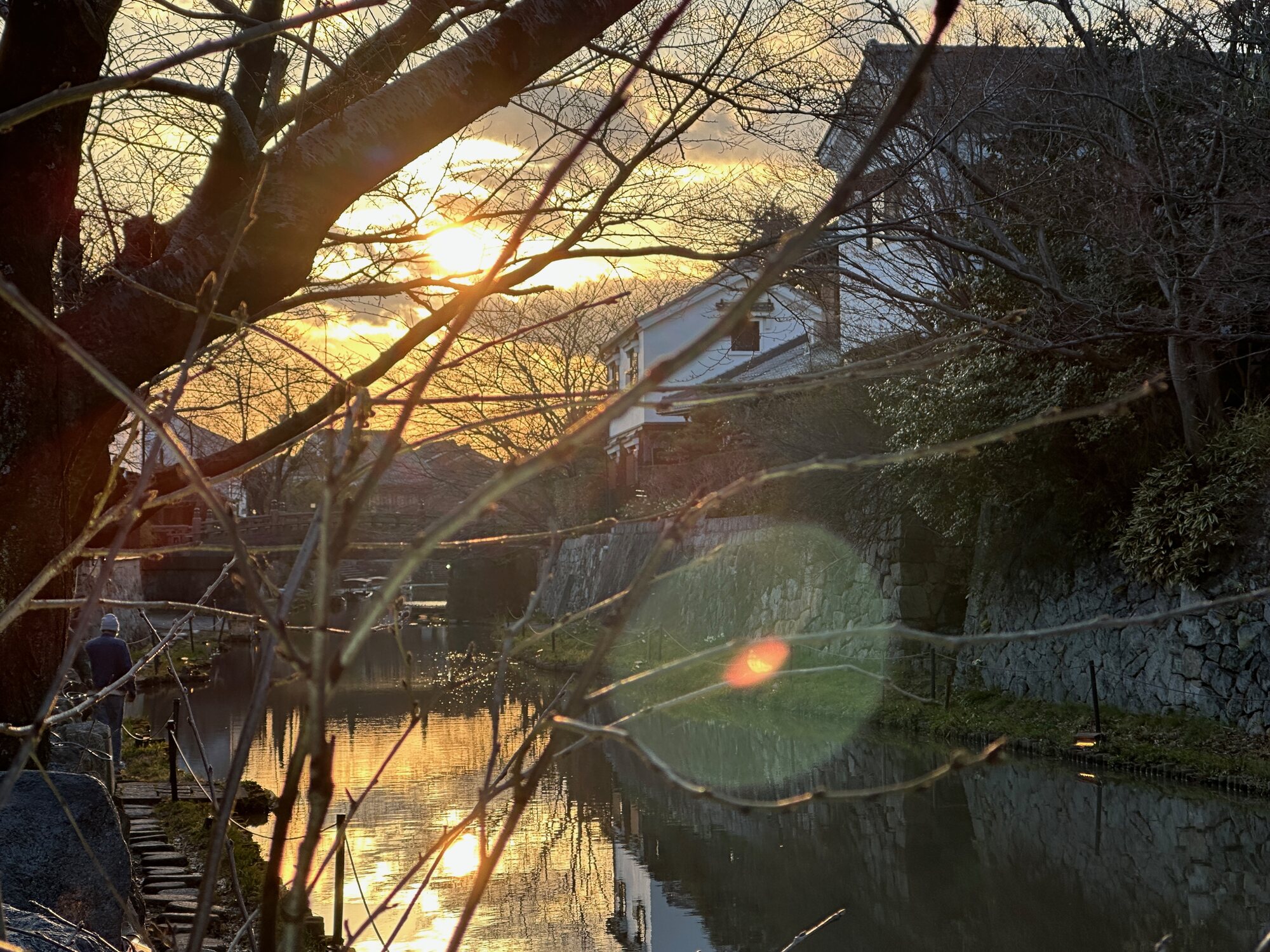
For most people, I would start with Tokyo and Kyoto, then apply the 70/30 rule. Keep about 70% of the trip on the easiest first-trip route, then use the remaining 30% for one less obvious place that fits the same direction.
That could mean:
- Kyoto plus Omihachiman, a small historic town nearby, instead of adding several famous day trips
- a Seto Inland Sea stop if your route already goes west
- one small branch that does not create a second long transfer
A traditional ryokan stay in Kyoto can still work, but it belongs inside the classic 70% because Kyoto is already part of the usual first-trip route.
The mistake is counting top destinations outside Tokyo, Kyoto, and Osaka as the 30%. Nara, Hakone, Mount Fuji, Hiroshima, Miyajima, and Kanazawa are all part of the usual first-trip map. They can be good choices, but they belong in the classic 70%, not in the part of the trip that goes beyond the classic route.
If you have 10 days and want a ready-made route, start with my 10-day Japan itinerary for first-time visitors. That article is more detailed and focuses on what to see and what to cut.
For 10 days, my usual advice is to cut one classic stop before adding a new one. If Osaka food and nightlife are important, keep Osaka inside the classic 70%. If a traditional stay is the priority, put the ryokan night inside Kyoto or another classic stop. Then keep the 30% for a smaller town or a different region outside the usual first-trip map.
If You Have 12 to 14 Days in Japan
This is the range I like best for many first-time travelers.
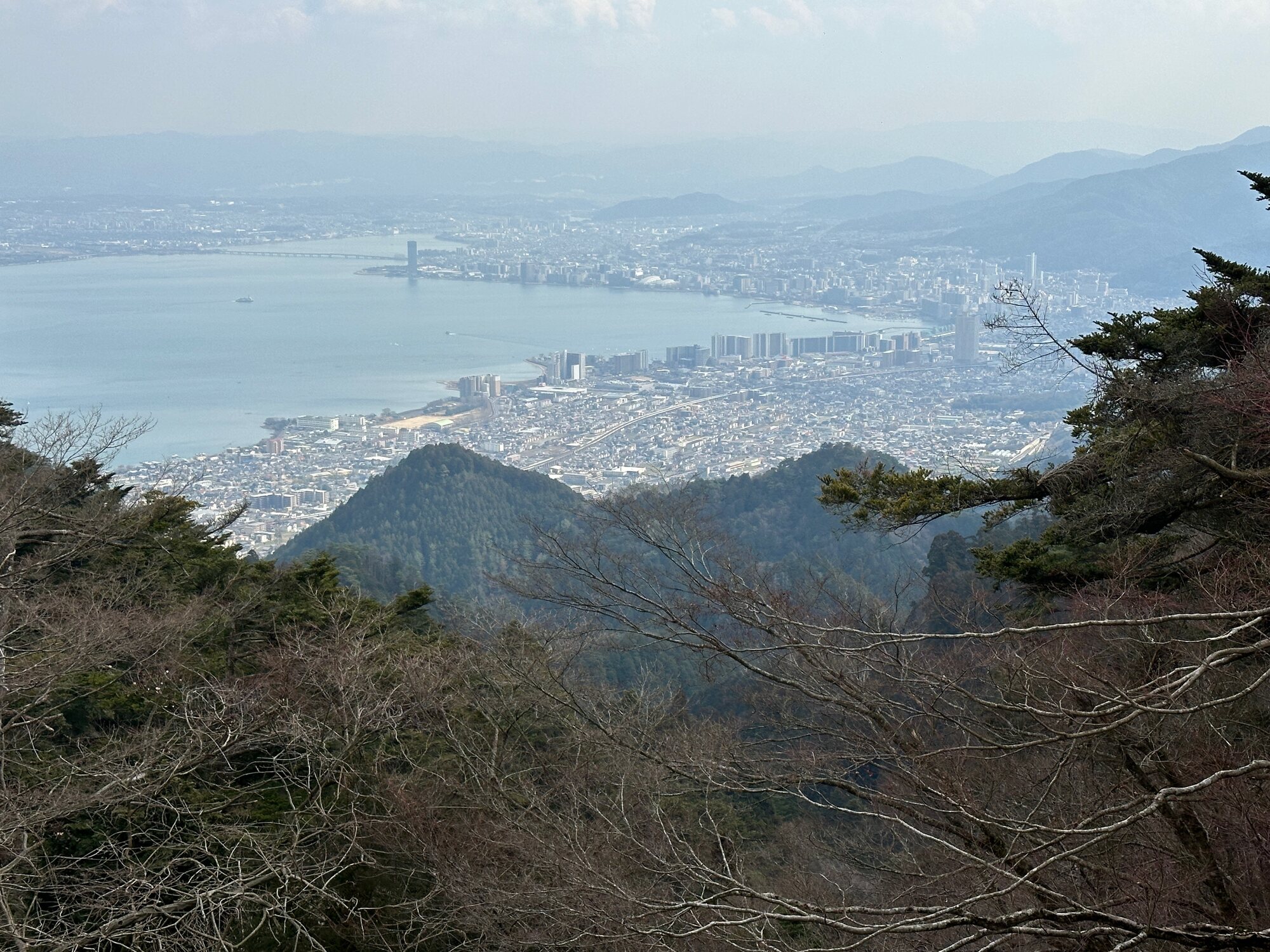
With 12 days, the trip is noticeably easier than 10. You can give Tokyo and Kyoto more room and add one small off-route choice without squeezing every day. It still requires choices, but the route has more breathing room.
With 14 days, you can build a strong first trip around the 70/30 rule. A normal version might use Tokyo, Kyoto, Osaka, Nara, Hakone, Mount Fuji, Hiroshima and Miyajima, or Kanazawa for the classic 70%, then give the remaining 30% to one less obvious branch.
That 30% could be a canal town near Lake Biwa, a few days around the Seto Inland Sea, a smaller old town, or another region that gives you a different view of Japan. Use that part of the trip for somewhere outside the usual first-trip route, not for adding more famous names.
If you want the detailed version, use my 14-day Japan itinerary. If you are still checking whether the trip is financially realistic, my two-week Japan budget guide and Japan trip cost calculator are better next steps than guessing from random budgets online.
If You Have 21 Days or More
With 21 days, you can stop thinking only in terms of “Tokyo, Kyoto, and what else?”
For a 3-week first trip, I would often move closer to 50/50: about half the trip on the classic first-trip route, and about half in one stronger region or branch.
That could mean Tokyo and Kyoto plus Kyushu in southern Japan. It could mean Tokyo, Kyoto, and a Setouchi route around the Seto Inland Sea through places like Hiroshima, Onomichi, Kurashiki, or Iwakuni. It could mean adding Tohoku in northern Honshu, Hokkaido in summer, Shikoku, or another region that fits your season and interests.
The important thing is to keep the route coherent. A 21-day trip should not turn into 10 hotel changes just because there is more time. Use the extra days for fewer rushed mornings, longer stays in places you actually care about, and enough space to change plans when a day is going well.
If you are still deciding which region deserves those extra days, start with my guide to where to go in Japan.
How Trip Length Changes Your Route
Trip length changes how much of Japan you should try to include.
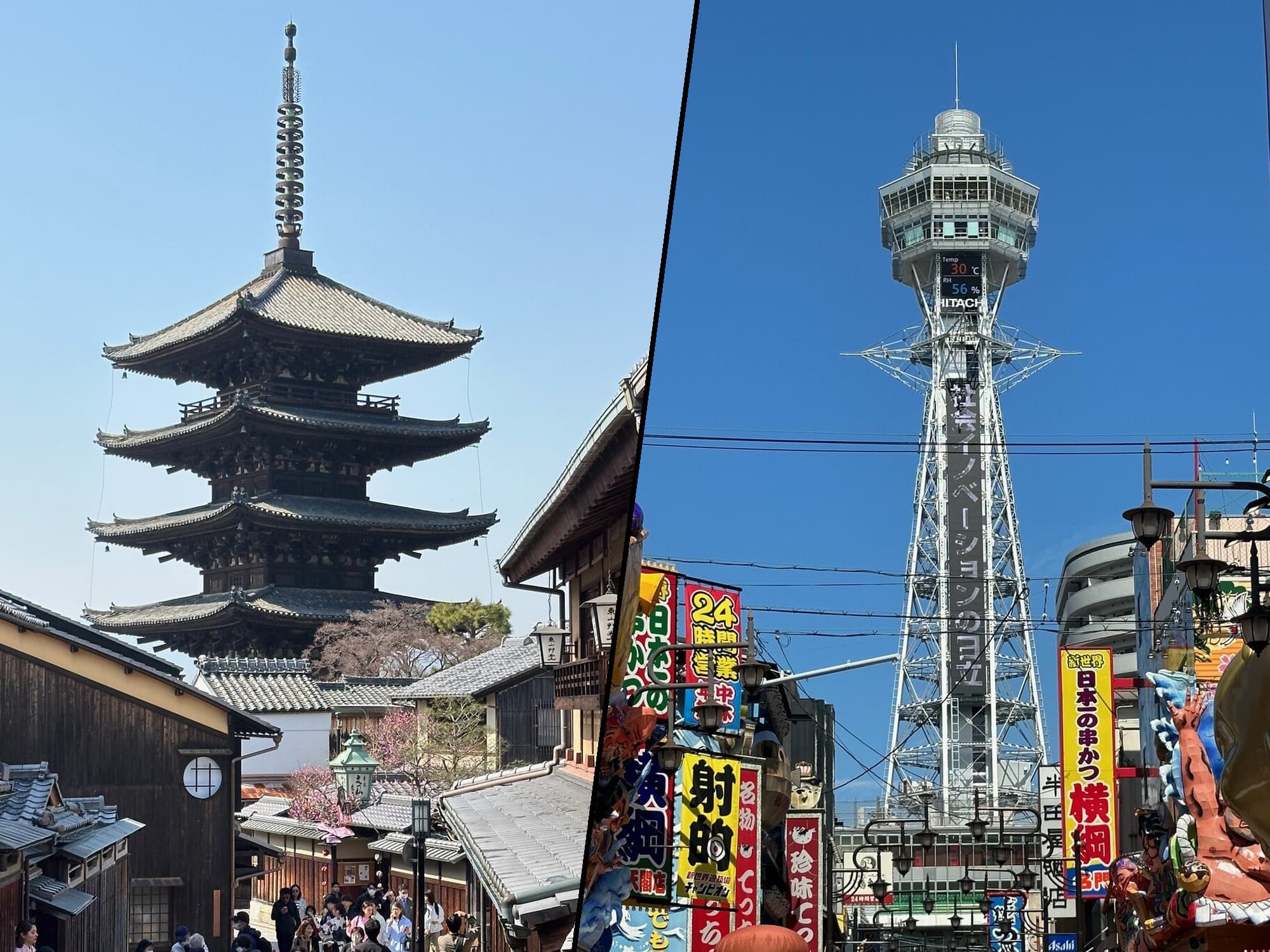
For less than 10 days, keep the route mostly classic and simple. Tokyo and Kyoto already give you a lot. If you add more, make it something nearby and easy.
From 10 to 14 days, I recommend my 70/30 rule. Keep most of the trip on the classic route and usual first-trip choices, then use a smaller part of the trip for one place outside that route.
For 21 days, you can make that split closer to 50/50. You still do not need to see everything. You just have enough time to give one region several days instead of squeezing it between long train rides.
When I say classic route, I mean places such as Tokyo, Kyoto, Osaka, Nara, Hakone, Mount Fuji, Hiroshima and Miyajima, Kanazawa, and common day trips like Kamakura or Uji. These places can be excellent. They are just not the whole country.
For the less obvious part, choose one direction instead of collecting unrelated stops across Japan. That might mean a Seto Inland Sea branch with Onomichi, Kurashiki, or Iwakuni; a Kyushu branch with towns such as Hita; or a rural old-town stop such as Omihachiman or Uchiko if it fits the route.
If you are still deciding whether to stay classic or go beyond it, read my guide to the Japan Golden Route.
Which Trip Length Should You Choose?
Choose 5 to 7 days if time is fixed, flights are short, or you are comfortable using this as a first taste of Japan.
Choose 10 days if that is the realistic limit and you are willing to make clear cuts. A good 10-day trip is much better than a crowded 10-day trip that tries to act like 14 days.
Choose 14 days if you are coming from far away, have enough vacation time, and may not return soon. This is the trip length I would recommend to most long-haul first-timers who can make it work.
Choose 21 days or more if you want the classic first-trip experience plus one real regional branch. This is also better if you dislike rushing, want more time for food and stays, or want to spend several days outside the usual first-trip route.
If you are unsure, choose fewer places and more time in each place. Japan is not going anywhere, and a first trip does not need to prove anything.
FAQ
Is 7 Days Enough for Japan?
Yes, 7 full days is enough for a short first trip if you keep it simple. I would usually choose Tokyo and Kyoto, or one region only if your arrival and departure days reduce the real travel time.
Is 10 Days Enough for a First Trip to Japan?
Yes, 10 days is enough for a first trip to Japan, but it is not enough for every famous stop. I suggest using Tokyo and Kyoto as the anchors, then applying the 70/30 rule: mostly classic route, with one smaller place outside the usual first-trip map.
Is Two Weeks Too Long for Japan?
No. Two weeks is my default recommendation for many first-time travelers. It gives you more room to enjoy the trip instead of spending every day moving.
Is 3 Weeks Too Long for Japan?
No. Three weeks is a great length if you can take the time. I would use it for the classic route plus one stronger regional branch, not for a long list of one-night stops.
Should I Buy a JR Pass for a Longer Trip?
Maybe, but decide after you know your route. The Japan Rail Pass can make sense for some long-distance routes, but the value depends on which cities you visit. Use a calculator once you know your route. YavaJapan has a JR Pass calculator for this.
Next Step After Choosing Your Trip Length
Once you know how many days you have, choose the next planning page based on your situation:
- If you have 10 days, read my 10-day Japan itinerary.
- If you have about 14 days, read my 14-day Japan itinerary.
- If you are still choosing destinations, start with where to go in Japan.
- If you are deciding whether to follow the classic route, read the Japan Golden Route guide.
- If you need to check the budget, use the Japan trip cost calculator.
- If you want to organize route, hotels, trains, bookings, and costs in one place, look at my Japan Travel Planner Google Sheets.
The exact route can come later. First, choose a trip length that gives you enough time to enjoy the places you keep.
Comments are closed.