Tag

Golden Route

Browsing

For a first trip to Japan, I recommend 14 days if you can. That is long enough to see Tokyo and Kyoto without rushing every day, add one or two places outside the usual first-trip route, and still leave space for meals, shopping, train transfers, and unplanned time.

If you only have 10 days, that can still work. You just need to cut more clearly. If you only have 5 to 7 days, I suggest keeping the trip simple instead of trying to force a full Tokyo-Kyoto-Osaka route into too little time.

Where you are coming from also changes the advice. If you live in Southeast Asia or somewhere with shorter, cheaper flights to Japan, a 5-day or 7-day trip can make sense. If you are coming from Europe, North America, or Australia and may not come back soon, I would try harder to secure at least two weeks.

Some links on YavaJapan are affiliate links. If you book or buy through them, I may earn a small commission at no extra cost to you. It helps support the site, and I only link to places, stays, and experiences I genuinely think are worth recommending.

At a Glance

  • Best default for a first trip: 14 days.
  • Best shorter option: 10 days, with roughly 70% classic route and 30% outside the usual first-trip route.
  • Best very short option: 5 days in one city or one region.
  • 7 full days can work for Tokyo and Kyoto, but it is a faster trip.
  • 21 days gives you room for a real regional branch beyond the usual first-trip route.
  • Do not count arrival and departure days as full sightseeing days unless your flight times are unusually good.

Quick Answer: How Many Days in Japan Is Enough?

For most first-time travelers, 10 to 14 days is the useful range. Ten days is enough to have a good trip. Fourteen days is better if you can take the time.
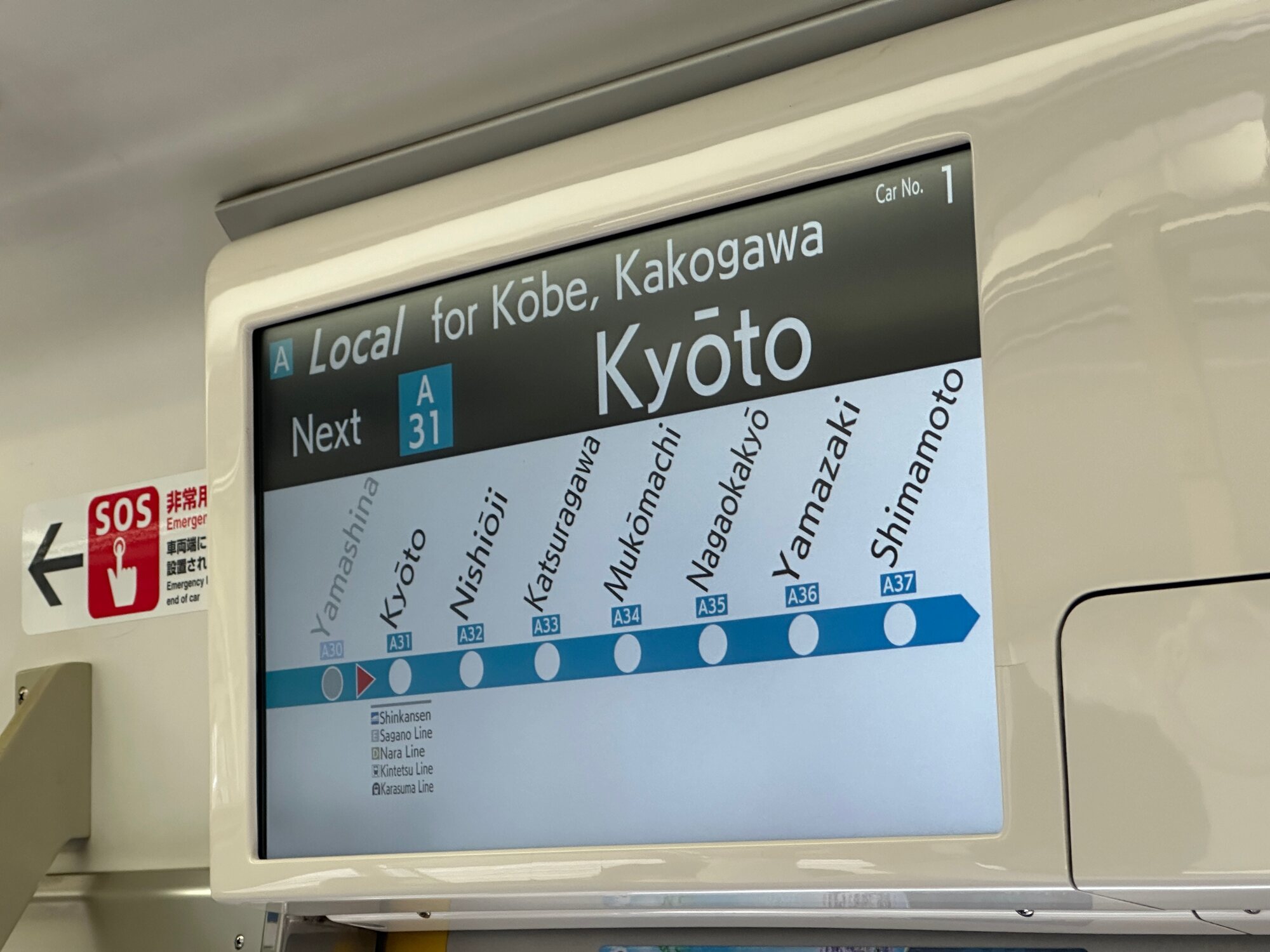
Train car display showing route information for Kyoto, with the next stop for Kobe and Kakogawa
Route choices matter more than adding one more stop.

With 10 days, I recommend my 70/30 rule: spend about 70% of the trip on Tokyo, Kyoto, and the easiest classic stops, then spend about 30% outside the usual first-trip route. That could be Omihachiman near Kyoto or a Seto Inland Sea stop if your route already goes west. A ryokan (traditional Japanese inn) night in Kyoto can fit inside the classic 70%, because Kyoto is already on most first-trip routes.

With 14 days, the 70/30 rule becomes easier to do well. Spend 70% of the trip on Tokyo, Kyoto, Osaka, Nara, and the other classic stops you care about most. Then use the remaining 30% for one less obvious branch, such as a few days around the Seto Inland Sea, a small historic town near Kyoto, or another region that fits your route.

More than 14 days can work very well. If you can take 3 weeks or even a month, Japan can easily fill that time. Use the extra days for better pacing and stronger choices rather than extra hotel changes.

Japan Trip Length Comparison

Trip LengthBest ForSimple Route IdeaMain Limit
5 daysOne city or one compact regionTokyo only, or Kyoto/Osaka onlyToo short for a normal Tokyo-Kyoto split
7 full daysA short first trip with two anchors4 days Tokyo, 3 days KyotoLittle spare room for Osaka, Hakone, or Hiroshima
10 daysA selective first-time routeTokyo, Kyoto, and one small off-route choiceEasy to overload if you keep adding famous places
12 daysA more comfortable short routeTokyo, Kyoto, Osaka/Nara, and one short off-route branchStill not enough for every classic stop
14 daysBest default for many first-timers70% classic route, 30% somewhere less obviousStill needs clear priorities
21 daysClassic route plus one real regionTokyo/Kyoto plus Kyushu in southern Japan, Tohoku in the north, Setouchi around the Seto Inland Sea, or another branchCan become tiring if you move too often
21+ daysTravelers with rare long leaveA slower countrywide or regional tripStill not enough to see everything

Use this table as a starting point, not a rule. A 7-day trip from Singapore is different from a 7-day trip from New York. A 14-day trip with young children is different from a 14-day solo trip. The right number depends on flights, energy, budget, and how much you care about returning later.

Count Full Days, Not Just Calendar Days

When people say they have 10 days in Japan, they often mean 10 calendar days, not 10 full travel days.
That makes a big difference. If you land in Tokyo at 17:00 on day one and leave from Kansai Airport at 11:00 on day 10, you do not really have 10 full days. You may have 8 usable days, plus one tired arrival evening and one departure morning.

Train rides also take more than the time on the train. Tokyo to Kyoto can be fast by bullet train, but you still need to check out, reach the station, find the platform, move luggage, arrive, get to the next hotel, and check in. Even an easy transfer can take a half day once you include the parts around it.

This is why I usually recommend fewer bases than people expect. Two or three bases can work well. Four or five bases on a short first trip can make the route look exciting on paper and tiring once you are carrying bags through stations.

This is also one of the mistakes I talk about in my guide to Japan travel mistakes first-time visitors make: too many plans can turn the trip into transport, queues, and checking in again.

If You Have 5 Days in Japan

With 5 days, I recommend choosing one city or one compact region.

For most first-time travelers, that probably means Tokyo. Tokyo has enough for 5 days without running out of useful things to do: Shibuya, Shinjuku, Asakusa, Ueno, Harajuku, Omotesando, museums, shopping, food, and maybe one day trip if you really want it.

Kyoto and Osaka can also work if you land in Kansai, the region around those two cities, or if temples, old streets, food, and short day trips are your priority. Choose Kyoto as the base if temples and old neighborhoods are the main draw. Choose Osaka if food, nightlife, shopping, or Universal Studios Japan is the main reason for the trip.

I would not normally recommend Tokyo plus Kyoto for a 5-day first trip. It is possible, but the transfer uses too much of a short trip. If those 5 days are part of a stopover or a nearby short break, that is fine. If you are flying from far away, I would either make it a Tokyo trip or wait until you can take more time.

If You Have 7 Days in Japan

Seven full days can work for Tokyo and Kyoto.

A simple version would be 4 days in Tokyo and 3 days in Kyoto. That gives you the two clearest first-trip anchors without adding Osaka, Hakone, Nara, Hiroshima, and Kanazawa on top.

If your trip is 7 calendar days including flights, I would be more careful. You may only have 5 full days, and that pushes the trip closer to the 5-day advice above.

For 7 full days, Osaka or Nara can still fit if you keep it light. Nara is easier as a day trip from Kyoto. Osaka can work as an evening or day trip if you care about food, nightlife, shopping, or Universal Studios Japan. I would not add a separate Osaka hotel stay unless there is a clear reason.

If you are coming from somewhere nearby and can return to Japan later, a 7-day Tokyo-Kyoto trip can be a good first taste. If you are coming from far away and this may be your only Japan trip for years, I would try to stretch it to 10 or 14 days.

If You Have 10 Days in Japan

Ten days is a good first-trip length if you are selective.
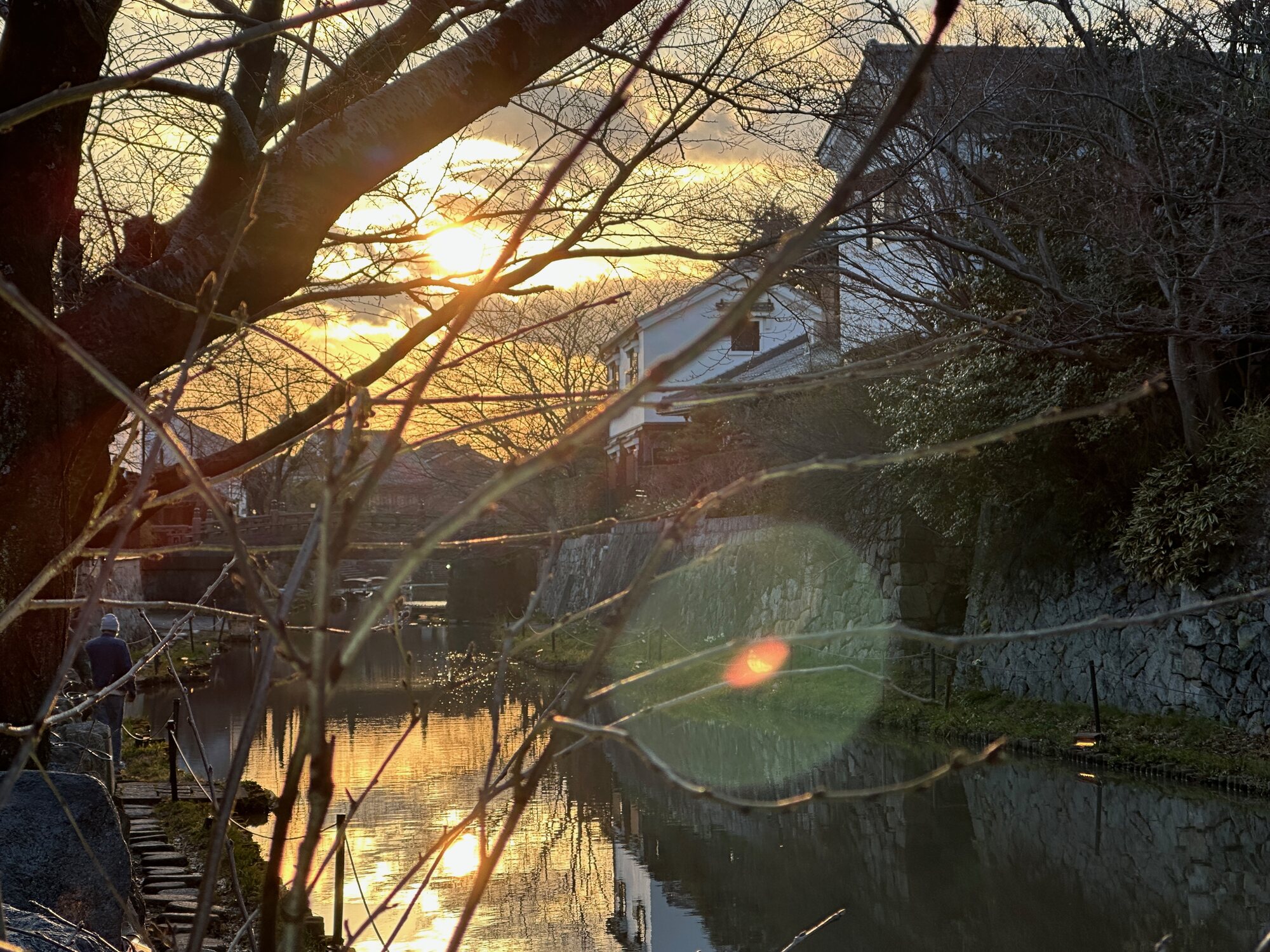
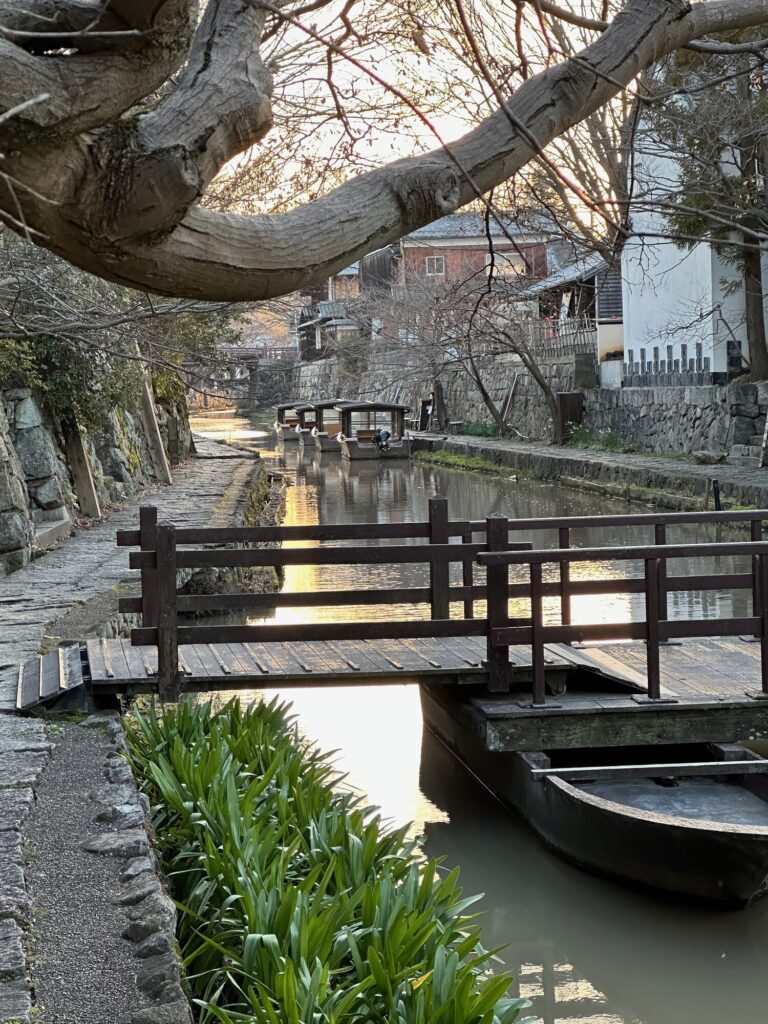
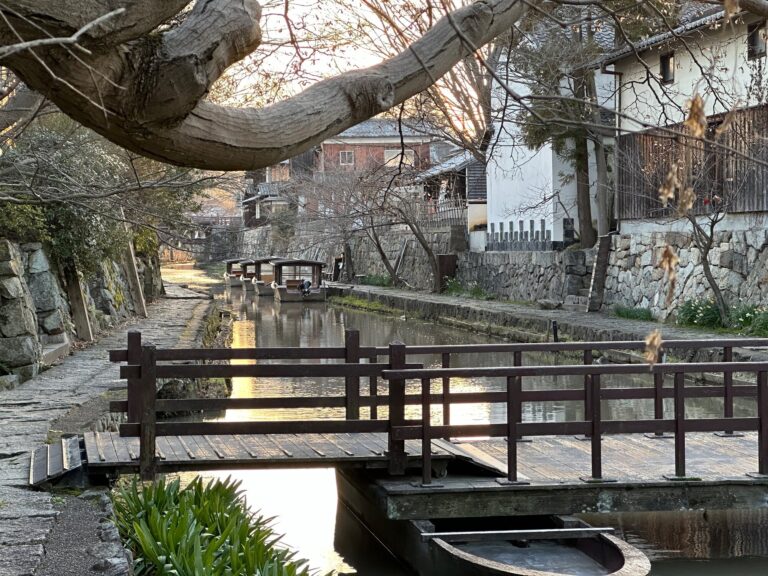
Sunset view over the canal in Omi-Hachiman, with a white building and trees along the water reflecting the sky.
Omi-Hachiman is one example of the 30% part: close to Kyoto, but quieter than the classic route.

For most people, I would start with Tokyo and Kyoto, then apply the 70/30 rule. Keep about 70% of the trip on the easiest first-trip route, then use the remaining 30% for one less obvious place that fits the same direction.

That could mean:

  • Kyoto plus Omihachiman, a small historic town nearby, instead of adding several famous day trips
  • a Seto Inland Sea stop if your route already goes west
  • one small branch that does not create a second long transfer

A traditional ryokan stay in Kyoto can still work, but it belongs inside the classic 70% because Kyoto is already part of the usual first-trip route.

The mistake is counting top destinations outside Tokyo, Kyoto, and Osaka as the 30%. Nara, Hakone, Mount Fuji, Hiroshima, Miyajima, and Kanazawa are all part of the usual first-trip map. They can be good choices, but they belong in the classic 70%, not in the part of the trip that goes beyond the classic route.

If you have 10 days and want a ready-made route, start with my 10-day Japan itinerary for first-time visitors. That article is more detailed and focuses on what to see and what to cut.

For 10 days, my usual advice is to cut one classic stop before adding a new one. If Osaka food and nightlife are important, keep Osaka inside the classic 70%. If a traditional stay is the priority, put the ryokan night inside Kyoto or another classic stop. Then keep the 30% for a smaller town or a different region outside the usual first-trip map.

If You Have 12 to 14 Days in Japan

This is the range I like best for many first-time travelers.
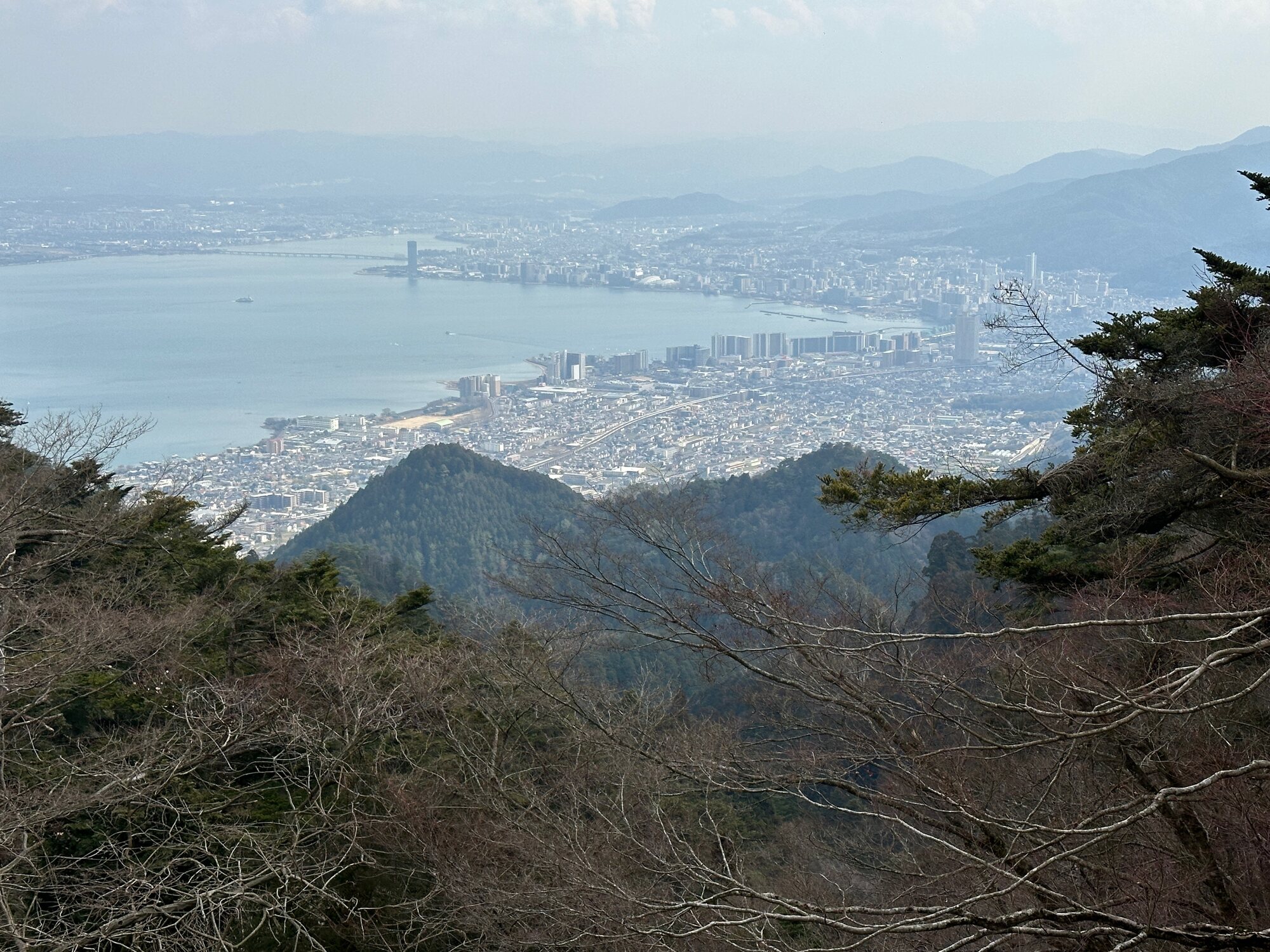
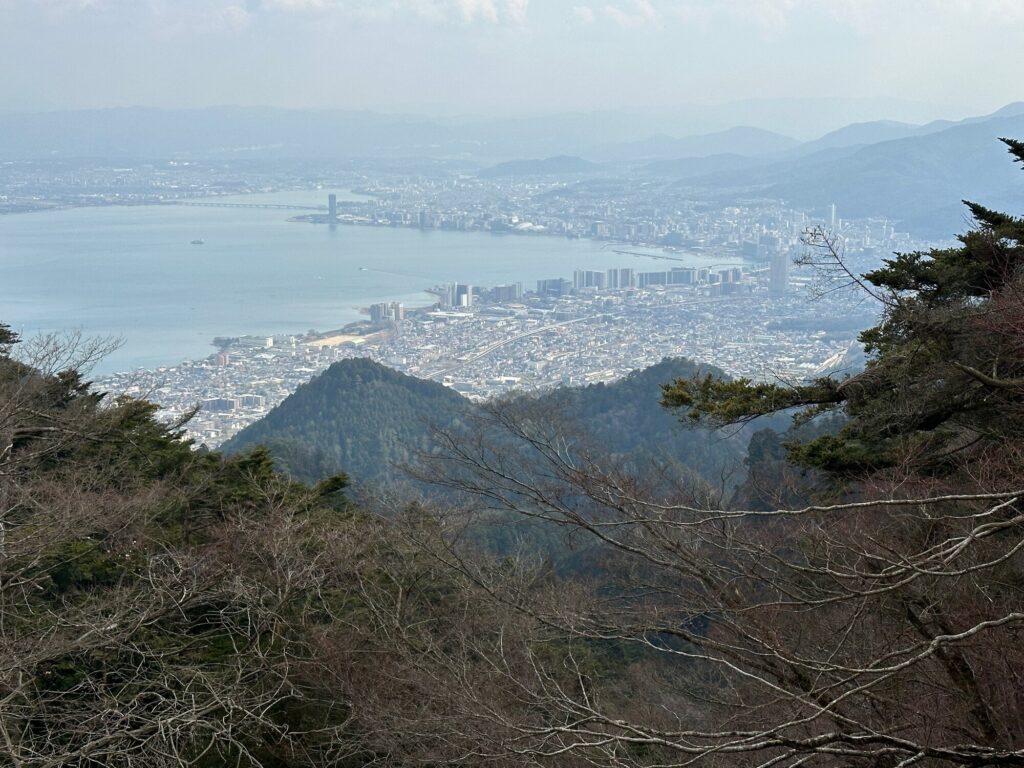
View over Lake Biwa and Otsu city from a mountainside lookout, with pine trees in the foreground and a bridge crossing the lake
Otsu and Lake Biwa can work as a quieter branch near Kyoto.

With 12 days, the trip is noticeably easier than 10. You can give Tokyo and Kyoto more room and add one small off-route choice without squeezing every day. It still requires choices, but the route has more breathing room.

With 14 days, you can build a strong first trip around the 70/30 rule. A normal version might use Tokyo, Kyoto, Osaka, Nara, Hakone, Mount Fuji, Hiroshima and Miyajima, or Kanazawa for the classic 70%, then give the remaining 30% to one less obvious branch.

That 30% could be a canal town near Lake Biwa, a few days around the Seto Inland Sea, a smaller old town, or another region that gives you a different view of Japan. Use that part of the trip for somewhere outside the usual first-trip route, not for adding more famous names.

If you want the detailed version, use my 14-day Japan itinerary. If you are still checking whether the trip is financially realistic, my two-week Japan budget guide and Japan trip cost calculator are better next steps than guessing from random budgets online.

If You Have 21 Days or More

With 21 days, you can stop thinking only in terms of “Tokyo, Kyoto, and what else?”

For a 3-week first trip, I would often move closer to 50/50: about half the trip on the classic first-trip route, and about half in one stronger region or branch.

That could mean Tokyo and Kyoto plus Kyushu in southern Japan. It could mean Tokyo, Kyoto, and a Setouchi route around the Seto Inland Sea through places like Hiroshima, Onomichi, Kurashiki, or Iwakuni. It could mean adding Tohoku in northern Honshu, Hokkaido in summer, Shikoku, or another region that fits your season and interests.

The important thing is to keep the route coherent. A 21-day trip should not turn into 10 hotel changes just because there is more time. Use the extra days for fewer rushed mornings, longer stays in places you actually care about, and enough space to change plans when a day is going well.

If you are still deciding which region deserves those extra days, start with my guide to where to go in Japan.

How Trip Length Changes Your Route

Trip length changes how much of Japan you should try to include.
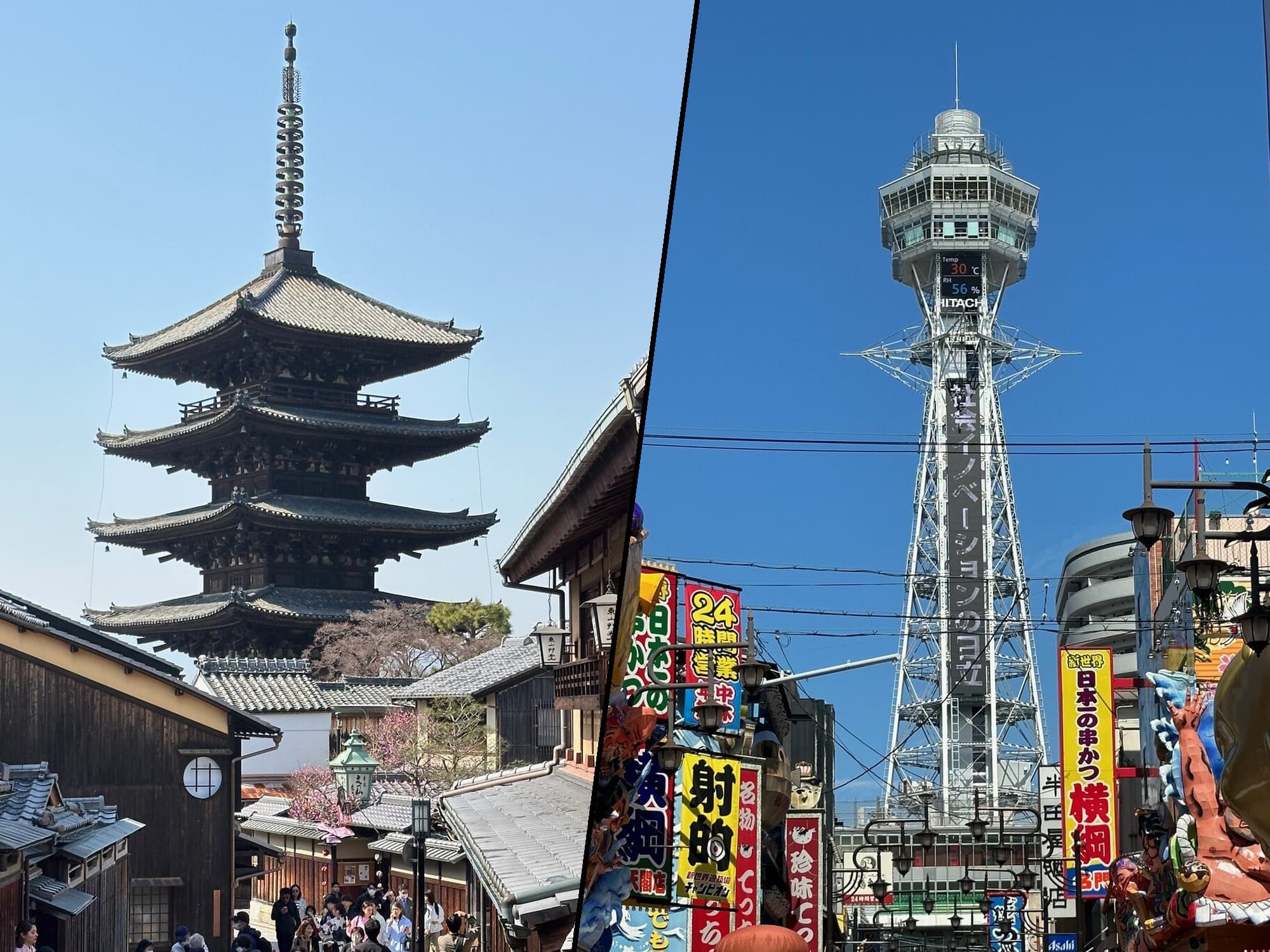
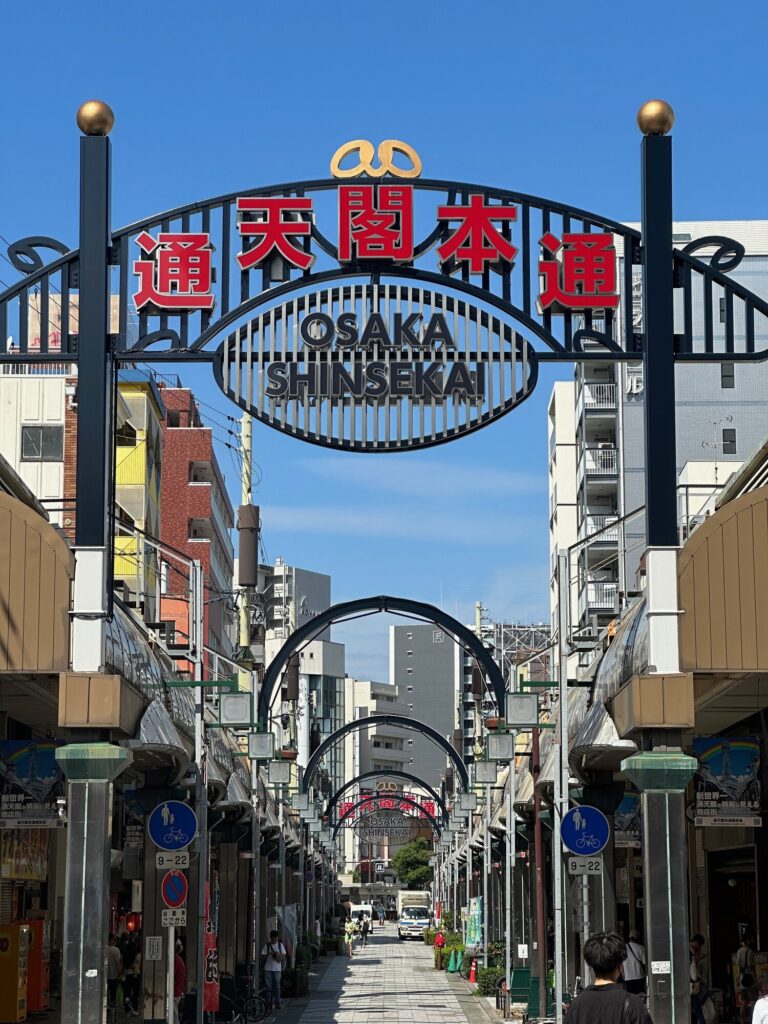
Three-story pagoda roof and Osaka Ferris wheel tower against a clear blue sky in Kyoto and Osaka
For a first trip, Kyoto and Osaka usually belong in the main 70%, not the 30%.

For less than 10 days, keep the route mostly classic and simple. Tokyo and Kyoto already give you a lot. If you add more, make it something nearby and easy.

From 10 to 14 days, I recommend my 70/30 rule. Keep most of the trip on the classic route and usual first-trip choices, then use a smaller part of the trip for one place outside that route.

For 21 days, you can make that split closer to 50/50. You still do not need to see everything. You just have enough time to give one region several days instead of squeezing it between long train rides.

When I say classic route, I mean places such as Tokyo, Kyoto, Osaka, Nara, Hakone, Mount Fuji, Hiroshima and Miyajima, Kanazawa, and common day trips like Kamakura or Uji. These places can be excellent. They are just not the whole country.

For the less obvious part, choose one direction instead of collecting unrelated stops across Japan. That might mean a Seto Inland Sea branch with Onomichi, Kurashiki, or Iwakuni; a Kyushu branch with towns such as Hita; or a rural old-town stop such as Omihachiman or Uchiko if it fits the route.

If you are still deciding whether to stay classic or go beyond it, read my guide to the Japan Golden Route.

Which Trip Length Should You Choose?

Choose 5 to 7 days if time is fixed, flights are short, or you are comfortable using this as a first taste of Japan.

Choose 10 days if that is the realistic limit and you are willing to make clear cuts. A good 10-day trip is much better than a crowded 10-day trip that tries to act like 14 days.

Choose 14 days if you are coming from far away, have enough vacation time, and may not return soon. This is the trip length I would recommend to most long-haul first-timers who can make it work.

Choose 21 days or more if you want the classic first-trip experience plus one real regional branch. This is also better if you dislike rushing, want more time for food and stays, or want to spend several days outside the usual first-trip route.

If you are unsure, choose fewer places and more time in each place. Japan is not going anywhere, and a first trip does not need to prove anything.

FAQ

Is 7 Days Enough for Japan?

Yes, 7 full days is enough for a short first trip if you keep it simple. I would usually choose Tokyo and Kyoto, or one region only if your arrival and departure days reduce the real travel time.

Is 10 Days Enough for a First Trip to Japan?

Yes, 10 days is enough for a first trip to Japan, but it is not enough for every famous stop. I suggest using Tokyo and Kyoto as the anchors, then applying the 70/30 rule: mostly classic route, with one smaller place outside the usual first-trip map.

Is Two Weeks Too Long for Japan?

No. Two weeks is my default recommendation for many first-time travelers. It gives you more room to enjoy the trip instead of spending every day moving.

Is 3 Weeks Too Long for Japan?

No. Three weeks is a great length if you can take the time. I would use it for the classic route plus one stronger regional branch, not for a long list of one-night stops.

Should I Buy a JR Pass for a Longer Trip?

Maybe, but decide after you know your route. The Japan Rail Pass can make sense for some long-distance routes, but the value depends on which cities you visit. Use a calculator once you know your route. YavaJapan has a JR Pass calculator for this.

Next Step After Choosing Your Trip Length

Once you know how many days you have, choose the next planning page based on your situation:

The exact route can come later. First, choose a trip length that gives you enough time to enjoy the places you keep.
For most first-time travelers, I recommend keeping the Japan Golden Route as the main part of the trip, then saving a few days for one place that is not on the normal Tokyo-Kyoto-Osaka route.

My usual rule is 70/30: spend about 70% of the trip on Tokyo, Kyoto, Osaka, and the usual add-on destinations, then spend about 30% somewhere deeper, less obvious. That could mean a canal town near Lake Biwa, a small old town in Shikoku, a few days around the Seto Inland Sea, or a region like Kyushu or Tohoku.

If you have less than 10 days, the 70/30 rule is usually the wrong tool. Keep Tokyo and Kyoto as the base, then add only one nearby choice if it fits, such as Osaka, Nara, Kamakura, or Hakone. Do not add a separate region just to make the trip look different.

If this is your second trip, or if you already know you want fewer tourist-heavy places, you can move closer to 50/50. Experienced travelers who want a regional trip can even go 30/70, with Tokyo or Kyoto as a short anchor rather than the main event.

Some links on YavaJapan are affiliate links. If you book or buy through them, I may earn a small commission at no extra cost to you. It helps support the site, and I only link to places, stays, and experiences I genuinely think are worth recommending.

At a Glance

  • Use 70/30 as the default if this is your first trip and you have 10 days or more.
  • With less than 10 days, stay with Tokyo and Kyoto, then add only one nearby choice if it fits.
  • If time is tight, choose Kyoto before Osaka for most first trips.
  • Osaka, Hakone, Hiroshima/Miyajima, and Kanazawa are choices, not required stops for every first trip.
  • Hakone, Mount Fuji, Nara, Kamakura, Uji, Hiroshima/Miyajima, and Kanazawa are usual add-ons, not really outside the classic route.
  • Choose one extra area, such as Lake Biwa, Setouchi, Shikoku, Kyushu, Chubu, Tohoku, or Okinawa, instead of scattering small detours across Japan.
  • The route feels different when you slow it down: one night in a ryokan (traditional Japanese inn), one proper cultural experience, or one side trip to a smaller town can do more than adding another famous city.

What the Japan Golden Route Usually Means

The Japan Golden Route usually means Tokyo, Kyoto, and Osaka. Some itineraries add Hakone, Mount Fuji, Nara, Hiroshima, Miyajima, Kanazawa, Himeji, Kobe, or day trips near the main cities.

For planning, I would separate these places into three groups:

Type of StopCommon PlacesWhy You Might Include ItMain Caution
Core routeTokyo, Kyoto, OsakaYou want famous places, easy trains, and fewer hotel movesYou may spend the whole trip in places every guide already talks about
Usual add-onsHakone, Mount Fuji, Nara, Kamakura, Uji, Yokohama, Himeji, Kobe, Hiroshima/Miyajima, Kanazawa, sometimes TakayamaYou want more variety without adding difficult transfersIt is easy to add too many of them
Less obvious placesOmihachiman, Gujo Hachiman, Uchiko, Hita, Onomichi, Kurashiki, Taketomi Island, Tamba-Sasayama, Obama on the Fukui coast, Iwakuni, Uwajima, Murakami, TsuwanoYou want a town, island, or region that is not on every first-trip routeYou usually need to cut something else

Why the Golden Route Is Still Worth Using

Tokyo and Kyoto give you a lot on a first trip. Tokyo gives you big city days, neighborhoods, shopping, food, museums, trains, and the first shock of how huge Japan can feel. Kyoto gives you temples, shrines, old streets, gardens, traditional stays, and the kind of Japan many people imagined before booking the trip.

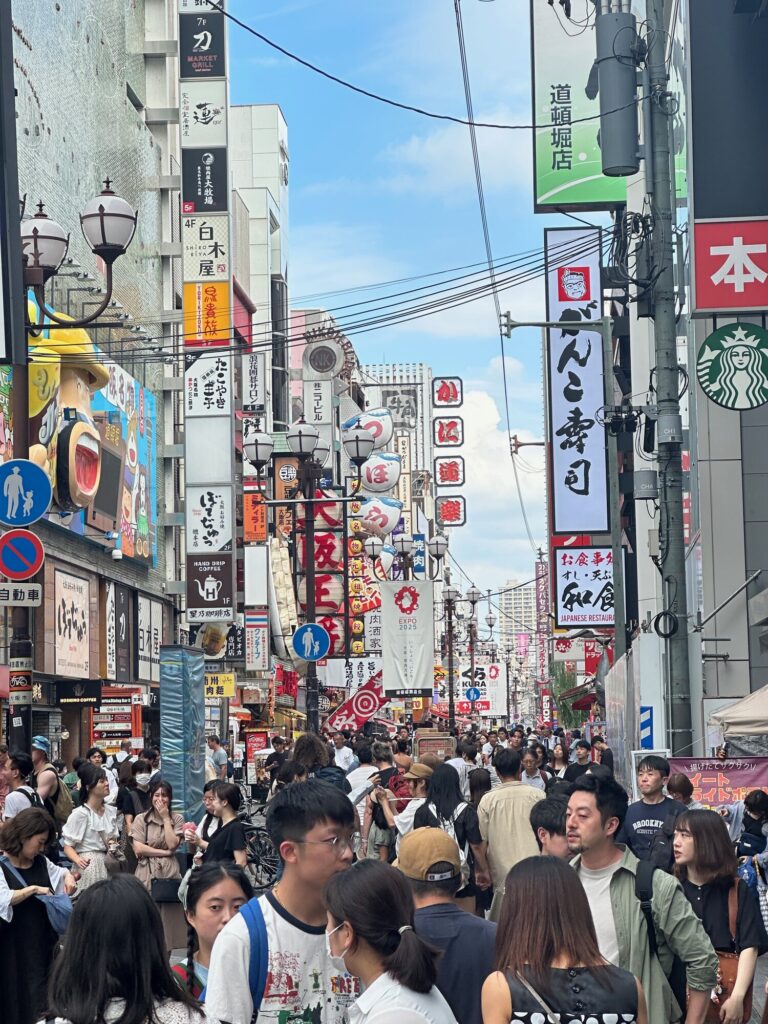
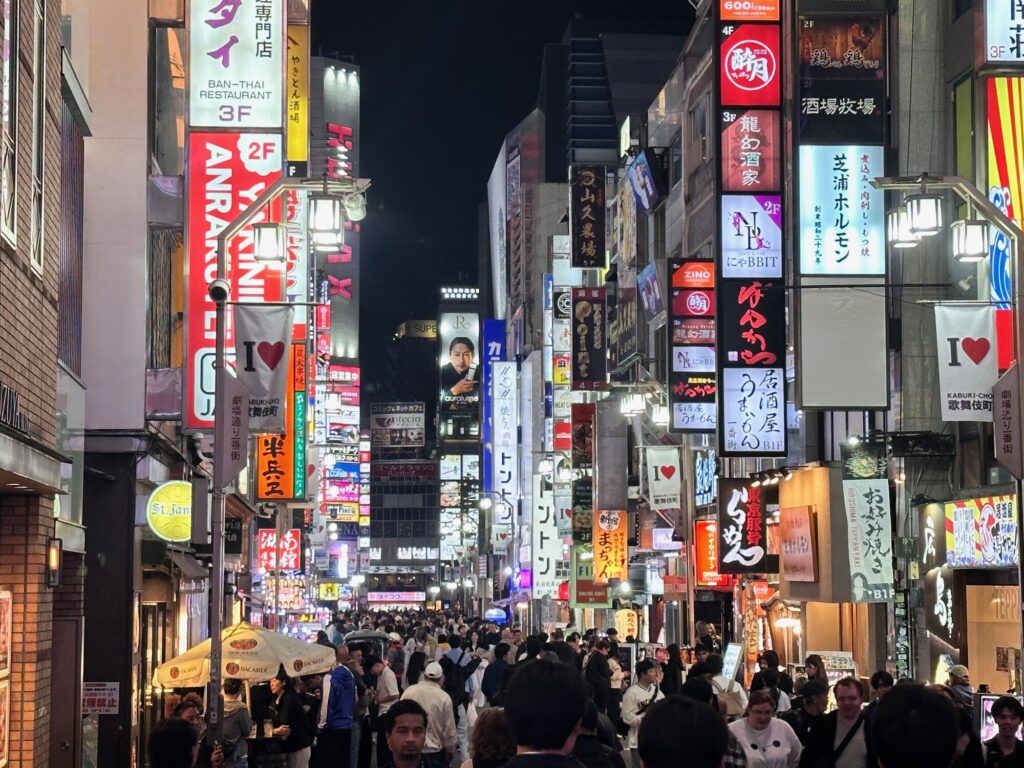
Crowded night street in Tokyo's Shinjuku district with bright restaurant and bar signs
Nightlife in Tokyo’s Shinjuku district

For most first-time travelers, keep Kyoto in the plan. Even if you dislike crowded sightseeing, Kyoto is still worth planning well. Kyoto gets better when you choose fewer temples and give each area more time.

Osaka is different. I like Osaka, and it can be a very good stay if you care about food, nightlife, shopping, Universal Studios Japan, or a separate base in Kansai, the region around Kyoto, Osaka, Nara, and Kobe. But if you have to choose between Kyoto and Osaka for a first trip, I usually recommend Kyoto first. My Kyoto or Osaka guide goes deeper into that choice.

The Golden Route is also easy to move through. Between Tokyo, Kyoto, and Osaka, you can take the Tokaido Shinkansen, send luggage ahead, and avoid changing hotels too often. That is very different from a small-town route where one missed bus can affect the whole afternoon.

The main problem is crowding. Tokyo, Osaka, and Kyoto receive a large share of foreign leisure travelers, so you can feel the pressure at famous temples, viewpoints, shopping streets, and day-trip spots. That does not make the route bad, but it does mean you should avoid stacking too many famous places into the same day.

After years living in Tokyo and working with travelers planning trips to Japan, I see more regret from overpacked routes than from the Golden Route itself.

The 70/30 Rule for a First Trip to Japan

The 70/30 rule means this: keep about 70% of the trip on the classic route and usual add-ons, then spend about 30% in one less obvious place or region.

Treat it as a planning habit, not exact math. On a 10-day trip, the 30% might be one side trip or one night somewhere quieter. On a 14-day trip, it might be a few days around Lake Biwa, Setouchi, Shikoku, Kyushu, Tohoku, Okinawa, or the Chubu mountains.

Keep the 30% to one direction, not five scattered side trips. Choose the extra area from the part of Japan you are already leaning toward:

  • Kyoto or Osaka can lead into Lake Biwa, Tamba-Sasayama, or other Kansai countryside choices.
  • Hiroshima or Miyajima can lead into Kurashiki, Onomichi, Iwakuni, or a wider Setouchi route.
  • Kanazawa, Takayama, Nagoya, or the Nakasendo can lead into Gifu, Hida, Hokuriku, or Wakasa.
  • Fukuoka or Beppu can lead into northern Kyushu, including Hita.
  • Matsuyama can lead into Uchiko, Uwajima, or a stronger Shikoku route.

If your route goes much farther west, north, or south, check whether you can fly into one Japanese city and leave from another instead of booking round-trip flights from Tokyo. This is sometimes called an open-jaw flight. It can save you from spending the last day crossing Japan just to return to the airport where you landed.

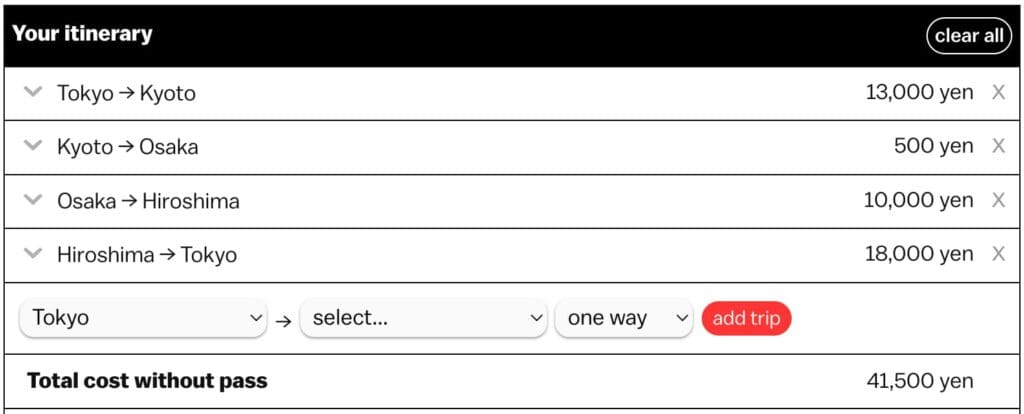
Extra regions also change the budget. Long-distance trains, domestic flights, and extra hotel nights can add up quickly. Start with my two-week Japan trip budget if you need the larger cost picture, then use the Japan trip cost calculator before you lock the route. Check the actual train fares before buying a JR Pass.

tokyo-kyoto-osaka-hiroshima-tokyo itinerary shinkansen cost
japan-guide’s JR pass calculator

How the Split Changes by Trip Length

Traveler SituationSuggested BalanceRoute IdeaWhat to Avoid
Less than 10 days, first tripMostly classicTokyo and Kyoto, plus only one nearby choice such as Osaka, Hakone, Nara, or Kamakura if it fits cleanlyAdding a distant region on top of a full route
10 to 14 days, first trip70/30Classic route plus one extra area, such as Kansai countryside, Setouchi, or a ryokan stay outside the big citiesTreating Osaka, Hakone, Hiroshima, and Kanazawa as all required
Longer first trip70/30 or 60/40Keep enough time in Tokyo and Kyoto if they are priorities, then add one stronger regionMoving hotels every 1 or 2 nights without a clear reason
Second trip50/50Return to the classic places you miss, then spend serious time somewhere newRepeating the whole first-trip route by habit
Experienced regional trip30/70Use Tokyo, Kyoto, or Osaka as an anchor, then focus on one regionAdding famous stops just because they are nearby on a map

For a shorter first trip, start with my 10-day Japan itinerary. For a two-week first trip, the 14-day Japan itinerary gives you more room for the 70/30 idea.

Common Add-Ons Still Count as the Classic Route

Some places sit outside the strict Tokyo-Kyoto-Osaka route but still belong to a normal first trip. Hakone, Mount Fuji, Nara, Kamakura, Uji, Hiroshima/Miyajima, and Kanazawa are in that group for me.

For the 70/30 rule, count those places inside the 70%. They can make the classic route better, but they are not the same as giving a few days to a less obvious town, coast, island, or region.

Hakone and Mount Fuji work well if you want a ryokan night, views, baths, or a break between Tokyo and Kyoto. Hakone is still very touristy, so do not use it as your main step outside the classic route. If the stay itself is the reason you are going, start with my Hakone ryokan with private onsen guide before you book.

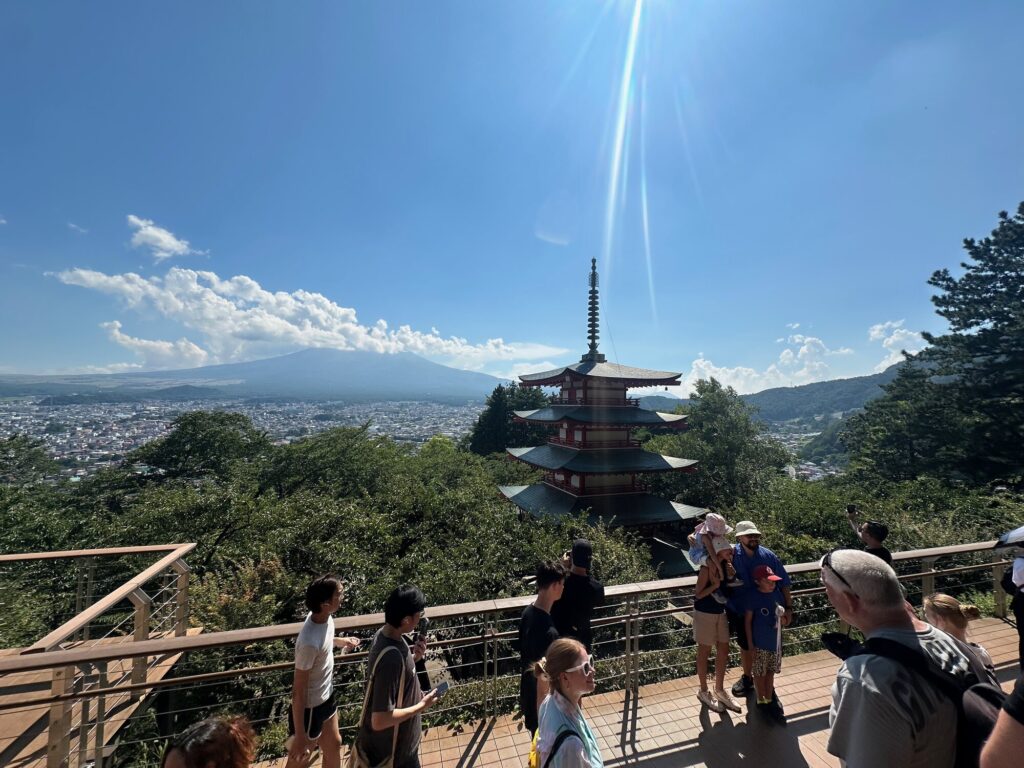
Pagoda and observation deck at Chureito Pagoda in Fujiyoshida with trees, a town view, and Mount Fuji in the distance
Chureito Pagoda view overlooking Fujiyoshida

Nara, Uji, Kamakura, and similar day trips can make a classic route better without adding another hotel change. Use them when you want more variety but do not want to pack, check out, and learn a new base every other day.

Hiroshima/Miyajima and Kanazawa add real variety, but they use time. Hiroshima is strong if the Peace Memorial Museum and Miyajima are priorities for you. Kanazawa is a good choice if you want a different atmosphere from Kyoto, with gardens, food, crafts, and a smaller-city pace. My Kanazawa travel guide is the better place to go next if that route is already tempting you.

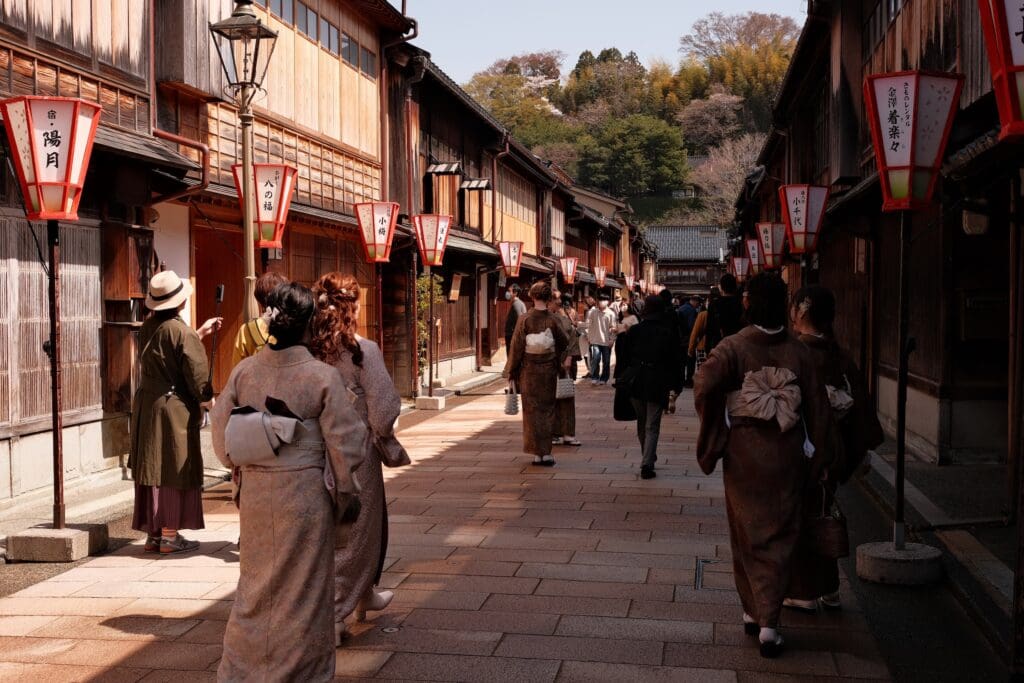
Visitors in kimonos walking along stone-paved Kanazawa Higashi Chaya Street with wooden tea houses and red lanterns
Strolling through Kanazawa Higashi Chaya Street feels timeless

Osaka is a city and base choice. It can be very useful, but it is not required for everyone. If you are short on time and not focused on nightlife, food, shopping, or USJ, Osaka is often the first classic stop to shorten or cut.

After you choose the common add-ons, count the nights left. If the classic part uses almost the whole trip, do not turn the 30% into one rushed side trip. Cut one classic add-on instead: shorten Osaka, leave Hakone for another trip, or choose between Hiroshima/Miyajima and Kanazawa.

How to Choose Where to Go Beyond the Golden Route

The best extra place is the one that fits the route you are already building.

Start with the direction. Are you staying mainly in Kyoto and Osaka? Are you going west toward Hiroshima? Are you using Kanazawa or Takayama? Are you already interested in Kyushu, Shikoku, Tohoku, or Okinawa?

Then choose the kind of place you want: old towns, food, crafts, islands, countryside, mountains, local trains, coastal towns, or a base with fewer foreign tourists. The goal is not to find the most obscure name. It is to add a place you can actually picture enjoying: walking along canals, sleeping in a ryokan, taking a local train, eating seafood by the coast, or spending a slower day in a town that is not Kyoto.

View over Lake Biwa and Otsu city from a mountainside lookout, with pine trees in the foreground and a bridge crossing the lake
Lake Biwa from the mountain lookout in Otsu

If you still need help choosing the region, start with my Where to Go in Japan guide. If the extra region depends on heat, snow, cherry blossoms, autumn leaves, or public holidays, check the best time to visit Japan before you lock it.

Where the 30% Could Go

A few names in this table are regional labels. Setouchi means the Seto Inland Sea area around western Honshu and nearby islands, Chubu is central Japan, Hokuriku is the coast around places such as Kanazawa and Fukui, and Yaeyama is the far-south island group that includes Ishigaki and Taketomi.

30% Area to ConsiderGood First OptionsSave for Longer or Repeat TripsWho It Suits
Lake Biwa / Kansai countrysideOmihachiman, Tamba-SasayamaObama and the Wakasa coast in Fukui with more timeFirst-timers who want old towns or countryside without moving far from Kyoto or Osaka
Chubu / Gifu / HokurikuGujo Hachiman, the Nakasendo historic mountain route, or a route through Hida mountain townsObama via Hokuriku or the Wakasa coastTravelers who want mountain towns, crafts, or a route linked to Takayama
Setouchi / Western HonshuKurashiki, Onomichi, IwakuniTsuwano in ShimaneTravelers already going toward Hiroshima, Miyajima, Okayama, or the Seto Inland Sea
ShikokuMatsuyama with UchikoUwajimaTravelers willing to trade one major classic city for a more regional western Japan route
Northern KyushuFukuoka, Beppu, Oita, or HitaA wider Kyushu routeTravelers who choose Kyushu instead of adding more Honshu cities
Northern JapanAomori, Murakami in Niigata, Tohoku routesA longer Tohoku or Niigata tripRepeat travelers or first-timers with enough days to make the north the point
Okinawa / YaeyamaTaketomi Island when Okinawa gets enough timeA full route around the islandsTravelers who specifically want Okinawa, not a quick side trip from Tokyo and Kyoto

Best Extra Places When You Have 10 to 14 Days

If this is your first trip and you have 10 to 14 days, I suggest starting with places that do not force you to cross half the country or change hotels again.

Omihachiman is one of the easiest examples from Kyoto or Lake Biwa. It gives you canals, old merchant houses, and a different townscape without needing to leave central Japan for several days.

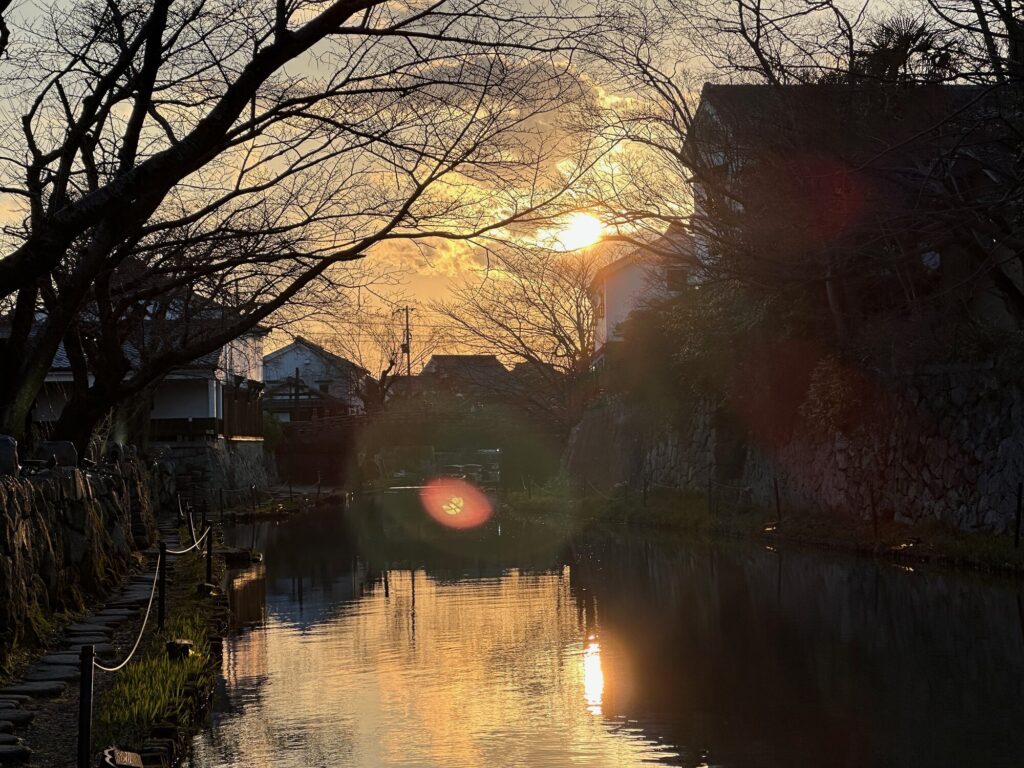
Sunset over the canal and riverside path in Omihachiman, with bare trees and reflections on the water
Omihachiman canal sunset looks surreal

Tamba-Sasayama is another good Kansai option if you want an old castle-town area, ceramics, local food, and a countryside stop. It works best when you can give the day enough space instead of treating it like one more box to tick after Kyoto and Nara.

Kurashiki works well when you are already moving between Kansai, Okayama, and Hiroshima. The canal area, old storehouses, museums, and cafes make it easy to understand as a stop, and it does not require the same commitment as a deeper western Honshu route.

Onomichi is better if the trip already includes Hiroshima, Miyajima, or Setouchi. It is especially good for travelers who like hillside neighborhoods, temples, narrow streets, and coastal town days.

Iwakuni can work as an easy Hiroshima or Miyajima-side addition, especially if you want Kintaikyo Bridge and the castle area. It is probably too small to be your only less obvious place for several days, but it can be a useful western Honshu stop.

Hita belongs with a northern Kyushu route. Uchiko belongs with Matsuyama or Shikoku. Do not add either one to a basic Tokyo-Kyoto-Osaka trip unless the wider region is already part of the plan.

Places to Save for Longer or Repeat Trips

Some places are excellent but need more time and a route planned with them in mind.

Gujo Hachiman is better when you give Gifu, Nagoya, Hida, or the Chubu area enough time. It can be a less tourist-heavy alternative to Takayama for travelers who like rivers, canals, old streets, and smaller towns, but it takes more planning than adding Nara from Kyoto.

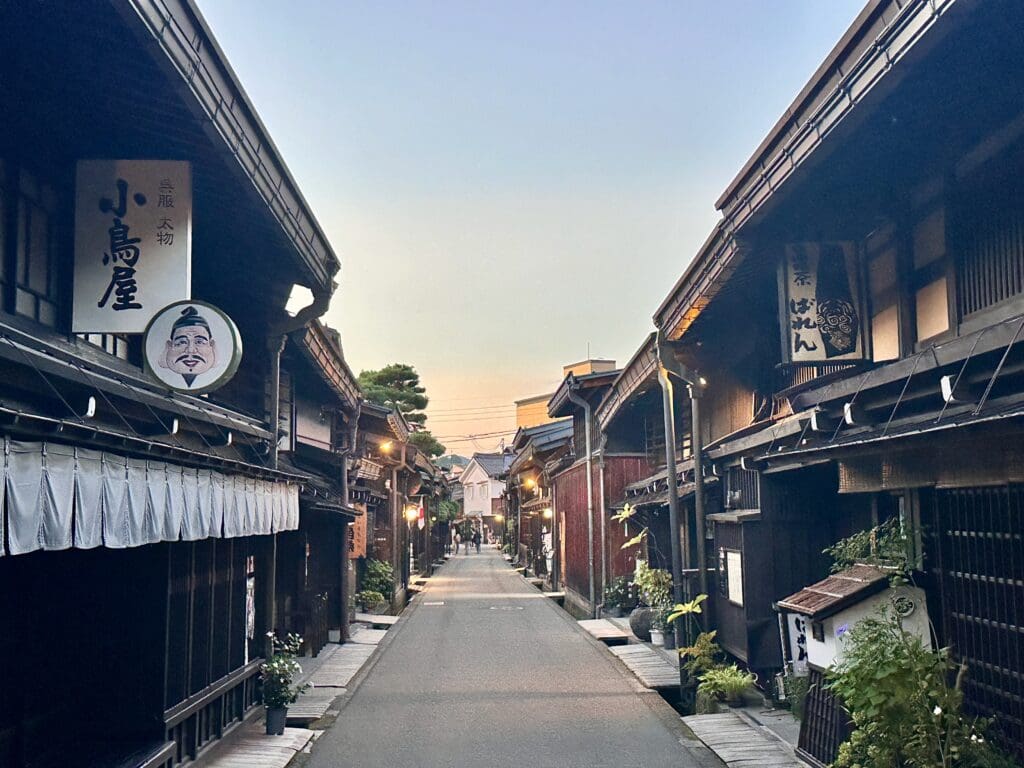
Wooden Edo-period shops lining a narrow street in Takayama Sanmachi at dusk
Enjoying the evening glow in Takayama Sanmachi

Obama, a coastal town in Fukui Prefecture, and the Wakasa coast work better when you have time for the coast north of Kyoto. Uwajima needs more Shikoku time than a quick side trip. Murakami belongs with Niigata or northern Japan rather than a basic Tokyo-Kyoto-Osaka plan. Tsuwano is better for a western Honshu route along the Sea of Japan side, with more time.

Taketomi Island is the clearest example of a place that should not be added casually. I like the idea of Taketomi for travelers who want traditional Ryukyu/Okinawan houses, coral stone walls, white-sand streets, and beaches, but Okinawa deserves enough time. I suggest giving Okinawa at least 4 or 5 days instead of attaching it to a packed first trip as a quick flight detour.

What to Cut Before Adding More

Going beyond the Golden Route usually means replacing something. If you add it on top of everything else, the trip often turns into too many trains, too many hotel changes, and not enough time in the places you chose.

Start with what you care about most. Is it famous sights, food, baths, countryside, crafts, nature, city time, or fewer hotel moves? Once you know that, the cuts become easier.

For most first-time travelers, keep Kyoto unless you already know you are not interested in it. Kyoto is one of the strongest classic stops in Japan, and it is still worth planning well even with the crowds.

I suggest shortening or cutting Osaka first if you are not especially interested in food, nightlife, shopping, USJ, or staying in a separate city base in Kansai. Osaka can be great, but it is not the same kind of first-trip priority as Kyoto.

I suggest cutting Hakone if you do not care about a ryokan night, baths, or a break between Tokyo and Kyoto. Hakone is convenient and popular, but it is not the only place for a special stay.

Treat Hiroshima/Miyajima and Kanazawa as strong choices rather than requirements. Choose them because they fit your priorities, not because a first trip needs every famous place. If you add both, plus Hakone and Osaka, your 14-day trip can become too full before you add anything less obvious.

This is the same planning problem I warn about in my Japan travel mistakes guide: too many hotel changes can make the route look exciting on paper and tiring in real life. If you are choosing between a cleaner 10-day route and a crowded one, use the 10-day itinerary as your guardrail. If you have around 14 days, use the 14-day itinerary as the next planning step.

Ways to Make a Classic Route Feel Less Rushed

You do not need a faraway region to make the Golden Route better.

One option is to stay longer in fewer bases. Tokyo and Kyoto both get better when you are not crossing the city for five unrelated sights in one day. Group your days by area, leave some open time, and let a good neighborhood, shop, cafe, market, or station area take more time when it is going well.

Another option is to use day trips instead of new hotel bases. Nara, Uji, Kamakura, and Omihachiman can all add variety without adding a luggage move. That can be better than adding a whole new city for one night.

A ryokan night can also make the trip more memorable if you actually want the stay, meal, bath, and early check-in experience. It does not have to be Hakone. Kyoto, Kaga Onsen, Miyajima, Kyushu, or another place on your route may work better. Start with the ryokan guide if you are still deciding whether that kind of stay is right for you.

You can also choose one stronger cultural experience instead of stacking several short activities. A private craft workshop, food experience, tea-related experience, sake visit, or guided cultural activity can give the trip one clear memory without adding another destination. My best cultural experiences in Japan guide is the better next page for that.

Base choice helps too. If Tokyo and Kyoto stay in the plan, choosing the right hotel area can make ordinary days easier. Use my guides to where to stay in Tokyo and where to stay in Kyoto once the route balance is clear.

Private Experiences and Special Stays

If you have the budget and want help planning the less obvious part of the trip, Wabunka can be useful here.

Wabunka is a Japan-based site where international travelers can book private experiences, special stays, and curated journeys. Their experiences are for your group only, with no mixed groups, and interpreter support is often included when the host does not speak English. The Journeys section is different: it gives you full regional itineraries, and after you send a request, Wabunka can discuss adjustments before booking.

If you want the 30% part of the trip to feel planned around one region, look at Wabunka’s Aomori journey, Nakasendo, Hida, and Shirakawa-go journey, and Hiroshima, Onomichi, and Saijo journey. They are not aimed at a budget-conscious first trip, but they show three useful directions: northern Japan, mountain towns and crafts, or a Setouchi route that goes beyond Hiroshima and Miyajima.

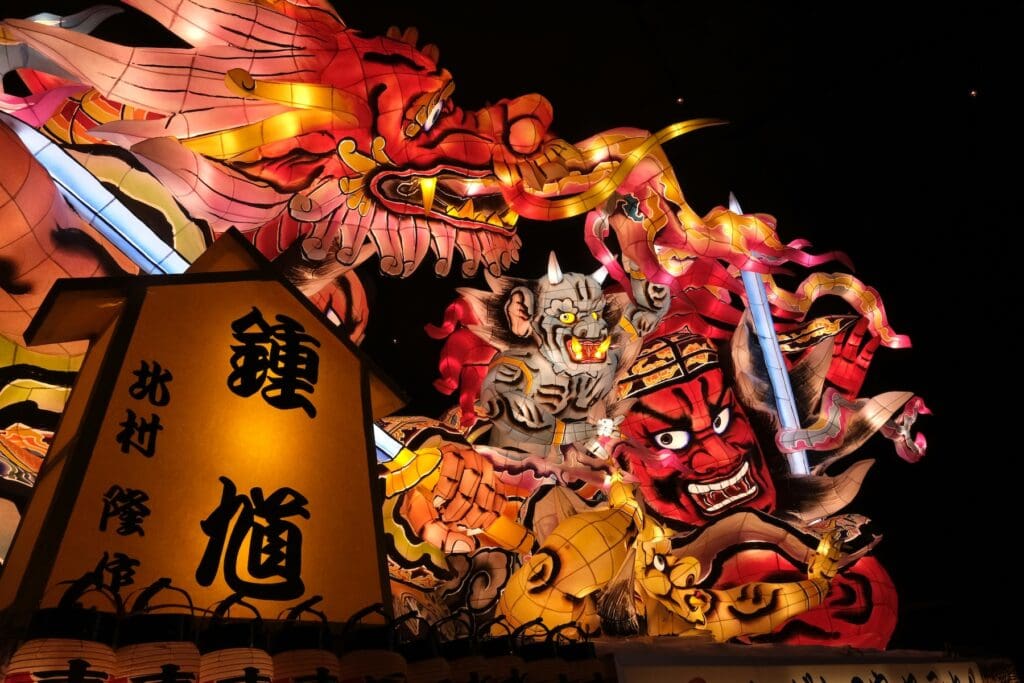
Illuminated warrior and demon float at the Aomori Nebuta Festival in Aomori, Japan at night
Vivid lantern warriors at Aomori Nebuta

You can also use these journeys for ideas without booking them. Look at how each route stays with one area instead of jumping across Japan. That is the useful lesson here: choose one direction, then give it enough time to feel worth the extra travel.

Next Steps

Once you know how much of the Golden Route you want to keep, the next step depends on your trip length. If you are still deciding how many days you need in Japan, start there first. If you are still deciding the order of the trip, start with Plan Your Trip to Japan first.

Do not add a place just because it sounds different. Choose one extra area because it fits the route you are already building, then give it enough time to justify the extra train, bus, ferry, or flight.

FAQ

Is the Japan Golden Route Worth It?

Yes, the Japan Golden Route is worth it for most first-time travelers who want famous places, easy transport, and a strong introduction to Japan.

A 70/30 route is usually better than a strict Tokyo-Kyoto-Osaka-only trip if you have 10 days or more. Keep the classic route, then add one place that changes the trip: a smaller town, a regional city, a ryokan night, or a few days near the coast or mountains.

Is the Golden Route Too Crowded?

Parts of it can be very crowded, especially in Kyoto, Tokyo, Osaka, and the most famous day-trip areas during peak seasons. Crowd levels change by place, date, time of day, and weather, so I do not recommend writing off the whole route.

Plan around the crowds: put fewer famous stops in one day, choose hotel areas that reduce backtracking, start early when it actually helps, and add one less obvious regional stop if you have enough time.

Is Osaka Necessary on a First Trip?

No. Osaka is a good choice if you care about food, nightlife, shopping, USJ, or a separate base in Kansai. It is not necessary for every first trip.

If you are short on time, I usually recommend Kyoto before Osaka. If evenings and food are your main Kansai priorities, Osaka can be the better base.

Is Hakone Outside the Golden Route?

I treat Hakone as a usual classic-route add-on, not as a real step outside the Golden Route.

Hakone is useful for a ryokan night, baths, museums, and a break between Tokyo and Kyoto. It is also one of the most common additions to a first Japan route, so it will not change the trip the way Shikoku, Kyushu, Setouchi, Tohoku, or a smaller town would.

Are Hiroshima, Miyajima, or Kanazawa Beyond the Golden Route?

They are beyond the strict Tokyo-Kyoto-Osaka core, but I treat them as usual add-ons for travelers who have enough days.

Hiroshima/Miyajima and Kanazawa can be excellent. They also use days that could go to Omihachiman, Onomichi, Shikoku, Kyushu, Tohoku, or another less obvious place. Choose them because they match your priorities, not because every first trip needs them.

How Many Days Do I Need to Go Beyond the Golden Route?

With 10 days or more, one place outside the usual route can work if the rest of the itinerary stays focused on Tokyo, Kyoto, and maybe one nearby add-on.

With less than 10 days, you can still go beyond the classic route, but you will probably need to cut something important. With more than 14 days, or on a second trip, you can spend much more time outside the usual first-trip route.

Should Second-Time Travelers Skip the Golden Route?

Second-time travelers do not need to avoid Tokyo or Kyoto. If you love them, go back.

But for many second trips, start closer to 50/50: some time in the classic places you still want, and serious time in a region you have not seen. By a third or fourth trip, a mostly regional route can be the better choice.

Fourteen days is a very good length for a first Japan trip. You have enough time for Tokyo, Kyoto, Osaka, and one deeper addition, but not enough time to collect every famous place that appears in your saved posts.

My default advice is simple: spend about 70% of the trip on the classic first-time route and about 30% on one regional addition beyond it. That usually means 9 to 10 days around Tokyo, Kyoto, Osaka, and Fuji or Hakone, then 3 to 4 days for a route that gives the trip a different feel.

The point is coherence, not visiting obscure towns for the sake of being obscure. Lake Biwa and Omihachiman, Gujo Hachiman with Gifu or Nagoya, Onomichi and Kurashiki, Uchiko with Matsuyama, or Hita with a northern Kyushu route are the kind of places I would consider for the 30% part of the trip.

Some links on YavaJapan are affiliate links. If you book or buy through them, I may earn a small commission at no extra cost to you. It helps support the site, and I only link to places, stays, and experiences I genuinely think are worth recommending.

At a Glance

  • Best default route: Tokyo, Hakone or Fuji if you want it, Kyoto, Osaka or Kansai, then one regional addition.
  • Best planning rule: keep about 70% classic route (Tokyo, Hakone, Kyoto, Hiroshima) and 30% beyond.
  • Good first-trip pace: 4 nights in Tokyo, 1 night around Fuji or in a ryokan (traditional Japanese inn), 3 nights in Kyoto, 1 to 2 nights in Osaka, Kanazawa, or Hiroshima, and 3 to 4 nights for one regional extension.
  • What I would cut first: Okinawa, several one-night towns in a row, and any plan that adds too many major extra corridors on top of Tokyo, Hakone, Kyoto, and Osaka.
  • Best flight setup: fly into Tokyo and out of Osaka, or the reverse, if prices are reasonable. This can save a backtracking day.
  • Next planning step: once the route feels realistic, check the Japan Trip Cost Calculator or the two-week Japan budget guide.

The Short Version

If this is your first trip and you want a realistic 14-day Japan itinerary, I would start with this base plan.

DaysBaseWhy It Is ThereNotes
Days 1 to 4TokyoArrival, recovery, neighborhoods, food, shoppingKeep the first day light
Day 5Hakone, Fuji area, or direct to KyotoOptional ryokan, Mount Fuji views, or easier transfer westHakone is classic, not off-route
Days 6 to 8KyotoTemples, gardens, old streets, cultural experiencesDo not cram each day
Days 9 to 10Osaka or Kansai baseFood, nightlife, Nara, Himeji, or easier Kansai day tripsYou can sleep in Kyoto and visit Osaka
Days 11 to 13One extensionThe 30% beyond-classic part of the tripChoose one regional route, not several
Day 14Departure cityAirport logistics, shopping, bufferEasier with open-jaw flights

Treat this as a route framework rather than a strict daily schedule. Tokyo and Kyoto both work better when you group days by area instead of crossing the city repeatedly. After years living in Tokyo and working with travelers planning trips to Japan, this is one of the itinerary mistakes I see most often: the route looks possible on a map, but the actual days have no room for stations, luggage, meals, weather, or changing your mind.

For the broader planning order, use this together with Plan Your Trip to Japan. This article focuses on the route, while the planning hub helps with timing, budget, booking order, and basic decisions.

View over Lake Biwa and Otsu city from a mountainside lookout, with pine trees in the foreground and a bridge crossing the lake
Lake Biwa from the mountain lookout in Otsu

Why 14 Days Is a Good First Japan Trip

Two weeks gives you enough time to see the classic first-trip highlights without making every day feel like a transfer day. You can spend proper time in Tokyo, give Kyoto more than a rushed stop, add Osaka or Kansai (the whole area that includes Osaka, Kyoto, Nara, Kobe), and still leave space for one extra direction. If you are still deciding whether two weeks is the right length, read my guide to how many days in Japan before choosing the route.

The catch is that Japan expands very quickly once you start planning. A first draft route often begins with Tokyo, Kyoto, and Osaka. Then Hakone appears. Then Nara. Then Hiroshima and Miyajima. Then Kanazawa, Takayama, Shirakawa-go, Koyasan, Himeji, Kobe, Naoshima, Okinawa, and several Tokyo day trips. Suddenly a two-week trip has six hotel changes and very little time to actually enjoy any place.

That is why I would treat 14 days as enough time for a strong first trip, while still cutting famous stops that do not fit the route. The official JNTO Golden Route itinerary is useful because it shows the classic Tokyo, Hakone, Kyoto, Osaka itinerary with an optional Hiroshima stop. This itinerary is often called the Golden Route. For most independent first-timers, though, I would make the route a little more selective than many sample itineraries online.

Arrival and departure days also need to be counted honestly. If you land in Tokyo after a long flight, I would not plan anything more ambitious than checking in, eating nearby, and maybe taking a short walk. The same goes for the final day. Airport transfers, packing, and last-minute shopping take real time.

My 70/30 Rule for a First Two-Week Japan Route

For a first 14-day Japan itinerary, I like this split:

  • 70% classic route: Tokyo, Kyoto, Osaka, and possibly Hakone or the Fuji area.
  • 30% deeper addition: one region, town pair, onsen area, island route, or smaller-city route beyond the most repeated first-trip itinerary.

This keeps the trip grounded in places most first-timers genuinely want to see, while still giving you a different side of Japan. Tokyo and Kyoto are popular for good reasons, and most first-timers should keep them in the route. The issue is that if every day follows the same famous itinerary, the trip can feel crowded and familiar, especially now that the most visited places are very busy again.

The 30% portion is where you add something that makes the trip feel more personal. I would not usually use Kanazawa or Hiroshima as the main examples here, even though both are excellent, because they are already very popular and sometimes sit close to the extended Golden Route. For this part of the trip, I would think more in terms of a smaller regional route: Omihachiman and Lake Biwa in Shiga, Gujo Hachiman with Gifu or Nagoya, Onomichi and Kurashiki along the Setouchi side, Uchiko with Matsuyama, or Hita as part of a northern Kyushu route.

Hakone deserves a special note here. It is often described as a detour, but for first-time Japan planning it is part of the standard Golden Route. It can be worth including, especially if you want a ryokan night or a Mount Fuji view, but I would not count it as your less obvious 30% addition.

If you are still choosing the extra area, the Where to Go in Japan guide is the better next read because it compares destinations by trip style and route fit.

The Default 14-Day Japan Itinerary

This is the route I would use as the default starting point for most first-time travelers.

Days 1 to 4: Tokyo

Start in Tokyo because it is the easiest arrival city for many travelers from North America and Europe, with the most flight options and a lot of hotel choice. It also gives you a soft landing into Japan: trains are extensive, English support is better than in many smaller places, and you can keep the first day simple.

Four nights works well because Tokyo is not a city you finish in two days. I would group your days by area:

  • Shibuya, Harajuku, Omotesando, and maybe Shimokitazawa
  • Shinjuku, Shin-Okubo, Nakano, or nearby areas
  • Asakusa, Ueno, Akihabara, or Tokyo Skytree
  • Ginza, Tsukiji, teamLab, Odaiba, or a shopping-focused day

You do not need to follow those exact combinations. The main idea is to avoid crossing Tokyo repeatedly because a map says the train ride is only 25 minutes. Large stations, transfers, shopping, food stops, and getting slightly lost all add time.

If you are still choosing a base, start with where to stay in Tokyo before you lock the rest of the route.

Day 5: Hakone, Fuji Area, or a Direct Move West

If you want one ryokan night, Day 5 is a natural place to add it. Hakone is the easiest classic choice. Kawaguchiko and other Fuji-area stays can also work, especially if Mount Fuji views are a priority.

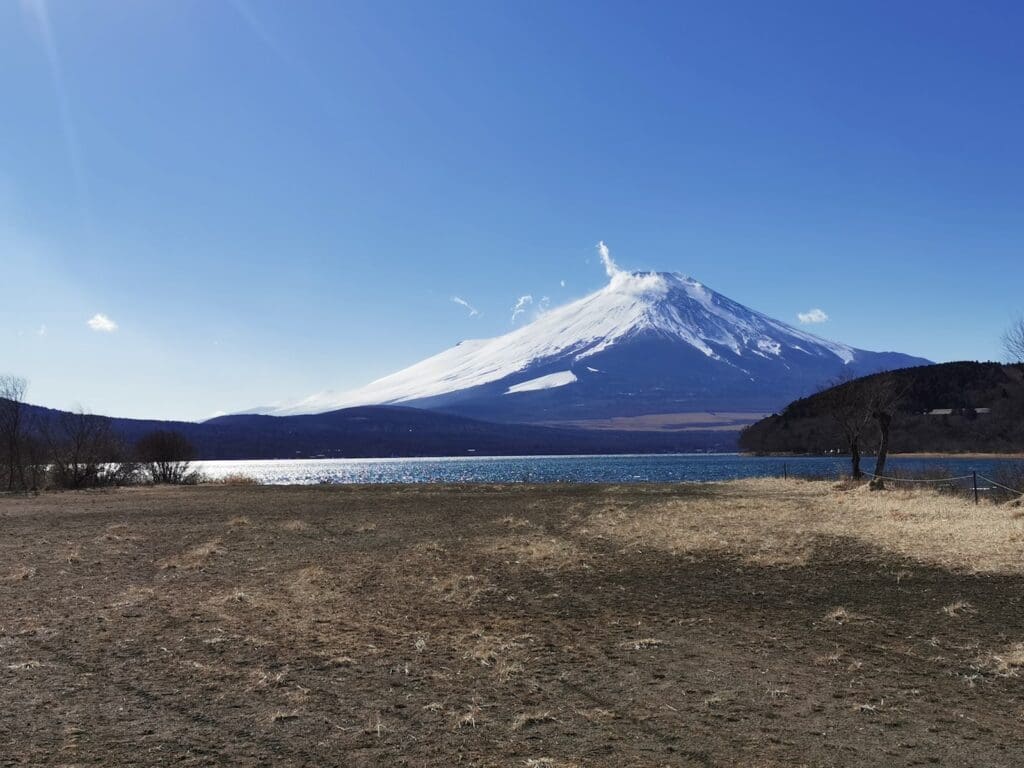
View of Mount Fuji from lake Yamanaka

I would only include this stop if it genuinely appeals to you. A ryokan night can be one of the best parts of a Japan trip, but it should not be treated as a required checkbox. You can also stay in a ryokan near Kyoto, or make a separate onsen-town route later in the trip.

If the logistics feel annoying, skip Hakone and go straight to Kyoto. That is a perfectly good first-trip route.

If you are deciding whether the traditional stay is worth the extra planning, use the ryokan guide before choosing the night and location.

Days 6 to 8: Kyoto

Kyoto deserves time. If you feel more drawn to Kyoto than Tokyo, you could cut Tokyo to three nights and add a fourth night here. In general, though, three nights is enough to see the major temples and districts if you avoid stacking too many famous places into the same day.

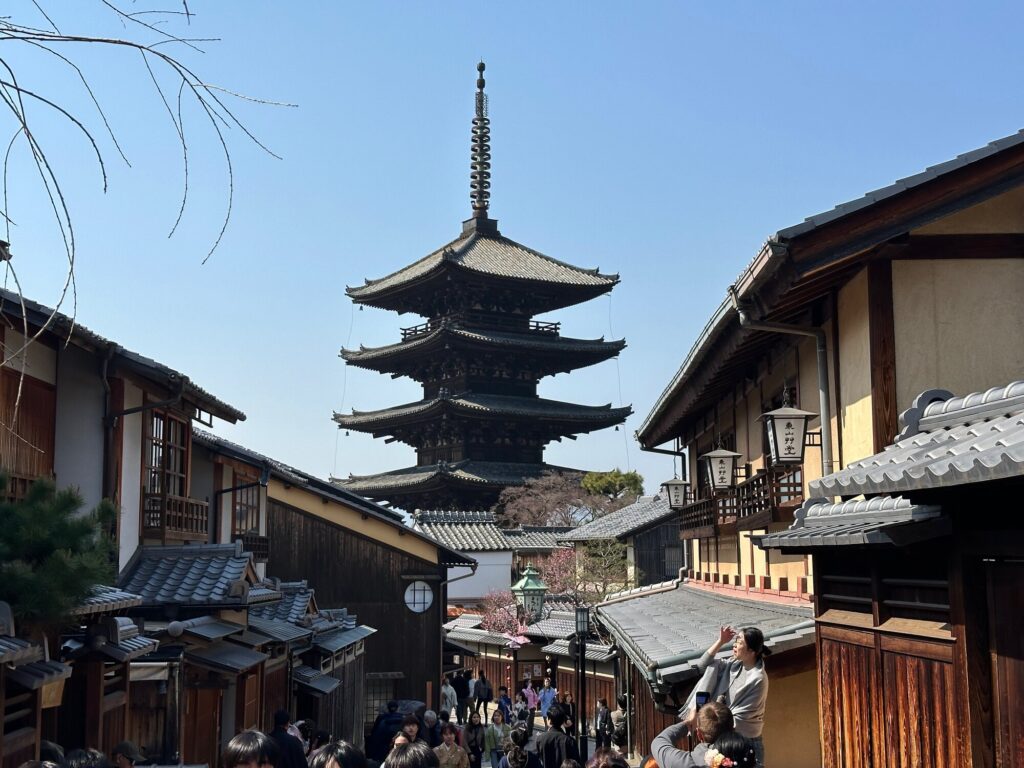
A five-story pagoda rising above a street lined with traditional buildings in Kyoto’s Yasaka area, with people gathered below.
Kyoto’s Yasaka pagoda street buzz

The common mistake is trying to do Kiyomizu-dera, Higashiyama, Nishiki Market, Fushimi Inari, Arashiyama, Gion, and a tea ceremony in one or two packed days. Kyoto is better when you choose fewer areas and give them space. Temple fatigue is real, and the city is much more enjoyable when you are not rushing from one bus stop to the next.

This is also a good place to add a cultural experience. A tea ceremony in Kyoto, a geisha experience, kintsugi, or Japanese calligraphy can give the trip a slower focus, especially if your days are starting to feel like too much sightseeing.

For broader options, use the Best Cultural Experiences in Japan guide.

Days 9 to 10: Osaka, Nara, Himeji, or a Kansai Base

After Kyoto, you can either move to Osaka for 1 to 2 nights or stay in Kyoto and visit Osaka by train. Both are fine.

This is also where Nara or Himeji can fit. But I would not add both automatically. If you already have a busy Kyoto or Osaka plan, choose one.

For the base, stay in Osaka if you want easier nightlife, food, and a more energetic city base. Stay in Kyoto if you want fewer hotel changes and do not mind visiting Osaka as a day or evening trip. For many travelers, Kyoto and Osaka are close enough that hotel convenience should guide the choice.

But that said, Osaka is not mandatory. It has great food, strong nightlife, and some interesting places, but don’t feel obligated to keep it in the route just because it appears in most first-time itineraries. If you are more interested in gardens, history, old towns, or a western-Japan branch, you can replace the Osaka and Nara portion with Kanazawa, or with Hiroshima and Miyajima.

The important thing is to fit this into your itinerary. Kanazawa and Hiroshima are both popular, substantial additions, not small side notes. If you use these nights for one of them, avoid adding another distant destination immediately afterward in your itinerary.

Days 11 to 13: One Deeper Regional Extension

This is the 30% part of the route. The key is to choose one coherent direction. I would not spend four nights in one small town, though. It usually works better as a small regional route built around one larger base, one or two smaller towns, and enough time to slow down.

Good options include:

  • Lake Biwa and Shiga: Omihachiman, Hikone, Nagahama, or Otsu can work well if your previous stay was in Kyoto or the Kansai area. This is one of the easiest ways to go beyond the main itinerary without making the route complicated.
  • Gifu and Gujo Hachiman: use Nagoya or Gifu as the practical anchor, then add Gujo Hachiman if you want waterways, old streets, and a smaller-town feel. If you go farther north toward Takayama, give the route enough time.
  • Setouchi side: Onomichi and Kurashiki work well as a more personal western route. Okayama or Hiroshima can be the practical anchor, but the deeper part is the smaller-city and inland-sea feel, not the big-city stop itself.
  • Ehime and Uchiko: Matsuyama gives you the larger base, while Uchiko or Ozu adds the slower town element. This is better for travelers who are comfortable going beyond the easiest first-trip rail corridor.
  • Northern Kyushu: Fukuoka, Oita, or Beppu can be the anchor, while Hita gives the route a smaller-town layer. I would only do this if Kyushu genuinely appeals to you, not as a quick add-on.
  • Onsen-town route: I would recommend a less obvious option like Kaga Onsen, especially Yamanaka or Yamashiro Onsen, rather than a beautiful but crowded place like Kinosaki Onsen. The official Kaga tourism site is useful for understanding the different towns.

I would avoid turning this part into a chain of one-night stops. The extension works best when you can sleep in one base for 2 to 3 nights or make one clean move, not when you are packing again every morning.

Day 14: Departure City

Your final day should be easy. If you are flying out of Tokyo, return to Tokyo the night before unless your flight is late and the route is very simple. If you are flying out of Kansai International Airport, stay in Osaka, Kyoto, or near the airport depending on your flight time.

Open-jaw flights can make this much easier. Flying into Tokyo and out of Osaka, or into Osaka and out of Tokyo, often saves a full backtracking day. It can cost more, so check prices before deciding, but it is one of the most useful planning tools for a two-week route.

Four Route Versions That Work

Use these as route shapes rather than fixed itineraries. The best version depends on whether you want ease, depth, food, ryokan time, or a first step beyond the classic route. As mentioned before, my recommendation is the 70/30 Route, but the others work well too.

Route VersionBest ForMain BasesWhat to Cut
Classic First-Time RouteEasiest planningTokyo, Hakone/Fuji, Kyoto, Osaka, NaraThe extra western or mountain extension
70/30 RouteA fuller first trip with one less obvious areaTokyo, Kyoto/Osaka, one regional extensionMultiple one-night towns
Slower Kansai RouteTemples, food, crafts, and fewer hotel changesTokyo, Kyoto, Osaka/KansaiFar western or Alps detours
Onsen Town RouteTravelers who want an onsen town, not only a ryokan nightTokyo, Kyoto/Osaka, Kaga Onsen or another onsen townHakone/Fuji as the main onsen stop

Classic First-Time Route

This route keeps close to Tokyo, Hakone or Fuji, Kyoto, Osaka, and Nara. It is usually called the Golden Route, and is the easiest version to plan and the most familiar for a first Japan trip.

I would choose it if you want low planning friction, strong transport links, and a high chance that the trip feels manageable. The tradeoff is that this is also the route where crowds are most predictable. Kyoto, Hakone, and the famous Tokyo areas can be extremely busy in peak seasons and on weekends.

Check the map below to see the main route for this 14-day Golden Route itinerary:

Classic Route Plus One Deeper Stop (70/30 Route)

This is the route I would recommend for many first-time travelers with a full 14 days.

Keep Tokyo and Kyoto central, then add one extra regional route for 3 to 4 nights. Shiga and Lake Biwa, Gifu and Gujo Hachiman, Setouchi with Onomichi and Kurashiki, Ehime with Uchiko, or northern Kyushu with Hita are better examples of this than simply adding Kanazawa or Hiroshima as another famous stop.

This version gives you the famous first-trip places and still leaves room for something beyond the standard Tokyo to Kyoto itinerary. A bigger city can still be useful as the base or rail anchor, but it should not be the whole point of the 30% portion.

Slower Culture and Kansai Route

This route suits travelers who care most about temples, food, crafts, and flexible days.

A good version is Tokyo for 4 nights, Kyoto for 5 nights, Osaka or another Kansai base for 3 nights, then a final night near your departure city. From Kansai, you can add Nara, Uji, Himeji, Lake Biwa, or another nearby day trip when the weather and your energy fit.

This is also a strong route if you want to add experiences rather than more hotel changes. A tea ceremony, kintsugi workshop, calligraphy class, cooking class, or guided food evening can often improve the trip more than another rushed city.

Onsen Town Route

If staying in an onsen town is important to you, plan it deliberately. This route should be more than a standard Tokyo, Hakone, Kyoto, and Osaka plan with a ryokan night added in the middle.

For this version, I would remove Hakone and Fuji from the onsen portion and choose a proper onsen town for 1 to 2 nights. Kaga Onsen is a good example because Yamanaka, Yamashiro, and Katayamazu are well-known hot spring towns, but they are not as obvious for many overseas first-timers as Hakone or Kinosaki. You could also consider Shima Onsen in Gunma if you want something from the Tokyo side, though it pulls the route north rather than west.

The practical point is simple: a ryokan night works best when you arrive early enough to enjoy dinner, baths, and the room. If you arrive late after a long transfer, you may pay for the experience without really getting the benefit.

What I Would Cut From a First 14-Day Japan Trip

Cutting places is often how you make the trip better.

Okinawa, Unless You Give It 4 to 5 Days

I would usually cut Okinawa from a first 14-day Japan itinerary. It is far from the Tokyo, Kyoto, and Osaka route, and it works better when you give it at least 4 to 5 days.

If Okinawa is the main reason you want to visit Japan, that is different. Build a route around it. But if it is only one more place added to an already full first trip, save it for another visit.

Multiple One-Night Stops in a Row

One-night stops can work when there is a clear reason, such as a ryokan dinner or a transit break. Several in a row usually make the trip feel thin.

Every hotel change means packing, checking out, storing luggage, finding the next hotel, checking in, and adjusting again. On paper, it may look like you are gaining places. In practice, you are often giving the best hours of the day to movement.

Several Major Extra Corridors

Hiroshima and Miyajima are excellent. Kanazawa and Takayama are also excellent. But they are not the same thing as a less obvious 30% addition. Hiroshima is sometimes treated as part of the wider Golden Route, and Kanazawa is already a very popular add-on.

For many first-timers, adding several of these bigger route directions on top of Tokyo, Hakone, Kyoto, and Osaka is too much for 14 days. Choose the western route if history, Miyajima, and food appeal more. Choose Hokuriku or the Japan Alps if gardens, crafts, old towns, and mountain areas sound better. If you want the 30% portion to feel deeper, add a smaller nearby town or local route instead of stacking another famous stop.

Too-Full Kyoto Days

Kyoto is where many first-time itineraries become unrealistic. The city has famous places in different directions, and moving between them can be slower than expected.

I would avoid days that stack Arashiyama, Fushimi Inari, Kiyomizu-dera, Nishiki Market, Gion, and a formal experience together. Choose one side of the city, add a meal or experience, and leave space for walking.

For more examples of this kind of planning friction, read Japan Travel Mistakes First-Time Visitors Make.

Arrival-Day Ambition

Your arrival day should be the easiest day of the trip. Even if you land early, immigration, baggage, airport transfers, and jet lag can take more out of you than expected.

Book a hotel in the arrival city, eat nearby, and keep the evening flexible. If you want to do something, make it a short neighborhood walk rather than a ticketed plan across town.

Practical Notes Before You Book

The route is only one part of the itinerary. A plan also has to work with trains, luggage, flights, and pass value.

Shinkansen Time Is Fast, but Transfer Days Still Count

The Tokaido Shinkansen makes the Tokyo to Kyoto route very easy. The official Smart EX reservation app page says Tokyo to Kyoto takes about 2 hours, and trains can run very frequently during peak hours.

That does not make a transfer day the same as a normal sightseeing day. You still need to check out, reach the station, find the platform, ride the train, get to the next hotel, and store or move luggage. Plan something lighter on travel days.

Peak-Period Nozomi Trains May Need Reserved Seats

If you travel during major Japanese holiday periods, check train rules before assuming you can board freely. JR Central explains that Nozomi trains on the Tokaido and Sanyo Shinkansen are all-reserved during certain peak periods.

This is especially relevant around Golden Week, Obon, Silver Week, and New Year. If your trip overlaps with those periods, reserve earlier and avoid building tight same-day connections around an unreserved-seat assumption.

For the wider planning effect of Japanese holidays, read what is open during public holidays in Japan before you finalize fixed travel days.

Oversized Luggage Can Affect Seat Choice

On the Tokaido, Sanyo, Kyushu, and Nishi Kyushu Shinkansen, larger suitcases may need an oversized baggage reservation. JR West explains that baggage over 160 cm and up to 250 cm in total dimensions falls into this category.

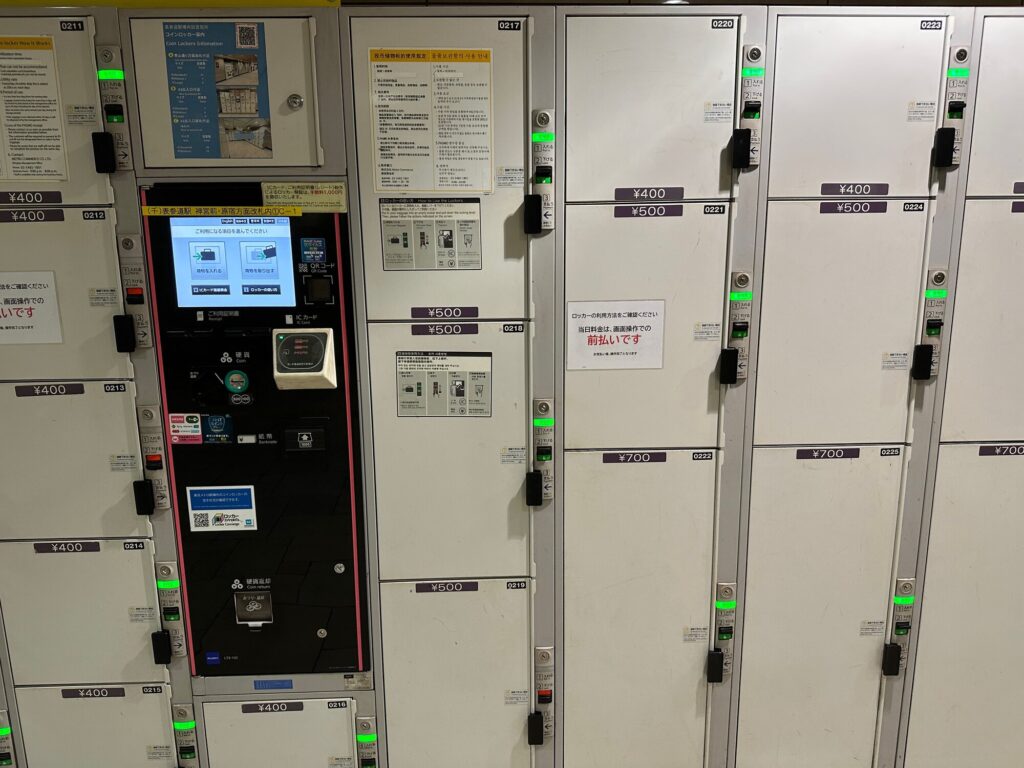
Coin lockers with a payment terminal in a Tokyo train station
Coin lockers at a Tokyo station

This is another reason to travel with manageable luggage. Smaller bags make station transfers easier, reduce stress on stairs and platforms, and give you more flexibility when trains are crowded.

The JR Pass Is Not Automatic

Do not buy the 14-day Japan Rail Pass just because you are spending 14 days in Japan. After the 2023 price increases and the announced October 1, 2026 increase, the pass only makes sense for some routes.

For a simple Tokyo, Kyoto, Osaka, and Hakone-style trip, individual tickets may be cheaper. For a route with Hiroshima, Miyajima, Kanazawa, Kyushu, or several long-distance train segments, the pass deserves a proper calculation.

Use the route first, then calculate. My JR Pass Calculator can help you compare long-distance train fares with pass prices, while the two-week Japan budget guide can help with the wider cost picture.

Seasons Can Change the Best Version of This Route

The same 14-day route can feel different depending on season. Spring and autumn bring the most famous scenery and some of the heaviest crowd pressure. Summer can be hot and humid in Tokyo, Kyoto, and Osaka. Winter can make some mountain or rural routes feel calmer, but daylight is shorter.

If your dates are still flexible, use Best Time to Visit Japan before locking the route. If your dates are fixed, adjust the route around comfort rather than trying to force the same plan into every season.

FAQ

Is 14 Days Enough for Japan?

Yes, 14 days is enough for a very good first Japan trip. It gives you time for Tokyo, Kyoto, Osaka, and one extra area if you keep the route selective. It still will not cover every major region, so the trip improves when you choose one main extension and leave the rest for later.

Should I Include Hiroshima?

Include Hiroshima and Miyajima if the western route appeals to you and you are comfortable making it one of the main route branches. I would usually give the area 1 to 2 nights if possible, especially if you want to sleep on Miyajima. I don’t include Hiroshima as one of the deeper 30% idea because it is already one of the most common additions to the classic route, and is often considered part of the Golden Route.

Should I Include Hakone or Kawaguchiko?

Include Hakone or Kawaguchiko if you want Mount Fuji views, a ryokan night, or a break between Tokyo and Kyoto. Skip it if it makes the route awkward or if you are only adding it because every itinerary seems to mention it. Hakone is a classic route stop, not the off-route part of the trip.

Should I Include Okinawa?

For most first-time 14-day trips, no. Okinawa works better when you dedicate at least 4 to 5 days to it. If you add it as a short side trip from a Tokyo, Kyoto, and Osaka itinerary, you will spend too much of the trip dealing with airports and transfers.

Should I Stay in Kyoto or Osaka?

Stay in Kyoto if temples, gardens, old streets, and a calmer evening base are your priority. Stay in Osaka if food, nightlife, easier late evenings, and cheaper hotel options are more important. You can visit one from the other by train, so I would choose based on where you want to wake up and end the day.

Do I Need the JR Pass for My Route?

Probably not, but do check just in case. The JR Pass depends on your exact long-distance train segments and travel dates. Calculate it after you choose the route. For a classic Golden Route itinerary, buying individual tickets is usually better.

Should I Fly Into Tokyo and Out of Osaka?

Often, yes. Open-jaw flights can save you from returning to Tokyo only to fly home. If the price difference is small, flying into one city and out of the other is usually worth checking. If round-trip Tokyo flights are much cheaper, keep a final Tokyo night and make the return part of the plan.

Final Advice

For a first Japan trip, I would rather see you do fewer places well than come home with a long list of station transfers. Tokyo, Kyoto, Osaka (or Kanazawa or Hiroshima), and one extra direction are enough for a strong 14-day route.

Use the 70/30 rule to keep the trip balanced: most of the route can stay classic, but leave a few days for a place that feels more personal to you. Then cut anything that makes the route feel fragile. Okinawa can wait. A second mountain town can wait. Another long day trip can wait.

Japan is much easier to enjoy when the itinerary gives you room to be there properly.