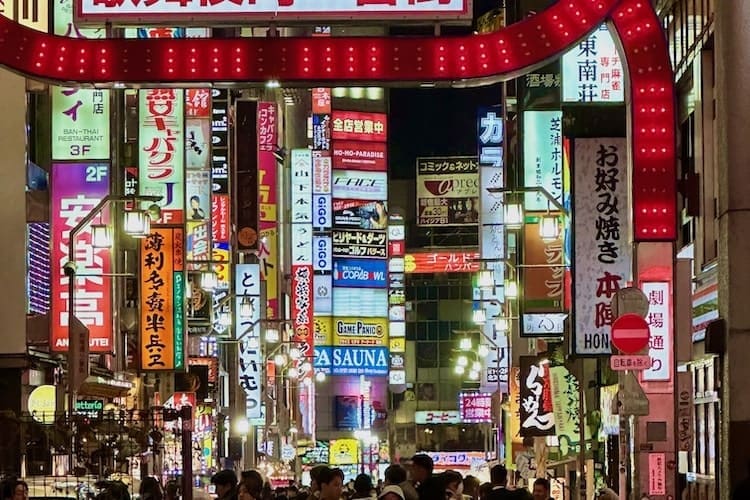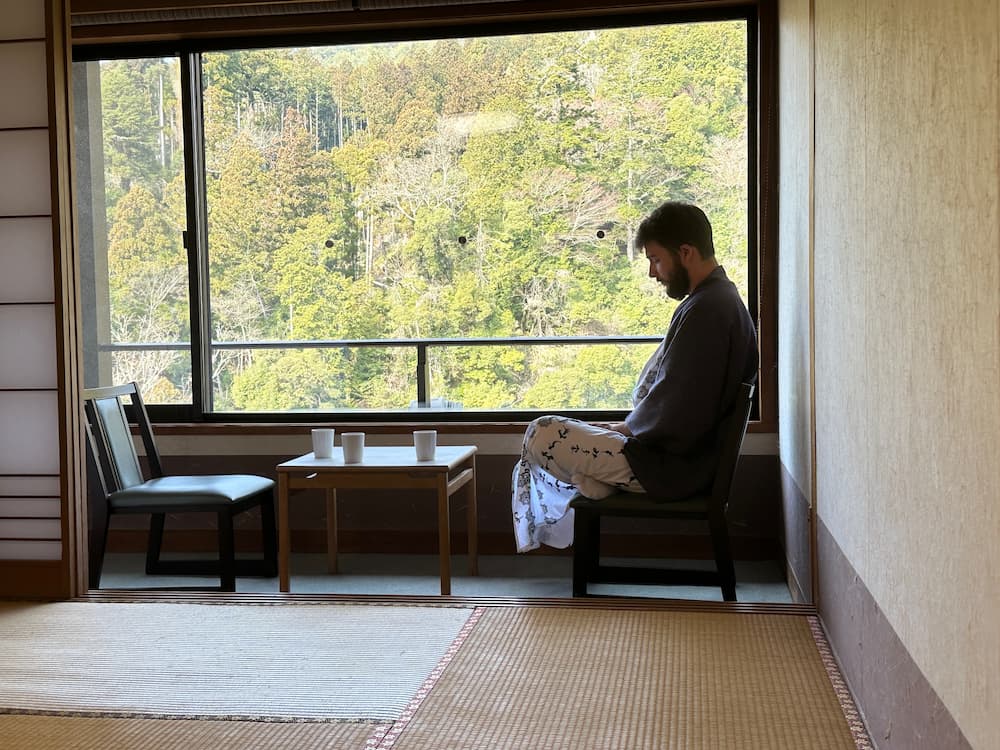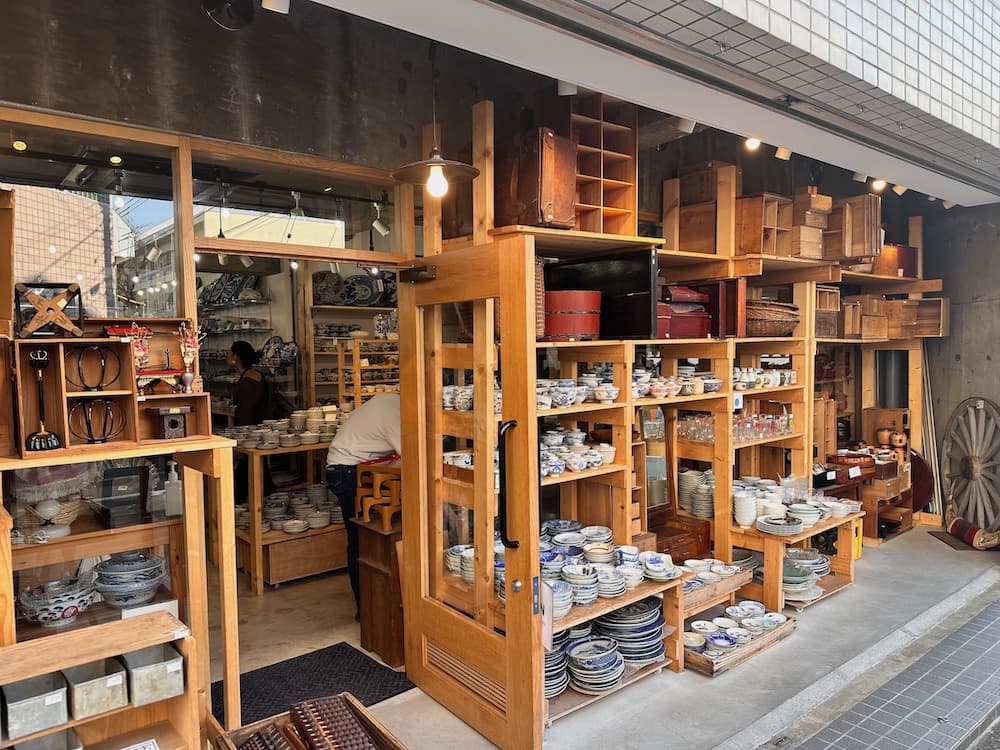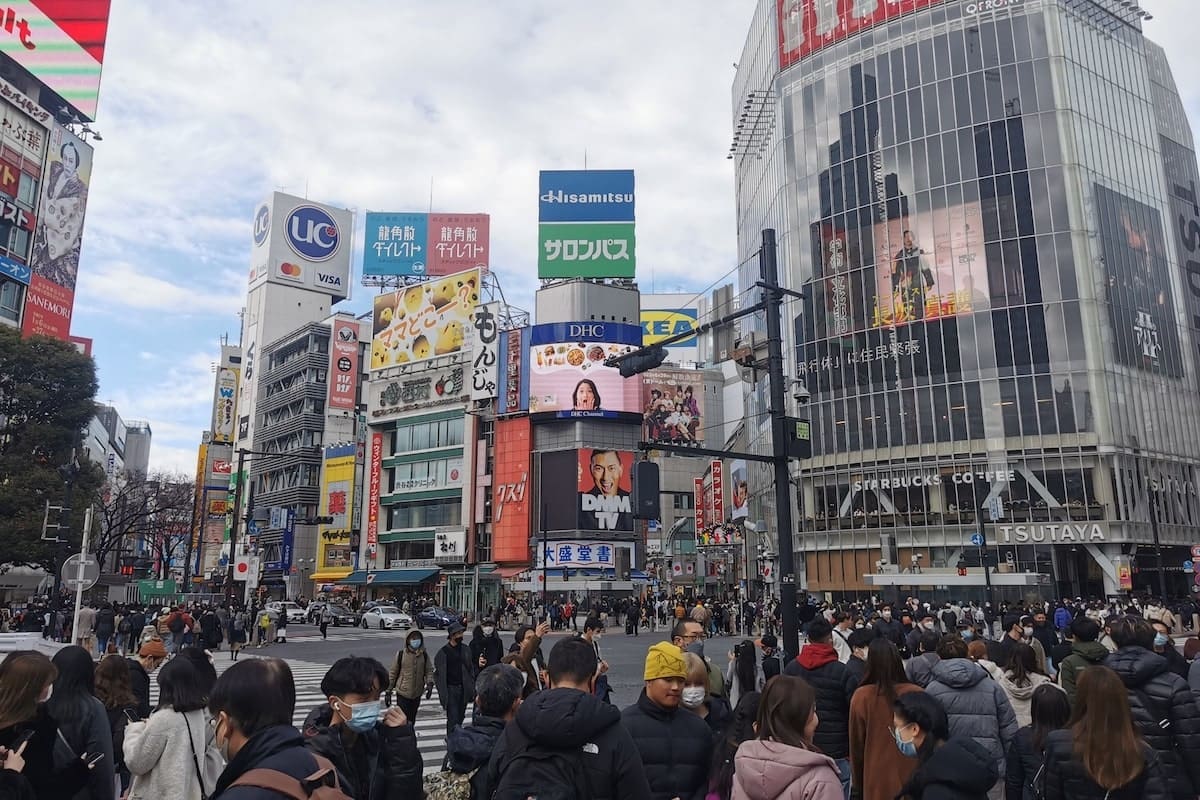
For most Japan trips, I recommend booking international flights first, followed by the parts of the trip that would be hardest to replace. That could be a day with a particular artisan, a specific ryokan (traditional Japanese inn), a restaurant you are traveling for, or a stay with only a few available rooms.
If a limited-date booking is the main reason for the trip, check it before buying non-refundable flights. Otherwise, choose your travel dates first.
You do not need to reserve everything before you arrive. Book the parts that could change your itinerary, then leave ordinary trains, restaurants, and sightseeing flexible.
- At a Glance
- Start with What You Would Be Most Disappointed to Miss
- Use These Five Questions Before You Book
- Check Anything Central to the Trip Before Booking Flights
- Why Some Cultural Experiences Need More Time
- Book Hotels and Transport Around Confirmed Dates
- Track Tickets That Open Later
- What You Can Usually Book Later
- When You Need to Book Earlier
- Japan Booking Timeline
- My Recommended Booking Order
Some links on YavaJapan are affiliate links. If you book or buy through them, I may earn a small commission at no extra cost to you. It helps support the site, and I only link to places, stays, and experiences I genuinely think are worth recommending.
At a Glance
- Start with the one to three things you would be most disappointed to miss.
- Check something before booking flights only when the trip depends on it and there are very few possible dates.
- After flights, secure rare experiences, particular stays, and other bookings with few good alternatives. Ordinary hotels and attractions can come later.
- Only a confirmation secures a booking. A request, lottery entry, waitlist place, or reminder does not.
- For tickets released later, record the official release date in Japan Standard Time and prepare a backup.
- Outside Golden Week, Obon, and New Year, you can usually leave local transport, casual meals, and many Shinkansen (high-speed train) journeys until later.
Start with What You Would Be Most Disappointed to Miss
The usual recommendation is to start with flights, then hotels, trains, restaurants, and attractions. I think this approach is missing one essential element: what you actually want from your trip.
Imagine that you want to spend a day making a knife with a particular swordsmith. The workshop may run on only a handful of dates. Another swordsmith may be in a different region, use a different process, or offer a much shorter visit. If that day is important to you, losing it can affect the cities and dates you choose.
For a hotel in Tokyo, you will usually have more choice. Your first option may sell out, but you can often find another hotel by changing the area, room type, or budget.
I suggest planning in this order:
- Start with what you care about most. Check the few experiences, stays, restaurants, or events that you would be genuinely disappointed to miss.
- Book the trip around anything already confirmed. This usually means flights, important stays, and any transport required to reach them.
- Add the easier bookings later. Attractions and activities with more dates or several good alternatives do not need to come first.
Most trips only need a few early reservations. Too many fixed bookings leave less room to change plans because of the weather, a delay, or somewhere you decide you want more time.
Use These Five Questions Before You Book
Ask these questions about anything you are considering reserving:
- How disappointed would you be to miss it? If it would be nice but is not essential, it probably should not decide the dates for a two-week trip.
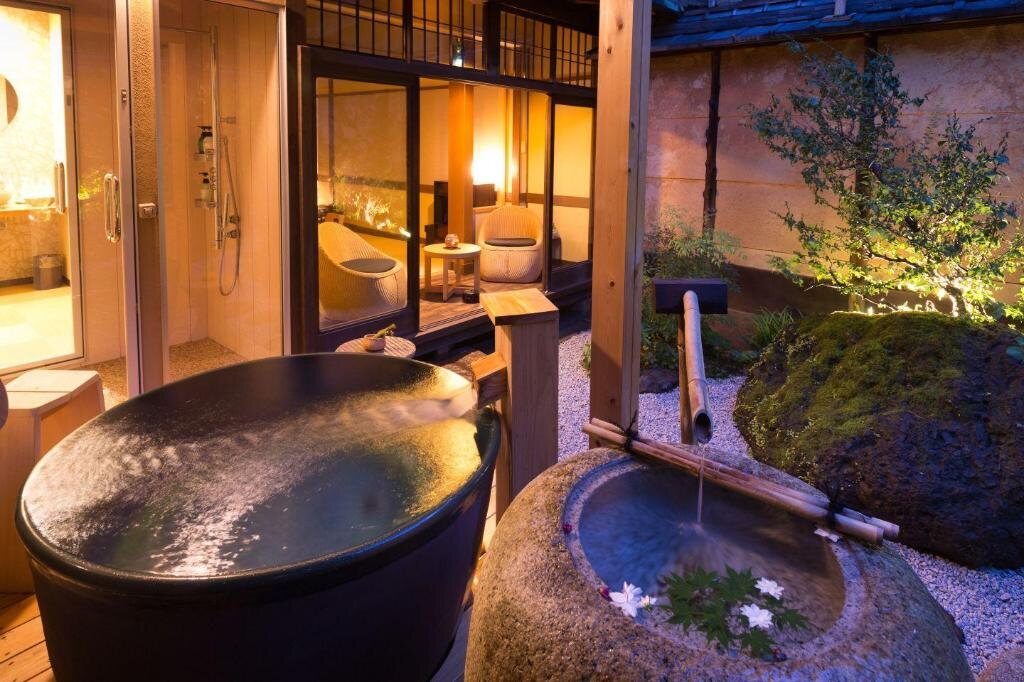
- How many alternatives would you genuinely accept? A general tea ceremony is easier to replace than time with one particular teacher. A hotel in central Tokyo is easier to replace than a popular ryokan with private in-room baths that have a clear view of Mount Fuji.
- How many dates or time slots exist? Daily admission across several time slots is very different from an artisan who hosts visitors twice a month.
- Does it decide where you need to be? I recommend checking it earlier if you must be in one city on one date or make a long detour to get there.
- Can you book it now, and are you comfortable with the cancellation conditions? Some tickets open only one month ahead. Some experiences begin as a request. A strict cancellation policy can make an early reservation a poor choice if the rest of the trip may change.
If missing it would seriously affect your trip and there are few dates or alternatives, I recommend checking it earlier.
Check Anything Central to the Trip Before Booking Flights
Most travelers should decide their broad travel dates and buy international flights first. Flights are usually expensive, and you cannot confirm hotels or activities until you know when you will be there.
The main exception is when a booking is one of the reasons you are visiting Japan. This can include:
- time with a particular artisan or teacher
- one specific restaurant
- a particular ryokan or experiential stay
- an event held on limited dates
- a museum or attraction connected to a strong personal interest
Even then, checking first does not always mean buying first. Grand Sumo is a good example. The tournament dates are published well before tickets go on sale. You can choose travel dates that overlap the tournament and set a reminder for the official sale, but you still need a backup because the ticket is not secured.
If your preferred activity runs every day or several alternatives would make you equally happy, book the flights and continue planning. A must-do with plenty of dates does not need to control the whole trip.
Why Some Cultural Experiences Need More Time
I have been working in the Japan travel industry since 2019, including reviewing thousands of bookings and comments from travelers. I have also worked with Wabunka. Through that work, I have seen travelers look for a cultural experience only after their flights and hotels were fixed, then find that the host was available only on a day when they were in another city.
Part of the problem is that these activities do not work like a hotel calendar. Some of the most interesting cultural bookings depend on a working artisan, chef, monk, artist, or other practitioner. The booking may also require a venue and an English-speaking guide or interpreter. Those people are not necessarily available every day.
This is one reason I recommend looking at private cultural experiences in Japan before booking every hotel night. A long knife-making experience with a swordsmith can have far fewer possible dates than a group workshop held several times a day.
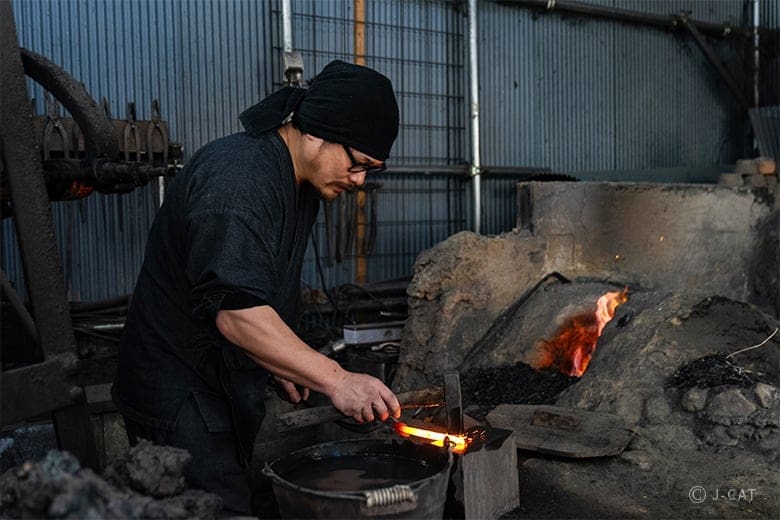
If you are looking for a private cultural experience or experiential stay, I recommend checking Wabunka. It works with artisans, chefs, monks, and other respected hosts to create experiences for international visitors. The experiences are private for your group only, and an English-speaking guide or interpreter is included when needed.
For many Wabunka experiences, you submit a booking request first. Wabunka checks the host’s availability and emails the result within four business days. Your place is only secured after you receive the confirmation, so wait for that email before buying non-refundable transport or accommodation around it.
Cancellation conditions also vary. One experience may allow free cancellation until a stated deadline, while another may charge a cancellation fee as soon as the policy takes effect. Check the exact page before submitting the request. Wabunka’s private geisha experiences are a good example of why you should read the individual terms instead of relying on a general rule.
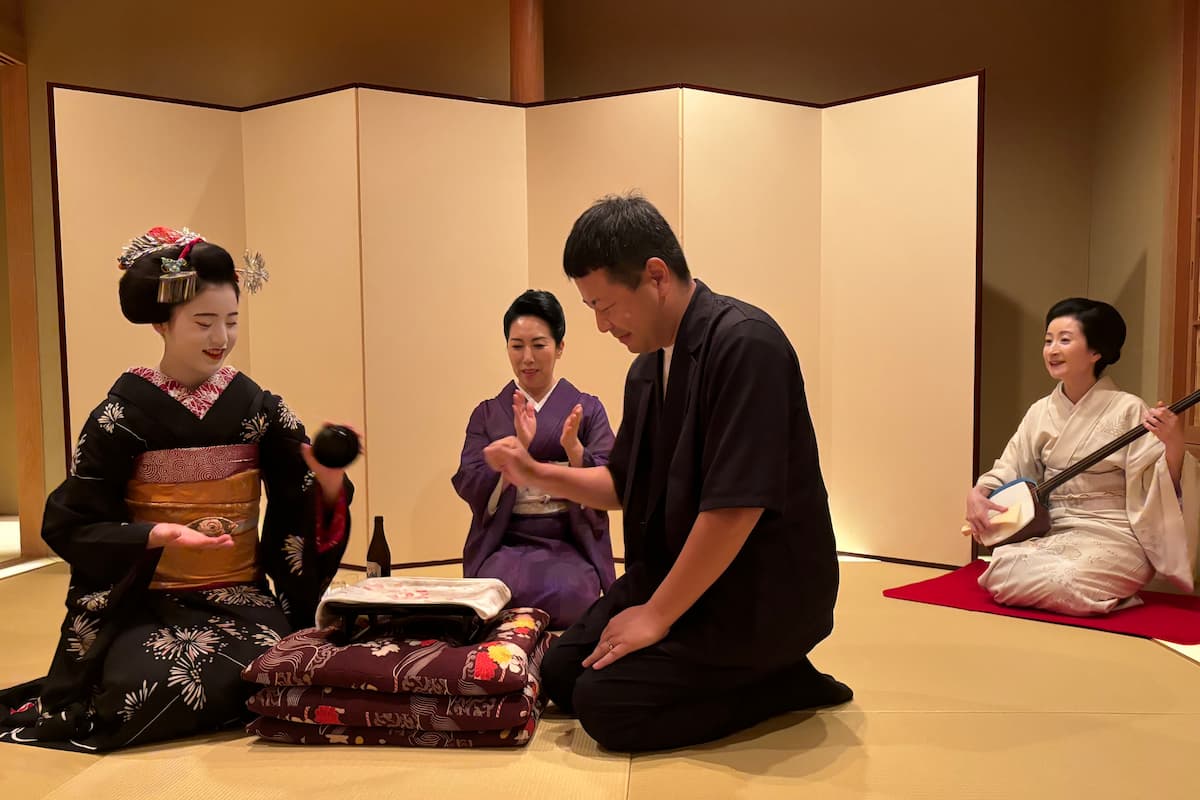
I recommend checking availability early for longer knife-making or swordsmith experiences, private geisha arrangements, and stays that include time with an artisan if one of them is important to your trip. A simpler group class may have more dates, be easier to add later, and cost much less.
My guide to a private geisha dinner in Kyoto explains what to expect from that kind of arrangement. For a Tokyo alternative, read my review of a private geisha dinner at Ryotei Maki.
Book Hotels and Transport Around Confirmed Dates
Once your travel dates and any important experiences or stays are confirmed, book the hotels and transport you need around them.
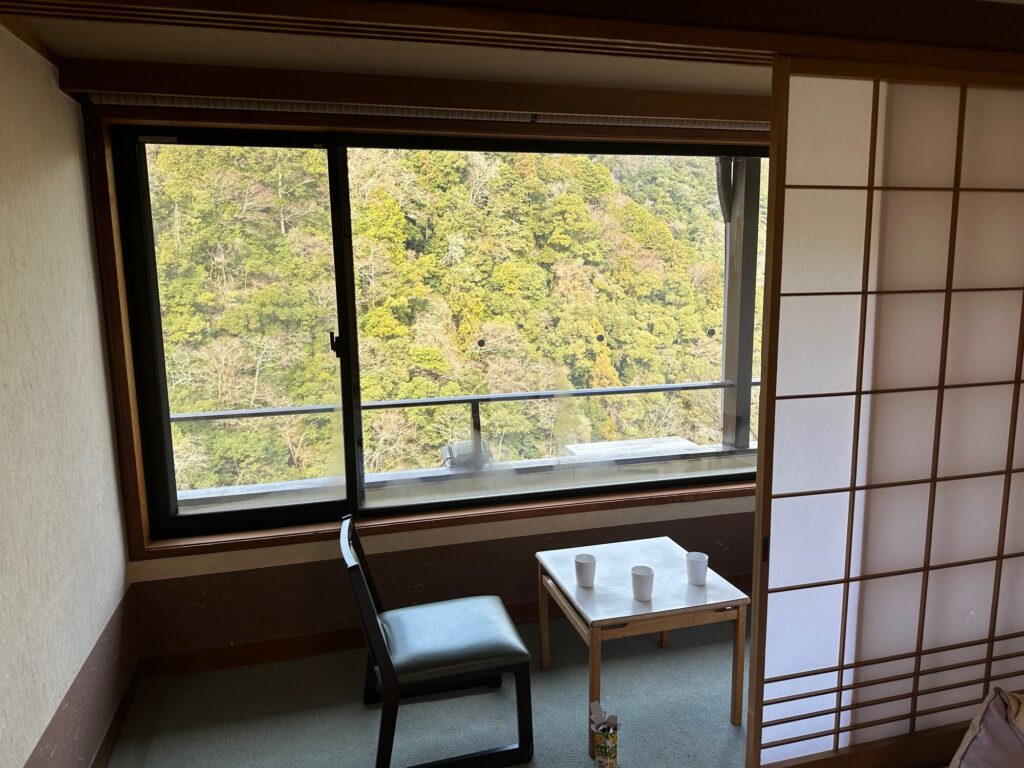
Start with stays that have few good alternatives. A specific ryokan, a room with a private open-air bath, a meal plan you want, or a small property in a popular onsen (hot spring) town may sell out earlier than an ordinary business hotel. If you are still deciding what kind of stay you want, my guide to staying in a ryokan explains the room, bath, and meal choices to check.
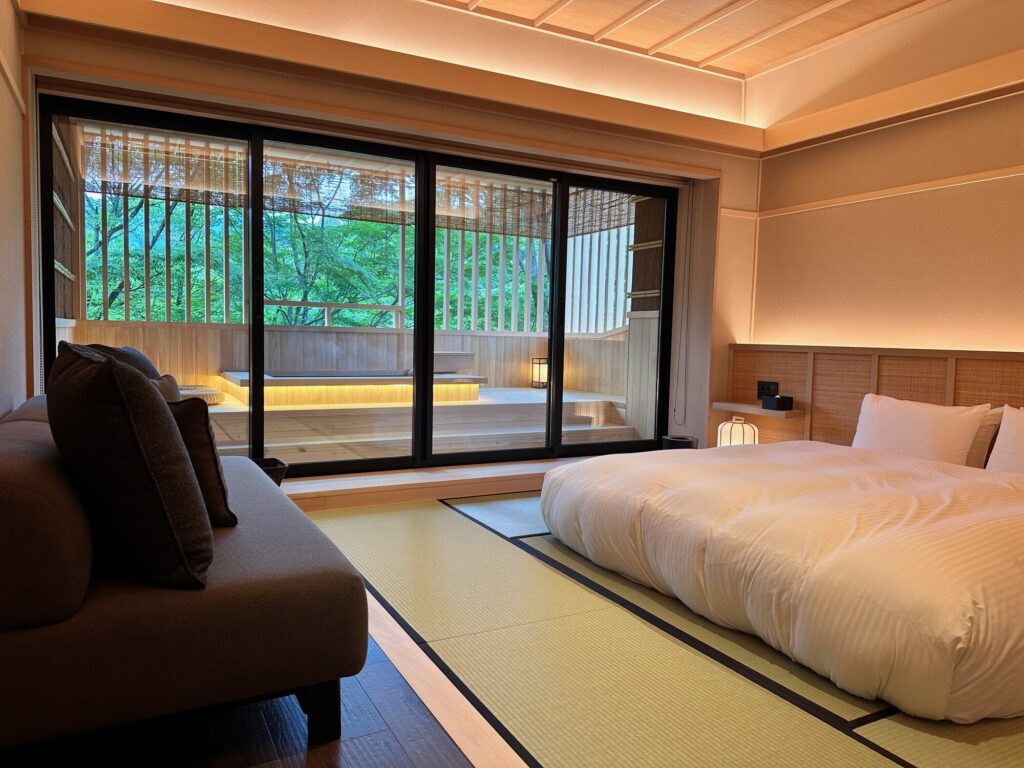
Then complete the ordinary hotel nights. I do not recommend leaving all accommodation until the last minute. Major cities usually have alternatives, but waiting can reduce your choice of area, price, bed type, and room size. This is especially important for families and groups that need several rooms.
If an important experience is still waiting for confirmation, refundable hotel reservations can help preserve options. Read the cancellation deadline carefully and avoid holding several rooms longer than necessary.
Book domestic flights and any other transport that determines where you need to stay once you know the cities and dates. You can still leave the rest of the itinerary open.
Track Tickets That Open Later
Some tickets are difficult to book and might not be on sale when you start planning the trip. In that case, I recommend recording the official release date and preparing to book when sales open.
| Example | Booking System | What to Do |
|---|---|---|
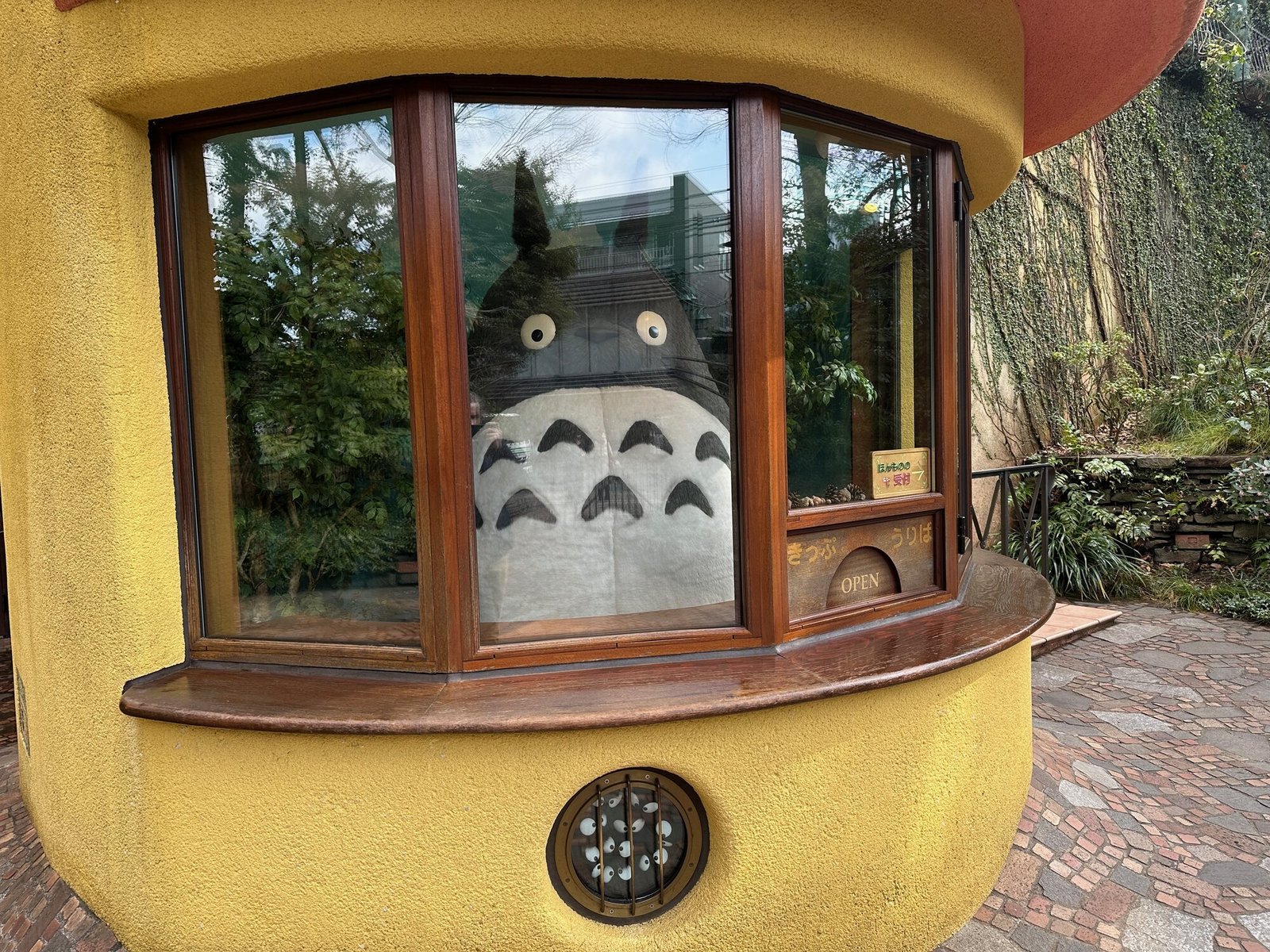
| Ghibli Museum | Tickets for the following month are released at 10:00 JST on the 10th of each month | Set a reminder in your local time and be ready when sales open |
| Nintendo Museum | Enter a drawing three months before the visit month; remaining tickets may appear later | Enter the drawing and keep another plan for that day |
| Grand Sumo | Tournament dates are known before the individual ticket sale | Check the tournament dates first, then follow the official on-sale date |
These systems can change, so use the official page when planning. My Grand Sumo ticket guide explains how to choose a tournament and buy seats.
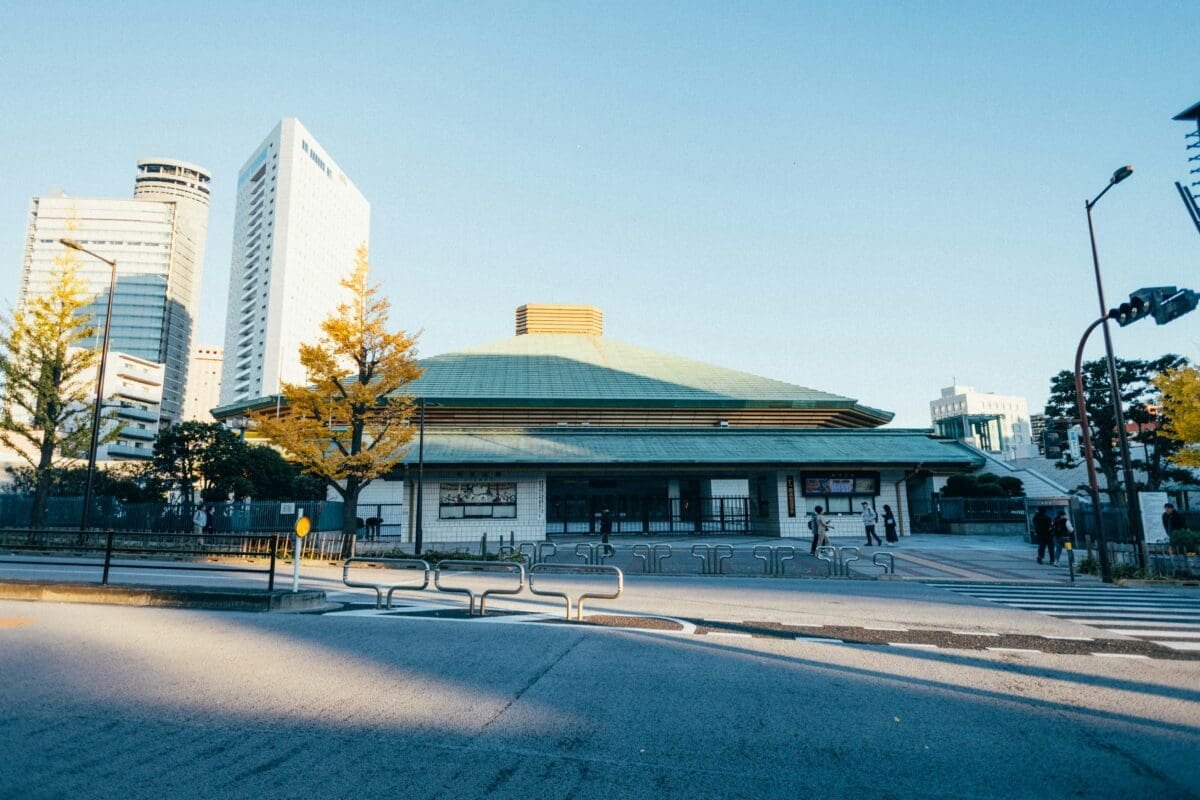
Also check whether the time shown is in Japan Standard Time. A sale at 10:00 in Japan may begin during the previous evening where you live.
What You Can Usually Book Later
Leaving some decisions open can make the trip easier when the weather changes or you want to stay longer in one neighborhood.
Popular Attractions with Timed Tickets
A famous attraction can still have many possible dates. teamLab Borderless uses date-and-time tickets, and preferred slots can sell out. I suggest waiting until you know which days you will be in Tokyo, then reserving your preferred time. If your first choice is unavailable, another time or day may work, but last-minute admission is never guaranteed.
Shinkansen
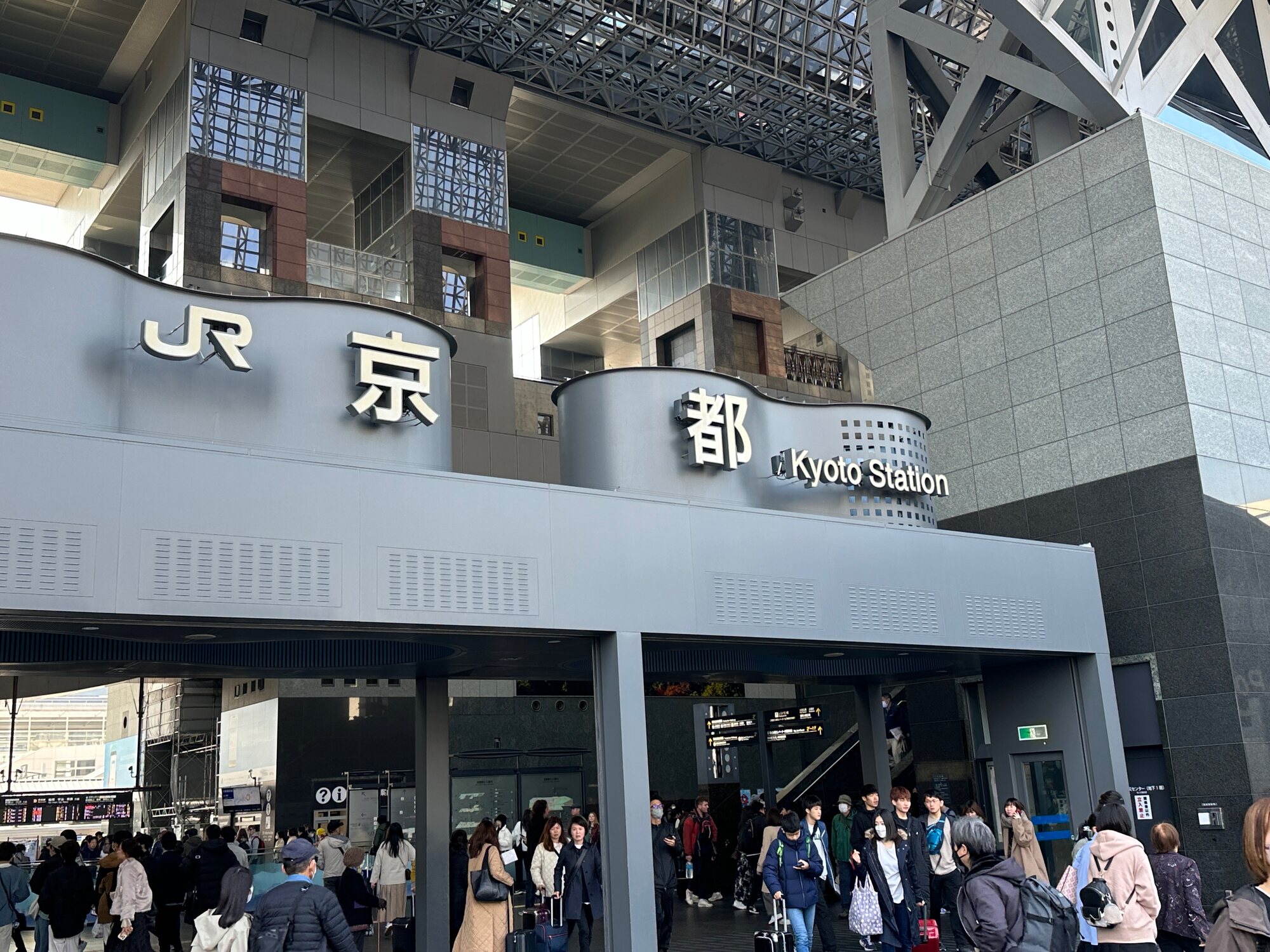
For many journeys on the main Shinkansen routes, you do not need to choose a departure several months ahead. Trains between Tokyo, Kyoto, and Osaka run frequently, and an ordinary reservation can be made after the itinerary is stable.
Reserve earlier when:
- you travel during Golden Week, Obon, or the year-end and New Year holidays
- your group wants seats together
- only one departure works
- you have oversized baggage that requires a designated storage-area seat
- you are taking a train with limited service rather than a frequent main route
During the three major domestic travel periods, Nozomi trains operate with reserved seating only. Nozomi is the fastest service on the Tokaido and Sanyo Shinkansen routes, which connect Tokyo with Kyoto, Osaka, Hiroshima, and Fukuoka. Check the current JR Central guidance before traveling.
Local Transport, Casual Restaurants, and Open Time
Metro trains, commuter trains, and most local buses do not need advance reservations. You can also decide on most casual restaurants and cafes during the trip. Many ramen shops, family restaurants, and other casual places do not take reservations at all.
I recommend protecting time for shopping, neighborhood walks, weather changes, and meals you discover during the trip. Some of my best days in Japan have included places I did not know about that morning. A reservation for every meal and attraction can make those changes difficult.
When You Need to Book Earlier
Japan’s biggest domestic travel periods are Golden Week in late April to early May, Obon around mid-August, and the year-end and New Year holidays. Trains and accommodation can fill much faster because many people in Japan are traveling at the same time.
If your trip overlaps one of these periods, reserve the important hotel and transport dates as soon as your itinerary is stable. My guide to public holidays in Japan explains the main periods and possible closures.
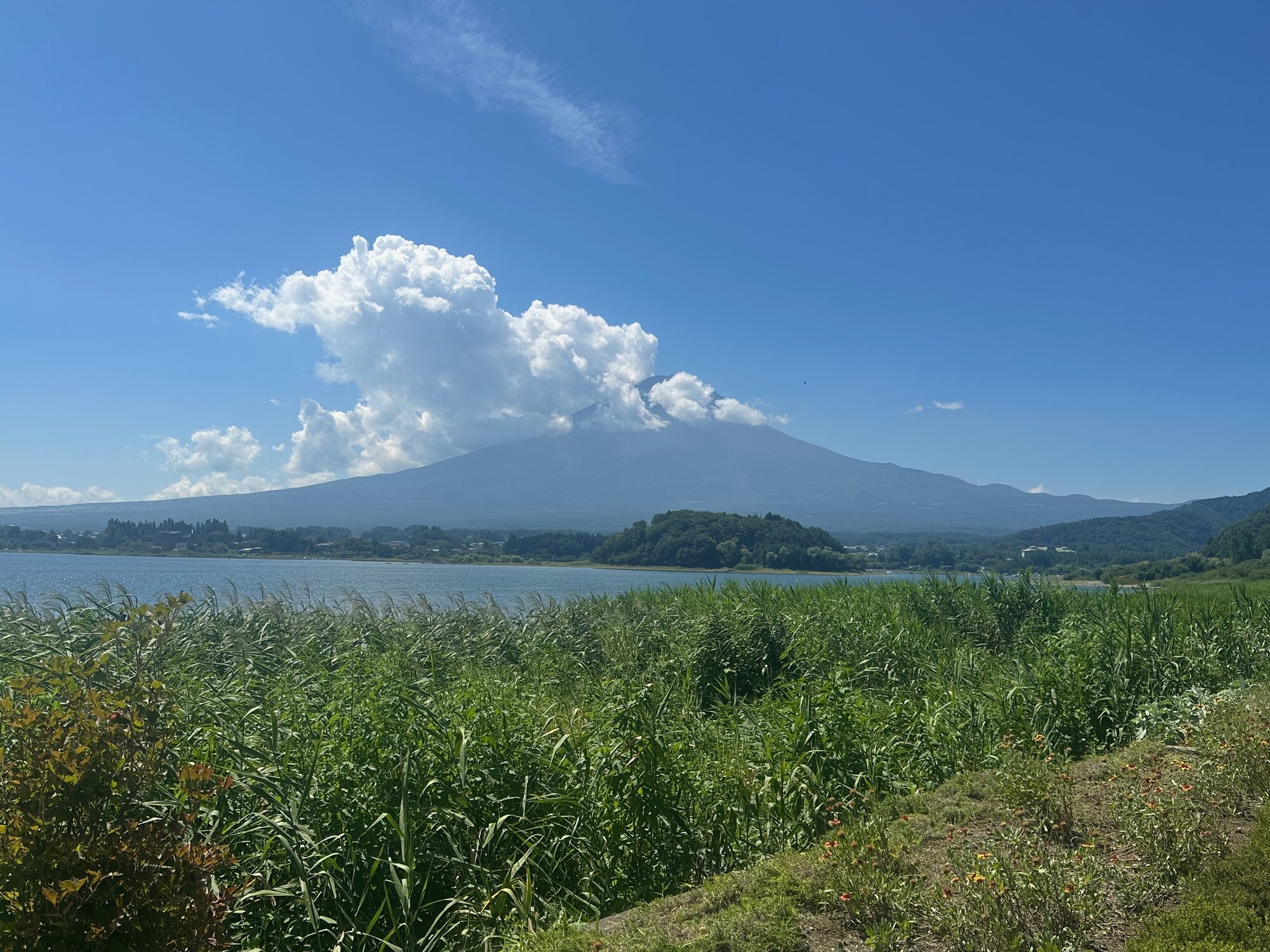
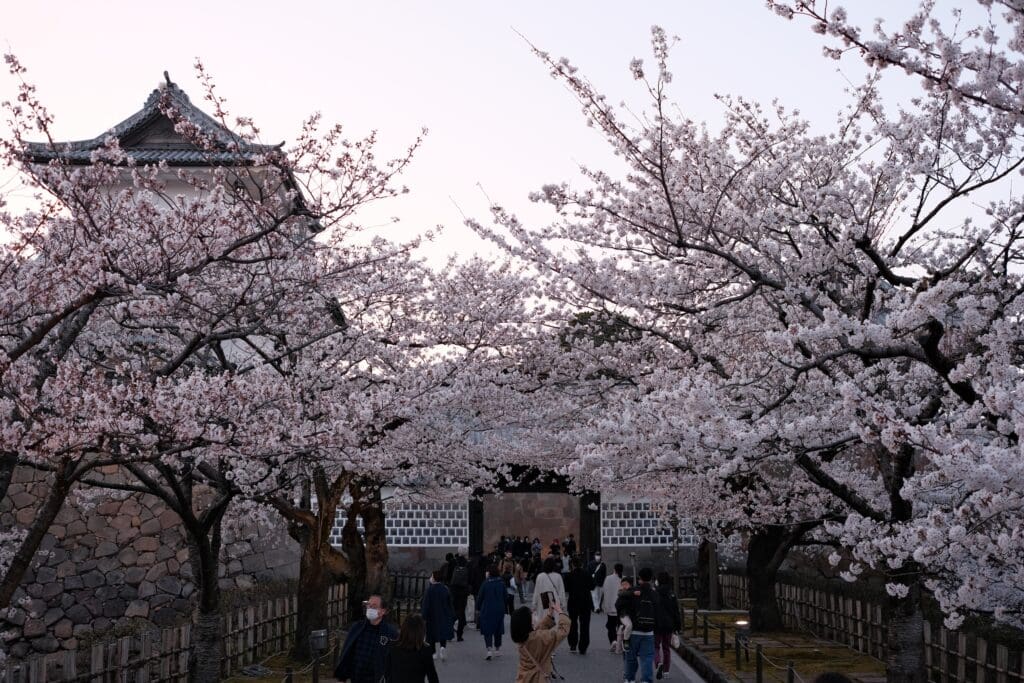
Cherry blossom season and popular autumn weekends can also reduce hotel choice in places such as Kyoto and around Mount Fuji. If you are traveling at one of these times, I recommend checking hotels early for your exact destination and dates.
Your own requirements could also mean you need to book earlier. For a family trip, you might need connecting rooms. A larger group may need several seats together. If you want one specific room with a private bath, you will have fewer choices than someone who only needs a convenient hotel near a station.
Even when rooms or tickets are limited, I do not recommend booking unless you are ready to keep the reservation or accept the cost of changing it.
Japan Booking Timeline
Exact booking months vary. I suggest sorting each reservation by what you can do now: check it before flights, book it when your dates are decided, set a reminder, or leave it until later.
| Action | When This Applies | Examples |
|---|---|---|
| Check before flights | Something central to the trip with very few possible dates | A particular artisan, event, restaurant, ryokan, or experiential stay |
| Book when dates are decided | You know when and where you will travel, and you have only a few good choices | Flights, confirmed rare experiences, special stays, preferred hotels, domestic flights |
| Set a release-date reminder | Important tickets that are not yet on sale | Ghibli Museum, Nintendo Museum, Grand Sumo |
| Usually leave flexible | Frequent services and choices with many alternatives | Ordinary Shinkansen outside peak periods, local transport, casual restaurants, open sightseeing |
A general three-to-six-month range can still be useful for checking flights, rare experiences, special stays, and popular accommodation. Always check the actual booking calendar. Some businesses will not have opened reservations that far ahead, while others may already have limited choice.
My Recommended Booking Order
- Write down the one to three things you would be most disappointed to miss.
- Check their possible dates, alternatives, sales windows, confirmation process, and cancellation conditions.
- Book international flights unless one of the main reasons for the trip has already been confirmed and requires different dates.
- Submit requests for important experiences and stays with only a few dates and no close alternative, then consider them secured only after written confirmation.
- Book accommodation and required transport around confirmed dates.
- Record later ticket releases and leave ordinary parts of the trip flexible.
Once those decisions are made, you can use my Japan trip planning guide to work through the route, budget, accommodation, and remaining practical choices.