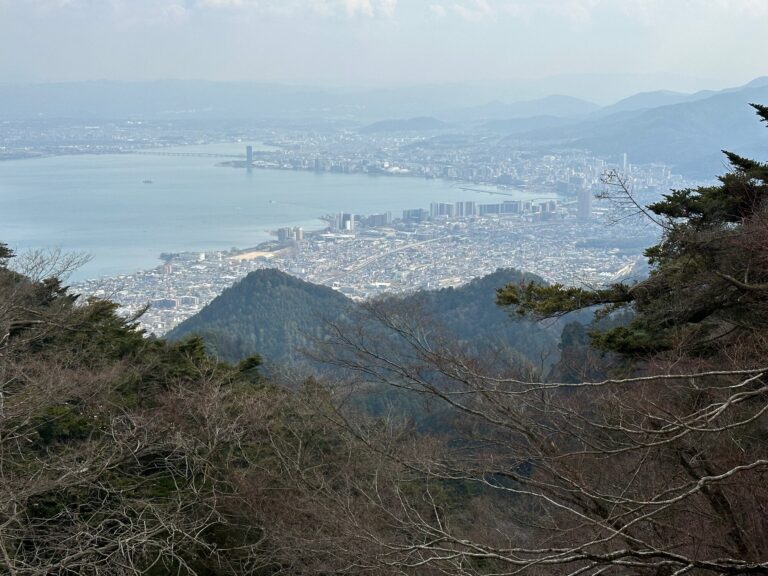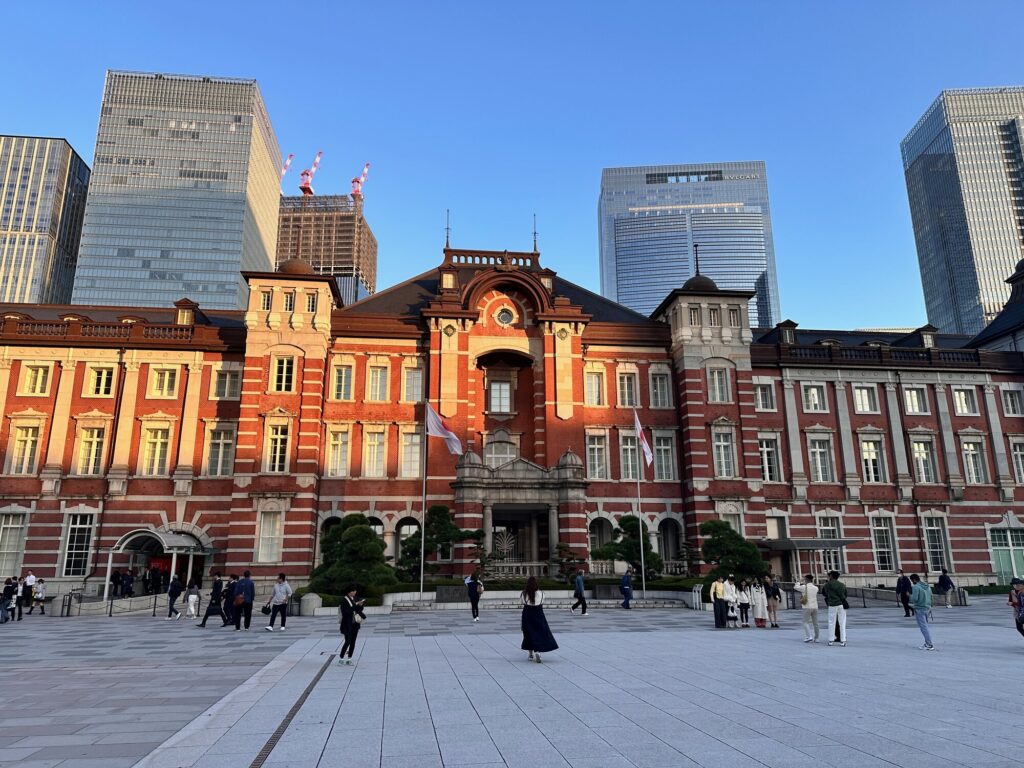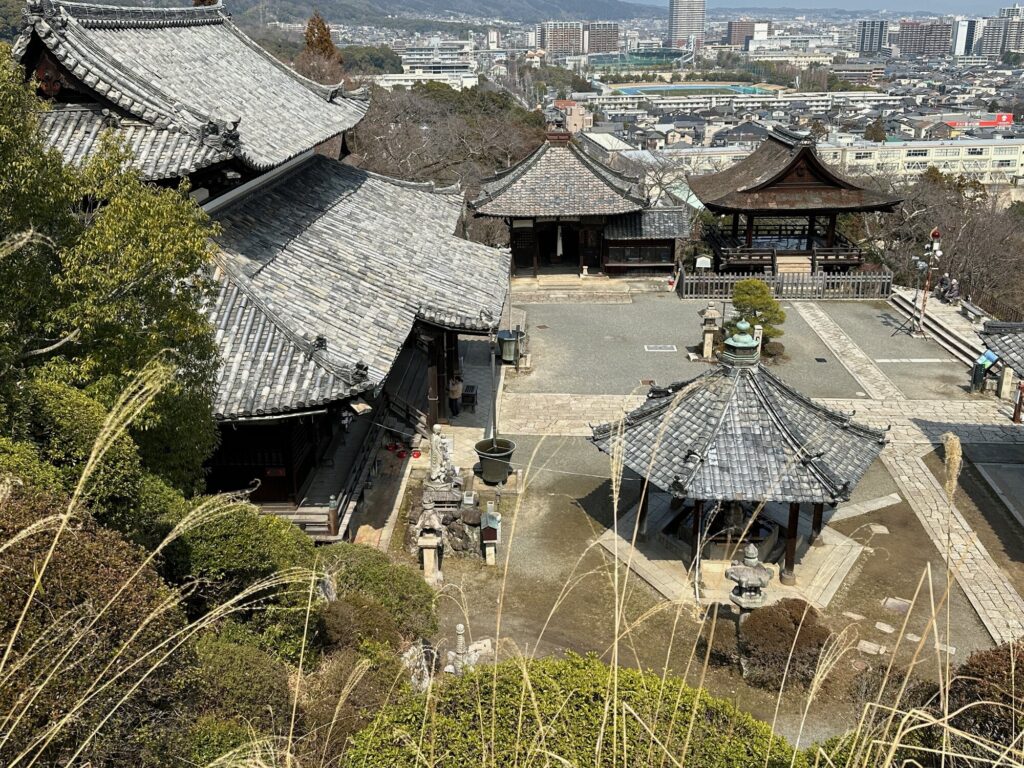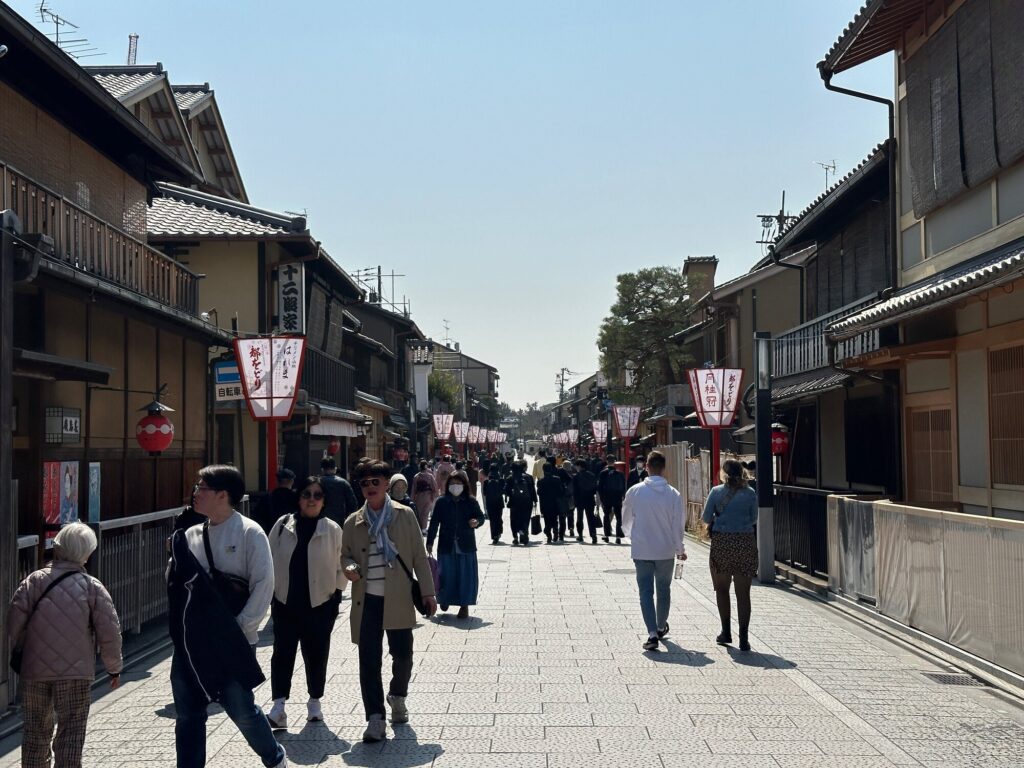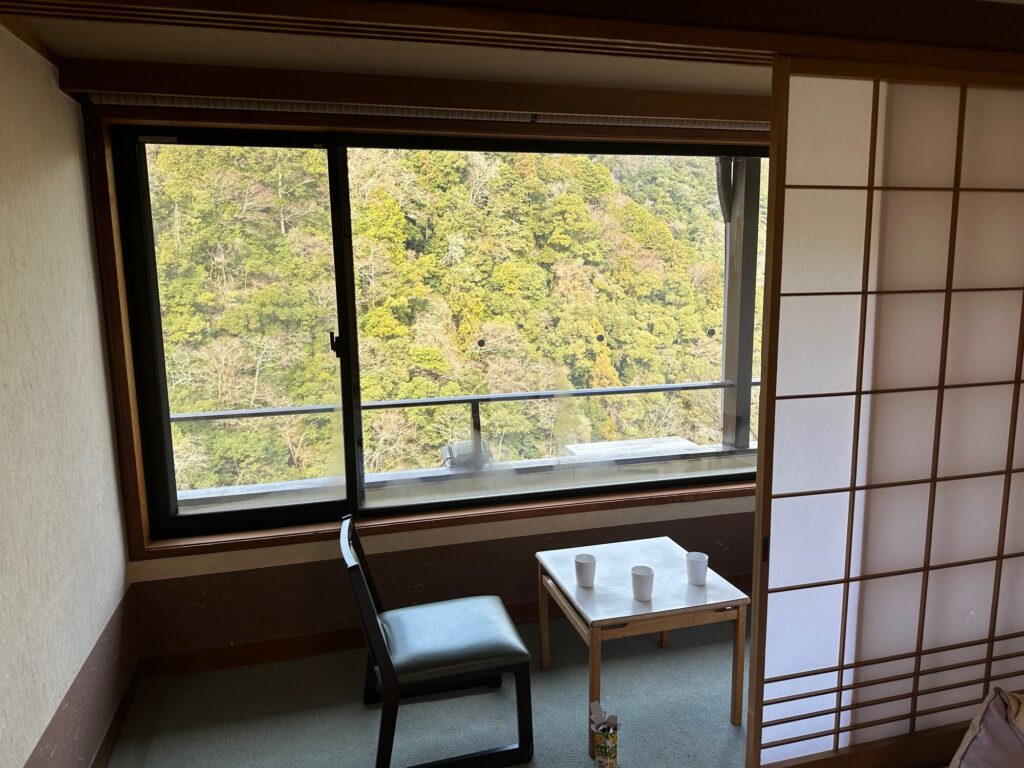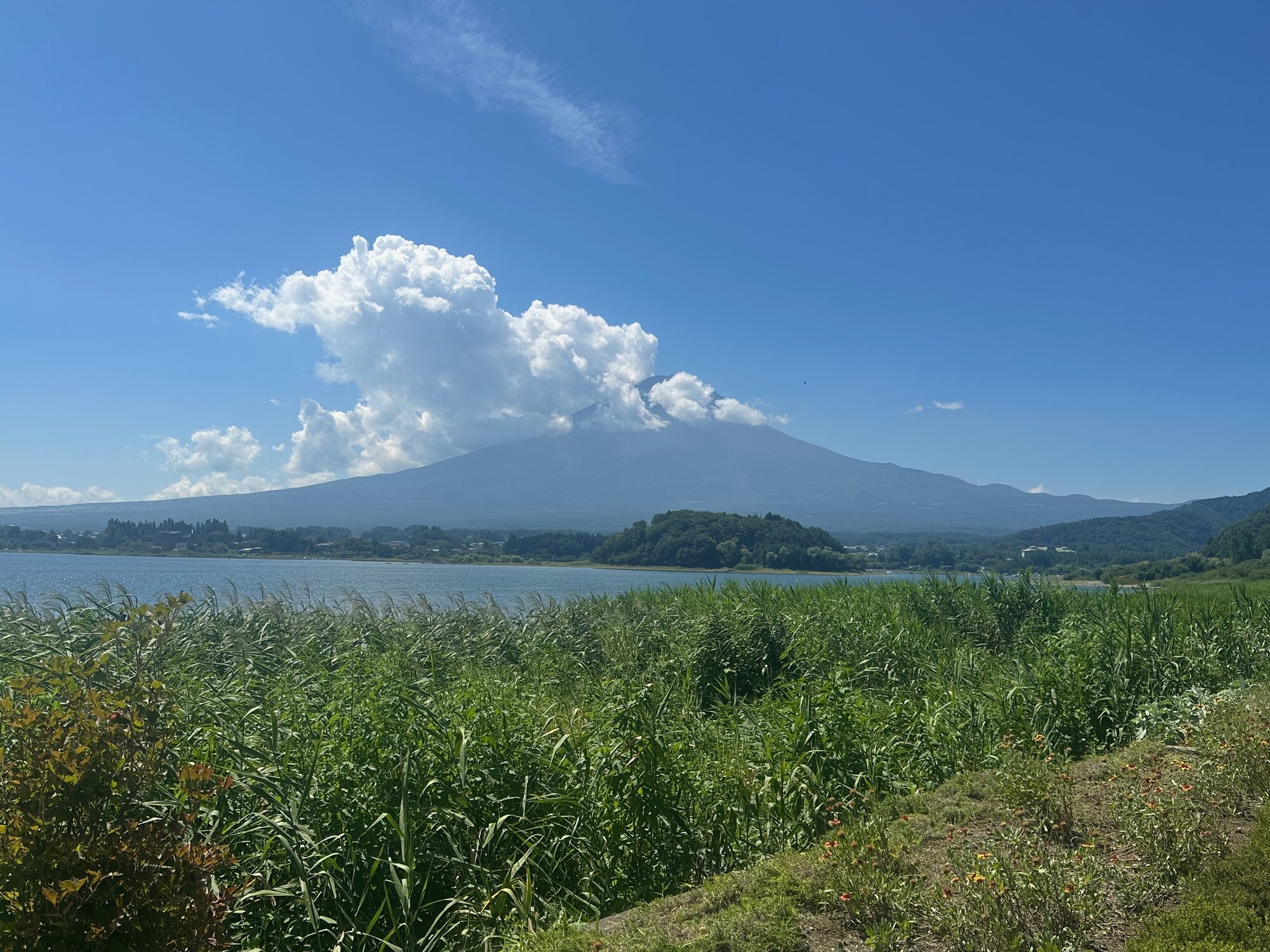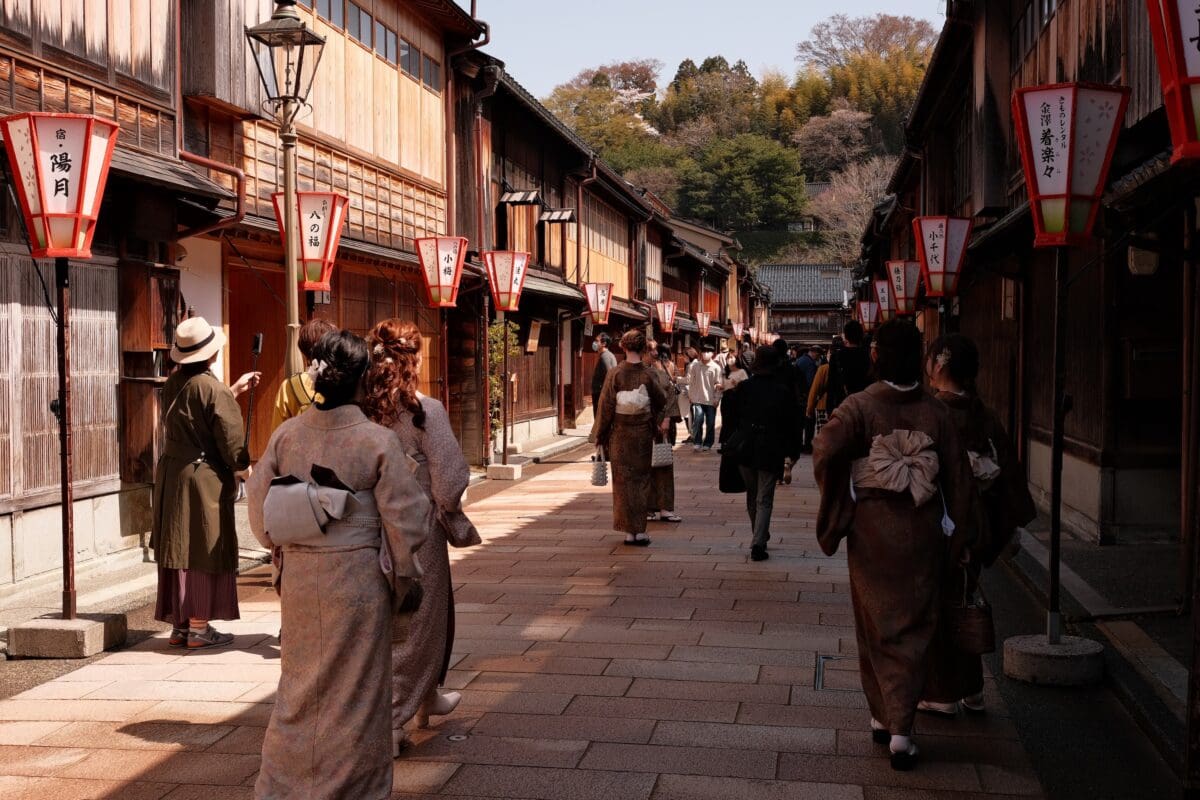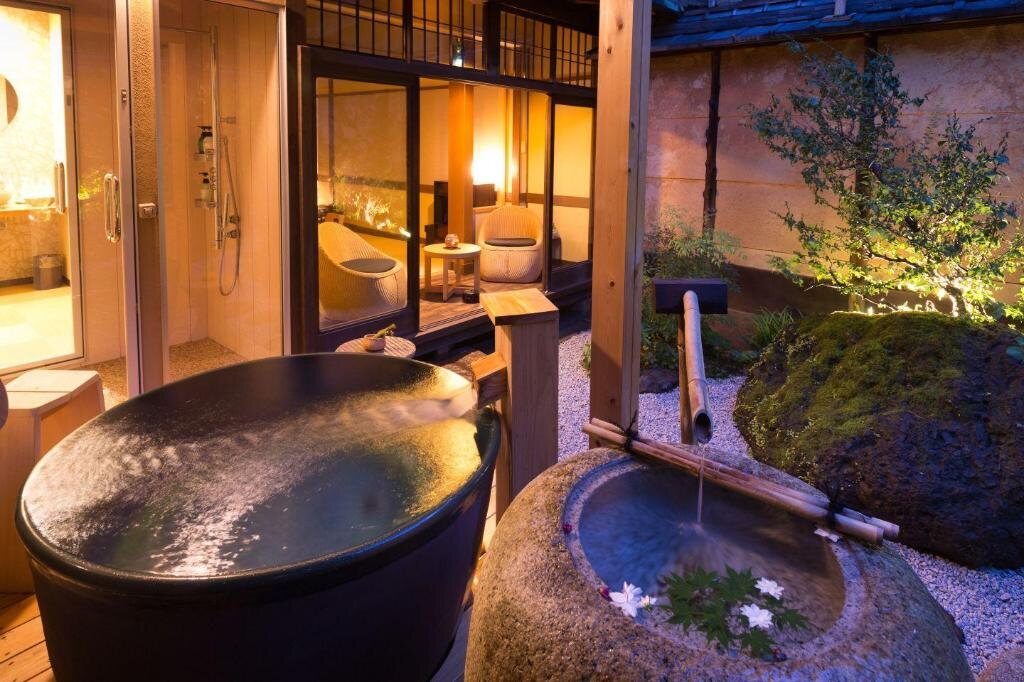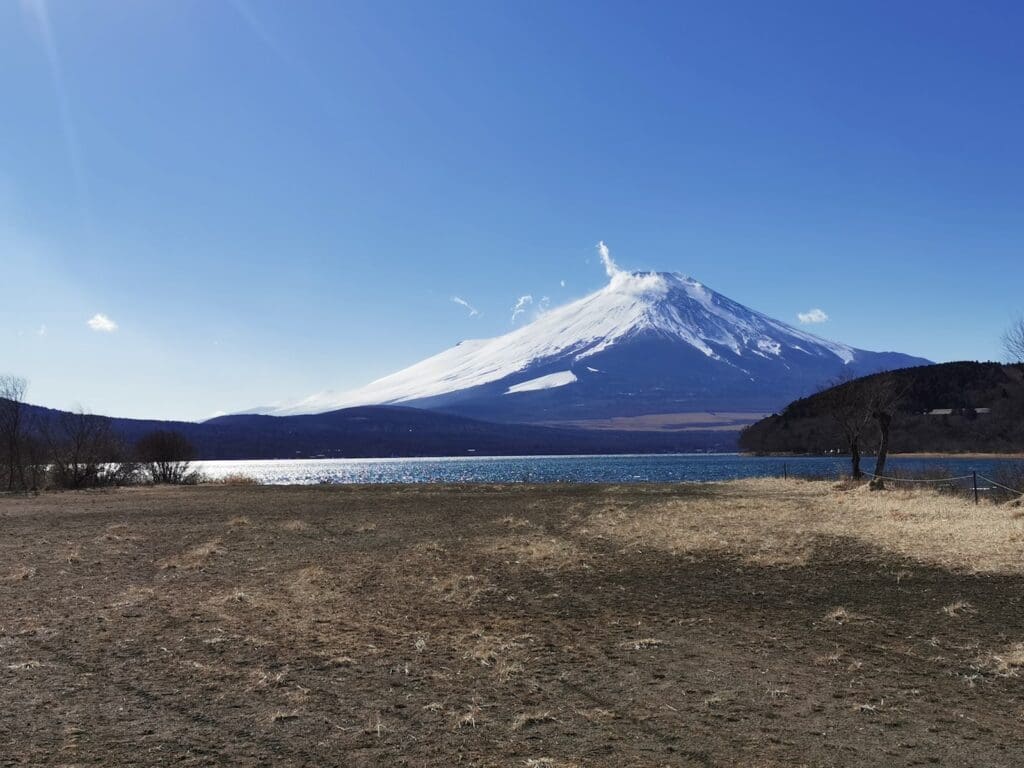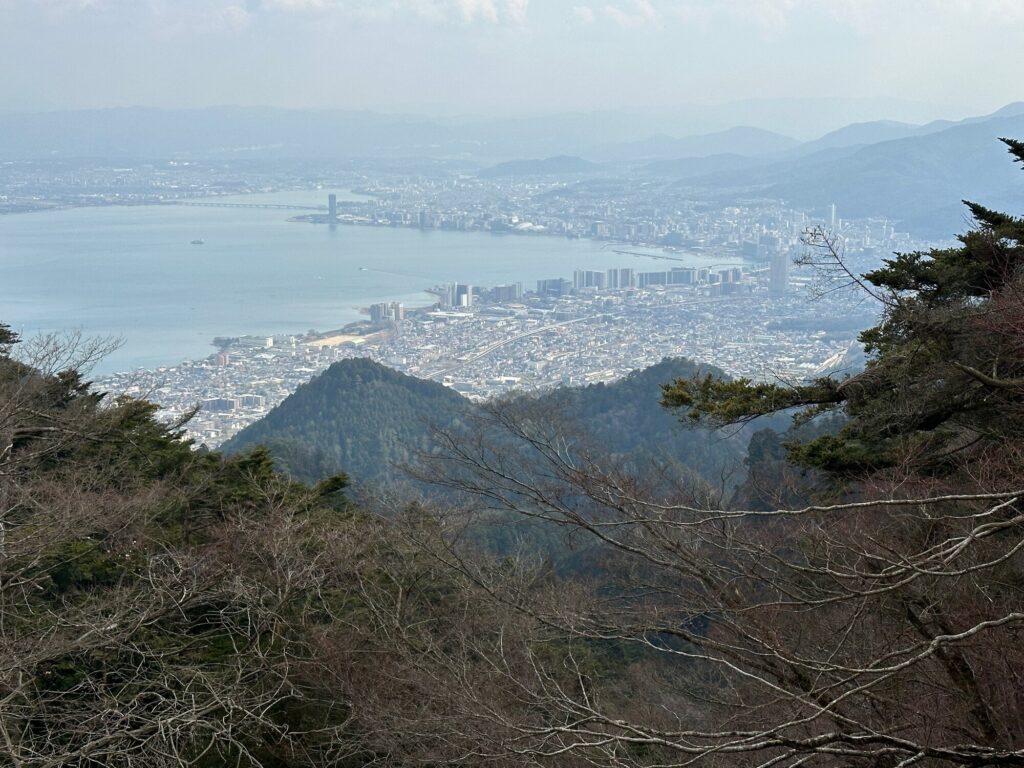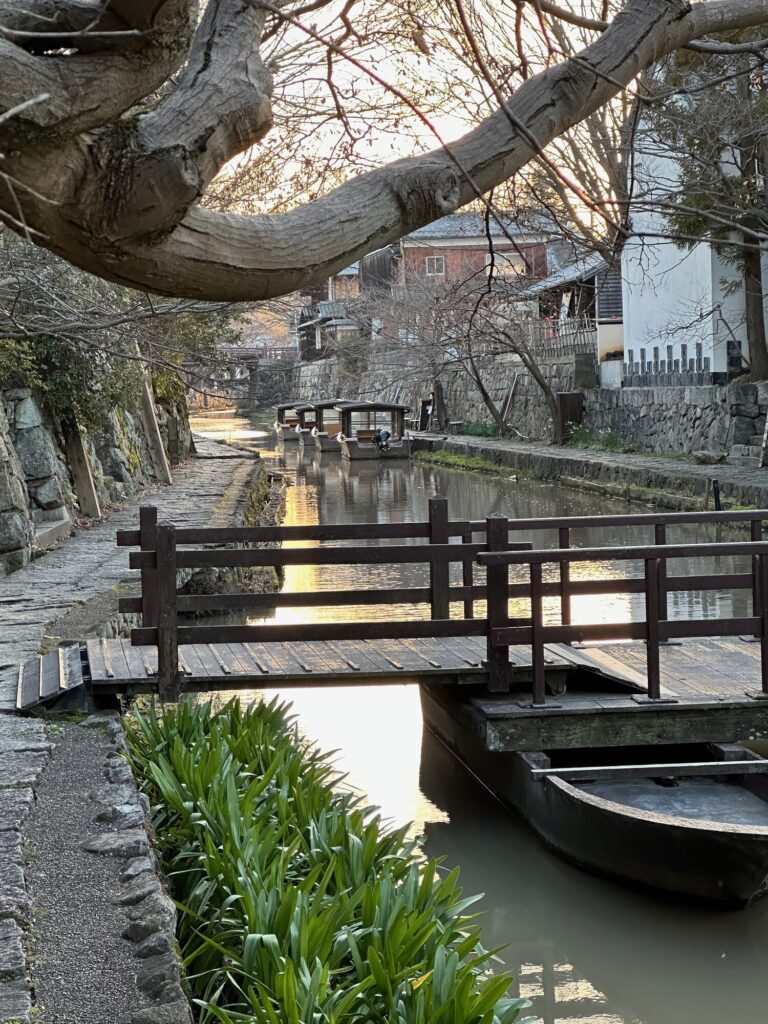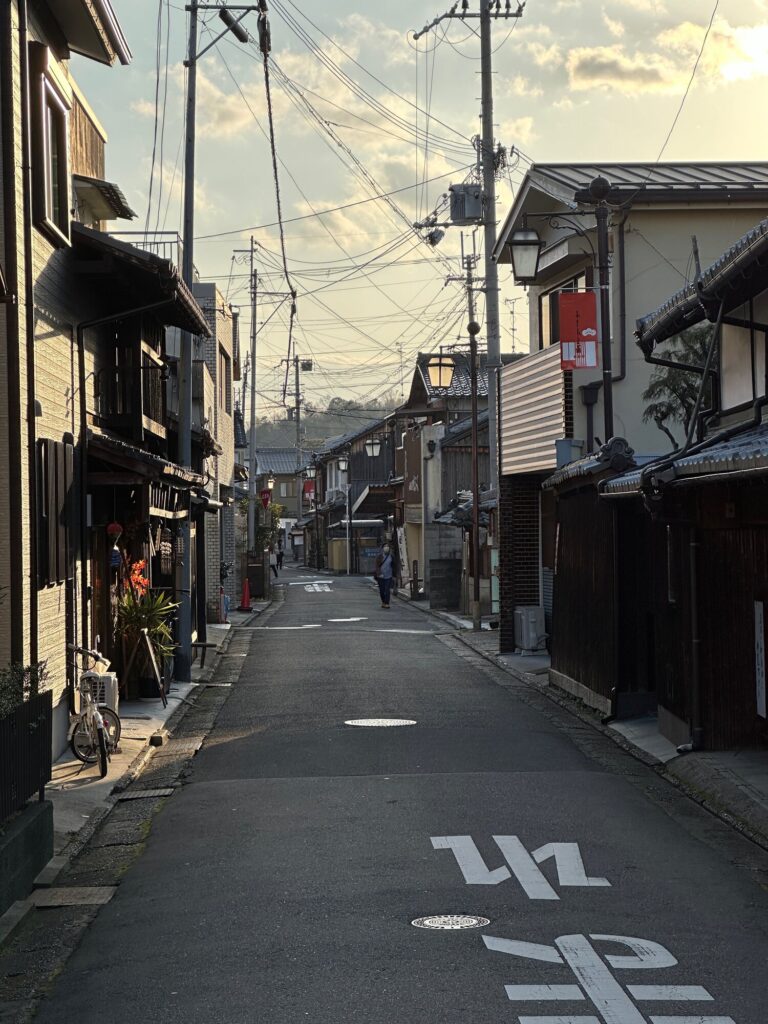
For Kanazawa, Shirakawa-go, and Takayama, I recommend 5 days / 4 nights for most travelers: 2 nights in Kanazawa, a transfer day through Shirakawa-go, and 2 nights in Takayama.
You can compress the route into 4 days / 3 nights, but it becomes a highlights route. Kanazawa and Takayama both deserve at least one proper day, and Shirakawa-go works better when it is planned as part of the transfer instead of squeezed between check-out and a late arrival.
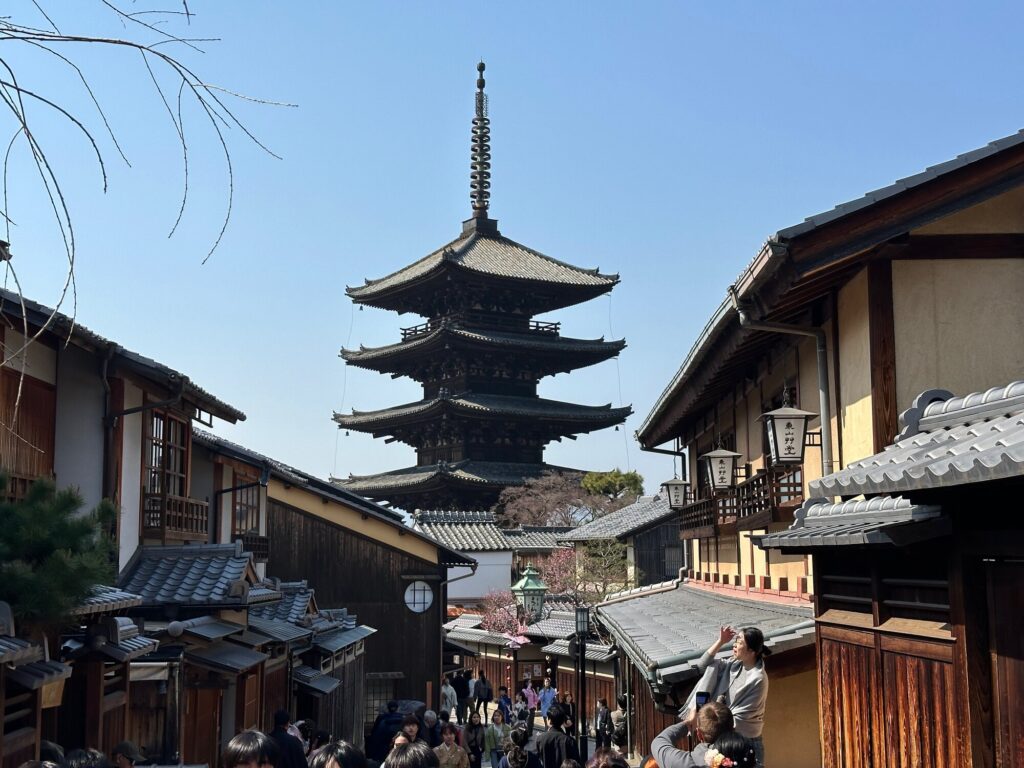
This is a classic Central Japan route: touristic, popular, and still part of the usual Japan travel map. I suggest choosing it for gardens, crafts, mountain-town streets, Hida food, and the gassho-style houses of Shirakawa-go. It gives the trip a different region, landscape, and food culture from the Tokyo-Kyoto-Osaka line.
For a first trip of around two weeks, this route usually means making real choices. Tokyo, Kyoto, Kanazawa, Shirakawa-go, and Takayama can work together, but only if you keep the plan focused and still leave a few days for visiting less-known places during the trip. If you also add Osaka, Hiroshima/Miyajima, Hakone/Fuji, and several Kyoto day trips, the itinerary becomes too crowded.
- At a Glance
- Is This Route Worth It?
- How Many Days Do You Need?
- How This Fits Into a First Trip
- Best Direction: Kanazawa First or Takayama First?
- Recommended 5-Day Itinerary
- Faster 4-Day Version
- 6-Day Version
- How to Handle Shirakawa-go
- Where to Sleep on This Route
- Transport, Bus Reservations, and Luggage
- FAQ
- Can You Do Kanazawa, Shirakawa-go, and Takayama in 3 Days?
- Should You Stay Overnight in Shirakawa-go?
- Is Kanazawa or Takayama Better for 2 Nights?
- Is This Route Good for a First Trip to Japan?
- Is This Route Better Than Hiroshima or Hakone?
- Do You Need to Reserve the Shirakawa-go Bus?
- Can You Bring Luggage Through Shirakawa-go?
Some links on YavaJapan are affiliate links. If you book or buy through them, I may earn a small commission at no extra cost to you. It helps support the site, and I only link to places, stays, and experiences I genuinely think are worth recommending.
At a Glance
- Best default route: 2 nights in Kanazawa, bus through Shirakawa-go, then 2 nights in Takayama.
- Minimum route: 4 days / 3 nights, with limited time in either Kanazawa or Takayama.
- Better route: 5 or 6 nights if you want a private craft experience, a stay that is part of the itinerary, Hida-Furukawa, Gokayama, or a nature day.
- Best direction from Tokyo or Hokuriku: Kanazawa -> Shirakawa-go -> Takayama.
- Best direction from Nagoya: Takayama -> Shirakawa-go -> Kanazawa.
- Best use of Shirakawa-go for most people: a planned stop between Kanazawa and Takayama.
- Main booking warning: reserve the bus where required, keep luggage simple, and leave buffer time in winter.
Is This Route Worth It?
Yes, if you want a route built around Kanazawa crafts and gardens, Shirakawa-go’s gassho-style houses, and Takayama’s old town and Hida food.
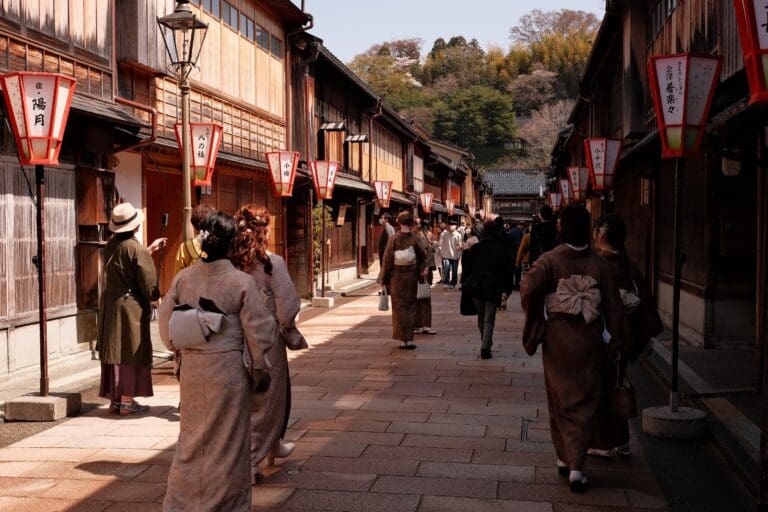
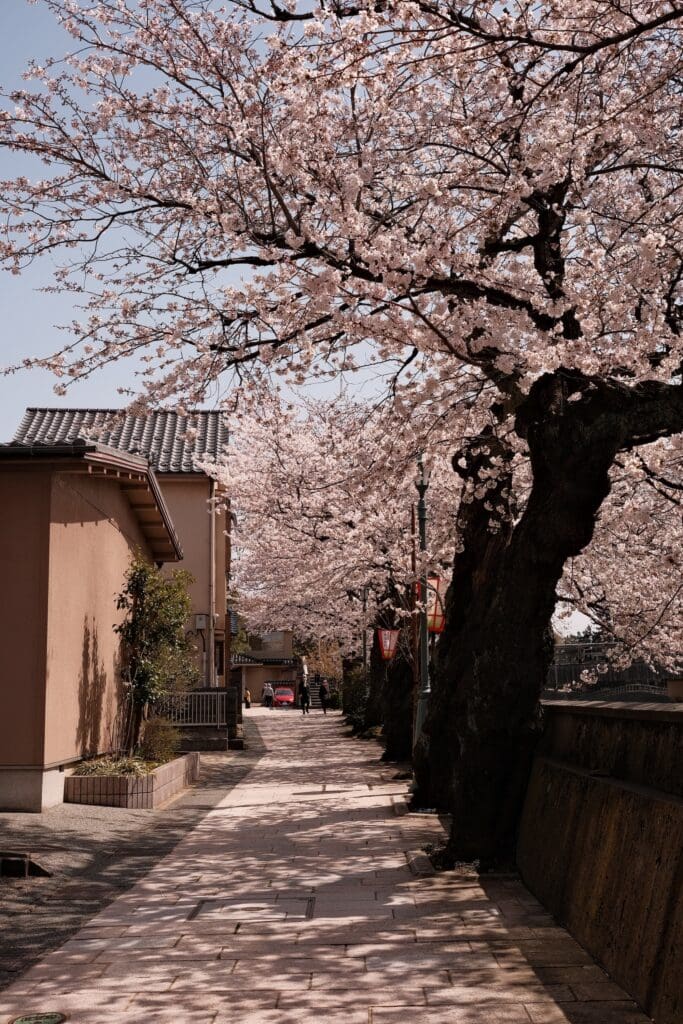
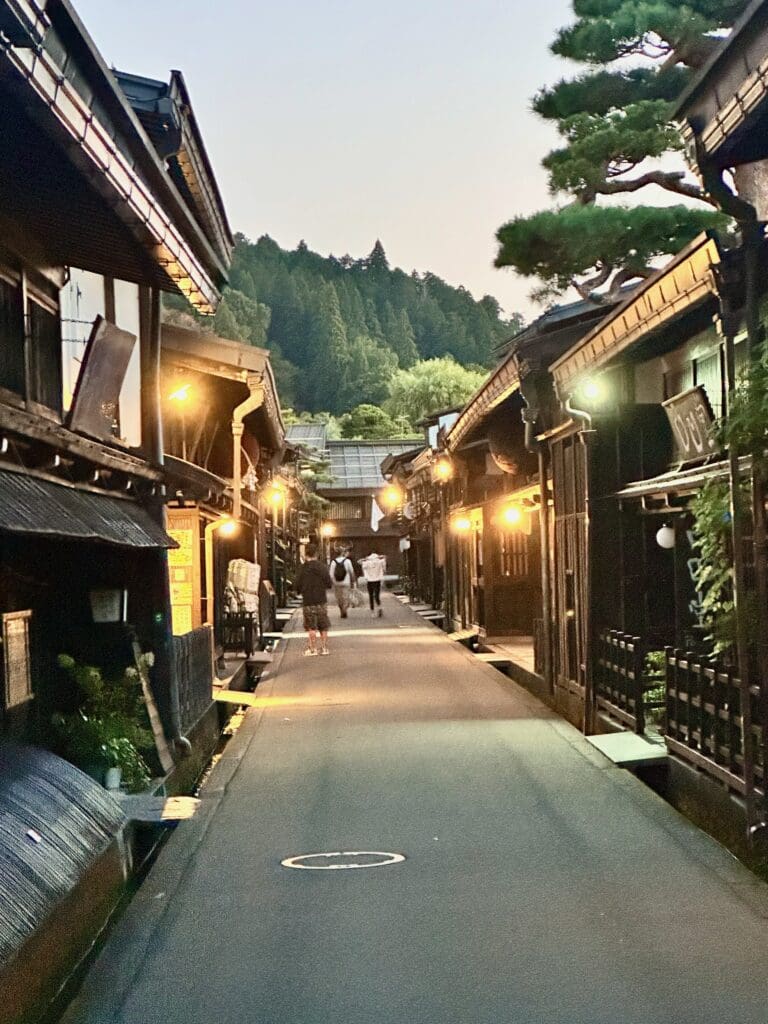
Kanazawa gives you Kenrokuen Garden, Higashi Chaya, Omicho Market, museums, seafood, gold leaf, and craft traditions. Takayama gives you Sanmachi Suji, morning markets, Hida beef, Takayama Jinya, Hida Folk Village, and access to the Hida region. Shirakawa-go gives you Ogimachi, the World Heritage village known for steep thatched-roof houses, with people still living there.
For many second trips to Japan, I recommend this route. If you already did Tokyo, Kyoto, Osaka, Hiroshima, or Hakone, Central Japan gives the next trip a clear direction without making the logistics too difficult.
For a first trip, it can also work. The important part is what you leave out. If you choose Kanazawa, Shirakawa-go, and Takayama, you probably do not also need Hiroshima/Miyajima, Hakone/Fuji, Osaka, and every Kyoto side trip on the same two-week itinerary.
Use this route if you want:
- a classic route that is different from Tokyo and Kyoto
- craft, old districts, markets, and traditional houses
- a route that can work without renting a car
- a strong second-trip idea after the main Golden Route
I suggest leaving it for another trip if:
- you have only 10 days and this is your first time in Japan
- Kyoto and Hiroshima are already non-negotiable
- you dislike changing hotels
- you are traveling in winter and cannot leave buffer time for bus delays
If you are still choosing the larger route, start with my Japan Golden Route guide and the 14-day Japan itinerary.
How Many Days Do You Need?
I recommend 5 days / 4 nights as the default.
That gives you:
- 2 nights in Kanazawa
- 1 transfer day through Shirakawa-go
- 2 nights in Takayama
| Trip Length | Nights | Best For | Main Cost |
|---|---|---|---|
| 4 days | 3 nights | Travelers with limited time | One city gets a short visit |
| 5 days | 4 nights | Most travelers | Uses a serious part of a two-week trip |
| 6 days | 5 nights | Travelers adding a craft session, private stay, Hida-Furukawa, Gokayama, or nature | You need to cut another major destination |
I do not recommend three days for most people. It is fine if the goal is only to pass through, but it leaves too little time for Kanazawa and Takayama.
How This Fits Into a First Trip
My usual first-trip rule is 70/30: spend about 70% of the trip on the top destinations, then keep about 30% for a less-known town, island, rural area, or region.
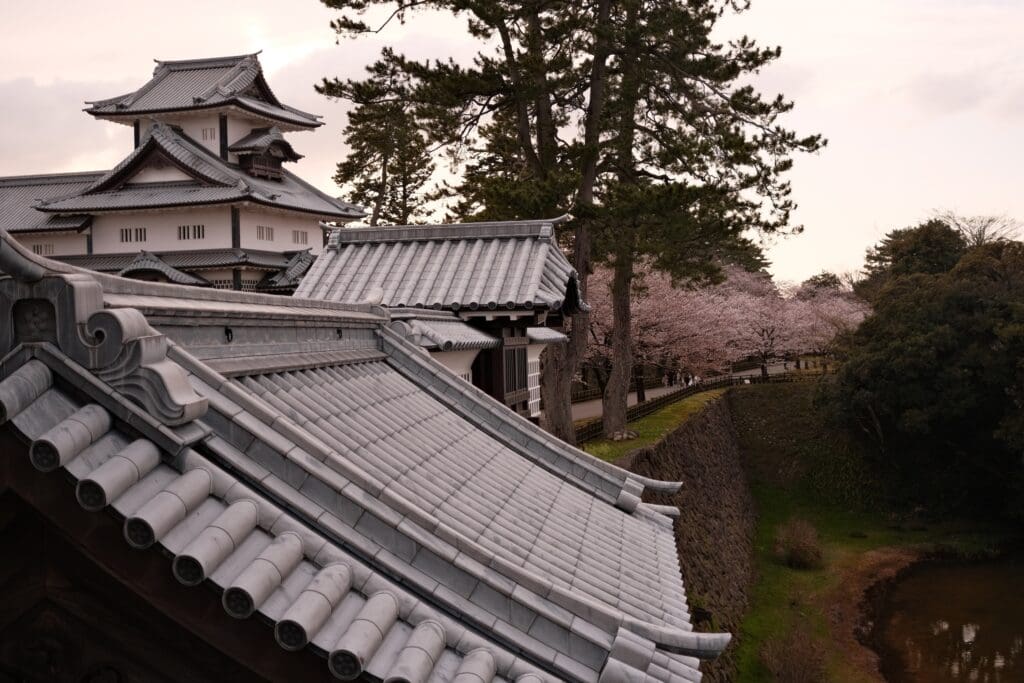
Kanazawa, Takayama, and Shirakawa-go belong inside the 70%. They are not the less-known 30%. They are popular classic destinations, just less dominant than Tokyo and Kyoto.
I suggest being strict here. On a two-week first trip, you can do something like:
- Tokyo: 4 days
- Kyoto: 2 or 3 days
- Kanazawa, Shirakawa-go, and Takayama: 4 or 5 days
- one less-known place or region: 3 or 4 days
That can work, but it leaves no room for Osaka, Hiroshima/Miyajima, Hakone/Fuji, and extra Kyoto day trips. If Osaka nightlife, Hiroshima history, or a Fuji/onsen stay is higher on your list, choose that instead and save Kanazawa and Takayama for a second trip.
I always recommend avoiding cramming too many places into one trip. Otherwise you end up only scratching surface level and missing out on the most memorable parts of your trip.
If you only have 10 days, check the 10-day Japan itinerary before adding Central Japan. If you are still comparing regions, my Where to Go in Japan guide will help more than another day-by-day schedule.
Best Direction: Kanazawa First or Takayama First?
Both directions work. I suggest choosing the one that connects best to the rest of the trip.
Choose Kanazawa -> Shirakawa-go -> Takayama if you are coming from Tokyo by Hokuriku Shinkansen or entering the route from the Hokuriku side.
Choose Takayama -> Shirakawa-go -> Kanazawa if you are coming from Nagoya, Gifu, or the Nakasendo side.
If you continue toward Kyoto after Kanazawa, check the latest train route before booking. The Hokuriku Shinkansen now reaches Tsuruga, so many Kanazawa-to-Kansai routes involve a transfer instead of the older direct limited express pattern.
Recommended 5-Day Itinerary
I suggest starting from this itinerary.
Use the map below to see the 5-day route, with the main city stops and the places to visit from each base:
Day 1: Arrive in Kanazawa
Arrive in Kanazawa and keep the first day light. From Tokyo, the train ride is long enough that I do not recommend planning a heavy sightseeing day after arrival.
Use the evening for Omicho Market if the timing works, a walk around Korinbo or Katamachi, or dinner near your hotel. If you arrive early, choose one focused visit rather than trying to cover the whole city.
For the hotel, I recommend staying somewhere that makes the next morning easy. My default area is Omicho to Korinbo, because it puts you close to food, buses, Kanazawa Castle, Kenrokuen, and evening options.
Good Kanazawa hotel starting points:
- Hotel Kanazawa Zoushi: my first city-hotel suggestion if you want a central stay with Japanese design touches and easy logistics.
- Hyatt Centric Kanazawa: better if you want station access, larger modern rooms, and simple luggage handling.
- Hotel Intergate Kanazawa: a practical central option when the room type and location fit your dates.
- Korinkyo on Wabunka: a better fit if you want the Kanazawa stay itself to be part of the trip, with a private sauna and easy access to Kanazawa Castle, Kenrokuen, and the 21st Century Museum of Contemporary Art.
For a fuller hotel list, use my Kanazawa travel guide.
Day 2: Kanazawa Full Day
Use your full Kanazawa day for the places that justify adding the city.
A simple first plan:
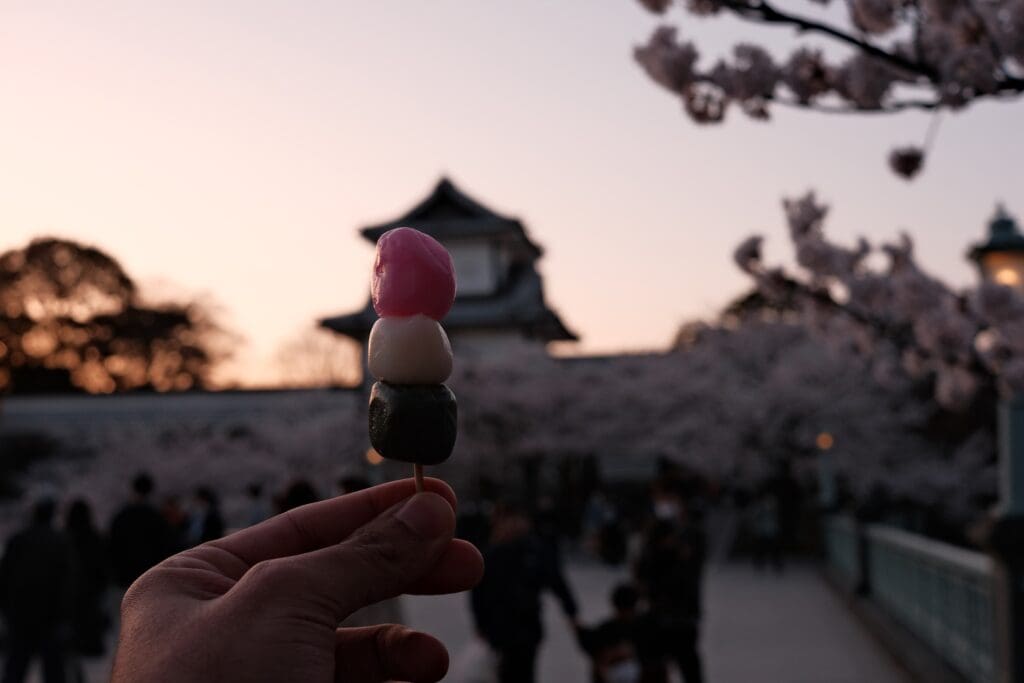
- Kenrokuen Garden
- Kanazawa Castle Park
- 21st Century Museum of Contemporary Art or DT Suzuki Museum
- Higashi Chaya or Nagamachi
- Omicho Market or a seafood dinner
Kanazawa is also the best place on this route for a craft-focused private experience.
I suggest looking at Wabunka here if you want something more serious than a quick group workshop. I have worked with Wabunka through the Japan travel industry, and I trust them most for private cultural experiences where the host, interpreter support, and setting make a real difference. Their experiences are private for your group, not mixed with other travelers.
For Kanazawa, I suggest starting with one of these if craft or food is a real reason you chose the city:
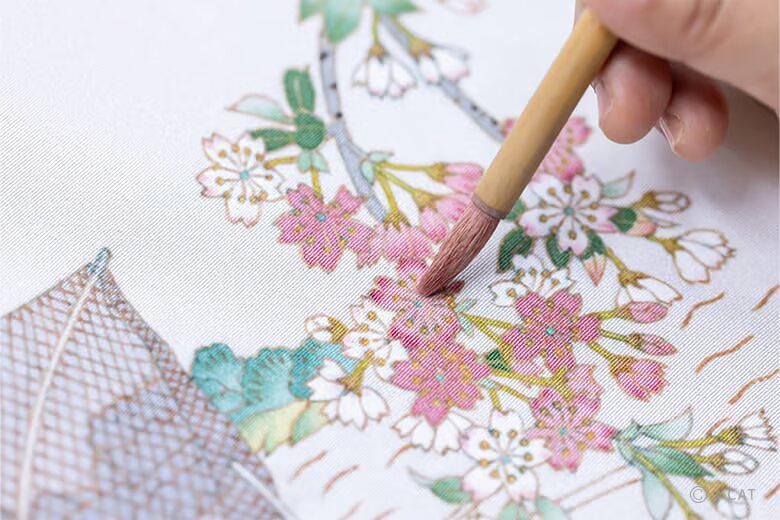
- Hisatsune Kaga Yuzen is my top recommendation. You will meet a master craftsman in his own atelier and learn the Japanese art of Kaga Yuzen dyeing first-hand from him.
- Urushitoki kintsugi, if lacquerware and kintsugi are the craft side of Japan you care about most.
- Alembic and Zeniya, if you are interested in gin and having an original evening built around craft gin and dinner rather than another museum or market stop.
- Takigahara lacquerware stay, if you have an extra night and want the Ishikawa craft part of the trip to go beyond central Kanazawa.
Do not add all of them. Choose one, then give the rest of the day enough space.
Day 3: Kanazawa to Shirakawa-go to Takayama
I recommend planning this day around the bus.
The Takayama-Shirakawago-Kanazawa bus route connects Kanazawa, Shirakawa-go, and Takayama. Some departures require reservations, and the bus is important enough that you should check the timetable before booking your hotels.
For most travelers, I recommend using Shirakawa-go as a planned stop on this travel day. Arrive early enough to walk Ogimachi, visit one open gassho-style house if you want context, go to the viewpoint if the weather is good, then continue to Takayama.
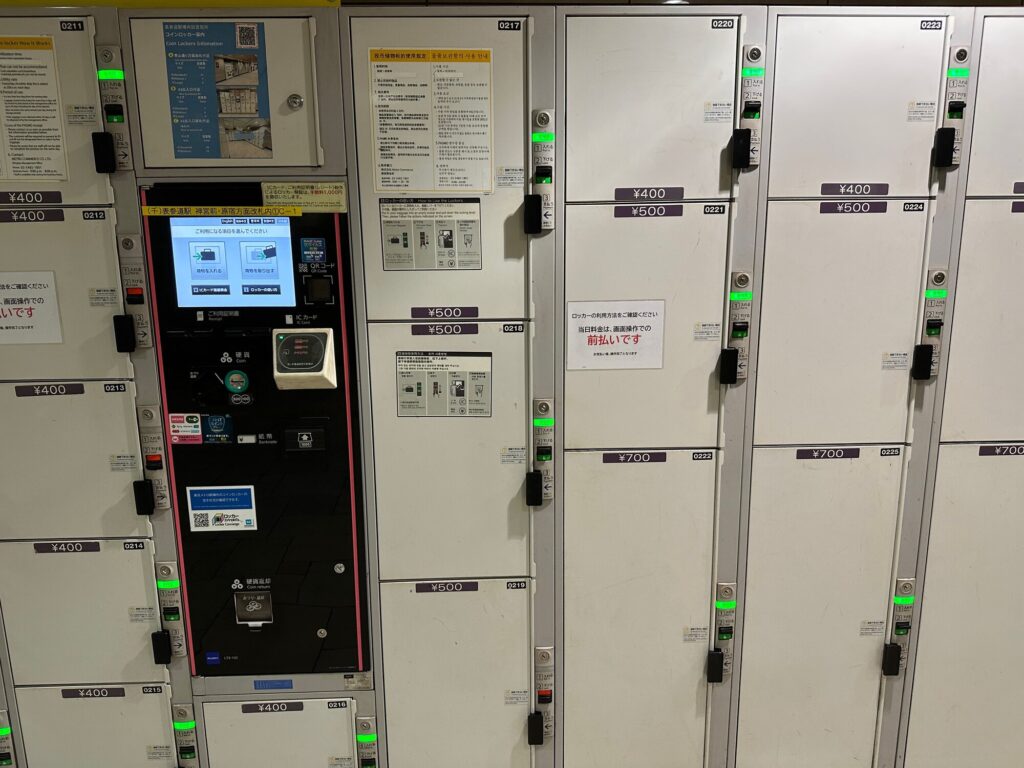
Keep luggage simple. Large suitcases are awkward in Shirakawa-go, and bus trunk space is shared. If you are traveling with big bags, send them ahead from Kanazawa to Takayama and carry only what you need for the day.
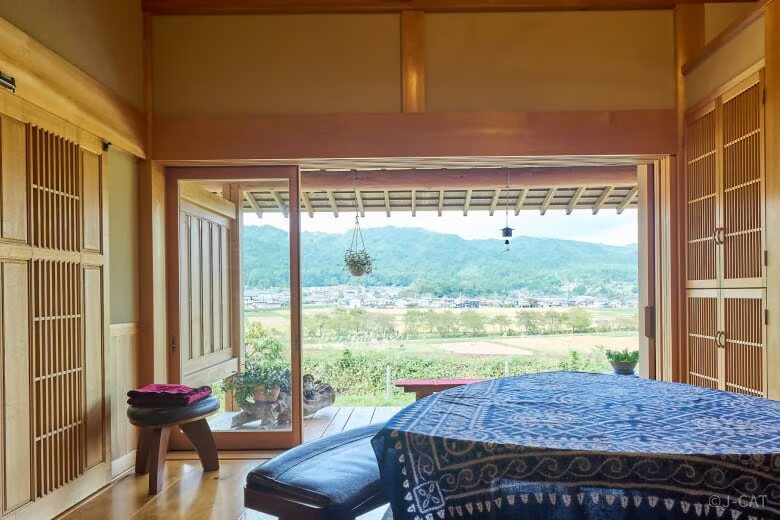
If Shirakawa-go and Hida are the main reason you chose this route, look at Villa Mitoreya on Wabunka instead of doing Shirakawa-go as a standard bus stop. It is a private Hida stay with a guided Shirakawa-go visit, so it works best when you want this part of the trip to be more than a normal transfer day.
Day 4: Takayama Full Day
I recommend giving Takayama a full day before leaving the region.
A good first Takayama day can include:
- Miyagawa Morning Market
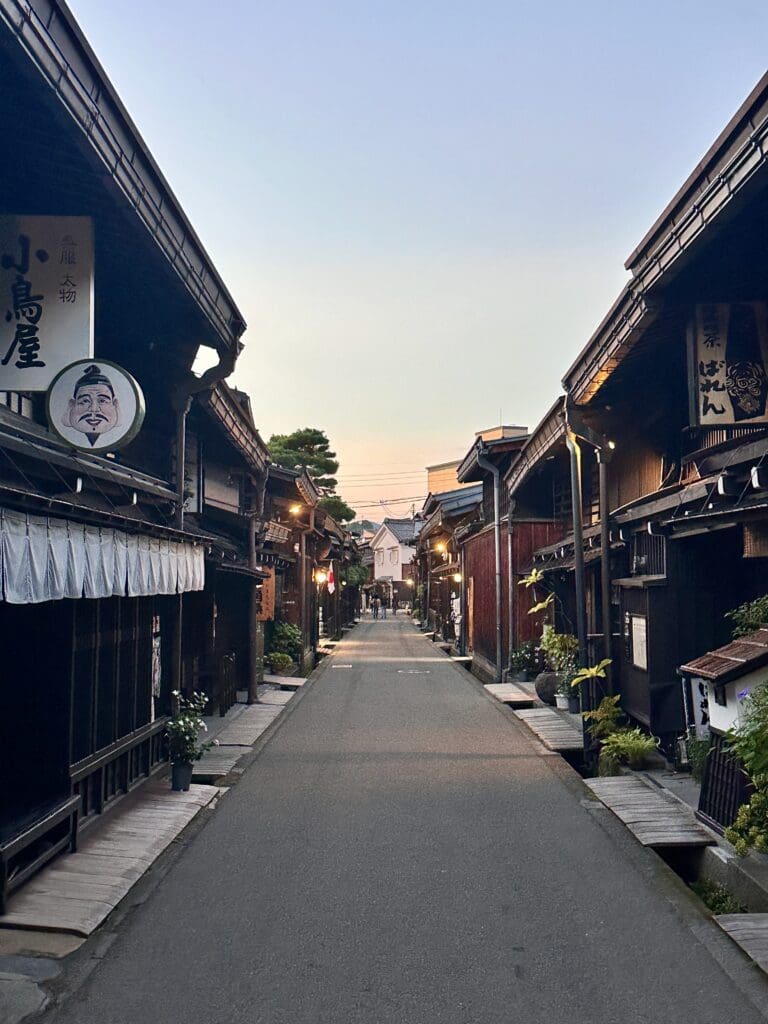
- Sanmachi Suji
- Takayama Jinya
- Hida Kokubunji Temple
- Hida Folk Village if you want more context on regional houses
- Hida beef dinner
Use my Takayama travel guide for more detail, especially if you are deciding between the old town, Hida Folk Village, Hida-Furukawa, and nearby nature.
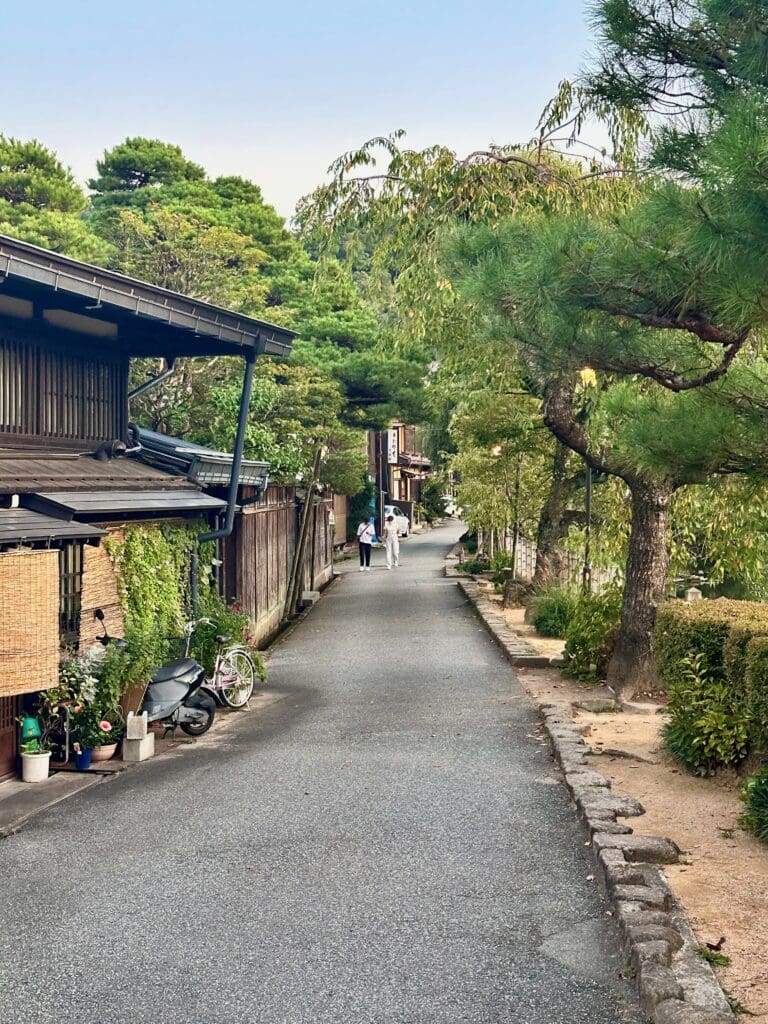
For the hotel, I suggest staying either near Sanmachi Suji and the Miyagawa River or near Takayama Station. The old-town side is better if you care about evening walks and morning markets. The station side is better if you have large luggage or an early train or bus.
Good Takayama hotel starting points:
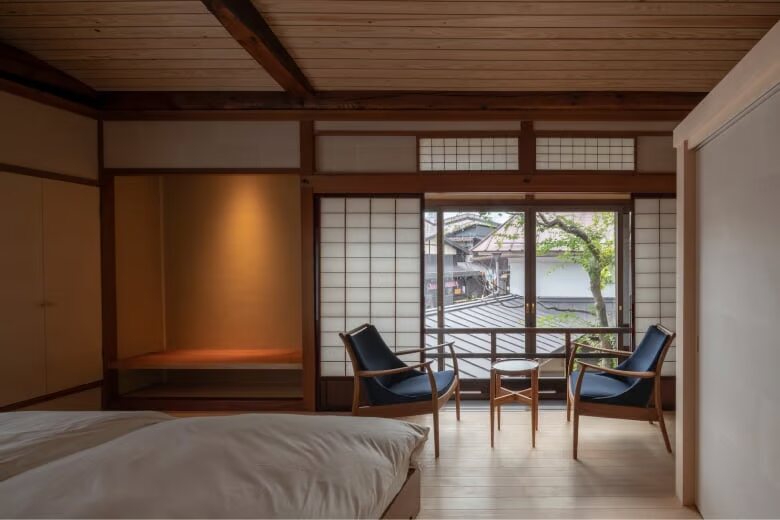
- TANIYA on Wabunka: the one to consider if you want a Takayama stay connected to Hida craft and the Kusakabe family, rather than a normal hotel night.
- Oyado Koto No Yume: a good first ryokan-style stay near the station.
- Takayama Ouan: the practical hotel choice if you want station access and baths.
- Hotel Wood Takayama: a good old-town-side hotel if you want a modern stay closer to Sanmachi.
- Honjin Hiranoya Kachoan: the higher-end ryokan choice near the old town.
Day 5: Leave Takayama or Add One Nearby Stop
On Day 5, leave Takayama for Nagoya, Matsumoto, Toyama, Kanazawa, or wherever the wider route points next.
If you have time before leaving, choose one small thing: another market visit, an old-town walk, a cafe, or one museum. If your next destination is far away, protect the travel day.
If you add another night in Takayama, I suggest looking at a longer experience such as the Senkoji Temple stay or the Hida Takayama hiking and cycling route. Set aside most of a day for either one. If this is your first visit to Takayama and you have only one full day, spend that day in town.
Faster 4-Day Version
The 4-day version is possible, but it is a compromise.
One Kanazawa-first version:
| Day | Plan |
|---|---|
| Day 1 | Arrive Kanazawa, light evening |
| Day 2 | Kanazawa main sights, sleep Kanazawa |
| Day 3 | Bus to Shirakawa-go, continue to Takayama |
| Day 4 | Takayama morning and afternoon, depart late or sleep one more night if possible |
This version works best if you can sleep in Takayama on Day 4 and leave on Day 5. If you must leave Takayama on the evening of Day 4, you are giving Takayama very little time.
I suggest using this only when the wider trip has no room for the full version. If Kanazawa and Takayama are the reason you are choosing Central Japan, give the route 5 days.
6-Day Version
I suggest adding the extra night where you want to spend the most time.
Add a night to Kanazawa if you want more craft, food, museums, or a calmer start after Tokyo.
Add a night to Takayama if you want Hida-Furukawa, a longer nature day, Senkoji, Hida Folk Village without rushing, or a ryokan-style stay.
Add a night near Shirakawa-go or Hida only if the stay itself is the reason. Villa Mitoreya is a great choice because it changes Shirakawa-go from a bus stop into the center of that part of the route.
Add Gokayama only after checking transport. It pairs naturally with Shirakawa-go, but it is not worth adding if it turns the day into a chain of bus times.
How to Handle Shirakawa-go
For most travelers, I recommend using Shirakawa-go as a transfer stop between Kanazawa and Takayama.
That gives you the village without adding a separate round trip. It also keeps the route simple: Kanazawa, Shirakawa-go, Takayama.
A day trip can work from Kanazawa or Takayama if you want to keep the hotel base simple. This is useful if you have large luggage or if the bus schedule makes a mid-route stop awkward.
An overnight in Shirakawa-go is for travelers who specifically want the village after the day visitors leave. It is not the default. Accommodation is limited, and most travelers will get more from 2 nights in Kanazawa and 2 nights in Takayama.
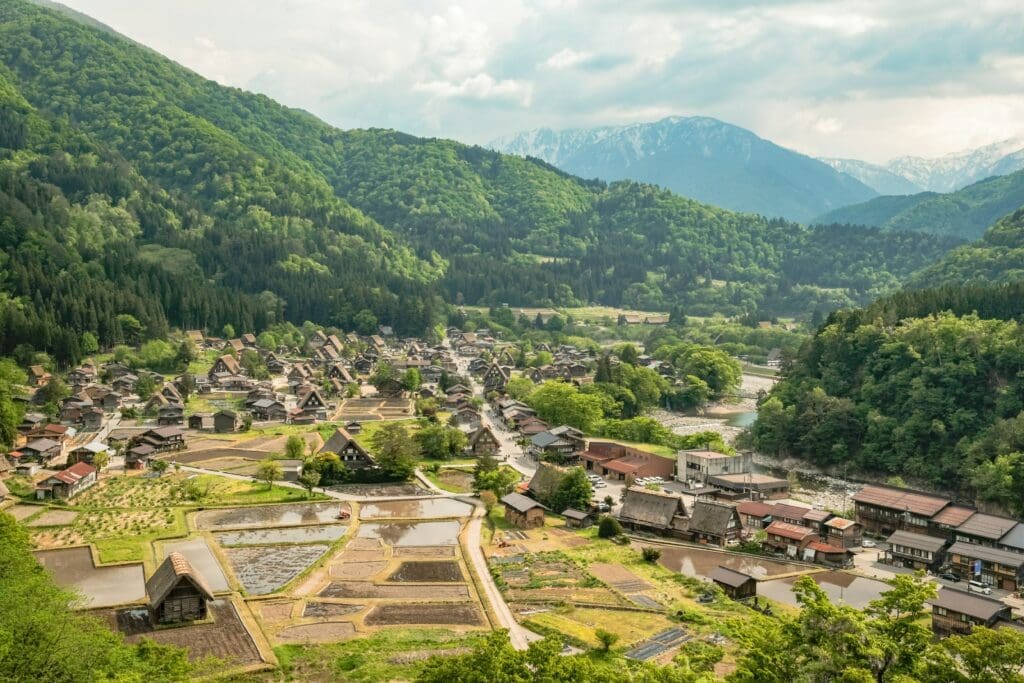
Shirakawa-go is also a real village. People live there. Stay on marked paths, do not enter private areas, and do not plan the stop so tightly that you only see it through a camera.
Where to Sleep on This Route
For most travelers, I recommend using Kanazawa and Takayama as the main bases.
| Base | Best Area | Hotel Ideas | Why It Works |
|---|---|---|---|
| Kanazawa | Omicho to Korinbo | Hotel Kanazawa Zoushi, Hotel Intergate Kanazawa | Easy city base for food, buses, Kenrokuen, Kanazawa Castle, and evening plans |
| Kanazawa Station | Station area | Hyatt Centric Kanazawa, Dormy Inn Kanazawa | Better for luggage, late arrivals, early departures, and day trips |
| Takayama | Old town / Miyagawa River | Hotel Wood Takayama, Honjin Hiranoya Kachoan | Better if you want evening walks and easier access to Sanmachi |
| Takayama Station | Station area | Takayama Ouan, Oyado Koto No Yume | Better if you want simple arrivals, departures, and luggage handling |
| Hida / Shirakawa-go emphasis | Hida Takayama stay | Villa Mitoreya, TANIYA | Better if the accommodation itself is one reason for the route |
If you are booking only normal hotels, keep it simple: 2 nights Kanazawa and 2 nights Takayama. If one stay is meant to be a major part of the trip, add a night instead of trying to force it into the standard 5-day route.
Transport, Bus Reservations, and Luggage
The route depends on the bus between Kanazawa, Shirakawa-go, and Takayama.
I suggest checking the Nohi Bus route page and Japan Bus Online for the timetable, reservation rules, and fare table before booking. Do not rely on an old screenshot or an old itinerary post, because bus times and reservation requirements can change.
Takayama to Shirakawa-go takes about 50 minutes by bus in normal conditions. Kanazawa to Shirakawa-go is the longer side of the route, so the full transfer day needs a clear plan.
Some buses require reservations. If your day depends on a specific departure, reserve it once your travel date is fixed.
Winter needs extra buffer. Heavy snow, expressway closures, and traffic around Shirakawa-go can delay buses. Avoid tight same-day flight connections or hard-to-change dinner reservations after this bus route.
For luggage, the easiest plan is to send large bags from Kanazawa to Takayama, or the reverse, and carry a day bag through Shirakawa-go. If you bring big suitcases onto the bus, you are depending on shared trunk space.
FAQ
Can You Do Kanazawa, Shirakawa-go, and Takayama in 3 Days?
You can pass through the route in 3 days, but I do not recommend it for most travelers. It leaves too little time in Kanazawa and Takayama. Use 4 days / 3 nights as the minimum and 5 days / 4 nights as the better default.
Should You Stay Overnight in Shirakawa-go?
Stay overnight in Shirakawa-go only if the village stay itself is important to you. Most travelers should use Shirakawa-go as a planned stop between Kanazawa and Takayama or as a day trip from one base.
Is Kanazawa or Takayama Better for 2 Nights?
Choose Kanazawa for gardens, museums, seafood, crafts, and city comfort. Choose Takayama for old town walks, Hida food, morning markets, folk houses, and access to the Hida region. The best version of this route gives both places 2 nights.
Is This Route Good for a First Trip to Japan?
Yes, if you make room for it. For a two-week first trip, pair it with Tokyo and a focused Kyoto stay, then keep the 30% less-known part of the trip. Do not add Osaka, Hiroshima/Miyajima, Hakone/Fuji, and every major Kyoto day trip unless you have more time.
Is This Route Better Than Hiroshima or Hakone?
No general ranking makes sense here. Choose Hiroshima/Miyajima if the Peace Memorial Museum, Miyajima, and western Honshu are priorities. Choose Hakone or Fuji if you want an easier break between Tokyo and Kyoto with a ryokan, onsen, or mountain-view focus. Choose Kanazawa, Shirakawa-go, and Takayama if you want Central Japan, crafts, old districts, Hida food, and mountain-town time.
Do You Need to Reserve the Shirakawa-go Bus?
Some services require reservations, and others have different rules. Check Nohi Bus or Japan Bus Online before travel. If your itinerary depends on a specific bus, reserve it where possible.
Can You Bring Luggage Through Shirakawa-go?
You can bring luggage on the bus, but large luggage can create problems. Trunk space is shared, and walking around Shirakawa-go with big suitcases is awkward. Send large bags ahead when possible and carry a smaller day bag.