For a first trip of 10 days or longer, one of my strongest recommendations is to use a 70/30 split. Spend about 70% of the trip in Tokyo, Kyoto, and the other popular first-time destinations, then spend about 30% somewhere outside the usual route.
For a 10-day trip, that could mean four days in Tokyo, three days in Kyoto, and three days around Lake Biwa or in another area that gives you a different side of Japan. With 14 days, I recommend about nine or 10 days on the classic part and four or five days somewhere beyond it.
Hakone, Kawaguchiko and the Fuji Five Lakes, Hiroshima and Miyajima, Kanazawa, Takayama, and Shirakawa-go all belong in the popular 70%. They can be excellent choices, but they aren’t the 30%.
If you’ve already been to Japan, I suggest going further. Keep the city you want to revisit, then spend at least half of the trip in a region or smaller group of places you haven’t explored yet.
My Japan trip planning guide explains what I recommend booking first once you’ve chosen the general route.
Some links on YavaJapan are affiliate links. If you book or buy through them, I may earn a small commission at no extra cost to you. It helps support the site, and I only link to places, stays, and experiences I genuinely think are worth recommending.
At a Glance
For a 10-day first trip, I recommend about seven days in Tokyo, Kyoto, and the other popular destinations, plus three days somewhere genuinely beyond them.
For a 14-day first trip, use about nine or 10 days for the classic part and four or five days for the 30%.
Hakone, Kawaguchiko, and the Fuji Five Lakes are part of the Golden Route. They always stay in the 70%.
Hiroshima and Miyajima, Kanazawa, Takayama, and Shirakawa-go are also popular first-trip destinations. I don’t count them as the 30% either.
Choose the 30% in the same direction as the rest of the trip. This keeps the train journeys reasonable.
For a second trip, I usually recommend spending at least half of your time outside the major first-time destinations.
My 70/30 Recommendation for a First Trip
The Golden Route is popular for good reasons. Between Tokyo, Kyoto, and Osaka, you can take the Shinkansen, find plenty of hotels, and visit many of the places you’ve probably been thinking about since you decided to travel to Japan.
I still strongly recommend giving around 30% of a first trip to somewhere beyond that route. The classic destinations can be extremely crowded, and most travelers have already seen them many times online. Spending three to five days elsewhere gives you time in smaller cities, towns, or regions that receive fewer international visitors.
I recommend this even with 10 days. I’d usually choose Tokyo, Kyoto, and one area for the 30%. Adding Osaka, Hakone, Hiroshima, Kanazawa, or another popular destination means reducing the time in Tokyo or Kyoto, not removing the 30%.
Trip Length
My Recommendation
7 days
Keep it simple with Tokyo and Kyoto, or spend the week in one region
10 days
About seven days classic and three days beyond the popular route
14 days
About nine or 10 days classic and four or five days beyond the popular route
21 days
Around half classic and half outside the usual first-trip destinations
A flight schedule or a long journey may shift the split by a day, but I’d still keep about 30% of the trip for somewhere outside the usual route. Give that part several full days, rather than a rushed afternoon between two famous cities.
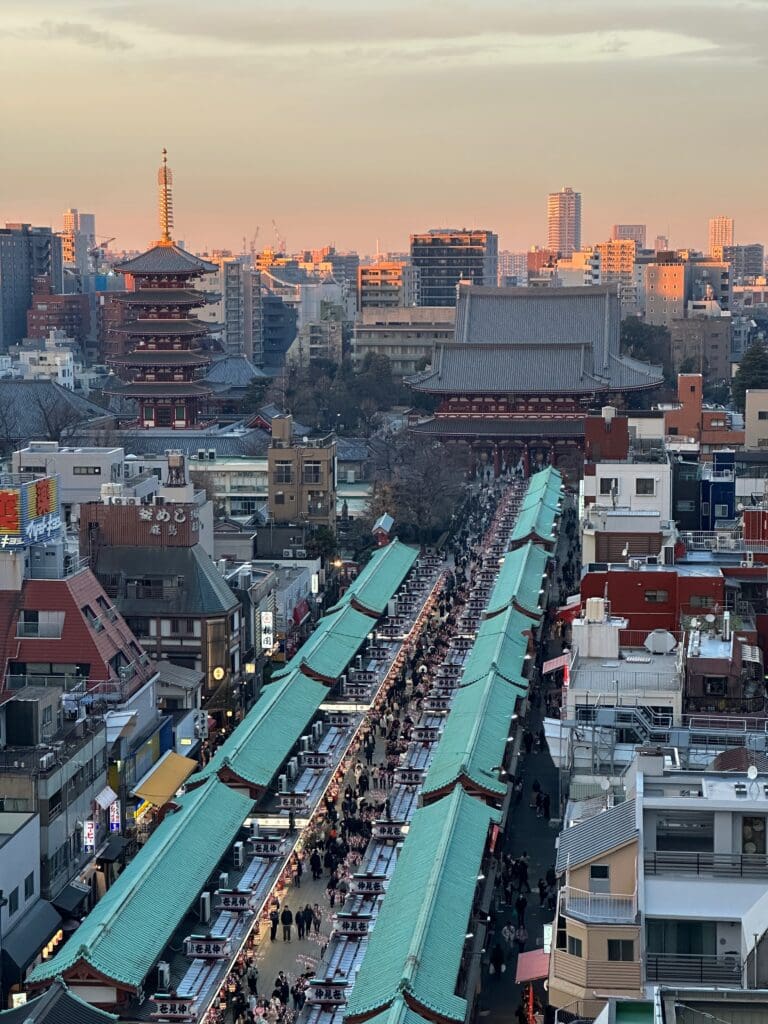
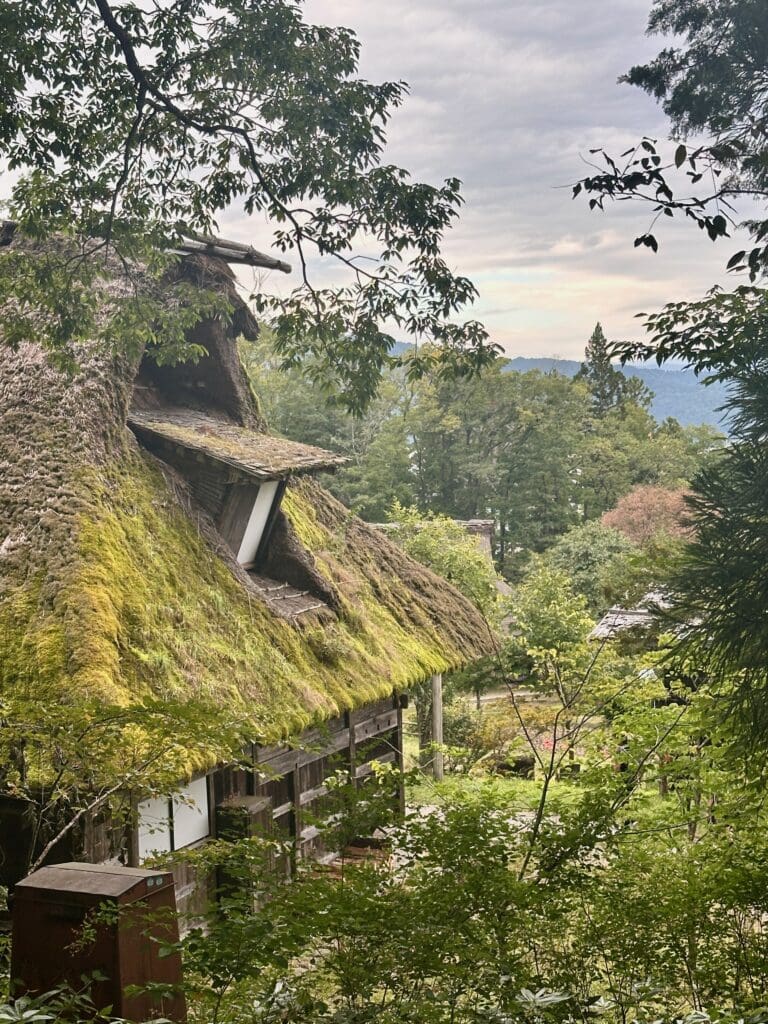
Asakusa’s Sensoji view from aboveI love the mossy charm of Hida Folk Village
What Belongs in the Classic 70%
For this rule, the classic part is broader than Tokyo, Kyoto, and Osaka. I also include Nara, Hakone, Kawaguchiko and the Fuji Five Lakes, Hiroshima and Miyajima, Kanazawa, Takayama, Shirakawa-go, the usual Tokyo and Kyoto day trips, and Nagano for winter ski trips.
I recommend keeping Tokyo and Kyoto on most first trips. In Tokyo, one neighborhood can easily fill a full day, and you can spend several days on food, shopping, museums, and different parts of the city. In Kyoto, you can visit Kiyomizu-dera and Fushimi Inari, walk through Gion, and take day trips to Nara or Uji.
Osaka depends on what you enjoy. I recommend adding it if food, bars, nightlife, and late evenings are high on your list. If temples, traditional areas, or smaller cities interest you more, spend those nights elsewhere. Osaka also works as a day trip from Kyoto, although staying overnight is better if you want to go out late.
Hakone can fit into the classic section when a ryokan or onsen stay is a priority. If seeing Mount Fuji is the priority, I recommend Kawaguchiko or another part of the Fuji Five Lakes instead. Fuji may be visible from Hakone on a clear day, but cloud often hides it, and Hakone isn’t the base I’d choose mainly for the view. Neither area counts as going beyond the Golden Route.
Where I Recommend Spending the 30%
A place close to the main route can work very well for the 30%, as long as it isn’t already one of the standard first-trip stops.
I also recommend choosing an area that follows the direction you’re already traveling:
From Kyoto or Osaka, look at Omihachiman and other parts of Shiga around Lake Biwa, Tamba-Sasayama in Hyogo, or the Wakasa area of Fukui.
If you’re going west toward Hiroshima and Miyajima, continue to Onomichi or Iwakuni, or spend several days in Shikoku instead of returning immediately to the usual route.
If you’re traveling through Gifu, look at Gujo Hachiman and the surrounding area rather than using all of your time for Takayama and Shirakawa-go.
For a larger regional section, spend several days in one part of Tohoku, Kyushu, or Shikoku. Choose a small part of the region rather than crossing it quickly.
Omihachiman is one of the easiest examples for a short first trip because it connects well with Kyoto. You can spend time around the canal district and old merchant houses, then use the rest of the three-day section to see more of Shiga or Lake Biwa.
If your 30% requires a domestic flight or several long train journeys, give it enough days to justify the journey. Okinawa, for example, deserves at least four or five days and works better as a major part of the trip than a quick addition.
How Popular Alternatives Fit Into the 70/30 Split
Kanazawa and Takayama are both good choices if you want historic streets, traditional architecture, local food, and fewer days in very large cities. They are also established international destinations, so I count them as part of the popular 70%.
Kanazawa has major museums, Kenrokuen Garden, several historic districts, and a wider choice of restaurants and hotels. Takayama is more compact and gives you access to the mountain areas around Hida. If you combine them with Shirakawa-go, my Kanazawa, Takayama, and Shirakawa-go itinerary explains how I recommend dividing the days.
On a 10-day trip, Tokyo, Kyoto, Kanazawa, and Takayama would already fill most or all of the itinerary. To keep the 30%, remove another popular stop or spend fewer days in Tokyo or Kyoto. Adding Hiroshima and Miyajima, Hakone, or Kawaguchiko also uses time from the popular 70%.
If one of these places is the main reason for the trip, choose it and give it enough time within the 70%. I’d still keep a separate part of the itinerary for somewhere beyond the usual route.
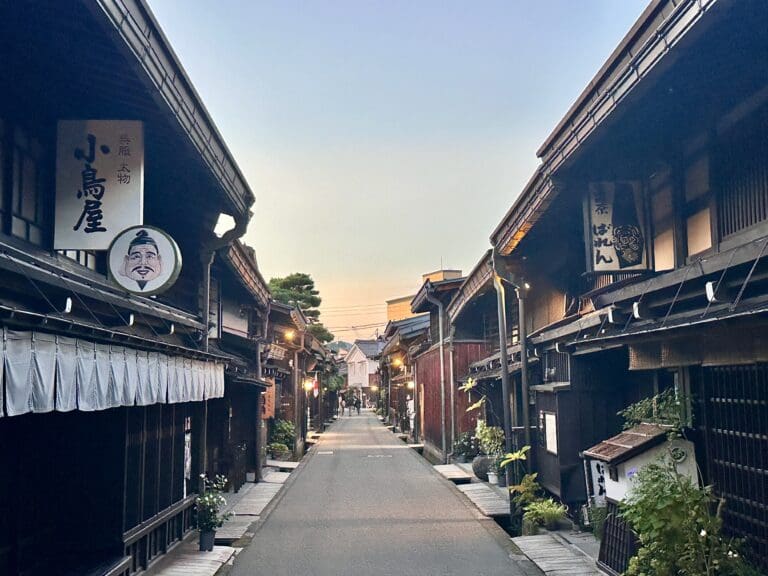
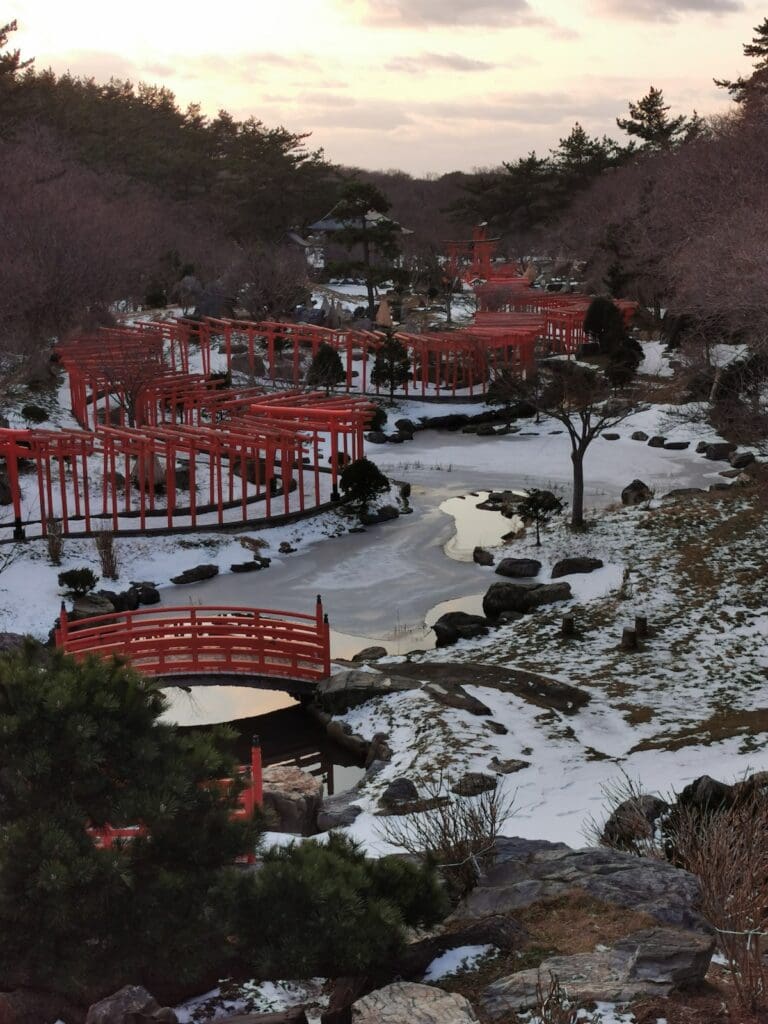
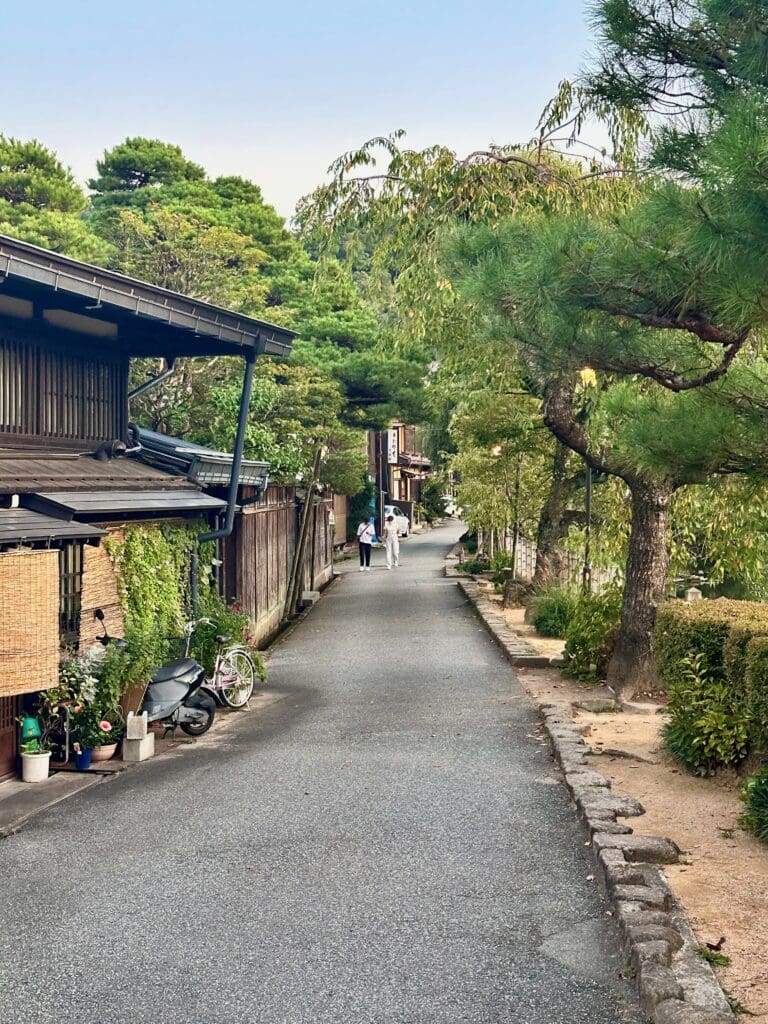
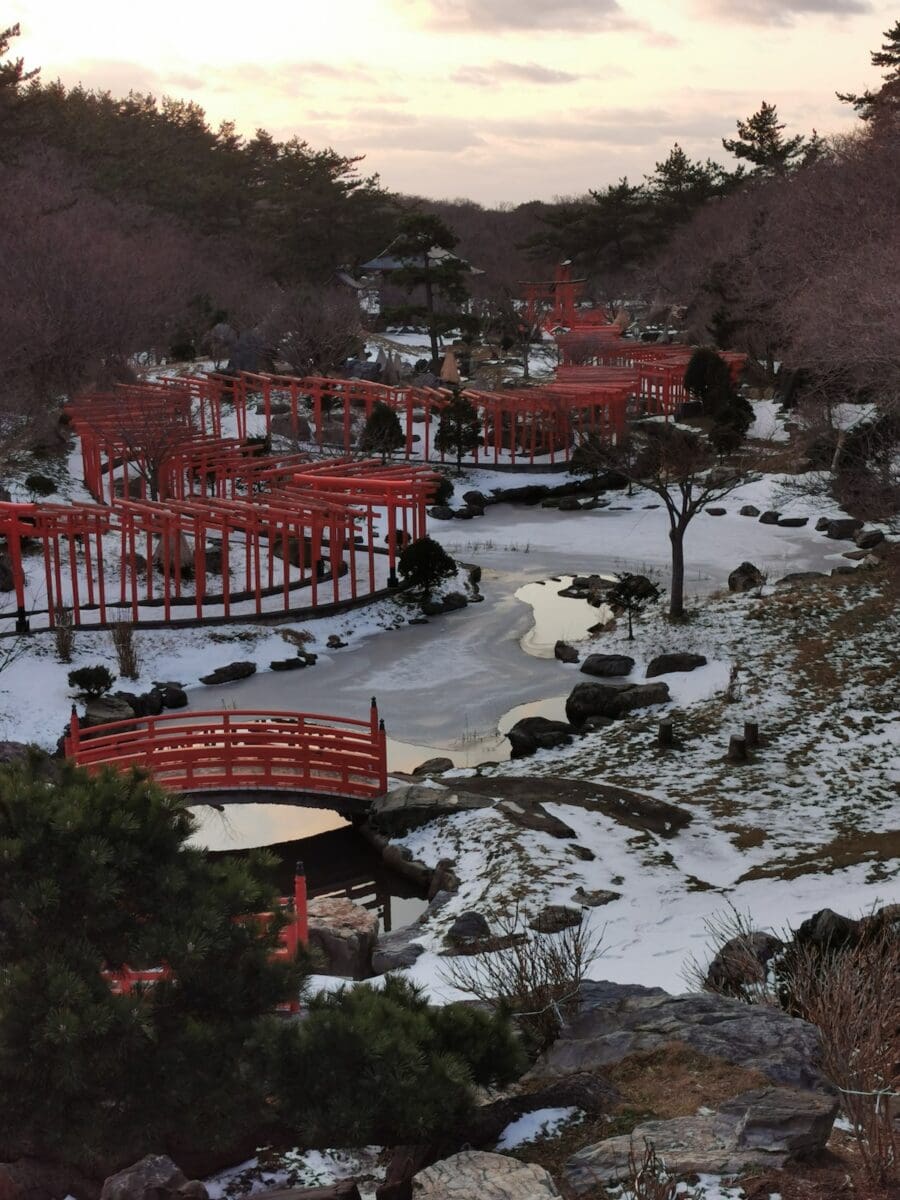
Snowy torii paths at Takayama Inari ShrineStrolling down a tranquil Takayama street
Choose One Region for a Longer or Repeat Trip
If you’ve already visited the main cities, I recommend choosing one region and spending several days there. You’ll have fewer long journeys, and you can combine the main city with smaller towns, countryside, local train lines, and an onsen stay without crossing the country each time.
Tohoku is a good example. You could start in Sendai, continue north by train, and choose between cities, mountain areas, the coast, or onsen towns depending on the season. The distances are still large, so I suggest choosing part of Tohoku rather than trying to cover all six prefectures in one short visit.
For a second trip, I usually suggest spending at least 50% of your time outside the major first-time destinations. By a third or fourth trip, that share can be even higher. If you love Tokyo or Kyoto and want to go back, of course you should. Keep a few days for the places you enjoy, then use the rest of the trip for a city or region you couldn’t include the first time.
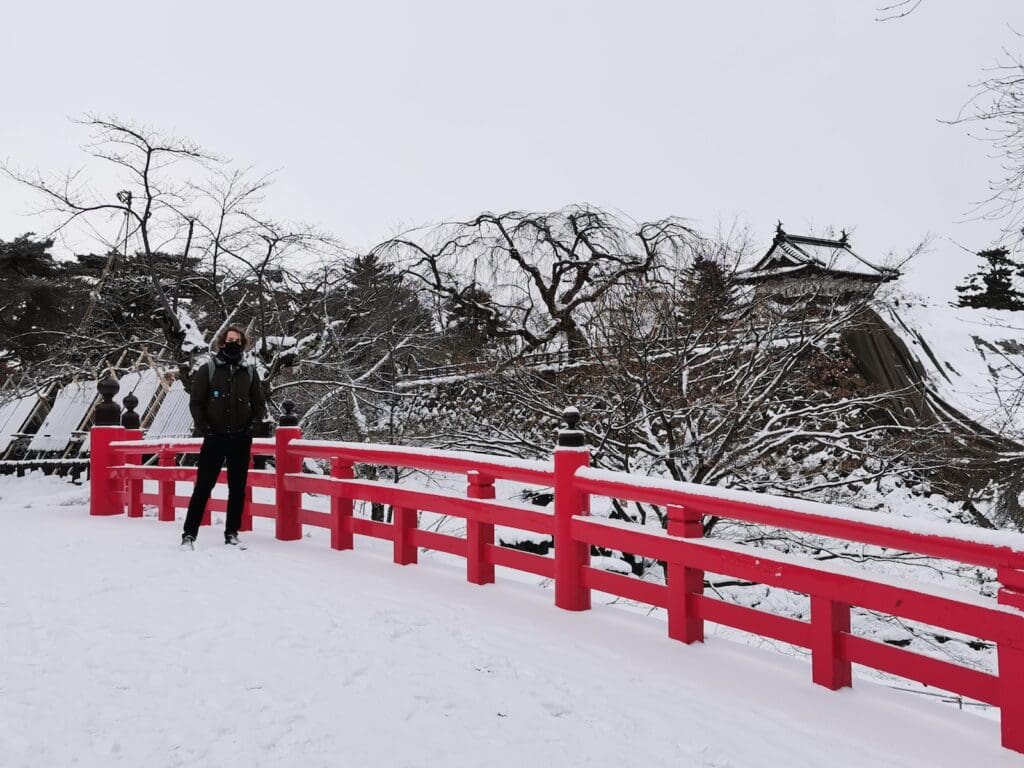
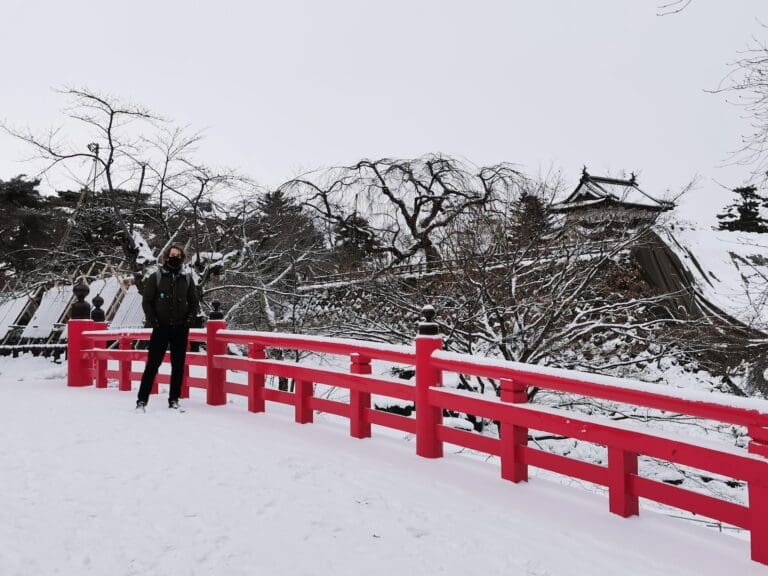
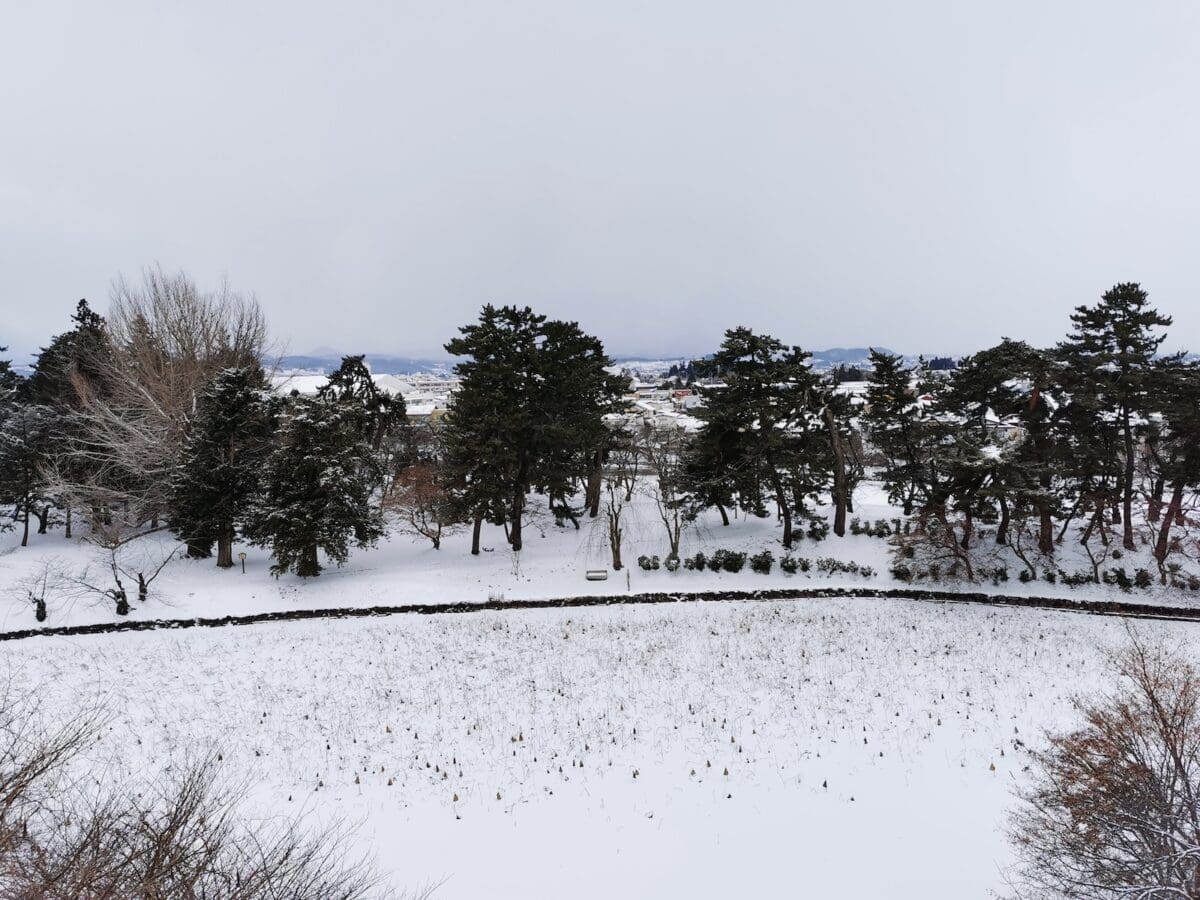
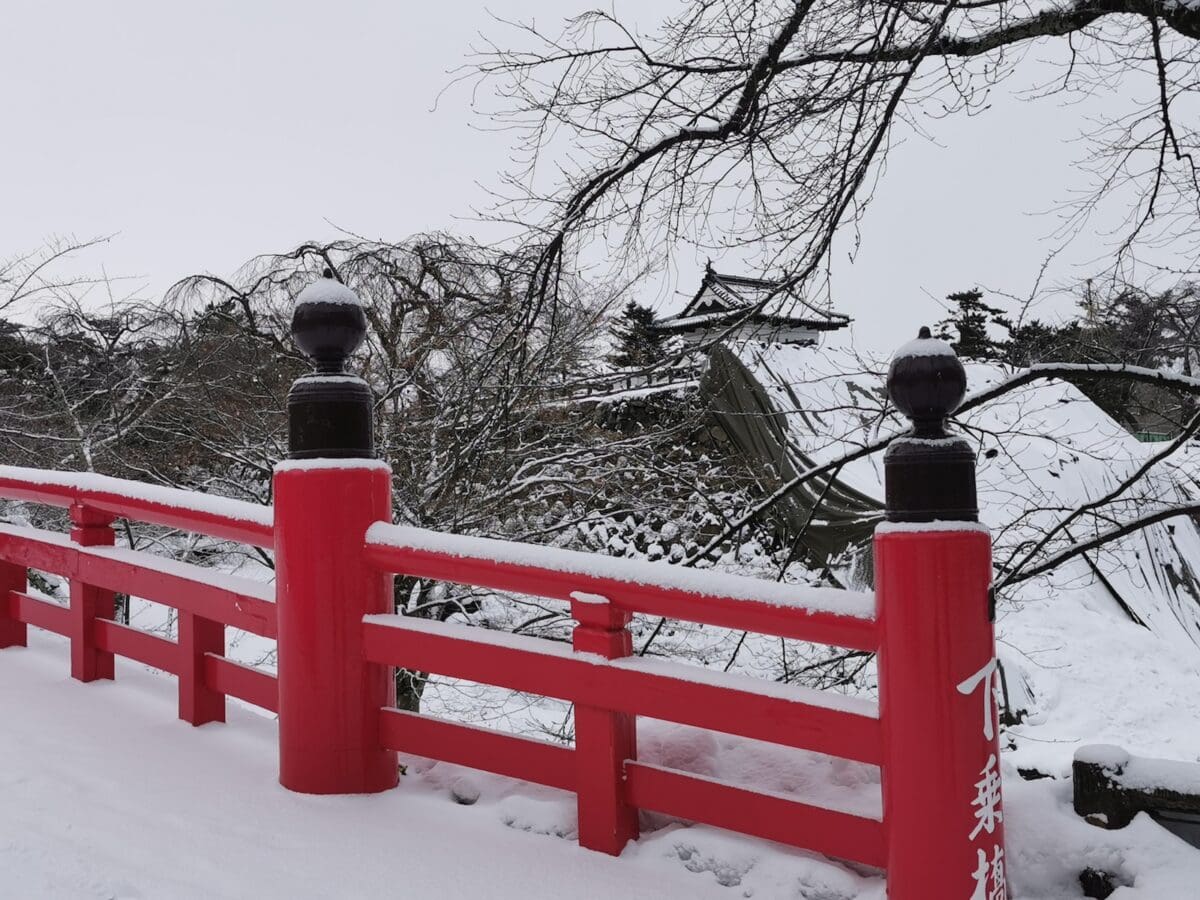
Snowy stroll at Hirosaki Castle
Let the Season Change Your Plans
Japan’s weather changes a lot from one region to another. Cherry blossoms, autumn leaves, snow, heat, and the rainy season arrive at different times depending on where you go.
If you can only travel in summer and don’t handle heat well, I recommend looking at northern Japan instead of planning the whole trip around Tokyo, Kyoto, and Osaka. Hokkaido will still be warm, but you may find it more comfortable for outdoor time than the large cities farther south. My summer Hokkaido guide explains what the season is like and where you could go.
Weather can also affect a trip built around Mount Fuji, hiking, beaches, or autumn leaves. Before fixing your destinations, check my guide to the best time to visit Japan and compare the regions for your actual dates.
Check the Hotel Changes Before You Book
Once you have a list of possible destinations, write down where you’d sleep each night. This usually shows very quickly whether the itinerary is comfortable or too busy.
I recommend checking these points:
How many times will you change hotels? Three cities plus two one-night stays means much more packing than a simple list of five places suggests.
How many full days will you have in each place? Arrival and departure days shouldn’t both count as full sightseeing days.
Are the extra stops in the same direction? Tokyo to Kanazawa to Kyoto works much better than crossing the country several times for unrelated stops.
Can any place be visited as a day trip? Nara, Uji, Kamakura, and Osaka can sometimes be visited without another hotel, depending on your route and what you want to do in the evening.
Would removing one stop improve the others? An additional night in Kyoto or Tokyo may give you more than one rushed night somewhere else.
I explain the problems caused by too many one-night stays and long transfers in my guide to common Japan travel mistakes.
If the budget is changing your destination list, compare the options with the Japan Trip Cost Calculator before booking several non-refundable hotels.
Choose the Destination Before the Ryokan
A ryokan (traditional Japanese inn) can be one of the highlights of a trip, but you usually don’t need to choose the whole itinerary around one unless there is a specific property you really want to stay in.
I recommend deciding on the general route first, then looking for a ryokan that fits somewhere along it. Kyoto, Hakone, Kawaguchiko, Tohoku, Kyushu, and many smaller towns all have options. This lets you add a ryokan without another hotel transfer just to reach a separate onsen town.
My guide to staying in a ryokan explains what to check before booking, including meals, beds, baths, and arrival times.
If you’ve already chosen Tokyo and are deciding where to sleep within the city, use my Where to Stay in Tokyo guide instead.
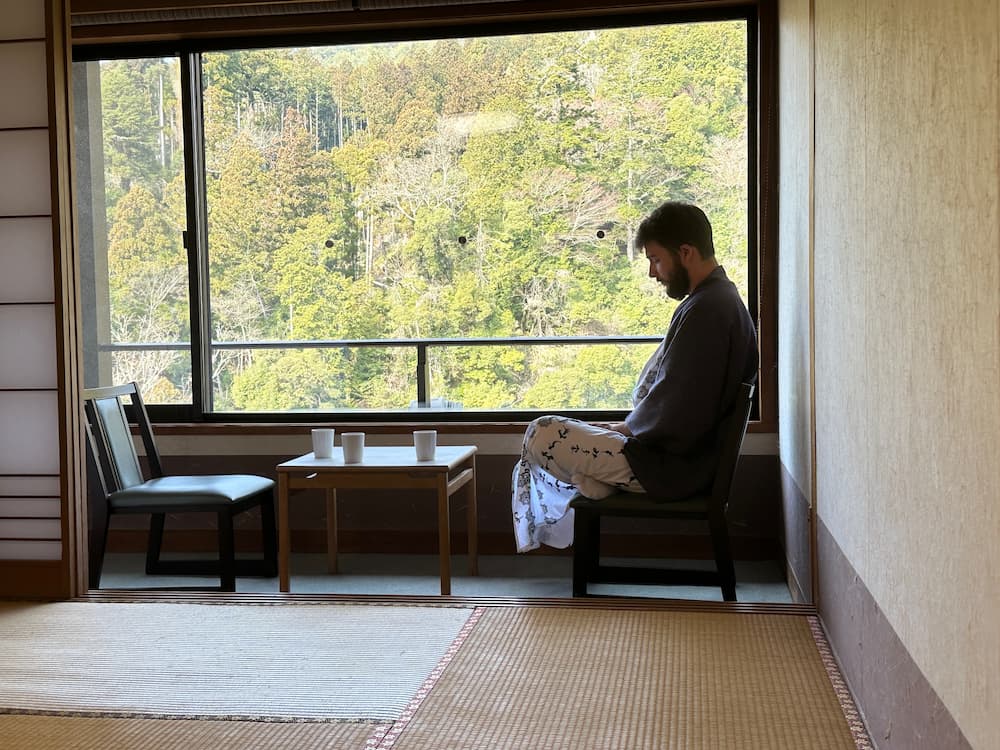
Slowing down at a ryokan in Kyoto
FAQ
Where Should I Go in Japan for a First Trip?
For a first trip of 10 days or longer, I strongly recommend using the 70/30 split. Spend about 70% of the trip in Tokyo, Kyoto, and the other popular first-time destinations, then around 30% somewhere outside the usual route.
How Many Destinations Should I Visit in 10 Days?
Three bases is usually the maximum I recommend. A 10-day version could be four days in Tokyo, three days in Kyoto, and three days around Lake Biwa or in another area that genuinely sits outside the popular first-trip route.
Does Hakone or Kawaguchiko Count as the 30%?
No. Hakone, Kawaguchiko, and the Fuji Five Lakes are part of the Golden Route and always belong to the classic 70%. Hakone works well for a ryokan or onsen stay. For Mount Fuji views, I recommend Kawaguchiko or another part of the Fuji Five Lakes. Keep a separate part of the itinerary for the 30%.
Do Kanazawa, Takayama, or Hiroshima Count as the 30%?
No. I count Kanazawa, Takayama, Shirakawa-go, Hiroshima, and Miyajima among the usual popular destinations. They can replace part of the classic route, but they aren’t the less familiar 30%.
Should I Visit Tokyo and Kyoto Again on My Second Trip?
Yes, if you want to. I still recommend spending a larger part of the trip elsewhere, especially if your reason for returning is to see more of Japan. Keep a few days in Tokyo or Kyoto, then spend the rest of the trip in Tohoku, Kyushu, Shikoku, Hokkaido, or another region.
Is Hokkaido or Tohoku Better for a Regional Trip?
I usually recommend Hokkaido when summer weather, nature, and outdoor activities are the priorities. Tohoku gives you more options for combining cities, mountain areas, temples, onsen towns, and the coast by train. Both regions are large, so choose part of the region instead of trying to see everything in one trip.
What to Do After Choosing Your Destinations
Once you have two or three main bases, check the train journeys between them and count the full days you’ll actually have in each place. If the itinerary still looks comfortable, you can move on to hotels and the bookings with limited availability.
If it already looks busy, remove one stop before booking. You can keep it for another trip, and you’ll have more time for the places that remain.
For a first visit to Tohoku, the northern part of Japan’s main island, I usually recommend 4 to 5 days around Sendai, Matsushima Bay, and Yamadera. You can spend a day by the sea, climb to a mountainside temple, and return to a city with plenty of restaurants in the evening. It’s a good introduction to the region, and you can do it by train without changing hotels every day.
If you have around 7 days, you can go farther and spend time in two areas. You might add Morioka for its food and nearby historic sites, or head toward Lake Tazawa for a night in the mountains. Tohoku has plenty of places that are worth the journey, but getting from a bullet-train station to a lake, gorge, or rural inn can take a good part of the day. That’s why I suggest choosing two or three places to stay for a week, with enough time to explore around each one.
A night at a ryokan (traditional Japanese inn) fits particularly well into that kind of trip. You could stay at Osawa Onsen Sansuikaku near Hanamaki or choose an inn in the Nyuto Onsen area. Give yourself the afternoon there, so you have time for the baths and the room before dinner. If hot springs or winter snow are your main reason for visiting, you may prefer to start with that stay and choose the rest of your stops nearby.
Some links on YavaJapan are affiliate links. If you book or buy through them, I may earn a small commission at no extra cost to you. It helps support the site, and I only link to places, stays, and experiences I genuinely think are worth recommending.
At a Glance
For an easy first visit: Stay in Sendai and take separate day trips to Matsushima and Yamadera.
For temples and local food: Consider Morioka, with time for Hiraizumi and a night near Hanamaki.
For a hot-spring stay: If you’re choosing just one area, I recommend Nyuto for its mountain inns. Check the inn and bus connections before booking.
For autumn leaves: Consider Oirase Gorge and Lake Towada around October. For snow and skiing, look at Zao in winter.
For transport: Take trains between cities. A car helps with coastal viewpoints and rural stops, but Nyuto also has bus access.
For a rail pass: Compare individual tickets with the JR EAST PASS, which covers 5 or 10 consecutive days.
Where to Base Yourself in Tohoku
Tohoku has six prefectures: Aomori, Iwate, Miyagi, Akita, Yamagata, and Fukushima. A prefecture is roughly equivalent to a state or province. Several cities share their prefecture’s name, so when you see Aomori or Yamagata in a hotel search, check whether it means the city or the wider area.
For getting around, the main bullet-train route runs north from Tokyo through Fukushima, Sendai, and Morioka to Shin-Aomori, with branches serving Yamagata and Akita. These cities make useful bases because you can travel between them fairly easily, then take local trains or buses to smaller places. The journeys into the mountains and out to the coast need a closer look before you book.
Base
Why I Recommend It
What to Check
Sendai, Miyagi
Restaurants, shops, and train trips to Matsushima and Yamadera
Zao and other mountain outings involve additional travel
Morioka, Iwate
Walks around the city, local noodles, and visits south to Hiraizumi
Hiraizumi and Geibikei need separate connections. Ichinoseki may be more convenient if those are your main stops
Aomori City or Hirosaki, Aomori
Aomori for the waterfront and Nebuta Museum, Hirosaki for the castle park and apple shops
Hirosaki adds travel for Oirase and Towada. Aomori Station and Shin-Aomori Station are separate
Aizu-Wakamatsu, Fukushima
Tsuruga-jo Castle, samurai history, and a visit to Ouchi-juku
Goshikinuma is a separate outing in the Urabandai mountains
Kakunodate or Lake Tazawa, Akita
Samurai residences, lake views, and a night at Nyuto Onsen
Check the location of your inn and how you’ll reach it from the station
Yamagata City or Zao Onsen, Yamagata
Yamagata for trains and Yamadera, Zao for skiing and hot springs
Staying in Zao saves repeated bus journeys from Yamagata
Find the main cities, hot-spring areas, and places to stay, then see which stops you could visit together.
For nights in a city, I usually suggest a hotel within a 5- to 10-minute walk of the station you’ll use. You’ll appreciate the short walk when you’re carrying bags, especially in snow. For a rural inn, I’m more willing to travel farther if it means getting the room, meals, and baths you want. Just make sure you can get there in time for dinner.
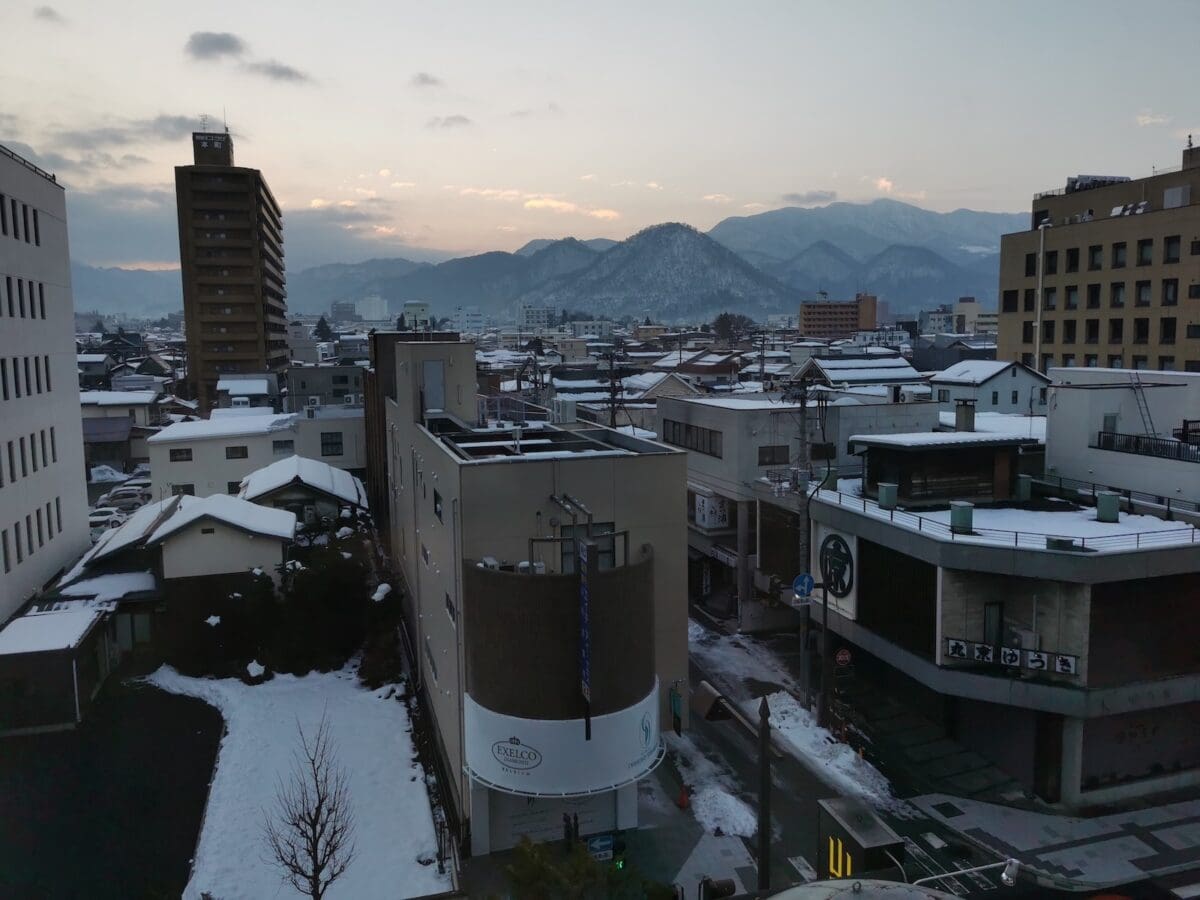
Yamagata’s snowy mountain view from my hotel room
How Many Days to Spend in Tohoku
A Short Visit: 3 to 5 Days
With 3 days, I suggest staying in Sendai, spending a day at Matsushima, and choosing between more time in the city and a visit to Yamadera. You can leave your bags at the same hotel and use the time for sightseeing, meals, and walks instead of packing again.
With 4 to 5 days, there’s room for an overnight hot-spring stay. You could also spend those days in a different part of Tohoku:
Sendai and Yamagata: Sendai, Matsushima, Yamadera, and a night at Zao Onsen or an inn near Yamagata.
Iwate: Morioka, a day in Hiraizumi, a separate visit to Geibikei, and a night near Hanamaki.
Northern Tohoku: Aomori and Hirosaki, with an overnight near Oirase or Lake Towada when seasonal transport allows.
I recommend choosing one of these combinations. Trying to include Aizu, Akita, and Aomori in the same short visit would leave you with a lot of train journeys and very little time in each place.
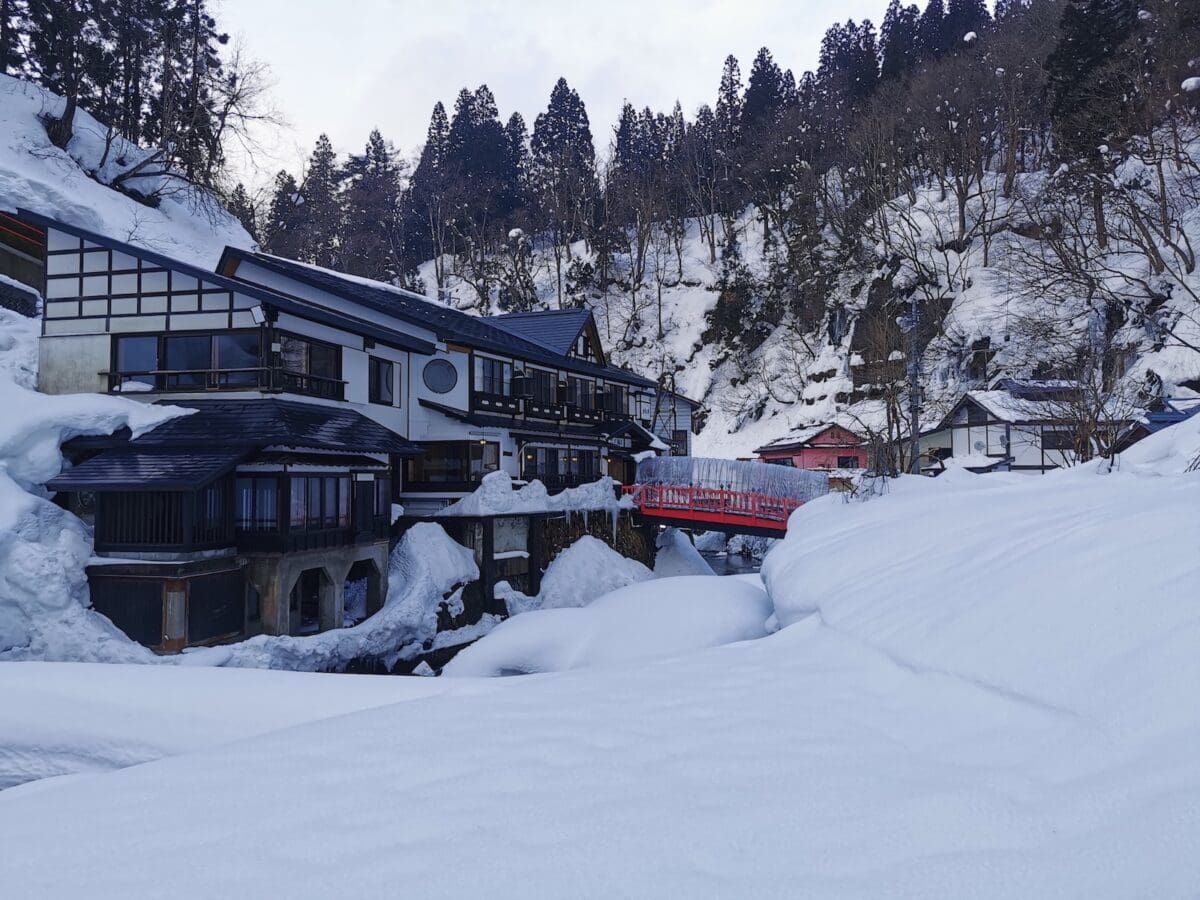
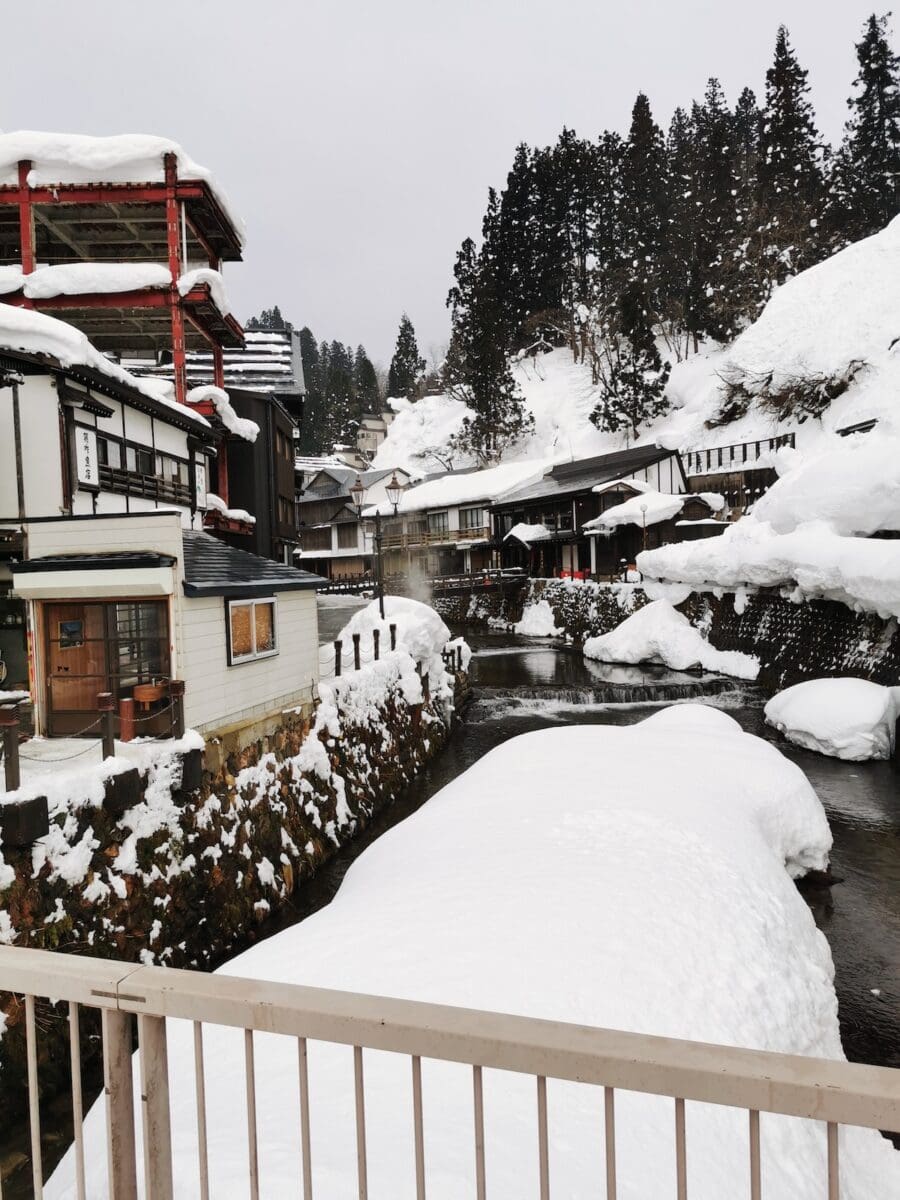
A snow-covered bridge in Ginzan Onsen
Tohoku can also be the 3- to 5-day part of a first Japan trip that takes you beyond the usual popular destinations. For trips of 10 days or longer, I recommend spending roughly 30% of your time somewhere outside that familiar route. One area of Tohoku can work well, as long as you include the journeys from and back to Tokyo in those days.
A Week in Tohoku
I usually recommend around 7 days if Tohoku is the main part of your trip. That gives you time for two areas and a ryokan night, with an afternoon to enjoy the inn before dinner. For a first visit by train, you could spend the week like this:
Day
Plan
Overnight
1
Travel from Tokyo to Sendai and spend the afternoon in the city
Sendai
2
Visit Matsushima Bay and its temples
Sendai
3
Visit Yamadera, allowing time for the climb and lunch
Sendai
4
Travel to Morioka, walk around the city, and try its noodles
Morioka
5
Visit Hiraizumi, checking the connections through Ichinoseki
Morioka
6
Travel to Hanamaki and continue to your ryokan in the afternoon
Hanamaki hot-spring area
7
Have breakfast, then travel back toward Tokyo
Your next destination
This gives you 6 nights in Tohoku. If you’d rather keep the same hotel for longer, spend the last night in Morioka and save the ryokan for another trip. In winter, you could use the second half of the week for Yamagata and Zao instead of Morioka and Hanamaki, especially if you’re coming to see Zao’s snow-covered trees.
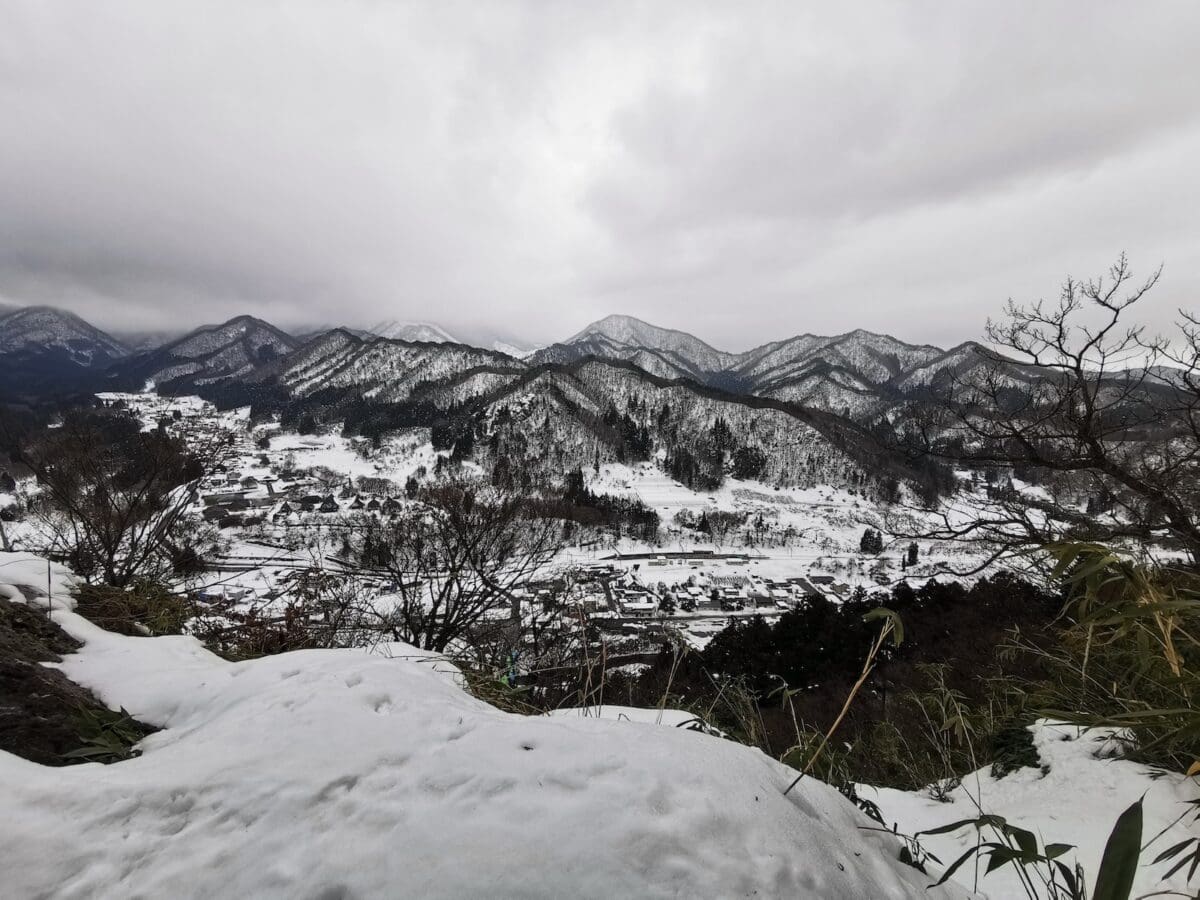
The valley below Yamadera in winter
With 10 Days or More
With 10 days, you can extend north to Aomori and Hirosaki, or west toward Kakunodate and Lake Tazawa. I suggest choosing one of those extensions and giving yourself a few nights there. You’ll have more time for the places around your hotel, and a little more freedom to change plans when the weather turns.
If you want to visit the Sanriku Coast, allow several days for its fishing towns, walks, and viewpoints. Staying on the coast will give you more time to explore than repeatedly traveling out from an inland city.
Snow around Hirosaki Castle Park
Places I Recommend Visiting in Tohoku
Sendai and Matsushima Bay
Sendai is a good base if you’d like plenty of restaurants and straightforward transport. In the city, you can visit Zuihoden, the mausoleum of Date Masamune, the feudal lord associated with Sendai, then go to the Aoba Castle ruins for views over the city. The sights are spread out, so I suggest using the sightseeing bus for some of the journeys between them.
For Matsushima, allow most of a day. You can see the pine-covered islands from the shore or a sightseeing boat, visit Zuigan-ji and Entsu-in temples, and have seafood for lunch. It’s an enjoyable day without a car, and there’s enough to do that you can stay longer at a temple or over lunch without needing another destination afterward. Matsushima-Kaigan is the closest station to the main waterfront sights, so check that when choosing your train.
Farther inland, Naruko Gorge is a good autumn outing, with a hot-spring town nearby if you want to stay overnight. I recommend giving it a separate day from Matsushima because the two are in different directions from Sendai.
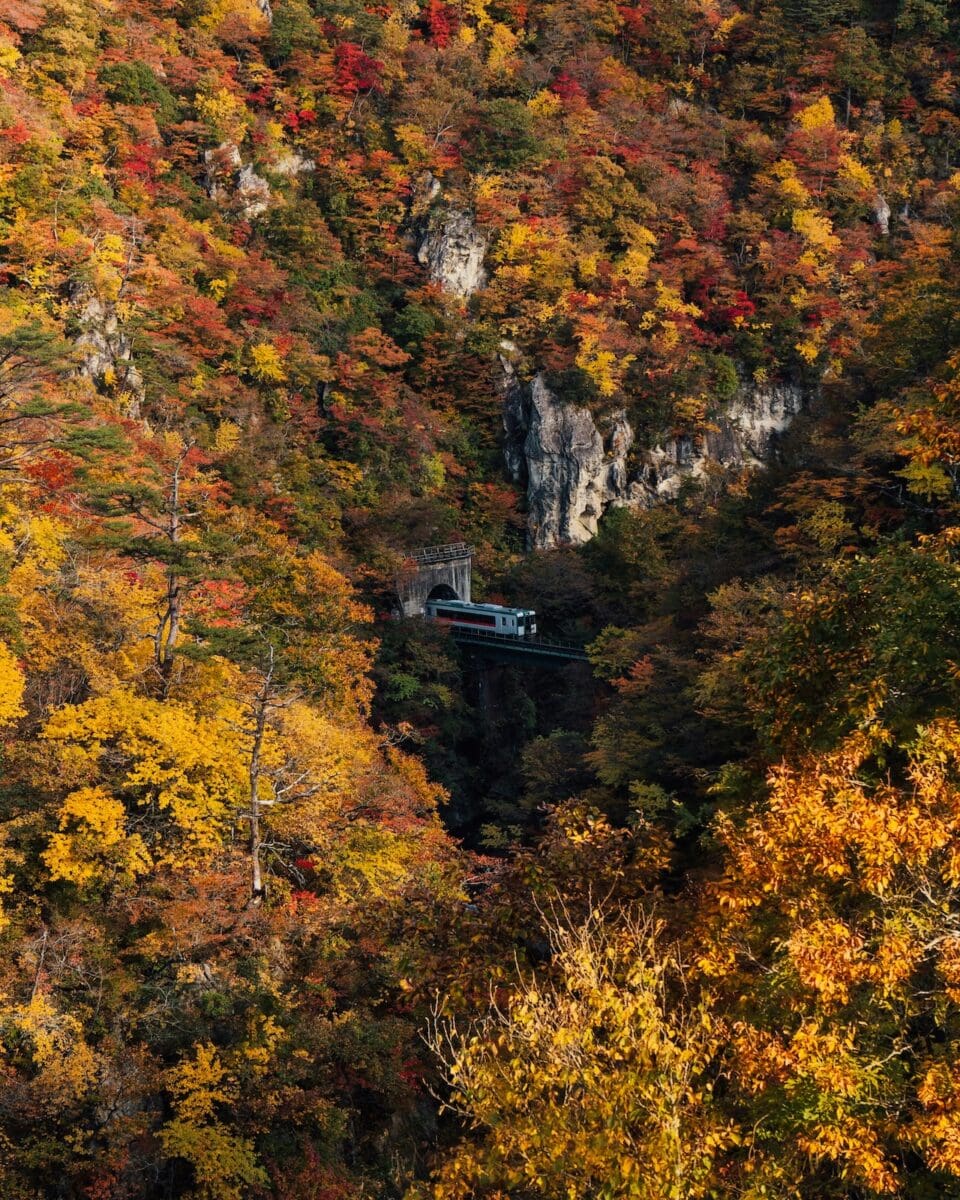
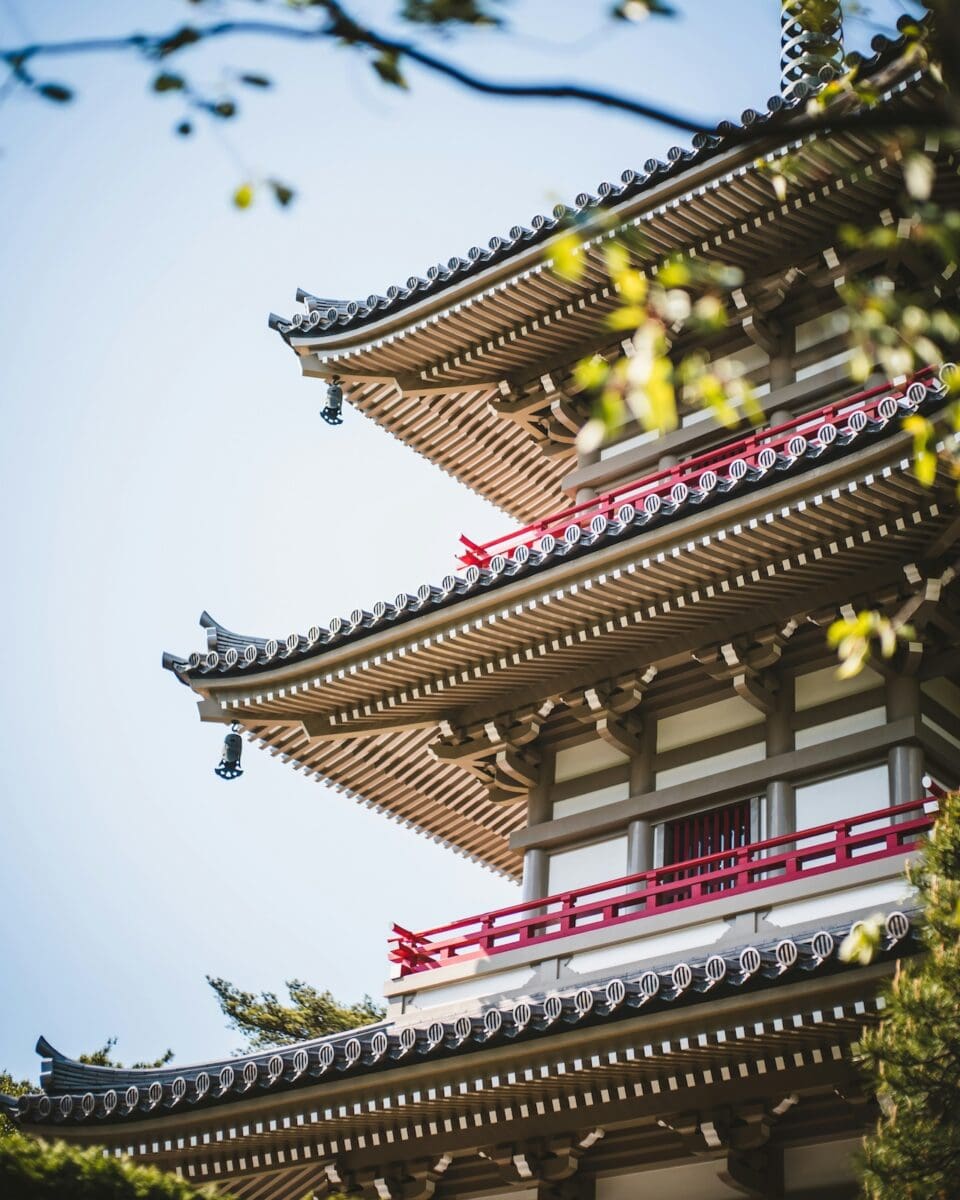
A train passing through Naruko Gorge in autumnThe pagoda at Rinnoji Temple in Sendai
Morioka, Hiraizumi, and Geibikei
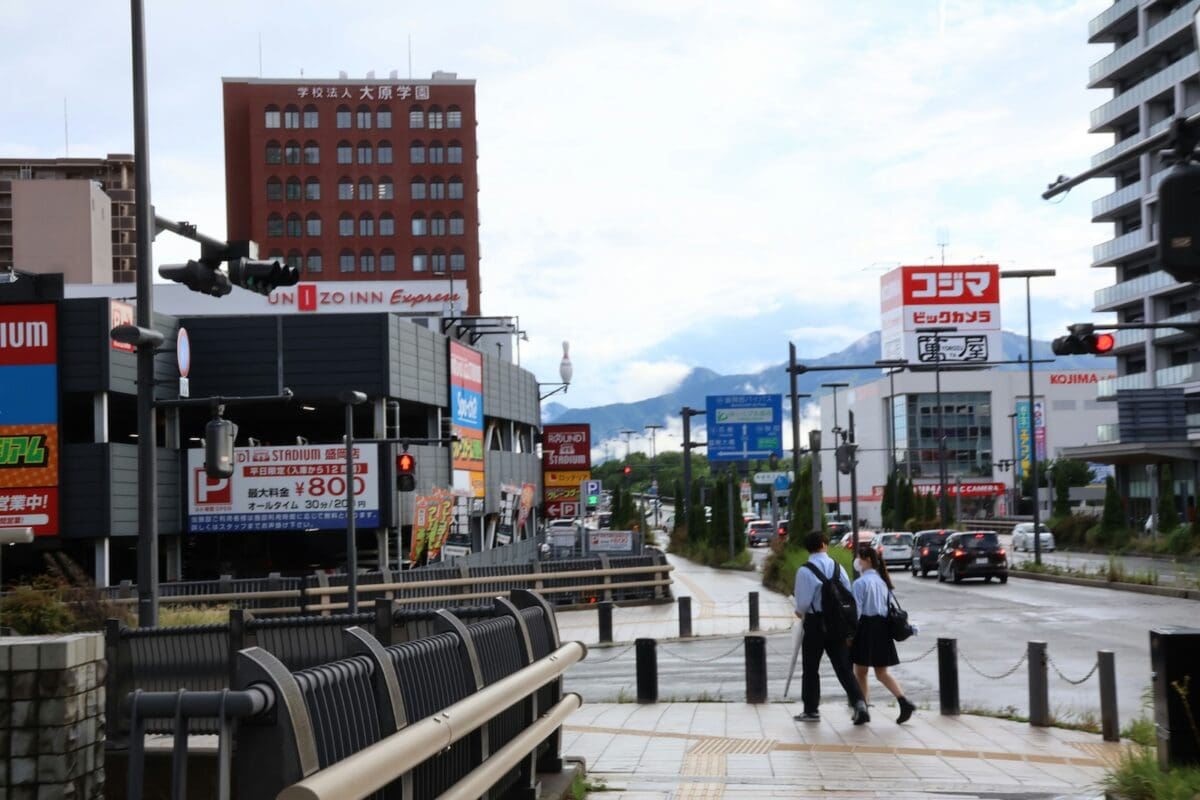
Morioka is a good choice if you want a few days of walking around a city and eating well, with some trips farther into Iwate. You can walk around the former castle grounds, stop at cafes, and browse the iron kettles and cookware the area is known for. I suggest keeping some time for the city itself, even if you mainly chose it as a base for Hiraizumi.
Try a different noodle dish at each meal while you’re here. Reimen are cold noodles in broth, while jajamen are thick noodles served with meat-miso paste. For something more playful, wanko soba comes in small bowls that are refilled until you’ve had enough. It’s a good meal to try with friends, especially if everyone arrives hungry.
A street in Morioka with mountains in the distance
If you’re interested in history, I particularly recommend Hiraizumi, south of Morioka. At Chuson-ji, the gold-covered Konjikido hall gives you an idea of the wealth of the Oshu Fujiwara family that ruled the area. You can then visit the garden at Motsu-ji without turning the day into a long journey between towns.
Geibikei is another outing to consider for a boat ride through a gorge. It has a very similar name to Genbikei, another gorge near Ichinoseki, so double-check which one you’ve entered when looking up directions. If Hiraizumi and Geibikei are the main reason for your stay, Ichinoseki may be a more convenient base than Morioka.
Yamadera and Zao Onsen
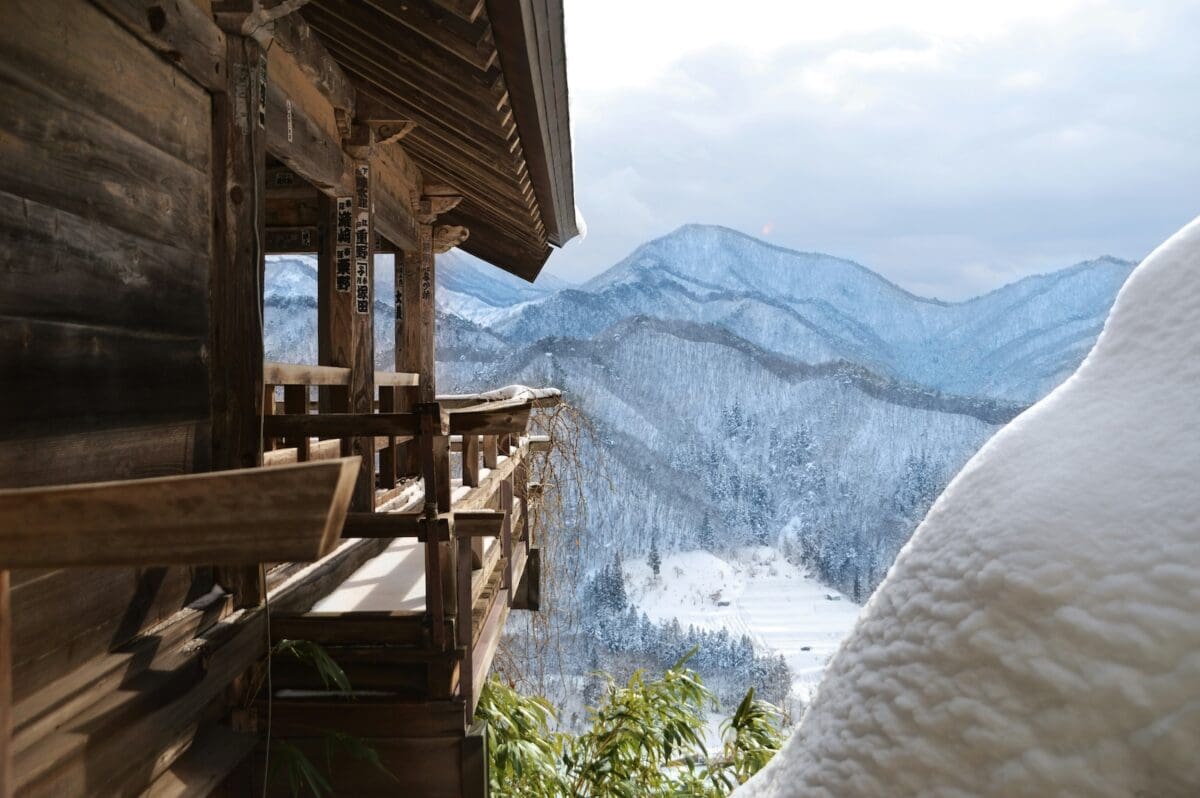
Yamadera, officially Risshaku-ji, is a mountainside temple in Yamagata Prefecture. More than 1,000 steps lead up through the temple grounds, past small buildings and viewpoints over the valley. I recommend it if you enjoy walking and want to spend a few hours outdoors as part of a temple visit.
I’ve climbed Yamadera in snow, when the steps need more care and the descent takes longer. Allow around 3 hours between arriving and leaving Yamadera Station for the climb and photos, then a little more if you’d like lunch afterward. It’s worth looking at how to reach Yamadera before setting out, so you can choose a return train without rushing down the steps.
A temple balcony at Yamadera in Yamagata Prefecture
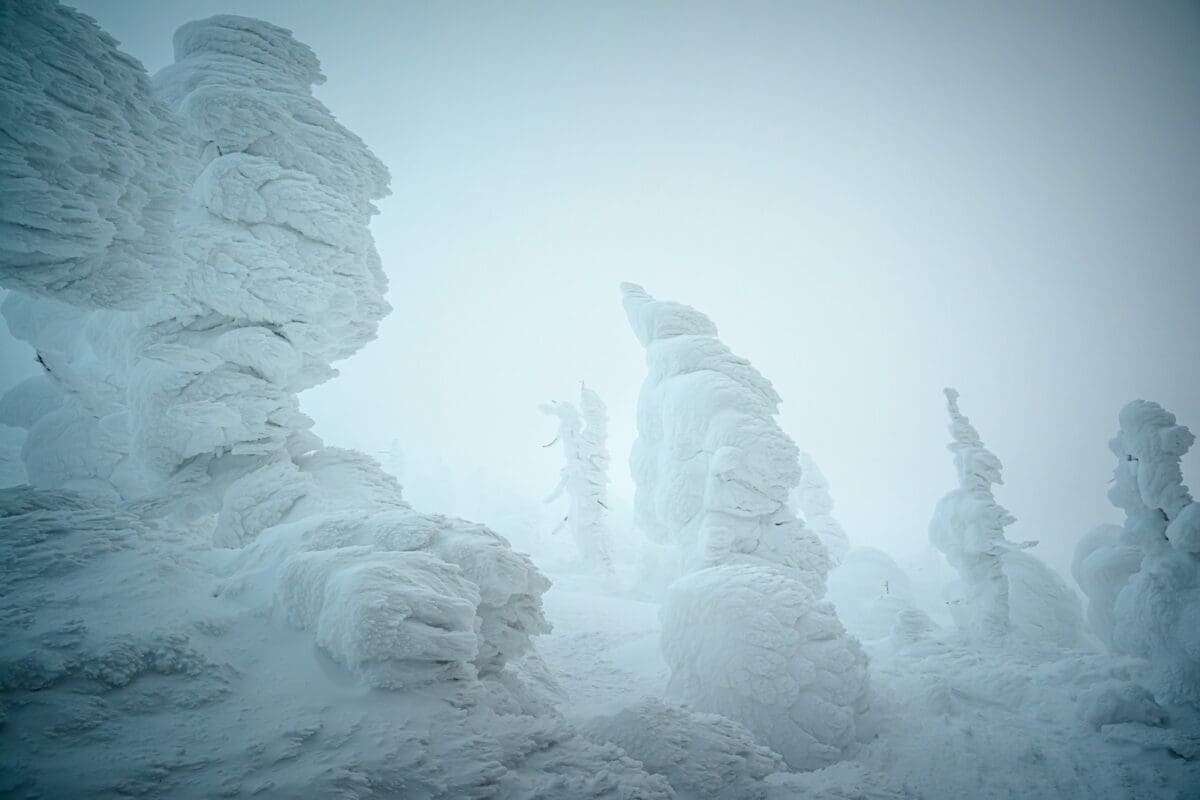
Zao Onsen is a hot-spring village below ski slopes where snow and ice build up around the trees, creating the shapes commonly called snow monsters. You can see them without skiing by taking the Zao Ropeway, though the view depends on the weather.
I recommend at least one night in Zao if the winter scenery is your reason for going. With two nights, you have another chance if wind or poor visibility prevents a mountain visit on the first day. You can spend that afternoon at the baths and try again when conditions improve.
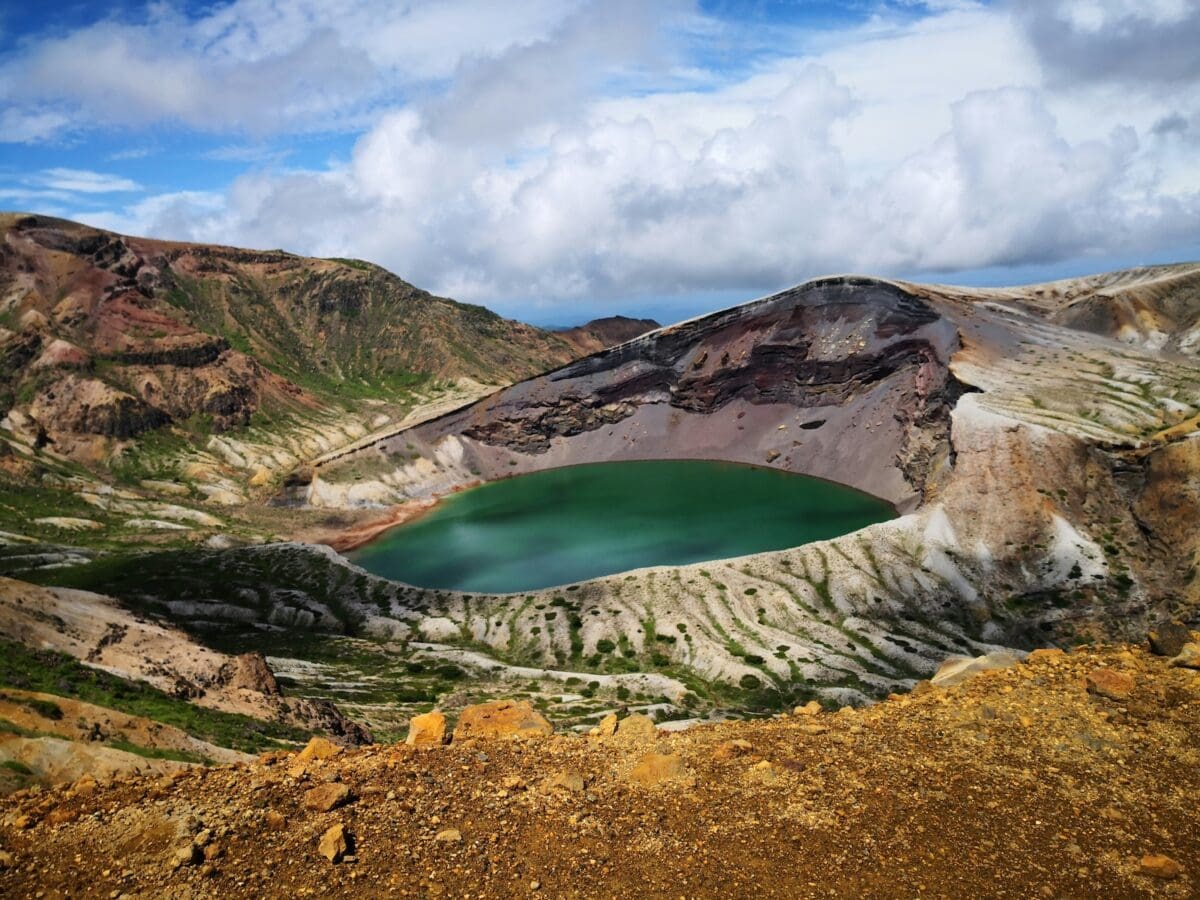
In warmer months, the Okama crater lake is another reason to visit the Zao mountains. Reaching it is a different outing from taking the winter ropeway, so look up the route to the lake itself when deciding whether to drive or use seasonal transport. The mountain roads close for part of the year.
I don’t recommend Zao Fox Village because of my concerns about animal welfare. In this area, I suggest spending that time at Yamadera, in the mountains, or at a hot-spring inn.
Okama crater lake in the Zao mountains
Aomori, Hirosaki, and Oirase Gorge
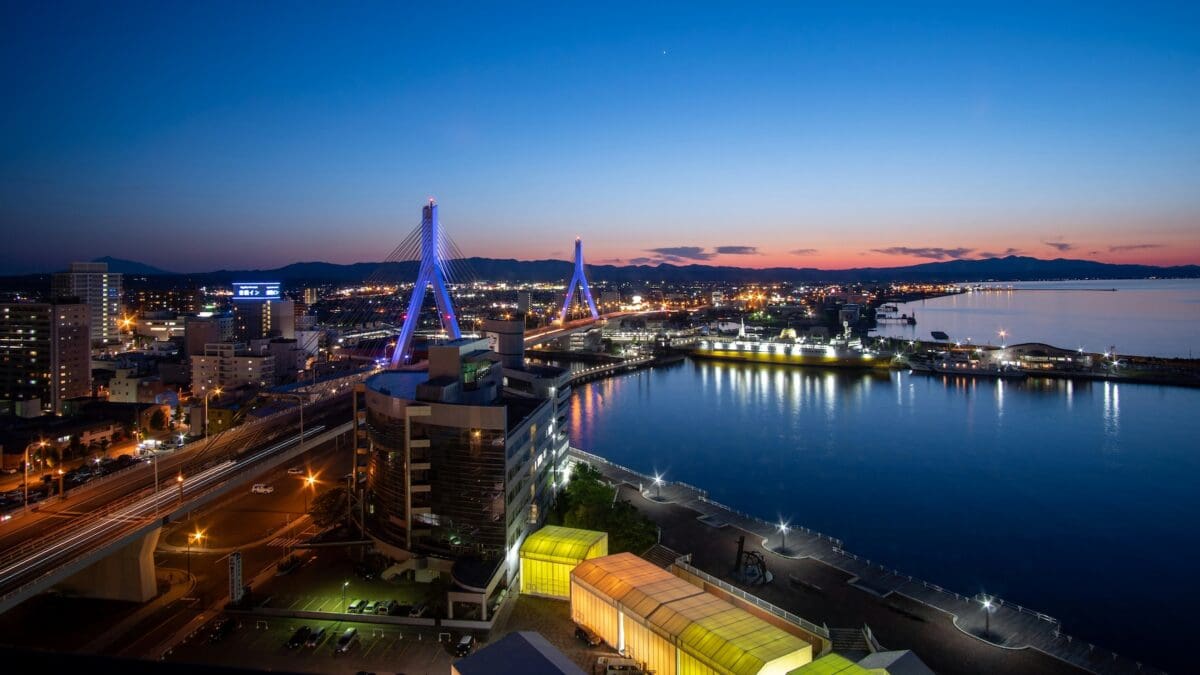
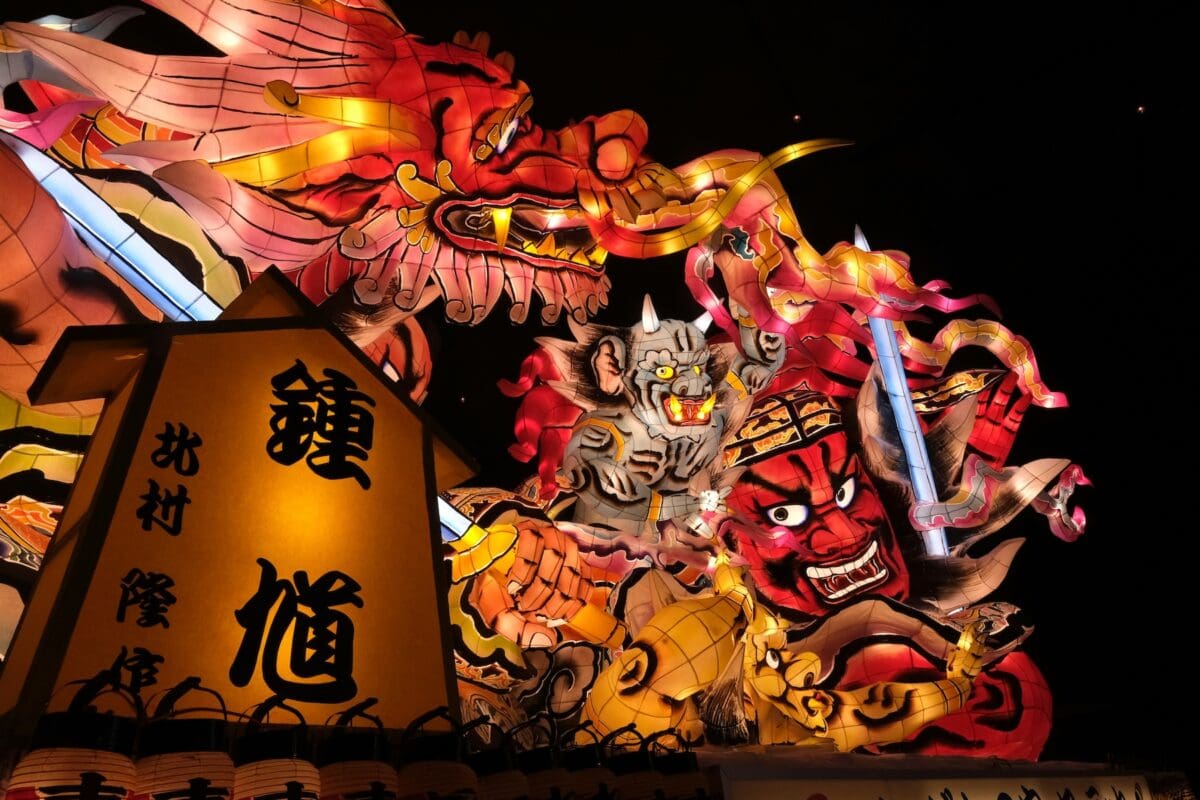
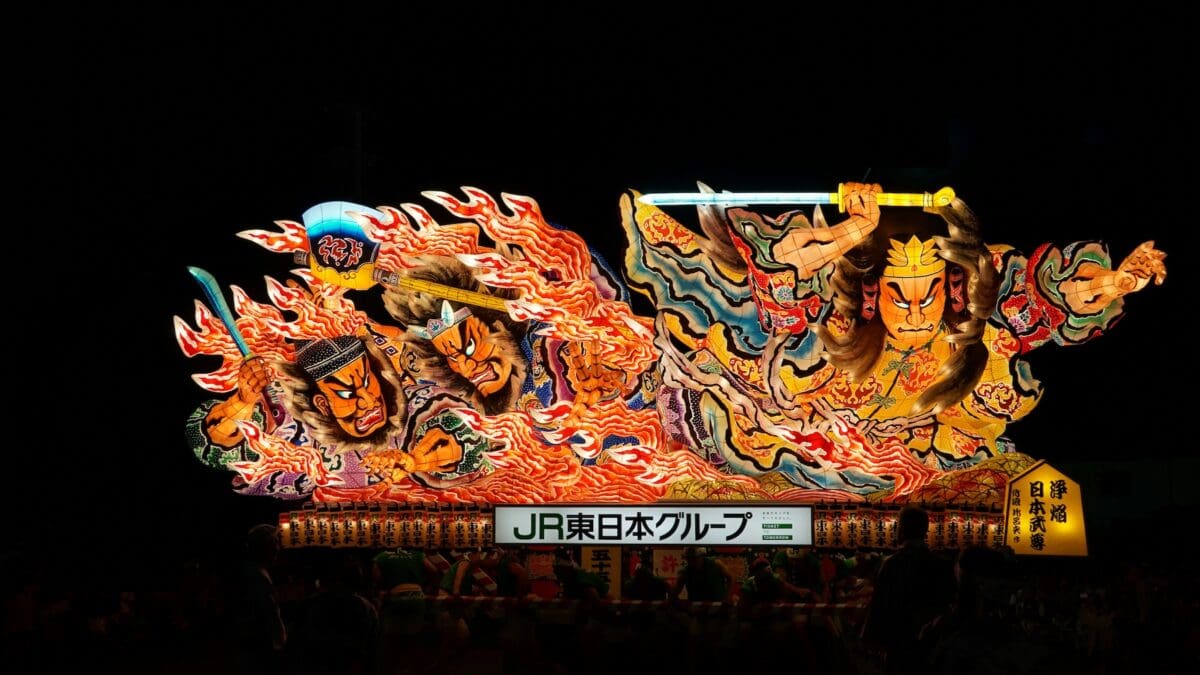
For a stay in northern Tohoku, I usually suggest choosing between Aomori City and Hirosaki based on what you want to do nearby. Aomori has the waterfront and Nebuta Museum Wa Rasse, where you can see the large illuminated floats used in the summer festival. Hirosaki has the castle park, old streets, and apple shops, which make it a good place to spend a day on foot.
Aomori Bay Bridge after dark
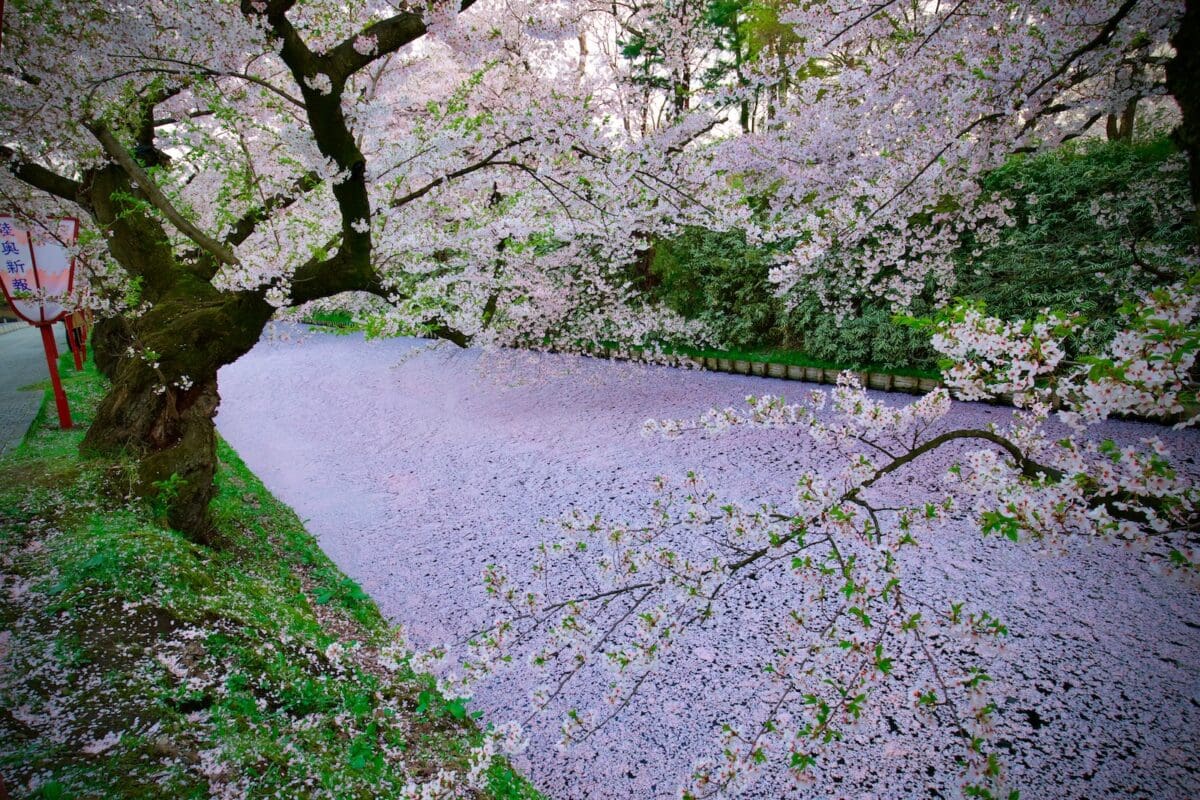
For spring or winter walks around town, I recommend Hirosaki. Its castle park is my favorite spring blossom spot in Japan, especially around the moats, where fallen petals can cover the water. In winter, you can see the bridges and castle buildings surrounded by snow, though you should check which paths are open before going.
A snow-covered bridge in Hirosaki Castle Park
If Oirase Gorge and Lake Towada are the main reason for your trip, I suggest spending a night nearer the gorge or lake. Oirase has a path beside the stream, with waterfalls along the way, and staying nearby gives you more time to walk. Choose a section that leaves you enough time for the return journey, rather than setting out to walk the whole gorge before checking the buses.
Seasonal JR buses serve Oirase and Lake Towada from the Aomori and Hachinohe sides. Hirosaki adds another journey, which makes it less convenient for this outing. Winter services also differ from the summer and autumn timetable, so check the arrangements for your travel dates.
A Private Visit with a Nebuta Artisan
For a closer look at how Nebuta floats are made, I recommend the private experience with Hiroo Takenami. You’ll visit Wa Rasse after hours, with time to learn about the craft behind the floats. Depending on the season, the visit also includes either a trip to the float-production site or a lantern-painting session. An apprentice may lead the museum part of the visit on some days.
An illuminated float at the Aomori Nebuta Festival
You book through Wabunka, a website offering private authentic experiences and experiential stays in Japan. They work directly with artisans and other hosts, arranging visits for your own group and language support where needed. An English-speaking guide is included in this experience, so you can ask questions as you go. I’ve worked with Wabunka as part of my work in the Japan travel industry.
It’s a more expensive visit, but I recommend it if you’re interested in meeting an artisan and learning about the work that goes into the festival. If you mainly want to see the floats, a normal daytime museum visit is a good choice.
For a January or February trip, the private Oirase icefall tour takes you between frozen waterfalls in a private car with a local guide. You can choose a daytime visit or see the waterfalls illuminated at night, with local sake and snacks included.
This is a good option if you want to visit the winter gorge with someone handling the driving and stops. Pickup is available at certain locations near Oirase and in Towada, with an optional station transfer. Confirm where you’ll meet before booking your hotel, because the tour doesn’t include pickup from every part of Aomori Prefecture.
Kakunodate’s samurai district is a good place to spend half a day walking between preserved residences. You can combine it with Lake Tazawa and a night at a hot-spring inn, but I suggest spreading those visits over more than one day if the connections would otherwise leave you rushing to dinner.
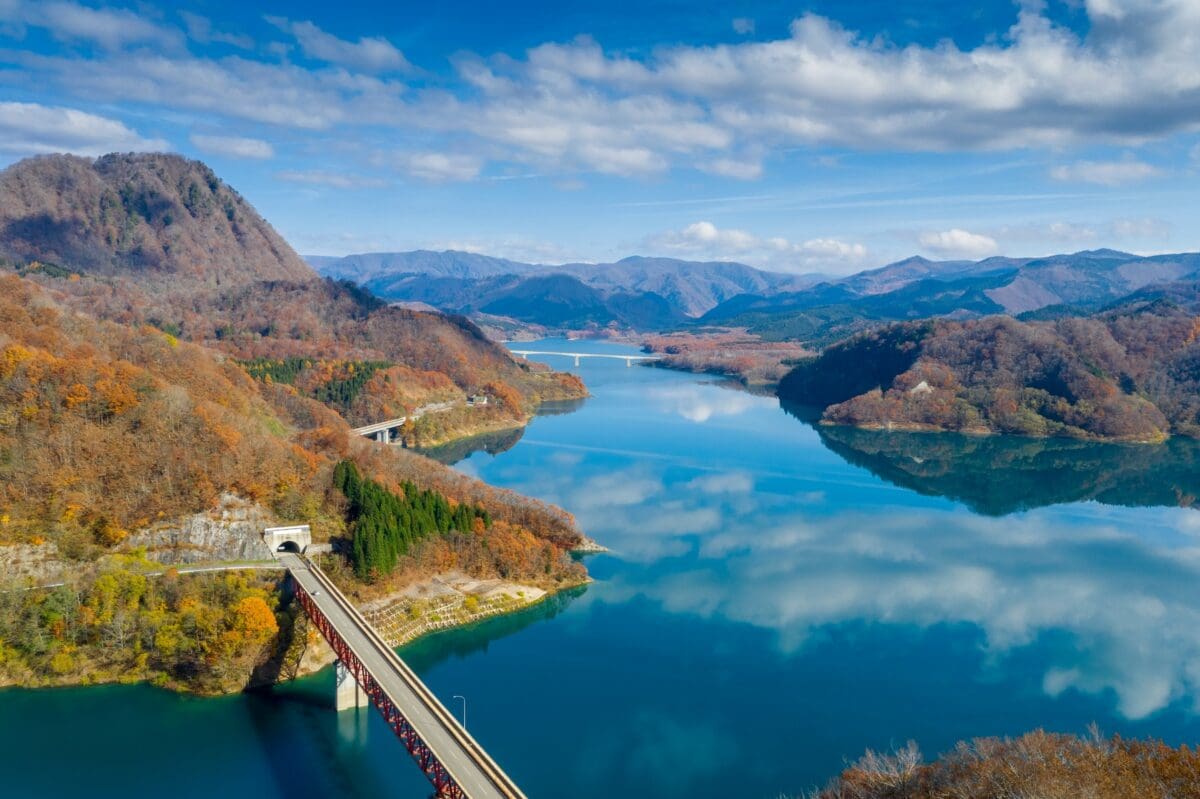
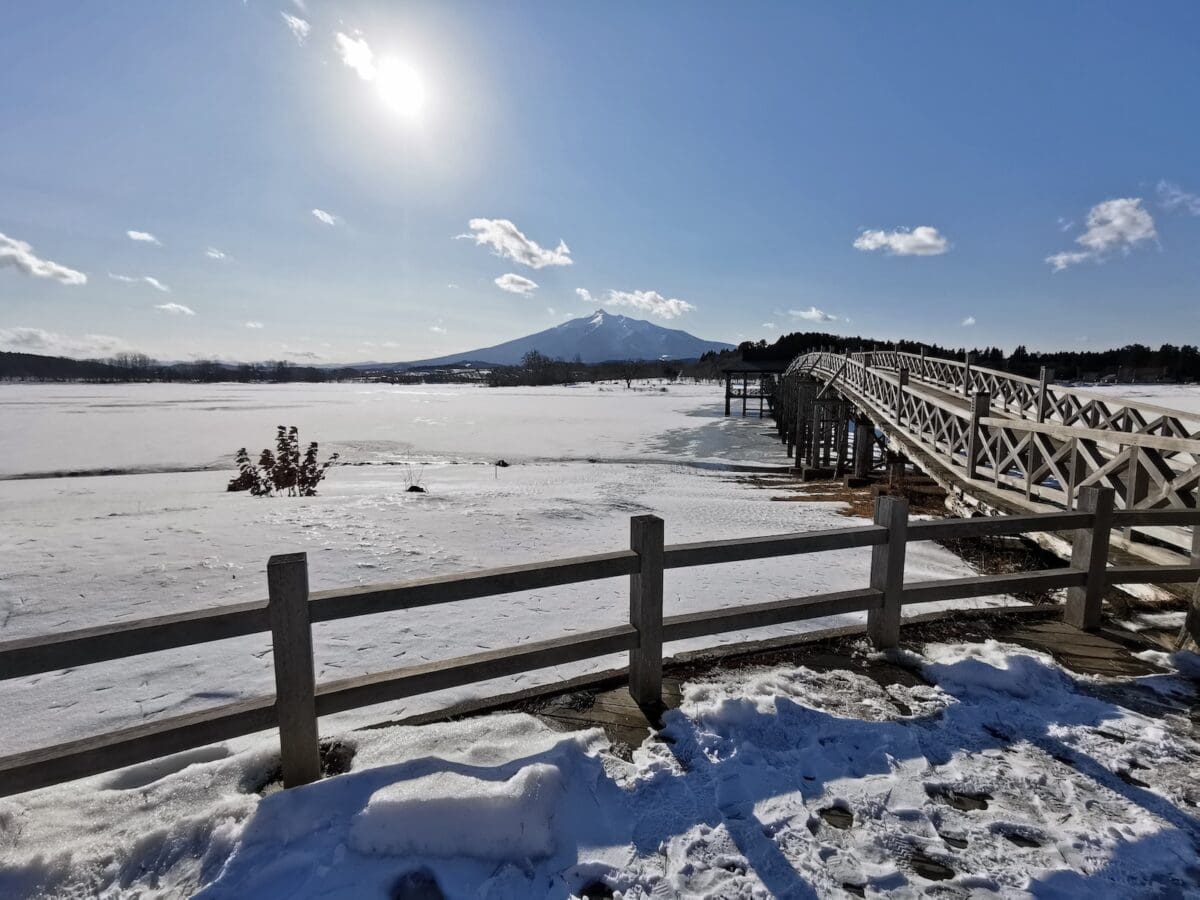
Lake and bridge views in Semboku, Akita
If you’re choosing just one hot-spring area for an overnight in Tohoku, I recommend Nyuto Onsen. It’s a group of inns in the mountains above Lake Tazawa, with different baths, rooms, and meals to choose from. An onsen is a natural hot spring or a bathing facility using its water, so the name alone doesn’t tell you whether an inn has shared baths, private baths, or both.
There are buses from Tazawako Station, followed by an additional pickup or walk for some inns. A car can help you explore the surrounding area, but you can reach several of the inns without driving. Choose where you want to stay, then ask how to make the final part of the journey.
Aizu-Wakamatsu and Southern Fukushima
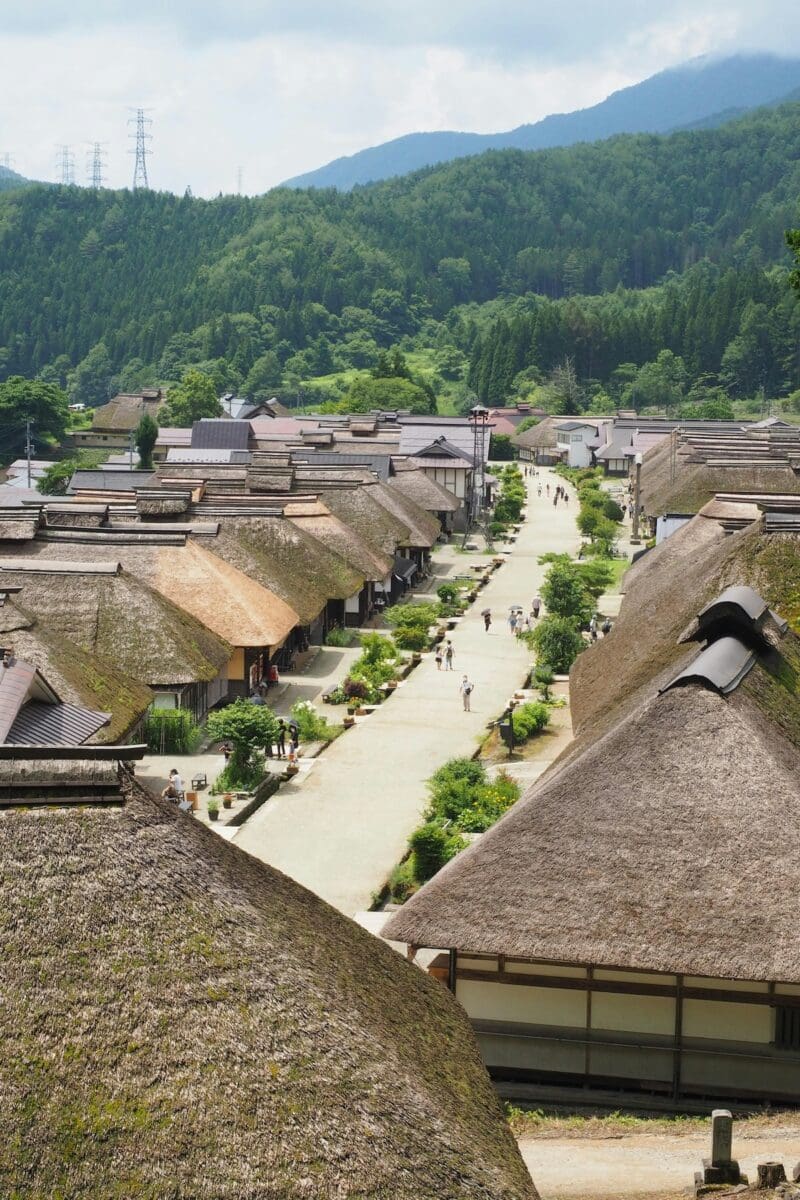
I recommend Aizu-Wakamatsu if you enjoy castle towns and historic buildings. You can visit Tsuruga-jo Castle and Sazaedo, a wooden Buddhist hall with an unusual spiral route through the building, then spend another day at Ouchi-juku. This former post town has a street of thatched houses and makes a good outing from the city.
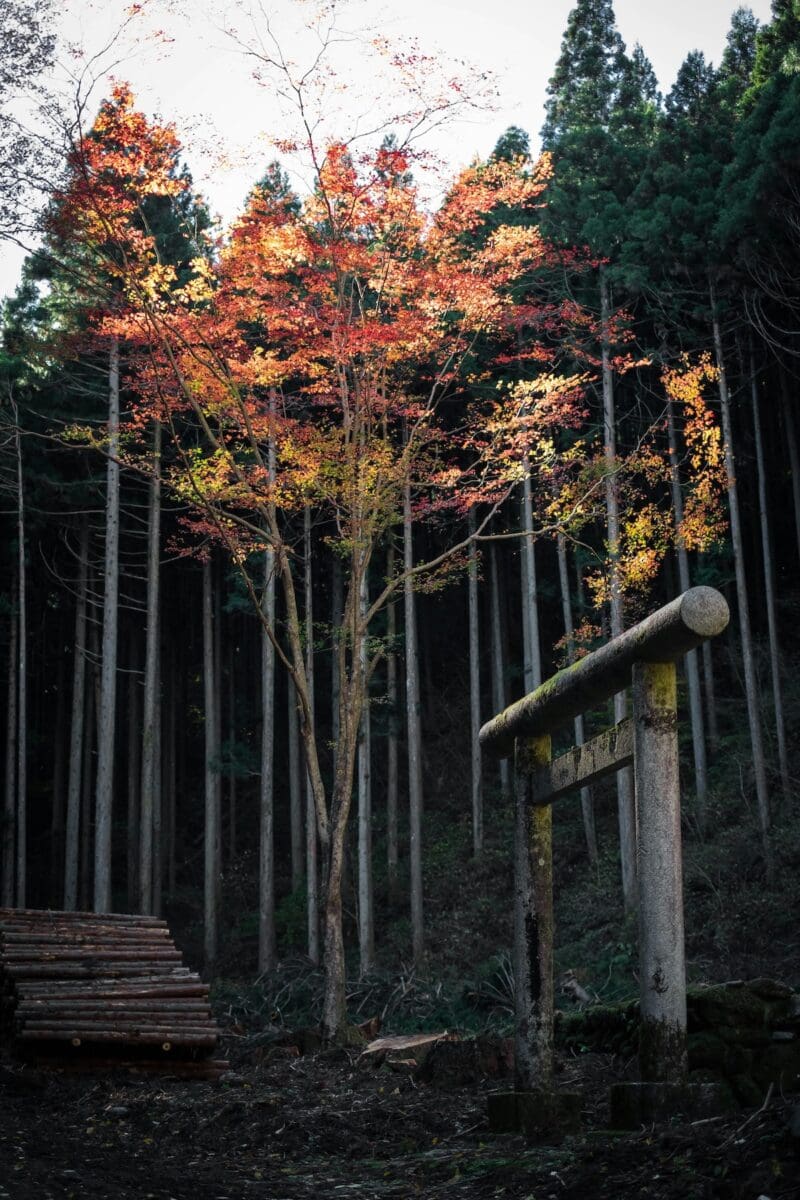
Thatched houses in Ouchi-juku, FukushimaA shrine gate in a Fukushima forest in autumn
For more time outdoors, consider Goshikinuma, a group of colored ponds in the Urabandai mountains. They’re farther from Aizu-Wakamatsu, so allow a separate outing for the ponds and the area around Mount Bandai. 2 to 3 nights in Aizu give you time for the city and a couple of trips without packing each morning.
Mount Azuma and the countryside around Fukushima City are farther east. With more time in southern Tohoku, you could continue that way after Aizu. I suggest keeping it for an extension rather than adding it to the same day as Ouchi-juku or the castle.
Mount Azuma-kofuji viewed from Sakuramoto, Fukushima
The Sanriku Coast
The Sanriku Coast runs along the Pacific side of northeastern Honshu, with fishing towns, coastal walks, and places such as Jodogahama Beach and the cliffs at Kitayamazaki. I recommend staying on the coast for a few nights if you want to see several of these places. You’ll have more time there than if you keep returning to Morioka or Sendai in the evening.
A car helps with linking viewpoints, while trains and buses can work well for a visit to one area. You can also walk a section of the Michinoku Coastal Trail as a day hike. Choose the walk first, then work out how you’ll reach and leave it using the trail organization’s planning guidance.
Dewa Sanzan
If you’re interested in mountain worship and pilgrimage, I recommend Dewa Sanzan, on the western side of Tohoku. These are three sacred mountains in Yamagata Prefecture: Haguro, Gassan, and Yudono. Haguro is the more accessible place to start, while visits to the higher mountains depend on the season and access conditions.
I suggest combining Dewa Sanzan with time around Tsuruoka. It’s a different part of Yamagata from Yamadera and Zao, and staying nearby will give you more time for the mountains than making a long day trip from Sendai.
When to Visit Tohoku
For a trip with walks around lakes, gorges, and temple grounds, I recommend autumn. You’ll have the changing leaves as well as harvest foods such as apples to look forward to. If you’re coming for snow, skiing, and hot springs, choose winter. Spring is a good time for cherry blossoms, while summer gives you the chance to see several of the region’s major festivals.
Spring: Cherry Blossoms and Snow-Covered Mountains
Cherry blossoms generally arrive later here than in Tokyo or Kyoto. For Hirosaki, start by looking at April, then follow the local blossom information as the season approaches. The familiar festival period is late April to early May, but recent seasons have started earlier, so a May visit can miss the main bloom.
Cherry blossoms and fallen petals along the moat at Hirosaki Castle
Kakunodate and Kitakami are other places to consider for blossoms. Remember that spring in town can arrive while the mountains still have snow. If you want to see the snow walls along the Hachimantai Aspite Line, check the road’s announced reopening and conditions before choosing your date.
Summer: Festivals and Hiking
Summer is a good time to come for festivals and hiking, although Tohoku can still be hot and humid, especially in inland cities. Leave some flexibility for rain if you plan to spend most of your days outdoors.
Three major festivals happen close together:
Aomori Nebuta, August 2 to 7, with large illuminated floats and dancers.
Akita Kanto, August 3 to 6, with performers balancing tall poles hung with lanterns.
Sendai Tanabata, August 6 to 8, with paper decorations filling the shopping streets.
A warrior float at the Aomori Nebuta Festival
If you’re coming for one of these, book accommodation as soon as suitable rooms become available. It’s tempting to combine several festivals because the dates are so close, but you’ll also be moving between cities at a busy time. I suggest choosing the one you’re most excited about, securing your stay, and then seeing whether a second fits comfortably.
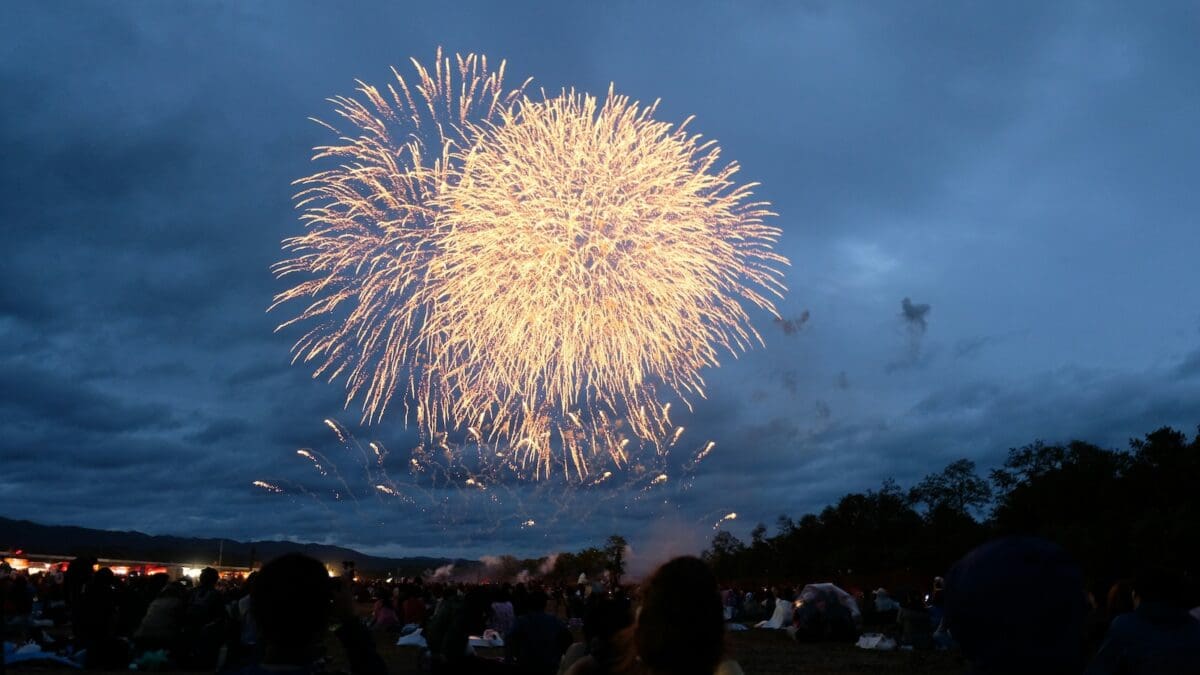
Fireworks in Hirosaki
Autumn: Lakes, Gorges, and Harvest Food
For Oirase’s autumn leaves, late October is a useful time to consider. The timing changes with the year and altitude, with high mountains turning earlier and some lower areas staying colorful into November. Lake Towada and Naruko Gorge are also good places to visit during this season.
I suggest checking local foliage reports before fixing a particular week. Be especially careful with late November in the north, when many trees may already be bare. If the weather changes during your visit, you can still spend time in town and enjoy the seasonal food without needing every day to be a mountain outing.
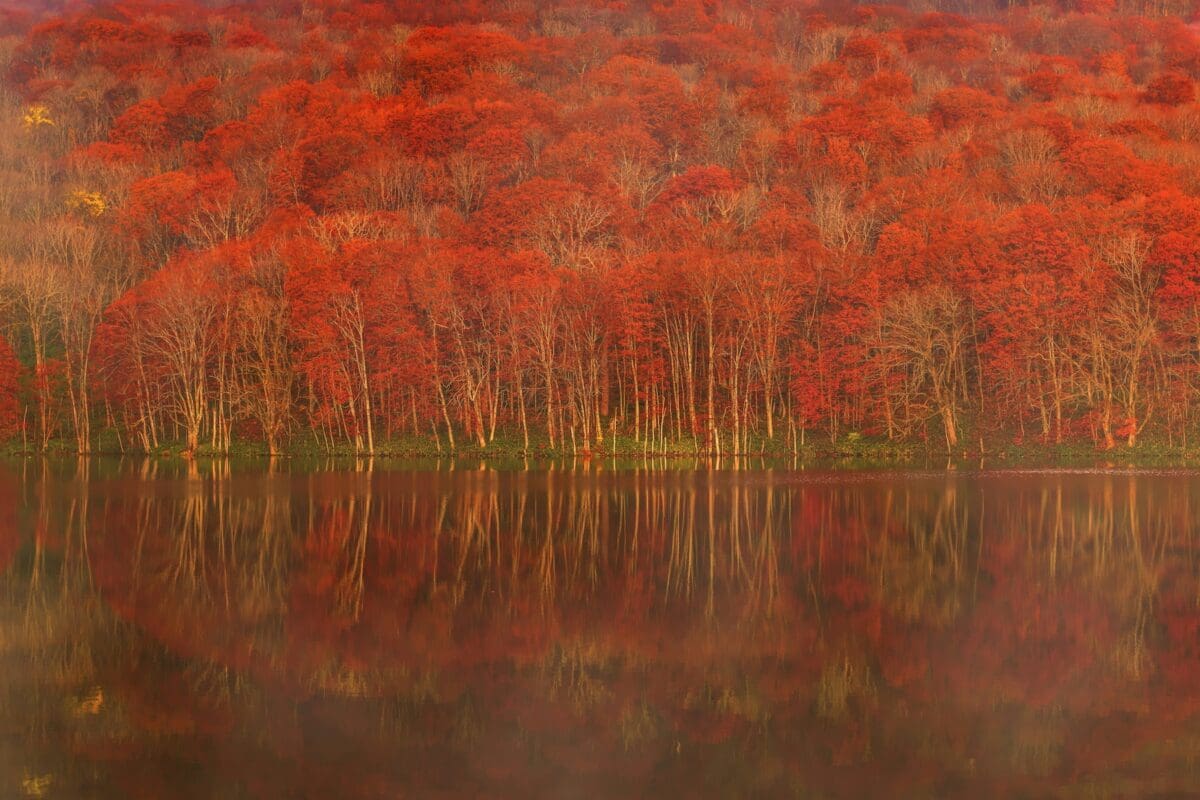
Autumn leaves reflected in Lake Towada
Winter: Hot Springs, Skiing, and Snow
If deep snow and hot springs are what you’re looking forward to, winter is a great time to visit Tohoku. You can combine skiing or a ropeway ride at Zao with an evening at the baths. Farther north, Aomori and Hirosaki give you another way to enjoy the season, with snowy town walks and smaller places to visit around Tsugaru.
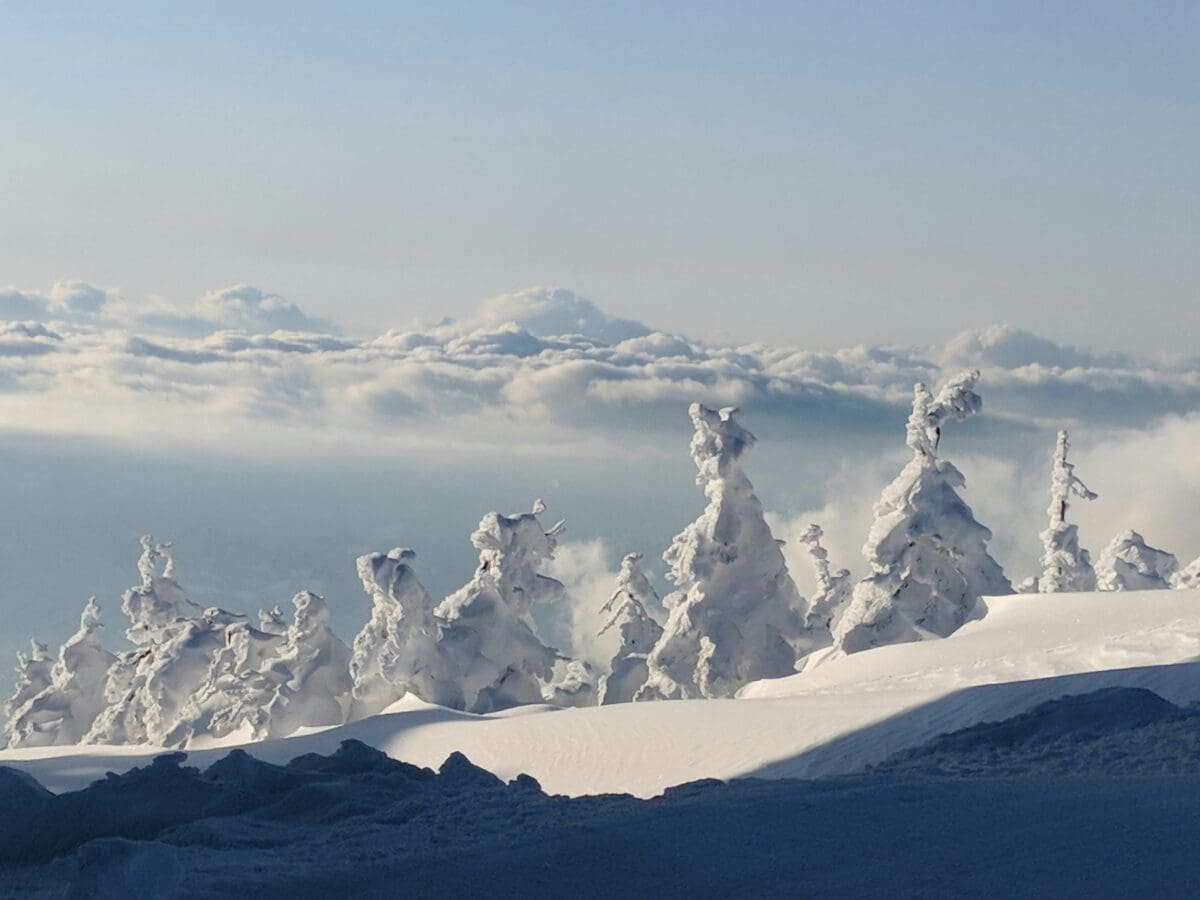
Snow-covered trees above the clouds at Zao
I recommend leaving a day you can swap with a mountain outing. Wind, snow, and poor visibility can disrupt both trains and buses, and a ropeway may stop even when transport in town is running normally. Having time for a museum or an afternoon at your inn makes it easier to wait for a better day.
Around Hirosaki and Tsugaru, Tsuru-no-Mai Bridge and Takayama Inari Shrine can be lovely in snow. Check the current path and bridge access, along with the return transport, and allow extra time for walking. A morning in Hirosaki’s castle park can be an enjoyable outing on its own before lunch.
Tsuru-no-Mai Bridge in winter
If you’re combining Tohoku with other regions, the best time to visit Japan guide explains how the seasons differ across the country.
What to Eat in Tohoku
You can try plenty of regional food in Tohoku without booking expensive restaurants or making separate trips for dinner. I suggest starting with the specialties of the town you’re staying in. In Morioka, that might mean a different noodle dish at each meal. In Hirosaki, you can stop for apple pie or try local cider while walking around town.
Where You Are
What I Suggest Trying
Sendai
Gyutan, grilled beef tongue, and zunda, sweetened edamame paste used in desserts and shakes
Morioka
Reimen, jajamen, and wanko soba
Akita
Kiritanpo, grilled cylinders of pounded rice, often served in a chicken hotpot
Aomori and Hirosaki
Apples, apple pie, cider, and seafood
Yamagata
Soba noodles and Yonezawa beef if you’d like a more expensive meal
Aizu-Wakamatsu
Sauce katsu-don, a bowl of rice topped with breaded pork cutlet and sauce
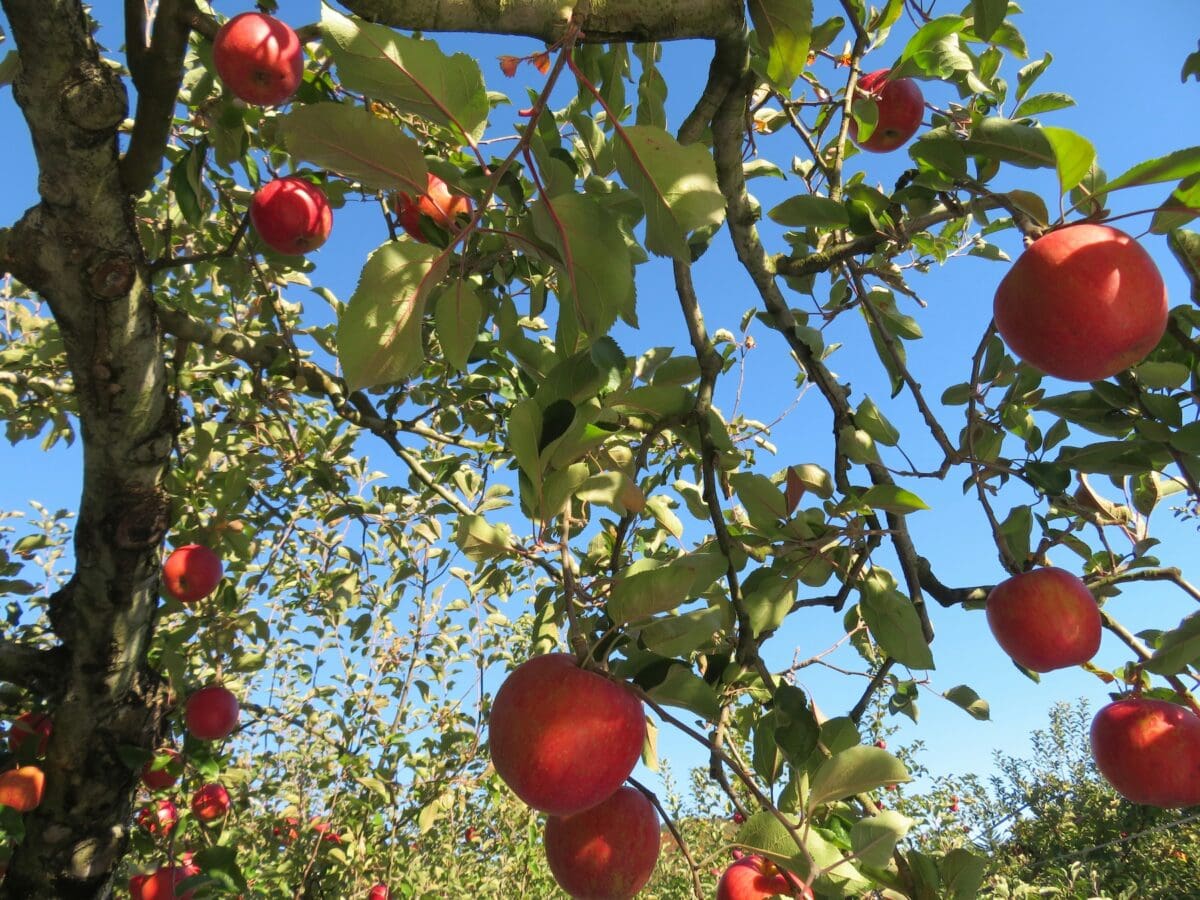
Apples growing in an Aomori orchard
For a seafood market meal, Hasshoku Center in Hachinohe is my top recommendation. At Shichirin-mura, you get a table, buy seafood or meat from the market stalls, and grill it yourself. Tell the stall staff you’ll be grilling your purchases so they can prepare them for you. It’s especially enjoyable with friends because you can buy a few different things and share them around the table.
Matsushima is another good place for seafood, particularly oysters during the colder months. In smaller towns, plan dinner a little earlier because restaurants can close before you expect. If you’re staying at an inn with meals, having dinner there can save another journey and give you more time to enjoy the stay. And if you’re driving, save the sake or cider for after you’ve finished driving for the day.
Ryokan and Hot-Spring Stays I Recommend
I usually suggest one or two ryokan nights alongside ordinary city hotels. Dinner and breakfast are a large part of the experience, so look at the meal plan as carefully as the room photos. You’ll get much more out of the stay if you arrive in the afternoon, have time for the baths, and settle into your room before dinner.
For the room itself, check whether you’ll sleep in a bed or on a futon laid on the floor. If a private bath is important to you, find out whether it’s in your room or one that guests use at separate times, and whether it contains hot-spring water. My guide to staying in a ryokan in Japan explains these differences in more detail.
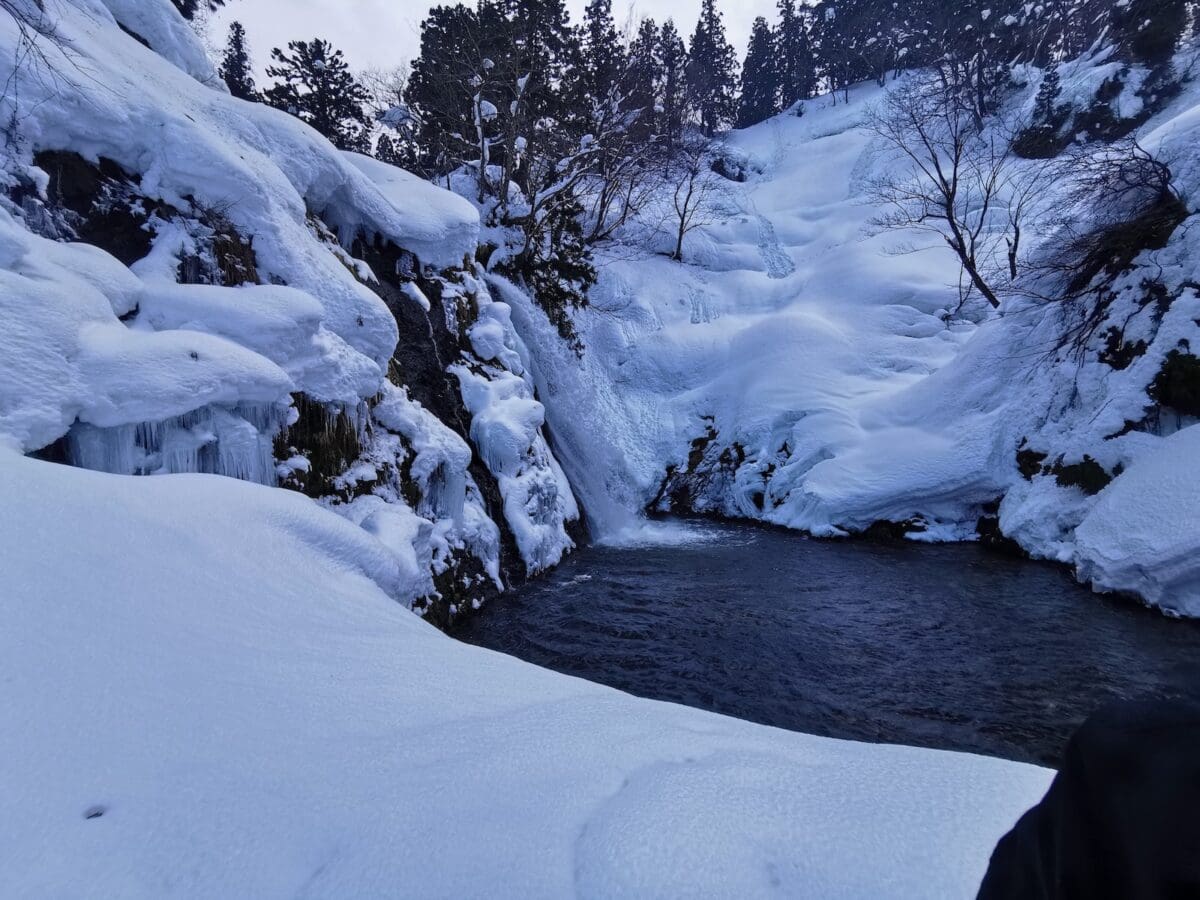
Shirogane Falls in Ginzan Onsen in winter
Matsushima Sakan Shoan, Miyagi
I recommend Matsushima Sakan Shoan if you want a ryokan night near Sendai and Matsushima, with views over the bay from your room. You can spend the day visiting the waterfront sights, then return to a smaller inn for dinner and time looking out at the islands.
It’s a good choice if you want that overnight stay without going farther into the mountains. The inn is away from the central sightseeing streets, though, so arrange the transfer before you go.
Kakunodate Sanso Wabizakura is a good choice if you want a private hot-spring bath with your room. It’s in the countryside outside Kakunodate’s samurai district, which makes it suitable for spending the afternoon and evening at the inn after visiting the town.
I recommend considering it if you’re happy to spend more on the stay itself. You’ll have your own bath using natural hot-spring water, so leave enough time to enjoy it before dinner. Arrange the transfer from Kakunodate around that arrival time.
Osawa Onsen Sansuikaku, near Hanamaki, is a good place to try a ryokan if you’d like Japanese-style rooms and several baths by the Toyosawa River. It also fits well into a trip through Iwate, with a station shuttle you can reserve in advance.
The well-known riverside outdoor bath is mixed-gender, but there are other shared baths and private family baths for Sansuikaku guests. If you’re uncomfortable bathing with other people, ask about the family baths when booking. The bathrooms in the guest rooms don’t use hot-spring water, so a room with a bathroom isn’t the same as a room with its own onsen.
For a more expensive night with seasonal Japanese meals and time to enjoy your room, I recommend Meigetsuso in Kaminoyama Onsen, south of Yamagata City. I think it’s a particularly good option for a trip as a couple, when you’d rather spend an afternoon at the inn than go out sightseeing again.
Compare the room photos and layouts alongside the meal plans, especially if you want beds, a particular view, or a private open-air or partially open-air bath. Meigetsuso is separate from Zao Onsen, so allow for another journey if you plan to visit both.
For a mountain hot-spring stay, I recommend Nyuto if you’re choosing just one onsen area in Tohoku. Book the inn before arranging the rest of that day, so you can plan the bus and any pickup around check-in and dinner.
When using the Nyuto-area accommodation search, check the address carefully. It includes nearby properties as well as places associated with Nyuto, and staying near Lake Tazawa isn’t the same as sleeping at one of the mountain inns. If you have a particular inn in mind, book early and confirm the meals, baths, and final transfer before paying.
Aoni Onsen is an unusual stay, with oil lamps lighting the inn and no electrical power in the guest rooms. I recommend it if you’d enjoy an evening in that simple setting, with time for the baths and little reason to use your phone. Charge your devices before arriving and bring what you’ll need for the night.
You’ll also need to reserve the shuttle in advance. Confirm the transfer arrangements for your travel date, especially in winter.
For other mountain inns in Aomori, compare Sukayu, Tsuta, and Yachi Onsen. If you’re traveling along the Sea of Japan coast, Furofushi Onsen is another overnight to consider. These are in different parts of the prefecture, so choose an inn that fits the places you want to visit nearby.
Should You Stay in Ginzan Onsen?
Ginzan Onsen’s riverside inns are beautiful in snow. If staying there is something you’re really looking forward to, I recommend checking rooms early because it’s a small town with high demand in winter.
If you can’t get a room, I don’t recommend a long winter day trip just for photos. Zao or Nyuto may give you more time in the baths and less time traveling. A day visit to Ginzan can still be enjoyable if you’re already nearby and have a confirmed way in and out.
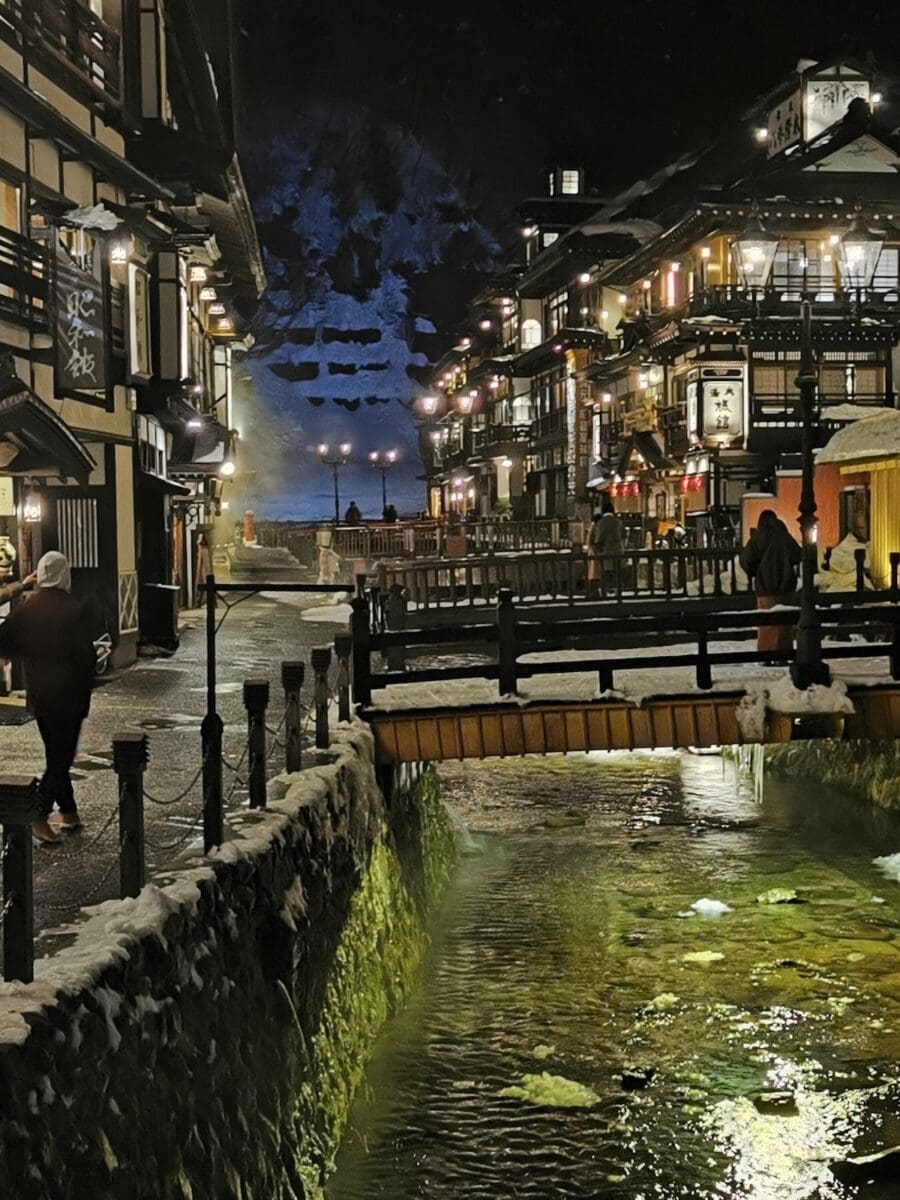
Snow along the river in Ginzan OnsenGinzan Onsen after dark in winter
Before arranging a winter visit, read the official access notices. Recent seasons have used visitor limits and park-and-ride arrangements, which mean parking outside the town and continuing by shuttle. The requirements depend on how and when you’re traveling. If you’re staying overnight, ask your inn which route to use.
From central Tokyo, I usually recommend taking the shinkansen, Japan’s bullet train. A fast service reaches Sendai in around 1 hour 30 minutes and Shin-Aomori in around 3 hours. If your hotel is near Aomori Station, allow extra time for the local connection from Shin-Aomori.
The main Tohoku Shinkansen line connects Fukushima, Sendai, Morioka, and Shin-Aomori. The Yamagata Shinkansen branches toward Yamagata and Shinjo, while the Akita Shinkansen serves Tazawako, Kakunodate, and Akita via Morioka. You can use these for the longer journeys, then continue by local train or bus.
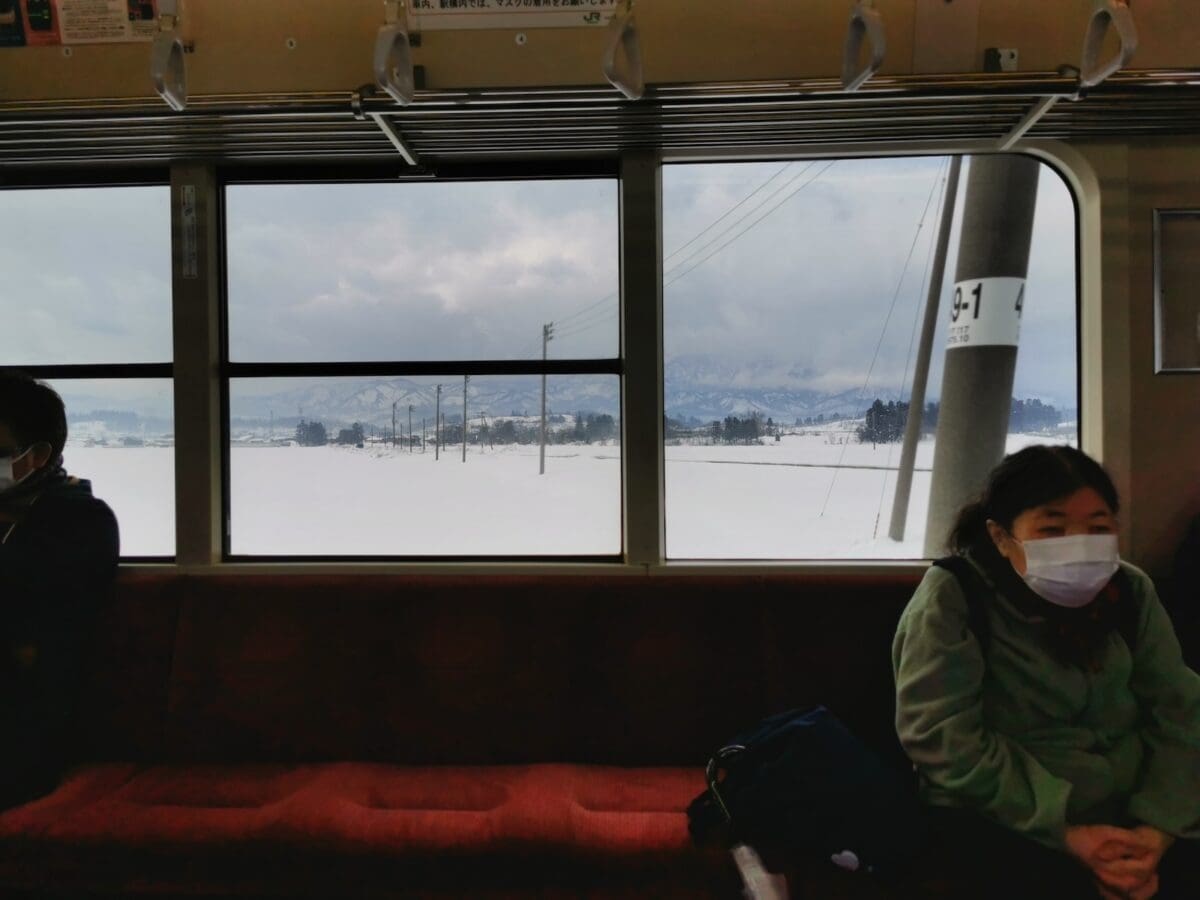
Snow-covered fields seen from a train in Tohoku
Look up your journeys through JR-EAST Train Reservation. Hayabusa and Komachi services require reserved seats. For festivals and major holidays, I suggest booking once your dates are fixed, particularly if several people want to sit together.
If you’re coming from elsewhere in Japan, compare flights into Tohoku’s airports as well. A flight can save time on a longer journey, but include the airport transfers when comparing it with the train.
A Train Journey Along the Coast
With more time in western Aomori, consider the Gono Line, which follows stretches of the Sea of Japan coast. I recommend it if you’d enjoy spending part of the day looking out at the coast from the train. Check the service times before adding stops, so you know how long you’ll have in each place and when the next train leaves.
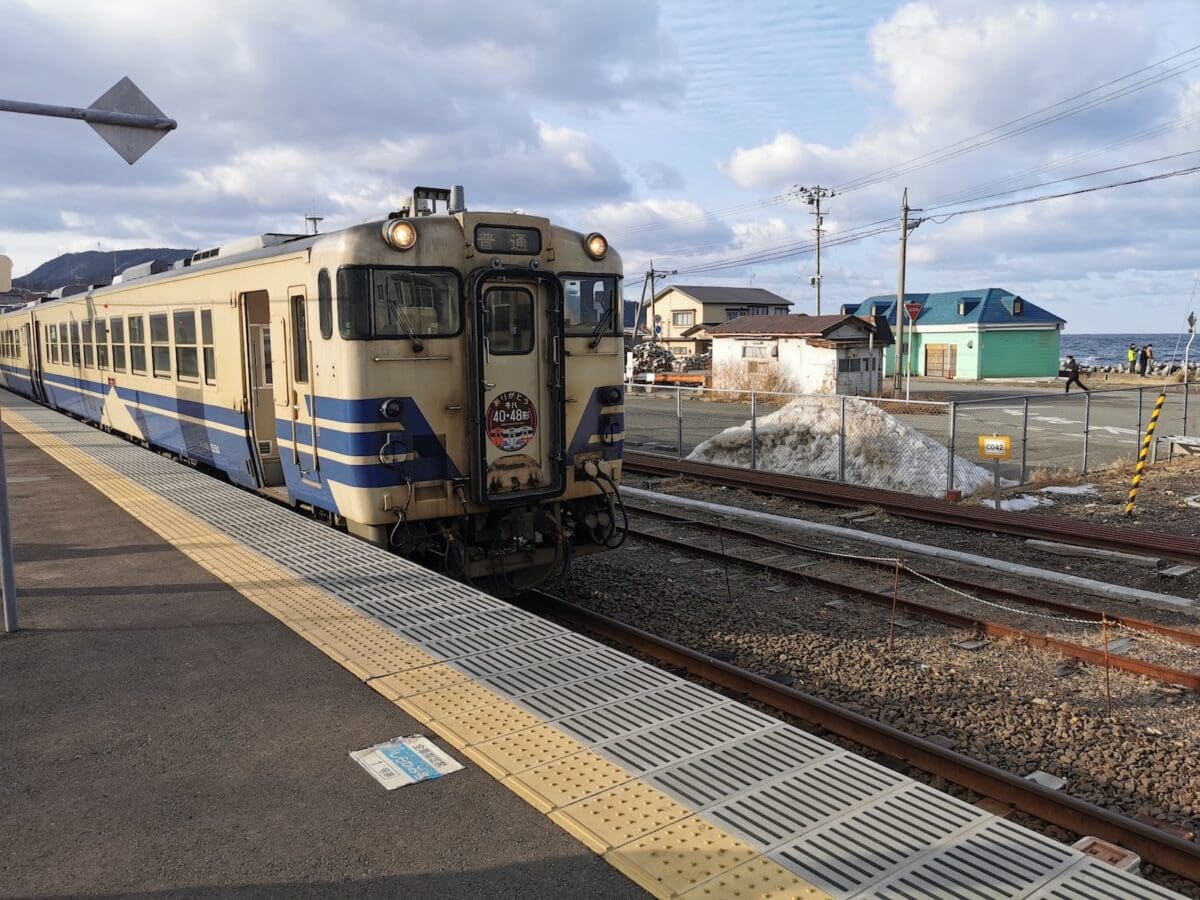
A local train at Fukaura Station on the Gono Line
Is the JR EAST PASS Worth It?
The JR EAST PASS covers Tohoku as well as Nagano, Niigata, and other parts of eastern Japan. It costs ¥35,000 for 5 consecutive days or ¥50,000 for 10 consecutive days for adults. Once the pass starts, those days run continuously.
I recommend adding up the journeys you plan to take before buying it. Several long-distance trips, including a return toward Tokyo, can make a pass useful. If you’re mostly staying in Sendai and taking a couple of nearby day trips, compare the total with individual tickets before spending that much on a pass.
If you’re continuing to Hakodate in southern Hokkaido, also compare the JR East-South Hokkaido Rail Pass. Its coverage and eligibility rules differ from the JR EAST PASS, as does the validity period, so check those against your trip before choosing.
A car helps when you want to visit several coastal viewpoints, reach trailheads, or stop in rural places with infrequent buses. I usually suggest taking trains between major cities and renting locally for the days when you’ll use the car. That way, you can enjoy the freedom to stop along a rural road without keeping a rental car while you’re sightseeing in Sendai or Morioka.
For a trip focused on Sendai, Matsushima, Morioka, and Hiraizumi, public transport is a reasonable choice. Some mountain inns also have buses or shuttles, so check those before paying for a car for the whole trip.
In winter, I recommend driving only if you’re comfortable on snow and have confirmed suitable tires and an open route. Seasonal road closures can prevent a journey even when your destination is open. Before traveling, also ask the rental company which documents it requires for your driving license.
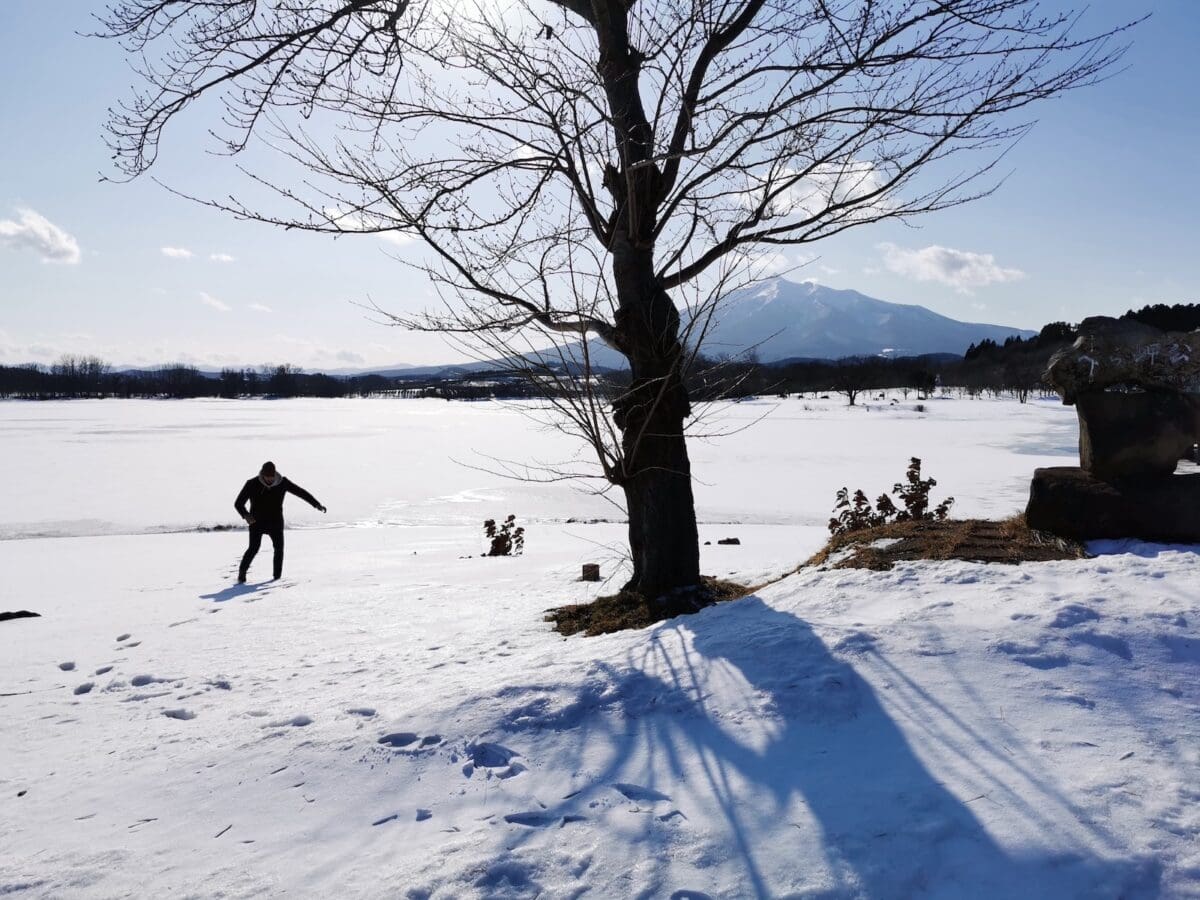
Mawarizeki Otame Pond in winter
Practical Tips Before You Go
Check the return journey first. A rural train or bus may have a long gap before the next departure. Save the timetable and stop name on your phone so you’re not relying on a signal when it’s time to leave.
Keep enough cash for meals and local transport. Smaller businesses may accept only cash, and some rural buses don’t take rechargeable transport cards such as Suica.
Confirm dinner and arrival times with your inn. If you have dietary requirements, explain them before booking and ask what the inn can accommodate.
Send large luggage ahead when useful. Ask your hotel how long delivery will take, then carry enough for the nights before your suitcase arrives.
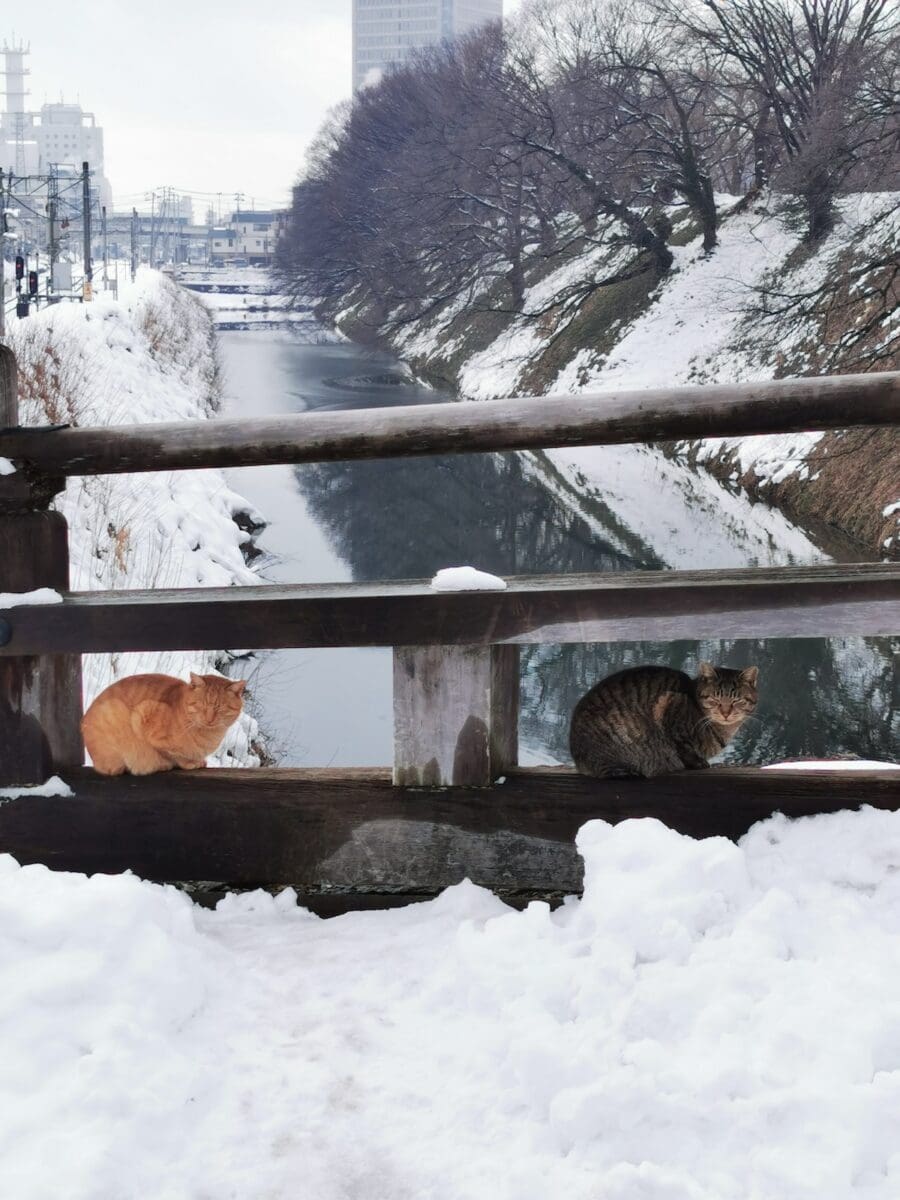
Cats on a snowy bridge in YamagataRed shrine gates at Takayama Inari in winter
Use station tourist information centers for local help. They can confirm transport details that aren’t clear online. Save hotel addresses in Japanese and download a translation app for menus and signs.
Check the rules before using the baths. Wash before entering shared baths, keep towels out of the water, and confirm tattoo policies in advance. Mixed-gender and private baths have their own arrangements.
Follow local outdoor notices. Snow, damaged paths, and bear activity can close walks. Check at the visitor center or trail entrance, and choose an open route for the day.