
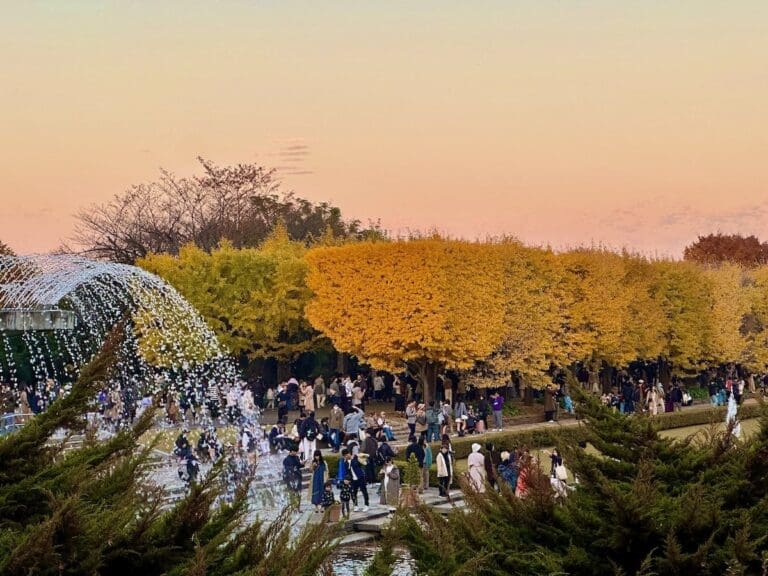
I’ve lived in Tokyo since 2019 and experienced every season here several times. Fall is still my favorite, and the season I recommend for most first trips to Japan. Between October and early December, walking around the cities is usually much more comfortable than in summer, and you can see autumn leaves if your dates match the places you’re visiting.
Spring is a good choice if you’ve always wanted to see the cherry blossoms. I think they’re worth making the trip for, even with the crowds and higher accommodation prices. But if you’re choosing your dates mainly for sightseeing, food, and time to explore, I usually recommend fall instead.
My advice below is mainly for trips that include Tokyo, Kyoto, and Osaka. Japan stretches a long way north to south, so a summer trip to Hokkaido, the northernmost main island, calls for different advice from a summer trip spent walking around Kyoto.
Some links on YavaJapan are affiliate links. If you book or buy through them, I may earn a small commission at no extra cost to you. It helps support the site, and I only link to places, stays, and experiences I genuinely think are worth recommending.
At a Glance
- For most first trips: October, November, or early December. Choose November if autumn leaves are a priority in Tokyo and Kyoto.
- For cherry blossoms: Usually late March to early April in Tokyo, Kyoto, and Osaka. Dates change each year, and northern Japan blooms later.
- For spring without the main blossom crowds: May after Golden Week, the holiday period in late April and early May.
- For summer festivals and fireworks: July and August, with hot, humid weather to plan around.
- For snow and skiing: January and February in regions such as Hokkaido and mountainous Nagano, in central Japan.
- Periods I recommend avoiding if you can: Rainy season, Golden Week, mid-August around Obon (a holiday honoring ancestors), and the New Year holiday.
Best Seasons to Visit Japan
Spring: Worth It for the Cherry Blossoms
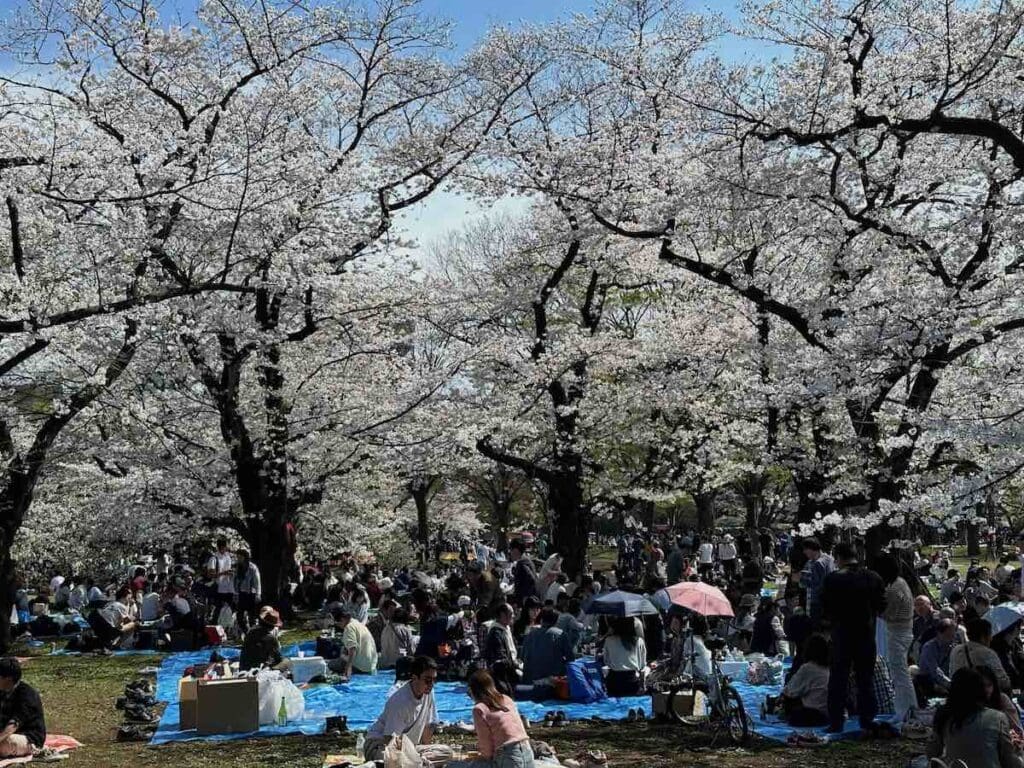
If seeing cherry blossoms is something you’ve wanted to do for years, I recommend coming in spring. Parks fill with people having picnics under the trees, and even an ordinary walk through the city can take you past streets lined with flowers. You’ll be sharing those places with plenty of other people, but the blossoms can still be a lovely part of the trip.
For Tokyo, Kyoto, and Osaka, late March to early April is the usual planning window. The dates shift with the weather, though, so booking for that period gives you a chance of seeing them rather than a guarantee of full bloom on a particular day. Check the cherry blossom forecast as spring approaches, and leave some flexibility over which parks you visit.
The season moves north over several weeks. In Hokkaido, for example, late April to early May is often a better window. If your dates are fixed, choosing where to go in Japan with the season in mind can give you more options than keeping the same cities and hoping the flowers will still be there.
The main drawback is the cost and availability of accommodation in popular places. I suggest comparing hotel prices before you commit to flights, especially if you’re hoping to stay in central Kyoto during peak bloom. My 2-week Japan budget guide can help you work out how much room you have for those higher rates.
Spring is also worth considering after the blossoms. May after Golden Week is a very good time for sightseeing, with green trees and generally comfortable weather before the main rainy season. If you want spring weather and aren’t particularly attached to the flowers, that’s the period I suggest.
Summer: Festivals, Fireworks, and a Lot of Heat
Summer has plenty to look forward to: fireworks, matsuri (traditional festivals), beach trips, mountain visits, and baseball games. If those are the things you’re excited about, July and August can be a good time to come.
But I don’t recommend summer for a first trip with long days of outdoor sightseeing if you can travel in another season. Tokyo, Kyoto, and Osaka get hot and humid, and walking between temples or around the city can become exhausting. The heat affects how much you’ll enjoy doing in a day.
If summer is your only chance to visit, I suggest doing more of your walking in the morning and leaving time indoors during the hottest part of the day. A museum, a long lunch, some shopping, or a break at the hotel can make the afternoon much more pleasant. Give yourself enough time in each city to move things around when the weather is particularly uncomfortable.
You could also consider Hokkaido in summer, where conditions are generally cooler than in the cities farther south. Hot days still happen, but it’s an alternative worth considering if you want to spend much of the trip outdoors.
Fall: My Recommendation for Most First Trips
For a trip with a mix of city walks, temples, gardens, and meals out, October to early December is the period I recommend most. You can spend more time outside without the summer heat deciding when you need a break. The autumn leaves give you another reason to visit parks and gardens along the way.
Within that period, October suits you if comfortable sightseeing weather is the main priority. It can still be warm, particularly early in the month, and typhoons remain possible. It’s also usually too early for peak autumn color in central Tokyo and Kyoto, although northern and higher areas change sooner.
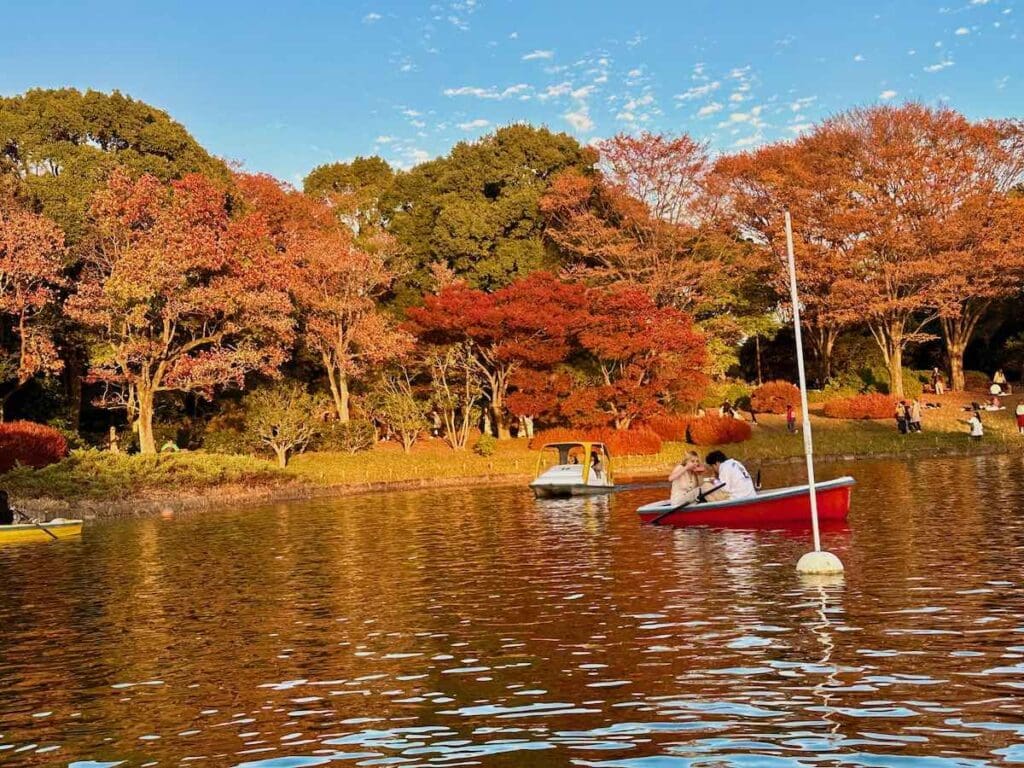
November is my strongest recommendation if you want both city sightseeing and autumn leaves. In Tokyo and Kyoto, the colors often become better later in the month and can continue into early December. You’ll want warmer clothes for the mornings and evenings, but I think this is one of the nicest periods to be outside in Japan.
The popular foliage spots can be very crowded, especially in Kyoto. I still prefer fall to cherry blossom season for most trips, but November isn’t a low-crowd alternative. Book accommodation early if you have a particular hotel in mind, and try visiting the most popular gardens on weekdays.
Early December can also be a good choice if you don’t mind colder weather. Some autumn leaves may remain in Tokyo and Kyoto, and the peak foliage crowds often begin to ease. The timing varies, so I recommend choosing early December because you’re happy with a cool-weather trip, with any remaining color as a bonus. Farther north and in the mountains, winter may already be well underway.
Winter: Hot Springs, Snow, and City Visits
Winter is worth considering if you’d enjoy hot springs, seasonal food, snowy landscapes, or skiing. January and February are generally better choices for reliable ski conditions than the beginning of December, although conditions depend on the resort and the year’s snowfall.
For a city trip, Tokyo, Kyoto, and Osaka are still enjoyable in winter if you’re comfortable with the cold. You’ll have shorter daylight hours and fewer green trees, but you can spend the day visiting neighborhoods, eating out, and going to museums. Outside the New Year holiday, winter can also be a good time to avoid the spring and autumn sightseeing peaks. Popular ski resorts have their own busy season.
If snow is part of why you’re coming, choose a destination where it is usual, such as Hokkaido or the mountain areas of Nagano. Snow in Tokyo or central Kyoto is too uncertain to plan a trip around. An onsen (hot spring) visit can also be part of a winter trip without needing to ski.
For winter illuminations, check the dates of the displays you want to see. Some finish around Christmas, while others continue later into winter.
The Worst Times to Visit Japan
You can still enjoy a trip during these periods, but I usually recommend avoiding them if you have a choice. Rainy season makes outdoor plans less reliable, while the major holidays bring extra demand for trains and accommodation. New Year also needs more care around closures.
Rainy Season: Usually June to Mid-July on the Main City Route
June is usually my least favorite month for a first trip that includes Tokyo, Kyoto, and Osaka. The rainy season generally runs from around early June to mid-July in these areas, though the start and end vary each year. You may get dry days too, but long walks, garden visits, and days in the countryside are harder to plan when rain keeps changing your options.
If these are the dates you have, I suggest keeping some outdoor plans flexible and choosing indoor things you’ll enjoy. Museums, food shopping, or cultural experiences such as calligraphy and craft workshops can give you something to look forward to on a wet day.
The timing is different elsewhere. Okinawa’s rainy season usually comes earlier, in May and June, while Hokkaido is much less affected by the main rainy season. For a trip focused on those regions, use their local seasonal guidance.
Golden Week: Late April to Early May
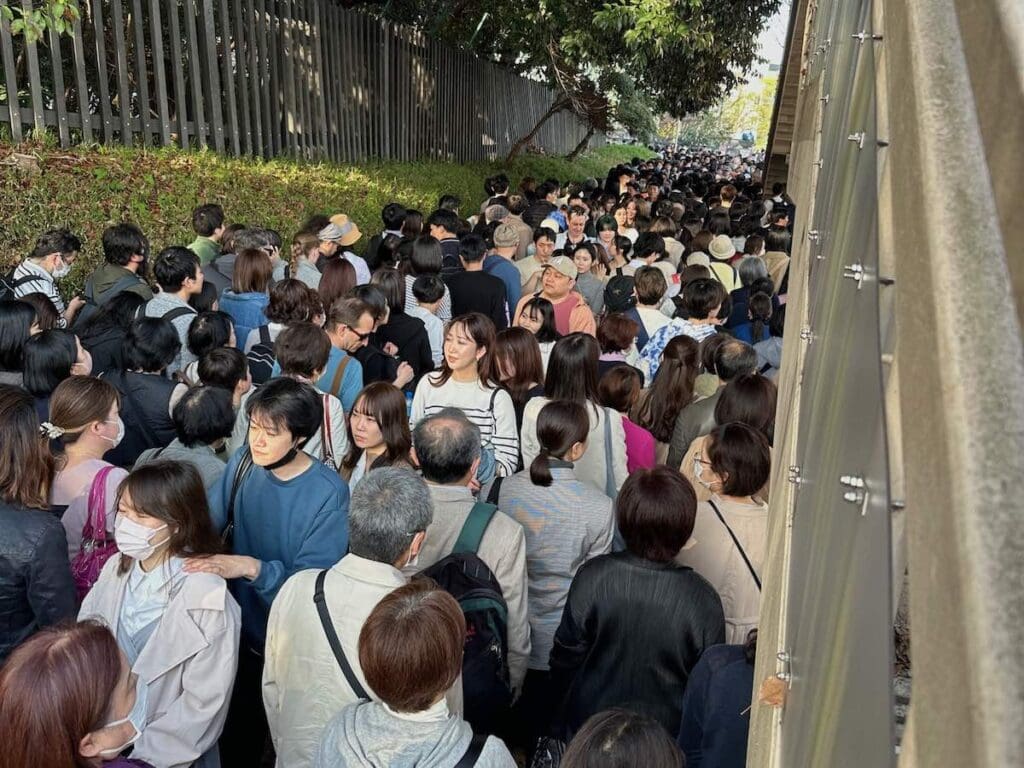
Golden Week is a cluster of public holidays when many people in Japan travel. Trains and accommodation can fill up, and prices can rise, especially in popular holiday destinations.
I recommend choosing the weeks after Golden Week if your schedule allows it. If your trip overlaps the holiday, book the hotels you want early and reserve your long-distance train seats once bookings open. My guide to what to book in advance for Japan explains how to prioritize those reservations.
The busiest travel days depend on how the holidays and weekends fall, so check the calendar for the year you’re visiting before booking.
Obon: Around Mid-August
During Obon, many people travel home to spend time with family. It’s commonly observed around August 13 to 16, with busy travel days on either side. Local customs and dates vary.
This adds pressure on hotels and transport during an already hot time of year. For a first trip, I recommend another period if you can choose one. If you’ll be there for festivals or because of school holidays, reserve your main journeys and accommodation in advance and allow plenty of breaks from the heat.
New Year: Late December to Early January
The New Year holiday usually centers on December 29 to January 3, though individual businesses may close for longer or on different dates. Some restaurants, shops, and attractions shut, while many people travel to see family.
If you specifically want to experience the holiday, it can be a good reason to come. For an ordinary sightseeing trip, I recommend dates outside that period because you’ll have more choice over what to do and where to eat. Check opening dates for any restaurant or attraction you’re especially looking forward to, and read my guide to what’s open during public holidays in Japan.
Japan Month by Month
This table mainly applies to Tokyo, Kyoto, and Osaka. Northern Japan, mountain areas, and Okinawa have different weather and seasonal timing.
| Month | What to Expect and When I’d Recommend It |
|---|---|
| January | Cold city sightseeing after New Year, or snow and hot springs in colder regions. Check closures if you arrive at the start of the month. |
| February | A good month for skiing and winter scenery. Plum blossoms begin appearing in some warmer areas. |
| March | Early March can still be cold. Cherry blossom season usually begins toward the end of the month in the main cities. |
| April | Cherry blossoms early in the month in many years, with busy parks and high demand for hotels. Golden Week begins late in April. |
| May | I recommend the weeks after Golden Week for green landscapes and comfortable sightseeing before rainy season. |
| June | Usually my least favorite month for a first trip on the main city route because of rain. Hokkaido is an alternative. |
| July | Rainy season often continues into July, followed by intense heat. Good for summer festivals if you’re prepared for the weather. |
| August | Hot and humid, with festivals and fireworks. Mid-August brings extra travel demand around Obon. |
| September | Often still hot and humid. Typhoons can disrupt plans, so I prefer October onward for a fall trip. |
| October | A good choice for walking and sightseeing. Autumn colors come earlier in northern or higher places than in Tokyo and Kyoto. |
| November | My strongest recommendation for a mix of sightseeing and autumn leaves. Popular foliage spots can be very busy. |
| December | Early December can be very enjoyable if you’re happy with colder weather. The New Year holiday complicates travel at the end of the month. |
Choosing Your Dates and Booking the Trip
Once you’ve narrowed it down to a season, compare the cost of your actual dates. A flight that looks cheaper may coincide with expensive hotel nights, so I suggest checking both before paying for either. If Tokyo is part of the route, choose an area using my guide to where to stay in Tokyo and compare a few hotels there across your possible weeks.
If your holiday dates are fixed, put the flexibility into your days instead. Leave room to move a garden visit to a dry morning or spend a hot afternoon indoors. My Japan trip-planning guide covers the next decisions, and my guide to common Japan travel mistakes explains why leaving enough time between plans helps once you’re there.