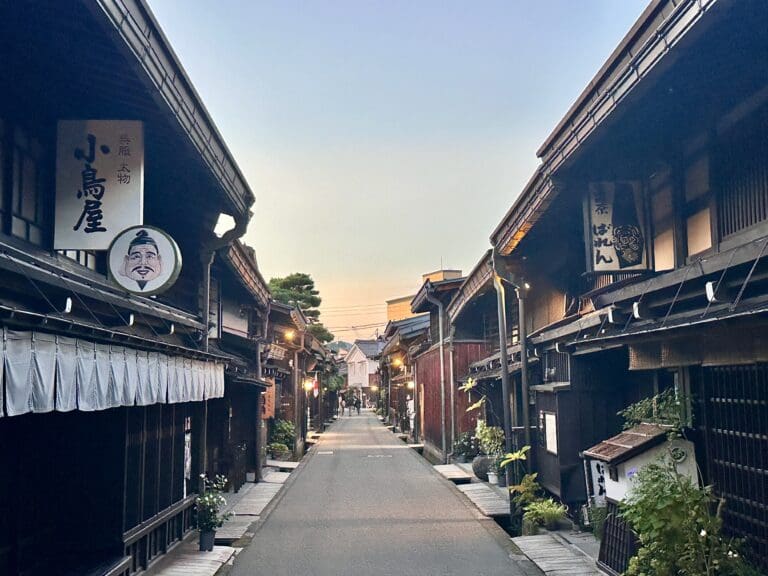
For a first trip of 10 days or longer, one of my strongest recommendations is to use a 70/30 split. Spend about 70% of the trip in Tokyo, Kyoto, and the other popular first-time destinations, then spend about 30% somewhere outside the usual route.
For a 10-day trip, that could mean four days in Tokyo, three days in Kyoto, and three days around Lake Biwa or in another area that gives you a different side of Japan. With 14 days, I recommend about nine or 10 days on the classic part and four or five days somewhere beyond it.
Hakone, Kawaguchiko and the Fuji Five Lakes, Hiroshima and Miyajima, Kanazawa, Takayama, and Shirakawa-go all belong in the popular 70%. They can be excellent choices, but they aren’t the 30%.
If you’ve already been to Japan, I suggest going further. Keep the city you want to revisit, then spend at least half of the trip in a region or smaller group of places you haven’t explored yet.
My Japan trip planning guide explains what I recommend booking first once you’ve chosen the general route.
- At a Glance
- My 70/30 Recommendation for a First Trip
- What Belongs in the Classic 70%
- Where I Recommend Spending the 30%
- How Popular Alternatives Fit Into the 70/30 Split
- Choose One Region for a Longer or Repeat Trip
- Let the Season Change Your Plans
- Check the Hotel Changes Before You Book
- Choose the Destination Before the Ryokan
- FAQ
- What to Do After Choosing Your Destinations
Some links on YavaJapan are affiliate links. If you book or buy through them, I may earn a small commission at no extra cost to you. It helps support the site, and I only link to places, stays, and experiences I genuinely think are worth recommending.
At a Glance
- For a 10-day first trip, I recommend about seven days in Tokyo, Kyoto, and the other popular destinations, plus three days somewhere genuinely beyond them.
- For a 14-day first trip, use about nine or 10 days for the classic part and four or five days for the 30%.
- Hakone, Kawaguchiko, and the Fuji Five Lakes are part of the Golden Route. They always stay in the 70%.
- Hiroshima and Miyajima, Kanazawa, Takayama, and Shirakawa-go are also popular first-trip destinations. I don’t count them as the 30% either.
- Choose the 30% in the same direction as the rest of the trip. This keeps the train journeys reasonable.
- For a second trip, I usually recommend spending at least half of your time outside the major first-time destinations.
My 70/30 Recommendation for a First Trip
The Golden Route is popular for good reasons. Between Tokyo, Kyoto, and Osaka, you can take the Shinkansen, find plenty of hotels, and visit many of the places you’ve probably been thinking about since you decided to travel to Japan.
I still strongly recommend giving around 30% of a first trip to somewhere beyond that route. The classic destinations can be extremely crowded, and most travelers have already seen them many times online. Spending three to five days elsewhere gives you time in smaller cities, towns, or regions that receive fewer international visitors.
I recommend this even with 10 days. I’d usually choose Tokyo, Kyoto, and one area for the 30%. Adding Osaka, Hakone, Hiroshima, Kanazawa, or another popular destination means reducing the time in Tokyo or Kyoto, not removing the 30%.
| Trip Length | My Recommendation |
|---|---|
| 7 days | Keep it simple with Tokyo and Kyoto, or spend the week in one region |
| 10 days | About seven days classic and three days beyond the popular route |
| 14 days | About nine or 10 days classic and four or five days beyond the popular route |
| 21 days | Around half classic and half outside the usual first-trip destinations |
A flight schedule or a long journey may shift the split by a day, but I’d still keep about 30% of the trip for somewhere outside the usual route. Give that part several full days, rather than a rushed afternoon between two famous cities.
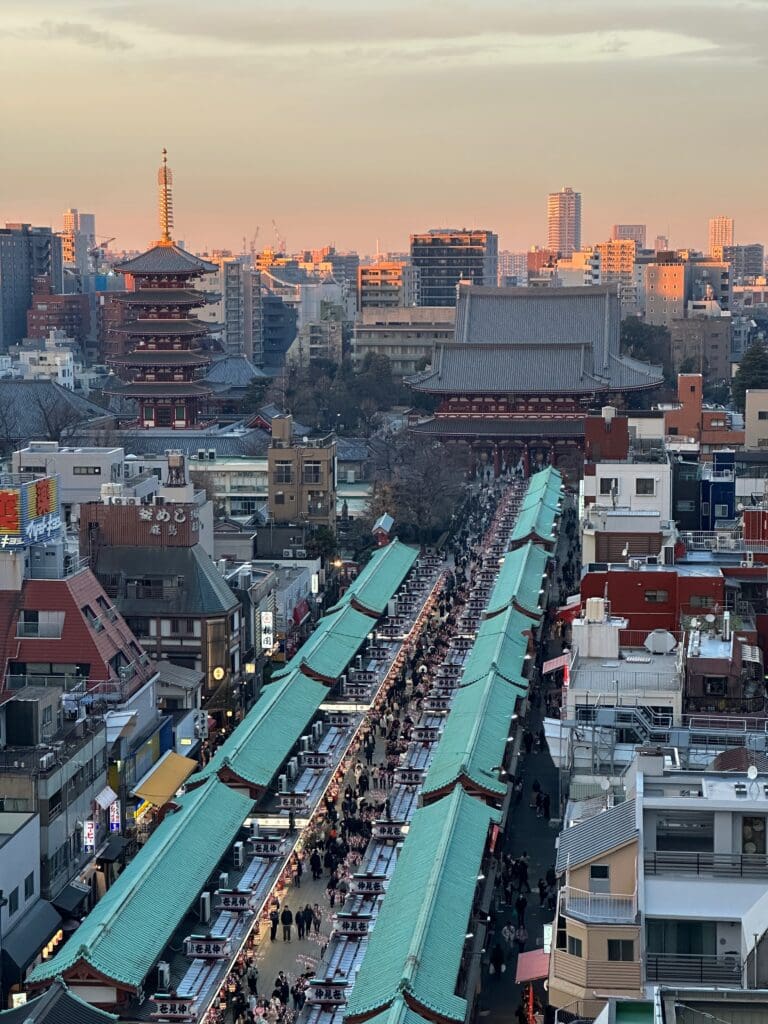
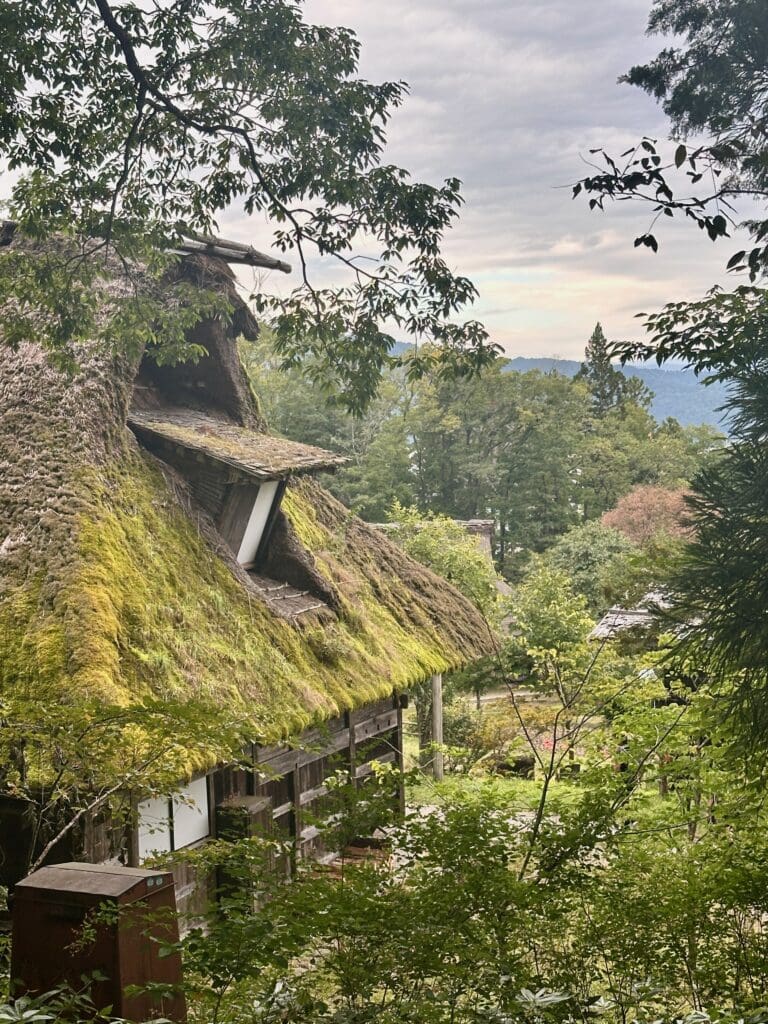
What Belongs in the Classic 70%
For this rule, the classic part is broader than Tokyo, Kyoto, and Osaka. I also include Nara, Hakone, Kawaguchiko and the Fuji Five Lakes, Hiroshima and Miyajima, Kanazawa, Takayama, Shirakawa-go, the usual Tokyo and Kyoto day trips, and Nagano for winter ski trips.
The Golden Route through Tokyo, Kyoto, and Osaka remains a good starting point for most first trips. The official Golden Route itinerary also includes Mount Fuji between Tokyo and Kansai.
I recommend keeping Tokyo and Kyoto on most first trips. In Tokyo, one neighborhood can easily fill a full day, and you can spend several days on food, shopping, museums, and different parts of the city. In Kyoto, you can visit Kiyomizu-dera and Fushimi Inari, walk through Gion, and take day trips to Nara or Uji.
Osaka depends on what you enjoy. I recommend adding it if food, bars, nightlife, and late evenings are high on your list. If temples, traditional areas, or smaller cities interest you more, spend those nights elsewhere. Osaka also works as a day trip from Kyoto, although staying overnight is better if you want to go out late.
Hakone can fit into the classic section when a ryokan or onsen stay is a priority. If seeing Mount Fuji is the priority, I recommend Kawaguchiko or another part of the Fuji Five Lakes instead. Fuji may be visible from Hakone on a clear day, but cloud often hides it, and Hakone isn’t the base I’d choose mainly for the view. Neither area counts as going beyond the Golden Route.
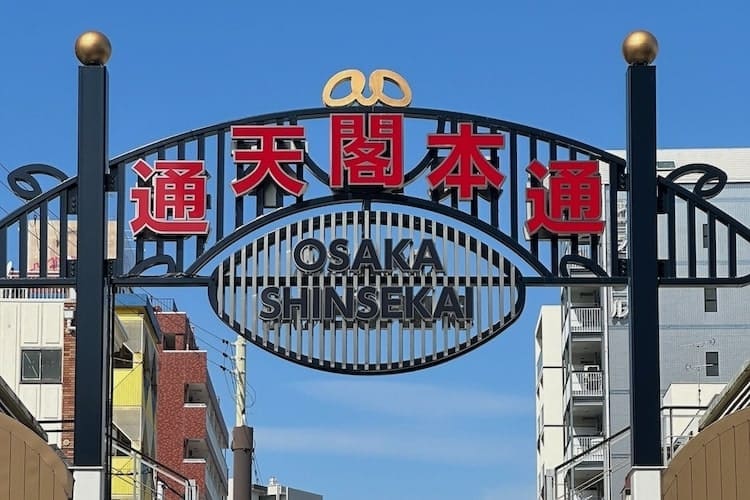
Where I Recommend Spending the 30%
A place close to the main route can work very well for the 30%, as long as it isn’t already one of the standard first-trip stops.
I also recommend choosing an area that follows the direction you’re already traveling:
- From Kyoto or Osaka, look at Omihachiman and other parts of Shiga around Lake Biwa, Tamba-Sasayama in Hyogo, or the Wakasa area of Fukui.
- If you’re going west toward Hiroshima and Miyajima, continue to Onomichi or Iwakuni, or spend several days in Shikoku instead of returning immediately to the usual route.
- If you’re traveling through Gifu, look at Gujo Hachiman and the surrounding area rather than using all of your time for Takayama and Shirakawa-go.
- For a larger regional section, spend several days in one part of Tohoku, Kyushu, or Shikoku. Choose a small part of the region rather than crossing it quickly.
Omihachiman is one of the easiest examples for a short first trip because it connects well with Kyoto. You can spend time around the canal district and old merchant houses, then use the rest of the three-day section to see more of Shiga or Lake Biwa.
If your 30% requires a domestic flight or several long train journeys, give it enough days to justify the journey. Okinawa, for example, deserves at least four or five days and works better as a major part of the trip than a quick addition.
How Popular Alternatives Fit Into the 70/30 Split
Kanazawa and Takayama are both good choices if you want historic streets, traditional architecture, local food, and fewer days in very large cities. They are also established international destinations, so I count them as part of the popular 70%.
Kanazawa has major museums, Kenrokuen Garden, several historic districts, and a wider choice of restaurants and hotels. Takayama is more compact and gives you access to the mountain areas around Hida. If you combine them with Shirakawa-go, my Kanazawa, Takayama, and Shirakawa-go itinerary explains how I recommend dividing the days.
On a 10-day trip, Tokyo, Kyoto, Kanazawa, and Takayama would already fill most or all of the itinerary. To keep the 30%, remove another popular stop or spend fewer days in Tokyo or Kyoto. Adding Hiroshima and Miyajima, Hakone, or Kawaguchiko also uses time from the popular 70%.
If one of these places is the main reason for the trip, choose it and give it enough time within the 70%. I’d still keep a separate part of the itinerary for somewhere beyond the usual route.
Choose One Region for a Longer or Repeat Trip
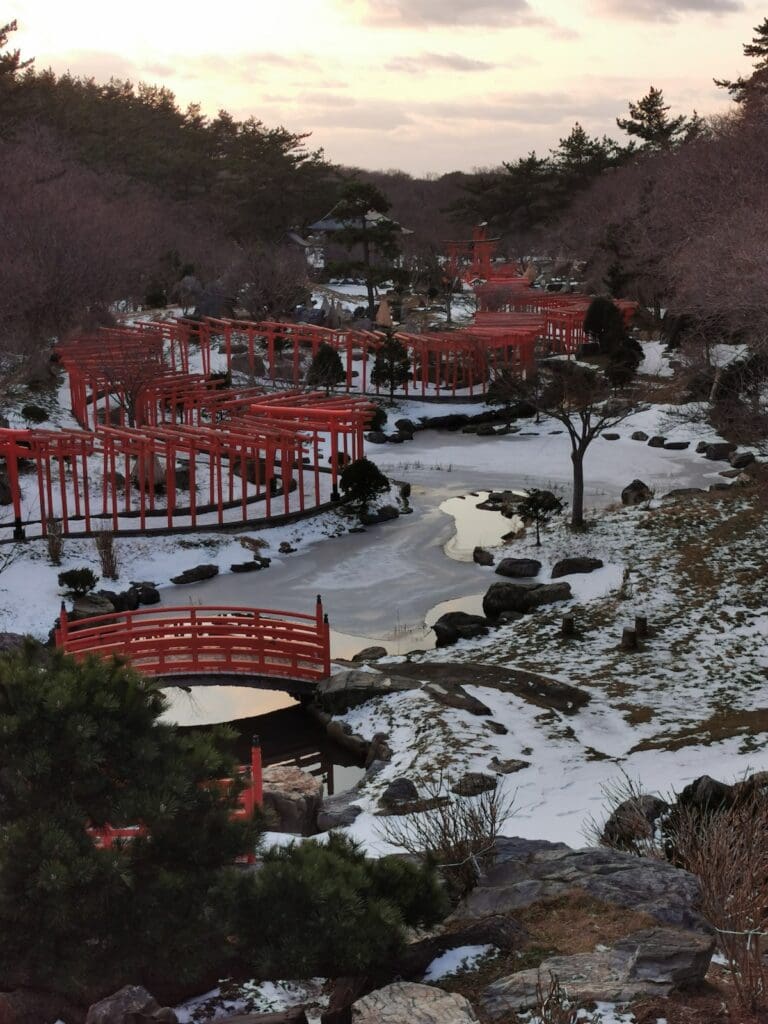
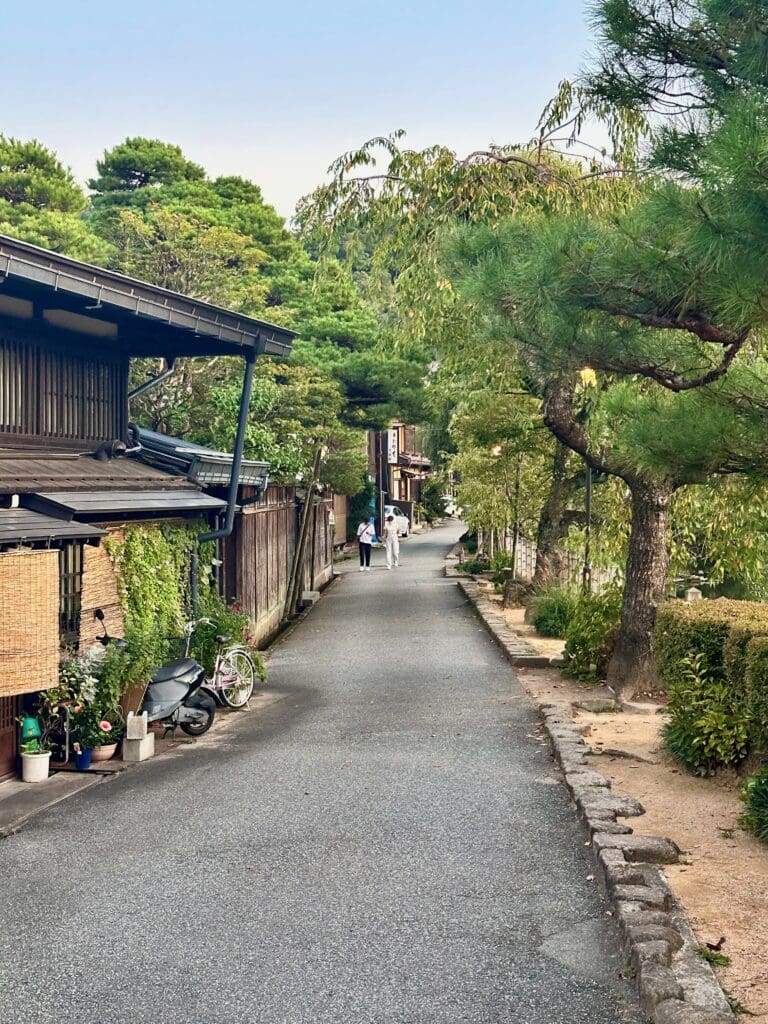
If you’ve already visited the main cities, I recommend choosing one region and spending several days there. You’ll have fewer long journeys, and you can combine the main city with smaller towns, countryside, local train lines, and an onsen stay without crossing the country each time.
Tohoku is a good example. You could start in Sendai, continue north by train, and choose between cities, mountain areas, the coast, or onsen towns depending on the season. The distances are still large, so I suggest choosing part of Tohoku rather than trying to cover all six prefectures in one short visit.
For a second trip, I usually suggest spending at least 50% of your time outside the major first-time destinations. By a third or fourth trip, that share can be even higher. If you love Tokyo or Kyoto and want to go back, of course you should. Keep a few days for the places you enjoy, then use the rest of the trip for a city or region you couldn’t include the first time.
Let the Season Change Your Plans
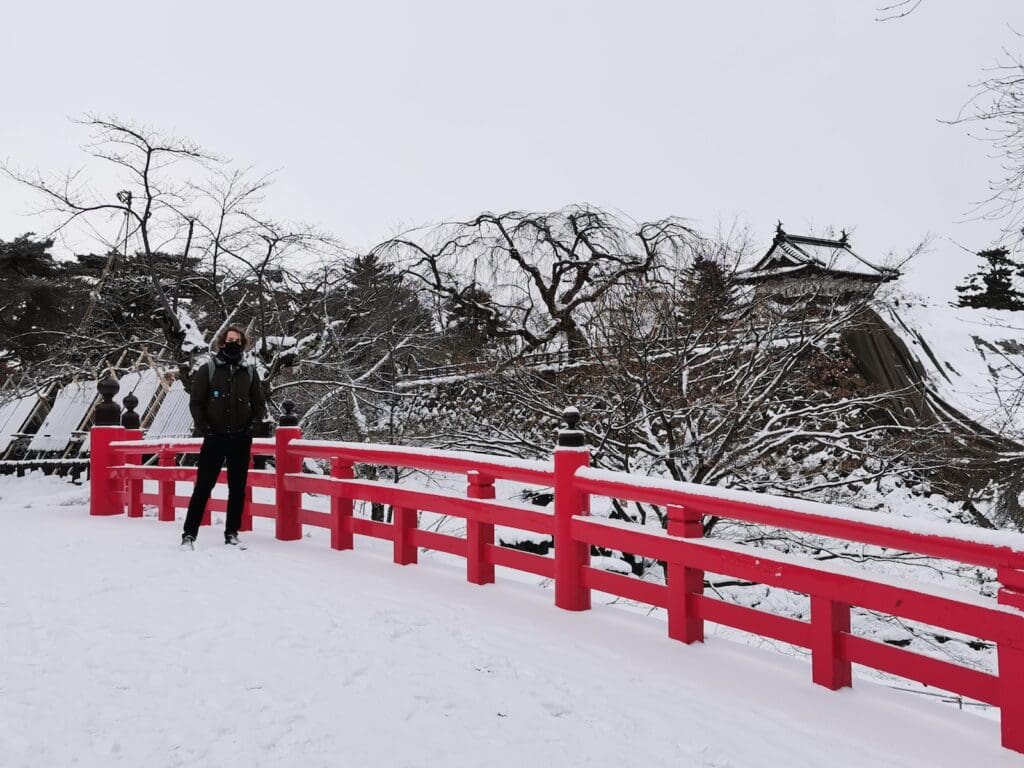
Japan’s weather changes a lot from one region to another. Cherry blossoms, autumn leaves, snow, heat, and the rainy season arrive at different times depending on where you go.
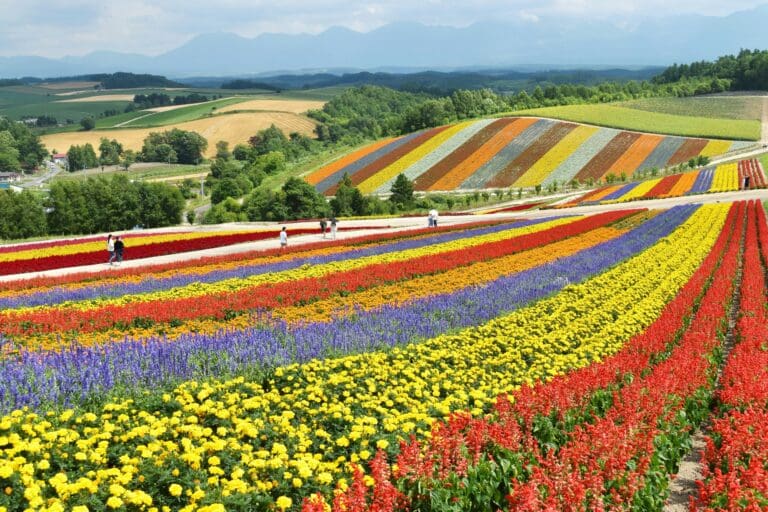
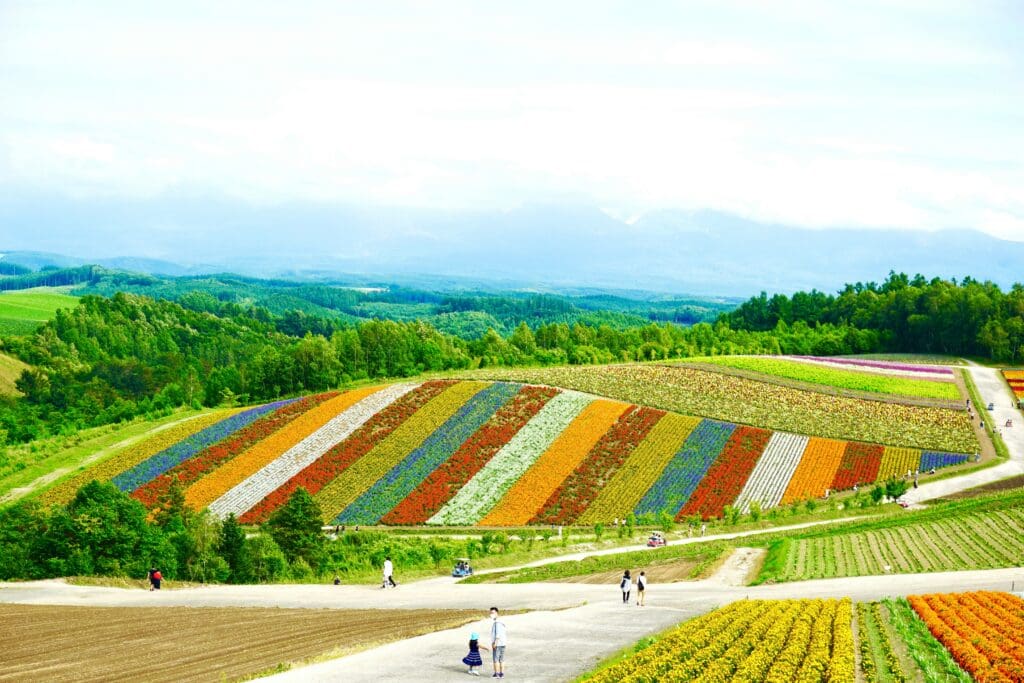
If you can only travel in summer and don’t handle heat well, I recommend looking at northern Japan instead of planning the whole trip around Tokyo, Kyoto, and Osaka. Hokkaido will still be warm, but you may find it more comfortable for outdoor time than the large cities farther south. My summer Hokkaido guide explains what the season is like and where you could go.
Weather can also affect a trip built around Mount Fuji, hiking, beaches, or autumn leaves. Before fixing your destinations, check my guide to the best time to visit Japan and compare the regions for your actual dates.
Check the Hotel Changes Before You Book
Once you have a list of possible destinations, write down where you’d sleep each night. This usually shows very quickly whether the itinerary is comfortable or too busy.
I recommend checking these points:
- How many times will you change hotels? Three cities plus two one-night stays means much more packing than a simple list of five places suggests.
- How many full days will you have in each place? Arrival and departure days shouldn’t both count as full sightseeing days.
- Are the extra stops in the same direction? Tokyo to Kanazawa to Kyoto works much better than crossing the country several times for unrelated stops.
- Can any place be visited as a day trip? Nara, Uji, Kamakura, and Osaka can sometimes be visited without another hotel, depending on your route and what you want to do in the evening.
- Would removing one stop improve the others? An additional night in Kyoto or Tokyo may give you more than one rushed night somewhere else.
I explain the problems caused by too many one-night stays and long transfers in my guide to common Japan travel mistakes.
If the budget is changing your destination list, compare the options with the Japan Trip Cost Calculator before booking several non-refundable hotels.
Choose the Destination Before the Ryokan
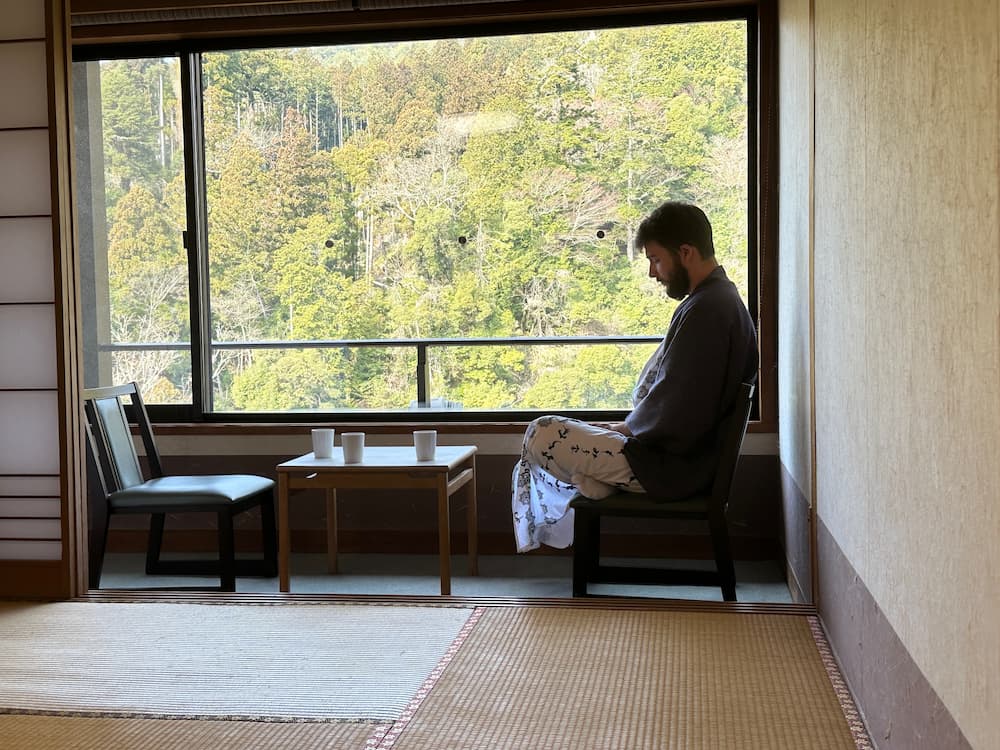
A ryokan (traditional Japanese inn) can be one of the highlights of a trip, but you usually don’t need to choose the whole itinerary around one unless there is a specific property you really want to stay in.
I recommend deciding on the general route first, then looking for a ryokan that fits somewhere along it. Kyoto, Hakone, Kawaguchiko, Tohoku, Kyushu, and many smaller towns all have options. This lets you add a ryokan without another hotel transfer just to reach a separate onsen town.
My guide to staying in a ryokan explains what to check before booking, including meals, beds, baths, and arrival times.
If you’ve already chosen Tokyo and are deciding where to sleep within the city, use my Where to Stay in Tokyo guide instead.
FAQ
Where Should I Go in Japan for a First Trip?
For a first trip of 10 days or longer, I strongly recommend using the 70/30 split. Spend about 70% of the trip in Tokyo, Kyoto, and the other popular first-time destinations, then around 30% somewhere outside the usual route.
How Many Destinations Should I Visit in 10 Days?
Three bases is usually the maximum I recommend. A 10-day version could be four days in Tokyo, three days in Kyoto, and three days around Lake Biwa or in another area that genuinely sits outside the popular first-trip route.
Does Hakone or Kawaguchiko Count as the 30%?
No. Hakone, Kawaguchiko, and the Fuji Five Lakes are part of the Golden Route and always belong to the classic 70%. Hakone works well for a ryokan or onsen stay. For Mount Fuji views, I recommend Kawaguchiko or another part of the Fuji Five Lakes. Keep a separate part of the itinerary for the 30%.
Do Kanazawa, Takayama, or Hiroshima Count as the 30%?
No. I count Kanazawa, Takayama, Shirakawa-go, Hiroshima, and Miyajima among the usual popular destinations. They can replace part of the classic route, but they aren’t the less familiar 30%.
Should I Visit Tokyo and Kyoto Again on My Second Trip?
Yes, if you want to. I still recommend spending a larger part of the trip elsewhere, especially if your reason for returning is to see more of Japan. Keep a few days in Tokyo or Kyoto, then spend the rest of the trip in Tohoku, Kyushu, Shikoku, Hokkaido, or another region.
Is Hokkaido or Tohoku Better for a Regional Trip?
I usually recommend Hokkaido when summer weather, nature, and outdoor activities are the priorities. Tohoku gives you more options for combining cities, mountain areas, temples, onsen towns, and the coast by train. Both regions are large, so choose part of the region instead of trying to see everything in one trip.
What to Do After Choosing Your Destinations
Once you have two or three main bases, check the train journeys between them and count the full days you’ll actually have in each place. If the itinerary still looks comfortable, you can move on to hotels and the bookings with limited availability.
If it already looks busy, remove one stop before booking. You can keep it for another trip, and you’ll have more time for the places that remain.