
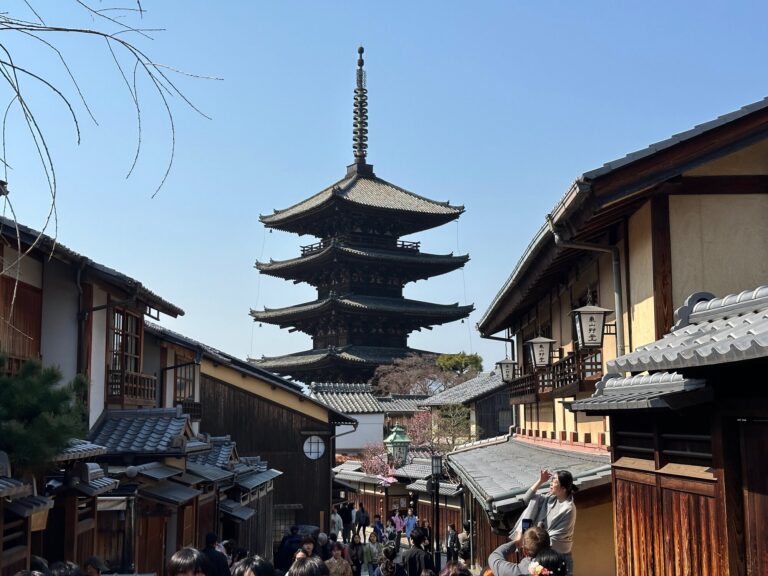
I usually recommend Downtown Kyoto for a first stay, especially around Shijo-Kawaramachi or Sanjo. You’ll have plenty of restaurants, shops, and places to go out, with the Kamo River and Gion close enough to walk to. It’s a good place to return to after a day visiting temples elsewhere in the city.
If you’ll be taking several day trips or arriving late with luggage, I suggest looking near Kyoto Station instead. And if what you’re most looking forward to is walking through Gion and visiting the temples in eastern Kyoto, Gion or Southern Higashiyama may be worth the longer journey from the station.
For hotels, Cross Hotel Kyoto is one of my first recommendations Downtown, Hotel Granvia Kyoto is inside Kyoto Station, and The Celestine Kyoto Gion is a good starting point for staying near Gion. Below, I’ll explain the differences between these areas and the other places I suggest considering.
- At a Glance
- Choosing an Area in Kyoto
- Downtown Kyoto: Kawaramachi, Sanjo, and Shijo-Karasuma
- Kyoto Station
- Gion and Southern Higashiyama
- Karasuma Oike, Nijo, and the Imperial Palace Area
- Okazaki and Northern Higashiyama
- Arashiyama
- Fushimi, Nishijin, and Kitano
- Adding a Ryokan or Another Special Stay
- Before You Book
- Where I Recommend Starting Your Hotel Search
Some links on YavaJapan are affiliate links. If you book or buy through them, I may earn a small commission at no extra cost to you. It helps support the site, and I only link to places, stays, and experiences I genuinely think are worth recommending.
At a Glance
- Restaurants, shopping, and evenings out: Downtown, around Shijo-Kawaramachi and Sanjo. Start with Cross Hotel Kyoto.
- Train connections and luggage: Kyoto Station. Hotel Granvia Kyoto is in the station building; MIMARU Kyoto Station has apartments with kitchens for families and groups.
- Gion and the temples in eastern Kyoto: Gion or Southern Higashiyama. Compare The Celestine with the smaller, more expensive Sowaka.
- A central hotel near both subway lines: Karasuma Oike. Ace Hotel Kyoto is connected to the station.
- Museums, Nanzenji, and time at the hotel: Okazaki or Keage. Check The Westin Miyako Kyoto if you’d enjoy the spa facilities.
- A night in a traditional inn: A ryokan (traditional Japanese inn) is usually a 1-night addition to your main hotel stay. My Kyoto ryokan guide has more on choosing one.
Choosing an Area in Kyoto
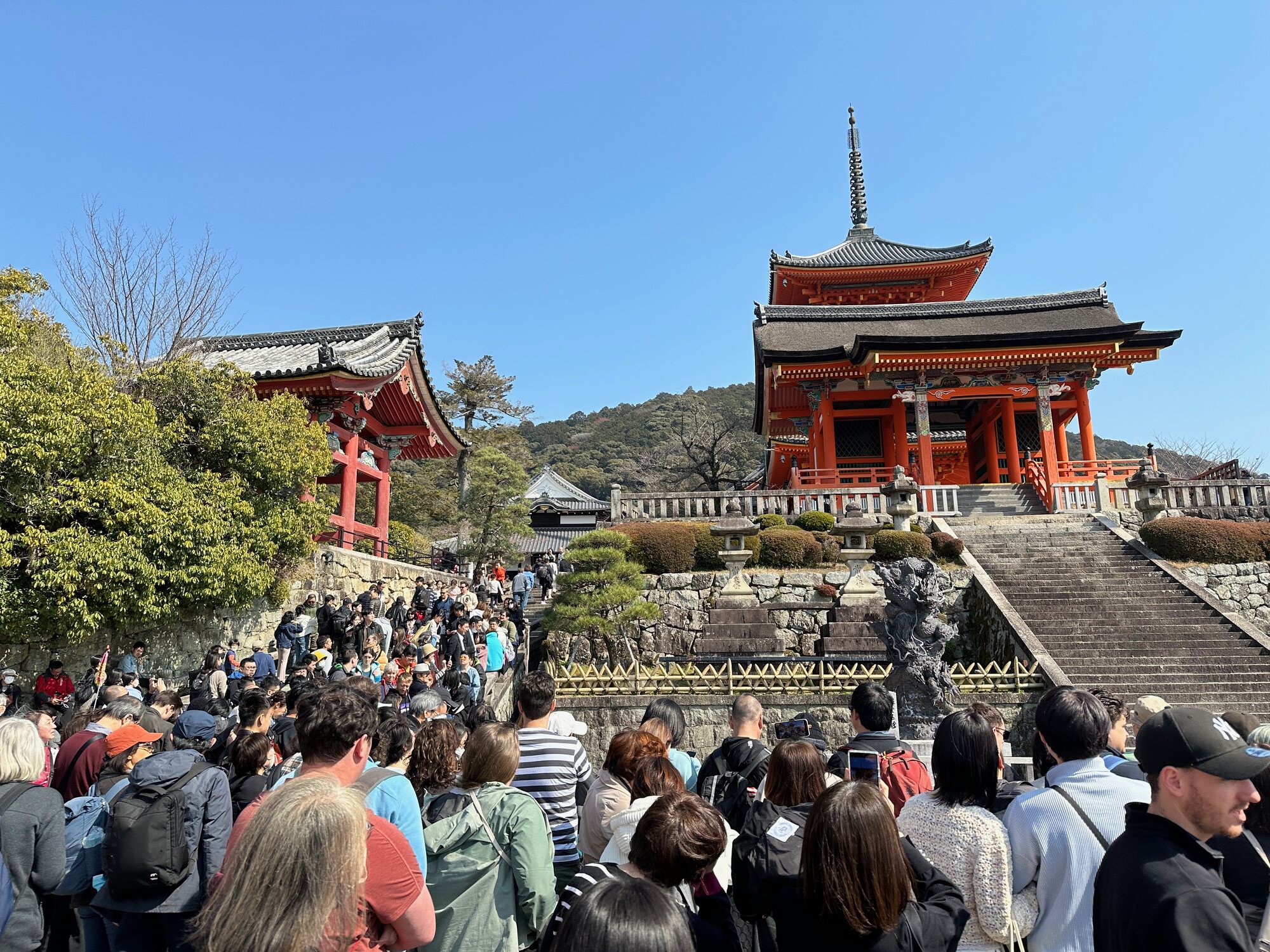
Kyoto’s sights are spread across the city. Kiyomizu-dera is in the east, Arashiyama is in the west, and Fushimi Inari is to the south. Wherever you stay, some days will involve a train, subway, bus, or taxi.
I suggest checking the journeys from your hotel to the places you most want to visit, then thinking about your evenings. If you expect to eat out and walk around after dinner, staying near Kawaramachi, Sanjo, or Gion can be lovely. If you’ll leave Kyoto most mornings for trips elsewhere, being near the trains at Kyoto Station may be more useful.
One arrival and one departure wouldn’t usually be enough for me to recommend the station over Downtown. But a late arrival, an early train, or several day trips could change that recommendation. Similarly, a hotel near a temple you plan to visit once may be less convenient than one near the restaurants you’ll use every evening.
For getting around, I recommend trains and subways where the route allows it. Kyoto’s transport guide explains the different networks. Buses reach places the trains don’t, but popular routes can get crowded, and traffic can make the journey longer.
| Area | Why I Suggest Staying There | What to Check |
|---|---|---|
| Downtown: Kawaramachi, Sanjo, and Shijo-Karasuma | Restaurants, shopping, river walks, and several train or subway lines | The nearest station varies across the area; Kyoto Station usually requires another journey |
| Kyoto Station | Bullet trains, airport connections, and day trips | Which side of the station the hotel is on and how to reach it from your platform |
| Gion and Southern Higashiyama | Traditional streets, temples, and walks after dinner | Hills, walking distances, and the journey with luggage |
| Karasuma Oike, Nijo, and the Imperial Palace area | Subway access or a hotel on a residential street | These places cover a wide area; proximity to a station varies |
| Okazaki and Keage | Museums, Nanzenji, and hotels where you can spend an afternoon | The walk to the subway and options for dinner nearby |
| Arashiyama | A night near the river, temples, and bamboo grove | Longer journeys to central and eastern Kyoto; fewer late dining options |
| Fushimi | An early visit to Fushimi Inari or time around the sake district | Fushimi Inari and the sake district are in different parts of Fushimi |
| Nishijin and Kitano | Traditional townhouses and the textile district | Bus and taxi journeys, plus the property’s check-in arrangements |
See where the hotels and ryokan in this guide sit across Kyoto, then choose the area that matches your route.
Downtown Kyoto: Kawaramachi, Sanjo, and Shijo-Karasuma
I usually recommend staying Downtown if you want a bit of everything. You can visit Nishiki Market, browse the department stores, walk along the Kamo River, and cross over to Gion. There are plenty of cafes, restaurants, and bars, so you’ll have things to do near the hotel even after the temples close.
You could visit Kiyomizu-dera in the morning, enjoy a tea ceremony in the afternoon, and have dinner near Pontocho, the narrow street west of the river. The next day, you might head to Arashiyama. Downtown suits that kind of stay well, with a mix of sightseeing and time to walk around.
Within Downtown, I suggest Shijo-Kawaramachi or Sanjo for restaurants and walks to Gion. Farther west, Shijo-Karasuma is useful for the subway to Kyoto Station. Hankyu trains also serve Karasuma and Kyoto-Kawaramachi, while Keihan trains run along the eastern side of the river.
This means a day trip to Osaka doesn’t necessarily require a journey through Kyoto Station. Hankyu and Keihan may be more convenient, depending on where in Osaka you’re going. Kyoto Station becomes more relevant for the shinkansen (bullet train), other JR rail journeys, and some airport connections.
Cross Hotel Kyoto
For a first stay Downtown, I suggest comparing Cross Hotel Kyoto early in your search. It’s near Kawaramachi Sanjo, so you can walk to restaurants, the river, and the streets around Pontocho. You also have access to Sanjo’s Keihan trains and the Tozai subway line nearby.
I particularly like this location if you expect to spend your days in different parts of Kyoto and return Downtown for dinner. For frequent departures from Kyoto Station, Granvia or Vischio would be more convenient.
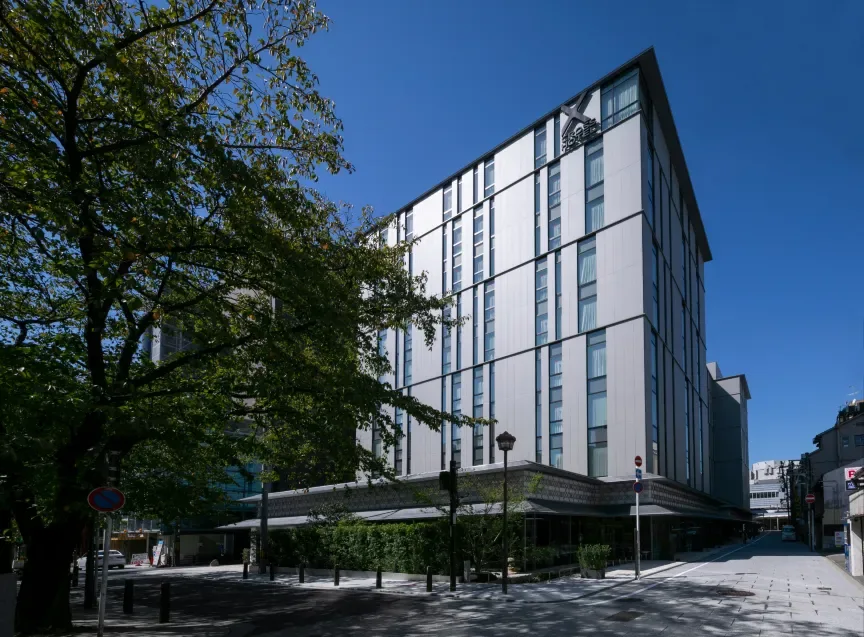
You can also compare Cross Hotel’s rates on Trip.com.
The Gate Hotel Kyoto Takasegawa by Hulic
The Gate Hotel is close to Shijo-Kawaramachi, with Gion across the river and plenty of places to eat nearby. Part of the hotel occupies a former elementary school, while other rooms are in the modern main building. I suggest comparing the two if the building itself is part of the attraction for you.
This is a good hotel to consider if you want to spend more on the room while keeping a central location. The room categories differ considerably, so compare the space and number of beds for your group.
Good Nature Hotel Kyoto
Good Nature Hotel Kyoto is another hotel I recommend checking near Kyoto-Kawaramachi Station, particularly if you’re traveling with children or friends. Some of its larger rooms accommodate up to four people, and there are restaurants, cafes, and food shops in the same complex.
The rooms have a contemporary design with wood flooring. If you like the idea of a comfortable modern hotel close to shops and restaurants, this is a good option. For a traditional inn, I suggest considering a separate ryokan night.
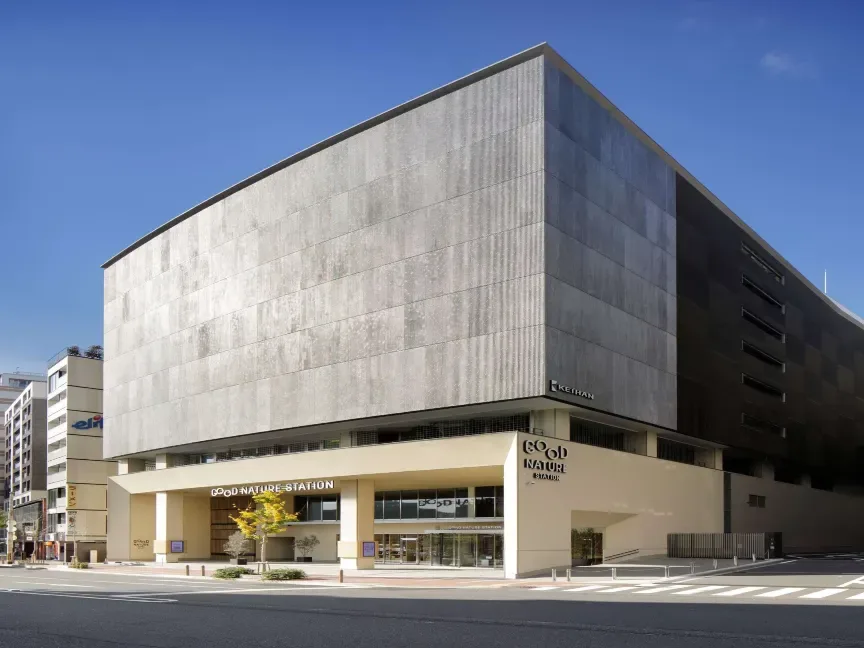
You can also compare Good Nature’s rates on Trip.com.
Solaria Nishitetsu Hotel Kyoto Premier
Solaria sits beside the Kamo River near Sanjo, north of the busiest shopping streets around Shijo. I suggest looking here if you want to walk by the river in the morning and still have restaurants nearby in the evening.
Kyoto Shiyakusho-mae Station is close, which gives you access to the Tozai subway line. Check the room description if you’re booking for a particular view; the hotel’s riverside location doesn’t mean every room overlooks the water.
Kyoto Station
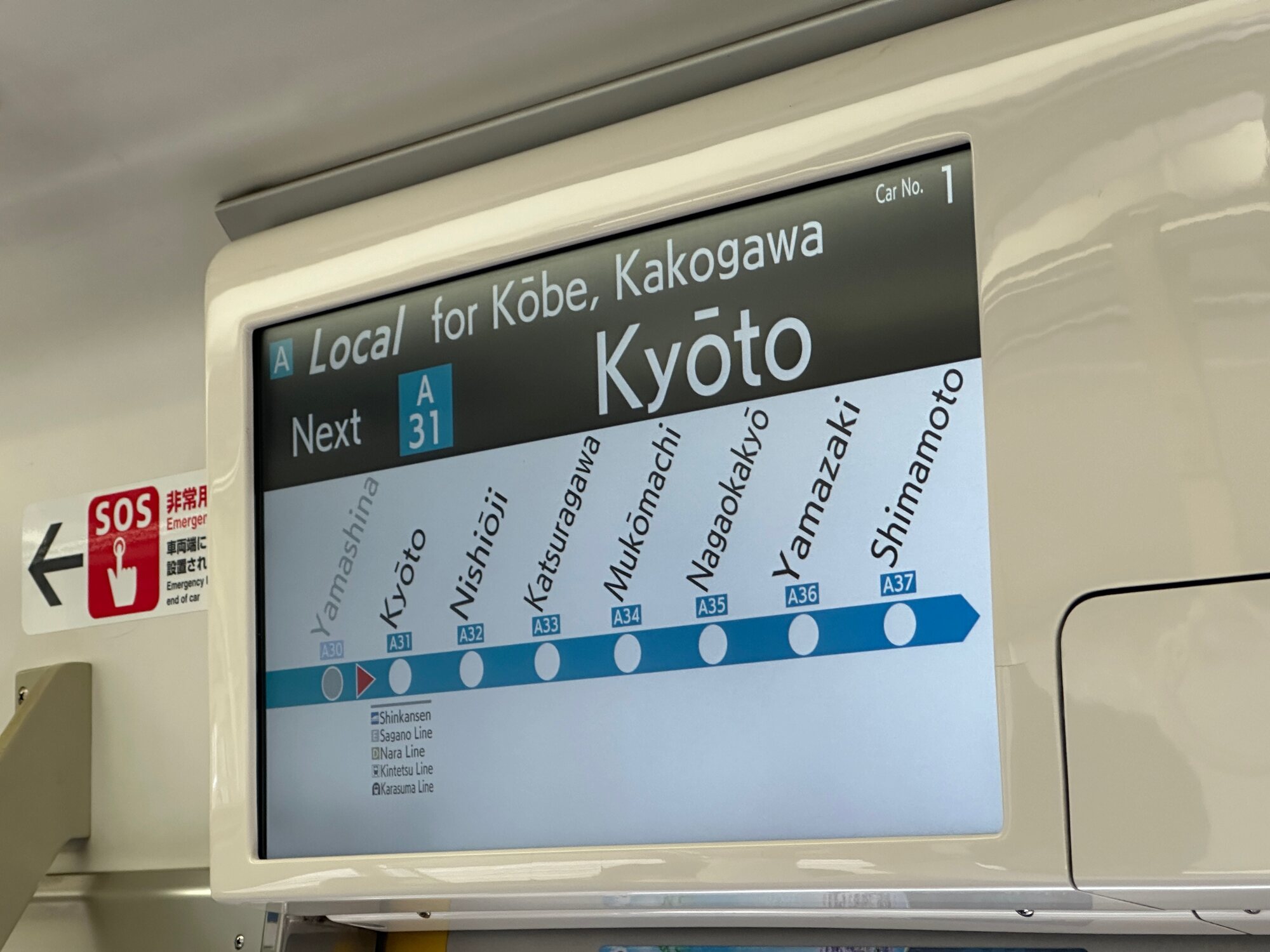
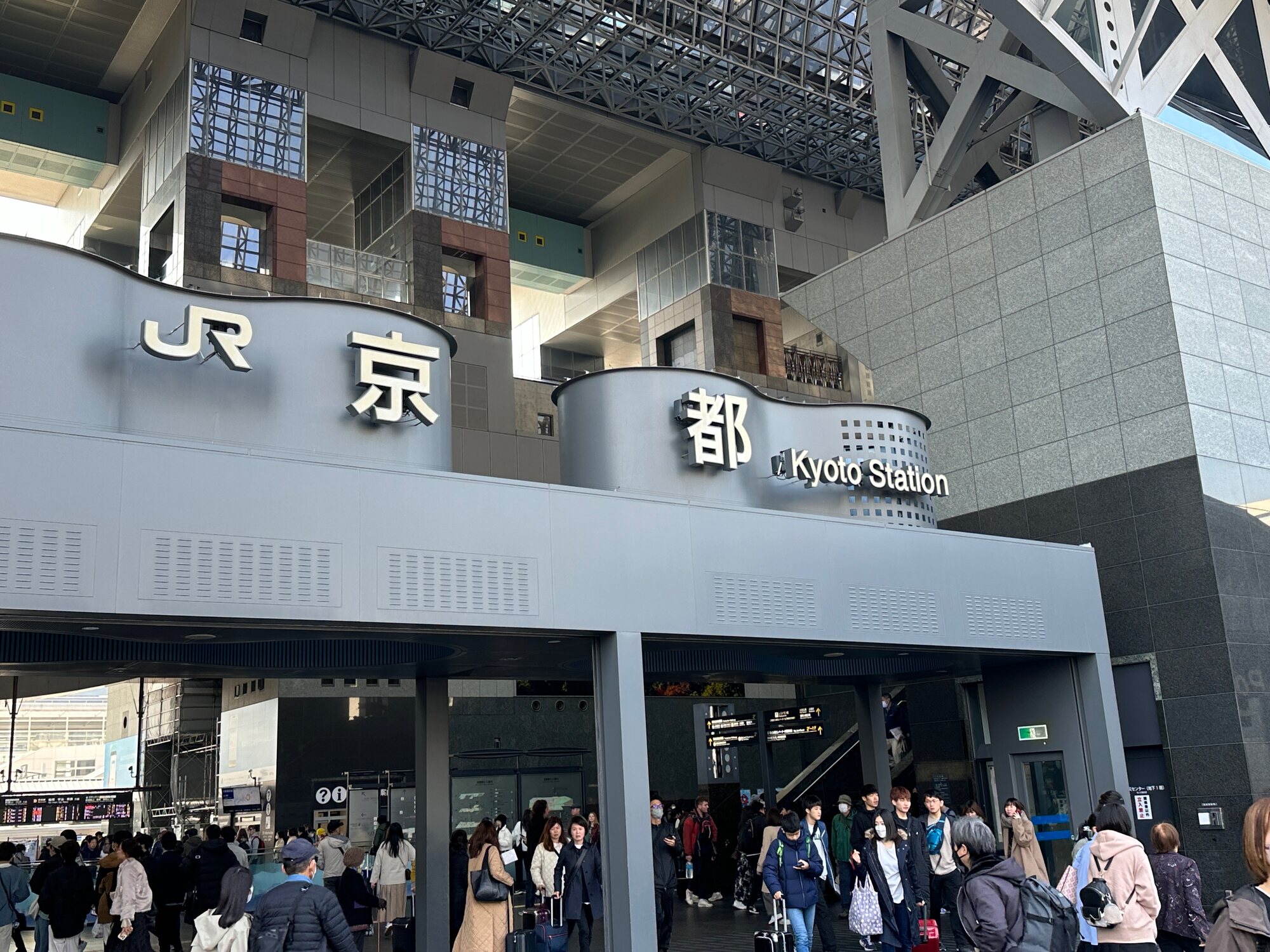
I recommend staying near Kyoto Station if you’ll be using its trains repeatedly, or if a short walk with your bags is particularly helpful. The shinkansen stops here, and there are rail connections for Nara, Uji, Fushimi Inari, Osaka, and Kansai Airport.
The station also has restaurants, shops, and places to store luggage. There are plenty of hotels on both sides, as shown in Kyoto’s accommodation area guide. You can eat nearby after a long journey without heading across the city again.
The streets around the station are less traditional than Gion, though. If most of your time will be spent inside Kyoto and you’re looking forward to walking through older neighborhoods after dinner, I usually prefer Downtown or Gion.
Hotel Granvia Kyoto
Hotel Granvia Kyoto is inside the station building, making it my first suggestion if you want to get off the train and reach the hotel with as little extra travel as possible. It’s particularly useful for a late arrival or an early departure.
Kyoto Station is large, so allow time to find the hotel entrance and your platform. Still, being in the same building removes the need for another train or a taxi with your suitcases.
Hotel Vischio Kyoto by Granvia
Hotel Vischio Kyoto is close to the station’s southern, Hachijo side. I suggest comparing it with Granvia if you want to stay near the trains and would enjoy a large shared bath at the hotel.
Its bathing facilities include separate men’s and women’s baths and saunas. Compare the total room price for your dates with Granvia’s; Vischio is a separate hotel outside the station, and the price difference varies.
MIMARU Kyoto Station
MIMARU Kyoto Station is the hotel I suggest checking first here if several people want to share a room. Its apartments have a kitchen and dining table, which can be useful for breakfast with children or eating together after a long day.
The sleeping arrangements vary by apartment, so look at the number of beds and how everyone will share the space. This can be a good alternative to booking separate hotel rooms, especially if staying together is more important to you than having a full-service hotel.
Kyoto Century Hotel
Kyoto Century Hotel is just east of the station’s northern entrance. I suggest comparing it with Granvia if you want a full-service hotel nearby and are happy with a short walk outside.
The hotel’s directions from the station distinguish between the different exits. Check the route from the train you’ll arrive on, since the walk from the shinkansen platforms is longer than the walk from the northern entrance.
Gion and Southern Higashiyama
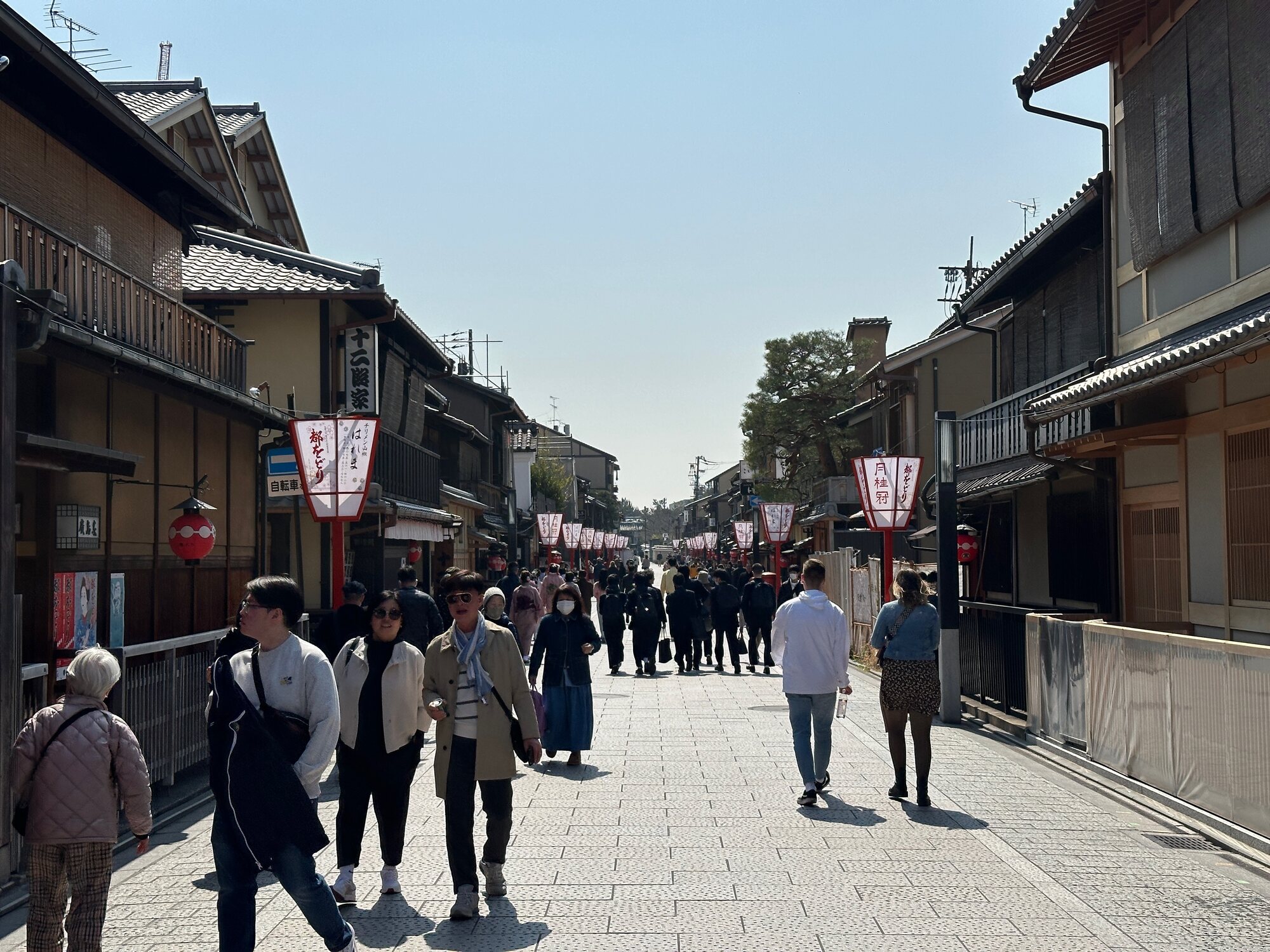
Gion and Southern Higashiyama are where I suggest staying if you’re especially looking forward to traditional streets and the temples in eastern Kyoto. Yasaka Shrine, Kodaiji, and Kiyomizu-dera are on this side of the city. Staying nearby lets you explore some of the streets early or return after the busiest part of the day.
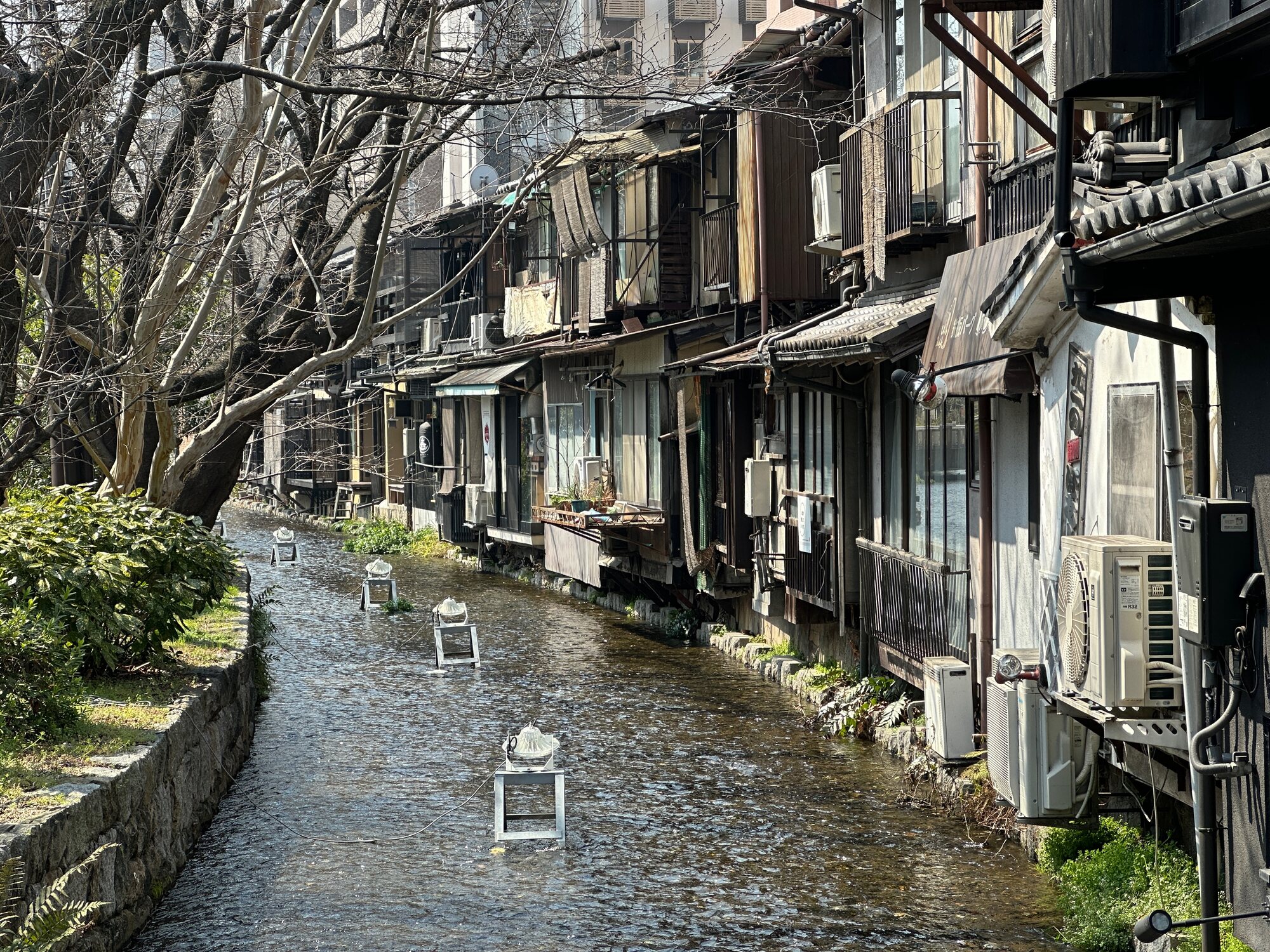
Gion is also convenient if you’ve booked a private geisha dinner nearby. If you’re hoping to see a performance or learn about the district’s geisha culture, my guide to seeing geisha in Kyoto explains the options.
The location needs a closer look before booking. A hotel near Gion-Shijo Station is different from one farther uphill toward Kiyomizu-dera. The latter puts you closer to the temple streets, but you may prefer a taxi when arriving with luggage. Cross-city trips to Arashiyama or departures from Kyoto Station will also take longer than from some other areas.
The Celestine Kyoto Gion
The Celestine is a good option if you want to stay near the streets of Gion while having hotel facilities such as a shared bath. I recommend considering it if you expect to spend several mornings visiting Southern Higashiyama and your evenings around Gion.
The walk from Gion-Shijo Station is about 10 minutes. There is also a hotel shuttle from Kyoto Station; check its current timetable against your arrival time.
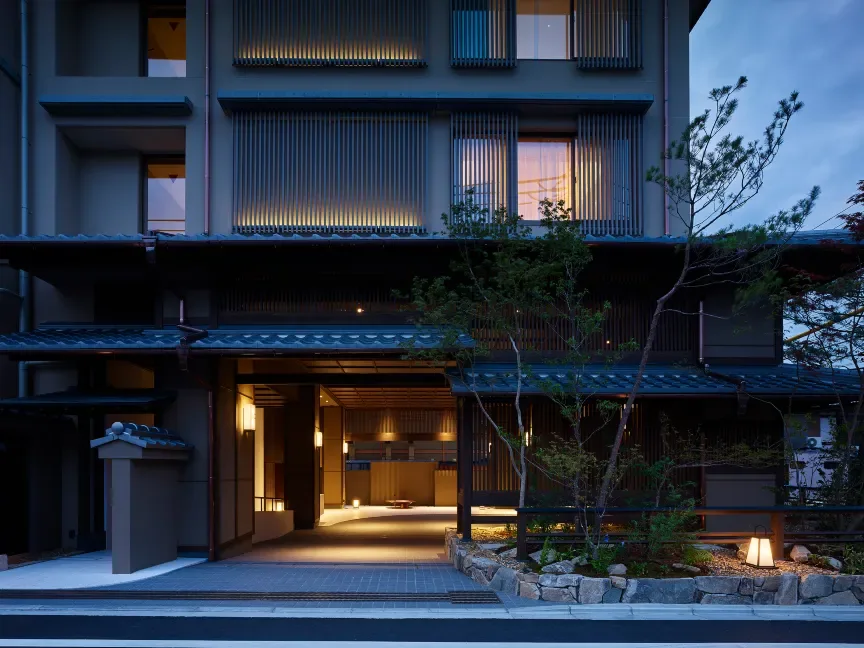
You can also compare The Celestine’s rates on Trip.com.
Sowaka
Sowaka is a small luxury hotel near Yasaka Shrine, with rooms in an older main building and a newer annex. I suggest looking here if the architecture and the room are part of what you’re looking forward to, particularly for an anniversary or a night when you plan to spend more time at the hotel.
The main building welcomes guests aged 12 and above. Families with younger children can stay in selected annex rooms, depending on the child’s age. The room-specific child policy is worth checking before choosing a room.
Park Hyatt Kyoto
Park Hyatt Kyoto is beside Ninenzaka, close to Kodaiji and the streets around Yasaka Pagoda. If staying in this part of Higashiyama is a priority and you have a large hotel budget, I think its location is a strong reason to consider it.
You can walk straight into the surrounding temple streets, but this is a popular sightseeing area with plenty of daytime visitors. I recommend it for a stay where you’ll enjoy both the hotel and eastern Kyoto; for repeated day trips by train, a station hotel would be more convenient.
ART MON ZEN KYOTO
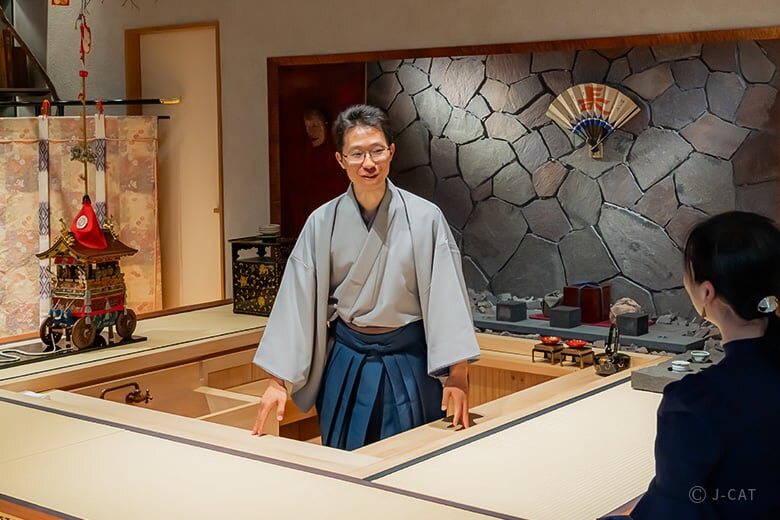
ART MON ZEN KYOTO is a small hotel on Furumonzen Street, near Gion and Sanjo, opened by the antiques dealer Nakanishi Shohoken. I suggest it if you’re interested in art and would enjoy learning about some of the pieces you see during your stay.
The linked overnight plan is offered through Wabunka, a website for private cultural experiences and stays in Japan. It works with artisans, cultural practitioners, and historic properties to arrange time with hosts, with interpreter support when needed. The cultural experiences are private for your group, rather than shared with unrelated visitors.
At ART MON ZEN, the plan combines 1 night with an introduction to antique art, a tea ceremony, and a guided gallery visit. I recommend it if those activities interest you as much as the room. Compare the full plan when booking, since an ordinary room reservation may have different inclusions.
Karasuma Oike, Nijo, and the Imperial Palace Area
I suggest looking around Karasuma Oike if you want a central hotel with access to both subway lines. The Karasuma Line runs north and south through Kyoto Station, while the Tozai Line runs east and west. You can also walk south toward the shops and restaurants around Shijo.
Farther west near Nijo Castle, and north toward the Imperial Palace, there are hotels on more residential streets. These can be pleasant places to stay for several days, particularly if you’d enjoy spending time in the neighborhood. Check the individual address, though: a hotel beside Karasuma Oike Station and one near the Imperial Palace can involve quite different journeys.
Ace Hotel Kyoto
Ace Hotel Kyoto is connected to Karasuma Oike Station through the ShinPuhKan complex. I recommend it if you want both subway lines nearby and like a hotel with art, cafes, and restaurants you might use during your stay.
The hotel includes part of Kyoto’s former Central Telephone Office. Its design is quite different from a ryokan, so have a look at the rooms if you’re choosing between a contemporary hotel and somewhere more traditional.
The Royal Park Hotel Iconic Kyoto
The Royal Park Hotel Iconic Kyoto is close to Karasuma Oike Station too. I suggest comparing it with Ace if this is the area you prefer, especially when your plans include places in several directions across Kyoto.
It has a guest lounge and shared bathing facilities. When comparing rooms, check the bathroom description as well as the size: some categories have a shower without a bathtub.
There is also construction beside the hotel, currently scheduled through March 2028. Ask about possible daytime noise if you expect to rest in your room during the day.
Kyoto Brighton Hotel
Kyoto Brighton Hotel is west of the Imperial Palace, on residential streets away from Kawaramachi’s busy shopping area. I recommend considering it if room space is a priority. Its triple and quadruple rooms give families and friends an option for sharing one room.
The location is less convenient for walking out to Pontocho or Gion after dinner. Check the hotel shuttle and the walk to the subway when deciding whether the extra space is worth the additional travel for your plans.
Hotel The Mitsui Kyoto
Hotel The Mitsui Kyoto is a luxury hotel beside Nijo Castle. I suggest it if you have a large budget and want to spend time enjoying the room, garden, and spa as well as sightseeing.
Its Thermal Spring uses natural hot-spring water and is shared by men and women wearing swimsuits. That’s useful to know if you’re hoping to bathe together. Children’s access has age and time restrictions, so check those if you’re traveling as a family.
Okazaki and Northern Higashiyama
Okazaki and the nearby Keage area are good places to consider if you’re interested in museums, Nanzenji, and the temples in northeastern Kyoto. You could spend a day around the museums and Heian Shrine, or walk from Nanzenji toward the Philosopher’s Path.
I particularly recommend looking here if you want a hotel where you’ll spend some time between outings. There are several smaller luxury properties as well as the larger Westin. For a short first visit with lots of restaurants, shopping, and sightseeing across the city, I usually suggest Downtown first.
The Tozai subway line serves Higashiyama and Keage. Kyoto’s directions to Okazaki and Nanzenji explain how to get there from Kyoto Station. Check the final walk to your hotel, as properties farther north can be some distance from the subway.
The Westin Miyako Kyoto
The Westin Miyako Kyoto is near Keage Station, at the foot of the hills. It has a large spa, and I suggest considering it if a bath and time at the hotel would be welcome after visiting the nearby temples.
Of the hotels in this section, its proximity to Keage is particularly helpful for getting across the city. You’ll still need to travel to the restaurants and shops around Kawaramachi, so compare the hotel’s facilities with how much time you expect to spend there.
Hotel Okura Kyoto Okazaki Bettei
Hotel Okura Kyoto Okazaki Bettei is a smaller luxury hotel farther north in Okazaki. I suggest it if you’d like to stay away from the busiest shopping streets and spend time around the museums and temples in this part of Kyoto.
It accepts guests of junior-high-school age, 12 and above, according to its guest policy. Also check the address carefully when booking: this is a different property from Hotel Okura Kyoto near Kyoto Shiyakusho-mae Station.
Nanzenji Sando Kikusui
Nanzenji Sando Kikusui is a small inn near Nanzenji with a Japanese garden. I recommend considering it for 1 night when you can arrive early enough to enjoy the property, perhaps after visiting Nanzenji and the surrounding area.
Have a look at the room and dining plans together. The garden and time spent at the inn are the reasons I suggest staying here, so a day of sightseeing followed by a late check-in would leave little time to enjoy them.
Arashiyama
Staying in Arashiyama gives you time near Togetsukyo Bridge, the river, and the bamboo grove before or after many day visitors arrive. If you’d like an evening at a hotel overlooking the river and a morning exploring western Kyoto, I think 1 night here can be lovely.
For most first visits, I recommend spending the rest of your Kyoto nights closer to the center. Arashiyama is in the west, so repeated journeys to Gion, Kiyomizu-dera, or Kyoto Station take time. There are also fewer late dining options than Downtown, making it worth planning dinner in advance.
Suiran, a Luxury Collection Hotel, Kyoto
Suiran is beside the river in Arashiyama. I suggest it if you’re comfortable spending more for a luxury hotel and want to enjoy this part of Kyoto from the hotel as well as on foot.
This is somewhere I recommend allowing time for the stay itself. Compare the room descriptions for the view and bath you want, and leave enough of the afternoon free to enjoy them.
MUNI Kyoto
MUNI Kyoto is near Togetsukyo Bridge and has spacious contemporary rooms. I suggest comparing it with Suiran if you want to stay by the river but prefer a more modern interior.
The room selection includes different outlooks and terraces. Check the category you’re booking if sitting outside or seeing the river from your room is one of the reasons for staying here.
Togetsutei
Togetsutei is a ryokan near Togetsukyo Bridge. I recommend it if you’d like Japanese-style accommodation and a stay that includes time for bathing and meals at the inn.
Choose the meal plan carefully. A dinner-and-breakfast stay will require you to return for the scheduled meal, which is worth allowing for when planning your afternoon. The room and bathing options also vary, so check whether your chosen room has the bath you want.
Fushimi, Nishijin, and Kitano
These areas can be good places to stay when there’s something specific you want nearby, though I usually recommend the more central areas for a first visit.
Fushimi Inari and Fushimi’s sake district are separate places. A hotel near the shrine can help with an early visit, while a stay near the sake breweries puts you farther south. Check the actual station and your onward journeys if you’re also visiting Uji or Nara. For a single visit to Fushimi Inari, staying near Kyoto Station and taking the train is another option.
In the northwest, Nishijin and Kitano are worth considering for a machiya (traditional wooden townhouse) stay or an interest in Kyoto’s textile history. Depending on the address, you may use buses or taxis more often than from Downtown. Check luggage storage, stairs, and how check-in works, particularly when renting an entire house.
Nishijin Fujita
Nishijin Fujita offers a private townhouse stay in Nishijin. I suggest considering it if you want a house for your own group and are interested in the area’s traditional buildings and textile history.
The Wabunka plan offers paid optional experiences, including tea ceremony, kimono dressing, and entertainment with geisha or maiko (Kyoto’s apprentice geisha). Check which activities you’ve selected when comparing prices; they aren’t all included in the accommodation rate.
Adding a Ryokan or Another Special Stay
For most trips, I recommend a hotel for the main Kyoto stay, with 1 night somewhere special if you’d enjoy it. A ryokan can be a memorable part of visiting Kyoto, and staying in the city saves you from adding another destination just for the inn.
I suggest choosing one where you’re looking forward to the room, food, and time spent there. Dinner and breakfast are a large part of many ryokan stays, and you’ll usually enjoy the experience more if you can arrive in the afternoon. If you prefer a Western-style bed to a futon on the floor, check the room before booking.
My guide to staying in a ryokan explains the meals, baths, and rooms, and my Kyoto ryokan recommendations cover more properties. These are a few stays I suggest considering alongside the hotels above.
Sumiya Ryokan
Sumiya Ryokan is in central Kyoto’s Sanjo area. The linked Wabunka plan includes 1 night, breakfast, and a private tea experience with the proprietress or her successor.
I recommend considering it if you’re interested in tea and want to spend a night in a traditional inn without traveling out of central Kyoto. Check the meal inclusions when booking, especially if you also want dinner at the ryokan.
Hiiragiya
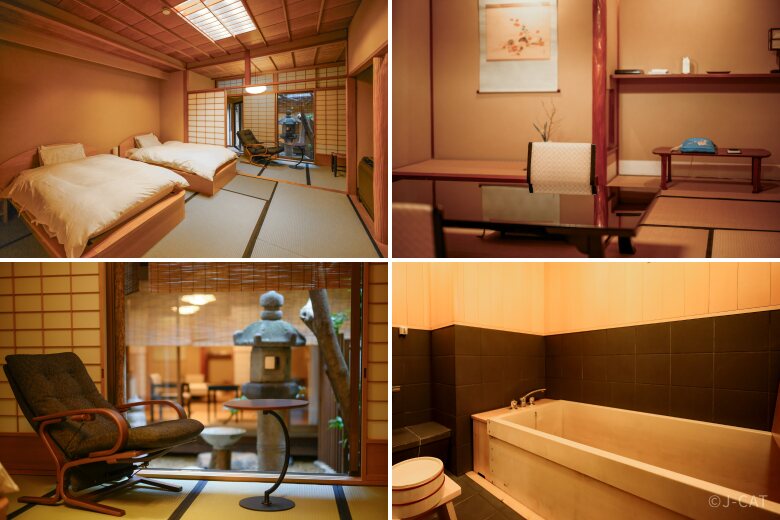
Hiiragiya is another central Kyoto ryokan, with a history going back to 1818. I suggest it if you’d like a traditional room, Japanese hospitality, and time to enjoy the inn’s architecture and gardens.
It’s an expensive stay, so I recommend comparing the exact room and meal plan. Leave the afternoon and evening fairly free if you book it, especially when dinner is included.
Yoshida-Sanso
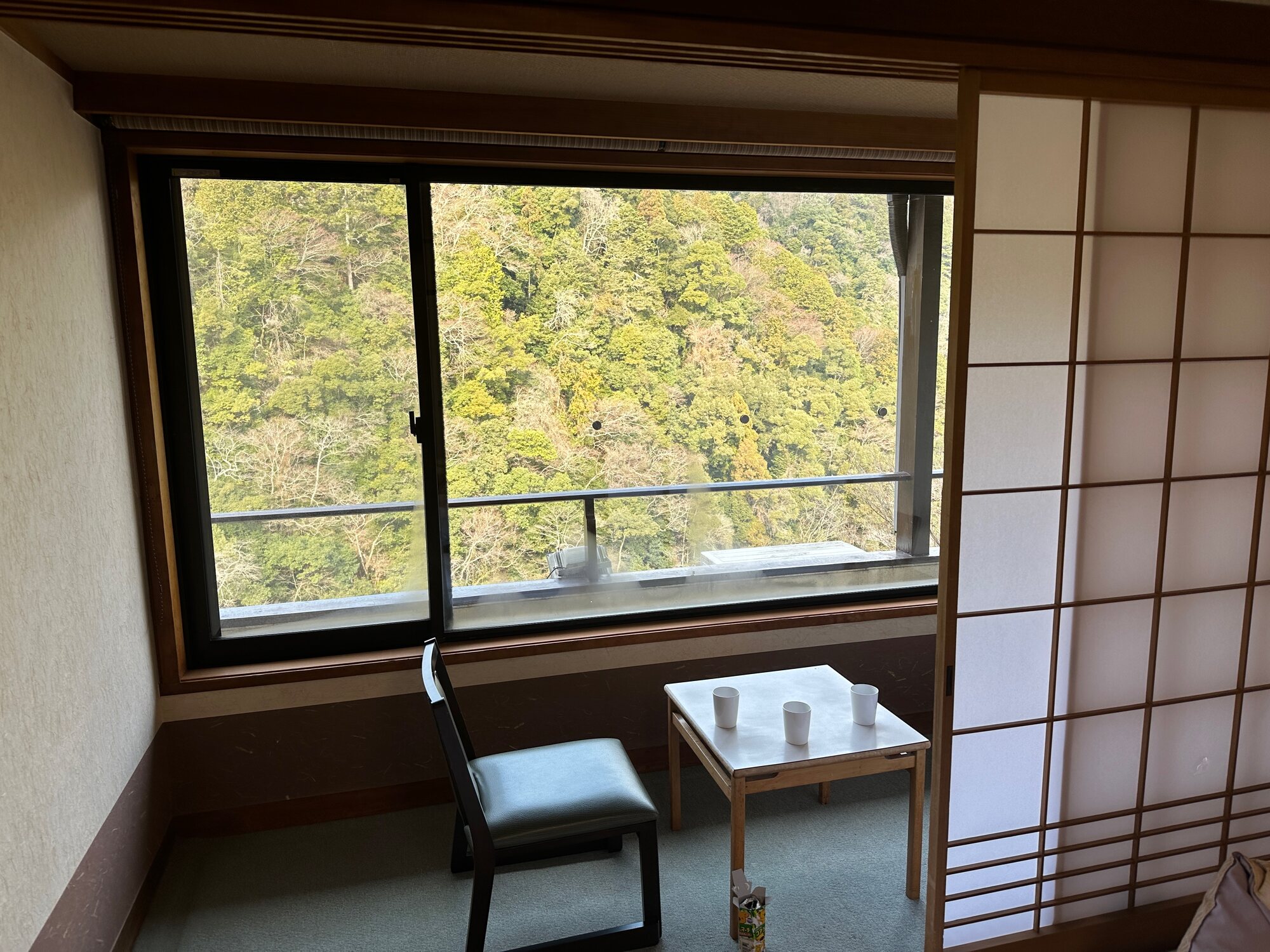
Yoshida-Sanso is a former imperial-family villa near Yoshida Hill, northeast of central Kyoto. The Wabunka plan includes a detached suite and a private tour of the building and gardens with the proprietress.
Breakfast is included, and a Japanese dinner is available at an additional cost. I recommend this stay if the building, garden, and opportunity to hear about them from the host appeal to you. It’s farther from the subway than the hotels around Karasuma Oike or Keage.
Marufukuro
Marufukuro occupies Nintendo’s former headquarters, with a newer wing designed by Tadao Ando. It’s near the Kamo River, south of Downtown. I suggest it if you’re interested in architecture or Nintendo’s history and would enjoy staying in the old company buildings.
The linked Wabunka plan includes an overnight stay and a staff-guided tour. It’s a hotel rather than a ryokan, so it may also appeal if you want an unusual place to stay with a familiar hotel room.
Before You Book
Check the Room and the Total Price
Compare the same dates, number of guests, meal plan, and cancellation conditions. Kyoto hotel rates vary considerably, particularly during cherry blossom season and autumn foliage. I recommend booking early if you want a specific property or a room that accommodates your whole group.
For a smaller budget, start by comparing ordinary hotels around Kyoto Station and the Shijo-Karasuma area. The hotels named above include many more expensive properties; their rates won’t represent everything available in those neighborhoods. A standard hotel with a nearby station can be enough if you’ll spend most of the day out.
Also check the bed arrangement and room size, especially for three or more people. An extra bed, a sofa bed, and a separate bedroom offer quite different levels of space and privacy. At older properties, check stairs and lift access if either would affect your stay.
For bathing, check whether the bath is in your room, shared with other guests, or available to reserve privately. A large hotel bath may use ordinary heated water rather than natural hot-spring water. If you want a private hot-spring bath, look for that exact description in the room or booking plan.
Allow for Kyoto’s Accommodation Tax
Kyoto charges an accommodation tax per person, per night. The rates introduced on March 1, 2026 are:
| Accommodation Fee per Person per Night | Tax per Person per Night |
|---|---|
| Under ¥6,000 | ¥200 |
| ¥6,000-¥19,999 | ¥400 |
| ¥20,000-¥49,999 | ¥1,000 |
| ¥50,000-¥99,999 | ¥4,000 |
| ¥100,000+ | ¥10,000 |
Check whether this is included in the price shown or collected separately by the hotel. For luxury hotels and ryokan, it can add a noticeable amount to the bill. You can include it in your wider estimate using the Japan Trip Cost Calculator.
Plan the Journey with Your Bags
I generally prefer hotels to Airbnb in Japan, partly because having staff available makes arrivals easier. Ask whether the hotel can hold your bags before check-in or after checkout, and use Kyoto’s luggage-service information if you need another arrangement.
If you arrive in the morning, leaving your bags before heading out is particularly helpful around the temple streets. For a hotel uphill in Higashiyama, a taxi from the station may be worth the cost. If you plan to use a hotel shuttle, check the timetable and pickup point before arrival.
Keep Hotel Changes to a Minimum
I usually recommend staying in one hotel for your Kyoto sightseeing. Moving for a ryokan or an Arashiyama night can be worthwhile, but repeated checkouts and journeys with luggage take time out of the visit.
The same applies when choosing between Kyoto and Osaka. If most of your plans are in Kyoto, I usually suggest sleeping here and visiting Osaka separately. Staying overnight in Osaka becomes more useful if you’ll spend several days there or want to stay out late. My Kyoto or Osaka guide explains that decision in more detail.
For planning the nights across your whole trip, see my 14-day Japan itinerary or Japan trip-planning guide. If Tokyo is also on your route, my Tokyo accommodation guide covers its hotel areas separately.
Where I Recommend Starting Your Hotel Search
For a first Kyoto stay with sightseeing in several areas and evenings out, I suggest comparing Cross Hotel Kyoto and The Gate Hotel. If you need more room for your group, check the larger categories at Good Nature.
For frequent trains from Kyoto Station, compare Granvia, Vischio, and MIMARU. And if staying near Gion’s streets and temples is what you’re most looking forward to, start with The Celestine or Sowaka, then check the walk from each hotel to the places you want to visit.