
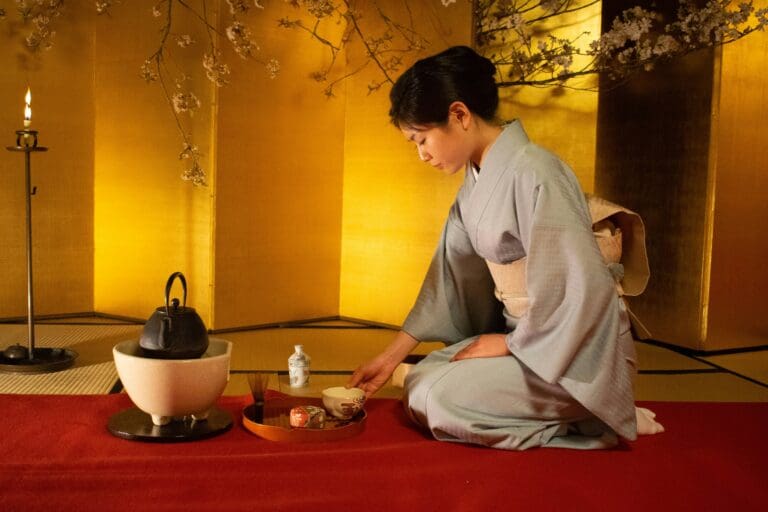
If you want a tea ceremony in Kyoto and can spend more for a private session, I recommend Towa Ryokan near Kyoto Station. It includes a light meal, an English-speaking guide, and a tea ceremony hosted by a practitioner with around 30 years of experience. For a group experience with kimono dressing, Maikoya is easier to fit into a normal sightseeing day. If you are trying to keep the cost down, Tea Ceremony Ju-An at Jotokuji Temple is my first recommendation.
The biggest differences between Kyoto tea ceremonies are the group size, location, length, and what is included. Some last about 45 minutes and focus on a demonstration and making one bowl of matcha. Others take two hours or longer and include a meal, time with the host, or a visit to Uji. I recommend deciding which format you want before comparing prices.
If you are still deciding which cultural activities to include, my guide to traditional cultural experiences in Japan can help you compare tea ceremony with options such as kintsugi, calligraphy, and cooking classes.
Some links on YavaJapan are affiliate links. If you book or buy through them, I may earn a small commission at no extra cost to you. It helps support the site, and I only link to places, stays, and experiences I genuinely think are worth recommending.
At a Glance
- Best overall: Towa Ryokan for a private 100-minute session with a light meal near Kyoto Station.
- Best for tea lovers: Nakamura Tokichi in Uji, which combines tea milling, tea ceremony, lunch, and a visit to one of Uji’s best-known tea shops.
- Best with a maiko: Geisha (Maiko) Tea Ceremony & Show for tea, a short dance performance, questions, and photos.
- Best with kimono dressing: Maikoya Tea Ceremony Kyoto, a 90-minute group experience near Shijo-Karasuma.
- Best on a lower budget: Tea Ceremony Ju-An at Jotokuji Temple in central Kyoto.
- Book early if you want a private session or a specific date. Group sessions usually give you more times and lower prices.
Kyoto Tea Ceremony Experiences Compared
The price labels below are relative rather than fixed. Rates change by date, party size, and booking site, so I recommend checking the current page before choosing.
| Experience | Price Level | Format | Time | Location | Best For |
|---|---|---|---|---|---|
| Towa Ryokan | Premium | Private, 1-10 guests | 1 hr 40 min | Near Kyoto Station | A private ceremony with a light meal |
| Nakamura Tokichi | Premium | Private, 1-4 guests | 2 hrs 30 min | Uji | Tea lovers spending half a day in Uji |
| Sasaya Iori Tearoom | Premium | Private, 1-6 guests | 1 hr 30 min | Hotel Emion Kyoto | Tea ceremony with Japanese sweets |
| Geisha (Maiko) Tea Ceremony & Show | Mid-range | Group | About 45 min | Gion Kiyomizu | Tea with a maiko performance |
| Maikoya Tea Ceremony Kyoto | Mid-range | Group, usually 12-14 guests | 1 hr 30 min | Shijo-Karasuma | Kimono dressing and tea ceremony |
| Matcha Tea Ceremony at Anko-an | Mid-range | Group | 1 hr 10 min | Near Daitokuji Temple | A hands-on session in north Kyoto |
| Tea Ceremony Ju-An | Budget | Group | Short session | Jotokuji Temple | An affordable temple setting |
| Nishiki Orizuruya | Budget | Group | Varies by course | Near Nishiki Market | Kimono included in central Kyoto |
My Recommendations in Kyoto
Best Overall: Towa Ryokan
Towa Ryokan is the tea ceremony I recommend most if you want a private session without leaving central Kyoto. It is near Kyoto Station, lasts about 100 minutes, and includes a light meal before the tea ceremony. The experience is available for private groups of up to 10 people, and an English-speaking guide is included.
The host, Yoshiko Ota, has practiced the Urasenke tradition of tea ceremony for around 30 years. Having a private guide gives you time to ask about the utensils, the preparation of matcha, and the movements you see during the ceremony. You will not be moving through the session with a mixed group of visitors.
This experience is booked through Wabunka, a Japan-based website that offers private cultural experiences for international visitors. Wabunka works directly with Japanese artisans, teachers, chefs, monks, and other hosts. Its experiences are for your own party, and an interpreter joins when the host does not speak English. I have worked with Wabunka through my work in the Japan travel industry and know the company personally, so I am comfortable recommending them. Their private format costs considerably more than the group sessions in this article, though, and you do not need to spend that much to enjoy a tea ceremony in Kyoto.
I recommend Towa Ryokan for a couple, family, or small group that wants to ask questions and spend proper time with the host. If you mainly want to try making matcha between temple visits, one of the shorter group sessions below will probably suit your plans better.
Best if You Are Already Going to Uji: Nakamura Tokichi
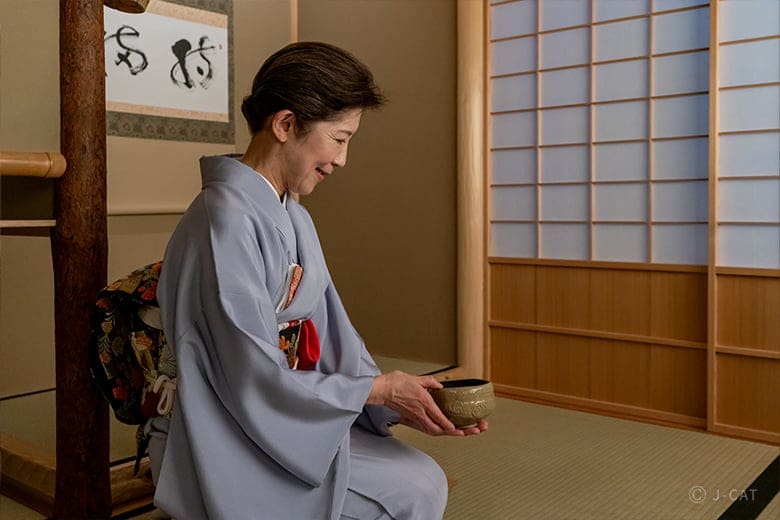
Nakamura Tokichi is my recommendation for anyone with a serious interest in Japanese tea. The private experience takes about 2 hours 30 minutes and includes grinding tea leaves, a tea ceremony, a chasoba lunch, matcha jelly, and a short tour. An English-speaking host is included, and the booking is for your party of up to four people.
The location is the reason to plan this carefully. Nakamura Tokichi is in Uji, south of central Kyoto. Uji is one of Japan’s best-known tea towns and is easy to reach by train, but this experience will take a large part of your day once you include transport. I recommend combining it with Byodoin Temple and a walk near the Uji River instead of returning to central Kyoto immediately afterward.
Choose this if tea is one of the main interests of your trip. For a first tea ceremony that you simply want to add between other Kyoto plans, Towa Ryokan or a central group session will take less time.
Best if You Specifically Want Tea with a Geisha or Maiko
The Geisha (Maiko) Tea Ceremony & Show is a good option if your main interest is meeting a maiko and seeing a short performance. The session usually lasts about 45 minutes. It includes a tea demonstration, a chance to prepare matcha, a Japanese sweet, a dance, questions through an interpreter, and time for photos.
The host is usually a maiko. A geiko may appear on some dates, but you should book this for the format rather than expecting one specific performer. Kimono dressing is not included, and children under seven cannot enter.
This is different from a private tea lesson. You are joining a group, and part of the session is the performance and interaction with the maiko. If that is what you want, it is much easier and cheaper than arranging a private geisha evening. My guide to seeing geisha in Kyoto explains the other options and the difference between geiko and maiko.
Best Mid-Range Option: Maikoya Tea Ceremony Kyoto
Maikoya works well if you want kimono dressing and tea ceremony in one booking. The session is near Shijo-Karasuma and lasts about 90 minutes. Staff help you put on the kimono, explain basic tea etiquette, demonstrate the preparation, and then guide you through making your own bowl of matcha with a Japanese sweet.
The current session is usually shared with around 12 to 14 guests, so I would not choose it if privacy is important. It is still a practical option for first-time visitors because it is in central Kyoto, instructions are available in English, and everything is arranged in one place. Chairs can be requested if sitting on the floor is difficult. Children under seven are not allowed in the regular session.
I recommend this over a very short tea demonstration if wearing kimono is part of what you want. If you already plan to rent kimono elsewhere, Ju-An or Anko-an may give you a simpler tea-only option at a lower cost.
Best Budget Option: Tea Ceremony Ju-An at Jotokuji Temple
Tea Ceremony Ju-An is my lower-cost recommendation because the session takes place inside Jotokuji Temple in central Kyoto. The group experience includes an introduction to the temple, an explanation and demonstration of tea ceremony, and help preparing your own matcha.
This is a better choice if you want the basic ceremony and temple setting without paying for a private host, meal, or kimono package. A separate private booking is available, but the normal group session is the one to compare with the other budget options here.
The location also makes it easy to add to a day around central Kyoto. I recommend it if cost and simple transport are more important to you than having a private interpreter or a long conversation with the host.
Is Tea Ceremony in Kyoto Worth It?
I think a tea ceremony is worth including if you want someone to explain why each step is done, rather than only drinking matcha at a cafe. Even a short session can help you understand the utensils, the way the bowl is handled, the role of the sweet, and the attention given to each guest.
Kyoto has a wide range of sessions in English, so it is one of the easiest places to book one. It also has many experienced teachers, traditional tea rooms, and venues connected to long-running tea and confectionery businesses.
I would skip it if you are booking only because it appears on a list of essential Kyoto activities. Tea ceremony is deliberate and formal, and some travelers enjoy the explanation much more than the pace. If you mainly want to taste good matcha, visiting a respected tea shop in Uji or Kyoto may be enough.
What to Look for Before Booking
Private or Group
Private sessions cost more, but the time belongs to your party. You can ask more questions, the host can adjust the explanation, and an interpreter may be included. This is helpful if you have a strong interest in tea, are celebrating something, or are traveling with family members who may need help sitting or moving around the room.
Group sessions are much cheaper and often easier to book. They can still include a proper demonstration and hands-on matcha preparation. Check the expected group size, especially if the listing uses vague wording. A session with 12 to 14 guests will be different from a private booking for two people.
Location
For an already busy Kyoto itinerary, I suggest staying in central Kyoto. Towa Ryokan, Maikoya, Ju-An, Sasaya Iori, and Nishiki Orizuruya can all be combined with other sightseeing without using most of the day for transport.
Choose Nakamura Tokichi if you already want to visit Uji. Anko-an is near Daitokuji Temple in north Kyoto, so it makes the most sense on a day when you are visiting that area.
What the Session Actually Includes
Read the inclusions before booking. A 45-minute session may include a demonstration, one bowl of matcha, a sweet, and photos. A longer private experience may add a meal, tea milling, more time for questions, or a tour of the venue.
Kimono is another important difference. Maikoya and the courses at Nishiki Orizuruya include kimono dressing. The Geisha (Maiko) Tea Ceremony & Show does not. If the listing says kimono is optional, check whether it is included in the price or sold as an extra.
Sasaya Iori is useful for travelers especially interested in Japanese confectionery. Its private 90-minute session at Hotel Emion Kyoto includes tea ceremony, sweets made for the experience, and another dessert and drink afterward. Anko-an is a simpler group session near Daitokuji where you watch the instructor, prepare your own matcha, and eat a sweet.
A Short Note on Tea Ceremony in Kyoto
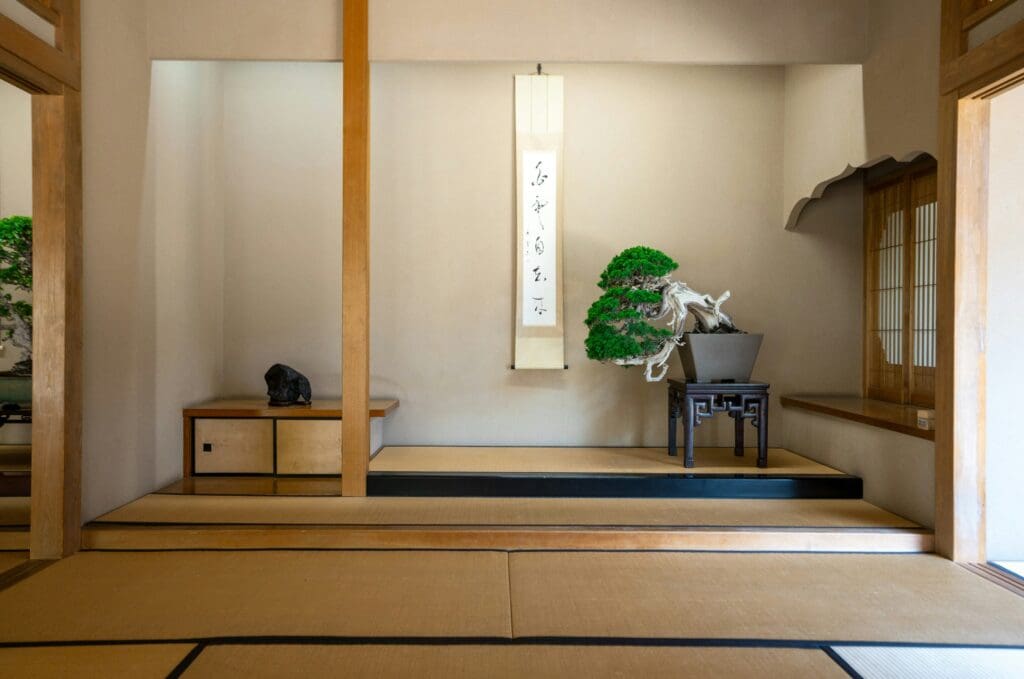
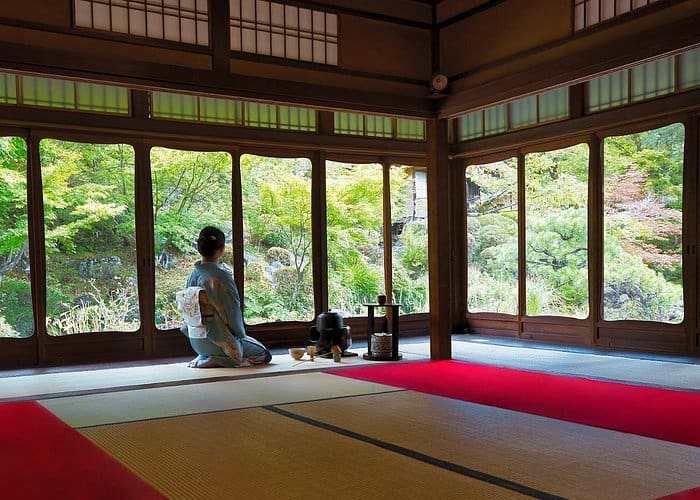
Tea ceremony is often called sado or chado, meaning the way of tea. The preparation follows established movements, but the ceremony is also about receiving guests carefully. The host chooses the utensils, sweets, flowers, and sometimes the calligraphy in the alcove with the season and guests in mind.
You do not need to know the etiquette before arriving. A visitor session should explain when to bow, how to receive the bowl, and how to drink the tea. Wear clothes that let you sit comfortably, and ask about chairs when kneeling on tatami would be difficult.
Recommendations by Traveler Type
- For a private experience in central Kyoto: Towa Ryokan.
- For a full tea-focused visit to Uji: Nakamura Tokichi.
- For tea with a maiko performance: Geisha (Maiko) Tea Ceremony & Show.
- For kimono dressing with a central location: Maikoya.
- For Japanese sweets in a private session: Sasaya Iori Tearoom.
- For a lower-cost temple setting: Tea Ceremony Ju-An.
- For north Kyoto and Daitokuji: Anko-an.
- For kimono near Nishiki Market: Nishiki Orizuruya.
The Bottom Line
For most travelers who want a private tea ceremony, I recommend Towa Ryokan. It is close to Kyoto Station, includes a light meal, and gives your party enough time to speak with the host through an English-speaking guide.
Choose Nakamura Tokichi if tea is a major interest and you are happy to spend half a day in Uji. Choose Maikoya if you want kimono dressing and a group session in central Kyoto. If you want to keep the cost down, start with Ju-An at Jotokuji Temple.
Whichever one you book, check the group size, location, duration, and kimono details before paying. Those four details will tell you much more than the photographs on the booking page.
—