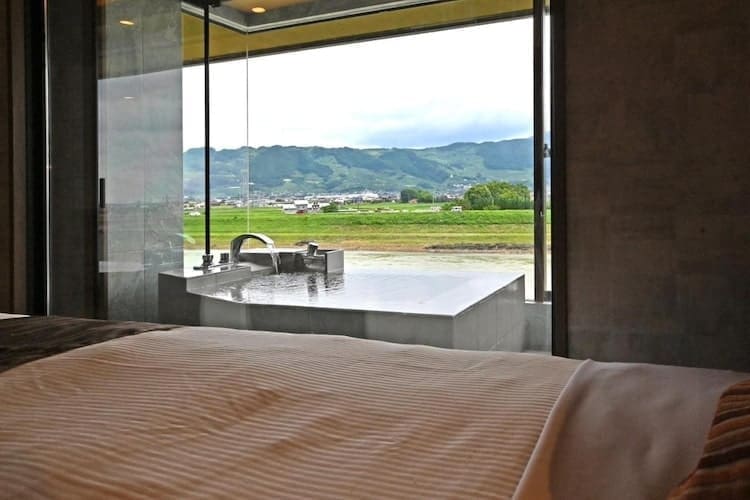
Fukuoka wouldn’t be my first choice for a trip centered on staying in a ryokan (traditional Japanese inn), but it’s worth considering a night in one if you’re already visiting the area. I particularly recommend looking outside the city center, where you’ll find inns with gardens, Japanese course meals, and hot-spring baths that you can spend an afternoon and evening enjoying.
For that kind of stay, my first recommendation is Akizuki Spa Ryokan Seiryuan. It’s a small inn with just six rooms, each with its own hot-spring bath. If you’d prefer to spend your time exploring Fukuoka and going out for dinner, though, I suggest Zen-Oyado Nishitei. You can stay in a traditional Japanese house while keeping the city as your base.
Some links on YavaJapan are affiliate links. If you book or buy through them, I may earn a small commission at no extra cost to you. It helps support the site, and I only link to places, stays, and experiences I genuinely think are worth recommending.
At a Glance
- My first recommendation in central Fukuoka: Zen-Oyado Nishitei, a small inn in a traditional house in Shirogane.
- For a night away with a private hot spring: Akizuki Spa Ryokan Seiryuan, with six rooms and a hot-spring bath in each.
- For a historic inn near the city: Daimaru Besso, in Futsukaichi Onsen. Its communal baths use hot-spring water; its room baths don’t.
- For a more affordable city stay: Yamamoto Ryokan, with Japanese-style rooms and shared baths in Hakata.
- For the beach and sea views: Kyukamura Shikanoshima, a resort on Shikanoshima Island. It’s within Fukuoka city limits, but well outside the center.
Should You Stay in the City or Outside Fukuoka?
I suggest thinking about how you’d like to spend the day you check in. If you want to explore Fukuoka, go shopping, and find somewhere to eat in the evening, stay in the city. Nishitei or Yamamoto would suit you better than an inn that requires a journey back out of town after dinner. You’ll also be closer to Hakata, around the main railway station, and Tenjin, a shopping and dining district.
If you’re looking forward to the ryokan itself, I recommend setting aside a night outside the center. You can arrive in the afternoon, spend some time in your room or the baths, and have dinner at the inn. Personally, I think the meals are a big part of a ryokan stay, so I suggest choosing a plan with dinner and breakfast. Leaving that afternoon free also gives you time to enjoy the place before dinner, rather than arriving just in time to eat.
If the baths are a reason you’re considering that night away, check what the ryokan offers before booking. Some have an onsen (natural hot spring), while others use ordinary heated water. And even at an inn with an onsen, you may need to use shared baths unless you book a particular room. For a bath you can use just with your partner or family, my Fukuoka ryokan with private onsen guide explains the options.
The eight places below are all in Fukuoka Prefecture, which includes the city and the surrounding region. The table and map show which ones are central and which involve a trip to the coast or countryside.
| Stay | Location | Why I Recommend It | Baths |
|---|---|---|---|
| Zen-Oyado Nishitei | Shirogane, central Fukuoka | Stay in a small traditional house in the city | Shared indoor bath with ordinary water |
| Yamamoto Ryokan | Hakata, central Fukuoka | Japanese-style rooms for a smaller budget | Shared bath; private use available on request |
| Kyukamura Shikanoshima | Shikanoshima Island, Fukuoka city | Beach access and sea views | Communal hot-spring baths |
| Akizuki Spa Ryokan Seiryuan | Akizuki, Asakura | A small inn with a garden and Japanese course meals | Hot-spring bath in every room |
| Daimaru Besso | Futsukaichi Onsen, Chikushino | Historic buildings, a large garden, and communal baths | Room baths use ordinary water |
| Roppokan | Harazuru Onsen, Asakura | Views of the Chikugo River and surrounding fields | Communal onsen; selected rooms have private baths |
| Nansuikaku | Wakita Onsen, Miyawaka | A choice of room styles and bathing facilities | Communal baths, family baths, and rooms with onsen |
| Kominka Neri | Otono, Miyawaka | Seclusion, with your own living room and bedroom | Bath in each guest unit; the property has a natural spring |
Use the map below to compare the city stays with the ryokan farther outside Fukuoka:
Best Ryokan in Central Fukuoka
Zen-Oyado Nishitei
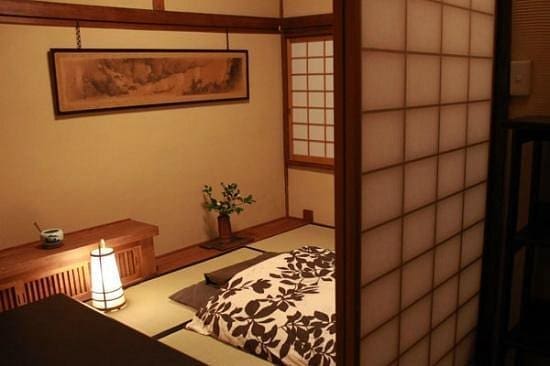
Nishitei is the inn I recommend first if you want to stay in central Fukuoka. It’s a historic Japanese house in Shirogane, in the city’s Chuo ward, and I like the idea of staying somewhere this small while spending the days exploring.
You can go out for dinner and continue sightseeing the next morning without traveling back from the countryside. Just keep in mind that Shirogane isn’t beside Hakata Station, so check the journey if you have an early train or expect to use the station often.
Nishitei also has a shared indoor bath with ordinary heated water. I’d choose it for the house and the city location. If you’re hoping to spend the evening in your own hot-spring bath, I recommend Seiryuan instead.
Yamamoto Ryokan
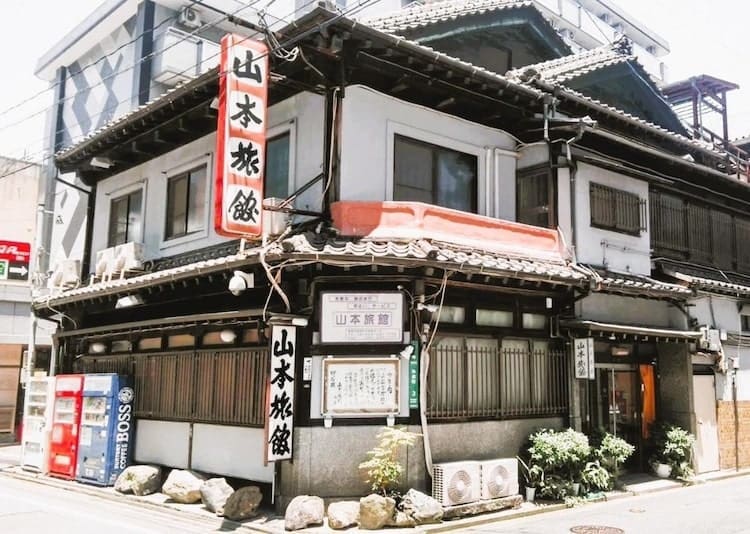
If you want to keep the cost down, I suggest comparing Yamamoto Ryokan. It’s a simple inn in the Hakata district, with tatami (woven floor mats) and futon bedding laid out at night. It suits a city visit where you’re happy with a fairly basic room and plan to eat out.
You can book with breakfast or without meals, which gives you some flexibility for the next morning. When comparing the price with a countryside ryokan, remember that the more expensive stay may include dinner and breakfast as well as the room.
You’ll be using shared baths, although couples and families can request private use. I suggest asking about that before booking if you’d like to bathe together. The room itself doesn’t have an onsen, and the futon bedding is another reason to look elsewhere if you need a Western-style bed.
A Seaside Stay in Fukuoka City
Kyukamura Shikanoshima

Kyukamura Shikanoshima is a good option if you’d like a night by the sea. It’s a resort on Shikanoshima Island, with sea views from every room and communal hot-spring baths. I suggest it for time on the beach and at the property, especially if you’d enjoy a larger resort rather than a small inn.
You also have a choice of Japanese-style rooms, Western-style rooms, and rooms with both beds and tatami space. That gives you a way to enjoy the Japanese-style room without sleeping on a futon if you’d be more comfortable in a bed.
Although the island is within Fukuoka city limits, it’s well outside the center. I wouldn’t recommend staying here if you want to go back into town for dinner. For the journey out, the hotel runs a shuttle from Saitozaki Station and Shikanoshima Port, which you need to reserve by the previous day.
Best Ryokan Near Fukuoka
Akizuki Spa Ryokan Seiryuan
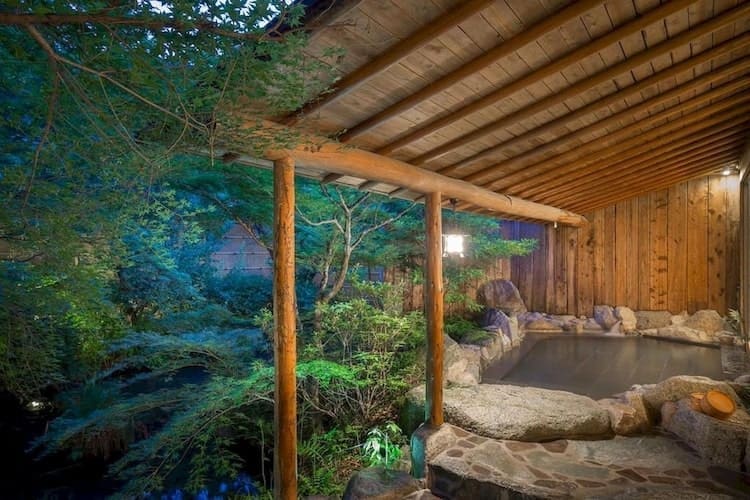
If you want to leave the city for a night and spend time enjoying a ryokan, Seiryuan is my first recommendation. There are only six rooms on spacious grounds with a Japanese garden, so it’s a place I’d choose for the stay itself, with the afternoon free to enjoy it.
Every room has its own hot-spring bath, which makes it particularly appealing if you want to bathe with your partner. The rooms have different layouts, so I suggest looking through them before choosing. I’d also recommend a plan with dinner and breakfast: the inn serves Japanese course meals that change with the seasons, and the food is part of why I’d spend a night here.
To allow time for all of that, plan your arrival before filling the day with sightseeing. Seiryuan is in Akizuki, a historic town in Asakura, about 1 hour by car from Fukuoka city. Public transport takes longer, so check the route to the inn when planning that day’s journey.
Daimaru Besso
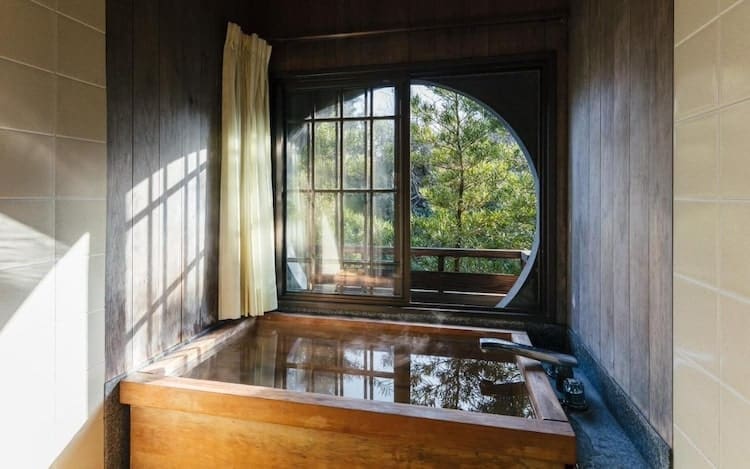
For a ryokan with a long history, I recommend Daimaru Besso. It opened in 1865 in Futsukaichi Onsen, in Chikushino, outside Fukuoka city. It’s larger than Seiryuan, with a large Japanese garden and several accommodation buildings from different periods.
Those buildings give you quite a choice of room sizes and styles. Heiantei rooms have two Japanese-style rooms and a living room, while Showatei rooms are smaller. If the older buildings are what appeal to you, keep in mind that Taishotei is currently closed.
For bathing, you can use the large communal hot springs or the indoor bath in your room. However, the room baths use ordinary water, so I recommend Seiryuan instead if having a private onsen is a priority.
Some of those room baths are also being replaced. If you’re staying in September 2026, check the renovation notice: work is scheduled through September 16 and again from September 24 to 30, with noise generally expected between 11:00 and 15:00.
Roppokan
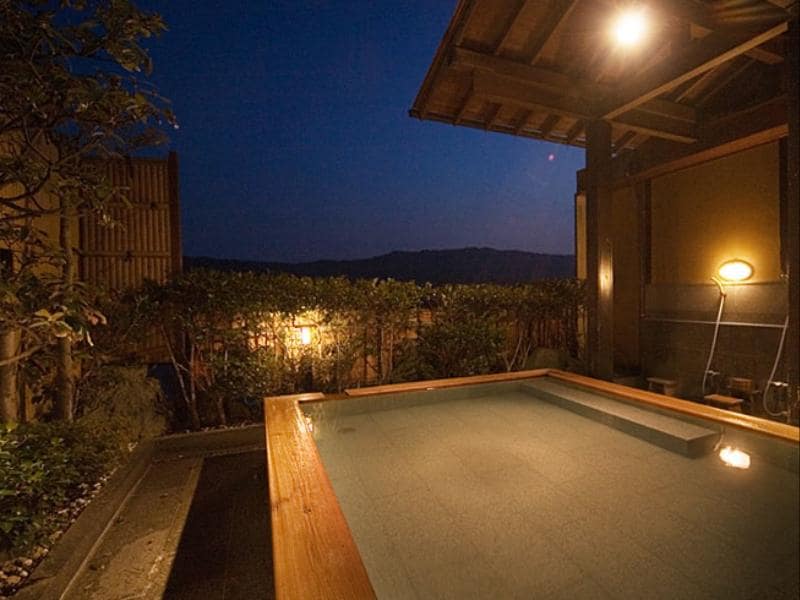
I suggest Roppokan if you like the idea of looking out over a river from your room and the baths. It’s in Harazuru Onsen, a hot-spring area in Asakura beside the Chikugo River. The rooms face the river and surrounding fields, and you can also see the river from the communal outdoor baths.
For me, that’s a good reason to arrive in the afternoon and spend the rest of the day at the inn. If you’d like a bath of your own, there are more expensive rooms with private baths as well as standard rooms. Be sure to choose one of those categories when booking, since only selected rooms include a private bath.
You can get there without a car, too. The inn offers pickup from nearby stations and bus stops, including Chikugo-Yoshii Station and Haki bus stop. I suggest arranging the pickup when you book so you know where to meet the driver.
Nansuikaku
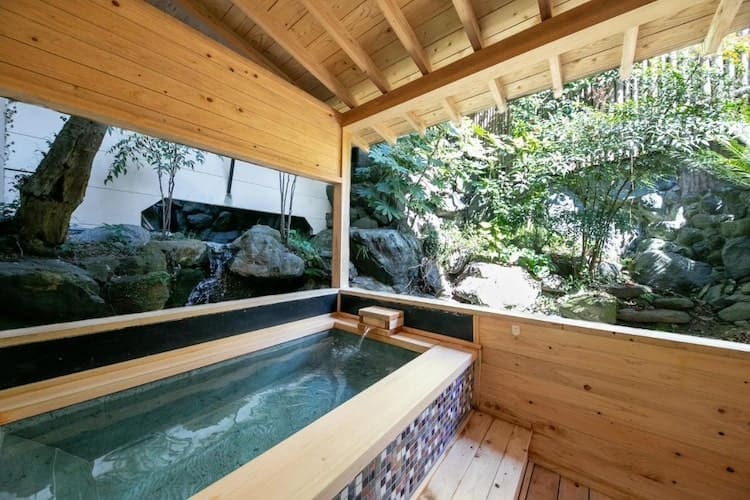
If you’d enjoy trying several different baths during your stay, I recommend considering Nansuikaku. It’s beside the Inunaki River in Wakita Onsen, in Miyawaka, with communal indoor baths, family baths, and more outdoor baths at the affiliated Yunozen no Sato, a short walk away.
You can also choose a room with its own hot-spring bath. Some rooms combine tatami space with Western-style beds, which I’d recommend if sleeping on a futon would be uncomfortable. I still prefer Seiryuan for a small inn, but Nansuikaku gives you more choice of rooms and bathing facilities. If you plan to use a private bath outside your room, check whether it needs a separate reservation or costs extra.
For a visit without a car, you can use the free shuttle from Sasaguri Station. It runs once a day for overnight guests, so you’ll need to plan your arrival around it and reserve at least 2 days ahead. Seats are limited.
Kominka Neri
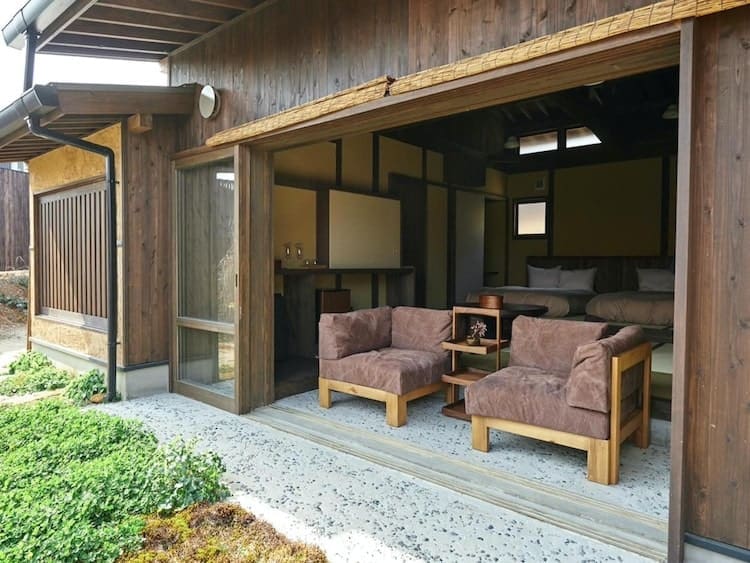
I suggest Kominka Neri if you want somewhere secluded and like the idea of having your own living room as well as a bedroom. It’s in Otono, in Miyawaka, and takes its name from kominka, traditional Japanese houses. There are six guest units, each with a living room, bedroom, and bathroom, for a maximum of two guests.
I think it suits a couple who want to spend most of their visit at the property. I’d still recommend starting with Seiryuan or Daimaru Besso for a first ryokan stay near Fukuoka, but Neri is worth considering if you particularly like this style of accommodation. When you compare the packages, look at the meals included as well as the room, since there are different dining plans.
If you’re arriving without a car, ask about the transfers from Sasaguri Station or Wakamiya Interchange. They’re available for overnight guests, with limited space, and you need to request one at least 4 days before your stay. Confirm the transfer before planning your journey around it.
Which Ryokan Would I Choose?
Personally, I’d choose Seiryuan if I were setting aside a night for a ryokan near Fukuoka. I like the combination of a small inn, a garden, and a private hot-spring bath in every room. Daimaru Besso would be my alternative if I wanted a historic property with larger grounds.
For a stay in the city, I recommend Nishitei, or Yamamoto if you want to keep the cost down. Either lets you include a night in a traditional inn while spending your days exploring Fukuoka.
If this will be your first ryokan stay, my guide to staying in a ryokan in Japan explains the rooms, meals, and daily routine. It’s worth reading before you book, especially if you’re unsure about the food or sleeping on a futon.