

A two-week Japan trip can be relatively affordable, surprisingly expensive, or somewhere in the middle depending on just a few choices: where you stay, how often you move around, and how much you spend on experiences.
If you want my short version, I would plan roughly like this excluding international flights:
- budget trip: around ¥180,000 to ¥250,000 per person
- comfortable trip: around ¥300,000 to ¥450,000 per person
- higher-end trip: ¥500,000+ per person
Then add your international flight on top.
That does not mean everyone should aim for the cheapest version. Japan is one of those places where spending a bit more in the right categories can make the whole trip smoother.
Some links on YavaJapan are affiliate links. If you book or buy through them, I may earn a small commission at no extra cost to you. It helps support the site, and I only link to places, stays, and experiences I genuinely think are worth recommending.
Quick Answer
For most first-time visitors, I think a realistic two-week budget is usually ¥300,000 to ¥450,000 per person before flights.
That is the range where you can stay in decent hotels, eat well every day, move around without obsessing over every yen, and still leave room for a few memorable experiences.
Could you do it for less?
Yes.
But once people start trying to push the number too low, the trip usually gets worse in the least interesting ways: bad hotel locations, constant budget stress, too much convenience-store food, or skipping the experiences that would have made the trip feel special.
If You Want the Short Version
| Travel style | Excluding international flights | What it usually looks like |
|---|---|---|
| Budget | ¥180,000-¥250,000 | hostels or cheap hotels, simple meals, careful transport, mostly low-cost activities |
| Comfortable | ¥300,000-¥450,000 | well-located business hotels or mid-range hotels, good food, flexible transport, a few paid experiences |
| Higher-end | ¥500,000+ | better hotels or ryokan, more taxis and premium transport choices, stronger food budget, deeper cultural experiences |
If you want the category that changes the total most, it is usually accommodation.
How I Would Split the Budget
The latest available JNTO visitor spending data is still useful as a reality check, especially because it shows where travelers usually spend the most.
A typical split looks roughly like this:
- 45% accommodation
- 20% food
- 15% transportation
- 15% shopping
- 5% entertainment / experiences
I think that last category is where many people underbudget Japan.
The percentages are useful, but I would not build the whole trip around them mechanically.
What matters more is understanding which categories are flexible, which are not, and where spending a little more actually improves the trip.
International Flights
Flights are obviously a big part of the total trip cost, but they vary so much by origin that I do not like pretending there is one universal answer.
If you are flying from somewhere in Asia, the number can be very reasonable.
If you are flying from Europe, North America, or Australia, the flight can easily become one of the biggest single expenses of the whole trip.
That is why I prefer to budget the trip itself first, then add the flight separately.
My Flight-Budget Approach
I would usually estimate flights in one of these three buckets:
- low: if you are flying from nearby or using a particularly good deal
- normal: if you are booking a regular long-haul economy ticket with decent timing
- high: if you are flying in peak season or booking late
Trying to save too much here can also backfire if you end up with bad flight times, long layovers, or extra baggage fees.
Accommodation
Accommodation is where the budget moves fastest.
This is also where a lot of people make bad decisions.
Trying to save a small amount by staying in the wrong area can cost you more in transport, time, and energy than you save on the room itself.
For the Tokyo part of the trip, read my guide on where to stay in Tokyo. If you want one special stay, this guide to staying in a ryokan in Japan will help.
Typical Hotel Price Ranges
| Type | Typical price |
|---|---|
| Capsule hotel | from ¥4,000 per person |
| Guesthouse | from ¥4,000 per person |
| Low-cost hotel | ¥8,000-¥12,000 per night |
| Standard business hotel | ¥15,000-¥20,000 per night |
| 3-star hotel | ¥15,000-¥25,000 per night |
| Mid-range 4-star hotel | ¥25,000-¥40,000 per night |
| Traditional ryokan | ¥40,000-¥100,000 per night |
| 5-star hotel | from ¥50,000 per night |
| Luxury hotel | from ¥100,000 per night |
Those are broad ranges, not fixed laws.
Tokyo, Kyoto, and peak travel periods can push them much higher.
Where I Would Spend a Bit More
If I were trying to optimize a first trip, I would usually spend a little more for:
- better location
- easy station access
- a room size you can actually live with
- at least one special stay, especially if that means a good ryokan
I would cut room luxury before I cut location.
That is almost always the smarter trade.
Best Way to Book Hotels in Japan
For hotels and ryokan, I still think it is worth checking both Booking.com and Agoda.
Availability, room type, and pricing can differ more than people expect.
If I am looking for a traditional stay, I also like checking specialist options and my own ryokan guides rather than relying only on giant booking sites.
Food
Food is one of the best parts of traveling in Japan, and also one of the categories where people worry too much.
Japan does not require a giant food budget to eat well.
That is one of the reasons I think Japan can feel surprisingly good value once you are here.
Typical Food Budget
| Type | Typical price |
|---|---|
| Budget meals | ¥700-¥1,300 per meal |
| Mid-range restaurants | ¥1,500-¥3,000 per meal |
| Casual izakaya with drinks | ¥3,000-¥7,000 per person |
| Fine dining | from ¥12,000 per person |
Since moving to Tokyo in 2019, I have genuinely found it hard to have a bad meal in Japan, even at the cheap end.
That does not mean every restaurant is unforgettable. It means the quality floor is high.
Where I Would Save
Food is one category where I think it is perfectly fine to mix budgets.
You do not need three expensive meals every day.
One of the best ways to travel in Japan is to alternate between:
- cheap local lunches
- convenience-store breakfasts when practical
- the occasional nicer dinner
- a few special food experiences if that matters to you
If you are short on time, it is late, or you just do not want to overspend, chains like Yoshinoya, Matsuya, and Sukiya are still genuinely useful.
What I Would Not Do
I would not build the trip around famous places with one-hour queues unless you are very sure they are worth it to you.
A lot of the meals people remember most in Japan are not the places with the longest line.
They are the slightly old-fashioned restaurants with regulars, friendly owners, and a good atmosphere.
Transportation
Transport is one of the categories people overcomplicate before they come to Japan.
The big question used to be the JR Pass.
Now, much more often, the answer is simply that the JR Pass is not worth it.
Long-Distance Transportation
A single shinkansen trip is not cheap, but it is also not the disaster some first-time visitors imagine.
If you are doing the classic Tokyo-Kyoto-Osaka route with maybe one or two extra moves, buying tickets individually often makes more sense than forcing a JR Pass into the plan.
Local Transportation
For day-to-day city transport, the numbers are much easier to live with.
- metro and local train fares are often around ¥180 to ¥400 per trip
- many day trips using local trains are still manageable
- IC cards make the whole thing much easier
My Transport Strategy
I would budget generously enough that you do not spend the trip making small bad decisions just to save a little.
Examples:
- staying too far out because the room was cheaper
- refusing a convenient train because of a minor fare difference
- obsessing over rail passes that do not actually save much
That said, I still would not default to taxis or premium rail upgrades unless the trip budget clearly allows it.
Best Way to Buy Train Tickets
If you are not traveling during major domestic holiday periods, buying shinkansen tickets once you are in Japan is often completely fine.
If you want to book in advance, SmartEX can work, although some foreign cards still fail there.
For the JR Pass itself, if you truly need one, buy it either on the official JR Pass site or through an official reseller such as Japan Experience.
Activities and Cultural Experiences
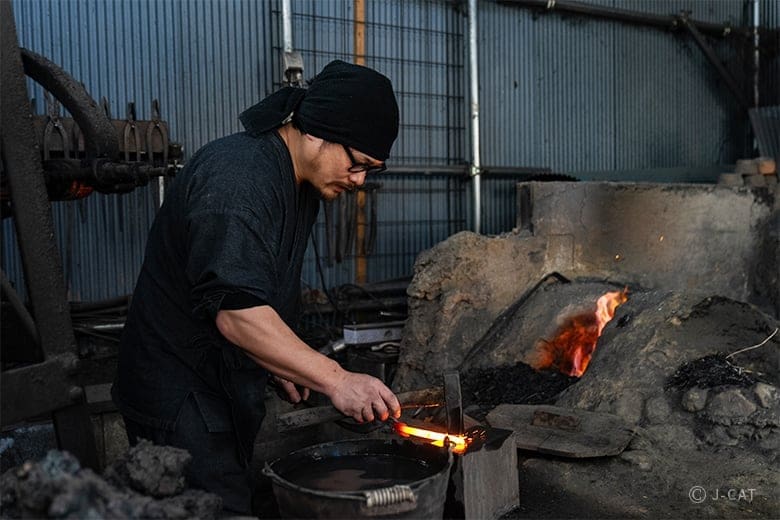
This is the category travelers underbudget most often.
According to JNTO, visitors spend only a small share of their trip budget on entertainment services. I think that is one of the least interesting ways to budget a Japan trip.
If you are already flying all the way here, I would rather cut a little on shopping or room category and leave space for one or two experiences you will actually remember.
Typical Activity Costs
| Type | Typical price |
|---|---|
| Major temples and shrines | free to ¥600 |
| Museums | ¥500-¥1,500 |
| Major attractions | ¥3,000-¥4,000 |
| Theme parks | ¥8,000-¥15,000 |
| Group cultural experiences | ¥3,000-¥10,000 |
| Private cultural experiences | ¥14,000-¥50,000 |
Where I Would Spend More
If there is one place I think a lot of people should spend more, it is here.
You do not need many expensive experiences.
But one or two good ones can end up being the part of the trip you remember most.
If you are still choosing what to book, start with my guide to the best cultural experiences in Japan.
Best Way to Book Experiences
For private cultural experiences, Wabunka is still the strongest option I know in Japan.
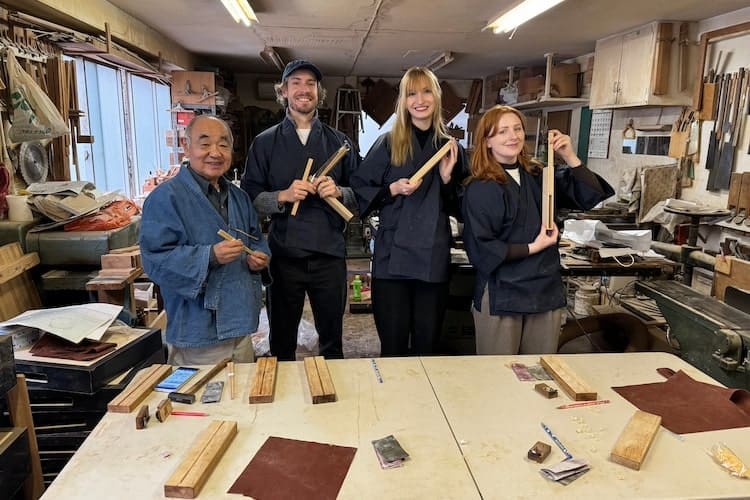
They focus on private cultural experiences and stays for international travelers, work directly with respected hosts such as artisans, monks, and artists, and the experiences feel much more personal than the standard marketplace version of this kind of activity. There are no mixed groups, and when needed they include an interpreter so the exchange stays smooth.
I have worked with Wabunka through my work in the Japan travel industry and I have done several of their experiences myself, including this Mogami Kogei chopstick workshop and this kintsugi experience in Tokyo.
If you want one deeper cultural experience on your trip, this is usually where I would start.
A few experiences I would still highlight here:
- Make a Temple-stamp Journal with Centuries-Old Woodblock Prints in Kyoto
- Nakamura Tokichi, Uji Authentic Tea Ceremony Experience with Hands-on Green Tea Milling
- Personalize Your Own Japanese Knife & Hone in a Premier World Hone Production Region
- Maiko Tea and Entertainment with Behind-the-Scenes Insights at Kyoto’s Oldest Geisha District
For popular attractions and simpler group tours, Klook is still very useful.
For group tours and experiences where you want something a bit stronger than the cheapest mass-market option, Viator can also be worth checking.
Shopping and Souvenirs
This category depends heavily on the traveler.
Some people barely buy anything.
Other people arrive with one suitcase and leave with two.
According to JNTO, shopping often takes a similar share of the budget as transportation, which sounds about right to me for a lot of first-time visitors.
Typical Shopping Ranges
| Type | Typical price |
|---|---|
| Small traditional items | ¥500-¥2,000 |
| Mid-range gifts | ¥1,500-¥4,000 |
| Premium craft items | ¥5,000-¥20,000+ |
My Shopping Advice
Do not arrive in Japan with a suitcase that is already full.
You will regret it.
And do not only shop in the obvious giant chains.
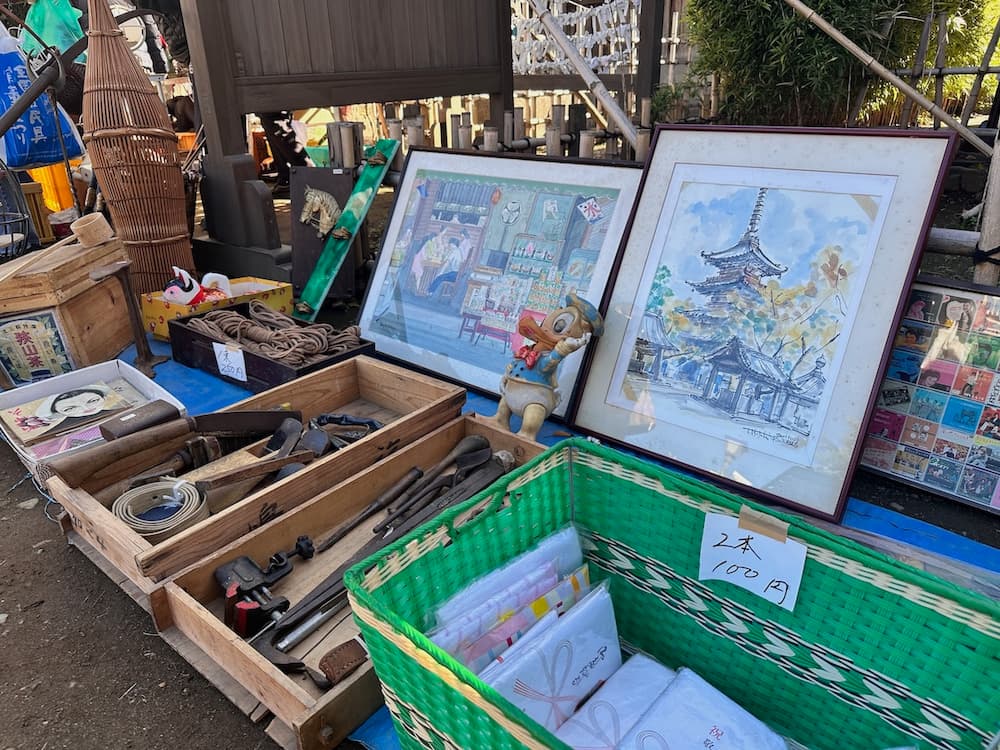
Places like Don Quijote, Daiso, and Tokyu Hands are useful, but some of the best purchases come from flea markets, artisan shops, ceramics stores, and smaller local brands you find while walking around.

What People Usually Underbudget
If I had to call out the three categories people most often misjudge, they would be:
- Accommodation, because bad location choices make the trip worse fast
- Experiences, because people leave too little room for the parts of the trip they will remember most
- Shopping, because Japan makes it very easy to spend more than you planned once you are actually here
Food is the category I worry about least.
Japan gives you too many good options at too many price points for food to be the thing that wrecks the budget unless you are actively trying to eat at the expensive end every day.
My Realistic Final Recommendation
If you want the safest planning number for a first two-week trip to Japan, I would budget ¥300,000 to ¥450,000 per person before flights.
That is the range where the trip usually feels comfortable without being extravagant.
If you want to go cheaper, it is possible.
Just be careful not to save money in ways that make the whole trip feel smaller, more stressful, or less memorable.
Japan can absolutely be expensive.
But in my experience, it is also one of the easiest countries to make feel worth the money if you spend in the right places.