

I recommend Oiso for a day trip from Tokyo if you’d enjoy visiting old Japanese houses, having lunch at a small restaurant, and walking by the sea. It’s on the coast of Kanagawa Prefecture, southwest of Tokyo, and the train from Tokyo Station takes roughly 1 hour 15 minutes.
Meiji Memorial Garden was my favorite stop, with spacious rooms looking out over the gardens. You can combine it with a novelist’s much smaller home, a park, and the beach, leaving time to stop at shops along the way.
For a less hurried visit, I recommend staying 1 night at the Oiso Prince Hotel and allowing time for its baths and spa. Staying in Oiso also saves a late train journey back to Tokyo if you’re coming for the Sagicho Fire Festival in mid-January. I’ve joined it myself and strongly recommend going, from the morning preparations to the enormous beach bonfires and the evening procession.
Some links on YavaJapan are affiliate links. If you book or buy through them, I may earn a small commission at no extra cost to you. It helps support the site, and I only link to places, stays, and experiences I genuinely think are worth recommending.
At a Glance
- Time to allow: 1 day for sightseeing, or 1 night to include time at the hotel.
- My favorite stop: Meiji Memorial Garden, for its historic houses and gardens.
- When to go: Autumn for the leaves at Joyama Park, mid-January for Sagicho, or summer if you mainly want time by the sea.
- Getting there: Roughly 1 hour 15 minutes from Tokyo Station to Oiso Station on the JR Tokaido Line.
- Getting around: Walk through the center, then use a bus, taxi, or bicycle for the sights farther west.
- Where to stay: Oiso Prince Hotel, especially if you’d enjoy its baths and spa. Check which facilities your room plan includes.
How to Plan a Day in Oiso
Oiso’s sights run from the streets around the station to Joyama Park and Yoshida’s residence farther west. The Prince Hotel is beyond those, while the beach is back near the center. For a day trip, I suggest visiting the houses before they close in the late afternoon, then returning toward the coast for a walk:
- Start at Shigitatsuan, then have lunch nearby at Hayashi-tei or Sugimoto.
- Visit the Former Toson Shimazaki Residence and continue past the old Tokaido pine trees to Meiji Memorial Garden.
- Head west to Joyama Park and Shigeru Yoshida’s residence. If you’d prefer less walking, take a bus or taxi for this part.
- Return toward the station and finish with a walk around the beach and port.
For an overnight visit, continue west to the Prince Hotel after Yoshida’s residence and leave the beach for the following morning. The festival is a reason to change that order: go to the beach for the morning preparations, visit a few houses during the day, and return for the fires in the evening.
If the houses are your main reason for coming, check their closure days before choosing your date. Several close on Mondays, with different arrangements around public holidays, and Yoshida’s residence also has a monthly maintenance closure.
If you’re still deciding how much of a longer trip to spend in smaller towns, my guide to choosing where to go in Japan can help you compare Oiso with places elsewhere on your route.
Follow the pins from Oiso Station through the historic town, coast, food stops, and the places worth considering for an overnight stay.
Things to Do in Oiso
Shigitatsuan
Shigitatsuan is a historic meeting place for studying and writing haiku, the short form of Japanese poetry. I hadn’t heard of a haiku dojo before visiting Oiso, but the thatched building and small garden make it worth a stop even if you have little interest in poetry.
It’s close to the station and the restaurants around the main road, so you can visit before lunch without going far out of your way.
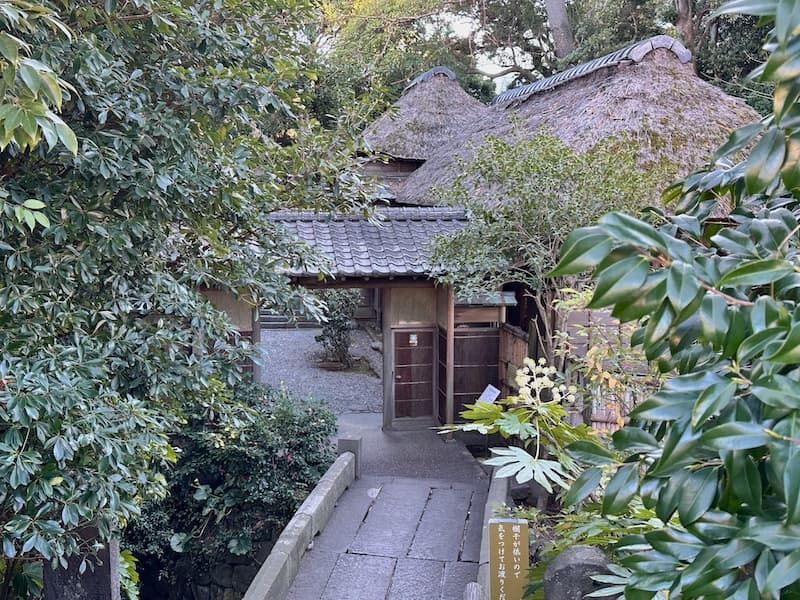
Shigitatsuan opens from 9:00 to 16:00 and closes on Mondays except public holidays. Admission is ¥210 for adults who live outside Oiso.
Find Shigitatsuan on Google Maps
Former Toson Shimazaki Residence
The novelist Toson Shimazaki lived here in his final years before his death in 1943. With just three rooms, cedar bark on the outside walls, and old glass in the sliding doors, it’s a modest home compared with the large villas elsewhere in Oiso.
Visit it on the way from Shigitatsuan to Meiji Memorial Garden to see that difference for yourself. It’s a short walk from Shigitatsuan and still close to the station.
Find the Former Toson Shimazaki Residence on Google Maps
The Old Tokaido Pine Trees
Look for these pine trees as you walk toward Meiji Memorial Garden, near Oiso Junior High School. They mark part of the old Tokaido road, which connected Edo, now Tokyo, with Kyoto. The trees planted along that route gave travelers shade.
I wouldn’t make a separate trip for this stretch. It follows the present-day main road, with traffic alongside the trees, but it gives a little context to the walk between the houses.
Find the Tokaido Pine Trees on Google Maps
Meiji Memorial Garden
Of the houses in Oiso, these were my favorite. They once belonged to wealthy and influential residents, and I loved seeing how the rooms opened onto the gardens. If you enjoy Japanese architecture, I recommend allowing time to walk through both houses and their gardens.
The long windows bring light into the rooms, and the raised floors change the view depending on whether you’re standing or sitting on the tatami (woven floor mats). As you move through the wooden passageways, you can also see Western details alongside the traditional Japanese rooms.
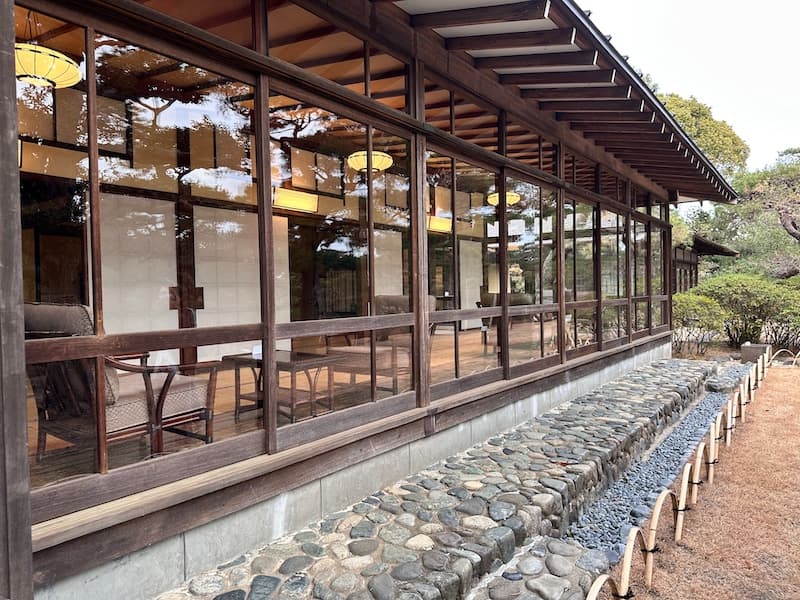
Most of the rooms had little furniture when I visited. In one house, the kitchen and bathroom contained everyday objects, including plates and utensils, which helped me picture people actually living there.
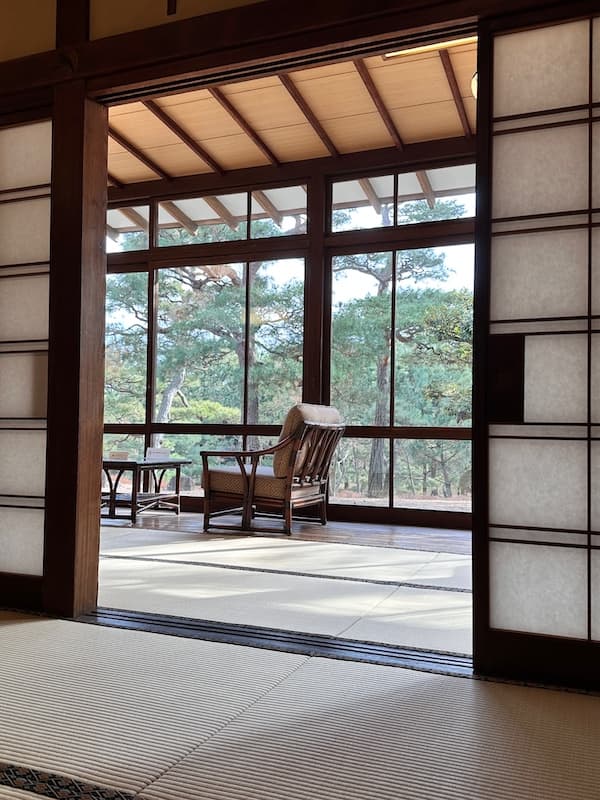
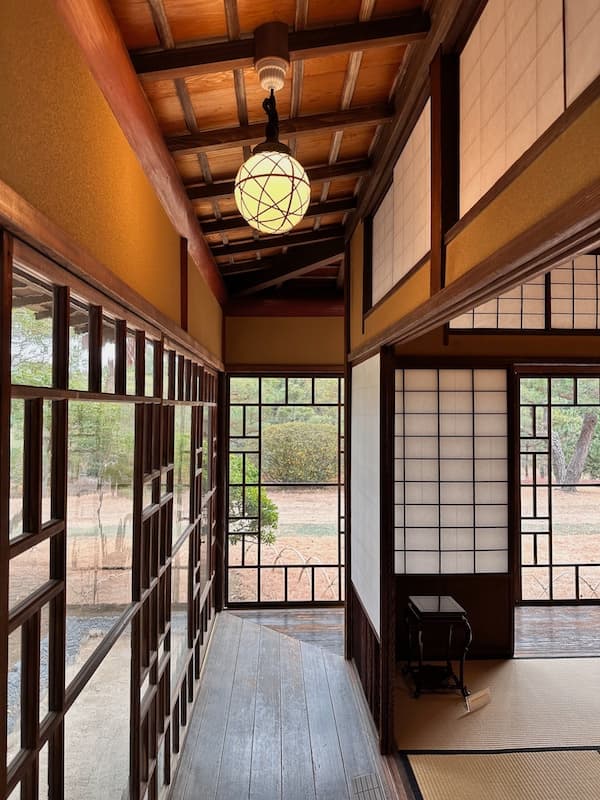
Allow about 1 hour for the houses and gardens, or longer if you enjoy architecture. You can go inside both houses in the eastern area, while work continues on the wider site. Entry is free, and you’ll need socks to go inside because bare feet aren’t allowed.
The garden opens from 9:00 to 16:30, with last entry at 16:00. It closes on Mondays, or the following day when Monday is a public holiday, and over New Year. Check the opening arrangements if you’re visiting around a holiday.
Find Meiji Memorial Garden on Google Maps
Oiso Joyama Park
Joyama Park is especially worth visiting for the autumn leaves, usually from late November to early December. Outside that period, it’s a pleasant place for a walk and a tea break, though I wouldn’t make it the main reason for coming to Oiso.
The paths take you through the grounds of a former Mitsui family villa, where you’ll also find the local history museum. On a clear day, you may see Mount Fuji and the Izu Peninsula from the viewpoint.
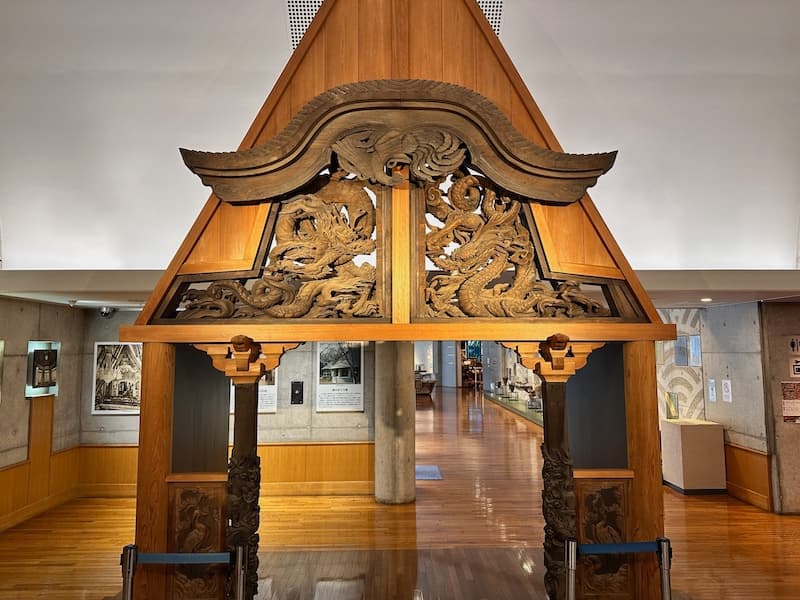
For a break during your walk, stop at the Joyamaan tea house for tea and a sweet overlooking the garden. You can also arrange a tea class or reserve a room, which are separate from the casual tea service.
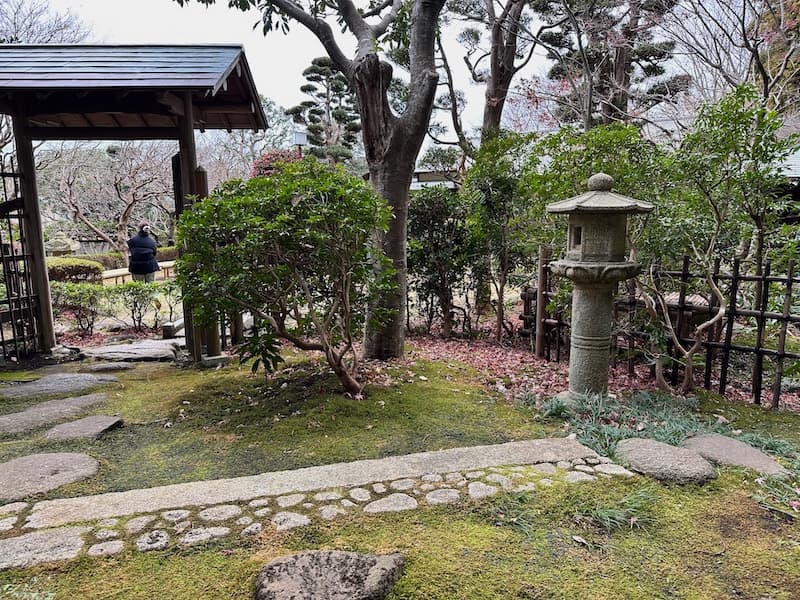
Find Oiso Joyama Park on Google Maps
Shigeru Yoshida’s Former Residence
Shigeru Yoshida, one of Japan’s postwar prime ministers, lived in Oiso for many years. The house you can visit today is a reconstruction following a fire in 2009. Rooms were recreated from photographs and records, while parts of the grounds, including the Kabuto Gate and Seven Sages Hall, survived.
It’s worth visiting if you’re interested in architecture or modern Japanese history, and it’s just across the main road from the Mitsui section of Joyama Park. You can walk around the surviving grounds as well as visiting the reconstructed rooms, though the Seven Sages Hall normally opens its doors only on special occasions.
The house opens from 9:00 to 16:30, with last admission at 16:00, and adult admission is ¥510. Check the closure calendar for Mondays, the monthly maintenance day, and New Year. The surrounding garden has a separate opening schedule.
Find Yoshida’s Former Residence on Google Maps
Oiso Beach and Port
After visiting the houses, I enjoyed having some time to walk along the beach. It’s close enough to the station to make a good last stop before returning to Tokyo, or a place to visit the next morning if you’re staying overnight. On festival day in January, come earlier to see the bonfires being prepared.
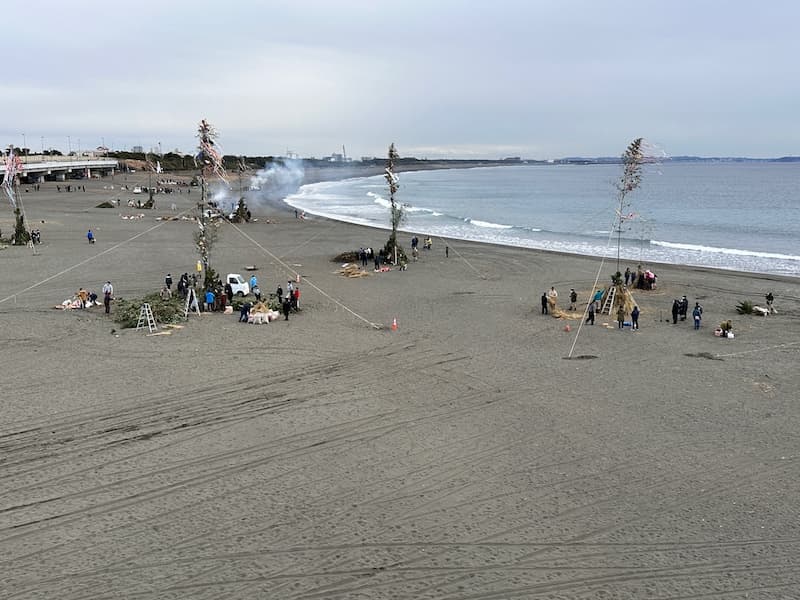
Find Oiso Beach on Google Maps
The Oiso Connect building is near the port. Before planning a meal there, read the café update below, as the original businesses announced their closure in March 2026.
Where to Eat and Shop in Oiso
Hayashi-tei and Sugimoto are near the central sights, so either is a good place for lunch before you head west to the park and Yoshida’s residence. The nearby confectionery and fish-cake shops are also worth a stop for something to bring back for friends. Buying a few local products supports the shops you’re visiting, and having some cash for meals and small purchases will give you more choice.
Hayashi-tei
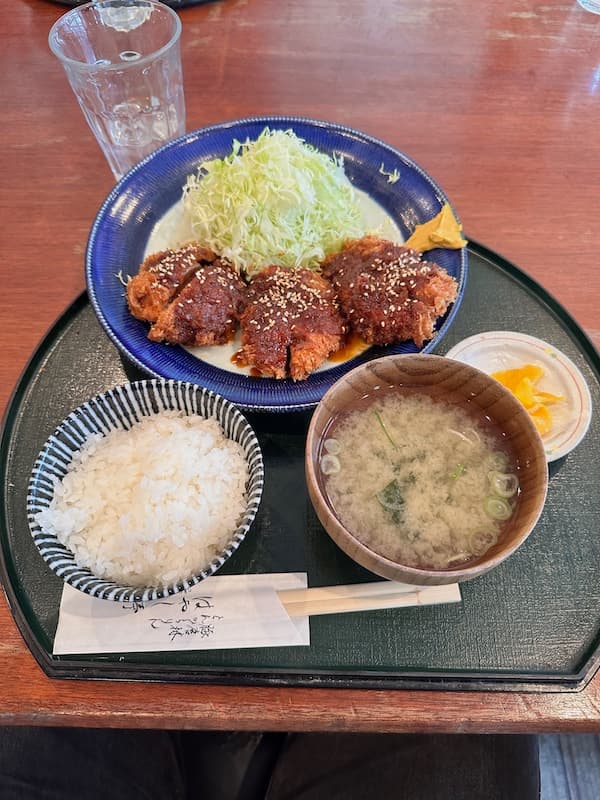
For a filling lunch, I recommend Hayashi-tei, a tonkatsu (breaded pork cutlet) restaurant about a 5-minute walk from the station, close to Shigitatsuan. It has wooden tables and a retro interior. The portions were generous on my visit, and the miso soup that came with my meal was especially good.
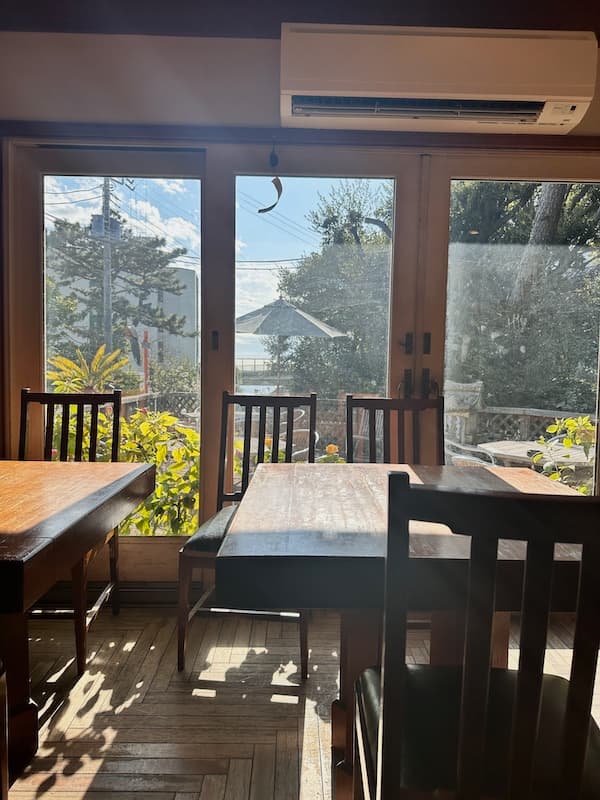
Find Hayashi-tei on Google Maps
Sugimoto Chicken Restaurant
If you’d prefer chicken, Sugimoto specializes in dishes such as karaage (Japanese fried chicken) and yakitori (grilled chicken skewers). It’s a traditional restaurant near the main road, so you can eat here before continuing west toward the houses and park. The lunch service is short, so check the day’s hours before setting off.
A Note About Oiso Connect Café
The café and shop I visited announced their closure in March 2026, so check with the tourism information center before planning a meal at Oiso Connect. In the previous operator’s closure notice, the shop’s final trading day was March 1, 2026, and the café’s planned final day was March 22, 2026.
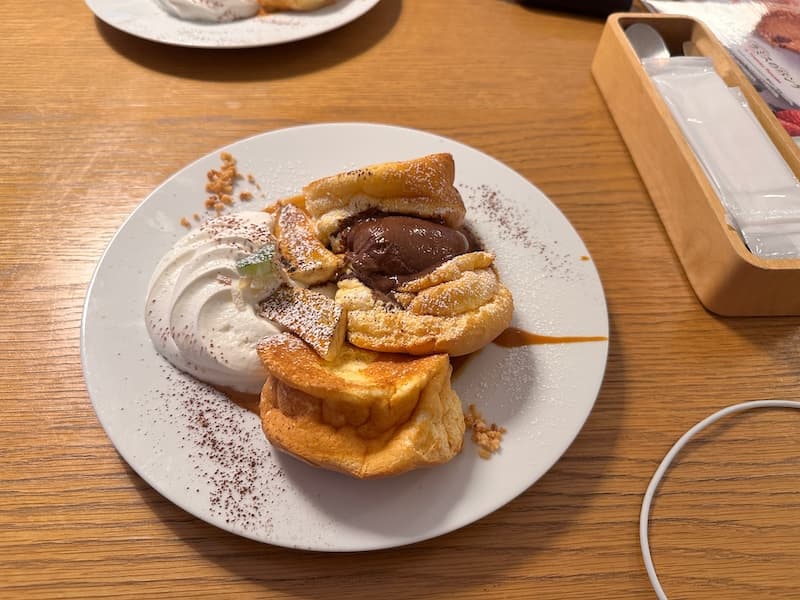
On my earlier visit, I really liked the banana chocolate pancakes. They looked enormous but were so light that I finished the plate easily. Downstairs, the shop sold local fish, vegetables, souvenirs, beer, and craft cola.
Shinkine Kashiho
Shinkine Kashiho is a long-established confectionery known for Saigyo manju (steamed buns filled with sweet red bean paste). Stop here if you’d like a small, edible souvenir to bring back to Tokyo.
Find Shinkine Kashiho on Google Maps
Oiso Inoue Kamaboko
For something savory, Oiso Inoue sells kamaboko (Japanese fish cake) and other foods made from fish paste. This is another long-established shop in the center, with products you can eat as they are or add to a meal. If you’re taking some back to Tokyo or keeping them overnight, ask how they should be stored.
Find Oiso Inoue on Google Maps
Staying Overnight at Oiso Prince Hotel
I recommend the Oiso Prince Hotel if you want to spend 1 night in Oiso and have time for the baths and spa. I was impressed by the stay: the room was comfortable, dinner was excellent, and it felt like good value for what I paid. Allow some time at the hotel as well as sightseeing, so you can enjoy what you’re booking.
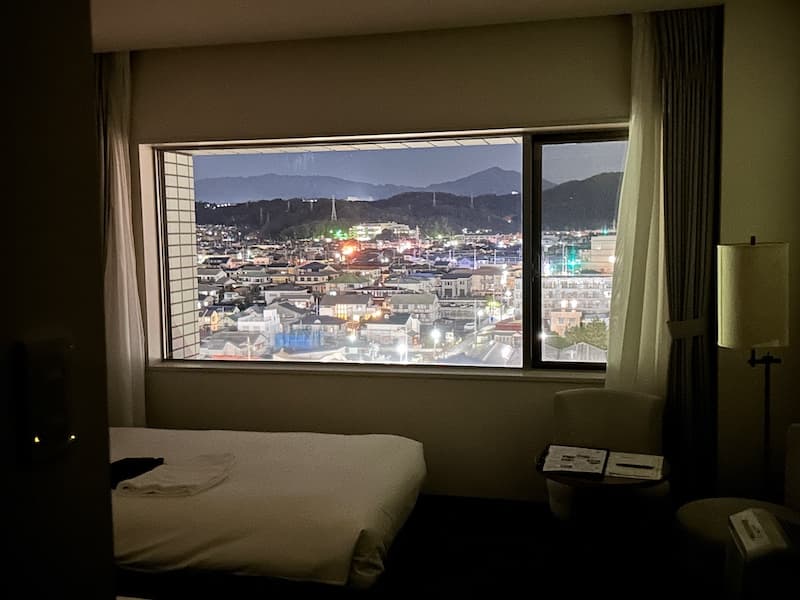
I loved the view from my room, looking out over the illuminated town at night. Other rooms face the ocean or mountains, so compare the views alongside the room size when choosing where to stay.
Baths, Spa, and What Your Booking Includes
At THERMAL SPA S.WAVE, the onsen (hot spring bathing) floor has separate baths for men and women. The spa floor is mixed, with saunas and a heated infinity pool, and you’ll need a swimsuit to use it.
Check whether spa access is included in your room plan, as it costs extra with some bookings. Comparing the spa access and extra charges alongside the room and meals will give you a better idea of the total cost.
For families, the spa floor is normally for ages 12+, but the hotel also offers temporary access for younger children staying overnight. Check whether that applies to your dates before booking. Guests with tattoos or wearing diapers aren’t admitted to the baths or spa.
Dinner at the Hotel
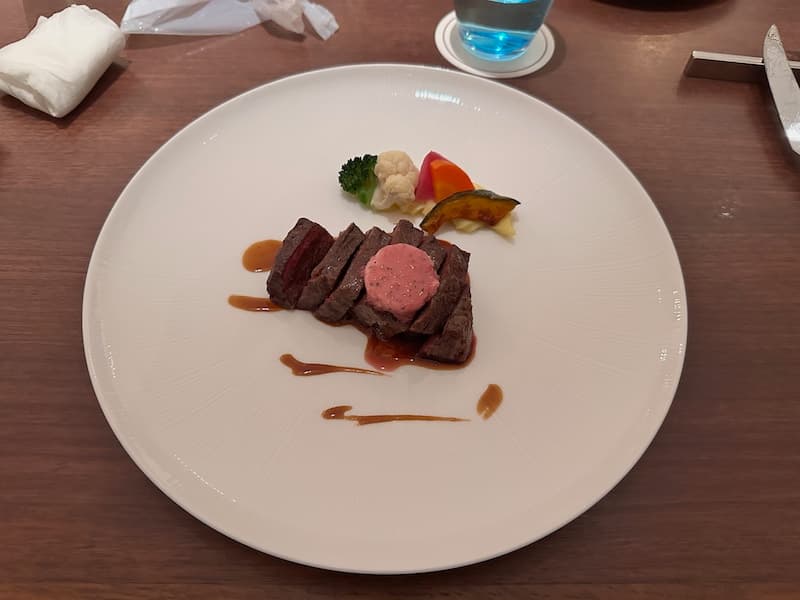
Dinner was one of the reasons I enjoyed the hotel so much. My main course was served at the table, with buffet starters and desserts, and the service was excellent. I ended up eating more than I’d planned, so I was glad my room was only a short walk away.
I recommend eating here if you’re staying overnight, though the menus and packages vary. Check the dining options and whether dinner is included in your booking.
If you’re staying on festival night, plan dinner around the fires. The hotel is farther west than the festival beach, so you’ll need time to travel between them.
Getting to and Around Oiso
From Tokyo Station, the JR Tokaido Line toward Odawara or Atami takes roughly 1 hour 15 minutes to Oiso, depending on the service. You can also travel from Shinjuku on a Shonan-Shinjuku Line service toward Odawara, but check that the train you choose stops at Oiso.
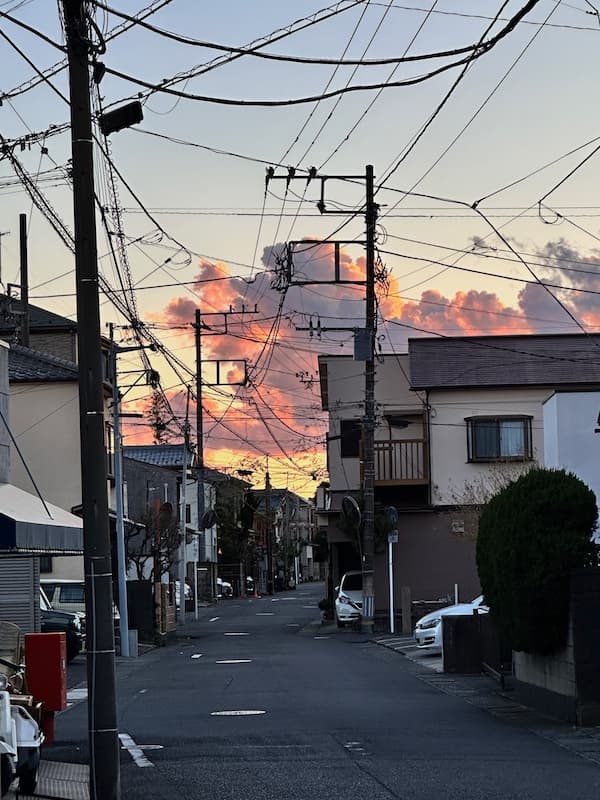
Walking works well for the streets around the station, the literary sites, restaurants, and coast. I enjoyed the residential streets too, and a chat with the convenience-store clerk near the station, who was surprised to meet visitors who spoke Japanese. Leave a little time between the sights for stops like these.
Farther west, Joyama Park and Yoshida’s residence are roughly a 30-minute walk from the station, with more walking inside the grounds. The Prince Hotel is beyond them, so a bus or taxi is useful with luggage.
A taxi from Oiso Station to the hotel takes about 9 minutes. Direct buses run on weekends and public holidays, while other services stop at Oiso Prince Hotel Iriguchi, about a 7-minute walk from the hotel. Use the bus directions and timetable links to plan the journey, particularly if you’re returning after the festival.
To cover more of town by bicycle, you can rent one from the tourism information center outside the station. Rental costs ¥500 plus a refundable ¥2,000 deposit, and bikes must be back by 16:00. Confirm availability, the price, and the day’s return arrangements when you collect yours.
Hello Cycling is another option, with bicycles you collect and return through an app. Set up the app and payment method before arriving so you can check available bikes, return spaces, and the charge for your chosen bicycle. Prices vary by bicycle type. Some routes have hills, so cycling is best if you’re comfortable riding around town.
Oiso’s Sagicho Fire Festival
I strongly recommend going to Sagicho if you’re nearby in mid-January. I helped with the preparations, watched the bonfires, and joined the procession through town. Being able to take part made the day especially enjoyable, and I’d leave the evening free for it.
The main event takes place at Kitahama Beach, near Oiso Port, about a 10-minute walk from Oiso Station. The date varies from year to year, so check the town’s festival announcement before fixing your plans. Recent editions have lit the bonfires at around 18:30.
What the Festival Celebrates
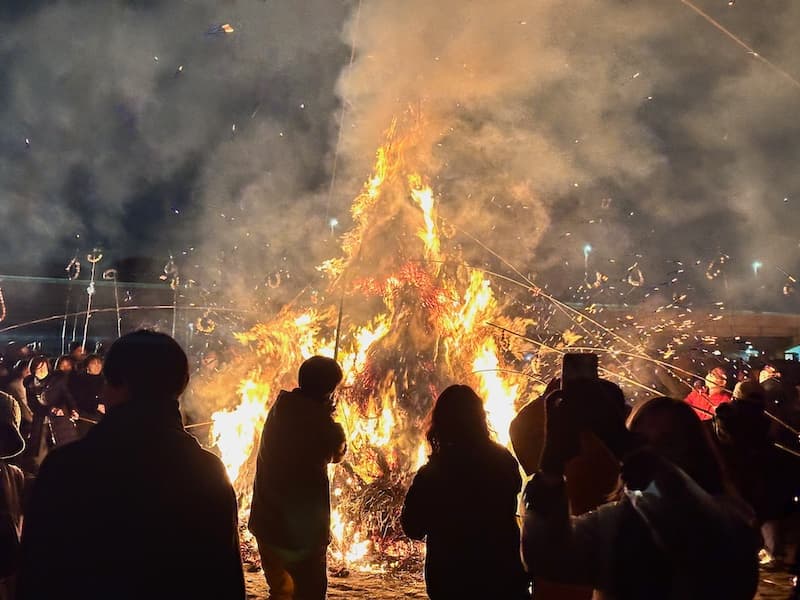
Sagicho is a New Year festival for Dosojin, a local guardian deity. Residents from nine districts of Oiso collect New Year decorations and use them to build nine huge bonfire structures called saito. They burn them in the evening while praying for health and good fortune.
Some of the related customs happen before the bonfire day. Ichiban Musuko takes place in December, when children visit homes and strike the ground with stones while chanting wishes for each household.
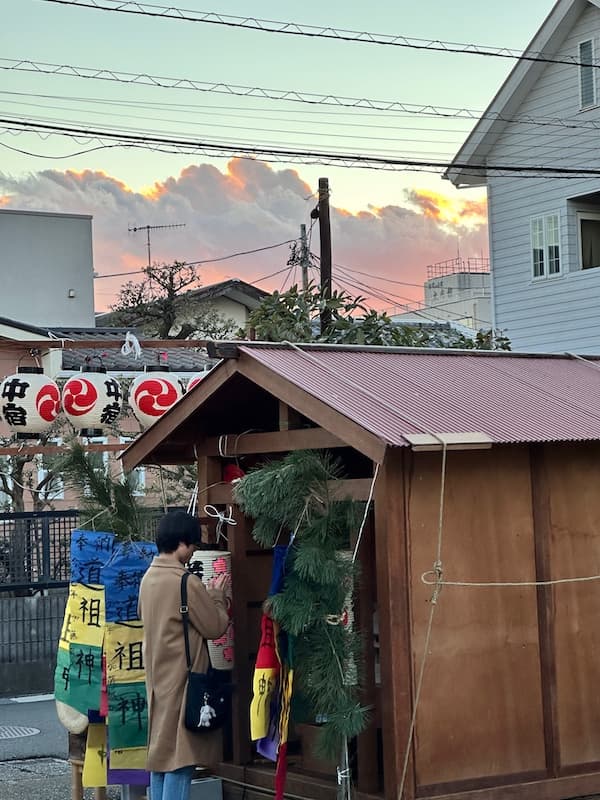
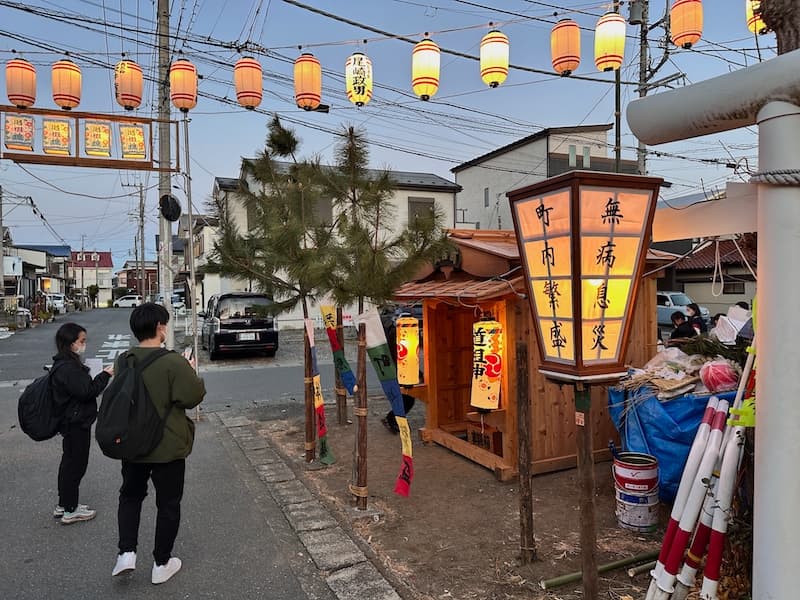
For Nanatoko Mairi, people visit temporary shrines called okariya to pray and leave small offerings, with children there to welcome them. These huts are dismantled as preparations move to the beach, so you’ll see different parts of the celebrations depending on when you visit.
Watching the Preparations
In the morning, each district works on its own saito, adding wood, pine, straw, and decorations. I recommend coming to see this if you can, as you’ll get a close look at the structures before they’re lit.
I helped with the preparations on my visit, and people were friendly and happy to talk. It was a good way to spend part of the morning, watching everyone work together and joining in where I could.
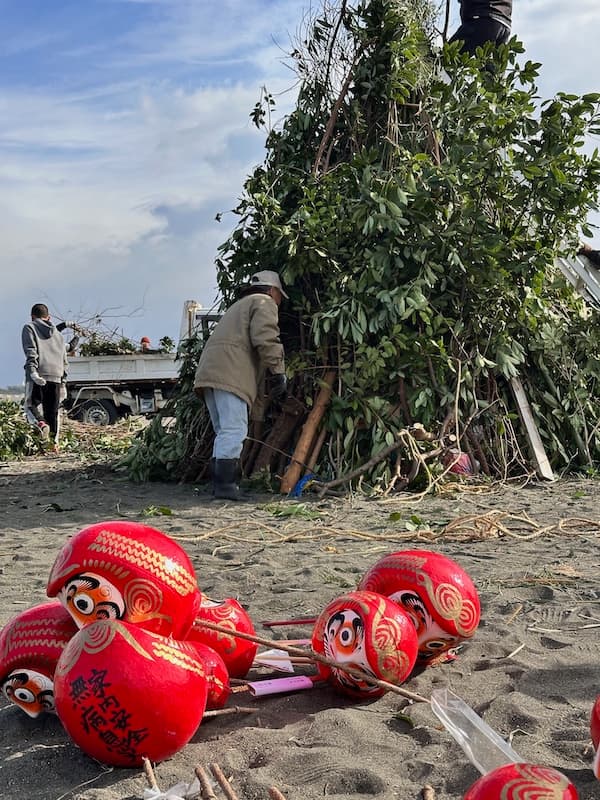
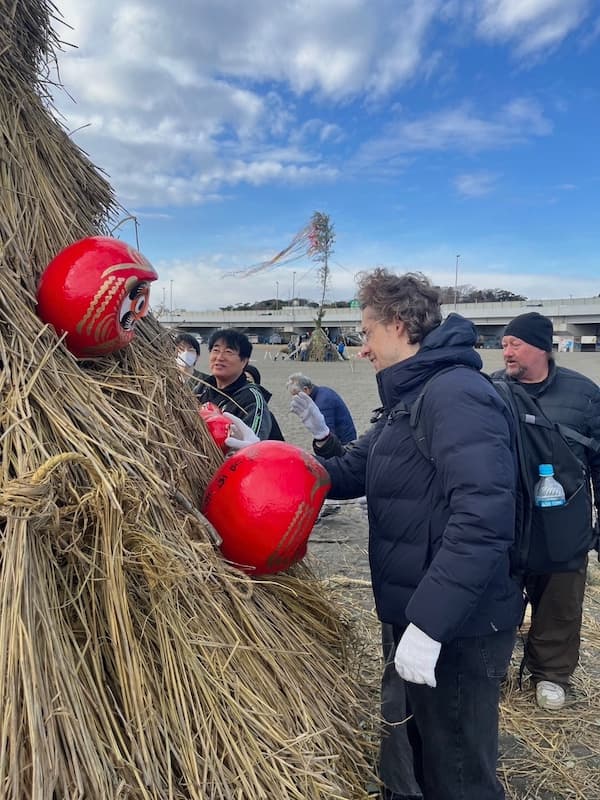
Alongside the saito, people prepare dango (rice dumplings) for the evening. They’re attached to the ends of long bamboo poles so they can be held toward the fire to roast.
The Bonfires and Roasting Dango
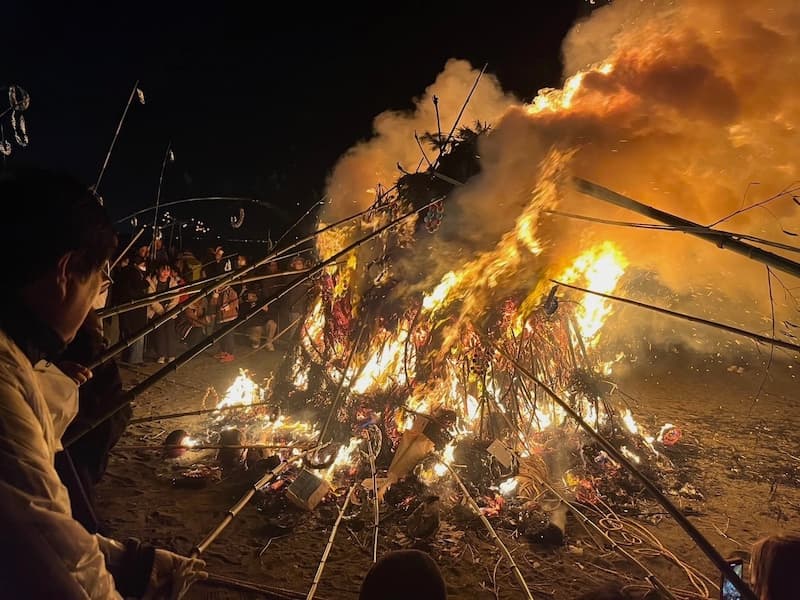
Once the saito were lit, I was struck by how quickly the flames grew and how much heat they gave off. People stood close around them, but the wind carried sparks toward the crowd, and people had to move back as parts of the structure collapsed. It was exciting to watch, and the heat was intense even before getting close enough to roast anything.
Around the fires, people held out their bamboo poles to roast dango, which are eaten in the belief that they’ll bring good health for the coming year. Holding a long pole steady is harder than it looks. With the heat coming toward them, people kept stepping back to cool down before trying again.
The Yannagokko Ritual
Yannagokko was one of my favorite parts of the festival. Men wearing fundoshi (traditional loincloths) head into the sea for a tug-of-war with others on the beach, with a small shrine on a sled between the two sides. The land side wins, symbolizing the sea’s bounty being brought ashore.
After the tug-of-war, the shrine structure is broken up, and the sled is pulled through the neighborhood toward the district shrine. The men stay on the sled in their fundoshi, despite having just been in the sea on a January night.

When I joined the procession, we stopped for chants along the way before reaching the shrine, where we were welcomed with sake and tofu. I really enjoyed being part of it, especially after seeing the preparations earlier in the day.
Tips for Attending
- Arrive 30 minutes to 1 hour before the lighting. This gives you time to walk along the beach and find somewhere to watch.
- Dress for a January evening by the sea. The fires are hot nearby, but you’ll also be standing away from them and walking through town. Wear warm layers and shoes that work on sand.
- Choose clothes you can wash afterward. Smoke and flying sparks are reasons to leave delicate outerwear at the hotel.
- Give the fires plenty of space. Keep children close, follow the organizers’ directions, and move back if the wind sends smoke or sparks toward you.
- Ask before joining in. Customs differ between districts, so follow the local group’s directions if you want to help with preparations or join a procession. Ask locally about arrangements if you’d like to roast dango.
- Plan your return journey. Check trains back to Tokyo or transport to your hotel before the evening begins. The hotel is in a different part of town from the festival beach.