
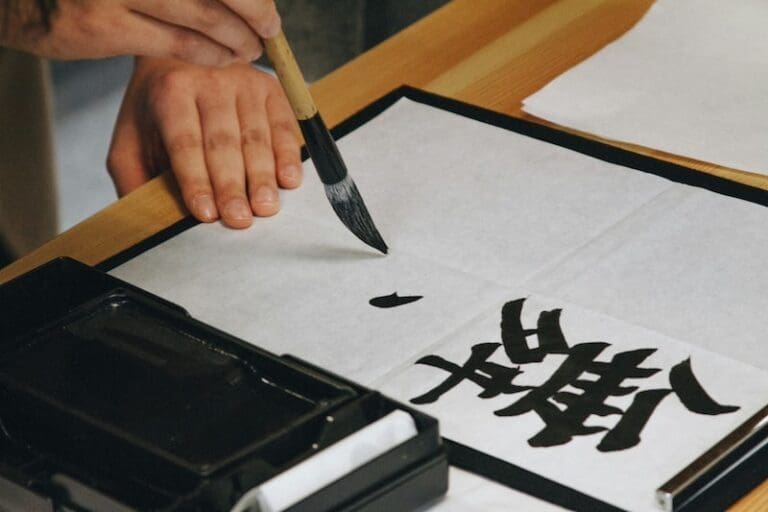
If calligraphy is something you’re particularly looking forward to in Japan, I recommend a private lesson with Saori Kunihiro in Kyoto or Kasetsu in Tokyo. Saori combines writing with a visit to an art-mounting workshop, while Kasetsu explores the origins of Japanese characters and different ways to write them. I think these longer lessons are worth the extra cost if you’d enjoy learning about the art as you practice it.
If you’d prefer a shorter introduction, SAKURA’s private class near Nijo Castle in Kyoto and the Iriya Shodo Club workshop in Tokyo cost less and teach you the brushwork to make a piece you can take home. All four welcome beginners, so you can choose according to your interests and budget even if you’ve never studied Japanese.
Some links on YavaJapan are affiliate links. If you book or buy through them, I may earn a small commission at no extra cost to you. It helps support the site, and I only link to places, stays, and experiences I genuinely think are worth recommending.
At a Glance
- Kyoto, for calligraphy and traditional crafts: Saori Kunihiro. Learn to write your name and visit the workshop where artwork is mounted and preserved.
- Kyoto, for a shorter private lesson: SAKURA Nijo Home. Practice brushwork near Nijo Castle. Participants must be 12 or older.
- Tokyo, for a private lesson with an artist: Kasetsu at Idaten. Explore a character’s origins and experiment with how you write it.
- Tokyo, for an affordable introduction: Tokyo Iriya Shodo Club. Learn the basics in a small group of up to five people.
Compare the Classes
| Class | City | Duration | Format | Cost |
|---|---|---|---|---|
| Saori Kunihiro | Kyoto | 2 hrs 30 min | Private | Higher |
| SAKURA Nijo Home | Kyoto | About 1 hr | Private | Lower |
| Kasetsu | Tokyo | 2 hrs | Private | Higher |
| Tokyo Iriya Shodo Club | Tokyo | About 1 hr 30 min | Small group | Lower |
All four offer English support. The table compares their relative costs, and you can check the total for your group and date through the booking links.
Check the map below to see where each calligraphy class is held:
The Kasetsu pin is approximate, so use the meeting point in your booking confirmation when planning the journey.
Japanese Calligraphy Classes in Kyoto
Saori Kunihiro at Kyo-hyogu Koseido
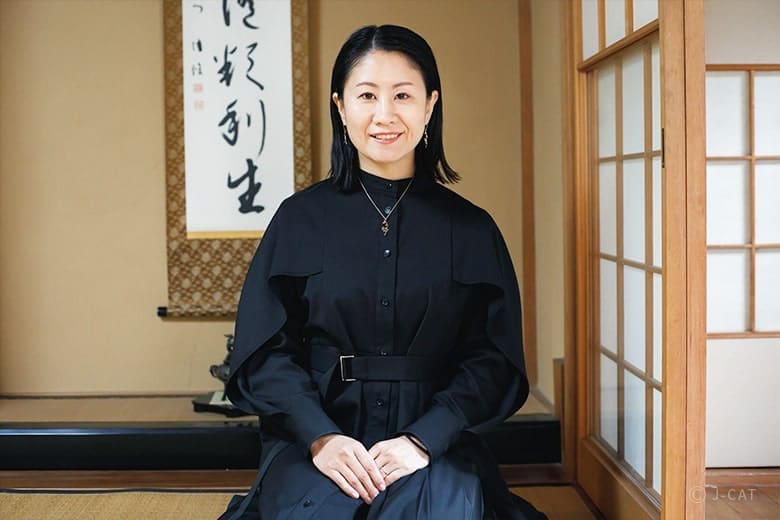
Saori Kunihiro teaches at Kyo-hyogu Koseido, a family workshop that mounts artwork on scrolls, screens, and other supports. This craft is called hyogu, and you’ll visit the workshop after your lesson to see how it’s done. I recommend spending the extra time here if you’re interested in both writing calligraphy and the craft of preserving it.
During the lesson, Saori introduces hiragana, a Japanese writing system whose characters represent sounds, and helps you practice writing your name. You can also pay extra to try a paper-lining technique or have your work mounted on a hanging scroll. If you choose the scroll, it’ll be sent to you later rather than handed to you at the end of the visit.
The experience lasts 2 hours 30 minutes and is arranged through Wabunka, a website offering private cultural experiences and stays in Japan. It works with artists and craftspeople to arrange visits for international travelers, with only your own party taking part. An English-speaking guide joins this lesson, so you can ask Saori questions even if you don’t speak Japanese.
SAKURA’s Private Calligraphy Class Near Nijo Castle
For a shorter, less expensive private lesson, I suggest SAKURA Nijo Home. You’ll have the teacher to yourselves for about 1 hour, which makes it easier to fit into a day of sightseeing. Tools and paper are provided, and you’ll practice brush movements before writing your name and a kanji character (one of the Chinese-derived characters used in Japanese) of your choice. You can take your finished work home.
The class is held in a private residence near Nijo Castle, so it’s worth combining the two if you’re planning to visit the castle. You’ll receive directions to the house after booking. I suggest leaving some extra time to find it, as arriving more than 15 minutes late means the class can’t go ahead and you won’t receive a refund.
For families, participants must be 12 or older. You’ll also need clean socks for the lesson, and the venue isn’t wheelchair accessible.
Japanese Calligraphy Classes in Tokyo
A Private Lesson with Kasetsu in Yanaka
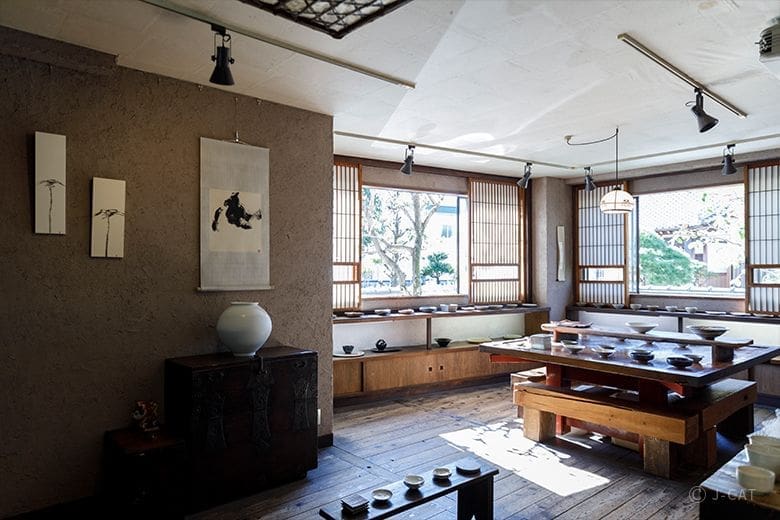
Kasetsu’s private lesson gives you 2 hours to explore how a single character can be written in different ways. It takes place in the gallery at Idaten, a pottery shop in Yanaka, an older neighborhood in Tokyo’s Taito district.
Your group chooses 木 (tree or wood), 人 (person), or 手 (hand) to work on together. Kasetsu explains the character’s origins and helps you use the brush and ink, then encourages you to experiment with how you write it. The lesson ends with tea and a discussion of everyone’s work, so you’ll have time to talk about what you’ve made as well as practice.
If you enjoy writing or art, I think it’s worth paying more for this time to experiment and discuss your work with Kasetsu. All experience levels are welcome, and Wabunka includes an English-speaking guide to help with the conversation.
If you’d prefer to learn the basics and keep more of your budget for other activities, consider Iriya Shodo Club below.
Tokyo Iriya Shodo Club
At Tokyo Iriya Shodo Club, you’ll start with posture, holding the brush, and drawing lines before moving on to Japanese characters, including your name. The workshop lasts about 1 hour 30 minutes, with supplies included and your finished work to take home.
It’s an affordable way to try calligraphy, particularly if you’re happy to learn alongside other travelers. There are up to five participants, so I suggest choosing Kasetsu instead if you’d prefer a lesson for your own party only.
You’ll meet on the second floor of Hostel Bedgasm in Iriya, about a 5-minute walk from Iriya Station. The venue isn’t wheelchair accessible.
What Is Japanese Calligraphy?
Japanese calligraphy, or shodo, is the art of writing with brush and ink. A beginner lesson introduces how to hold the brush and control your strokes, with a teacher helping you write characters even if you’ve never studied Japanese.
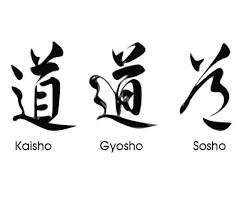
The three styles in the illustration below are kaisho (regular script with clearly separated strokes), gyosho (semi-cursive script), and sosho (cursive script). They show how differently the same characters can be written.
If you’re still choosing an activity, you can compare calligraphy with a tea ceremony in Kyoto or other cultural experiences in Japan.
What to Know Before Booking
If you’re particularly looking forward to learning from Saori or Kasetsu, I recommend checking their dates early. A request booking through Wabunka needs the host’s confirmation, so leave room in your plans until it’s confirmed. My guide to what to book in advance for Japan explains how to prioritize these experiences alongside hotels and transport.
The cancellation deadlines are also quite different. Kasetsu’s lesson allows free cancellation up to 11 days in advance, compared with four days for Saori’s. Both Viator classes allow cancellation up to 24 hours before the experience for a full refund. If your plans may change, check the deadline for your reservation before paying, as the longer notice required for the private artist lessons leaves less room to rearrange your day once you’re in Japan.