
If you’re trying to decide where to go in Japan, the biggest problem usually is not a lack of options. It is the opposite. Too many routes sound reasonable at the planning stage, so the trip starts turning into a pile of ideas instead of a route that actually fits you.
I think the better question is simpler: what kind of trip are you actually trying to have?
That is usually the part people skip. They go straight from broad planning into building a route, even though they have not decided whether they want an easy first introduction, a slower regional trip, a compact culture-focused trip, or a nature-first trip shaped by season and space.
Living in Tokyo and working in Japan travel for years, I’ve seen this pattern again and again. Most people do not need twenty more destination ideas. They need a clearer way to rule some out.
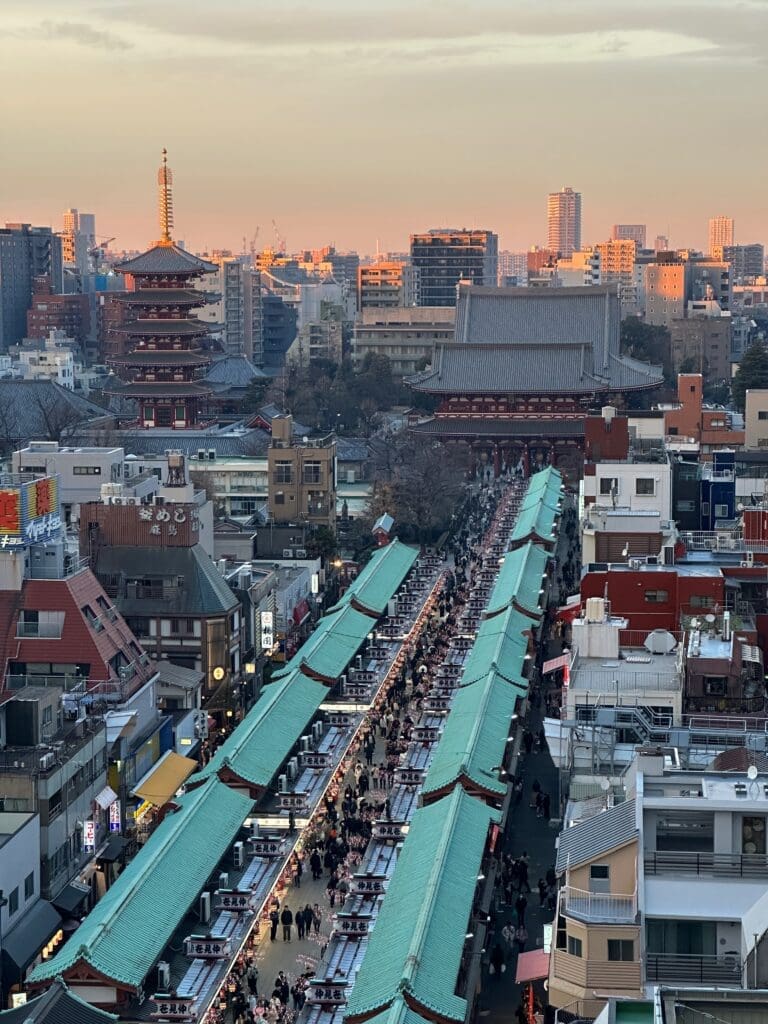
On a first trip, I still think the Golden Route through Tokyo, Kyoto, and Osaka is a strong backbone. But I also think many people make the trip better by not giving 100% of their time to that corridor. On a typical two-week first visit, I usually like something closer to a 70/30 split: keep about 70% of the trip on the easier classic route, then use the remaining 30% for one less-obvious stop that changes the feel of the trip.
So instead of adding more destination ideas, I am going to walk you through the main decision lenses, then compare four trip shapes that usually make sense, so you can leave with a shortlist that feels realistic.
Some links on YavaJapan are affiliate links. If you book or buy through them, I may earn a small commission at no extra cost to you. It helps support the site, and I only link to places, stays, and experiences I genuinely think are worth recommending.
At a Glance
- If this is your first trip to Japan, the Golden Route is still a very good backbone, but I usually recommend not giving the whole trip to Tokyo, Kyoto, and Osaka.
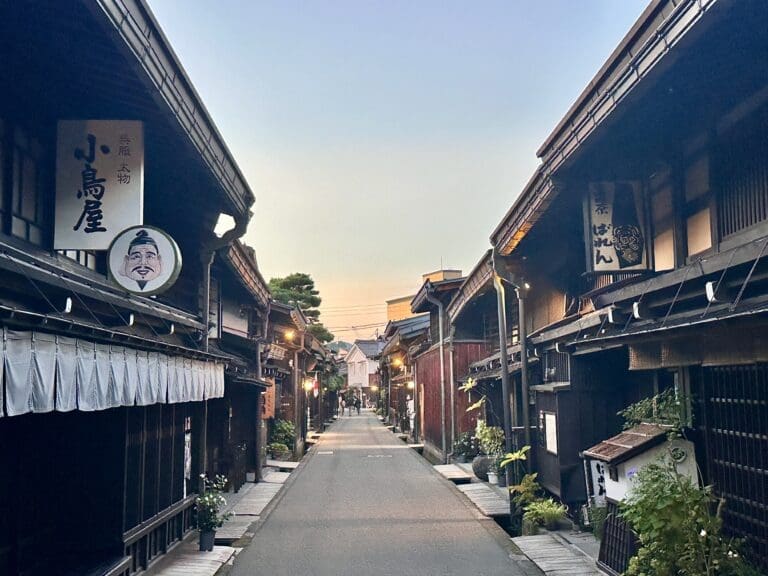
- If you want a calmer trip with strong culture and fewer huge-city days, compact historic cities like Kanazawa and Takayama are often a better fit.
- If you care more about regional depth than broad coverage, choose one region and stay with it instead of trying to jump all over the map.
- If weather, outdoor time, or summer comfort are a main priority, let the season shape the destination choice rather than treating every part of Japan as interchangeable.
- Most trips get better when you use fewer bases than your first draft suggests.
- You do not need the perfect route. You need a route that fits your time, pace, and curiosity well enough that the trip feels good on the ground.
The Main Lenses for Choosing Where to Go in Japan
Before you start comparing destinations, I would narrow the choice with four filters.
Start With Trip Stage
The first question is whether this is your first trip or an early-repeat trip.
For many first-timers, the Golden Route (the classic itinerary going through Tokyo, Kyoto, Osaka, and then back to Tokyo) still works because it removes a lot of friction. The rail links are straightforward, the landmarks are familiar, and the contrast between those cities gives you a broad introduction without asking you to understand the whole country at once. Even the official JNTO Golden Route overview still treats that corridor as the core introduction for a first visit.
Where I would push a bit harder is what you do around that backbone. If this is a typical two-week first trip, I usually think the route gets better when roughly 70% stays on that easier classic corridor and roughly 30% goes to one less-obvious stop. That is often enough to make the trip feel more individual without making it much harder.

Repeat trips are different. Once you already know the basics, you usually get more value from going deeper into one region, slowing the pace down, or picking a place that feels less obvious. If someone loves Tokyo or Kyoto, they should absolutely go back. But if the point of the trip is to see more of Japan, I would widen the map instead of rebuilding the same route with minor changes.
Decide How Much Movement You Actually Want
Japan makes movement look easy on paper. In some cases it really is easy. The shinkansen works well, stations are efficient, and a route across major cities can be very smooth.
But each move still costs you something: checkout, luggage, station transfers, arrival confusion, and the general mental reset of learning a new place. On a shorter trip, those costs add up fast.
In most cases, I would rather see you go deeper into fewer bases than squeeze one more stop into the schedule. If you already feel your route is getting crowded while you are still planning it, that usually tells you enough. Overloading the route is one of the most common travel mistakes people make in Japan.
Choose Your Preferred Energy Level
Some people want the scale and constant stimulation of major cities. Others want smaller places where walking around feels simpler, evenings stay quieter, and you are not spending half the trip navigating giant stations.
Neither approach is automatically better. But mixing them without thinking about your own tolerance can make a trip feel strange. If you love big urban days, a heavily regional route may feel too quiet. If city overload wears you out quickly, a trip built around only Tokyo, Kyoto, and Osaka may feel more tiring than exciting.
Decide How Much Friction You Will Accept
The last filter is practical: how much effort are you willing to trade for a more individual trip?
Some routes are easy for almost anyone. Others ask for more patience with transfers, more confidence around regional transport, or more willingness to build a trip around one area instead of famous national icons.
That tradeoff is worth being honest about. A route can be excellent and still be wrong for you right now.
Four Trip Shapes That Usually Make Sense
These are the four trip shapes I think are the clearest starting points for most independent travelers. They are not the only ways to travel in Japan, but they cover the most common decision patterns without turning this page into a giant browse list.
| Trip Shape | Best For | Trip Stage | Pace | Movement Level | Main Tradeoff |
|---|---|---|---|---|---|
| Classic First Trip | Big first-time highlights and easy logistics | First trip | Medium | Medium | More crowds and more temptation to overpack the route |
| Compact Culture-and-History Trip | Walkable historic cities and fewer huge-city days | First or repeat | Slower | Low to medium | Narrower range than the classic corridor |
| Slower Regional Trip | Deeper time in one part of Japan | Early-repeat or longer first trip | Slow | Low | More planning friction and fewer headline sights |
| Nature-First or Season-First Trip | Climate, landscape, and outdoor time | First or repeat | Slow to medium | Low to medium | Can be less flexible outside the right season |
The Classic First Trip
If this is your first time in Japan and you want the safest structure, I would still start here.
The classic trip shape usually means Tokyo plus Kyoto and Osaka, sometimes with one extra stop such as Hakone, Nara, or a short onsen break. The appeal is obvious: you get Japan’s biggest urban contrast, many of the places you have probably imagined for years, and one of the easiest transport backbones in the country.
This is the best fit if you want:
- a first introduction that feels clear rather than experimental
- famous temples, major city neighborhoods, food, and easy rail connections in one trip
- a route that is relatively forgiving if you are still figuring Japan out as you go
The common problem is that people overload it. They start with three strong stops, then keep adding side trips until the whole thing loses shape.
If you only have a week to ten days, I would keep this kind of trip fairly tight. Tokyo and Kyoto can already carry a lot on their own. Osaka often works well as part of that mix, but you do not need to stack every famous place nearby just because the train network allows it.
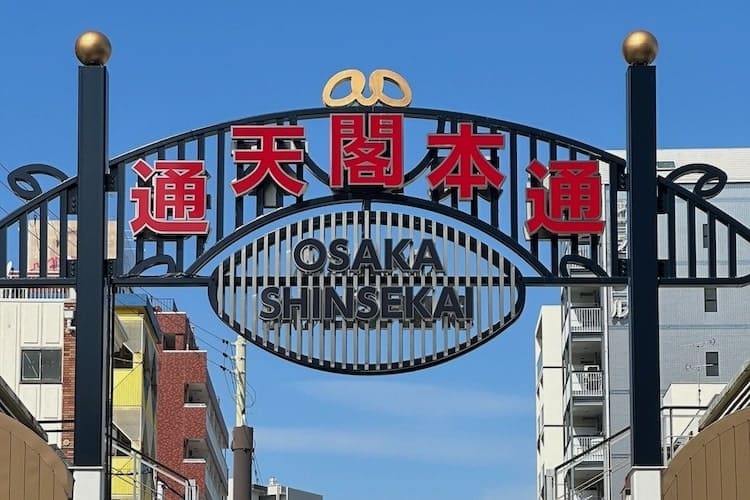
If you have around two weeks, this is where I would usually bring in the 70/30 idea. Keep the Golden Route as the backbone, then give four or five days to one place that adds a different pace or atmosphere. That could be a smaller historic city, a regional stop, or a nature-focused extension depending on season and confidence.
This route is also the most crowded version of Japan in many seasons. If you already know you dislike heavy tourist density, or if you want a trip that feels more compact and less headline-driven, one of the next categories may suit you better.
The Compact Culture-and-History Trip
This is one of my favorite trip shapes for people who want strong cultural payoff without spending the whole trip in giant cities.
Think of places like Kanazawa and Takayama. These work well when you want historic districts, traditional architecture, local food, craft culture, and a pace that feels easier to manage on foot.
This kind of trip is a strong fit if you want:
- smaller-scale cities with a lot to do
- a route that feels calmer and easier to absorb day by day
- cultural depth without committing to a huge regional journey
- a first trip that is slightly more focused, or a repeat trip that still feels easy to build
The appeal here is not only that the places are smaller. It is that the travel logic gets simpler. You can spend more time in each base, keep transitions lighter, and still feel that you are getting a very rich introduction to Japan.
The tradeoff is that you are choosing focus over breadth. If your main dream is the full Tokyo, Kyoto, Osaka sweep, this route may feel too narrow for a first visit. It also gives you less big-city contrast if that is something you actively want.
If this lane sounds right, Kanazawa is the easier choice if you want a small city with strong food and culture plus a bit more urban comfort. Takayama is better if you want a more compact mountain-town base and a trip that leans further away from the major-city feel.
The Slower Regional Trip
If you care more about depth than coverage, I think this is where Japan gets especially rewarding.
A slower regional trip means choosing one region and giving it enough time to feel coherent. Instead of bouncing between national highlights, you stay with one part of the country long enough to understand how the places relate to each other.
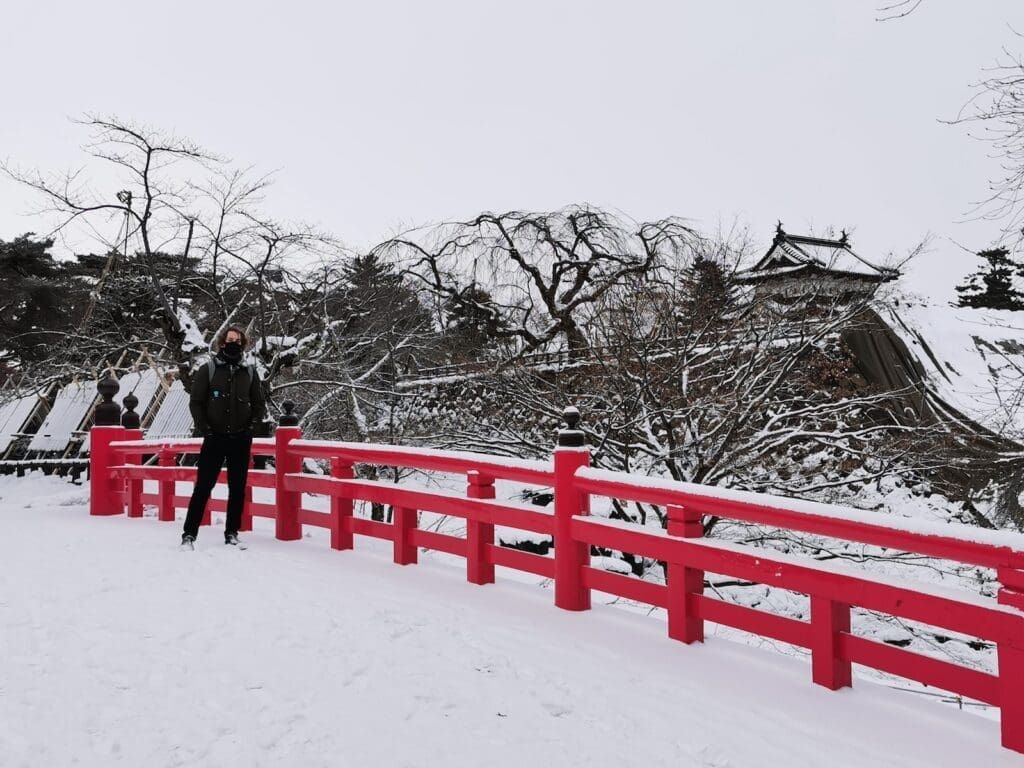
Regions such as Tohoku fit this style well because the reward comes from staying within one part of Japan long enough for it to feel coherent.
This is a strong fit if you want:
- more time in one part of Japan
- a route that feels less compressed and less predictable
- a second trip that opens the map up in a meaningful way
- a longer first trip where you are comfortable trading broad national coverage for regional depth
The main benefit is that the trip usually feels more settled. You are not constantly resetting. You start seeing differences within one area instead of only comparing famous cities against each other.
The main drawback is practical. Regional travel can ask more of you. Transport links are still good in many places, but the route design matters more, and the rewards are easier to miss if you only give the region a few rushed days.
If this is the kind of trip you want, Tohoku is a good example of what this style looks like in practice, but the bigger point is the trip shape itself: choose one region and give it enough time.
The Nature-First or Season-First Trip
Some trips should be built around climate, landscape, and outdoor time from the start.
That is especially true in Japan because the country changes a lot by region and season. Summer does not feel the same everywhere. Autumn color arrives at different times. A trip built mainly around big cities can make much less sense if your real priority is cooler weather, open space, hiking, or coast and countryside. If season is going to drive the route, start with my Best Time to Visit Japan guide before you lock the shortlist.
A route like Summer in Hokkaido shows what this kind of thinking looks like when climate and landscape are doing most of the work.
This trip shape suits you if:
- seasonal comfort is one of your top priorities
- you want more space, more landscape, and fewer dense city days
- you are choosing the destination because of weather or outdoor appeal, not because it belongs on a standard first-time route
The tradeoff is that this kind of trip is often more dependent on timing. It can be excellent when your dates line up with the destination’s strongest season, and much weaker if they do not.
It can also be a less satisfying first trip if you are still hoping for a broad introduction to Japan’s major cultural and urban icons. If that broad introduction matters to you, I would keep this as either a focused later trip or one carefully chosen extension rather than your whole first visit.
If this sounds closest to what you want, start by choosing the season first and the exact destination second.
When to Stay Classic and When to Go Further
Once you have those four shapes in mind, the next question is whether you should stay close to the classic route or move further out.
Stay Classic When
Stay with the classic route if you want the easiest first introduction, a relatively short trip, or the broadest overview with the fewest moving parts.
That choice also makes sense if Japan has been on your list for years and you know you would regret skipping the major first-time icons. There is nothing uncreative about wanting a trip that covers the places you have wanted to see most.
Go Further When
Go further if you already know the classic route, or if you care more about slower depth, smaller cities, regional variation, or seasonal logic than headline sights.
This is also the better move if the classic corridor feels too crowded or too city-heavy for the kind of trip you actually enjoy.
For repeat trips, I usually lean this way quite hard. Once you already understand the basics of traveling in Japan, there is a lot to gain from widening the map instead of rebuilding the same trip with minor edits.
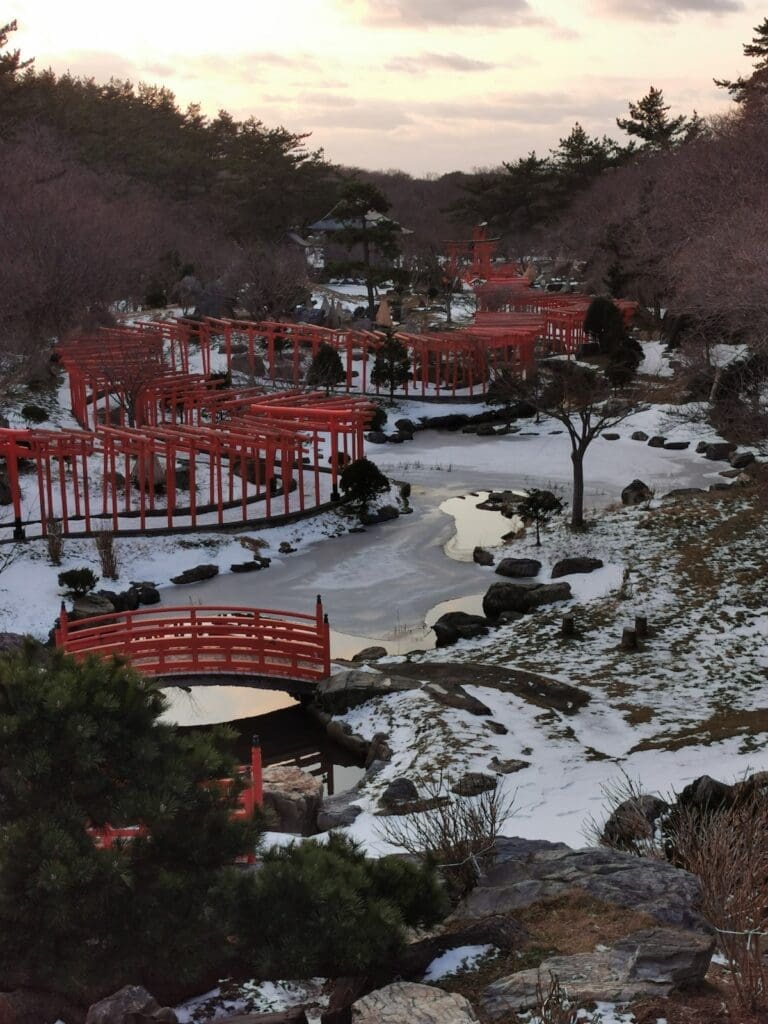

Mix the Two When
A mixed approach often works best, especially on a first trip of around two weeks.
You might spend most of the trip on a familiar first-time route, then give four or five days to somewhere calmer or more regional. That tends to work better than trying to rebuild the whole itinerary around being unusual.
I like this middle ground because it keeps the confidence and convenience of the classic route while still giving the trip a different texture.
How to Turn This Into a Shortlist
If you are still deciding, I would narrow it down in this order.
1. Choose the Trip Shape First
Do not shortlist six destinations from four different travel styles and hope the route will sort itself out later.
Pick the one trip shape that sounds most like you:
- classic first trip
- compact culture-and-history trip
- slower regional trip
- nature-first or season-first trip
Once you have done that, most of the noise disappears.
2. Rule Out at Least One Whole Category
It usually makes the whole route easier to judge.
If you know you do not want big-city overload, cross the classic-heavy route off. If you know you want famous first-time highlights, cross the deeper regional route off for now. If summer comfort is your main concern, let that push the map north instead of keeping every option alive.
You do not need to keep every possibility in play until the last minute.
3. Keep the Number of Bases Realistic
This is where many Japan trips get weaker.
On a shorter trip, each extra base reduces the time you actually get to enjoy the places you chose. Even on a longer trip, constant movement can flatten the experience. A route that looks efficient on a spreadsheet can feel thin once you are dragging luggage through stations and checking into another hotel.
As a general rule, I would rather see a traveler come home wishing they had one more place than feeling they barely had time to enjoy any of them. If cost is what keeps changing the route, run the shortlist through the Japan Trip Cost Calculator once you are down to two or three options.
4. Let Stay Style Come After Destination Choice
Where you stay can shape a trip, especially if you want to spend a night in a ryokan (traditional Japanese inn) or make a special stay part of the experience. But that decision usually works better after you have chosen the destination backbone.
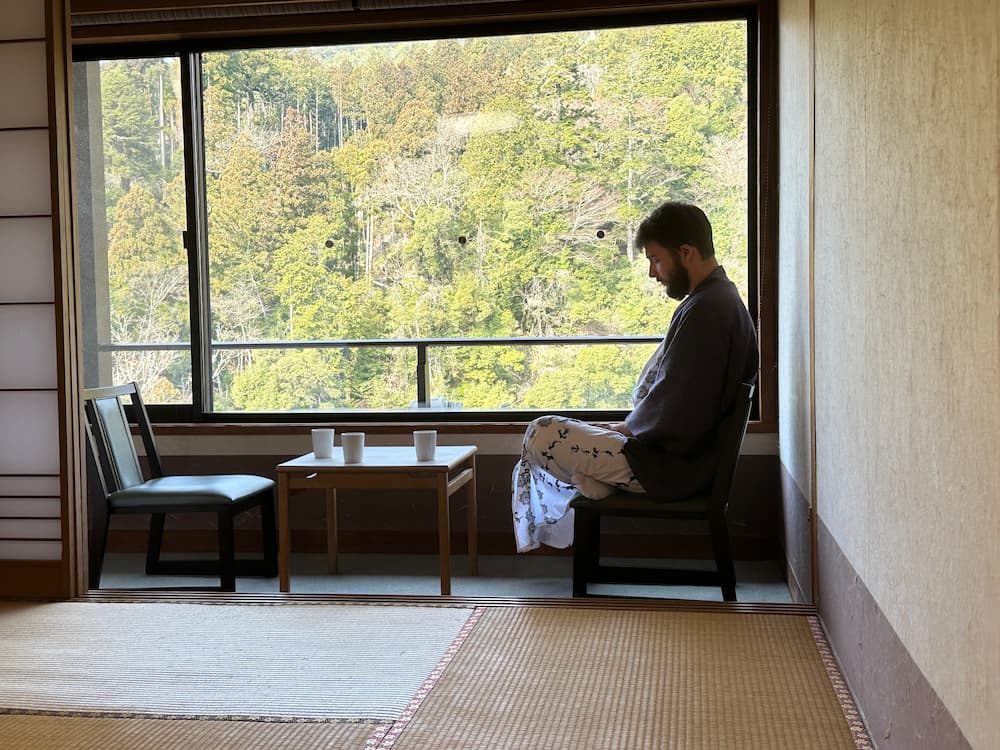
If the next thing you are trying to solve is stay style rather than geography, read my guide to staying in a ryokan in Japan.
If your destination is already fixed and you are choosing a base in Tokyo, my Where to Stay in Tokyo guide is the better next step.
Where to Go Next on YavaJapan
If one of these directions sounds close to what you want, these guides can help you test that idea in more detail.
- If you want a compact culture-and-history trip, go to Kanazawa or Takayama.
- If you want a slower regional trip, go to Tohoku.
- If you want a summer nature-first trip, go to Summer in Hokkaido.
- If timing is still the main blocker, go to Best Time to Visit Japan.
I would keep the next step narrow. One strong guide is usually more useful than opening ten tabs.
FAQ
Where Should I Go in Japan for a First Trip?
For most people, I would still use the Golden Route as the backbone, especially on a first trip. But on a trip of around two weeks, I usually think the route gets better when you keep roughly 70% on that easier classic corridor and use the remaining 30% for one less-obvious stop.
How Many Destinations Should I Combine in One Japan Trip?
Fewer than you probably think. On a short trip, two or three bases is often enough. On a longer trip, you can add more, but I would still choose depth over constant movement unless moving around is part of the appeal for you.
Should a Second Trip to Japan Skip Tokyo, Kyoto, and Osaka?
Not automatically. If you love those cities, go back. But if your goal is to understand more of Japan, I would usually use a second trip to widen the map and give more time to one region or smaller set of destinations.
Is Hokkaido or Tohoku Better for a Slower Trip?
That depends on what is driving the trip. If climate and summer landscape are high on your list, Hokkaido is easier to justify. If you want a broader regional trip with cultural range and deeper route-building potential, Tohoku is often the stronger call.
Choose the Destination Mix That Fits Your Trip
The best Japan trip is usually not the one with the longest list of places. It is the one whose pace, scale, and route shape fit the kind of traveler you are right now.
For a first trip, that may mean staying fairly classic and keeping the route clean. For a repeat trip, it may mean going much deeper into one region. For another traveler, it may mean building the whole trip around climate, open space, or a smaller pair of cultural cities.
Any of those can be the right answer.
If you already know which of the four trip shapes sounds closest to your style, use that as your next step and move into one strong guide from there. That is usually when Japan planning starts feeling much easier.