Japan is one of the most rewarding countries to visit, but it’s also easy to make basic mistakes, especially if it’s your first time. Based on countless travel experiences and recurring feedback I’ve seen from other travelers, here’s a breakdown of some of the most common issues people run into. Avoiding these will save you time, money, and frustration.
Underestimating Travel Time
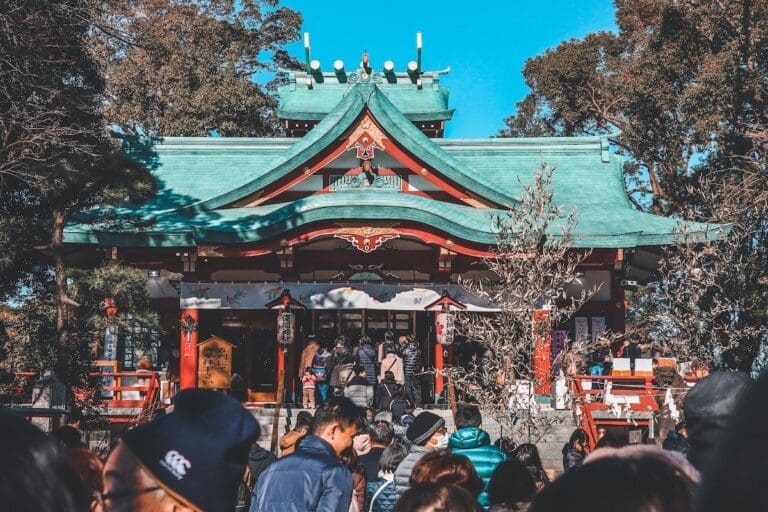
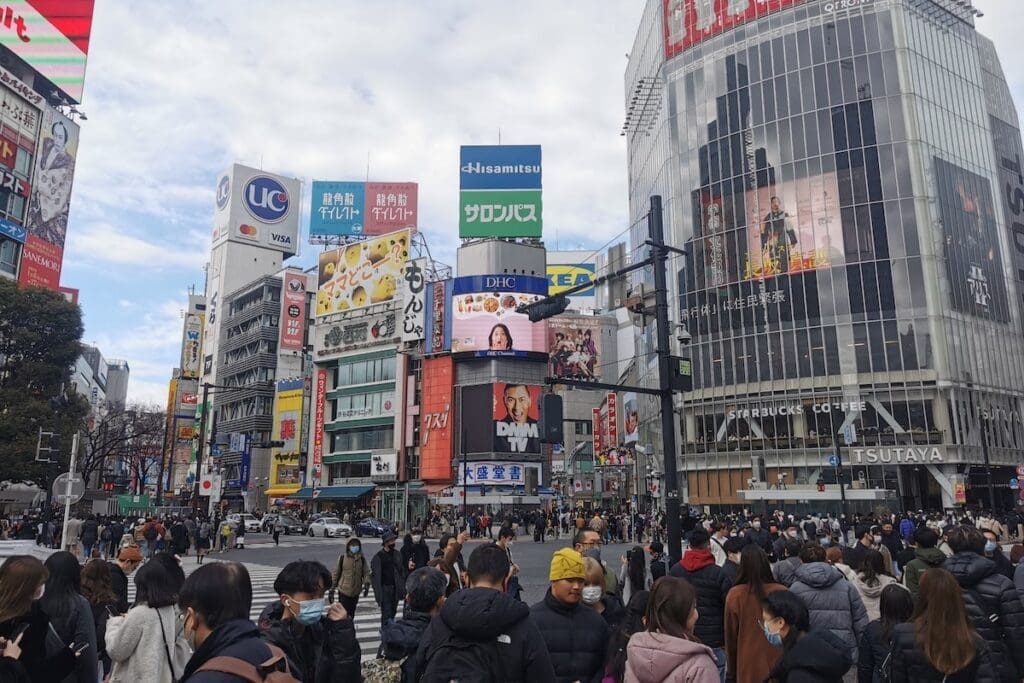
On the map, cities in Japan might look close. In reality, travel times can be long, even on the Shinkansen. Some travelers make the mistake of trying to pack too many cities into a short trip: Tokyo, Yokohama, Hakone, Kyoto, Osaka, Nara, Kanazawa, Hiroshima, maybe even squeezing in a few day trips here and there. But what sounds doable on paper ends up being exhausting in real life.
Trains are punctual and efficient, but they don’t teleport you. Transit takes time, and station navigation, transfers, and walking can add up. If you’re changing hotels every two nights, you’re going to spend a lot of your trip on logistics instead of actually enjoying Japan.
My advice: Prioritize depth over breadth. It’s better to spend more time in fewer places. You’ll actually enjoy your trip. For a first trip to Japan, I recommend staying in Tokyo, Kyoto, and instead of Osaka (that you can keep as a day trip from Kyoto), visit one other city or region out of the usual itinerary, like Takayama, Naoshima Island, Kagoshima, or Hakodate.
Booking Ryokan Wrong
Many travelers want to stay in a ryokan but don’t realize what they’re booking. Some end up in a hotel that just calls itself a “ryokan” but doesn’t offer dinner, traditional rooms, or any real cultural aspect. Others book a fancy ryokan but skip the meals to save money or to try nearby restaurants, without realizing that the meals are a big part of the ryokan experience.
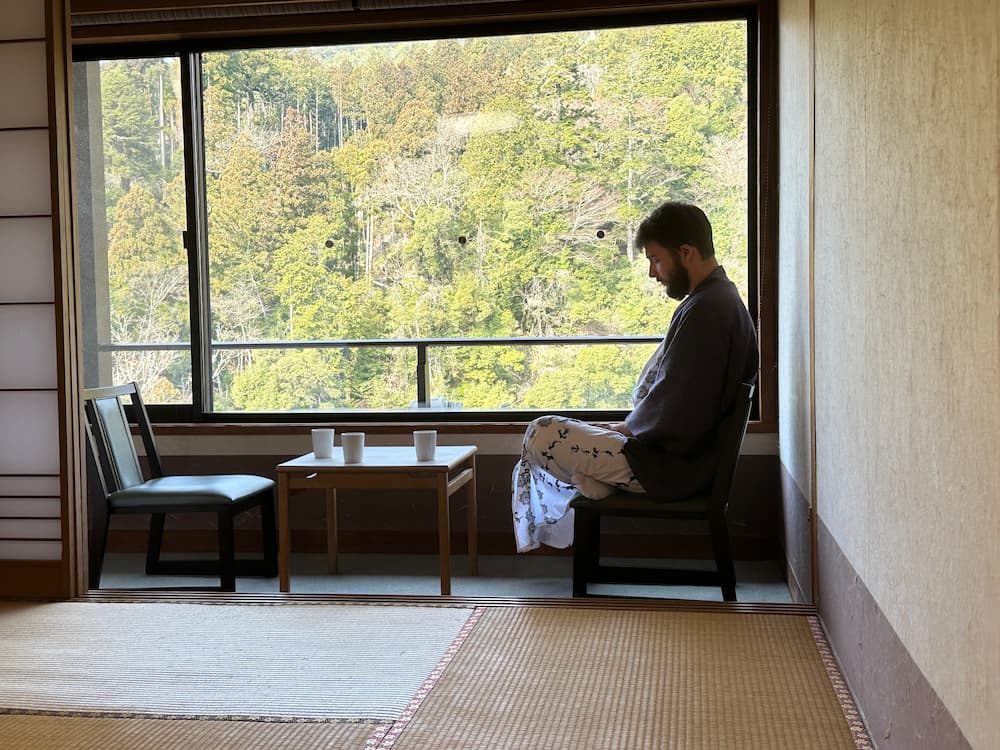
My advice: If you’re going to splurge on a ryokan, do it properly. Book one that includes dinner and breakfast, ideally with a private bath if you’re not comfortable with shared onsen. If you can and if the ryokan’s location is good, I’d recommend staying for two nights so that you have time to enjoy the facilities and visit the surroundings.
Using the JR Pass When It’s Not Worth It
People still assume the JR Pass is a default “must buy” for Japan. That used to be true, but since the price hike in 2023, it’s not often a good deal anymore. Some travelers end up spending more with the pass than they would buying individual tickets, especially if their itinerary is limited to Tokyo, Kyoto, and Osaka.
My advice: Use an online JR Pass calculator to check if it actually saves you money. If you’re not traveling long distances multiple times, skip it.
Overplanning and Micromanaging the Itinerary
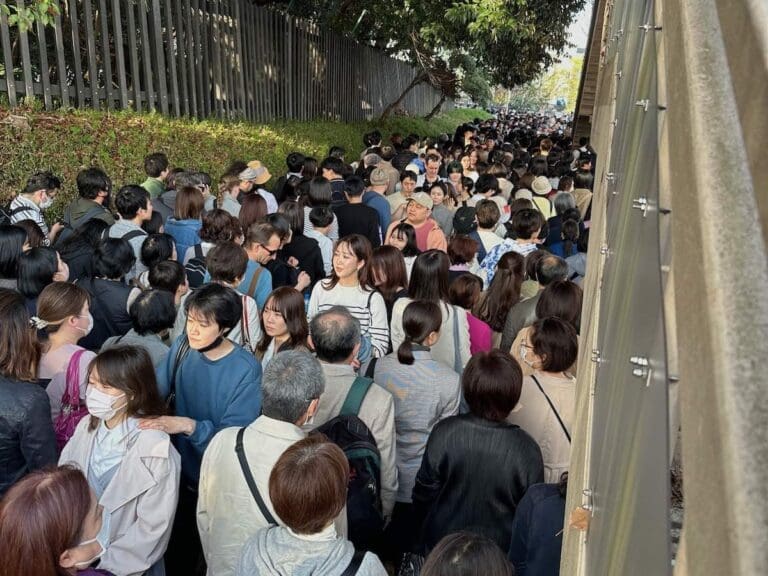
Trying to schedule every minute of the day in Japan is a quick way to burn out. Many people plan to visit five temples in one day, eat at three different famous restaurants, and squeeze in a day trip. All on the same day. Then reality hits: lines, crowds, transport delays, or just plain fatigue.
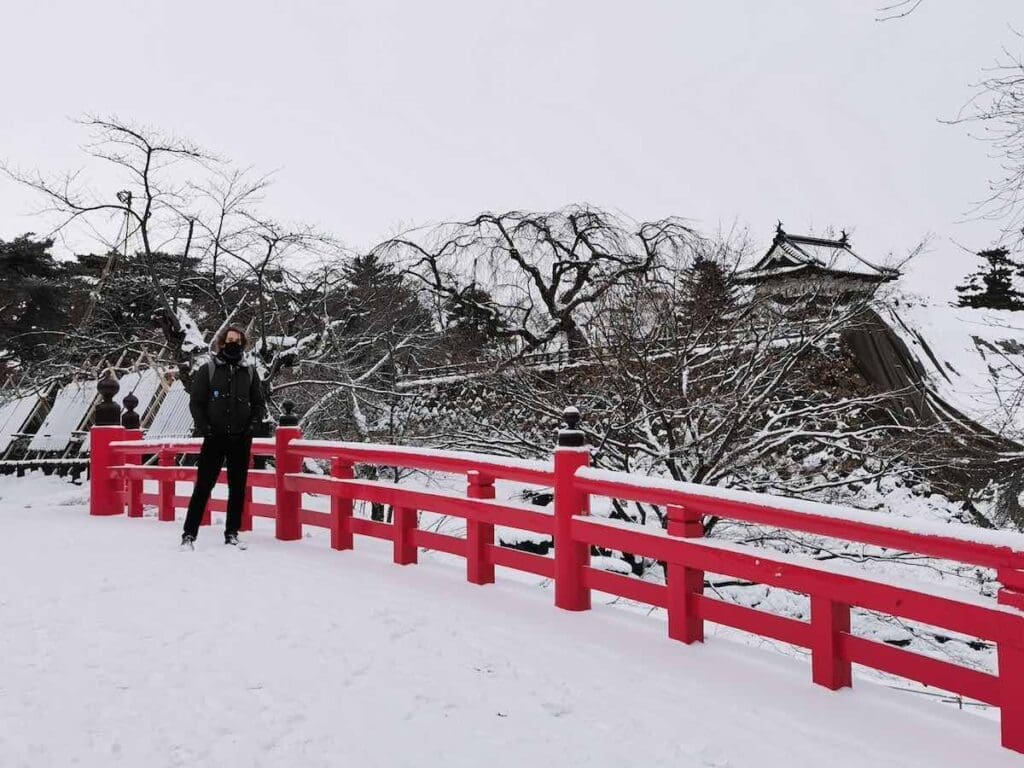
My advice: Leave room for flexibility. Japan is a country best enjoyed at a slower pace. Wandering aimlessly in a local neighborhood can be just as memorable as ticking off a “must-see” list.
Assuming Everyone Speaks English
While major train stations and tourist hotspots often have English signage and support, don’t expect every restaurant, shop, or taxi driver to speak English. It’s better than it used to be, but still limited.
My advice: Learn a few basic Japanese phrases. Even something simple like “sumimasen” (excuse me) or “arigatou gozaimasu” (thank you) goes a long way. Also, make sure you know how to use Google Translate. I made a complete Japanese course for travelers with basic vocabulary, grammar, and phrases you will need when traveling. I highly recommend you check it out.
Not Having Cash
Japan has gone a long way in adopting credit cards an other cashless payment methods. That said, cash is still king in some places, especially outside big cities or in small local shops and restaurants. Some travelers are caught off guard by how often they need physical yen.
My advice: Always carry some cash. Use 7-Eleven ATMs to withdraw with foreign cards. Most 7-Eleven, Family Mart, and Lawson stores are safe bets for both shopping and ATMs.
Expecting Convenience Stores to Be Bad
People often assume convenience stores are just for emergencies. Big mistake. In Japan, they’re genuinely good, especially for snacks, light meals, and breakfast.
My advice: Use convenience stores. The food is cheap, good, and consistent. Don’t hesitate to grab an onigiri (rice ball), a sandwich, or even fried chicken from the hot food corner. You’ll probably end up going daily.
Not Respecting Onsen Etiquette
Many first-time visitors mess up onsen etiquette. Using their phone in the locker room, wearing swimsuits, not washing properly before entering, or bringing bath towels into the bath area are common mistakes. These behaviors make locals uncomfortable and sometimes get travelers kicked out.
My advice: Read up on the rules before going. Shower and wash your body before entering the bath. Don’t bring your towel into the water. And if you have tattoos, check if the onsen allows them, as some still don’t.
Skipping Cultural Experiences
Some travelers fill their itinerary with sightseeing and shopping but skip actual cultural activities. That’s a shame because Japan has so much to offer beyond temples and views. From my experience working in the Japan travel industry and having helped hundreds of travelers along the years, cultural experiences are often cited the highlight of the trip.
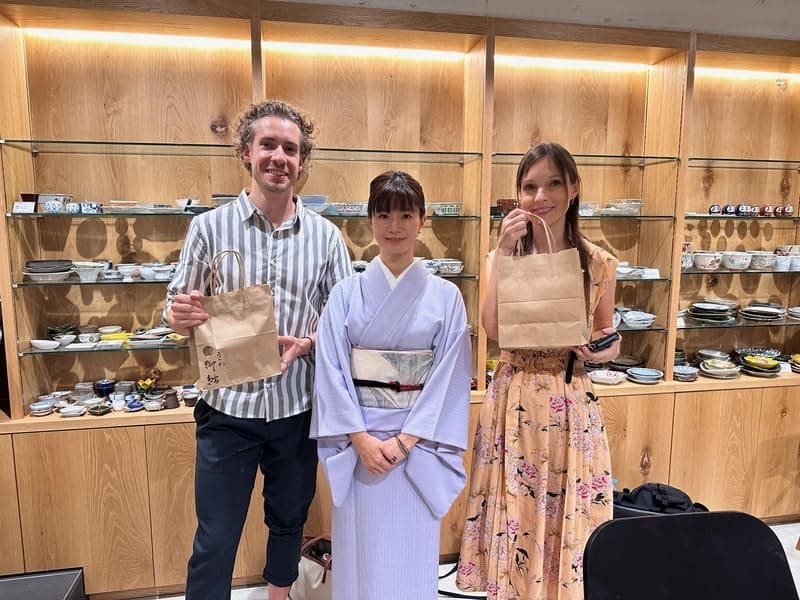
My advice: Try at least one experience, whether it’s a tea ceremony, calligraphy class, samurai archery session, or cooking lesson. To choose and book one, I highly recommend Wabunka. To me, they offer by far the best cultural experiences in Japan. All of their experiences are private, and you get to meet real Japanese masters, teachers, monks, or artists. It’s on a completely different level than the usual tourist activities.
Here are a few of my favorite picks:
- Make a Temple-stamp Journal with Centuries-Old Woodblock Prints in Kyoto
- Nakamura Tokichi, Uji Authentic Tea Ceremony Experience with Hands-on Green Tea Milling
- Personalize Your Own Japanese Knife & Hone in a Premier World Hone Production Region
- Maiko Tea and Entertainment with Behind-the-Scenes Insights at Kyoto’s Oldest Geisha District
The Bottom Line
Traveling in Japan isn’t hard, but it’s not completely foolproof either. A bit of prep and realistic expectations can go a long way. Don’t just follow the typical checklist, but understand how things work, slow down, and let the country surprise you. You’ll enjoy it much more that way.