
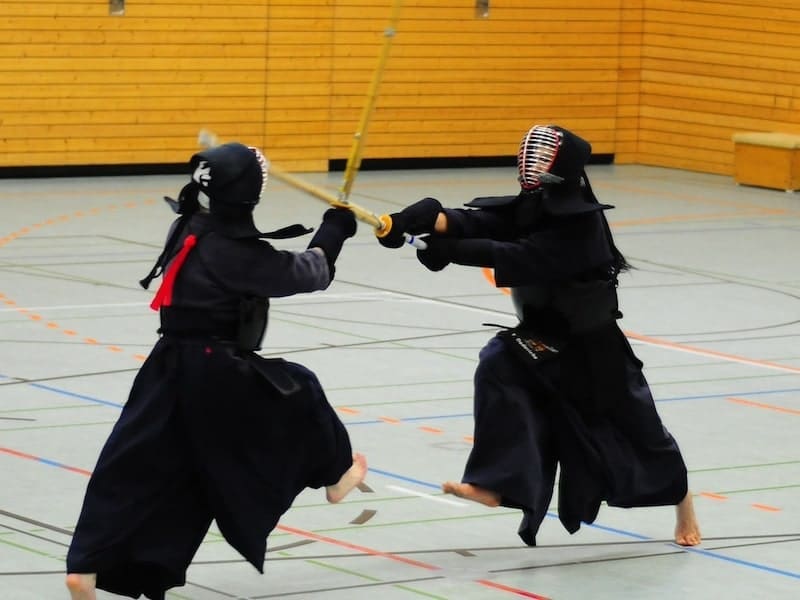
Kendo is Japan’s modern way of practicing swordsmanship. You use a bamboo sword and protective armor, with a strong emphasis on etiquette, posture, and self-control. And you can try it in Japan through a beginner lesson, even if you’ve never practiced a martial art before.
For a first lesson in Tokyo, I recommend comparing Samurai Trip near Uguisudani with Kendo Spirit in Nihonbashi. If you’re particularly interested in Japanese history and want a private experience, I suggest Tomoyoshi Yamanaka’s lesson in Kyoto. Osaka also has several options, so you can choose a class in the city where you have time to enjoy it.
Some links on YavaJapan are affiliate links. If you book or buy through them, I may earn a small commission at no extra cost to you. It helps support the site, and I only link to places, stays, and experiences I genuinely think are worth recommending.
At a Glance
| Experience | Location | Duration | Why Consider It |
|---|---|---|---|
| Samurai Trip | Tokyo, near Uguisudani | About 2 hrs | Group introduction with striking practice and a combat game |
| Kendo Spirit | Tokyo, Nihonbashi | About 2 hrs | Welcomes solo visitors; standard classes have up to eight participants |
| Tomoyoshi Yamanaka | Kyoto, Butokuden | 2 hrs 30 min | Private instruction with time for the host’s family history |
| Samurai Trip Osaka | Osaka, near Kyobashi | 1 hr 30 min-2 hrs | A beginner lesson if you’re staying in Osaka |
| Samurai Training Experience KENDO | Osaka, Honjohigashi | 2 hrs | Kendo practice plus photos with samurai props |
| Shoryo Kendo | Osaka; venue confirmed after booking | 2 hrs | Wooden-sword forms alongside bamboo-sword practice |
What Is Kendo, and What Happens in a Beginner Lesson?
Kendo developed from Japan’s older sword traditions. Today, practitioners train with a shinai (bamboo sword) and wear bogu (protective armor). Practice includes learning how to move, when to strike, and how to maintain control while facing an opponent.
The All Japan Kendo Federation’s teaching principles also emphasize courtesy, respect, and personal development. That’s why a lesson includes bowing and learning how to behave in the dojo, the training hall, as well as practicing with the sword.
In a beginner session, the instructor generally starts with the grip, stance, and footwork before introducing strikes. Depending on the class, you’ll then put on armor and try a supervised bout with another participant or the instructor. Expect repetition, corrections, and loud calls as you strike. It’s an active lesson, so I suggest leaving time afterward to change and have a drink before your next plan.
I think kendo is a good choice if you’d enjoy learning a physical skill with someone who practices it regularly. The bowing and drills are part of what you’re there to learn, and complete beginners can take part without knowing the rules in advance.
This map shows the five kendo experiences with confirmed venues in Tokyo, Kyoto, and Osaka.
Kendo Experiences in Tokyo
Samurai Trip Near Uguisudani
Samurai Trip is a good starting point if you want to try kendo with a partner or friends. The class covers the basics, including etiquette, handling the bamboo sword, and wearing the armor, before you put the movements into practice in a combat game. Equipment rental is included.
The Tokyo experience usually takes place near Uguisudani, in the northern part of the city near Ueno. I suggest combining it with time around Ueno or Nippori, leaving enough room for the lesson and the journey. Use the meeting point in your booking confirmation: the operator can use different venues, and the station meeting point and training hall aren’t the same address.
Klook sells this as a group class and requires at least two participants per booking. You can also compare the Tokyo experience on TripAdvisor. These are booking routes for the same operator, so compare the total and cancellation conditions for your date. Their cancellation deadlines differ, which could affect your choice if your plans might change.
Kendo Spirit in Nihonbashi
For solo travelers, I suggest checking Kendo Spirit. Its standard lesson welcomes individual bookings and has up to eight participants. English instruction, clothing, armor, and equipment are included, along with photos and videos from the session.
You’ll learn the basics and have the opportunity to spar with other participants and the instructor. A private lesson is also available if you want instruction for your own group or already practice kendo and have something specific you’d like to work on.
The training hall is in Nihonbashi, a central Tokyo district, about a 7-minute walk from Ningyocho or Mitsukoshimae Station. That location may be more convenient than Uguisudani if you’re spending the day around Nihonbashi or Tokyo Station.
Children aged 6+ can join the standard class if they can follow the instructor’s directions. For younger children, contact the operator about a private session before booking.
A Private Kendo Experience in Kyoto
Tomoyoshi Yamanaka at Butokuden
If you’re interested in the history behind kendo, this is the experience I recommend looking at first. Tomoyoshi Yamanaka’s private lesson combines practice with stories about his family, including an ancestor who served the Hikone domain, in what is now Shiga Prefecture.
Yamanaka speaks English, so you can ask him questions directly. The session lasts 2 hours 30 minutes for one to six people, with instruction in movement and striking before practice in armor. The listed venue is Butokuden, a martial arts hall in Kyoto’s Sakyo Ward.
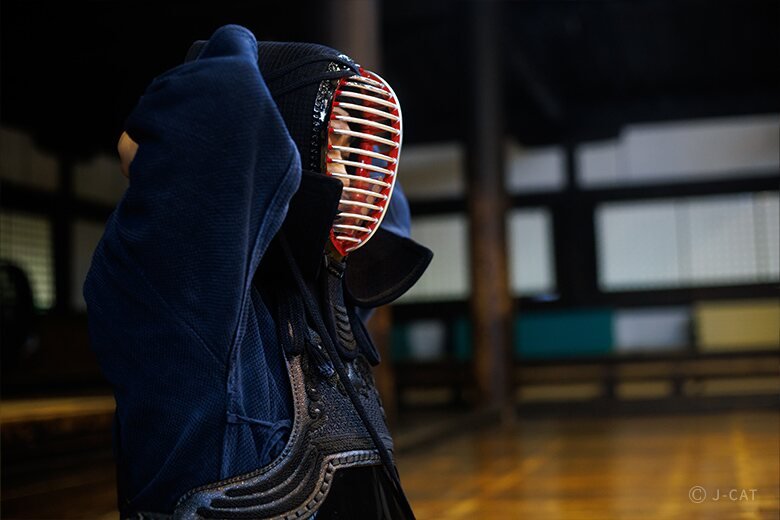
You book through Wabunka, a website offering private cultural experiences and stays in Japan. They work with Japanese teachers, artisans, and other hosts to arrange personal visits and lessons for your own group, without joining other travelers.
This is a more expensive choice. I think the reason to pay extra is private time with a host who can connect the lesson to his own family history. If you’re mainly curious about trying the movements once, a group class in Tokyo or Osaka is likely to be enough. Check the total for your party on the booking page, since the cost per person depends on group size.
Kendo Experiences in Osaka
Samurai Trip Near Kyobashi
If you’re staying in Osaka, Samurai Trip’s Osaka class gives you a similar introduction to the Tokyo program. You learn etiquette and basic strikes, practice against the instructor, and try a short sparring game. The experience also includes an instructor demonstration and a Japanese hand towel to take home.
The listed venue is Shigino Kaikan, about a 10-minute walk from Kyobashi Station. Sessions last around 1 hour 30 minutes to 2 hours, with instruction available in English and Japanese.
I recommend choosing between the Tokyo and Osaka sessions based on your schedule and the confirmed location. If you’ve already filled your Tokyo days, doing the class in Osaka gives you more time for the places you want to visit in both cities. Check the current venue when reserving, as the Osaka listing notes a location change and says older photos show the previous space.
Samurai Training Experience KENDO in Honjohigashi
The Samurai Training Experience KENDO combines kendo practice with a samurai photo session. It’s held in a training space used by actors preparing for samurai performances, with swords and props available for photographs.
The lesson itself includes English explanations of posture, footwork, and sword movements, followed by practice in kendo armor and a match or sparring session. I suggest considering it if you’re traveling with someone who wants to learn kendo and someone who’s also excited about the photographs.
Allow 2 hours. The venue is in Honjohigashi, a neighborhood in northern Osaka, about a 5-minute walk from Tenjimbashisuji 6-Chome Station. The booking page lists weekday sessions for one to 12 people, so check your dates if you’re only in Osaka over a weekend.
Shoryo Kendo: Wooden-Sword Forms and Bamboo-Sword Practice
Shoryo Kendo is another Osaka option, particularly if you’re interested in how the movements are taught. Its 2-hour program includes kata, set sequences practiced with a partner using wooden swords, as well as basic strikes with a bamboo sword.
The class is designed for beginners, with English support and equipment included. Children aged 8+ can join with a guardian.
The main detail to settle is the location: the operator confirms the Osaka training venue after booking. I suggest asking about the area and getting the cancellation terms before paying, especially if you’re fitting the lesson between other activities. Its website asks customers to contact the team about cancellations but doesn’t give a detailed refund schedule.
Before You Book
Check the age limit and equipment sizes for everyone in your group. The rules vary between operators. Samurai Trip lists a minimum age of 9, and its Tokyo Klook package also requires a height of at least 130 cm. Kendo Spirit and Shoryo accept younger children under the conditions described above. For other classes, confirm directly when booking with children.
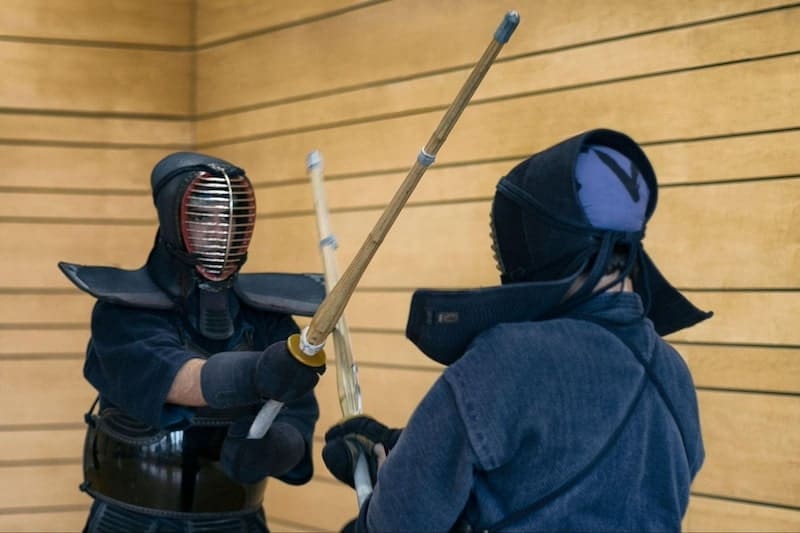
Wear clothing you can move in, and bring a spare shirt if you expect to sweat. If you wear glasses, ask about wearing them under the helmet: Samurai Trip recommends contact lenses. If kneeling or particular movements are difficult for you, explain that before reserving so the instructor can tell you what can be adapted.
Compare the booking conditions as well as the price. Check whether the lesson is private or shared, where you meet, and when cancellation fees begin. For a private session with a particular teacher, I suggest checking dates early and waiting for confirmation before arranging the rest of that day. My advice on what to book in advance for Japan explains how I prioritize these bookings.
If your trip goes elsewhere, Samurai Trip also accepts enquiries for other cities, including Sapporo, Kyoto, Kanazawa, Fukuoka, and Naha in Okinawa. Ask for a confirmed venue and date before planning around one of these sessions.
And if you’re still deciding which activity you’d most enjoy, my guide to traditional Japanese cultural experiences includes crafts, tea ceremonies, and other lessons you can try during the trip.
Comments are closed.